

1 Michelin Star · Falstaff Restaurant - 93 Falstaff Points
Our verdict
Bergfried - Chefs Table holds a Michelin Plate for 2024 and 2025, placing it among the more serious dining addresses in the Zillertal Alps. The format is modern cuisine at the €€€€ tier, served in Tux, a valley better known for skiing than fine dining. It draws a committed audience well beyond the resort crowd.

Pearl is the En Primeur Club membership app, where members save venues, book tables and use the concierge.
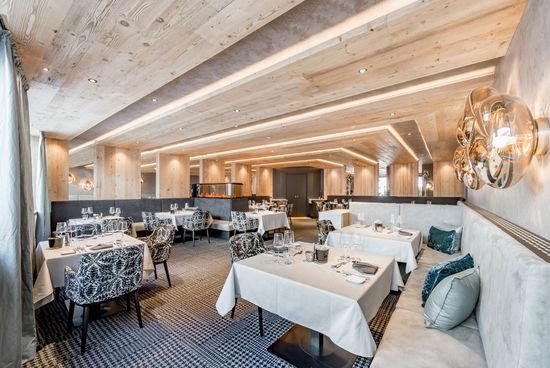
Fine Dining at Altitude: The Chef's Table Format in the Zillertal Alps
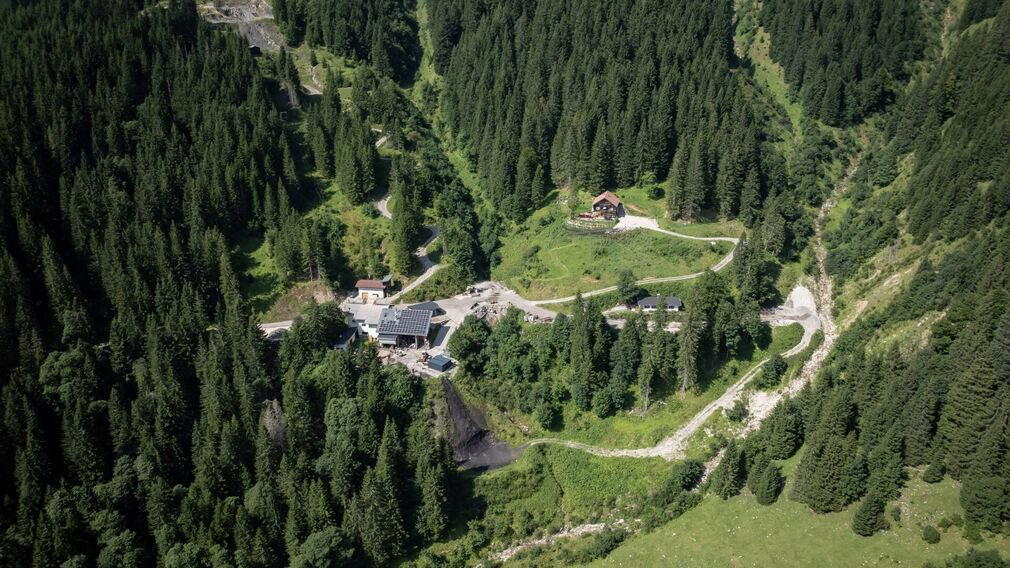
The approach to Bergfried - Chefs Table sets expectations immediately. Tux sits at the head of the Zillertal valley in Tyrol, a landscape defined by ski lifts, glaciers, and the kind of mountain architecture that prioritises function over flourish. That context makes the presence of a sustained Michelin Plate recipient, recognised in both 2024 and 2025, worth paying attention to. In the Austrian Alps, serious modern cuisine tends to cluster around well-resourced resort towns: Lech, St. Anton, the Arlberg corridor. A kitchen operating at this level in Tux positions itself as something of an outlier in its own geography, and that positioning shapes everything about how it reads against the broader Austrian fine dining scene.
Where Bergfried Sits in Austria's Modern Cuisine Map
Austria's top tier of modern cuisine is concentrated in urban and well-connected resort settings. Steirereck im Stadtpark in Vienna operates at three Michelin stars; Döllerer in Golling an der Salzach and Ikarus in Salzburg each hold two. Bergfried - Chefs Table sits at the Michelin Plate tier, a recognition that signals cooking quality worth noting without the full star classification. That bracket also includes Die Geniesserstube im Alpenhof (Alpine), making Tux a more interesting dining destination than its remote valley address would suggest.
The €€€€ price tier aligns Bergfried with kitchens such as Landhaus Bacher in Mautern an der Donau and Gourmetrestaurant Tannenhof in Sankt Anton am Arlberg, restaurants that compete on the quality of their sourcing and technique rather than volume or accessibility. For reference points further afield, the chef's table format as a concept in modern cuisine appears across very different settings: Frantzén in Stockholm and FZN by Björn Frantzén in Dubai represent how the format operates at the highest tier internationally. Bergfried operates at a more accessible point on that spectrum, but the format itself, intimate, curated, kitchen-facing, signals the same intent: to make sourcing and preparation the focal point of the meal.
Ingredient Sourcing in the Tyrolian Context
In Alpine fine dining, the sourcing conversation centres on two competing forces: the extraordinary raw material available at altitude (dairy, game, foraged herbs, freshwater fish from glacial streams) and the genuine logistical challenge of supplying a remote valley kitchen at the €€€€ tier year-round. The kitchens that perform well in this context tend to resolve that tension by building deep relationships with producers within a tight radius, farms in the Zillertal and Wipptal valleys, alpine dairy cooperatives, and seasonal foragers who work the high pastures between late spring and early autumn.
Modern cuisine as a category, when practised seriously in mountain settings, uses those constraints productively. The menu's character in any given week reflects what the valley is producing, which is a different discipline from the urban fine dining approach of sourcing globally for consistency. Kräuterreich by Vitus Winkler in Sankt Veit im Pongau is among the Austrian mountain kitchens that have built an identity specifically around Alpine herb sourcing; the approach at Bergfried fits within that broader regional pattern, where the kitchen's relationship with its immediate environment is a structural part of what it serves.
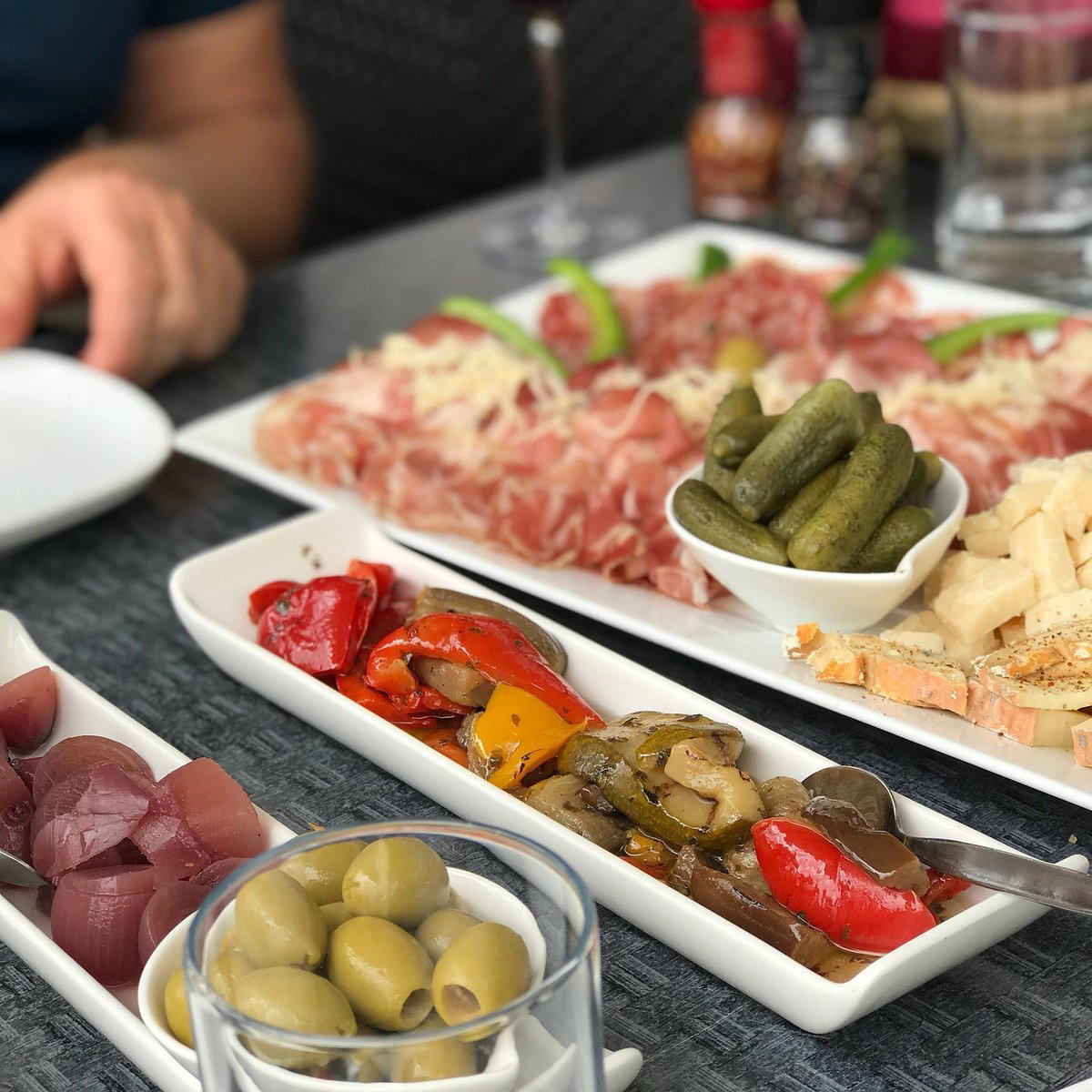
Tyrol's position at the intersection of Germanic, Italian, and Central European culinary traditions gives any serious kitchen here a layered larder to work with: speck and cured meats from South Tyrol, rye and grain traditions from the northern valleys, and the dairy culture that underpins much of the region's cooking. Modern cuisine in this setting is not a wholesale departure from that heritage but a reworking of it through contemporary technique.
The Chef's Table Format: What to Expect
The chef's table format, as a structural choice, signals a particular set of priorities. It typically involves a reduced number of covers, a view into or proximity to the kitchen, and a tasting-menu cadence where each course is explained in the context of where it came from. That intimacy raises the stakes on sourcing transparency: when a chef presents a dish in this format, the provenance of the main ingredient tends to be part of the explanation, not a footnote. Across Austria's alpine fine dining circuit, from Obauer in Werfen to Griggeler Stuba in Lech, the most compelling kitchens treat sourcing as content, not just supply chain. The chef's table setting at Bergfried positions the kitchen to do exactly that.
That cross-season consistency is a more demanding performance than it appears.
Tux as a Dining Destination
Tux's profile as a travel destination is primarily built around the Hintertux Glacier, one of the few glaciers in the Alps that supports year-round skiing. That draw brings a ski-oriented audience that has historically been well-served by hearty Tyrolean cooking, Hütten food, schnapps bars, and après-ski venues. The presence of Michelin-recognised modern cuisine at the €€€€ tier represents a different conversation with a different visitor: one who is willing to plan an evening around a serious restaurant rather than treating dinner as recovery from the slopes.
For visitors building an itinerary around both mountain activity and fine dining, Tux now has credible options at the upper end of the market. Our full Tux restaurants guide maps the broader range of dining available in the valley. For planning the rest of a stay, our full Tux hotels guide, bars guide, wineries guide, and experiences guide cover the full picture. Dining peers at the alpine modern cuisine tier in Tyrol and neighbouring regions include Restaurant 141 by Joachim Jaud in Mieming and Ois in Neufelden, which offer useful points of comparison for travellers benchmarking across the Austrian mountain dining circuit.
Planning Your Visit
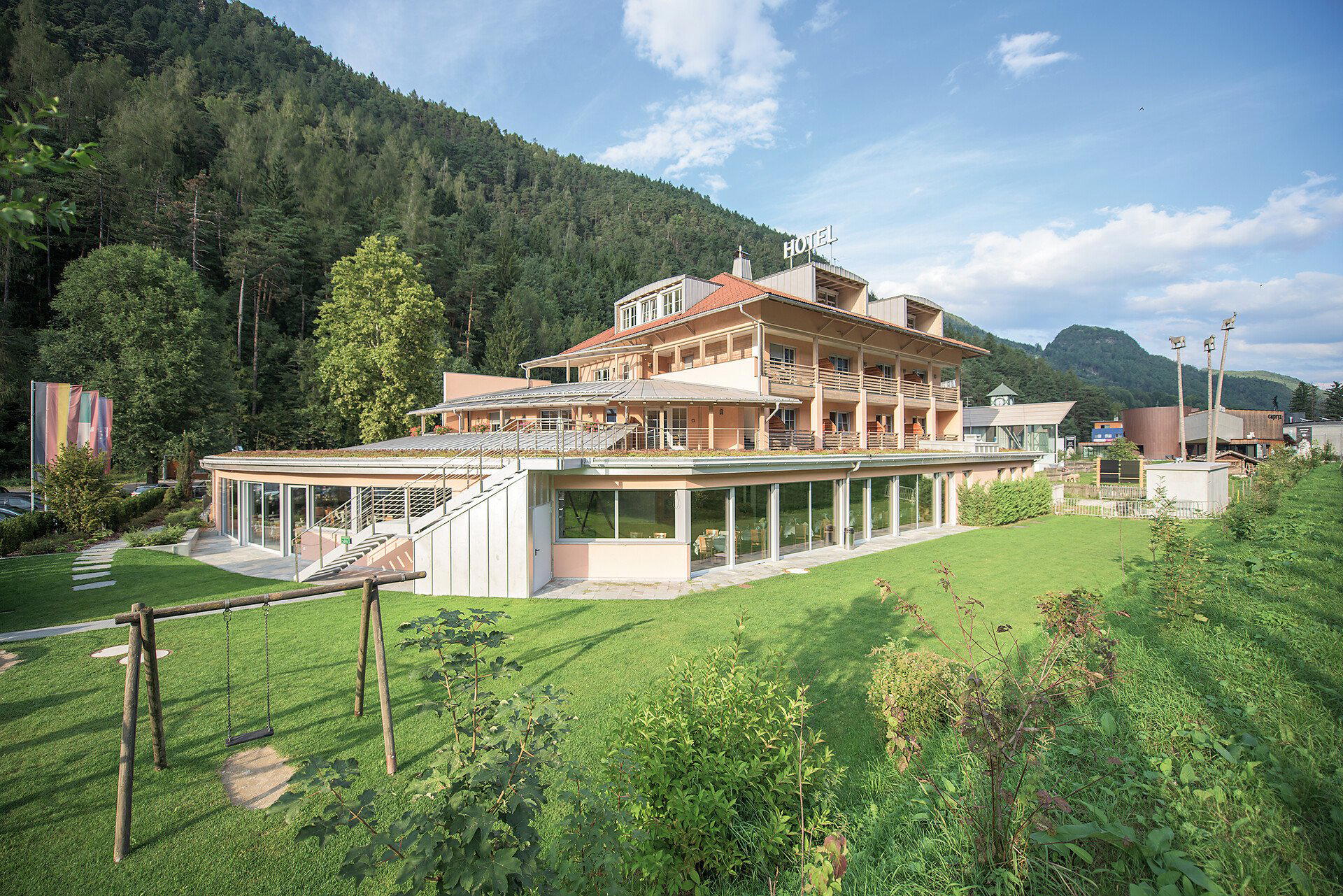
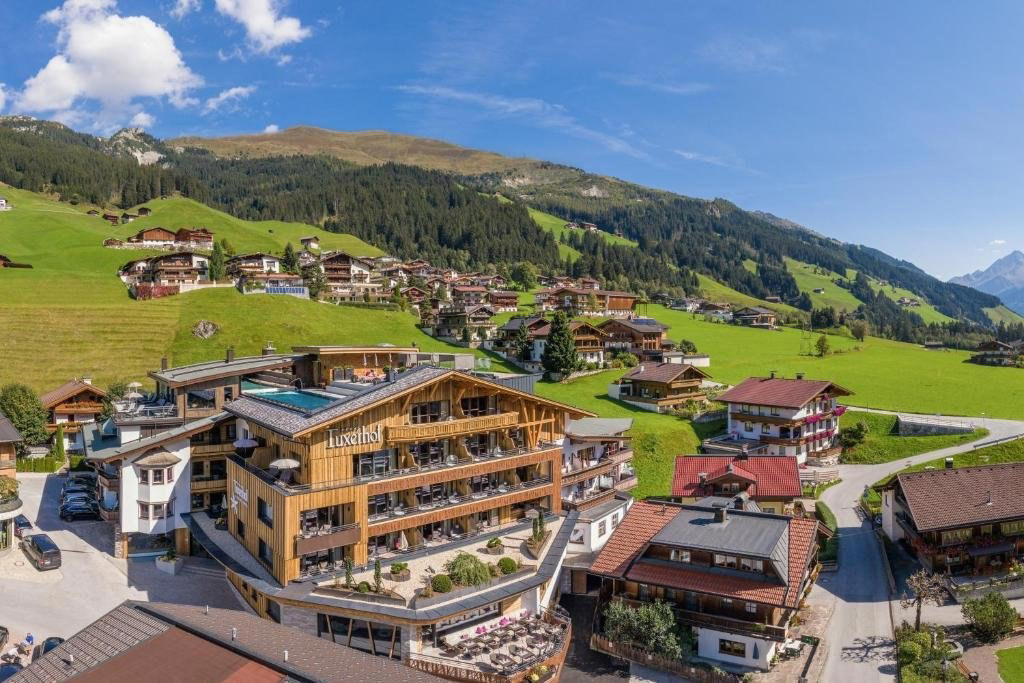
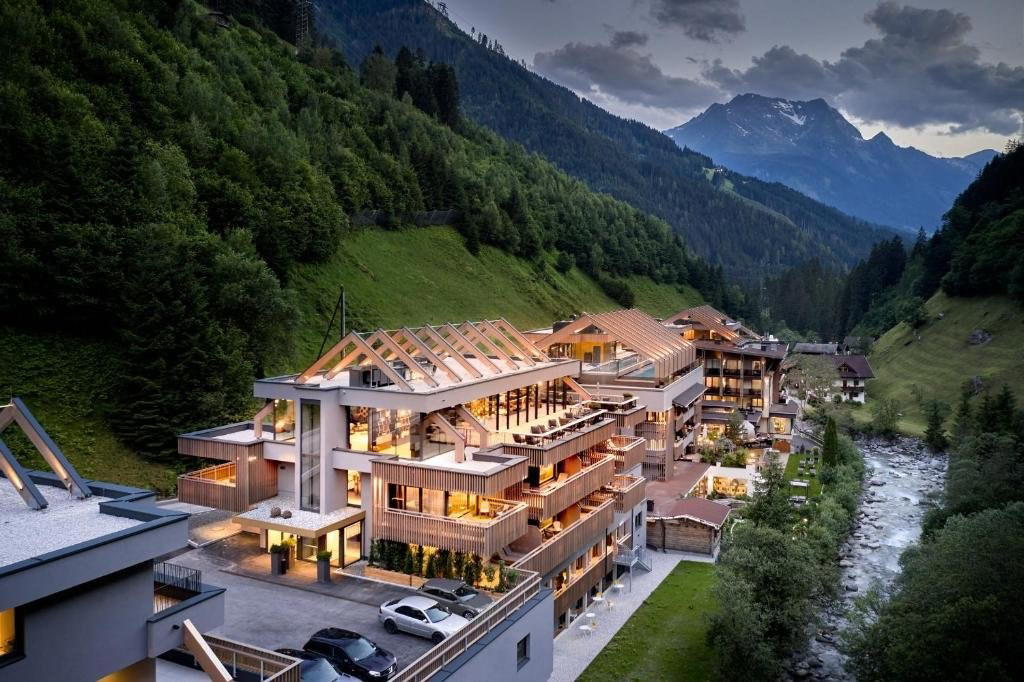
Bergfried - Chefs Table is located at Lanersbach 483, 6293 Tux, Austria, in the Lanersbach area of the Tux valley, accessible by road from Mayrhofen, which is the main transport hub for the Zillertal. The €€€€ price tier places this firmly in the occasion-dining bracket; it prices against Austria's other Michelin-recognised alpine restaurants rather than the valley's mid-market options.
Frequently asked questions
Should I book Bergfried - Chefs Table in advance?
Yes. Chef's table formats by design operate with a low cover count, and two consecutive Michelin Plate awards in 2024 and 2025 confirm this is a destination restaurant within the Zillertal Alps. At the €€€€ price tier in a seasonally driven resort area like Tux, seats fill during peak ski and glacier periods. check the venue's official channels well ahead of your intended travel dates.
A Quick Peer Check
| Venue | Cuisine | Price | Awards | Notes |
|---|---|---|---|---|
| Bergfried - Chefs TableThis venue (the venue you are viewing) | Modern Regional Austrian | $200–300 | 1 Michelin Star · Falstaff Restaurant - 93 Falstaff Points | Not listed |
| Steirereck im Stadtpark | Modern Austrian Fine Dining | $200–300 | 3 Michelin Stars · World's 50 Best #33 | Creative |
| Döllerer | Modern Alpine Cuisine | $100–150 | 2 Michelin Stars · La Liste Top Restaurants | Contemporary Austrian, Innovative |
| Ikarus | Guest Chef Fine Dining | $200–300 | 2 Michelin Stars · La Liste Top Restaurants | Modern European, Creative |
| Mraz & Sohn | Contemporary Austrian Fusion | $150–200 | 2 Michelin Stars · La Liste Top Restaurants | Modern Austrian, Creative |
| Obauer | Modern Austrian Fine Dining | $50–100 | 2 Michelin Stars · La Liste Top Restaurants | Classic Cuisine |
Recognition history
Dated appearances from independent guides and award organizations, with the underlying list record or original source where available.
Michelin 1 Star
Michelin
Falstaff Restaurant - 93 Falstaff Points
Falstaff
Full recognition history (4 entries)
Michelin Plate
Michelin
Michelin Plate
Michelin
Continue exploring
More in Tux
Restaurants in Tux
All restaurants in Tux →
Bars in Tux
Browse all →


Details
- Intimate
- Elegant
- Sophisticated
- Special Occasion
- Date Night
- Chefs Counter
- Open Kitchen
- Hotel Restaurant
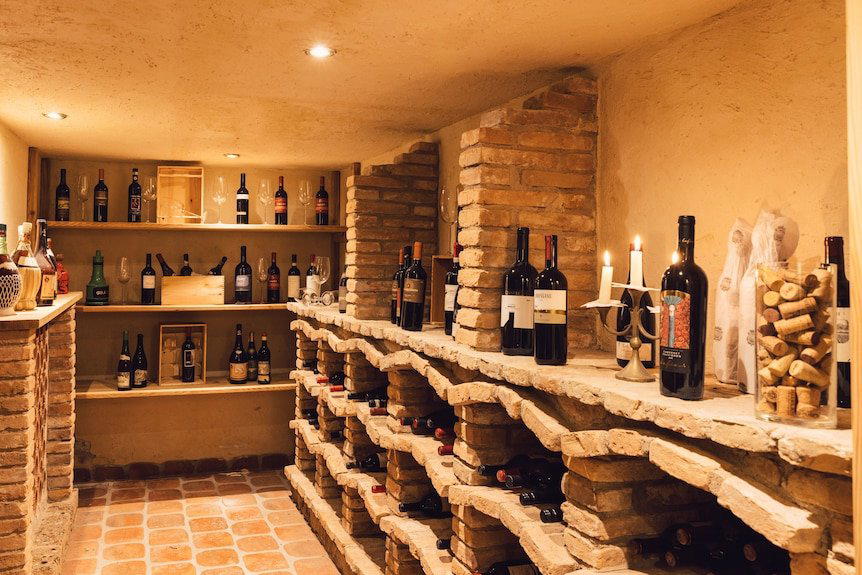
- Extensive Wine List
- Local Sourcing
- Tasting Menu
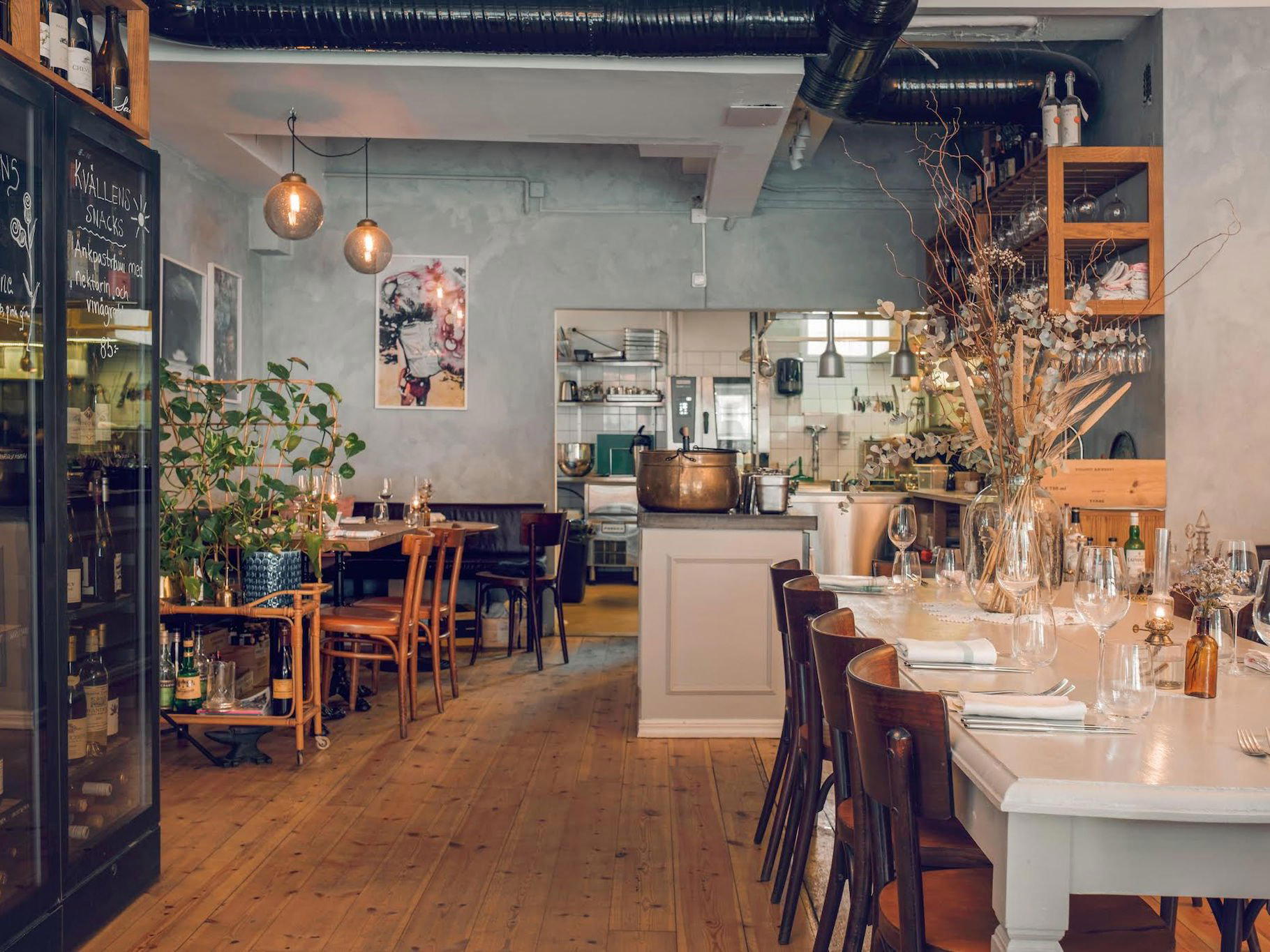
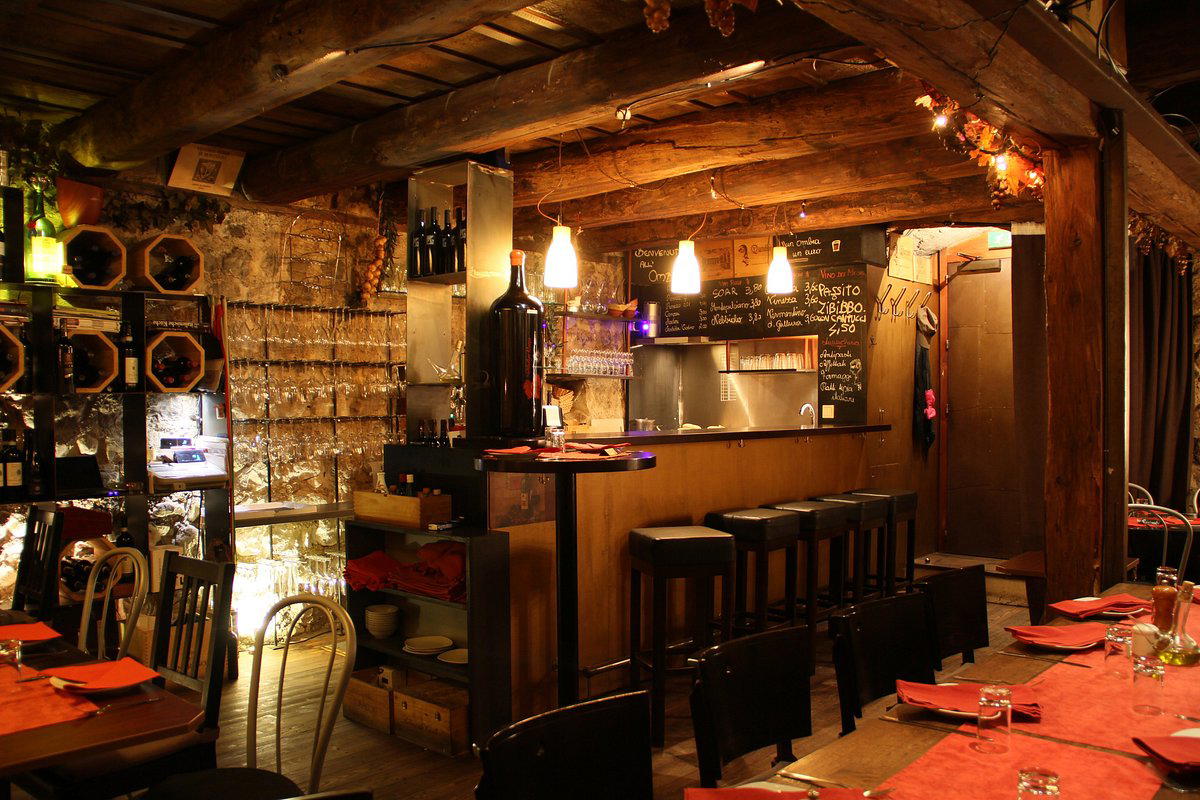
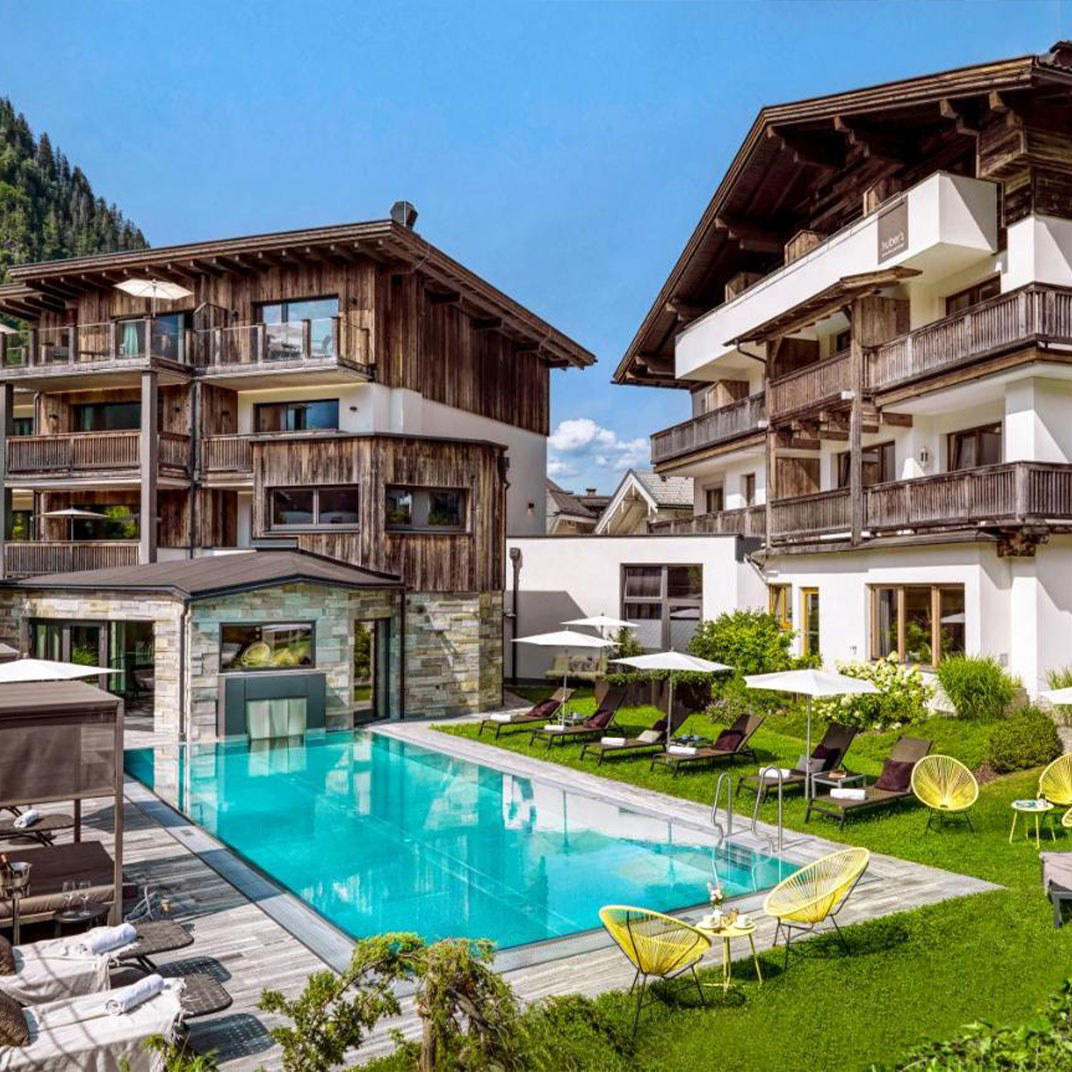
Stylish intimate space with high tables overlooking the bustling open kitchen, creating an entertaining and familial atmosphere.