

2 Michelin Keys · La Liste Top Hotels
Sitting at the foot of the Zillertal's most serious ski terrain, Aktiv & Wellnesshotel Bergfried pairs a deeply Tyrolean design sensibility with an all-inclusive format that removes friction from alpine travel. Awarded 97.5 points by La Liste Top Hotels 2026 and recognised with Michelin's 2 Keys distinction, the 70-room property prices from $771 and anchors its social life in the Bergfriedalm tavern.

Pearl is the En Primeur Club membership app, where members save venues, book tables and use the concierge.
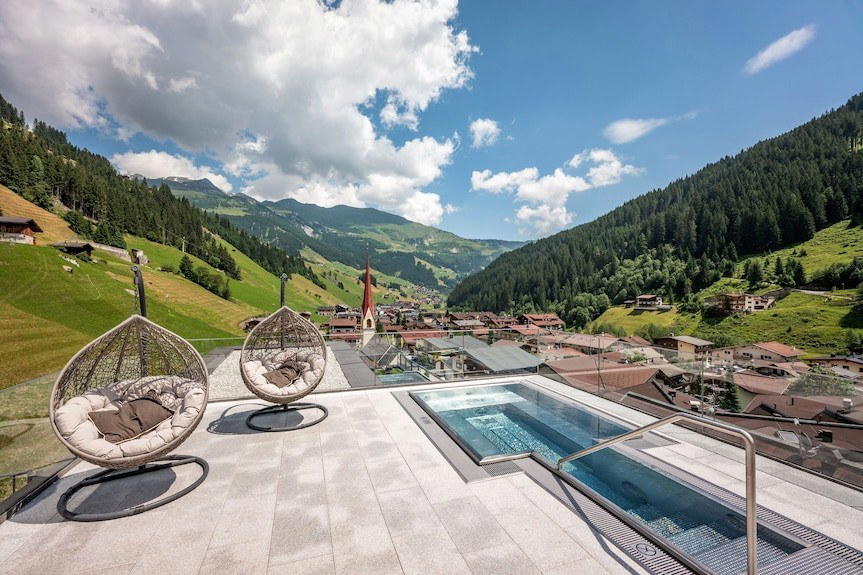
Wood, Stone, and the Weight of the Alps
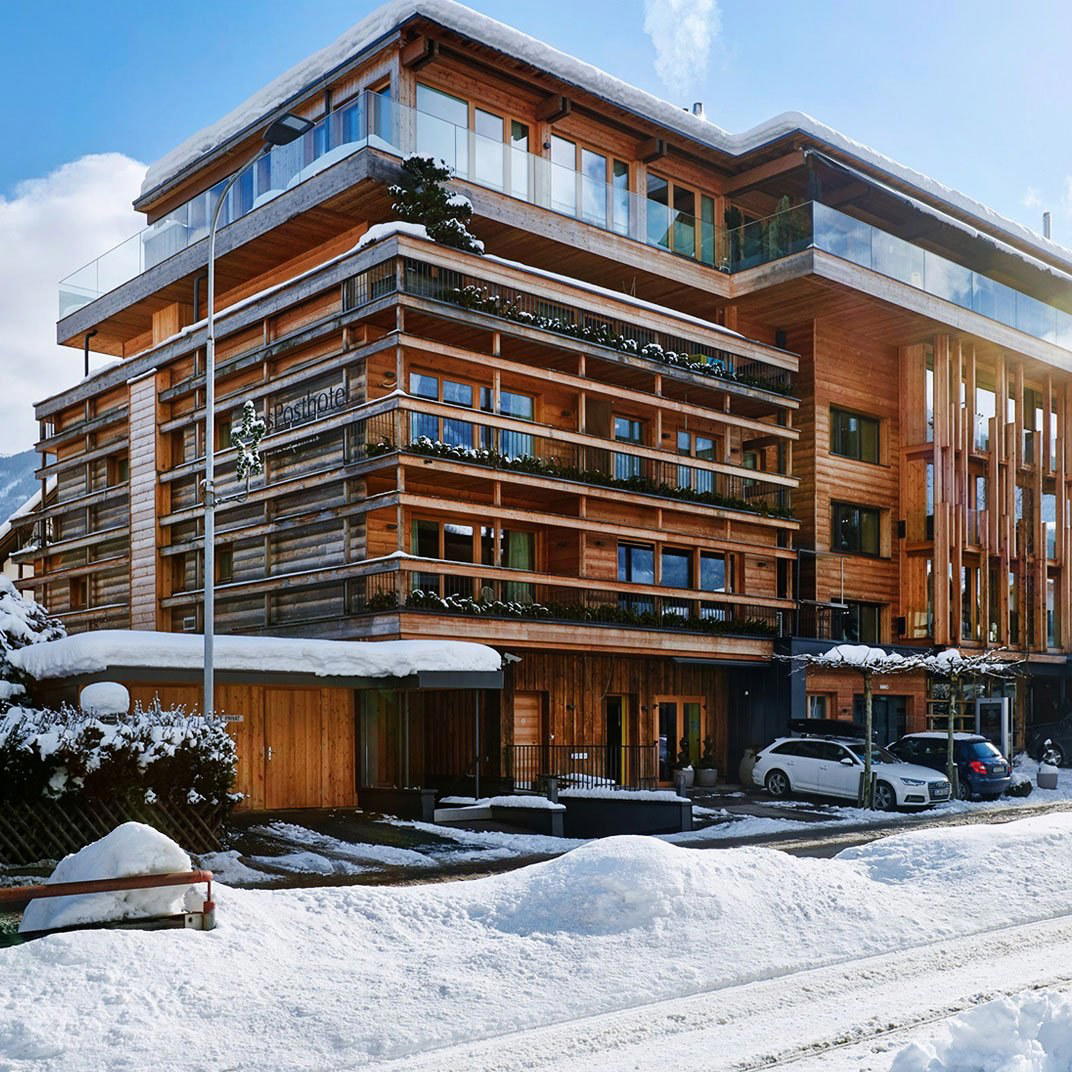
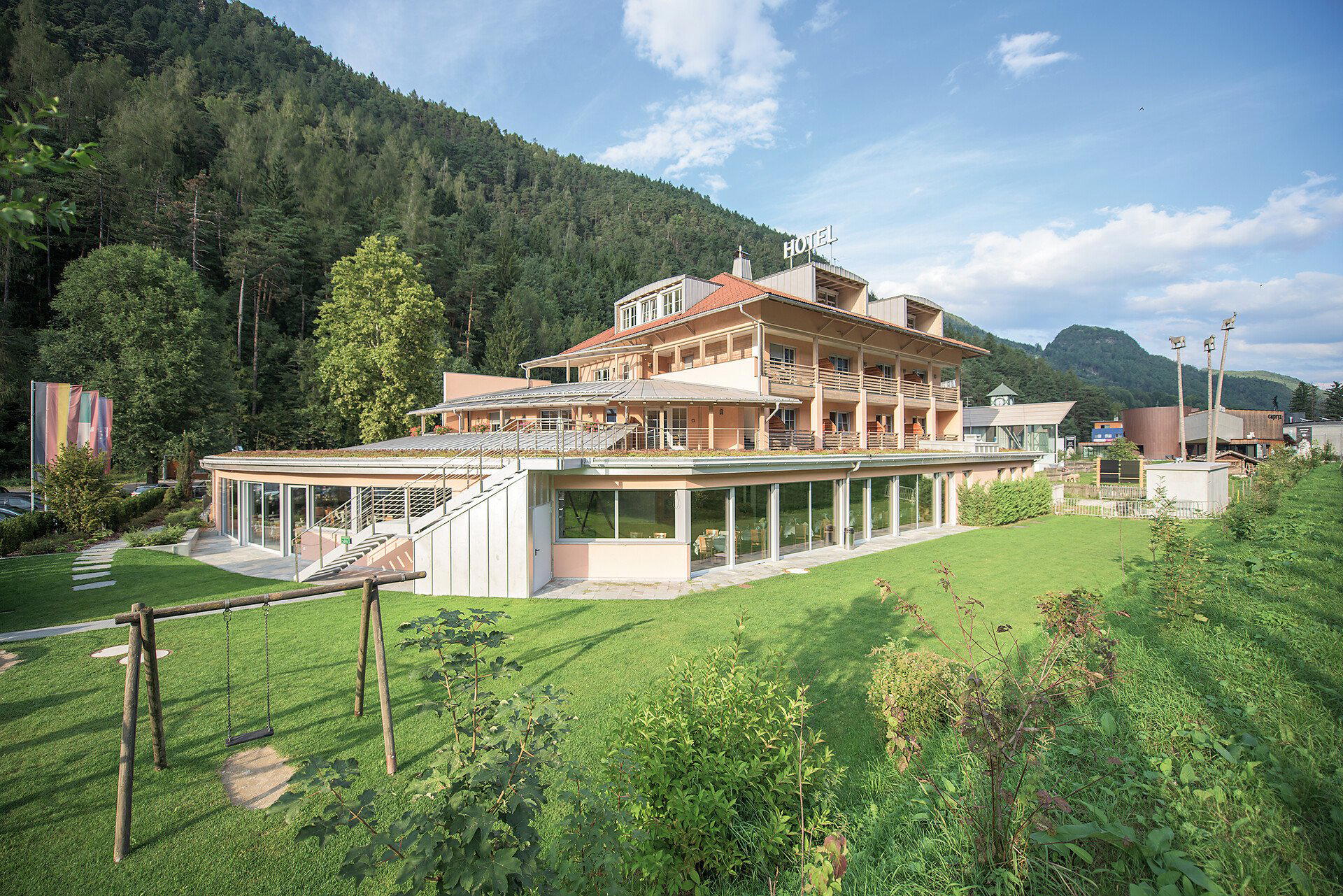
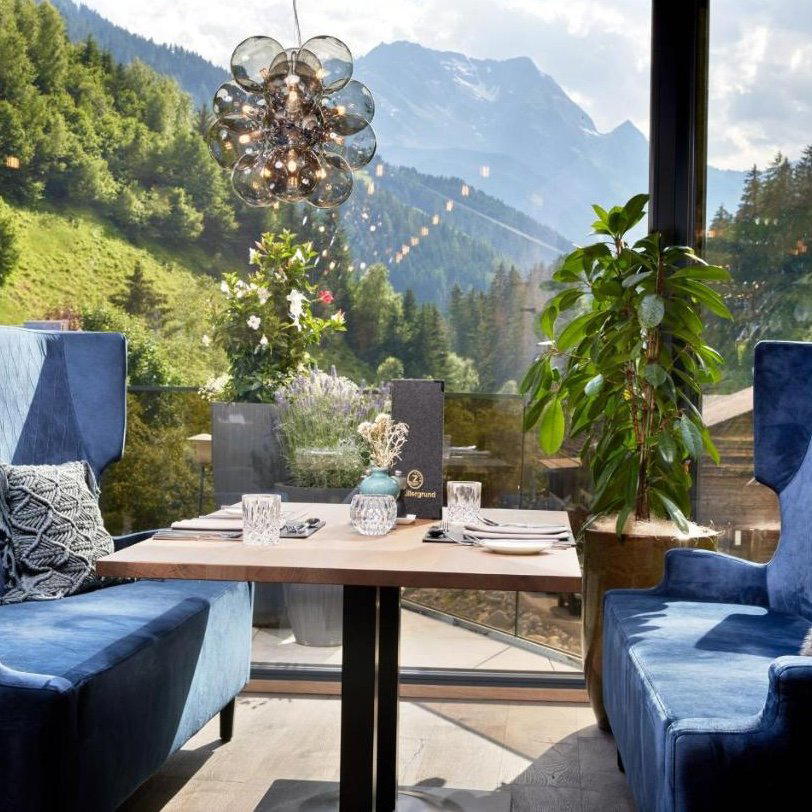
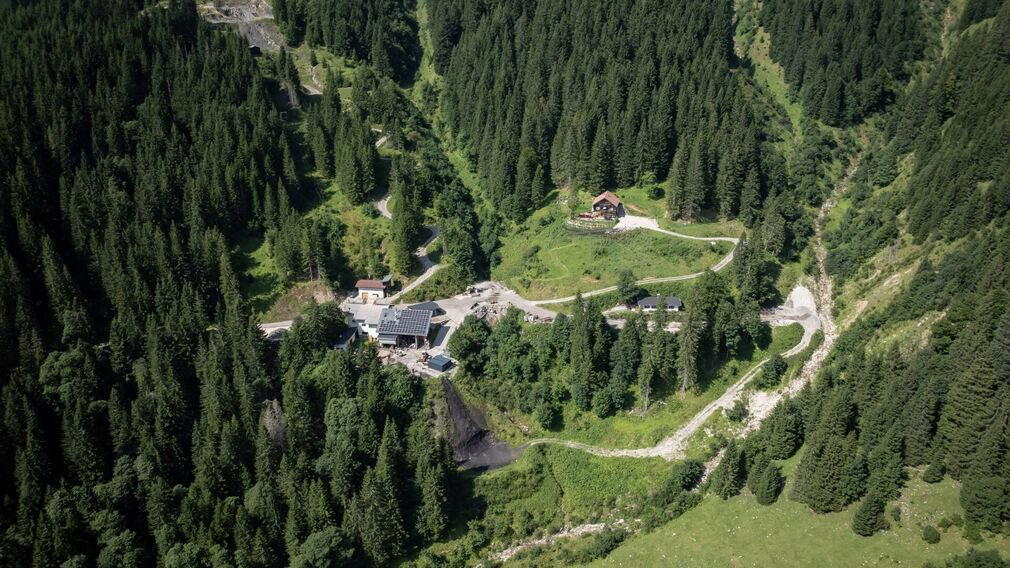
There is a particular grammar to Tyrolean alpine architecture that the most considered properties in the region get exactly right: exposed timber that has darkened with age, vaulted stonework at ground level, window reveals deep enough to frame the mountain view like a painting. Aktiv & Wellnesshotel Bergfried, at Lanersbach 483 in the upper Zillertal valley, reads as a confident exercise in that grammar. The building does not impose itself on the landscape so much as settle into it, the kind of presence that signals years of deliberate accumulation rather than a single-season fit-out.
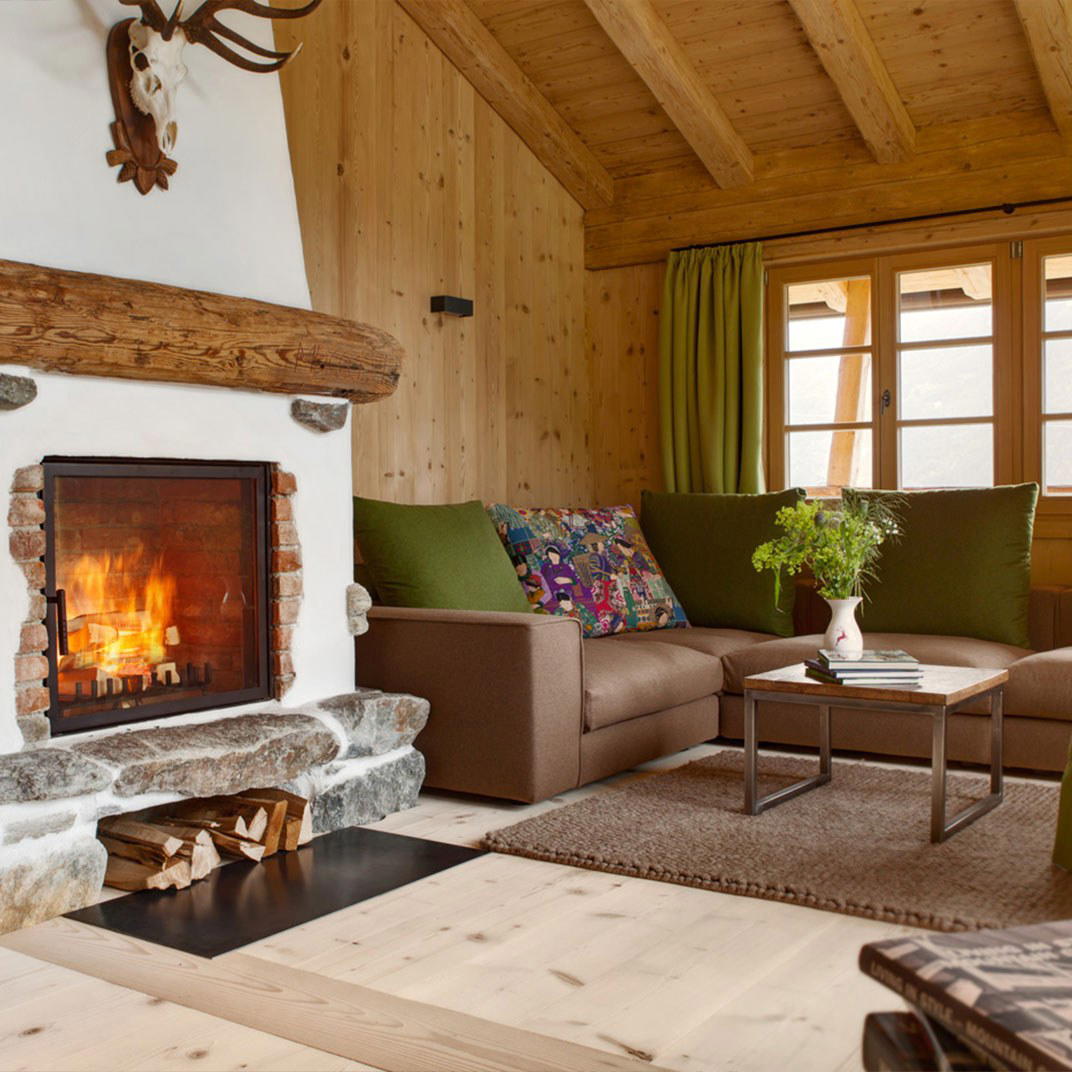
The Tyrolean formula, when executed with discipline, works because it resolves a tension that many alpine hotels fumble: how to feel simultaneously warm and serious, domestic and capable of handling serious mountain guests. Natural wood across ceilings, walls, and furniture does most of the structural work. Plush throws and arched interior details provide the warmth. The views, unobstructed and substantial across the upper valley, supply the seriousness. Bergfried navigates this balance across 70 rooms, each working variations on the same material palette without collapsing into repetition.
The All-Inclusive Logic in a High-Alpine Context
The all-inclusive format occupies an interesting position in premium alpine travel. At entry-level ski resorts, it functions as a budget mechanism. At the upper tier of the Austrian Alps, it functions differently: it removes the administrative friction of mountain travel, where weather windows close unexpectedly, ski days run long, and the last thing a guest wants is to track itemised spending across every meal and après-ski drink. Bergfried operates in this second register, where the format is a hospitality decision rather than a cost one.
At a rate from $771, the property prices against Tyrolean properties that bundle comparable access and amenity, not against stripped-back package deals. La Liste Leading Hotels awarded it 97.5 points for 2026, a score that positions Bergfried within a competitive set of serious Austrian alpine hotels rather than the regional mid-market. Michelin's 2 Keys distinction for 2024 adds a separate credential: the guide's hotel recognition programme evaluates the quality of the hospitality experience, which at a property of this format means the seamlessness of the all-inclusive execution matters as much as the room design.
For context on how Austria's mountain hotel sector distributes at this level, properties like Alpen-Wellness Resort Hochfirst in Obergurgl and LEADING Hotel Hochgurgl in Hochgurgl anchor the Ötztal end of the Tyrolean premium spectrum, while Hotel Almhof Schneider in Lech and Grand Tirolia Kitzbühel define what the format looks like further west. Bergfried operates in Tux at the head of the Zillertal, a valley with its own distinct character and skiing infrastructure.
250 Kilometres of Piste as the Immediate Context
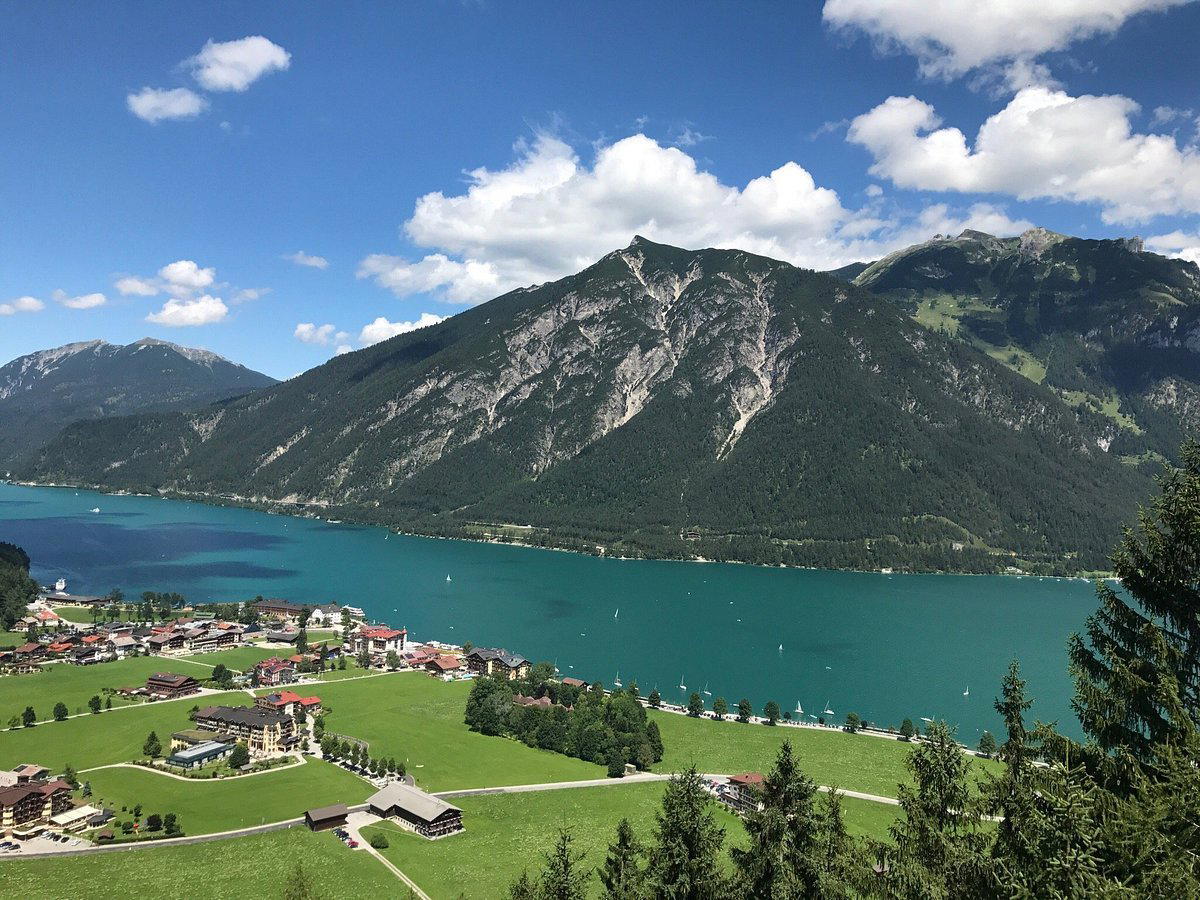
The Zillertal Arena and Hintertux Glacier together account for roughly 250 kilometres of marked runs accessible from the valley. The Hintertux Glacier in particular is notable for operating year-round, which makes it one of the few high-altitude ski areas in the Alps where snowpack is a given rather than a seasonal variable. For a property like Bergfried, that proximity is not incidental: it shapes the guest profile, the daily rhythm, and the social tempo of the hotel itself.
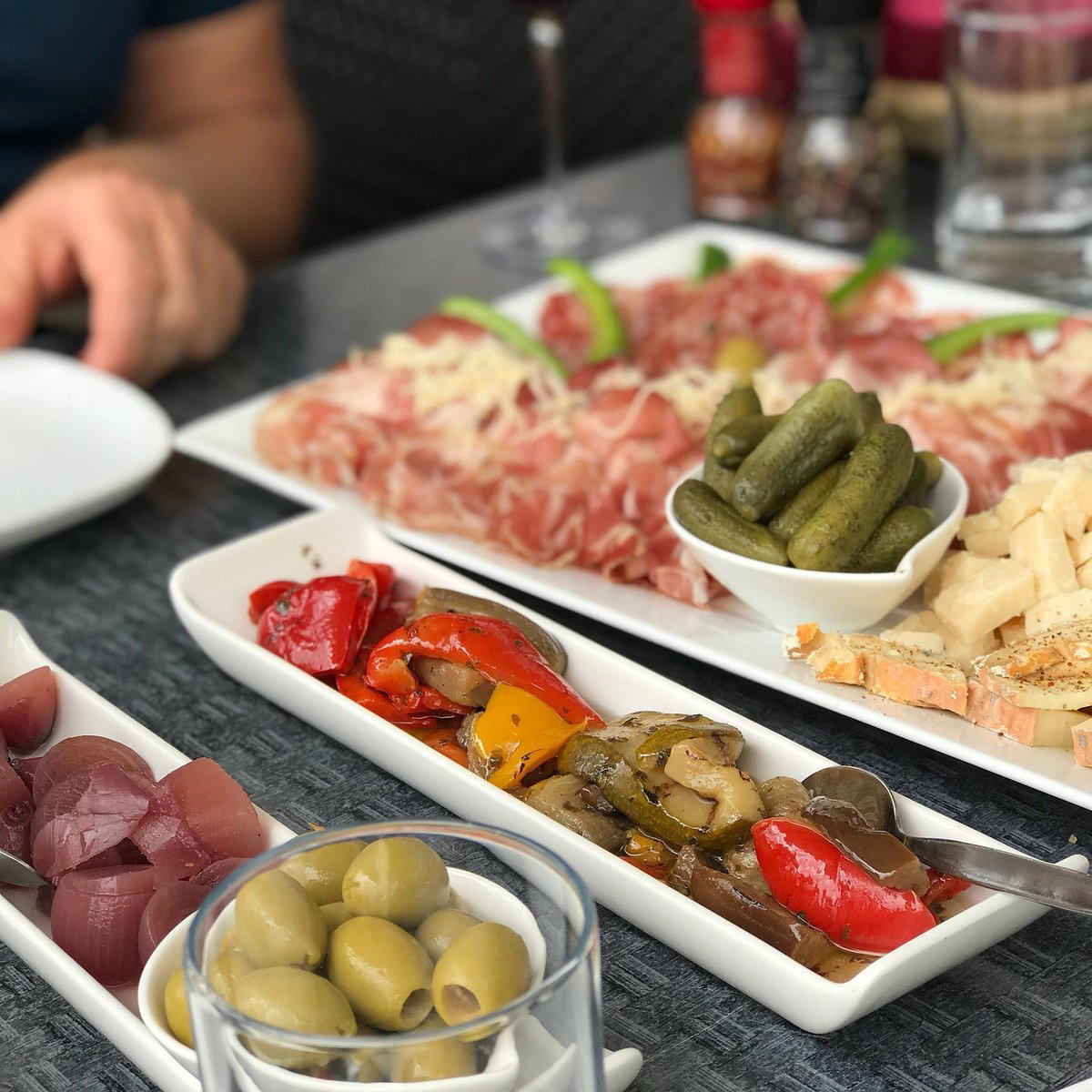
Early departures, long days on the mountain, and compressed après-ski windows define the pattern. An all-inclusive format is structurally suited to this rhythm in a way that à la carte operations are not. The Bergfriedalm tavern, which functions as the social centre of the hotel, anchors the return from the slopes, providing a defined gathering point that replaces the need to decide where to eat or drink after a physically demanding day. This kind of social infrastructure is not incidental to the design of the property; in a serious ski hotel, the tavern or stube is as architecturally and experientially significant as any guest room.
Room Design as Material Argument
Across 70 rooms, the property applies the Tyrolean design vocabulary in a range of configurations. Natural wood surfaces, mountain views, plush textiles, and arched detailing provide the consistent elements. The variation across room types allows the property to address different guest profiles, from couples seeking a contained alpine retreat to families or groups requiring more space, without departing from the central aesthetic argument.
The design approach at Bergfried reflects a broader pattern in Austrian alpine hospitality: the most credible properties in this tier treat Tyrolean vernacular architecture not as nostalgic decoration but as a functional and culturally grounded framework. Properties that apply it superficially tend to read as theme park approximations. Properties that commit to it in structure, material, and proportion produce spaces that feel earned rather than applied.
Placing Bergfried in the Austrian Hotel Context
Austria's premium hotel offer distributes across several distinct zones: the urban properties of Vienna and Salzburg, the lakeside estates of Carinthia, and the alpine properties of Tyrol, Vorarlberg, and Salzburg state. Within the alpine tier, ski proximity and wellness infrastructure are the two primary differentiators. Rosewood Schloss Fuschl in Hof bei Salzburg and Hotel Sacher Wien in Vienna operate in entirely different registers, the former lake-oriented and heritage-heavy, the latter urban and institutional in its cultural weight.
Within the Tyrolean ski-hotel category specifically, Bergfried competes on all-inclusive depth, design authenticity, and mountain access rather than on brand recognition or historical prestige. The Hotel Alpin Spa Tuxerhof, also in Tux, represents the closest geographic peer. For travellers comparing across the broader Austrian alpine market, properties like Naturhotel Waldklause in Längenfeld, Bergland Sölden in Solden, and Alpenresort Schwarz in Obermieming form a useful reference group across different Tyrolean valleys.
Outside Tyrol, DAS EDELWEISS in Grossarl and Alpinresort Schillerkopf in Bürserberg show how the alpine wellness format varies across state lines. For those for whom the Tyrolean ski experience is one leg of a broader Austrian itinerary that includes cultural stops, Schloss Mönchstein in Salzburg and Hotel Schwarzer Adler Innsbruck in Innsbruck provide natural bookends.
Planning Considerations
Tux sits at the upper end of the Zillertal, reachable via the Innsbruck corridor from either Vienna or Munich. The Hintertux Glacier's year-round operation means the property is relevant across a longer booking window than most ski hotels, which compress into a December to April season. The all-inclusive structure at Bergfried means the rate of $771 covers the hospitality infrastructure of the stay; lift passes for the glacier and ski area remain a separate variable. Guests comparing against other Tyrolean properties should account for what the all-inclusive format replaces in per-day cost when evaluating headline rates. Our full Tux restaurants guide provides context on dining options in the valley for those planning excursions beyond the hotel.
At-a-Glance Comparison
Comparable venues nearby, for context on price, style, and recognition.
| Venue | Cuisine | Price | Awards | Notes |
|---|---|---|---|---|
| Aktiv & Wellnesshotel BergfriedThis venue (the venue you are viewing) | Warmly traditional Tyrolean ski chalet with modern wellness facilities | $750–1,000 | 2 Michelin Keys · La Liste Top Hotels | Not listed |
| Hotel Alpin Spa Tuxerhof | Family-run alpine spa hotel with chalet charm and modern expansions. | $200–300 | 1 Michelin Key | Vorderlanersbach |
| TOP Hotel Hochgurgl | Luxury alpine resort combining traditional Tyrolean architecture with modern amenities, positioned as a premium ski destination with internationally prominent wellness facilities. | $300–500 | 2 Michelin Keys | Hochgurgl |
| Schloss Mönchstein | Historic castle blending medieval architecture with modern luxury | Not listed | 2 Michelin Keys · La Liste Top Hotels | Mönchsberg |
| Severins – The Alpine Retreat | Contemporary Alpine luxury combining traditional Tyrolean heritage with modern design; positioned as an exclusive boutique retreat for informed travelers seeking both mountain adventure and refined relaxation. | $750–1,000 | 2 Michelin Keys · La Liste Top Hotels | Stubenbach, Lech am Arlberg |
| Naturhotel Waldklause | Sustainable nature-integrated design with organic curves and wooden architecture | Not listed | 2 Michelin Keys · La Liste Top Hotels | Längenfeld |
Recognition history
Dated appearances from independent guides and award organizations, with the underlying list record or original source where available.
Michelin 2 Keys
Michelin
La Liste Top Hotels
La Liste
Full recognition history (4 entries)
Michelin 2 Keys
Michelin
Michelin 2 Keys
Michelin
Continue exploring
More in Tux
Hotels in Tux
All hotels in Tux →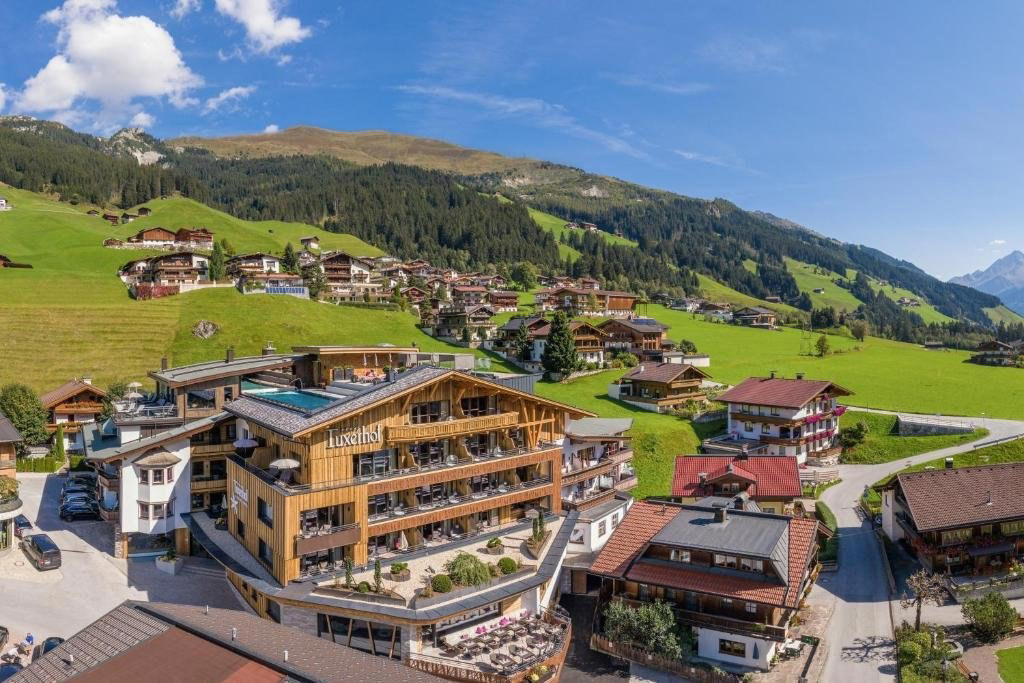
Bars in Tux
Browse all →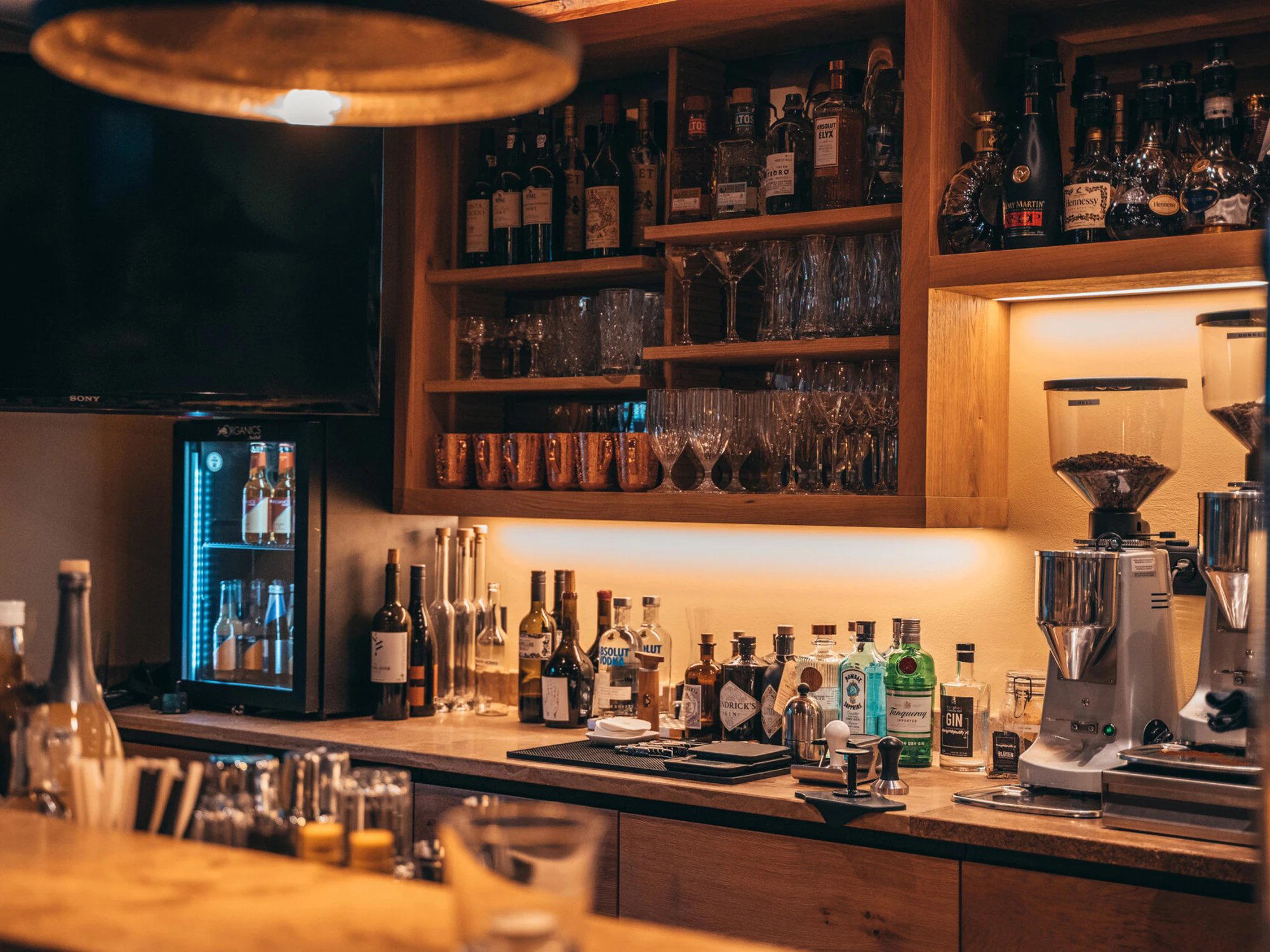

Details
- Scenic
- Cozy
- Rustic
- Family Vacation
- Wellness Retreat
- Weekend Escape
- Infinity Pool
- Panoramic View
- Pool
- Spa
- Fitness Center
- Sauna
- Kids Club
- Restaurant
- Wi Fi
- Bicycle Rental
- Mountain
- Wheelchair Accessible
- Elevator
- Accessible Parking
Warmly traditional Tyrolean atmosphere with natural wood furnishings, plush comfort, and busy après-ski energy in the social Bergfriedalm tavern.