
Michelin Plate
Our verdict
A Michelin Plate trattoria with more than 150 years of family history, Da Bibe sits on the southern fringe of Florence where Galluzzo gives way to open countryside. Six generations have kept the menu rooted in Tuscan farmhouse tradition: cinta senese cured meats, pici pasta, and beef peposo served under the trees in warm months. The price point is modest, the pedigree is not.

Pearl is the En Primeur Club membership app, where members save venues, book tables and use the concierge.
The menu
What to order
- Fiori di zucca ripieni (stuffed zucchini flowers)
- Bistecca alla Fiorentina (Florentine steak)
- Cinta salami
- Mixed fried vegetables
Where the City Stops and the Countryside Begins
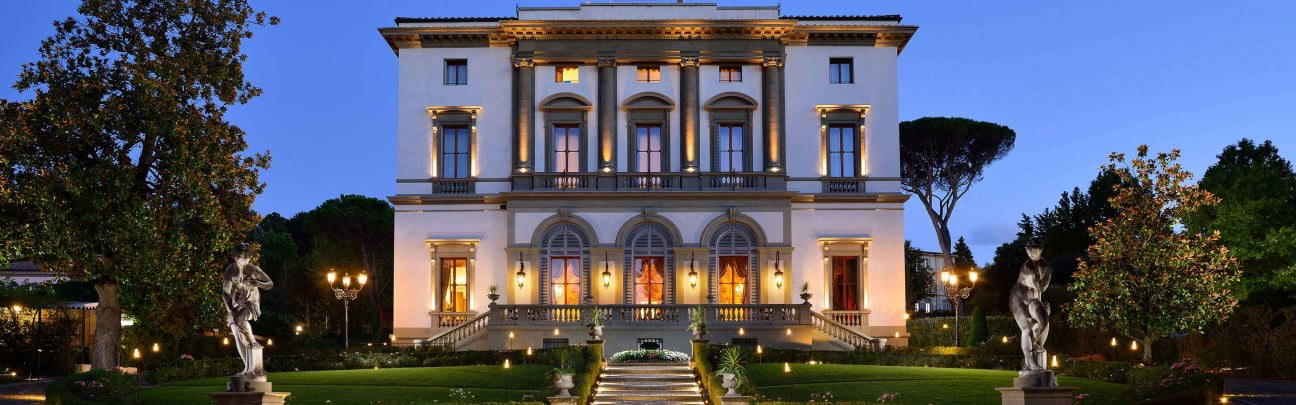
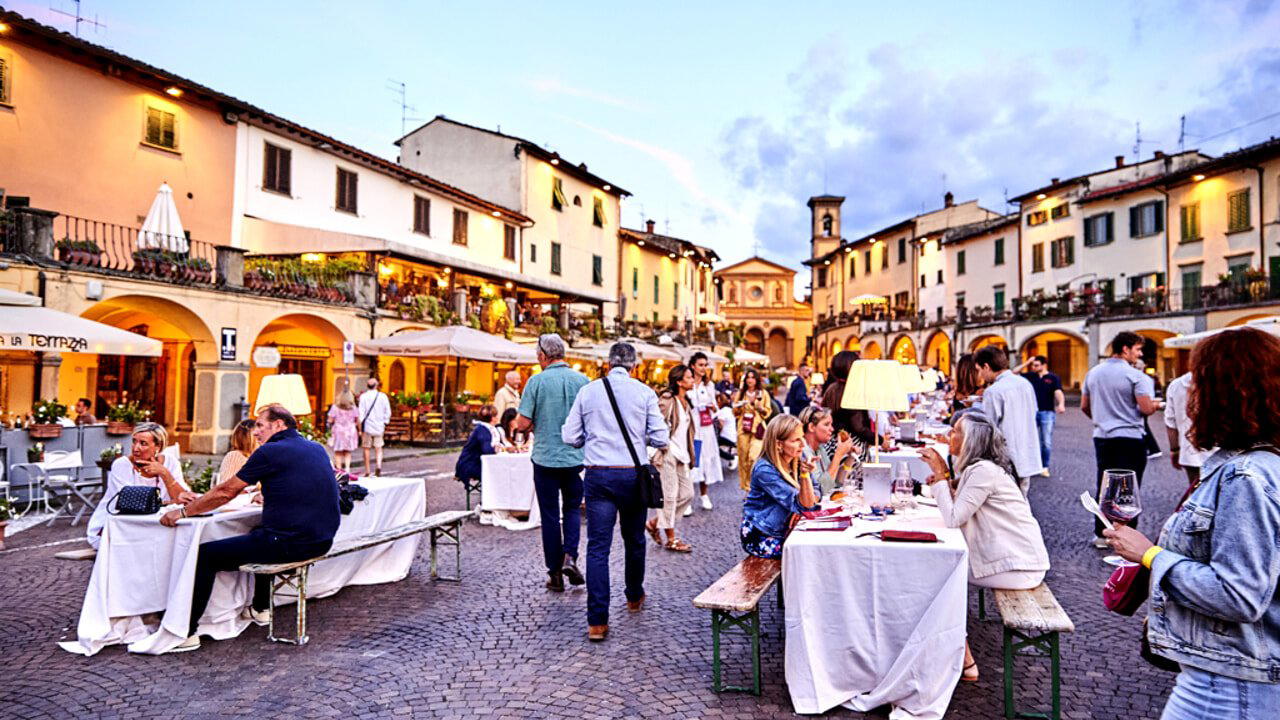
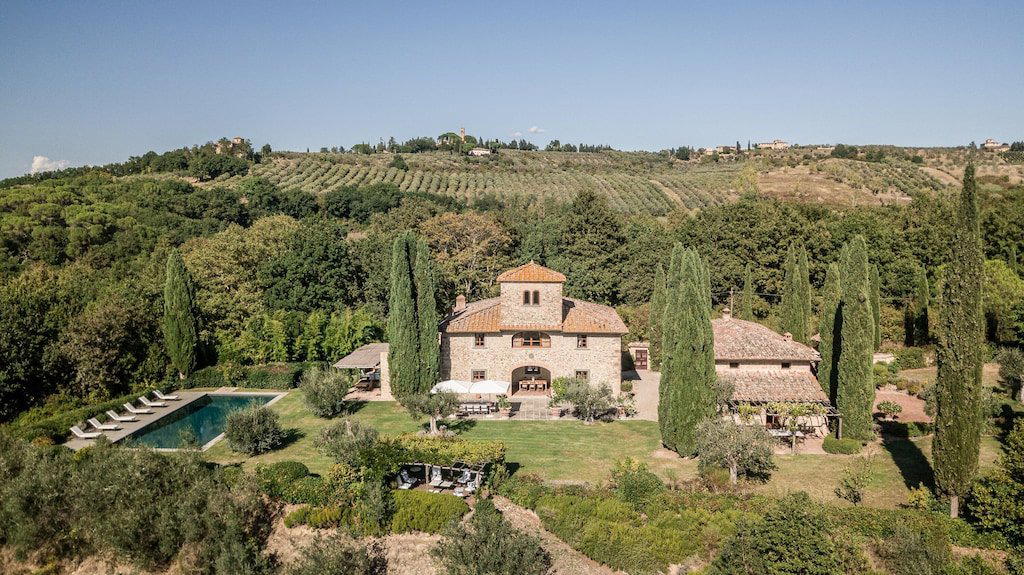
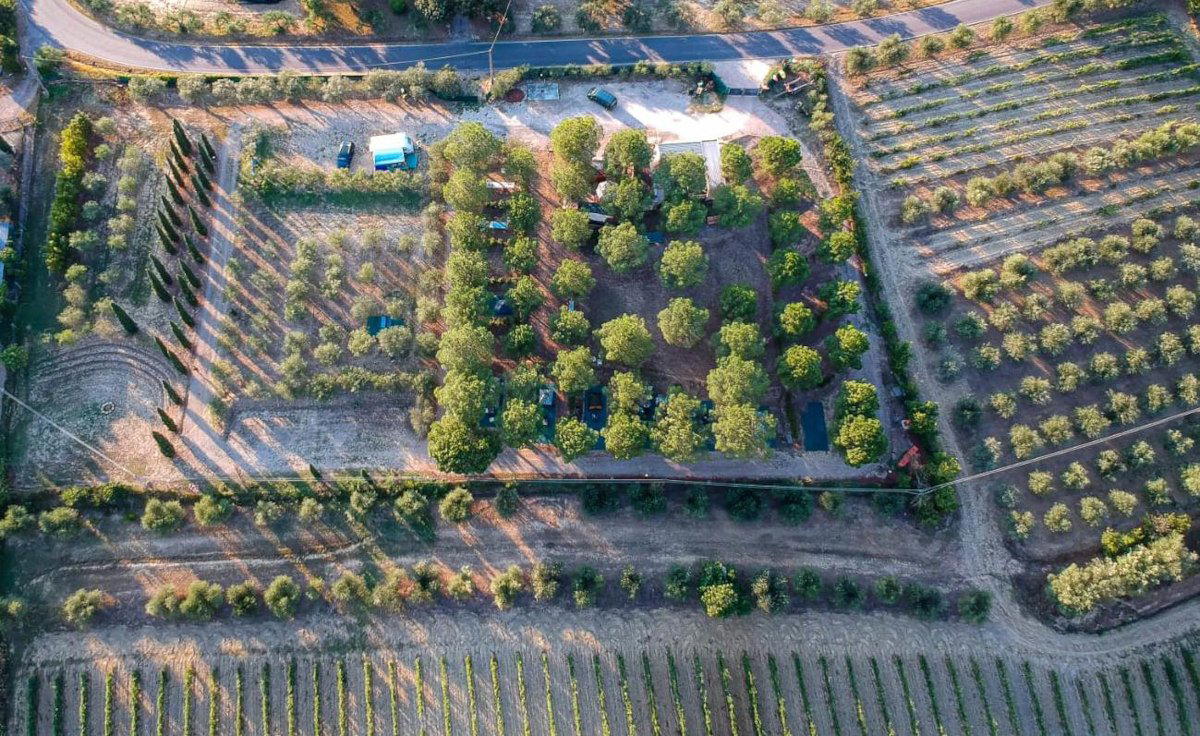
The southern approach to Galluzzo along Via delle Bagnese is where Florence genuinely loosens its urban grip. The buildings thin out, the hills reassert themselves, and the air carries something closer to woodsmoke than exhaust. It is here, a short drive from the city's historic centre, that Da Bibe has occupied the same address for well over a century and a half. Arriving on foot or by car, the canopy of outdoor trees that frames the terrace signals immediately that this is a place shaped by the land around it, not by interior design. In warm months, tables extend into that green shade, and the experience of eating becomes inseparable from the particular quality of light filtering through the branches above.
Italy has no shortage of trattorias that claim deep roots, but few can document six generations of unbroken family operation. Da Bibe's longevity is not incidental to what it serves: the continuity of ownership is precisely what has kept the menu honest. The dishes here trace their logic back to the agricultural economy of the Florentine contado, where Tuscan farmers cooked what their land and their animals produced, and where nothing was wasted. That tradition has survived into 2024 alongside a Michelin Plate recognition, which places the kitchen inside a recognised tier of quality without the formality or price point that Michelin star restaurants carry. For context, the three-star tier in Italy includes restaurants like Enoteca Pinchiorri in Florence, Osteria Francescana in Modena, and Dal Pescatore in Runate. Da Bibe occupies a fundamentally different register, priced at €€ and operating as a working trattoria rather than a destination fine-dining room.
The Sourcing Logic Behind a Tuscan Table
Tuscan cuisine at its most coherent is an argument about provenance. The region's best-known ingredients are not abstractions: cinta senese is a specific heritage breed of pig, identifiable by the white band across its shoulders, raised on acorns and chestnuts in the Sienese hills and protected by a DOP designation. The cured meats at Da Bibe draw on that tradition directly, as does the finocchiona, the fennel-seed salami that has been produced in and around Florence for centuries and earned its own IGP status. These are not decorative labels. The DOP and IGP frameworks exist because the flavour profile of these products is genuinely tied to where and how they are raised. A cinta senese prosciutto from the right producer tastes materially different from an industrial alternative, carrying a deeper fat-to-lean ratio and a sweetness that reflects the animal's diet.
Pici pasta operates on a similar logic. Hand-rolled from a simple flour-and-water dough, it is thicker and rougher than commercial pasta, which means it holds sauce differently: the porous surface catches braised wild boar ragù in a way that extruded spaghetti cannot. Wild boar in Tuscany is not a premium import but a local constant, hunted across the Apennine foothills and the Maremma in numbers large enough to cause agricultural problems. Its gamey, iron-rich flavour suits slow cooking and strong seasoning, and the pairing with pici is one of those combinations that has persisted for generations precisely because it works. Beef peposo, another menu fixture at Da Bibe, comes from an even older Florentine tradition: a pepper-heavy, wine-braised beef stew that workers in the terracotta kilns of Impruneta are said to have slow-cooked in the residual heat of their furnaces. The dish's longevity in Tuscan cooking reflects both its economy (tough cuts, long cooking times, cheap wine) and its depth of flavour.
The chicken dishes, offered both fried and grilled, fit the same sourcing pattern. Tuscan farmyard poultry has a different texture from commercially raised birds, with firmer flesh that responds well to high-heat cooking. The two preparations at Da Bibe represent a split between the crispness of the fritto tradition and the cleaner char of the grill, a pairing that appears across the region's old-school trattoria menus.
A Trattoria Documented in Verse
Da Bibe's cultural standing in the Florentine context is reinforced by an unusual form of recognition: the Italian poet and Nobel laureate Eugenio Montale wrote about it. That kind of literary attestation operates differently from a food award. It places the trattoria inside a specifically Florentine cultural memory, associating it with a period in Italian letters when writers and intellectuals moved between the city and the countryside around it. The fact that the same family has maintained the place across the intervening decades gives that literary mention a concrete weight it would otherwise lack.
The Michelin Plate awarded in 2024 confirms technical competence in the kitchen without making claims about innovation or ambition. Together, these signals point to a kitchen that does what it says, consistently and without particular drama.
Planning a Visit
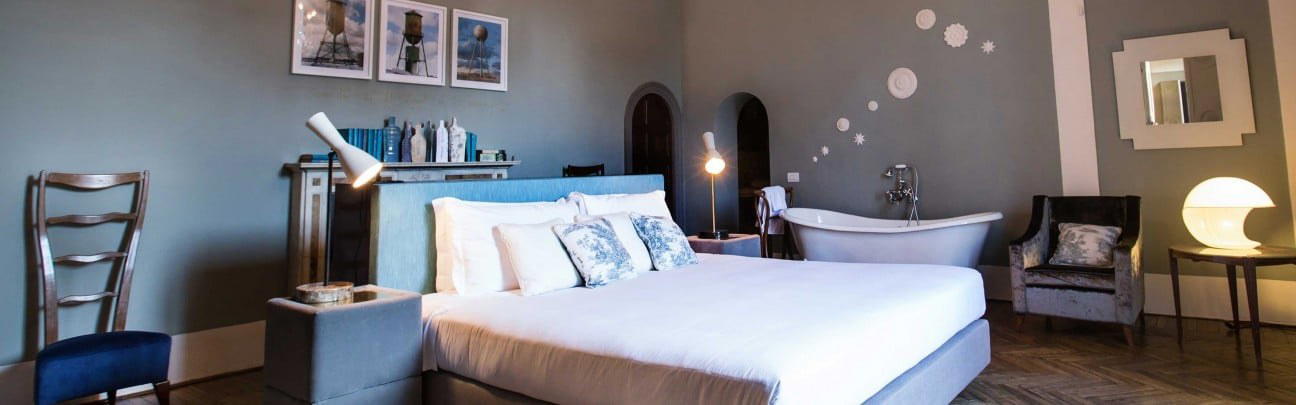
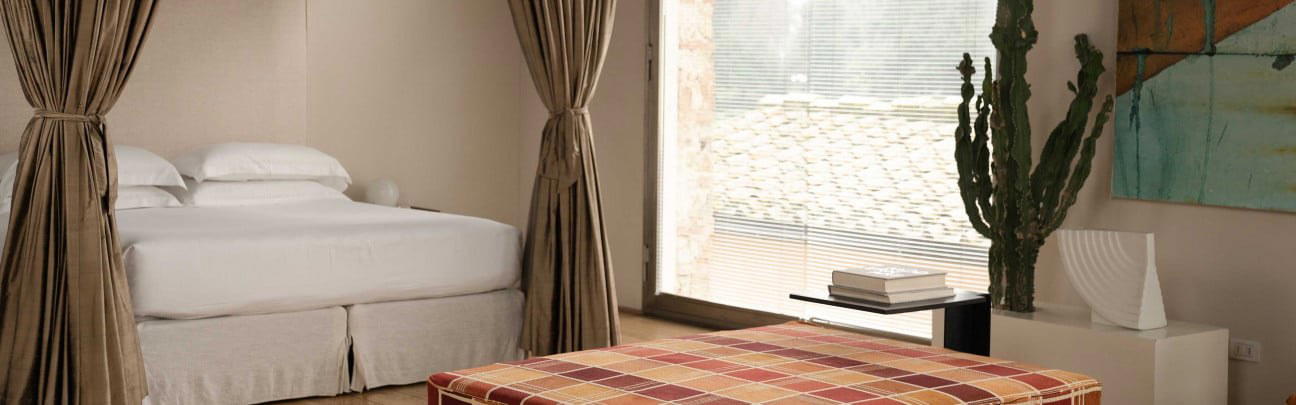
Da Bibe sits at Via delle Bagnese, 1r, in the Galluzzo area of Florence's southern fringe, accessible from the city centre by car in under twenty minutes, or by local bus along the routes that connect central Florence to this outer district. The setting makes it most rewarding in warm weather, when alfresco dining under the trees is available, though the Tuscan autumn and winter bring the braised and slow-cooked dishes into season in a way that suits the enclosed interior equally well. The €€ price bracket puts a meal here well below the fine-dining tier: for comparison, a dinner at Enoteca Pinchiorri in central Florence represents an entirely different financial commitment. The trattoria also offers apartments with kitchens for guests who want to extend their stay in the area, which adds a practical option for those using Da Bibe as a base for exploring the Florentine hills. For a broader picture of what the area offers, see our full Galluzzo restaurants guide, along with guides to hotels, bars, wineries, and experiences in Galluzzo.
Da Bibe in the Tuscan Context
Tuscan dining has two distinct registers that rarely overlap. At one end sit creative or fine-dining addresses like Caino in Montemerano and L'Asinello in Castelnuovo Berardenga, where the region's ingredients are reinterpreted with considerable technique and ambition. At the other end, the trattoria tradition remains the more direct and unmediated expression of the cuisine, with fewer edits between the land and the plate. Da Bibe belongs firmly to the second category, and the value of that positioning is precisely its clarity. The menu does not attempt to bridge the two registers; it commits to one, and the result over more than 150 years has been a consistent argument for the sufficiency of that tradition. For readers who have already explored the higher-concept end of Italian cooking, through places like Atelier Moessmer Norbert Niederkofler in Brunico, Le Calandre in Rubano, Piazza Duomo in Alba, Reale in Castel di Sangro, Uliassi in Senigallia, Quattro Passi in Marina del Cantone, Enrico Bartolini in Milan, or Casa Perbellini 12 Apostoli in Verona, Da Bibe offers a different kind of education: the same ingredients, their original context, and a family that has spent six generations deciding that context is enough.
Frequently asked questions
What kind of setting is Da Bibe?
What is the signature dish at Da Bibe?
Is Da Bibe suitable for children?
Comparison Snapshot
| Venue | Cuisine | Price | Awards | Notes |
|---|---|---|---|---|
| Da BibeThis venue (the venue you are viewing) | Traditional Tuscan Trattoria | $50–100 | Michelin Plate | Not listed |
| Atelier Moessmer Norbert Niederkofler | Modern Alpine Fine Dining | $300–500 | 3 Michelin Stars · World's 50 Best #20 | Italian, Creative |
| Dal Pescatore | Classic Italian Fine Dining | $200–300 | 3 Michelin Stars · World's 50 Best #38 | Italian, Italian Contemporary |
| Enoteca Pinchiorri | Contemporary Italian Fine Dining | $200–300 | 3 Michelin Stars · World's 50 Best #32 | Italian - French, Italian Contemporary |
| Enrico Bartolini | Modern Italian Fine Dining | $300–500 | 3 Michelin Stars · World's 50 Best #85 | Creative |
| Osteria Francescana | Avant-Garde Italian Contemporary | $300–500 | 3 Michelin Stars · World's 50 Best #1 | Progressive Italian, Creative |
Recognition history
Dated appearances from independent guides and award organizations, with the underlying list record or original source where available.
Michelin Plate
Michelin
Full recognition history (3 entries)
Michelin Plate
Michelin
Michelin Plate
Michelin
Continue exploring
More in Galluzzo
Restaurants in Galluzzo
All restaurants in Galluzzo →
Bars in Galluzzo
Browse all →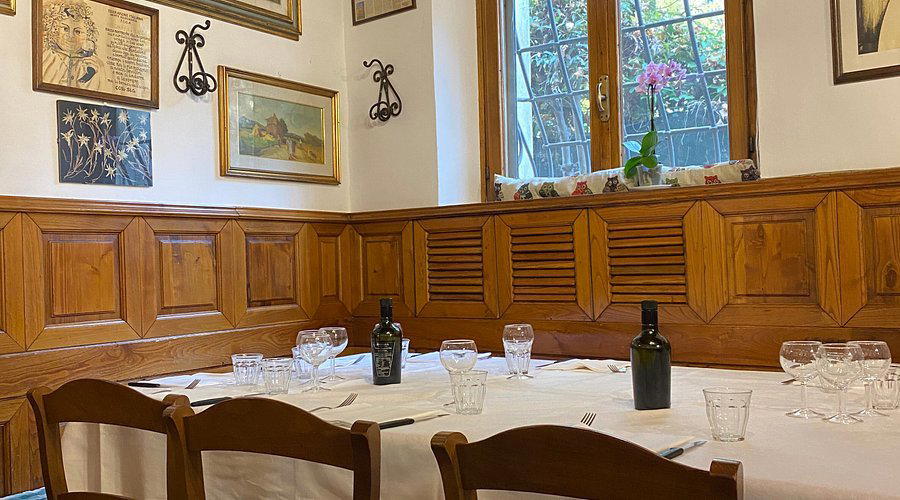
Hotels in Galluzzo
Browse all →
Details
- Classic
- Rustic
- Romantic
- Scenic
- Cozy
- Date Night
- Family
- Group Dining
- Celebration
- Special Occasion
- Garden
- Courtyard
- Historic Building
- Standalone
- Terrace
- Local Sourcing
- Garden
- A La Carte
- House Wine
- Vegetarian Friendly
Current opening hours
- Monday
- 7:30 PM–12 AM
- Tuesday
- 7:30 PM–12 AM
- Wednesday
- Closed
- Thursday
- 7:30 PM–12 AM
- Friday
- 7:30 PM–12 AM
- Saturday
- 12:30–3 PM, 7:30 PM–12 AM
- Sunday
- 12:30–3 PM, 7:30 PM–12 AM
Hours can change for holidays and private events. Hours as of .
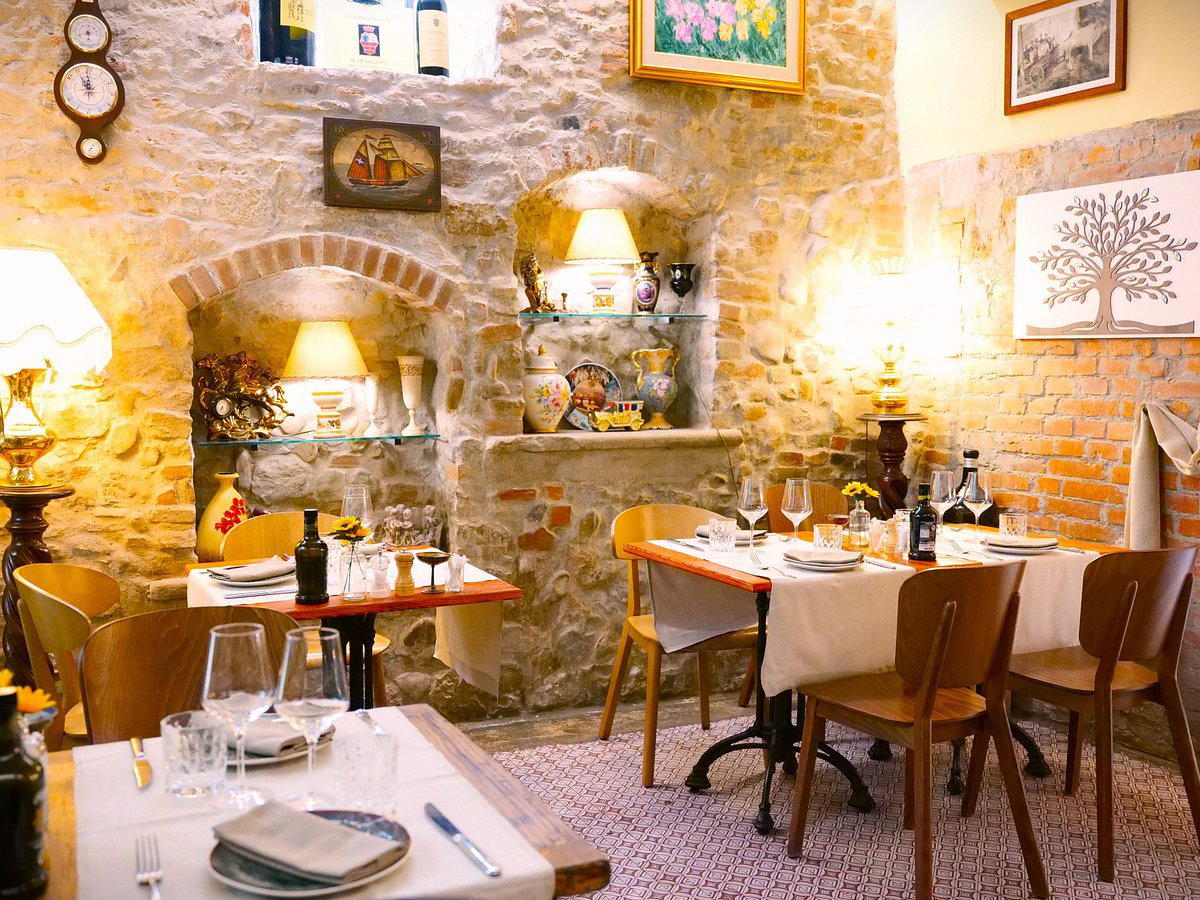
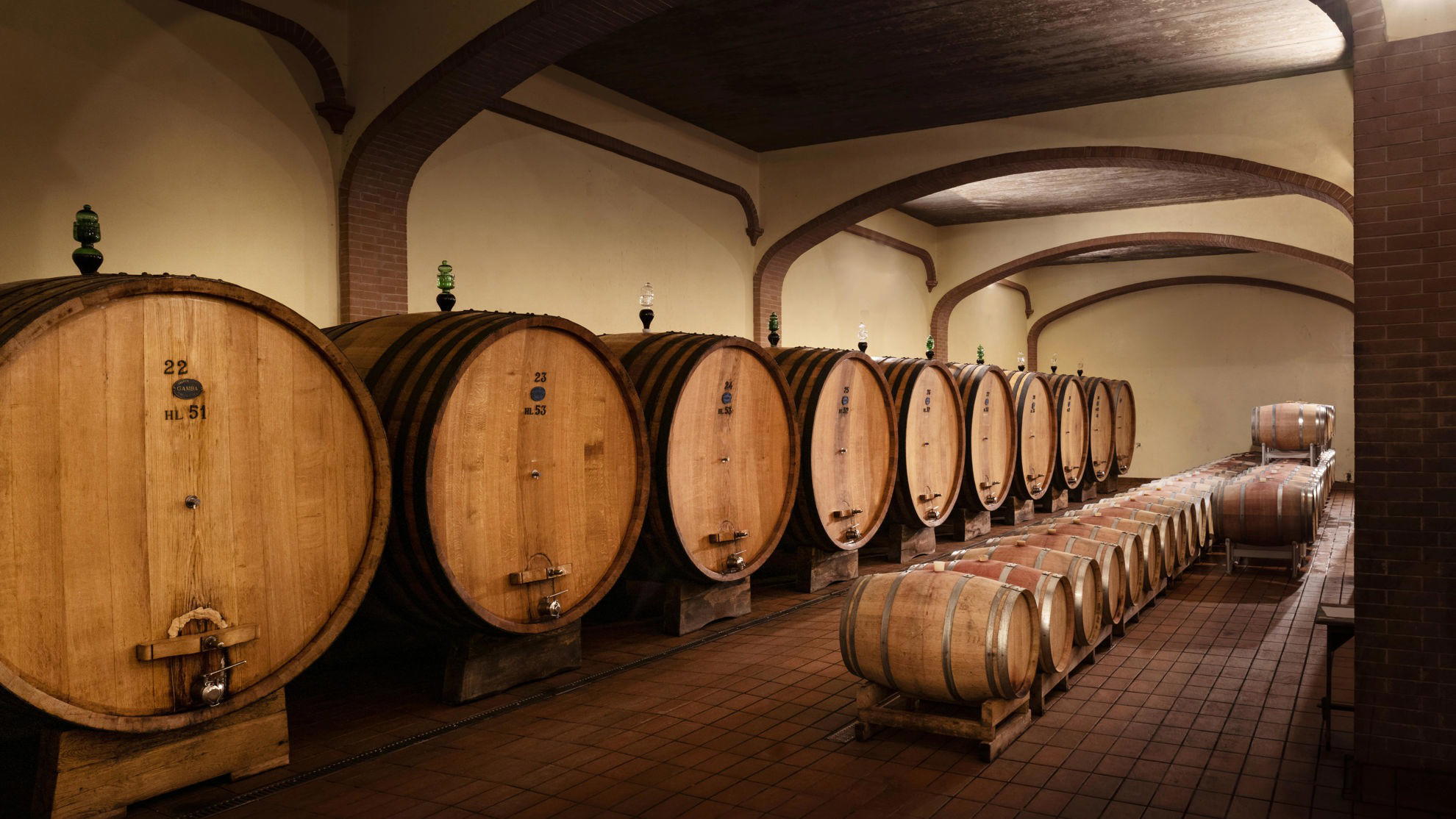
Warm and nostalgic with rarefied 1950s charm; divided into multiple interior rooms and a shaded garden courtyard surrounded by centuries-old trees, creating an intimate yet spacious setting that feels removed from city bustle.