Indigeno

Michelin Plate
Our verdict
Set within the Salcheto Organic Winery in a 13th-century farmhouse outside Montepulciano, Indigeno holds a Michelin Plate for home-style Tuscan cooking grounded in estate-grown and locally sourced ingredients. Shared oak tables, seasonal specialities like bread gnocchetti with creamed broad beans, and an outdoor terrace in summer make it one of the more honest expressions of the Val di Chiana's agricultural traditions.

Pearl is the En Primeur Club membership app — saves, bookings, and concierge access live there. Same editors, same standards.
- Address
- Piazza Grande, 5, 52100 Arezzo AR, Italy
- Phone
- +39 0575 902473
- Hours
- Mon–Fri 11 AM–10:30 PMSat 11 AM–12 AMSun 11 AM–10:30 PM
- Website
- lindigenowine.it
- Directions
- Get directions
The menu
What to order
- Duck Breast
- Goose Breast
- Duck Ragu Pasta
- Herb Flan
Stone, Oak, and the Logic of the Estate
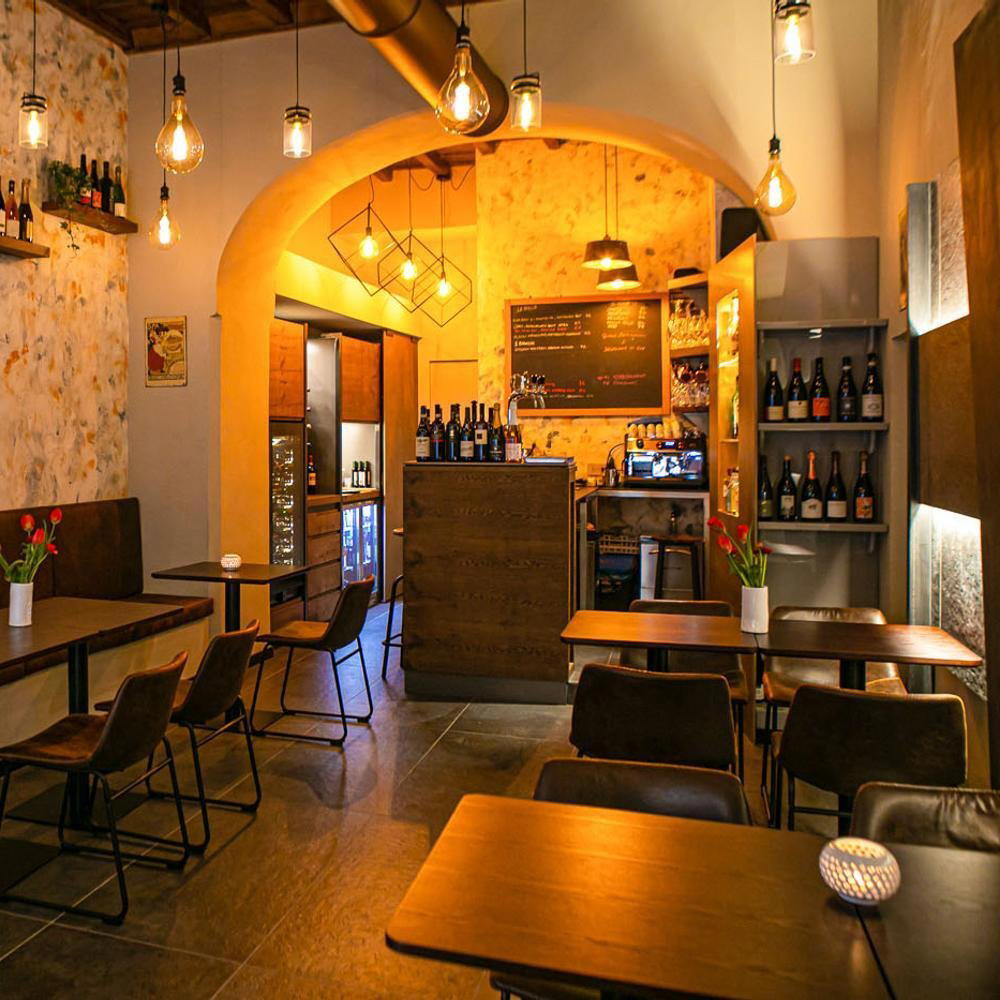
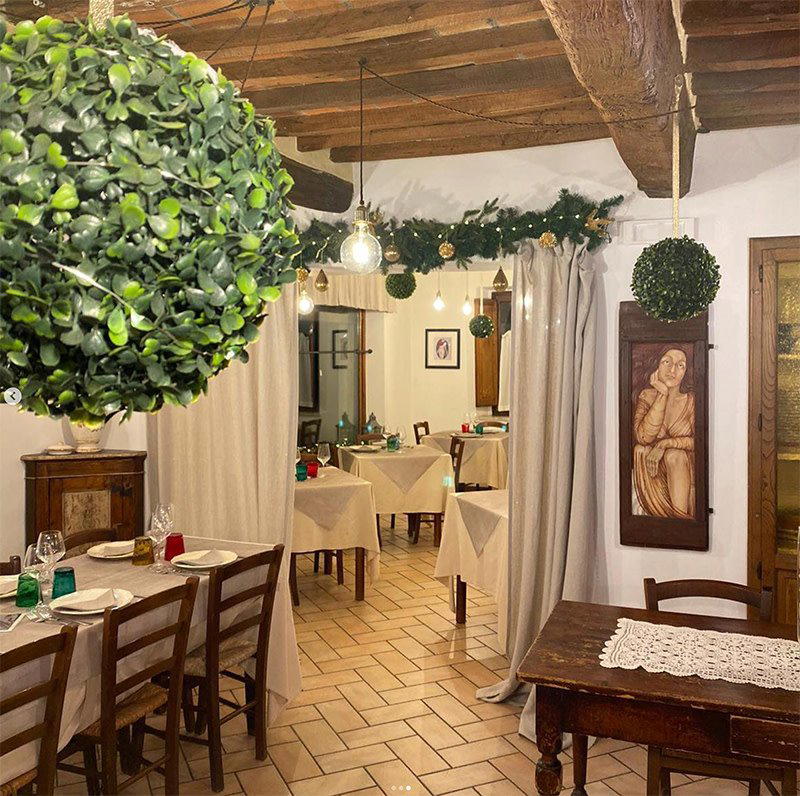
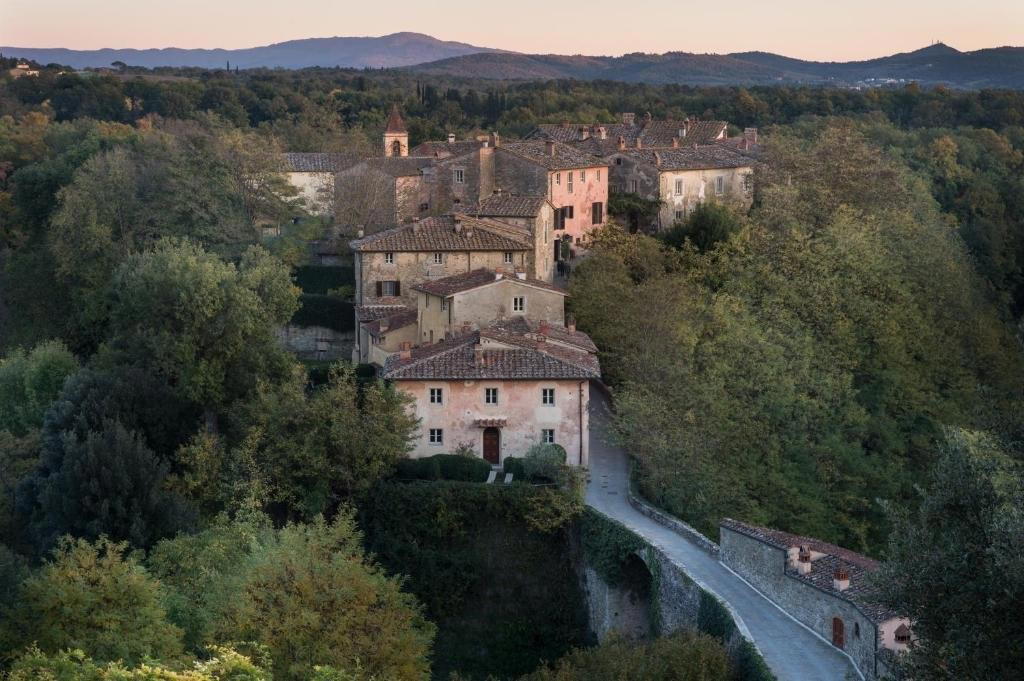
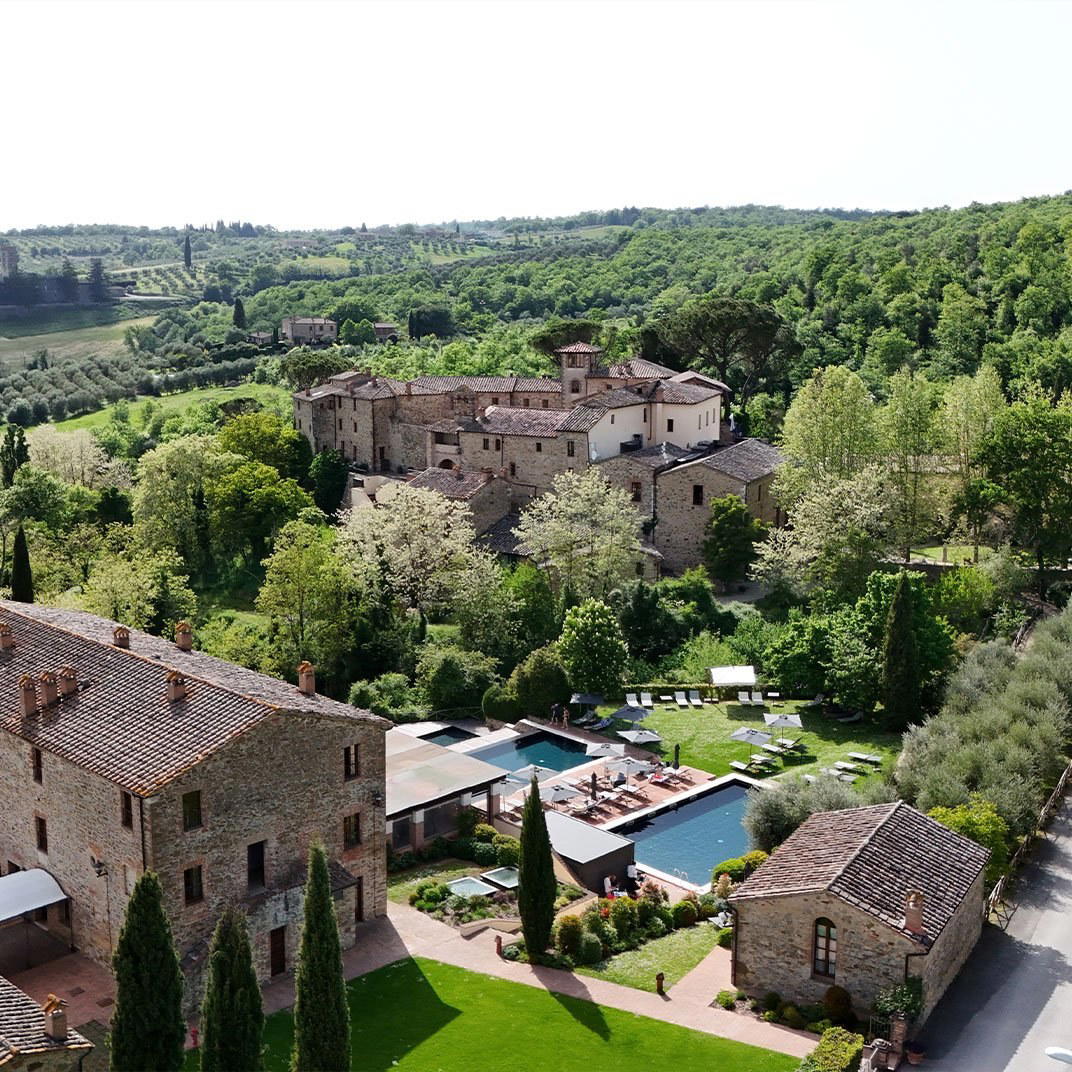
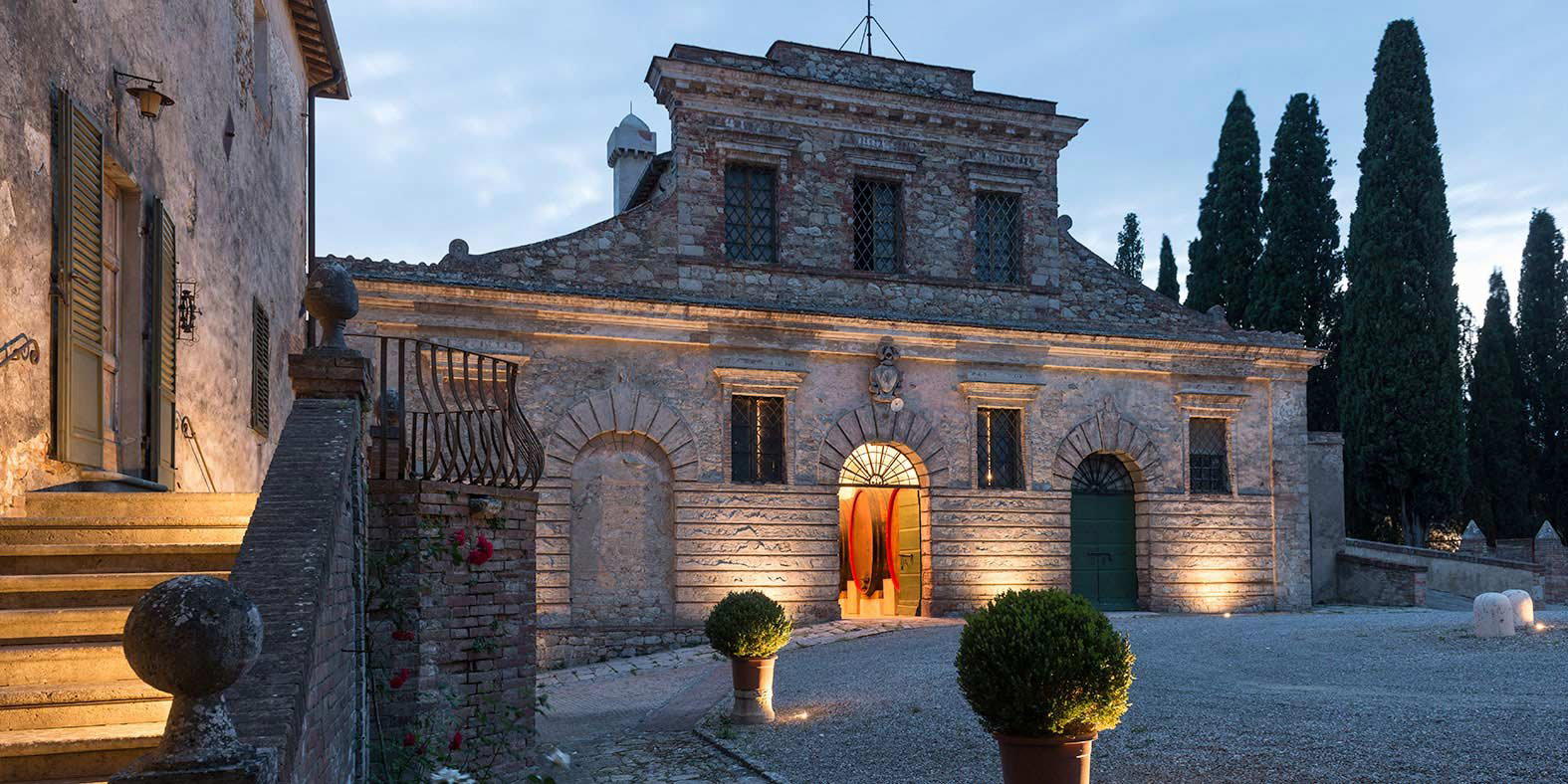
There is a category of Italian restaurant that exists primarily as a vessel for its land: no tasting menu theatrics, no chef-driven narrative arc, just a direct line between what the soil produces and what arrives at the table. Indigeno, housed in a 13th-century farmhouse within the Salcheto Organic Winery on the hillsides around Montepulciano, operates firmly in that tradition. Approaching the property, the architecture does the first work: thick stone walls, low timber ceilings, the visual grammar of an agricultural building that has been used continuously rather than restored for effect. Inside, guests sit at large communal tables milled from Amiata oak, a local hardwood with its own regional identity. The setting is not theatrical — it is functional and specific to this part of southern Tuscany in a way that self-consciously designed rural restaurants rarely manage.
Montepulciano sits at the northern edge of the Val di Chiana, a zone whose agricultural character has always been as important as its wine identity. The surrounding land produces olives, grains, legumes, and livestock alongside Sangiovese, and the better restaurants here tend to reflect that breadth rather than narrowing to a single headline ingredient. Indigeno is a direct expression of that wider pantry, drawing from both the Salcheto estate's own production and a network of small-scale local suppliers whose output rarely travels far from the farm gate.
Where the Ingredients Come From, and Why That Matters
Italian cucina povera has been reframed so many times by fine-dining kitchens that it can be difficult to encounter it in its original logic: resourceful, hyper-local, shaped by what is available rather than what is fashionable. The sourcing model at Indigeno sits closer to that original logic than most. Estate-produced ingredients form the core of the kitchen's pantry, supplemented by small producers operating at a scale where traceability is a practical reality rather than a marketing claim. This matters in a region where the gap between artisan production and industrial supply is often invisible on a menu but immediately apparent on a plate.
Dishes like bread gnocchetti with creamed broad beans and bitter herbs are representative of this approach. The gnocchetti format uses bread as its base rather than potato, a technique rooted in the cucina di recupero tradition that found uses for every component of the household larder. Broad beans are a spring and early summer crop in this latitude, which means the dish's availability tracks the calendar honestly. The bitter herbs that finish it are gathered rather than cultivated, introducing a degree of seasonal variation that no amount of supply-chain management can replicate. Home-made bread, listed as a house speciality, follows the same logic: it is not an amenity but a demonstration of the kitchen's starting position. Roast goose leg, another noted dish, reflects the estate's animal husbandry rather than a chef's creative brief.
This hyper-local sourcing model places Indigeno in a different competitive register from the region's more technically ambitious restaurants. The Michelin-starred tier of Italian cooking, represented elsewhere by operations like Osteria Francescana in Modena, Piazza Duomo in Alba, or Enoteca Pinchiorri in Florence, operates at a different price point (€€€€ versus Indigeno's €€) and with a fundamentally different relationship to ingredients: transformation and technique as primary values rather than provenance and restraint. The three-star kitchens of Le Calandre in Rubano, Dal Pescatore in Runate, and Enrico Bartolini in Milan represent the upper end of that transformative tradition. Indigeno does not compete with any of them — it occupies a distinct niche where the quality signal is fidelity to place rather than technical ambition.
Within Montepulciano itself, the restaurant sits alongside a small number of peers navigating the same tension between local tradition and contemporary expectations. Le Logge del Vignola represents the Tuscan end of that spectrum, while Osmosi takes a more contemporary approach. Indigeno is the most estate-anchored of the three, its identity inseparable from the Salcheto property and its production calendar.
The Michelin Plate in Context
Michelin has awarded Indigeno a Plate in both 2024 and 2025, a designation that signals good cooking at this price point without implying the technical ambition of starred kitchens. In Tuscany's rural restaurant scene, the Plate is a meaningful signal: it indicates that the kitchen's standards are consistent enough to satisfy Michelin's inspectors, who visit multiple times and evaluate across a range of criteria including ingredient quality, cooking technique, and value. For a winery restaurant operating at the €€ price point with a home-style philosophy, consecutive Plates suggest the kitchen is executing its brief at a high level rather than coasting on the scenery.
The combination of a winery setting, estate sourcing, and Michelin recognition places Indigeno in a niche that has grown more prominent across Italian wine regions over the past decade, as producers have recognised that restaurant hospitality can deepen the relationship between visitor and terroir in ways that a tasting room alone cannot. Comparable models exist in Barolo, Franciacorta, and the Maremma, but Montepulciano's version is smaller in scale and less developed as a category, which means the competition for this type of experience remains relatively thin. For readers exploring the broader food and wine context of the area, our full Montepulciano wineries guide maps the estate landscape in more detail.
The Communal Table Tradition
Eating at shared tables is one of the older and more misunderstood formats in Italian dining. In its original context, it was not a social experiment but a practical arrangement: farmhouse kitchens served whoever was present, and the table was sized accordingly. The revival of this format in contemporary restaurant settings tends toward the self-conscious, but in a working winery farmhouse the logic remains intact. At Indigeno, the Amiata oak tables are not a design statement so much as a reflection of the building's original function and the meal's character: shared dishes, seasonal produce, a pace set by the food rather than a tasting menu's rhythm.
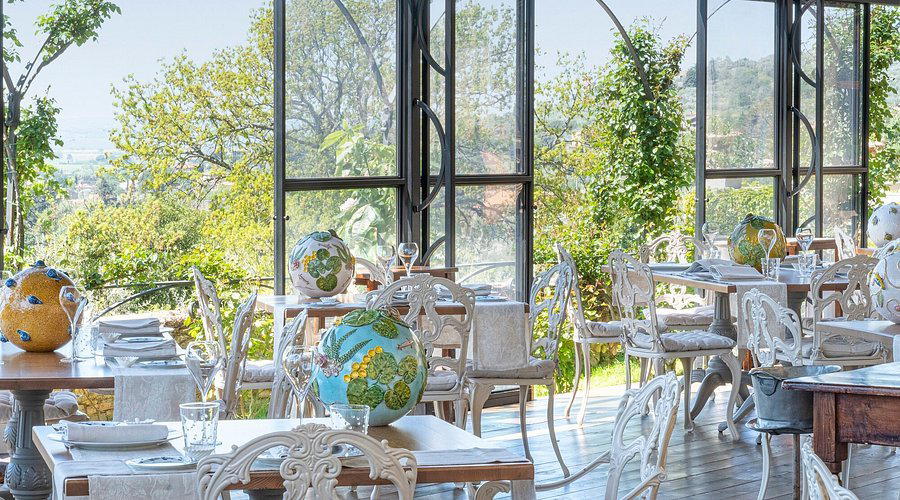
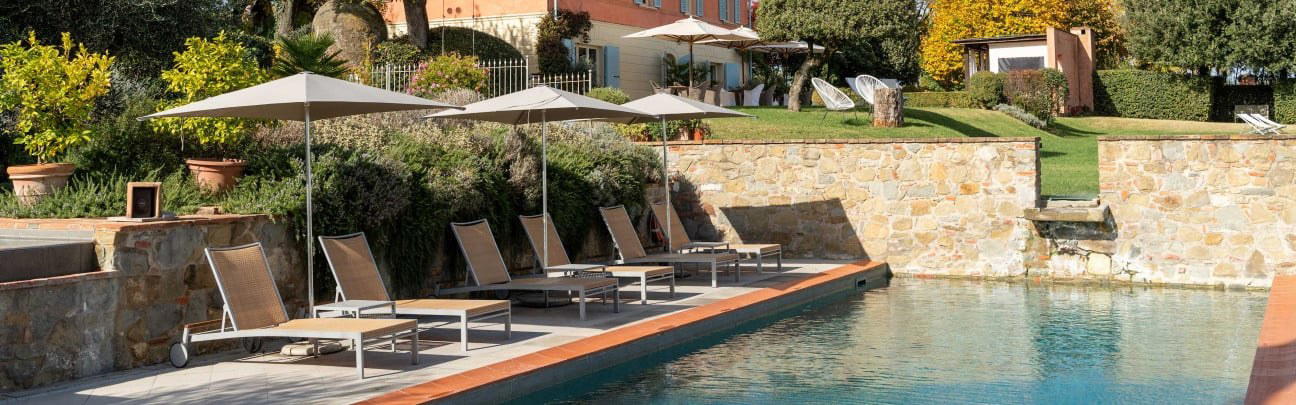
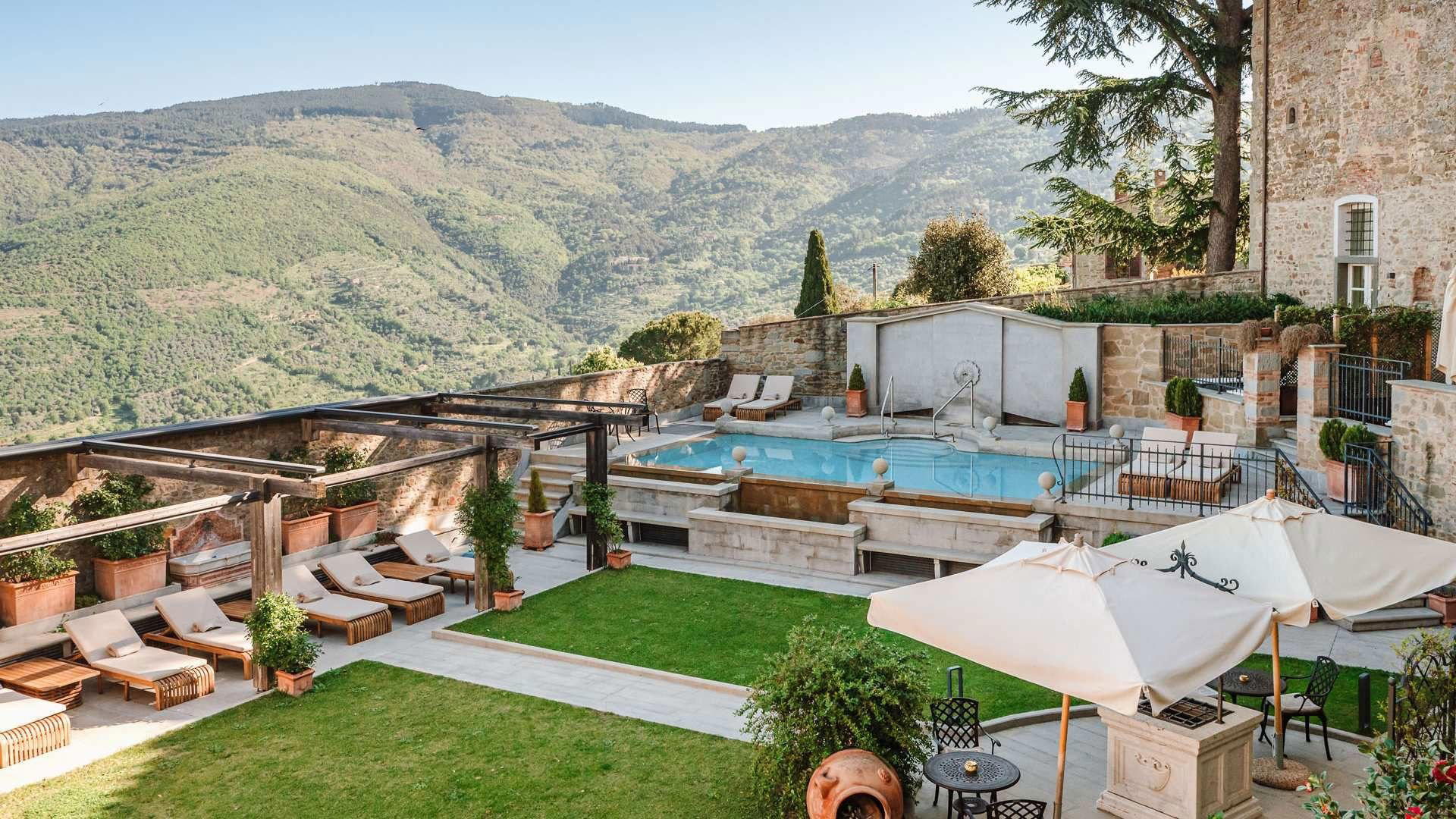
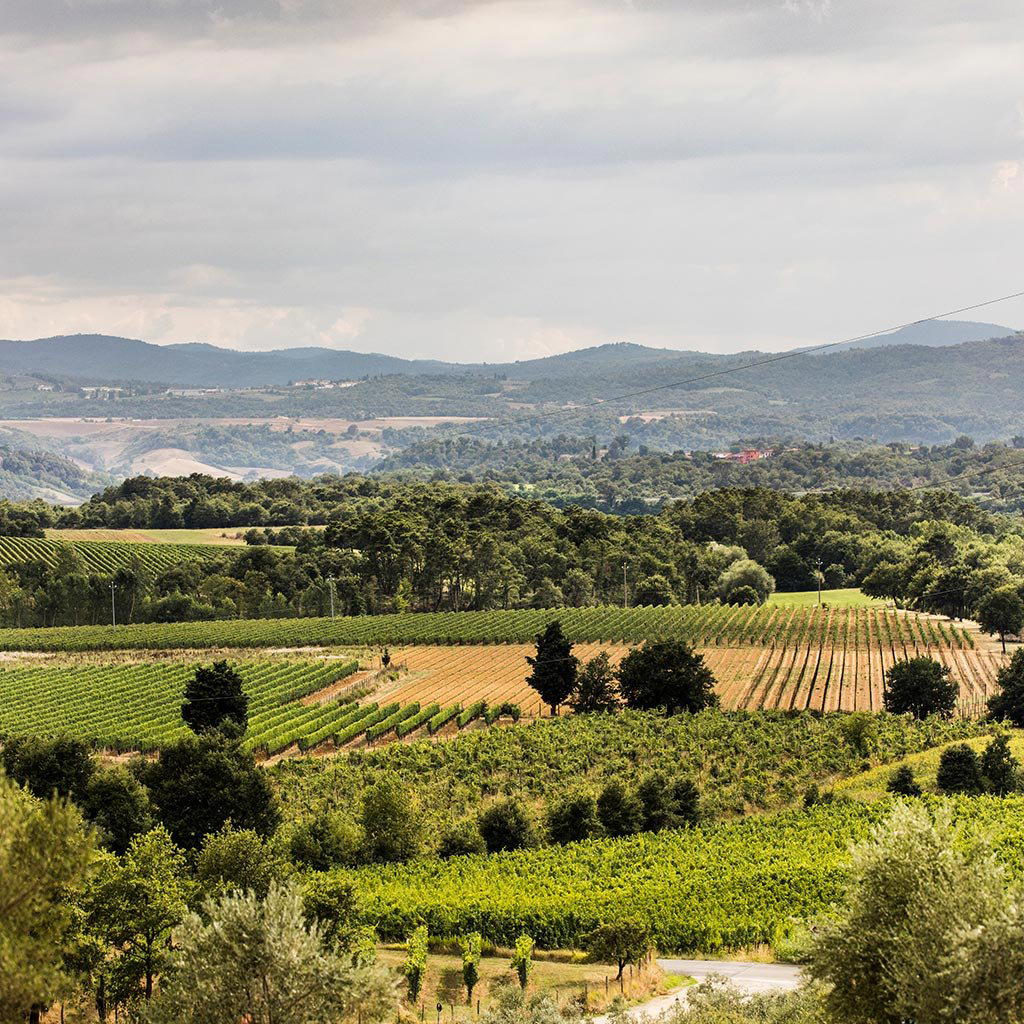
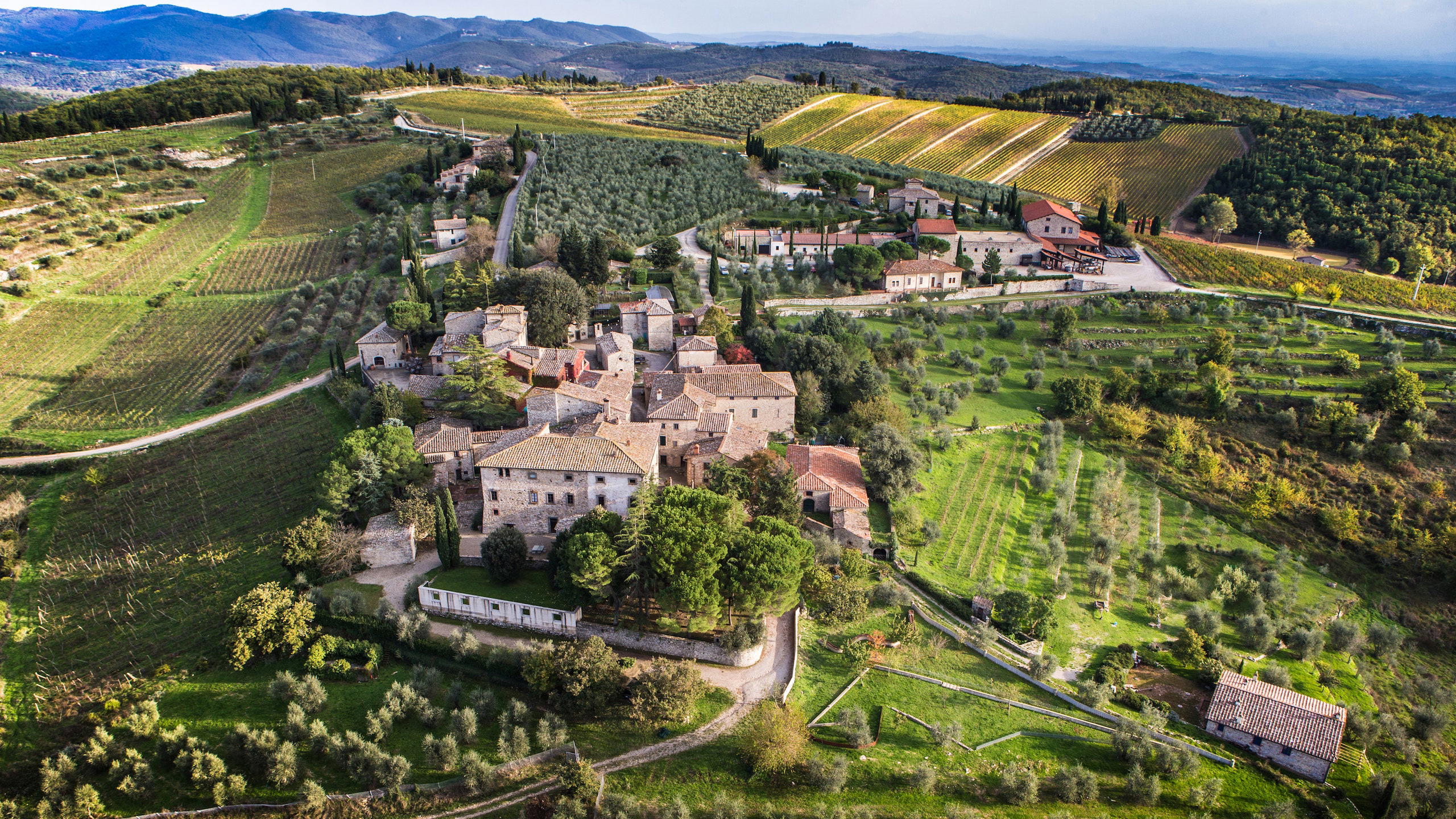
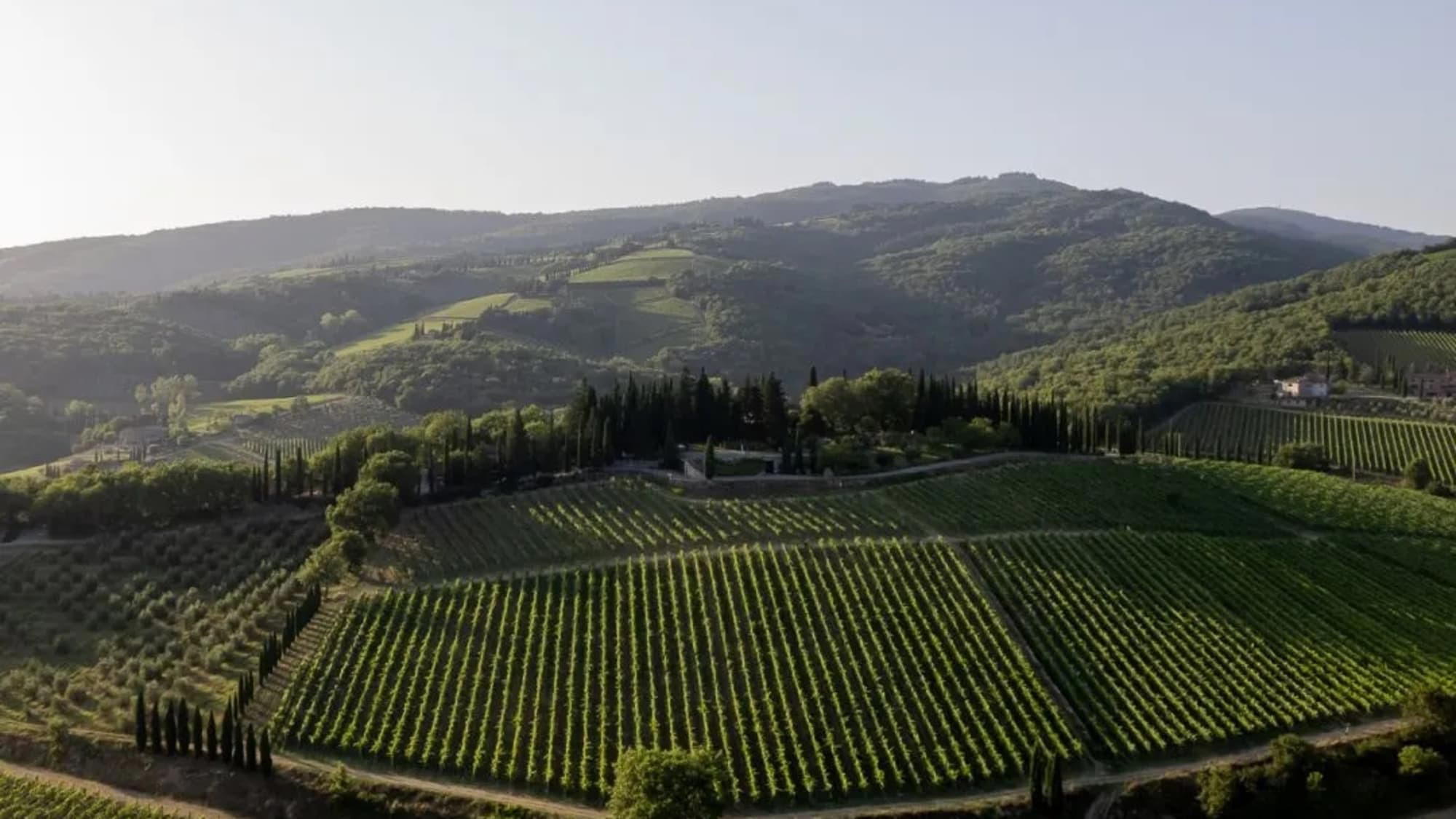
In summer, the option to eat outdoors changes the dynamic further. The Salcheto estate's hillside position above Montepulciano means that al fresco dining here operates with a view of the same vineyards and olive groves that supply the kitchen, which closes the loop between what the table is set with and what the surrounding land produces. This kind of physical coherence between setting and plate is difficult to manufacture and rarely achieved in restaurants that have been designed specifically to evoke it.
Comparison Points Beyond Italy
The estate-restaurant model that Indigeno represents has European parallels worth noting. In Brittany, Auberge Grand'Maison in Mûr-de-Bretagne operates within a comparable tradition of place-anchored, traditional cooking with Michelin recognition. In northern Spain, Auga in Gijón works within its own regional sourcing logic. The thread connecting these operations is a commitment to cooking that cannot easily be relocated: its identity depends on where it is, and what that place specifically produces. The more technically ambitious Italian kitchens, like Atelier Moessmer Norbert Niederkofler in Brunico or Reale in Castel di Sangro, share that place-anchored philosophy while operating at a higher technical register and price point. Indigeno's contribution to this broader conversation is its simplicity: the estate model applied at a scale and price point that makes it accessible rather than exclusive, with the Michelin Plate as evidence that accessibility and quality are not mutually exclusive. For those planning a broader visit, our full Montepulciano restaurants guide covers the range of options across price points and styles, and our Montepulciano hotels guide, bars guide, and experiences guide round out the planning picture.
Planning a Visit
Indigeno sits within the Salcheto Organic Winery at Piazza Grande, 5, on the Montepulciano estate. The €€ price point makes it one of the more accessible options in the area for winery dining with Michelin recognition. Summer visits open up the outdoor terrace, which is the more atmospheric option when weather allows. No booking method, dress code, or specific hours are listed in available data; contacting the Salcheto estate directly ahead of a visit is advisable, particularly for groups that prefer a reserved table over arriving on spec at a working winery restaurant.
What Do Regulars Order at Indigeno?
The dishes most associated with Indigeno's kitchen reflect the estate-sourcing philosophy directly. Bread gnocchetti with creamed broad beans and bitter herbs is among the most cited preparations, its character shifting slightly with the season depending on what the local producers are supplying. Roast goose leg is the other frequently noted speciality, a dish that speaks to the estate's animal rearing rather than a market-driven menu brief. Home-made bread, served as a matter of course rather than as a premium addition, functions as both an opening gesture and a statement of the kitchen's starting philosophy: production from scratch, ingredients from the land immediately around the table. These dishes sit within the Michelin Plate-recognised framework and give a reliable indication of what the kitchen does at its most characteristic.
For readers assessing how Indigeno fits within Montepulciano's broader offer, Le Logge del Vignola and Osmosi provide adjacent reference points at different positions on the tradition-to-contemporary spectrum. Quattro Passi in Marina del Cantone illustrates how Italian coastal kitchens handle the same sourcing-led brief in a different regional register.
Comparison Snapshot
| Venue | Cuisine | Price | Awards | Notes |
|---|---|---|---|---|
| IndigenoThis venue — the venue you are viewing | Modern Tuscan Farm-to-Table | Not listed | Michelin Plate | Not listed |
| Atelier Moessmer Norbert Niederkofler | Italian, Creative | Not listed | Michelin 3 Star | Not listed |
| Dal Pescatore | Italian, Italian Contemporary | Not listed | Michelin 3 Star | Not listed |
| Enoteca Pinchiorri | Contemporary Italian Fine Dining | $200–300 | 3 Michelin Stars · World's 50 Best #32 | Italian - French, Italian Contemporary |
| Enrico Bartolini | Creative | Not listed | Michelin 3 Star | Not listed |
| Osteria Francescana | Avant-Garde Italian Contemporary | $300–500 | 3 Michelin Stars · World's 50 Best #1 | Progressive Italian, Creative |
Recognition history
Dated appearances from independent guides and award organizations, with the underlying list record or original source where available.
Michelin Plate
Michelin
Full recognition history (3 entries)
Michelin Plate
Michelin
Michelin Plate
Michelin
Continue exploring
More in Montepulciano
Restaurants in Montepulciano
Browse all →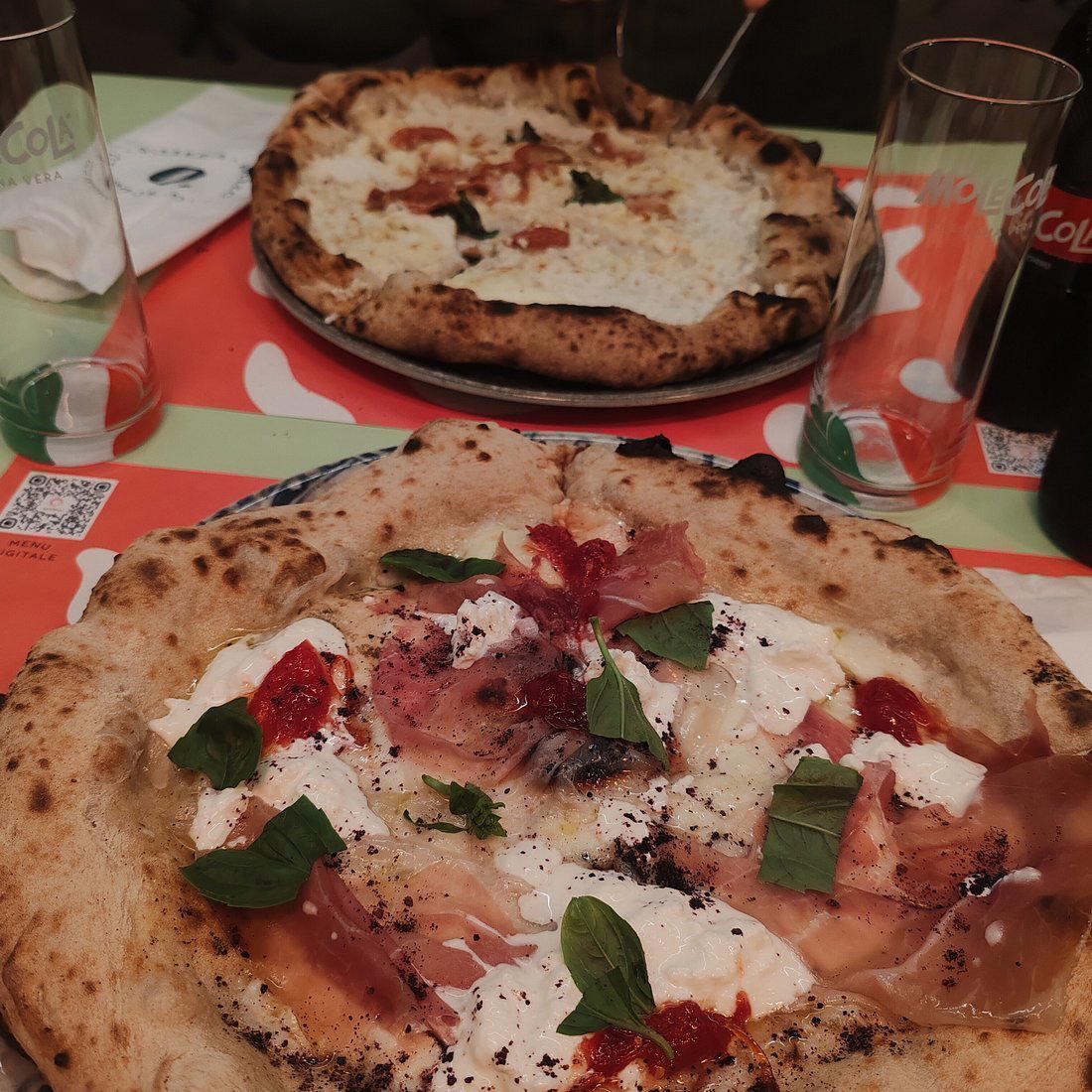
Bars in Montepulciano
Browse all →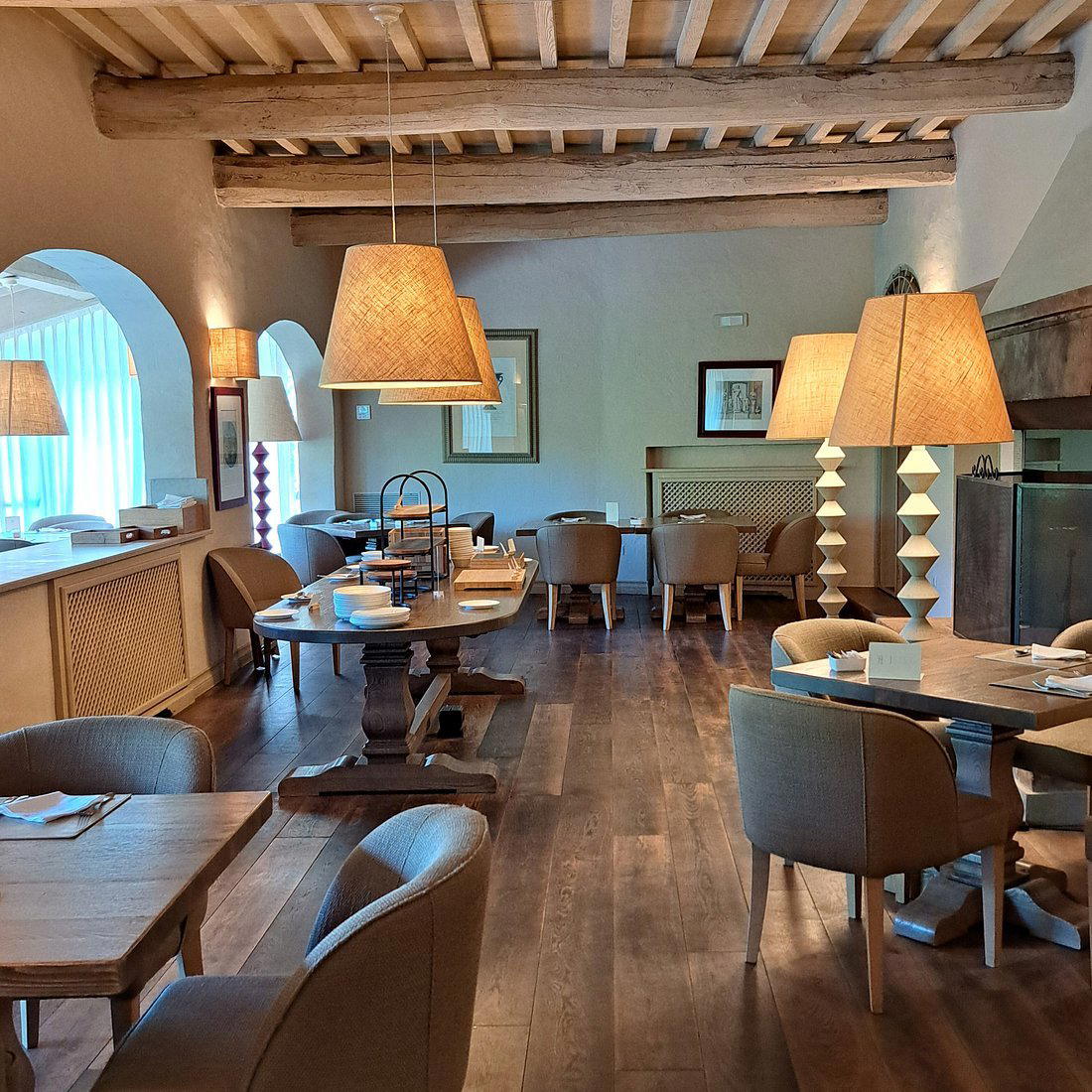
Hotels in Montepulciano
Browse all →
Details
- Rustic
- Scenic
- Cozy
- Elegant
- Date Night
- Special Occasion
- Open Kitchen
- Historic Building
- Extensive Wine List
- Farm To Table
- Organic
- Local Sourcing
- Vineyard
- Mountain
- A La Carte
- Vegetarian Friendly
- Vegan Options
Current opening hours
- Monday
- 11 AM–10:30 PM
- Tuesday
- 11 AM–10:30 PM
- Wednesday
- 11 AM–10:30 PM
- Thursday
- 11 AM–10:30 PM
- Friday
- 11 AM–10:30 PM
- Saturday
- 11 AM–12 AM
- Sunday
- 11 AM–10:30 PM
Hours can change for holidays and private events. Last verified .
Stylish, natural materials in a 13th-century farmhouse with convivial long wooden shared tables, surrounded by greenery and rolling hills.