Il Frantoio

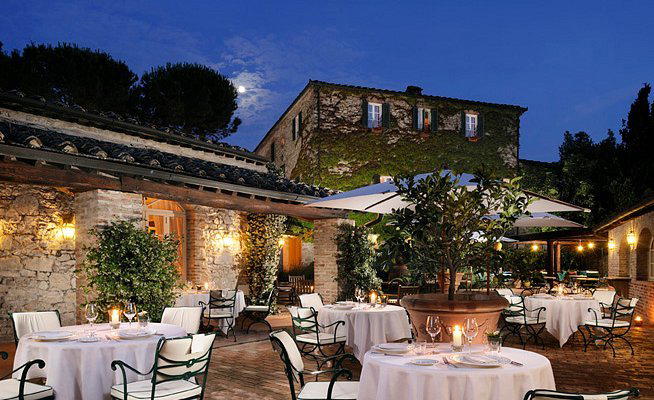
Inside a 19th-century olive oil mill on the medieval streets of Colle di Val d'Elsa, Il Frantoio holds a 2025 Michelin Plate for contemporary Italian cooking that plays against its rustic stone-and-brick setting. Chef Juan José Molina works in a register that favours technical contrast: smoked spaghetti with anchovy sauce and black garlic cream sits alongside liver with sour cherries and pistachios. The piazza tables open in summer for al fresco dining under the Sienese hills.
Pearl is the En Primeur Club membership app — saves, bookings, and concierge access live there. Same editors, same standards.
- Address
- Via del Castello, 38, 53034 Colle di Val d'Elsa SI, Italy
- Phone
- +39 0577 923652
- Website
- ilfrantoiorestaurant.com
- Directions
- Get directions
 Saves & bookings on Pearl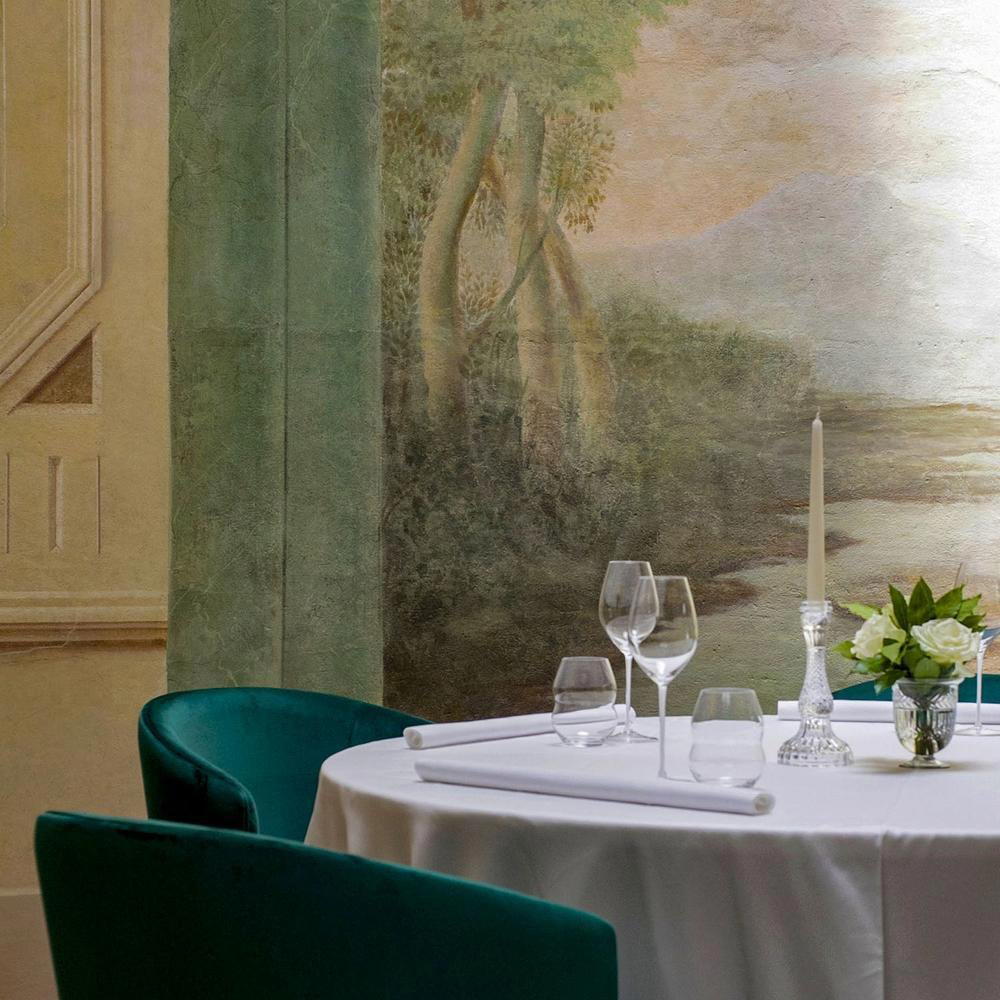
Stone Walls, Technical Plates: What the Setting Conceals
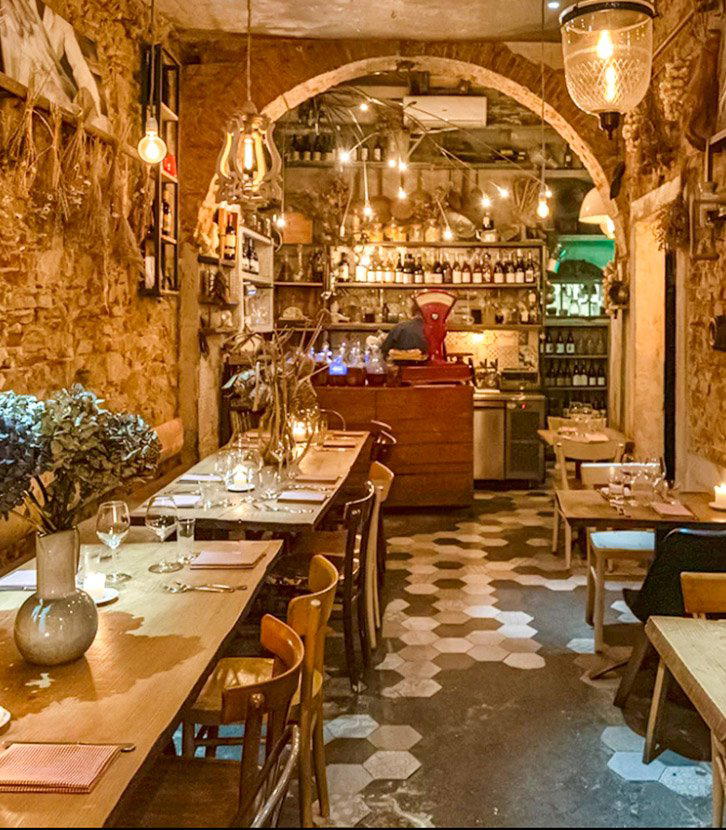
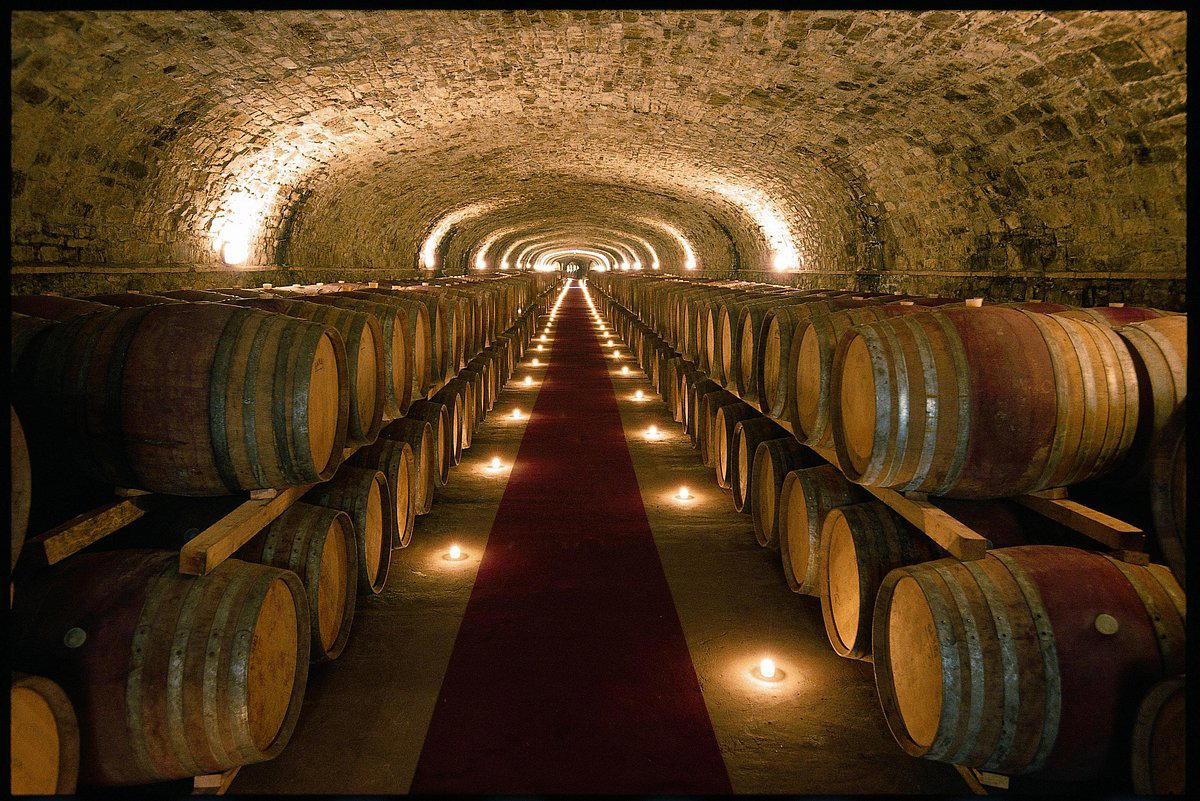
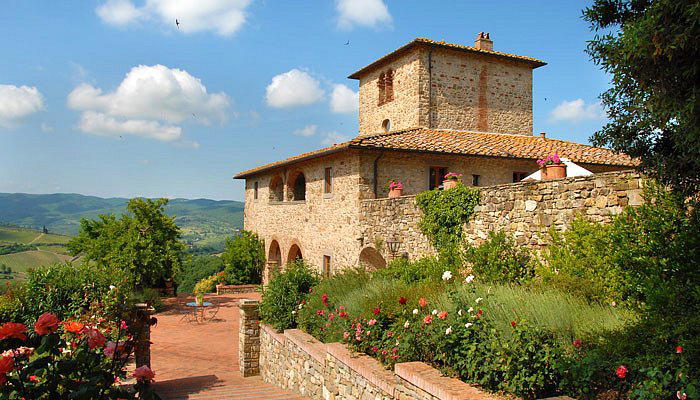
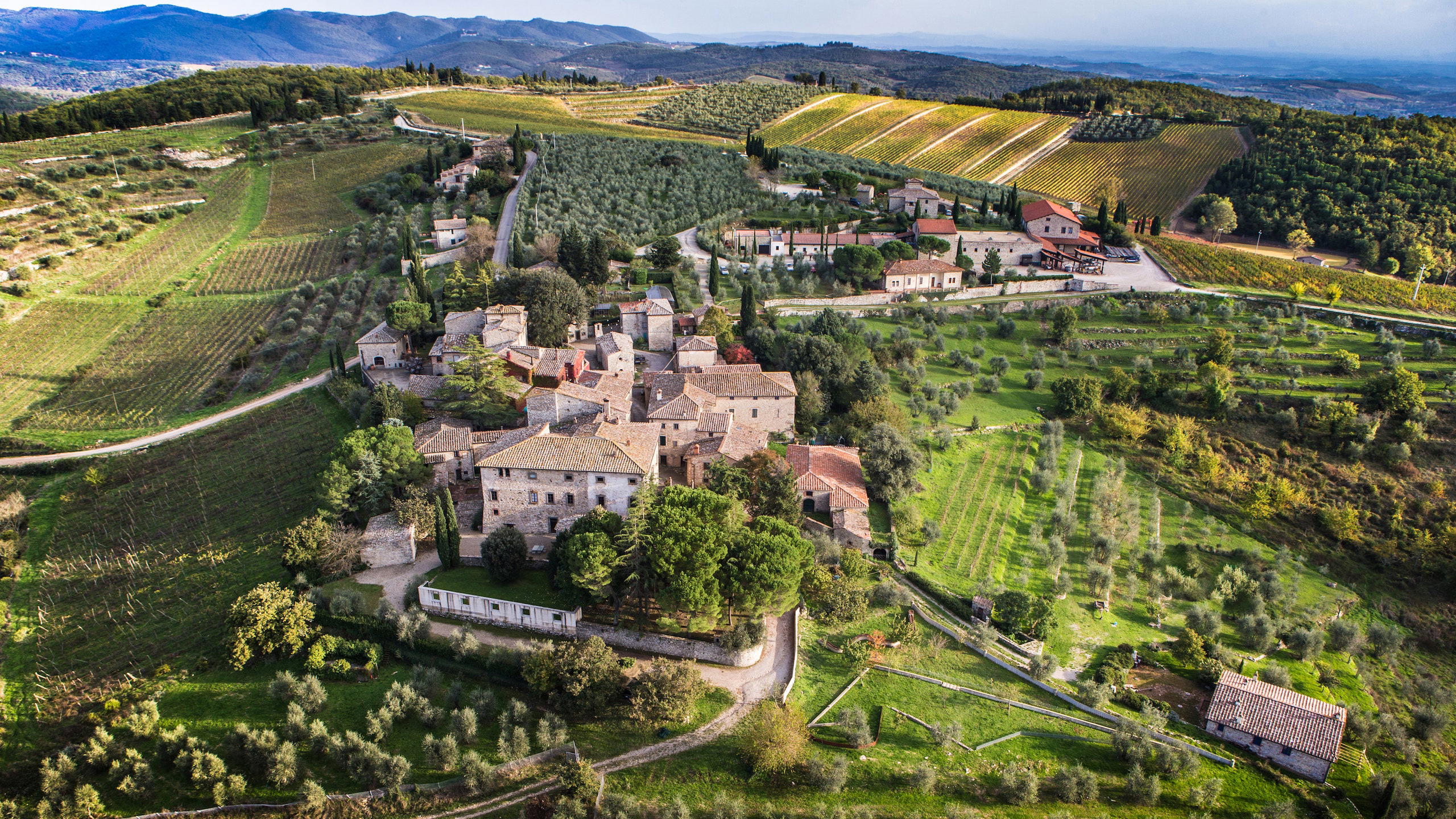
Arriving at Via del Castello in Colle di Val d'Elsa's upper medieval quarter, the visual grammar is familiar Tuscan: exposed stone, vaulted ceilings, streets worn smooth by centuries of foot traffic. What is less predictable is the dining room itself, where a 19th-century millstone, press, and cisterns remain visible as architectural fixtures rather than decorative props. The room was an olive oil mill before it became a restaurant, and the industrial bones of that past life give Il Frantoio a material honesty that most heritage dining rooms in this part of Tuscany can only approximate. In summer, the experience shifts outward to piazza tables, where the surrounding medieval architecture provides a backdrop that no interior design budget could manufacture.
This contrast between container and content is what defines the restaurant's position in Colle di Val d'Elsa's dining scene. The setting signals rusticity; the kitchen delivers technical, often creative contemporary Italian cooking. That gap is deliberate, and it is the lens through which everything on the plate should be read. Il Frantoio holds a 2025 Michelin Plate, a recognition that places it among restaurants the Guide considers worth seeking out without yet assigning a star. In a town that also houses Arnolfo, which operates at a higher price tier with a more formal register, and Bis Osteria Italiana Contemporanea, which focuses on seasonal produce, Il Frantoio occupies the mid-range creative slot, priced at $70 against its peers.
Pasta as a Vehicle for Technique
Contemporary Italian cooking in Tuscany has a complicated relationship with pasta. The region's canonical repertoire, pici, pappardelle, ribollita built from bread rather than dough, tends toward density and restraint. The instinct in most Sienese hill-town trattorias is to honour that tradition without much deviation. Il Frantoio moves in a different direction. The smoked spaghetti with anchovy sauce, capers, and black garlic cream is the clearest signal of the kitchen's orientation: it takes a format with deep Italian roots and processes it through layers of technique that belong more to contemporary fine dining than to regional tradition.
Smoking pasta before saucing it changes the base flavour register in ways that alter everything downstream. The anchovy and caper combination already carries a Mediterranean saline sharpness; black garlic cream introduces fermented sweetness and body. The sequence is deliberate and controlled. Italian restaurants at the €€€€ tier, places like Osteria Francescana in Modena or Dal Pescatore in Runate, apply this kind of layered technical thinking across entire tasting menus. The restaurant applies it within a more accessible price bracket, which makes its pasta dishes function as a genuine editorial statement about what mid-range contemporary Italian cooking can attempt.
The broader Italian contemporary scene has seen this kind of technical ambition migrate downward through the price tiers over the past decade. Kitchens that once operated only at the summit end of the market are now influencing how restaurants at the €€ level approach texture, temperature, and flavour construction. The restaurant's menu reads as part of that shift, sitting in a peer group that includes Agli Amici Rovinj and L'Olivo in Anacapri, restaurants using Italian contemporary technique in settings outside the major urban fine dining circuits.
The Kitchen's Wider Register
The pasta is the clearest articulation of the kitchen's method, but it is not the only evidence. Liver with sour cherries and pistachios is the kind of dish that indexes directly against classical European offal cooking while redirecting it through acidic and textural counterpoints. Sour cherries against liver is a pairing with a long history in central European cuisine; presenting it in a Tuscan contemporary context, likely with a cleaner plate composition and more precise cooking, positions the dish in conversation with that tradition without being confined by it. Chef Juan José Molina's approach appears to prioritise contrast as a structural principle: smoky against saline, acidic against rich, the rusticity of the room against the precision of the plate.
This kind of contrast-led cooking has been central to the Italian contemporary movement at its most ambitious. Kitchens like Reale in Castel di Sangro and Piazza Duomo in Alba have made structural contrast the organising logic of their menus. The restaurant operates on a smaller scale and at a lower price point, but the underlying instinct is recognisable. It is not attempting to replicate the three-star ambition of Enoteca Pinchiorri or Enrico Bartolini; it is working within a more constrained format while still applying a coherent technical framework.
Colle di Val d'Elsa and the Sienese Hill Town Dining Context
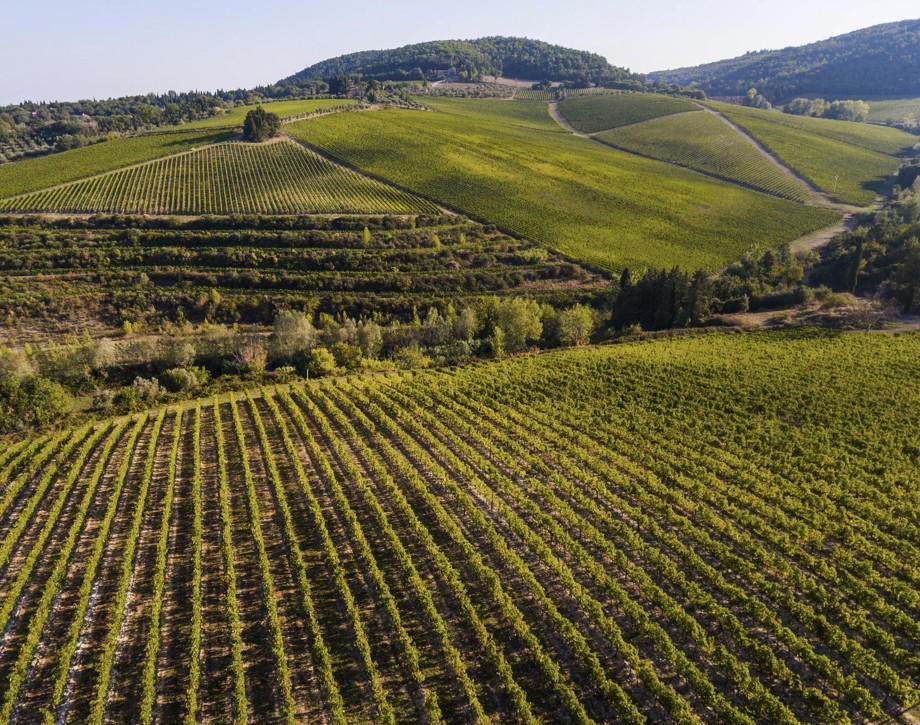
Colle di Val d'Elsa sits between Siena and San Gimignano, a position that keeps it off the primary tourist circuits that run through either of those towns. The upper medieval quarter, where the restaurant is located, functions as a self-contained village atop a ridge, with the kind of quiet that Florence's dining scene cannot offer. For visitors building an itinerary around the Sienese hills, the town offers a genuine alternative to the more heavily trafficked hill towns, and its restaurant density at the leading end is higher than its profile might suggest.
The local dining options beyond the restaurant include Arnolfo and Bis Osteria Italiana Contemporanea, making Colle di Val d'Elsa a plausible base for a multi-day table-driven trip through Tuscany. For those building beyond restaurants, EP Club also covers hotels, bars, wineries, and experiences in the area.
Planning a Visit
The restaurant is located at Via del Castello, 38, in the upper medieval section of Colle di Val d'Elsa, a short walk from the town's central ridge. The price range at about $70 per person places it well below the investment required at the town's upper-tier restaurant, making it an accessible entry point for contemporary Italian cooking in the area. Summer visits that coincide with piazza seating offer a materially different experience from the interior dining room; the millstone and press are worth noting regardless of season.
What Should I Eat at Il Frantoio?
The smoked spaghetti with anchovy sauce, capers, and black garlic cream is the dish that most directly communicates the kitchen's technical priorities and is the clearest reason to visit. It applies multiple processing layers to a format with deep Italian roots, and the result sits outside what most Tuscan hill-town restaurants at this price point are attempting. The liver with sour cherries and pistachios is the second anchor: an offal dish that redirects classical flavour pairings through precise composition. Both dishes are confirmed by Michelin in its 2025 assessment of the restaurant. Beyond those two, the menu's general orientation toward contrast and technique suggests that whatever else is on the plate will follow the same structural logic. For visitors approaching from the broader Italian contemporary circuit, restaurants like Le Calandre, Atelier Moessmer, or Quattro Passi, the register will be immediately legible, even if the scale and setting are more intimate.
Cuisine Lens
Comparable venues nearby, for context on price, style, and recognition.
| Venue | Cuisine | Price | Awards | Notes |
|---|---|---|---|---|
| Il FrantoioThis venue — the venue you are viewing | Modern Tuscan | $$$ | Michelin Plate | Not listed |
| Bis Osteria Italiana Contemporanea | Modern Tuscan Italian Osteria | $$$$ | Michelin Plate | Colle di Val d'Elsa |
| Arnolfo | Modern Tuscan Fine Dining | $$$$ | Michelin 2 Star | Colle di Val d'Elsa |
| Osteria 1126 | Modern Tuscan | $$$ | Michelin Plate | Cinciano |
| Scaraboci | Italian Seafood | $$$ | Michelin Plate | Marciana Marina |
| La Filanda | Modern Tuscan Trattoria | $$$ | Michelin Plate | historic centre |
Recognition history
Dated appearances from independent guides and award organizations, with the underlying list record or original source where available.
Michelin Plate
Michelin
Michelin Plate
Michelin
Continue exploring
More in Colle di Val d'Elsa
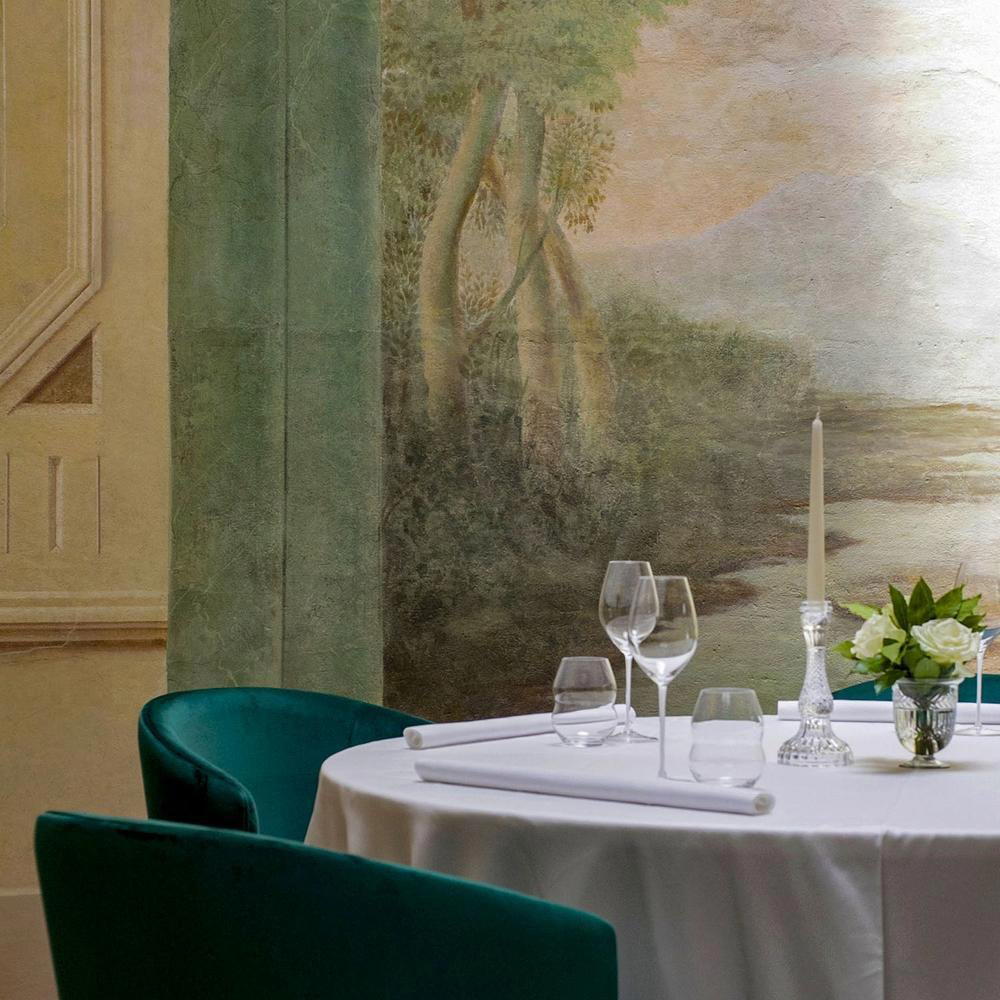
Restaurants in Colle di Val d'Elsa
Browse all →
Bars in Colle di Val d'Elsa
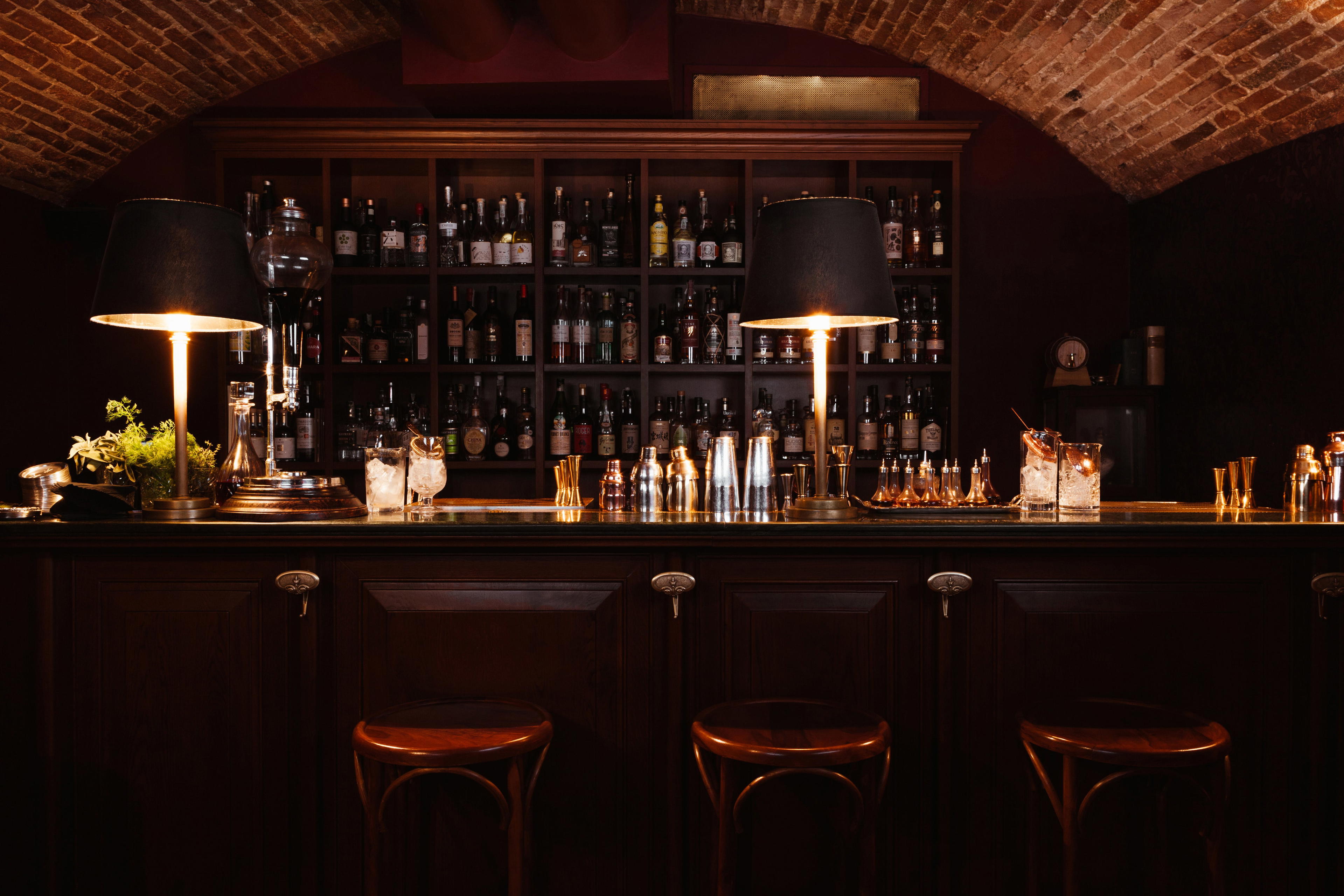
Browse all →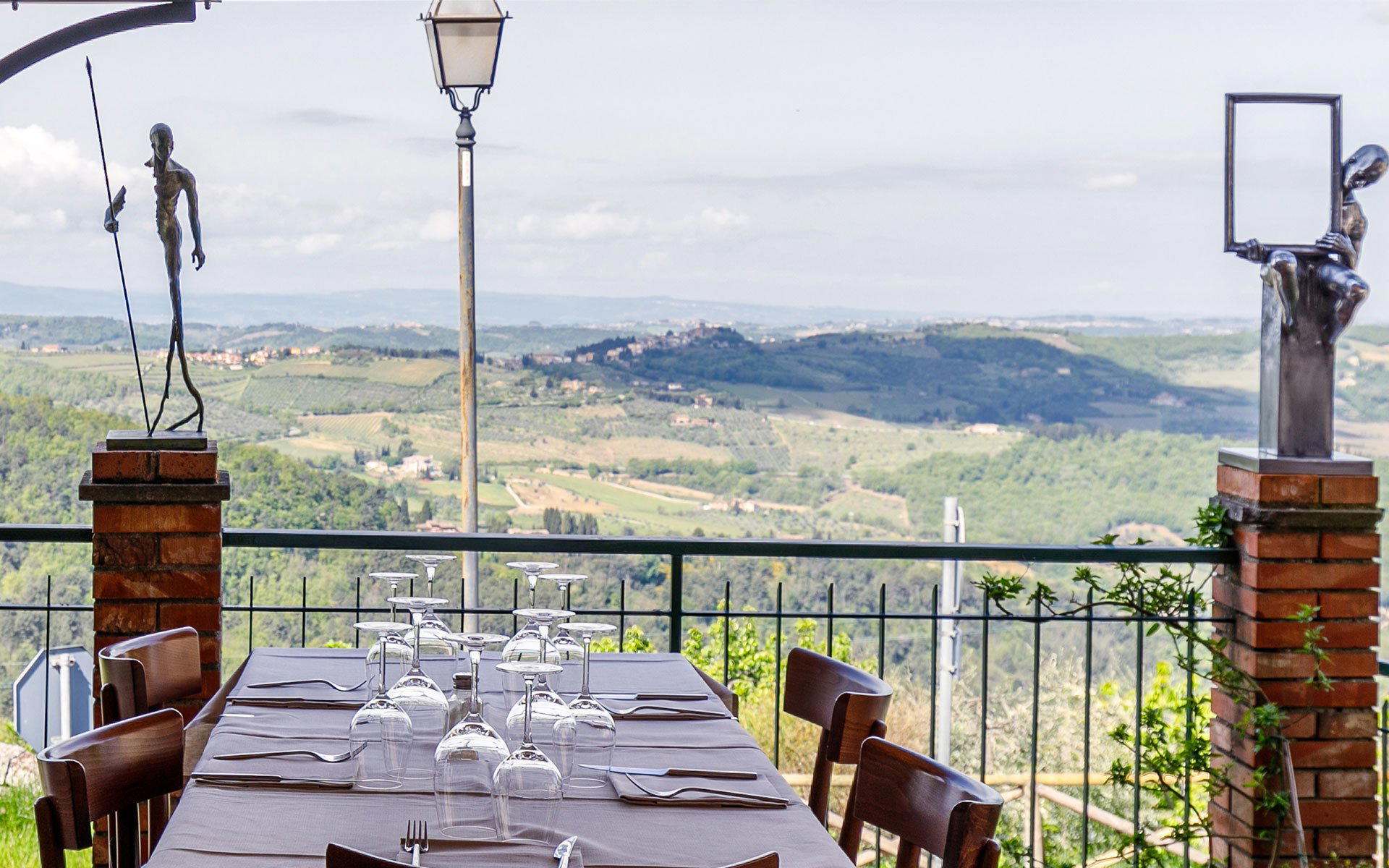
Hotels in Colle di Val d'Elsa
Browse all →
At a Glance
- Rustic
- Elegant
- Intimate
- Historic
- Cozy
- Date Night
- Special Occasion
- Celebration
- Historic Building
- Extensive Wine List
- Local Sourcing
- Street Scene
Current opening hours
- Monday
- Closed
- Tuesday
- Closed
- Wednesday
- Closed
- Thursday
- Closed
- Friday
- Closed
- Saturday
- Closed
- Sunday
- Closed
Hours can change for holidays and private events. Last verified .
Warm and welcoming historic setting with old stone walls, vaulted ceilings, brick, and atmospheric cave-like lighting in small private-feeling rooms.