On Via Rialto in the Prati-adjacent residential quarter of northwest Rome, Secondo Tradizione occupies a part of the city where the dining proposition tends to be neighbourhood-first rather than destination-driven. The name signals a commitment to Roman culinary convention, placing it in a category of trattorias and osterie that treat the city's cooking canon as a living document rather than a tourist reference point.
Pearl is the En Primeur Club membership app — saves, bookings, and concierge access live there. Same editors, same standards.
- Address
- Via Rialto, 39, 00136 Roma RM, Italy
- Phone
- +39 06 3973 4757
- Website
- secondotradizione.com
- Directions
- Get directions
 Saves & bookings on Pearl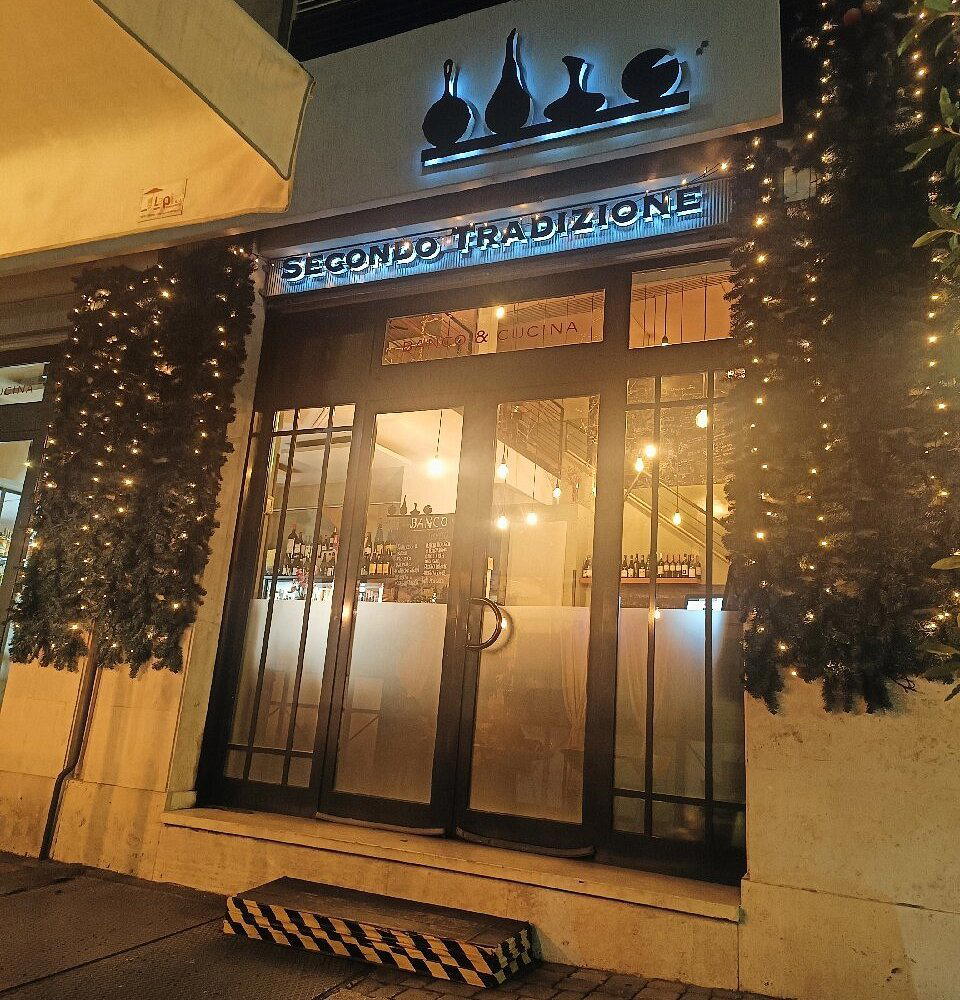
A Room That Reads Rome Before the Menu Does
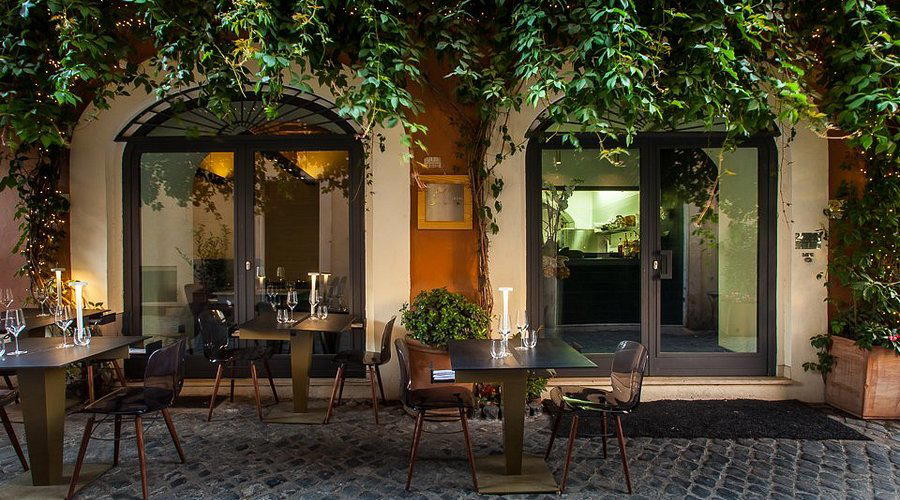
There is a particular grammar to how Roman neighbourhood restaurants announce themselves: no awning spectacle, no pavement signage competing with the street noise, just a door number and the faint amber light of a room that has been at this for some time. Via Rialto, in the residential grid northwest of the centre, follows that grammar closely. Secondo Tradizione is a restaurant in Rome's 00136 district, serving modern Roman trattoria cooking at a price point of about $25 per person. The street sits in a quarter that functions as an actual neighbourhood, grocers, pharmacies, the rhythms of people who live here rather than visit, and Secondo Tradizione fits into that fabric without strain. The name itself is a kind of programme: secondo tradizione, according to tradition, which in Rome means something specific and defensible rather than vague and nostalgic.
The physical container of a trattoria in this part of the city tends toward the functional. Tables set close enough to hear neighbouring conversations, walls that have absorbed decades of kitchen steam, lighting calibrated to eat by rather than to photograph by. These are not failings; they are the conditions under which Roman cooking has always operated. The design argument here is one of continuity rather than intervention, which places the restaurant in a distinct peer category from the creative and contemporary Italian rooms that dominate the higher-price end of the city's restaurant scene.
Rome's restaurant market has stratified sharply over the past decade. At the upper tier, rooms like La Pergola, Il Pagliaccio, and Acquolina operate tasting-menu formats with Michelin recognition and price points that reflect their position in a national and international competitive set. One tier below, creative addresses such as Enoteca La Torre and Achilli al Parlamento work with elaborate wine lists and technically ambitious plates. The restaurant operates in a different register entirely: the neighbourhood trattoria category, where the competitive set is not other restaurants in a guide but the expectations of a local diner who has been eating cacio e pepe since childhood and will notice immediately if the pasta-to-sauce ratio is wrong.
Italy's leading traditional dining rooms have always drawn serious attention: Dal Pescatore in Runate and Enoteca Pinchiorri in Florence built their reputations on precision and consistency within inherited frameworks. At the neighbourhood level, the same discipline applies, just without the infrastructure of a formal brigade or a sommelier programme. Getting the basics right, broth that has been going since morning, pasta cut that day, offal sourced from a supplier with an actual relationship to the kitchen, is what earns the repeat custom that sustains a room like this.
The Roman Table as a Living Convention
Roman cuisine is one of the more codified in Italy, which means the canon is both a resource and a constraint. The five or six pasta preparations that define the city's cooking tradition, each governed by specific ingredient ratios and technique conventions, are simultaneously what makes a Roman restaurant legible to a visitor and what exposes any imprecision to a local. The cucina povera roots of the tradition mean that the ingredient list is short and the technique has to carry the weight. There is nowhere to hide behind luxury ingredients, which is one reason serious Roman cooks tend to have strong opinions about heat management and resting time in ways that sound obsessive until you taste the difference.
Offal cookery, another pillar of the Roman table, occupies a similar position: a set of preparations with historical depth and a clear quality hierarchy that is immediately apparent when you eat. The quinto quarto tradition, fifth quarter, the offcuts that working-class Romans turned into a cuisine, has been well documented and is now tracked seriously by food journalists visiting from abroad. How a kitchen handles tripe, liver, or sweetbreads communicates its technical range and its relationship to the tradition it claims.
For context on how the tradition-focused approach plays out at higher price points across Italy, the comparison is instructive: Reale in Castel di Sangro and Uliassi in Senigallia both demonstrate that deep regional specificity and formal culinary recognition are not mutually exclusive. Piazza Duomo in Alba and Le Calandre in Rubano take the argument further into creative territory. The restaurant makes none of those moves, and that restraint is the point.
Via Rialto 39 sits in the 00136 postal district, northwest of central Rome and within reasonable distance of the Prati neighbourhood. For first-time visitors arriving from the historic centre, the journey by public transport puts the restaurant approximately twenty to twenty-five minutes from Termini by bus or metro connection. The area is residential and quieter than the tourist circuits, which is consistent with the kind of dining experience the name implies. Hours are Mon through Sat, 11:30 AM to 3 PM and 6 to 11 PM; Sunday is closed. Reservations are recommended. Dress is smart casual.
Osteria Francescana in Modena, Enrico Bartolini in Milan, and Atelier Moessmer Norbert Niederkofler in Brunico each represent distinct regional and stylistic positions.
Category Peers
Comparable venues nearby, for context on price, style, and recognition.
| Venue | Cuisine | Price | Notes |
|---|---|---|---|
| Secondo TradizioneThis venue — the venue you are viewing | Modern Roman Trattoria | $$ | Not listed |
| La Reginella d'Italia | Roman-Jewish Trattoria | $$ | San Angelo |
| MASTO a Testaccio | Traditional Roman Trattoria | $$ | Testaccio |
| Nuraghe Sardo | Authentic Sardinian Seafood | $$ | Monte Mario |
| Casadora | Modern Artisan Pasta | $$ | Monte Mario |
| Papa Giovanni | Traditional Roman Trattoria | $$ | San Eustachio |
Continue exploring
More in Rome
Restaurants in Rome
Browse all →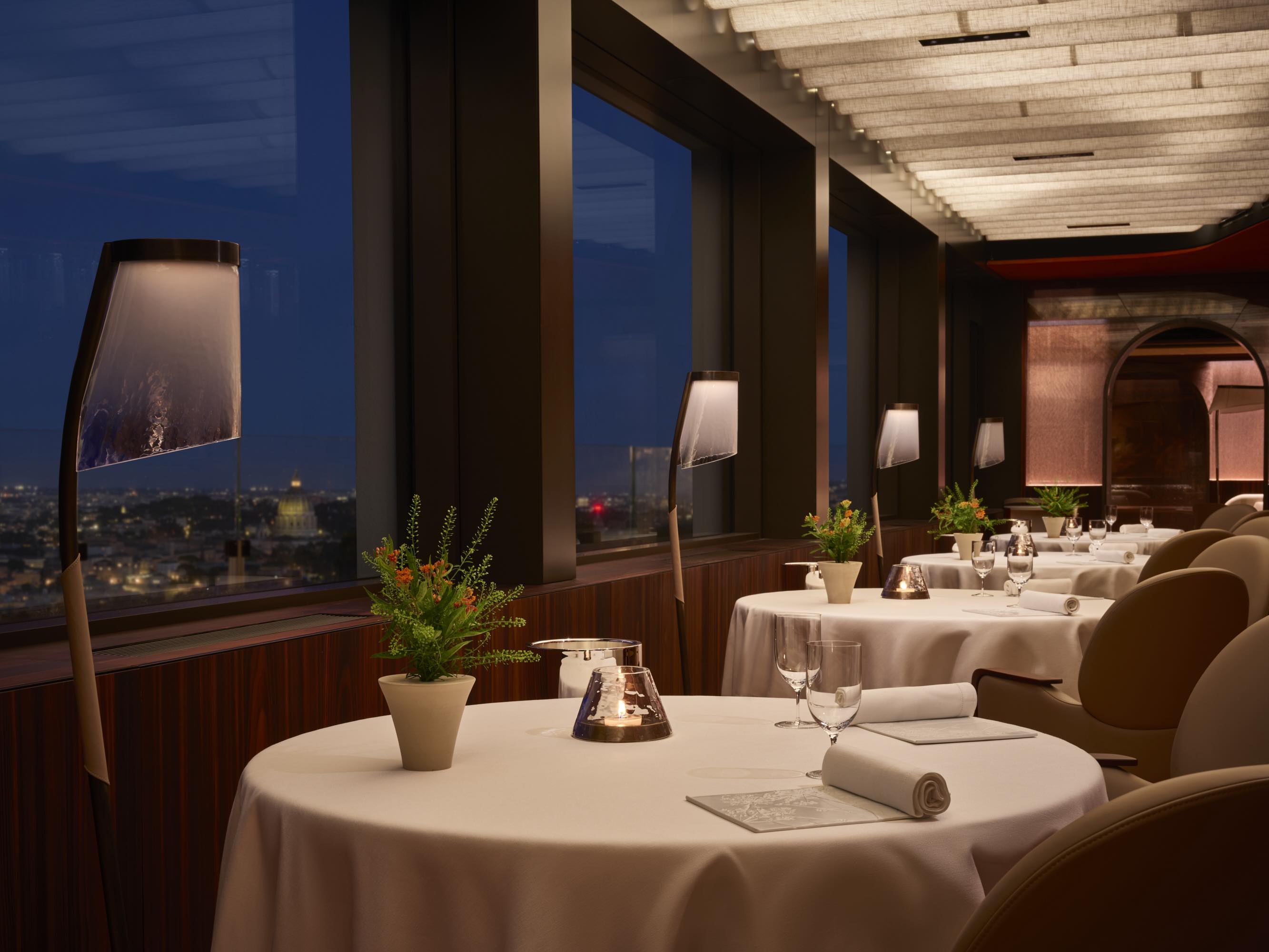
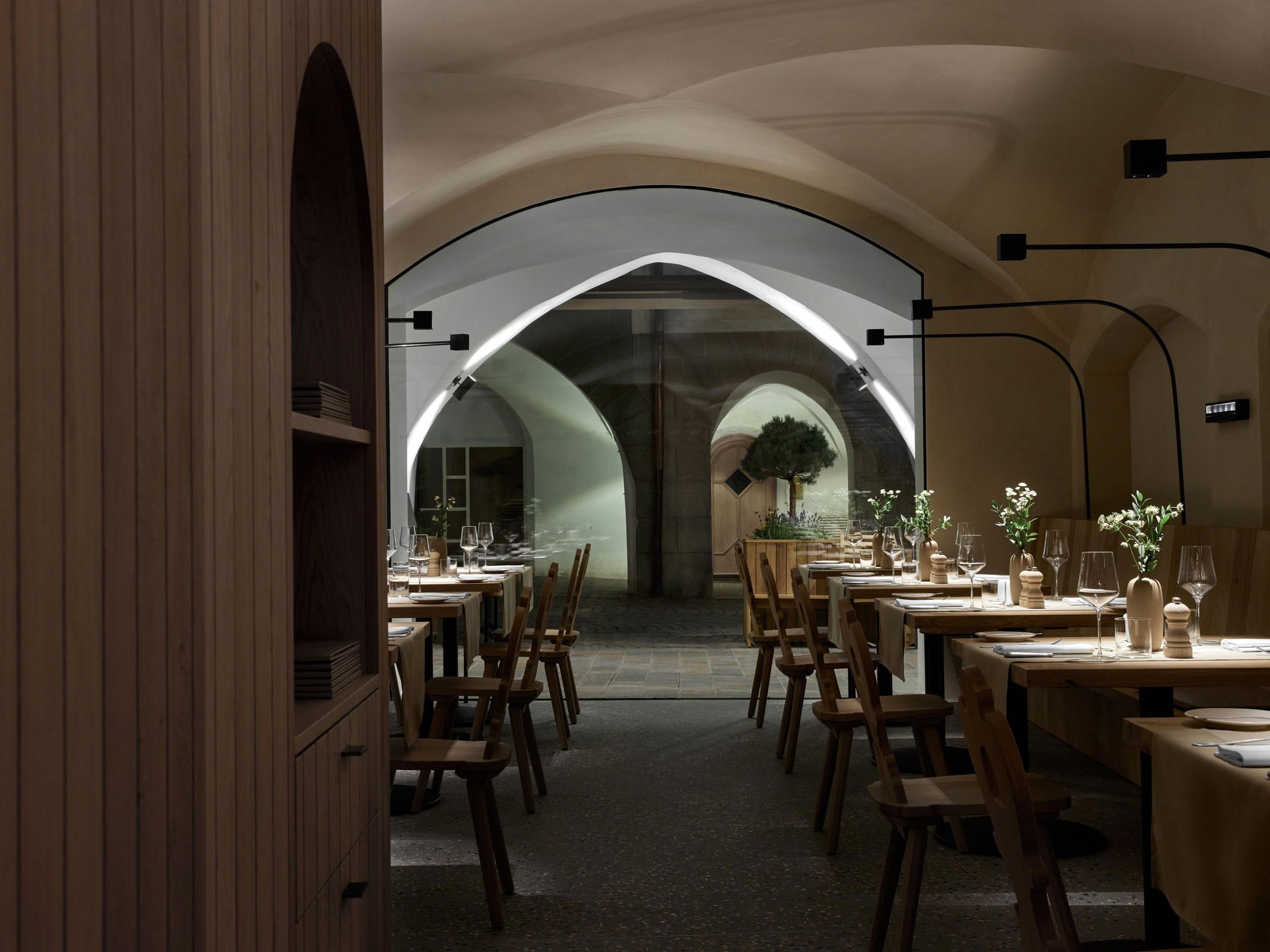
Bars in Rome
Browse all →
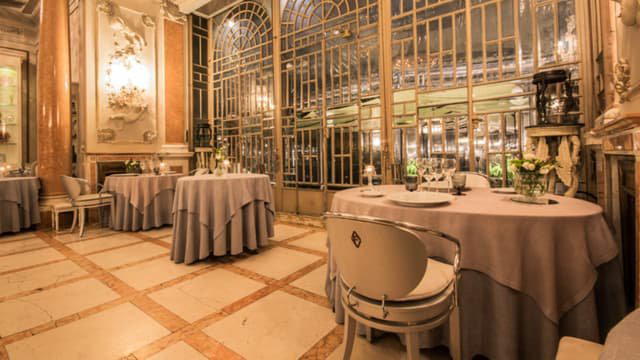
Hotels in Rome
Browse all →

At a Glance
- Intimate
- Cozy
- Elegant
- Date Night
- Casual Hangout
- Open Kitchen
- Local Sourcing
Current opening hours
- Monday
- 11:30 AM–3 PM, 6–11 PM
- Tuesday
- 11:30 AM–3 PM, 6–11 PM
- Wednesday
- 11:30 AM–3 PM, 6–11 PM
- Thursday
- 11:30 AM–3 PM, 6–11 PM
- Friday
- 11:30 AM–3 PM, 6–11 PM
- Saturday
- 11:30 AM–3 PM, 6–11 PM
- Sunday
- Closed
Hours can change for holidays and private events. Last verified .
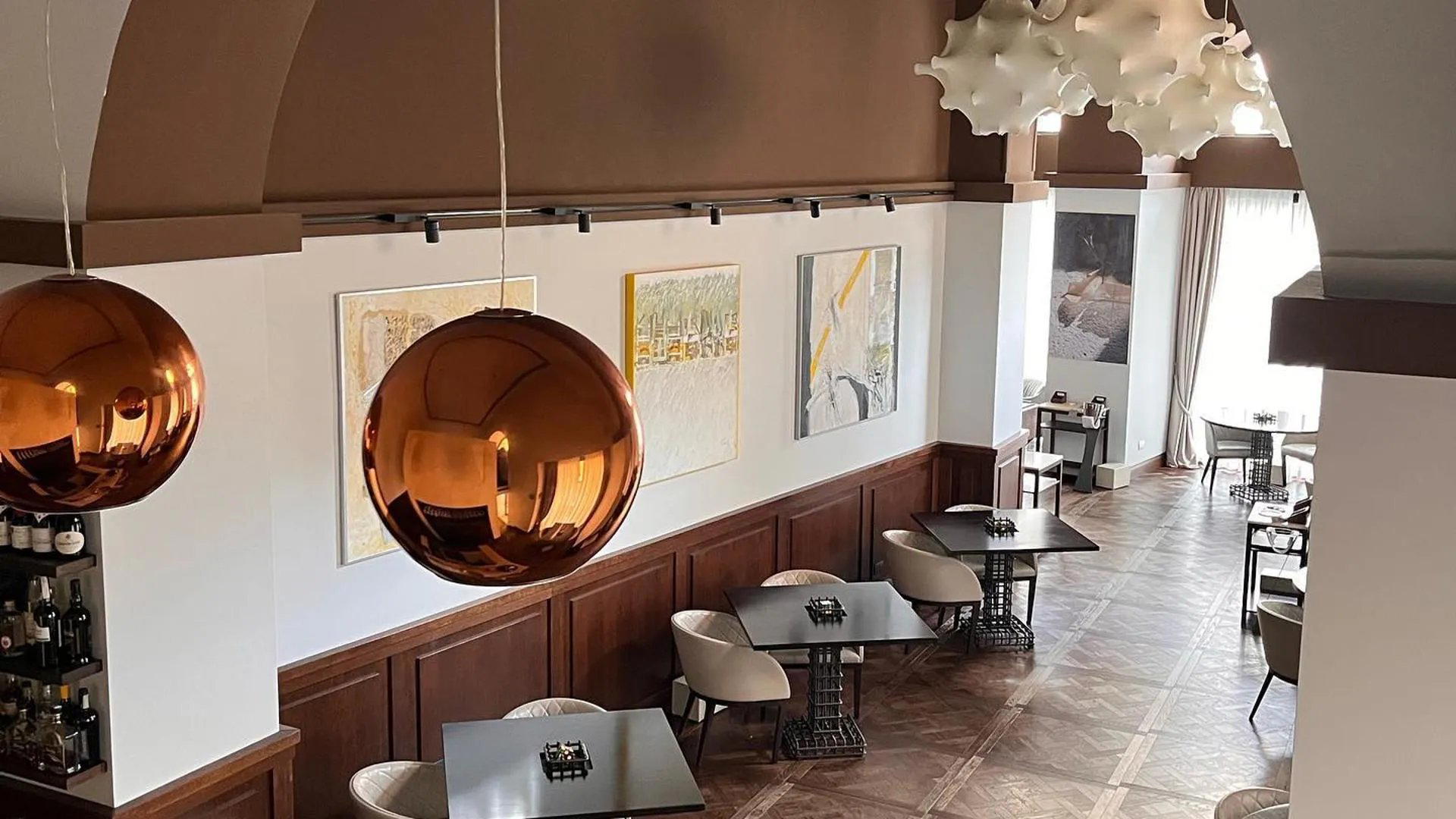
Intimate and inviting with dark wood accents, hand-drawn blackboards of specials, and bright lighting across three small levels.