
Tabelog 100 #26
Our verdict
Tengiku Ten gives Fukui a tightly scaled tempura counter in Junka, with seven seats, counter-only service, and recognition in Tabelog’s Tempura 100 for 2022, 2023, and 2025. The appeal is less about spectacle than sourcing discipline: tempura and eel sit in a regional dining culture where seafood, rice, and local seasonality matter more than theatrical luxury.

Pearl is the En Primeur Club membership app, where members save venues, book tables and use the concierge.
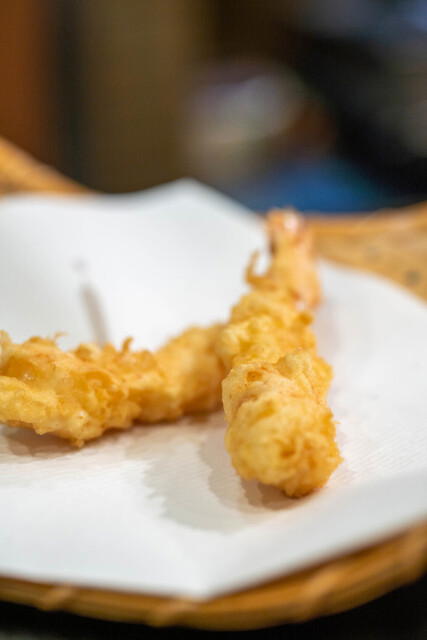
The menu
What to order
- Tempura course
- Tempura lunch set
- Unagi (eel) dishes
Fukui is not a city that needs to perform. The approach to dinner here is compact and direct, with small restaurants often doing serious work behind modest frontages. In that setting, a tempura-focused meal has a different charge from a large city luxury room: the cooking is judged through timing, oil, batter, and ingredient sequence rather than through ceremony alone.
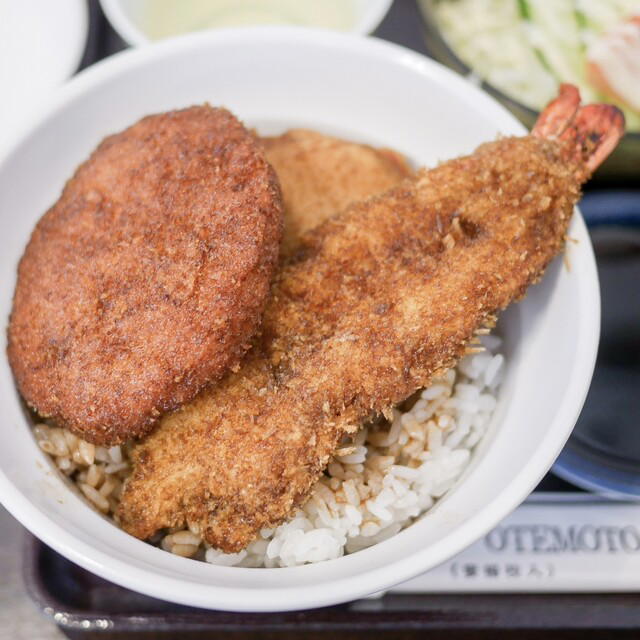
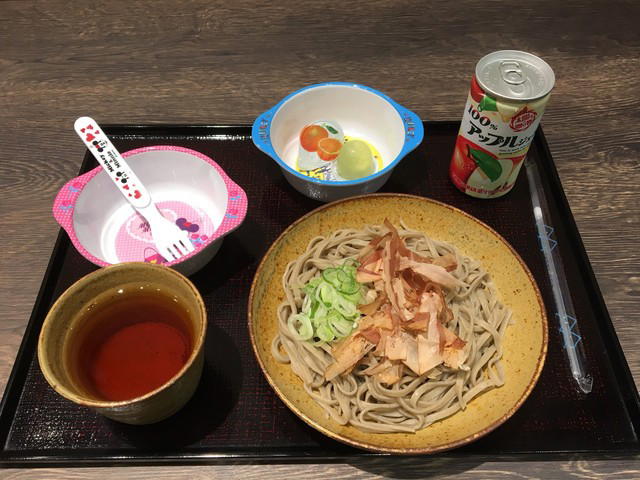
Fukui’s restaurant culture is often read through soba, crab, sauce katsudon, and seafood, but tempura belongs naturally in that same conversation. Local dining can make a strong case for dishes that reward short cooking and restraint. Tengiku Ten works within that logic, placing tempura alongside unagi rather than treating the category as a purely metropolitan ceremony. The result is a focused restaurant that fits Fukui’s scale: serious, local in feeling, and less inflated than metropolitan tasting-menu dining.
Fukui ingredients make more sense at a compact counter
Tempura is often misunderstood by travellers as a technique of richness. At a high level, it is a technique of editing. Batter, oil temperature, cut size, and serving order exist to protect the ingredient from heaviness. That matters in Fukui, where the wider food culture leans on clearly identifiable products: buckwheat in oroshi soba, winter crab, rice, and fish that do not need elaborate handling to justify a meal.
A focused tempura setting sharpens that point. The appeal is not volume or banquet pacing. It is the attention to sequence and immediacy, which is where tempura either succeeds or becomes ordinary. Tengiku Ten’s 2025 recognition in Tabelog’s tempura category gives the restaurant a useful signal: this is not merely a local convenience in a mid-sized city, but a specialist room recognised within a national context.
The category pairing also says something about Fukui dining. Tempura and unagi are both ingredient-led traditions, but they operate on different clocks: tempura depends on immediate texture, while eel depends on preparation, heat control, and sauce discipline. Putting them under one roof gives the meal a broader Japanese grammar without turning it into a multi-cuisine restaurant. For travellers mapping the city’s food identity, it sits between everyday regional clarity and the more ceremonial seafood register found elsewhere in Fukui.
Where it fits in Fukui's dining hierarchy
Fukui rewards diners who separate regional importance from luxury signalling. A meal at Europe Ken Souhonten explains the city’s sauce katsudon culture at a modest price point; sushi counters such as 鮨処海月 and 寿司政 point toward the seafood side of the city; restaurants such as 紋や and 旬味 泰平 suggest a more general Japanese seasonal register. Tengiku Ten occupies the specialist lane, where a narrower format matters more than breadth.
That distinction is useful for planning. A tempura and unagi meal is not interchangeable with a casual local classic or a crab dinner. It asks for attention to sequence and pace, and it is better suited to diners who want to understand how a regional kitchen handles ingredients through technique rather than abundance. The price band also places it in a pragmatic middle: dinner is listed at JPY 6,000 to JPY 7,999, while lunch is listed at JPY 1,000 to JPY 1,999. In Japan’s tempura category, that is a restrained bracket for an award-listed specialist, particularly outside the largest dining centres.
The room’s constraints are part of the assessment. This is best approached as a focused meal rather than a broad, all-purpose restaurant. The value is in the way tempura and unagi frame the experience, and in the discipline required when a meal depends on timing, texture, and a clear sense of sequence.
A compact specialist rather than a grand occasion room
The service rhythm suits a focused meal rather than a sprawling evening. The restaurant is better treated as a planned stop within a Fukui itinerary than as a fallback after sightseeing. Travellers building a broader city route can pair it with the wider dining context in our full Fukui restaurants guide, then use our full Fukui hotels guide, our full Fukui bars guide, our full Fukui wineries guide, and our full Fukui experiences guide to keep the evening within the city.
For contrast inside Fukui, other dining rooms show how the city’s restaurant map extends beyond a single category. For a wider Japan comparison set, the difference is instructive: some restaurants build their identity around ritual, others around seafood, regional cooking, or a narrow specialist focus. Even outside Japan, ingredient-led minimal formats have close cousins in small, focused dining rooms that make restraint the point.
The editorial case for Tengiku Ten is clear: in a city where regional food often appears in humble formats, this restaurant gives tempura a disciplined local frame. The appeal is not breadth, luxury theatre, or chef mythology. It is a focused room applying a precise technique to a category that suits Fukui’s quieter dining rhythm.
Frequently asked questions
Where is Tengiku Ten in Fukui?
Fukui.
What do critics highlight about Tengiku Ten?
The clearest signal is its 2025 Tabelog recognition in the tempura category. The listing also identifies the restaurant with tempura and unagi (eel).
Side-by-Side Snapshot
Comparable venues by cuisine and price in the same metro.
| Venue | Cuisine | Price | Awards | Notes |
|---|---|---|---|---|
| Tengiku TenThis venue (the venue you are viewing) | Traditional Tempura & Unagi Counter | $50–100 | Tabelog 100 #26 | Not listed |
| 料亭 開花亭 | Modern Kappo Kaiseki | $100–150 | La Liste Top Restaurants · Tabelog 100 #40 | central Fukui |
| Bouyourou | Seasonal Japanese kaiseki with Echizen crab at an oceanfront onsen ryokan | $150–200 | Not listed | Mikuni Onsen |
| 鮨処海月 | Kappo-Style Seasonal Kaiseki | $200–300 | Not listed | central Fukui |
| 寿司政 | japanese | Not listed | Not listed | Fukui |
| 鮨 åå µè¡ | Traditional Fukui Omakase Sushi | Not listed | Not listed | Fukui |
Recognition history
Dated appearances from independent guides and award organizations, with the underlying list record or original source where available.
Tabelog 100 #26 · No. 26
Tabelog · Tabelog 100 - Tempura - 2025
Continue exploring
More in Fukui
Details
- Intimate
- Classic
- Cozy
- Solo
- Date Night
- Special Occasion
- Casual Hangout
- After Work
- Chefs Counter
- Open Kitchen
- Standalone
- Sake Program
- Counter Dining
- Omakase
- Set Menu
- Sake
- Shochu
- Pescatarian Friendly
Current opening hours
- Monday
- 5:30–8 PM
- Tuesday
- 11:30 AM–1 PM, 5:30–8 PM
- Wednesday
- 11:30 AM–1 PM
- Thursday
- 5:30–8 PM
- Friday
- 11:30 AM–1 PM, 5:30–8 PM
- Saturday
- 11:30 AM–1 PM, 5:30–8 PM
- Sunday
- Closed
Hours can change for holidays and private events. Last verified .
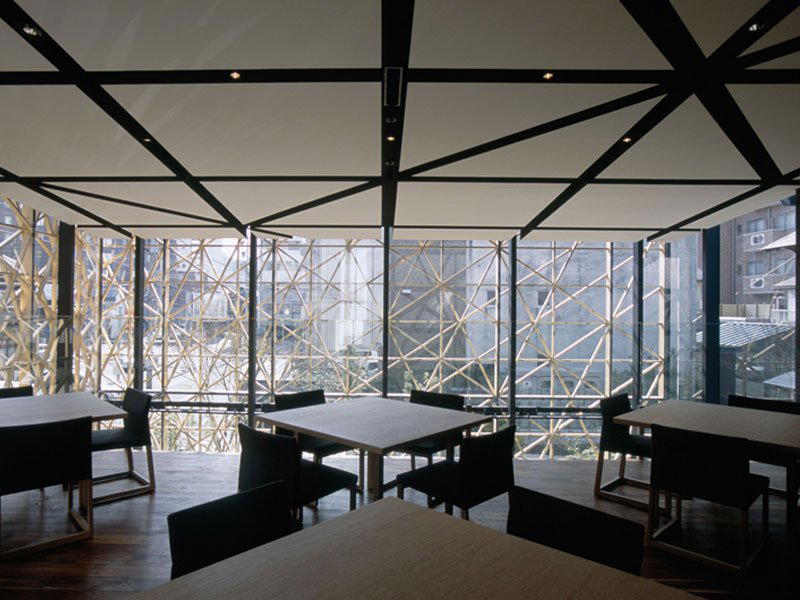
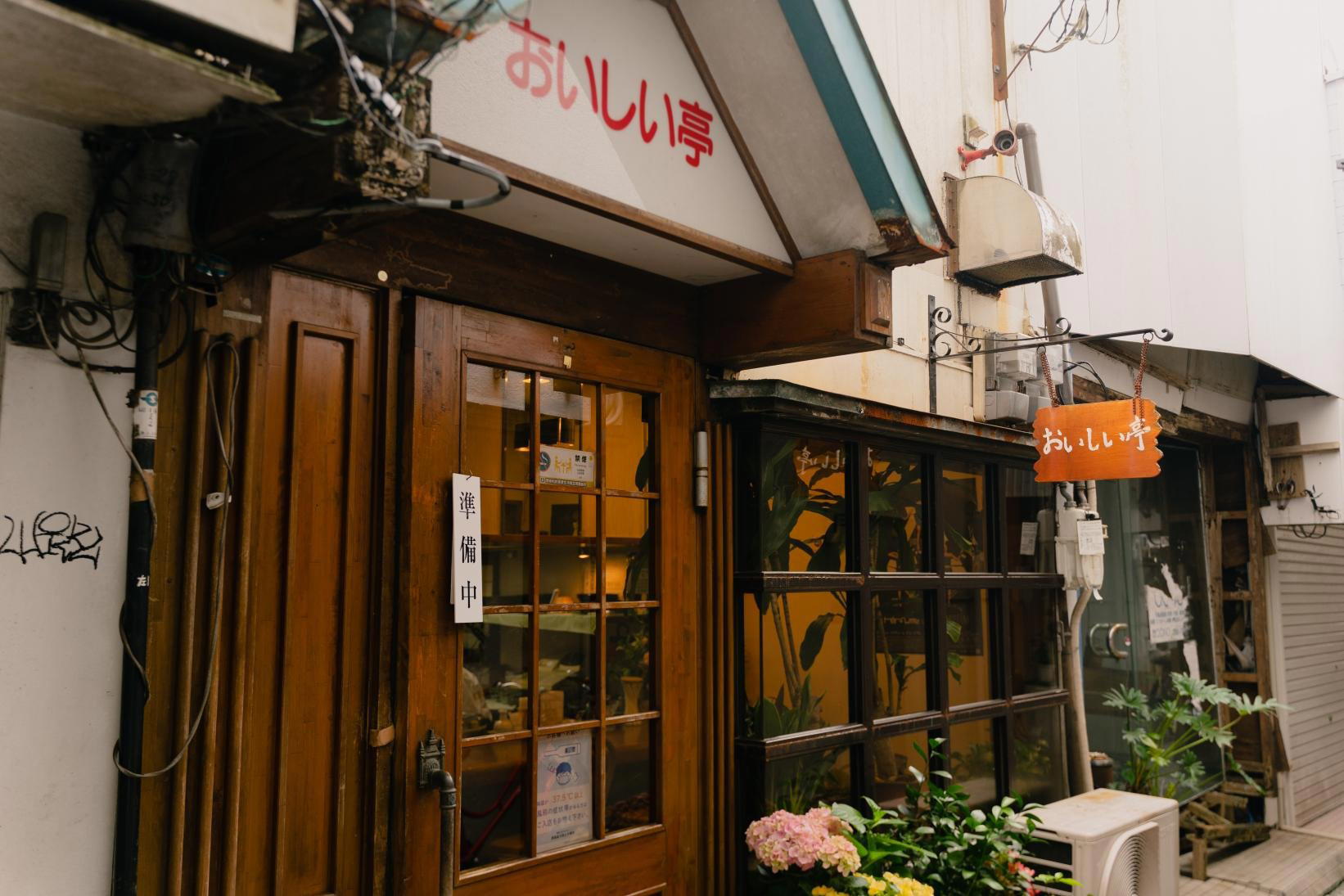
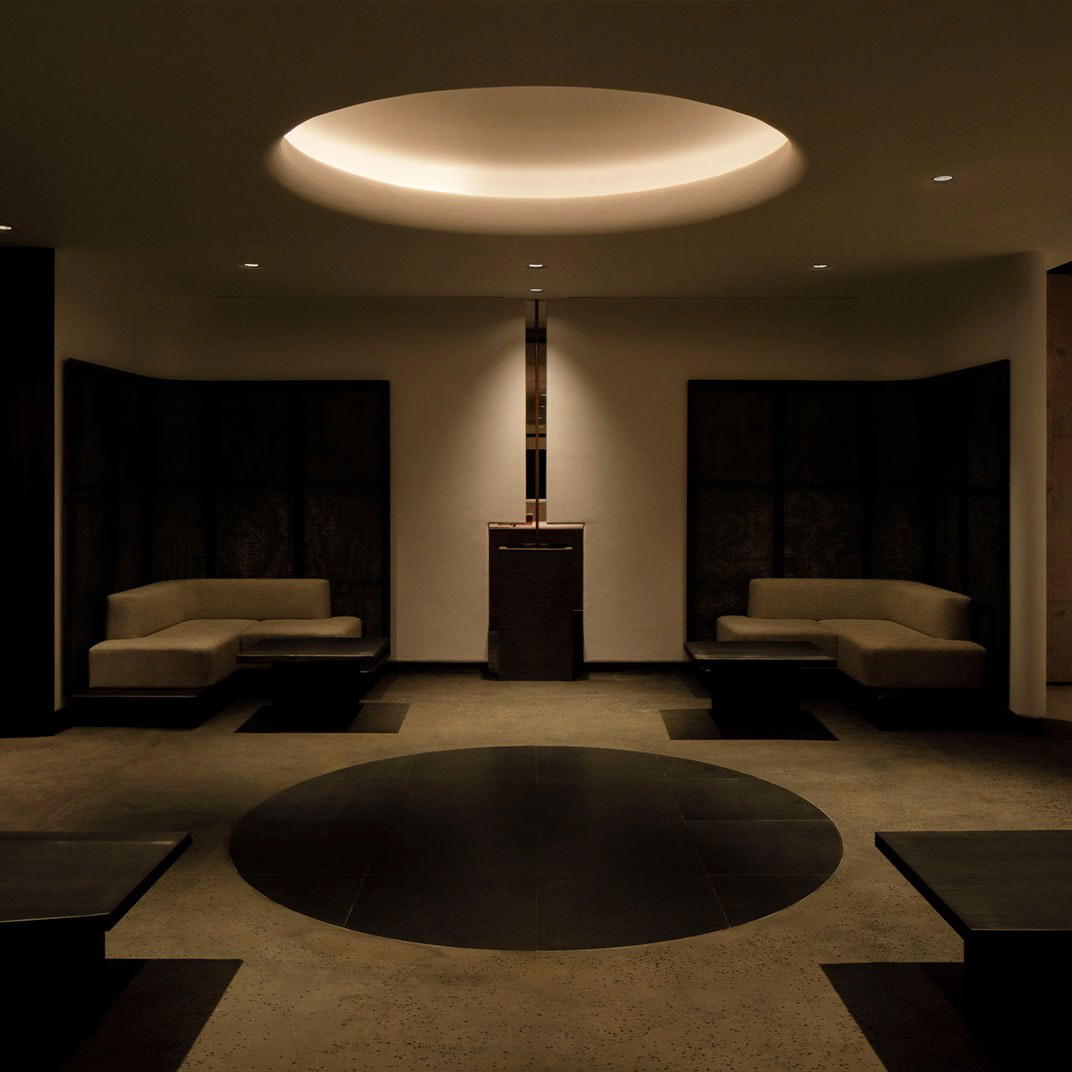
An intimate, seven-seat counter-only room with a traditional, understated feel where guests quietly watch the chef fry tempura to order; the atmosphere is calm and focused rather than lively, making it comfortable for solo diners and small parties.