
Tabelog 100 #92
Our verdict
Fukui’s sauce-katsu culture is the point here: a local yoshoku tradition built around cutlet, rice, and Worcestershire-style sauce rather than Tokyo dining-room ceremony. Europe Ken Souhonten carries that format at an unusually accessible price tier, with Tabelog 100 selections for Yoshoku in 2023 and 2025, plus Tonkatsu in 2018.

Pearl is the En Primeur Club membership app, where members save venues, book tables and use the concierge.
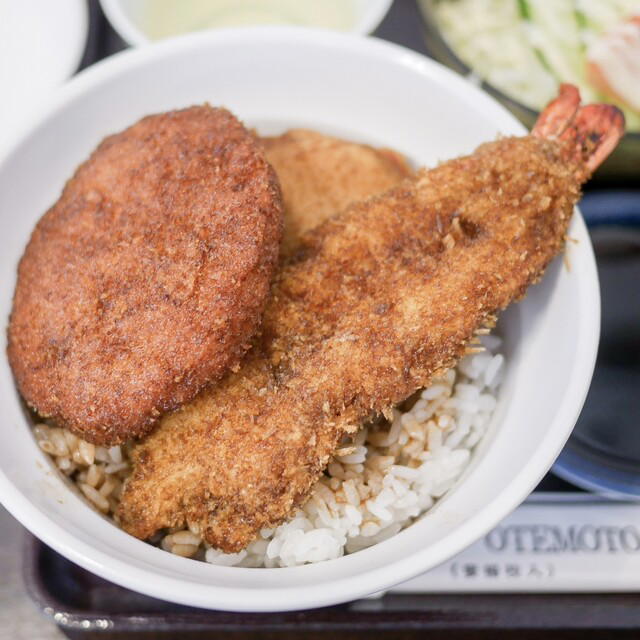
The menu
What to order
- Sauce katsudon
- Tonkatsu
- Katsu-don
Europe Ken Souhonten puts Fukui’s everyday appetite on display without the theatre of a destination counter. The draw is not ceremony, nor a chef’s biographical mythology, but a house-restaurant rhythm: a familiar format, local regularity, and dish categories that sit comfortably in the city’s casual dining life. In a region where seafood and soba often claim the visitor’s attention, yoshoku, tonkatsu, and katsu-don offer another reading of Fukui: Western-influenced Japanese cooking, pork cutlet, rice, and sauce-led comfort.
Europe Ken Souhonten matters because it sits firmly inside that conversation. The available record places it in the realm of yoshoku, tonkatsu, and katsu-don, which is the right context for reading the restaurant. Those categories are not decorative; they explain why the meal should be understood as more than a standard cutlet order. Crumb, cutlet, rice, and sauce balance decide the experience. Too heavy, and the cutlet becomes blunt. Too light, and it loses the point of the style. The appeal depends on a cutlet and rice format that can carry sauce without surrendering its structure.
Fukui yoshoku, not generic tonkatsu
Japanese yoshoku is often misunderstood abroad as a nostalgic category, when it is better read as regional adaptation. Curry rice, omurice, hayashi rice, croquettes, and cutlets all carry traces of Western technique, but the defining work happened in Japan: portioning, sauces, rice pairings, and lunch-counter efficiency. Europe Ken Souhonten belongs to that lineage. It is less about luxury sourcing than about exact repetition, the kind of repetition that turns an everyday restaurant format into local shorthand.
The Tabelog record gives the restaurant a 3.69 score and places it in the Tabelog Hyakumeiten frame in 2025. In Japan, where everyday genres are judged with the same seriousness as formal tasting menus, that recognition is a useful signal. It does not make the meal formal. It places a popular restaurant format inside a national judging frame, alongside yoshoku houses whose value lies in consistency, identity, and category fluency rather than luxury cues.
That distinction matters for travellers building a Fukui food itinerary. A meal at other Fukui dining rooms can speak to the prefecture’s special-occasion side. Local soba points toward buckwheat culture. Kaikatei and other dining in Fukui show how the city’s range extends beyond a single local specialty. Europe Ken Souhonten fills another role: it is the casual plate that explains what Fukui residents may mean by comfort without turning comfort into cliché.
Ingredient choices that shape the local style
The useful lens here is sourcing by specification, not by romance. Europe Ken Souhonten is best understood through the practical variables that define yoshoku and tonkatsu: cutlet, crumb, sauce, rice, and repeatability. That is ingredient discipline at a modest price tier. In a premium dining room, sourcing often announces itself through producers, vintages, or auction-grade seafood. In yoshoku, the more telling question is whether the kitchen has fixed the variables that affect texture and sauce behaviour. Europe Ken Souhonten’s category identity points exactly toward those variables.
The sauce is central because this style of yoshoku does not treat condiment as an afterthought. A yoshoku-style sauce gives the dish its identity: direct, integrated, and built to meet rice. The cutlet has to be prepared for that meeting. The surface needs to hold sauce; the pork needs to keep the ratio in check. The result is a regional dining logic rather than a standard pork cutlet with a local label attached.
For visitors used to ranking Japanese meals by counter intimacy or chef status, this restaurant asks for a different reading. Its appeal is not a hushed performance or a biographical chef narrative; it is a civic dining room for categories with broad local ownership. The format suits casual meals, repeat visits, and a straightforward reading of Fukui taste. That public, democratic character is part of why the restaurant matters.
How to place it in a Fukui itinerary
Fukui rewards travellers who resist a single-category plan. Seafood, soba, yoshoku, and other casual or formal meals all sit within the city’s orbit. Europe Ken Souhonten belongs early in that sequence, especially for a first reading of local taste. It is accessible in tone, serious in category recognition, and specific enough to avoid feeling interchangeable with tonkatsu elsewhere in Japan.
Compared with higher-spend local options such as Tengiku Ten, this is a lower-friction meal with a strong sense of place. Compared with Kaikatei, it shows another Fukui pattern: imported culinary forms made local through repetition and audience. The editorial case is not that yoshoku or tonkatsu is more ambitious than kaiseki or seafood dining. It is that Fukui cannot be understood only through special-occasion cooking.
Planning should stay simple. The restaurant is in Fukui, and the format suits lunch or an early casual dinner rather than a long tasting-menu evening. The listed budget is Dinner: JPY 1,000 - JPY 1,999; Lunch: JPY 1,000 - JPY 1,999, which makes it an easy addition to a broader city plan. Its Tabelog listing also gives the phone number as +81-776-21-4681 for practical confirmation before visiting.
For a wider city edit, use Our full Fukui restaurants guide alongside Our full Fukui hotels guide, Our full Fukui bars guide, Our full Fukui wineries guide, and Our full Fukui experiences guide. Nearby dining can be approached generically as part of a broader Fukui itinerary rather than as a checklist of unrelated names. Further Japan and Japanese-dining reading can also be kept broad: regional yoshoku, casual rice dishes, seafood meals, soba, bars, and everyday dining rooms all help place Europe Ken Souhonten in context without distracting from its Fukui-specific role.
Frequently asked questions
Would Europe Ken Souhonten be comfortable with kids?
Europe Ken Souhonten reads as a casual Fukui restaurant rather than a formal destination counter. Its yoshoku, tonkatsu, and katsu-don categories make it a practical fit for a straightforward meal in Fukui.
What's the overall feel of Europe Ken Souhonten?
It reads as a house restaurant rather than a formal dining room. The appeal is direct, local, and category-led: yoshoku, tonkatsu, and katsu-don rather than a long tasting-menu format.
Is Europe Ken Souhonten more mid-range or high-end?
Pricing at Europe Ken Souhonten is listed as JPY 1,000 - JPY 1,999 JPY 1,000 - JPY 1,999.
What are the operating hours at Europe Ken Souhonten?
Confirm current operating hours directly with Europe Ken Souhonten before visiting.
What's Europe Ken Souhonten's location?
Fukui.
What's the standout thing about Europe Ken Souhonten?
Its credibility comes from Tabelog Hyakumeiten recognition in 2025, with a listed score of 3.69. The restaurant is also tied to the Fukui yoshoku, tonkatsu, and katsu-don conversation through its listed categories.
A Quick Peer Check
Comparable venues by cuisine and price in the same metro.
| Venue | Cuisine | Price | Awards | Notes |
|---|---|---|---|---|
| Europe Ken SouhontenThis venue (the venue you are viewing) | Yoshoku / Sauce Katsudon | $10–20 | Tabelog 100 #92 | Not listed |
| Kyouya | Traditional Handmade Soba | $10–20 | Tabelog 100 #98 | Wadanaka |
| 福井割烹 望月 | Traditional Fukui Kaiseki | $100–150 | Not listed | Fukui |
| Tengiku Ten | Traditional Tempura & Unagi Counter | $50–100 | Tabelog 100 #26 | Junka, Fukui City |
| 滝の川 | Echizen Crab Seafood | $50–100 | Not listed | Echizen Town |
| Soba Yasutake | Traditional Fukui Soba Noodle Shop | $10–20 | Tabelog 100 #3 | Not listed |
Recognition history
Dated appearances from independent guides and award organizations, with the underlying list record or original source where available.
Tabelog 100 #92 · No. 92
Tabelog · Tabelog 100 - Yoshoku - WEST - 2025
Continue exploring
More in Fukui
Restaurants in Fukui
All restaurants in Fukui →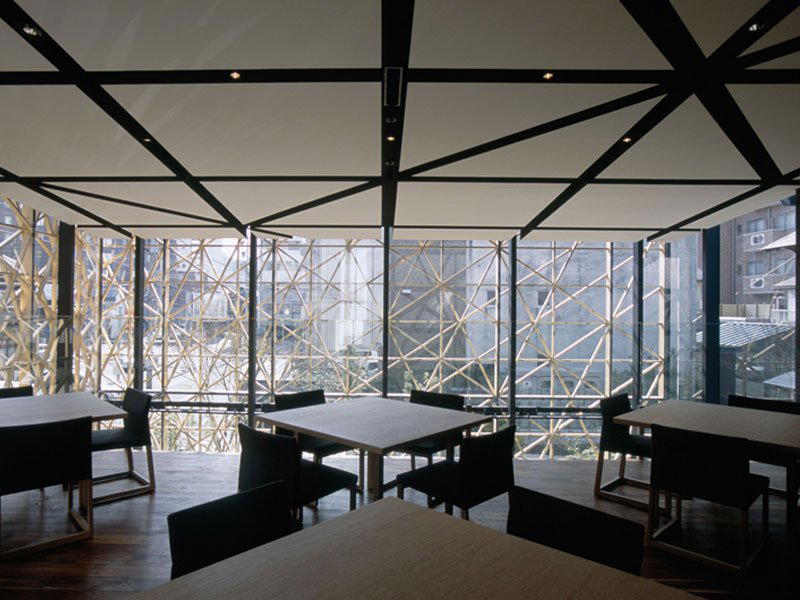
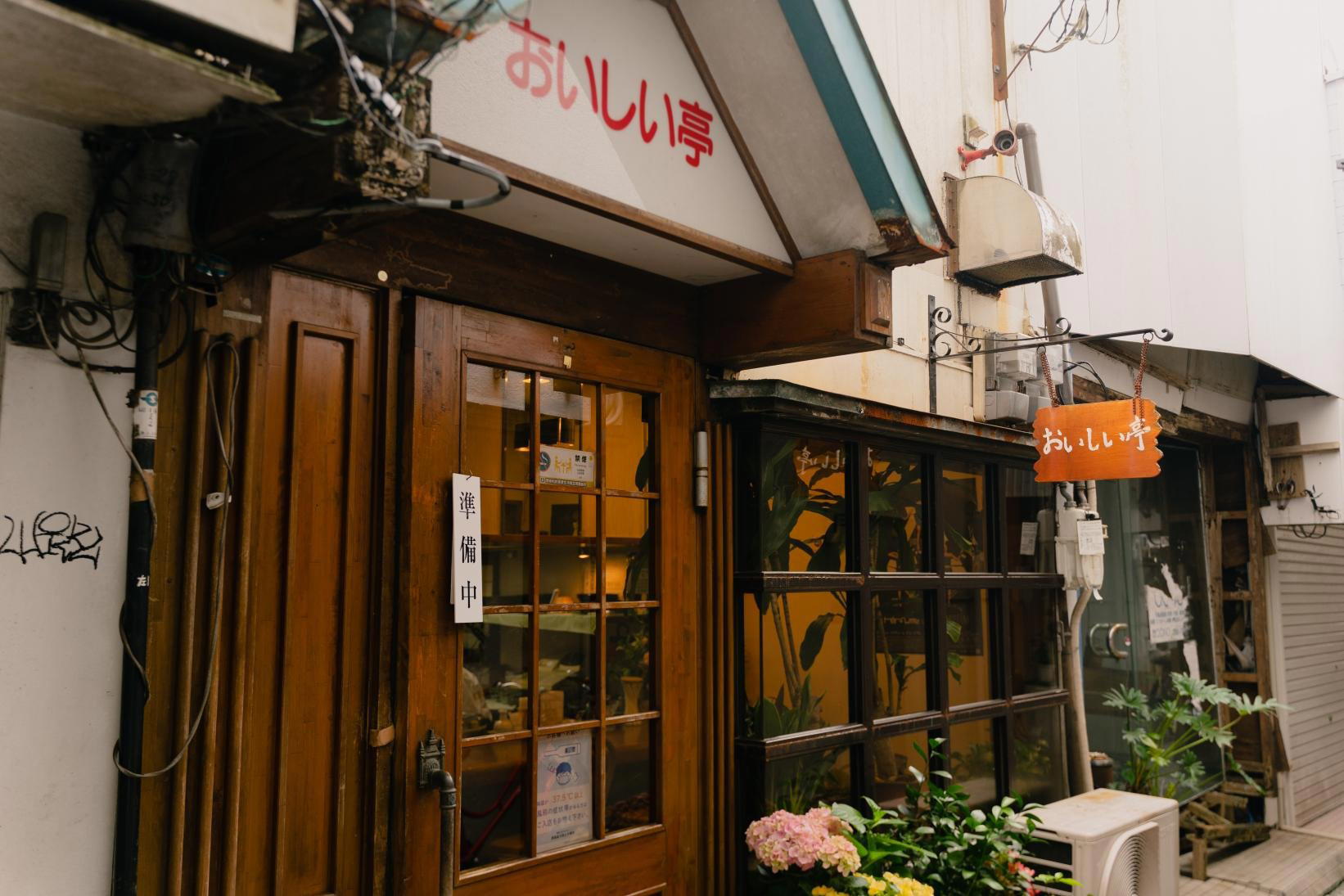
Details
- Classic
- Cozy
- Family
- Casual Hangout
- Group Dining
- Solo
- Historic Building
- Standalone
- Street Scene
- A La Carte
- Set Menu
Current opening hours
- Monday
- Closed
- Tuesday
- Closed
- Wednesday
- 11 AM–7:50 PM
- Thursday
- 11 AM–7:50 PM
- Friday
- 11 AM–7:50 PM
- Saturday
- 11 AM–7:50 PM
- Sunday
- 11 AM–7:50 PM
Hours can change for holidays and private events. Last verified .
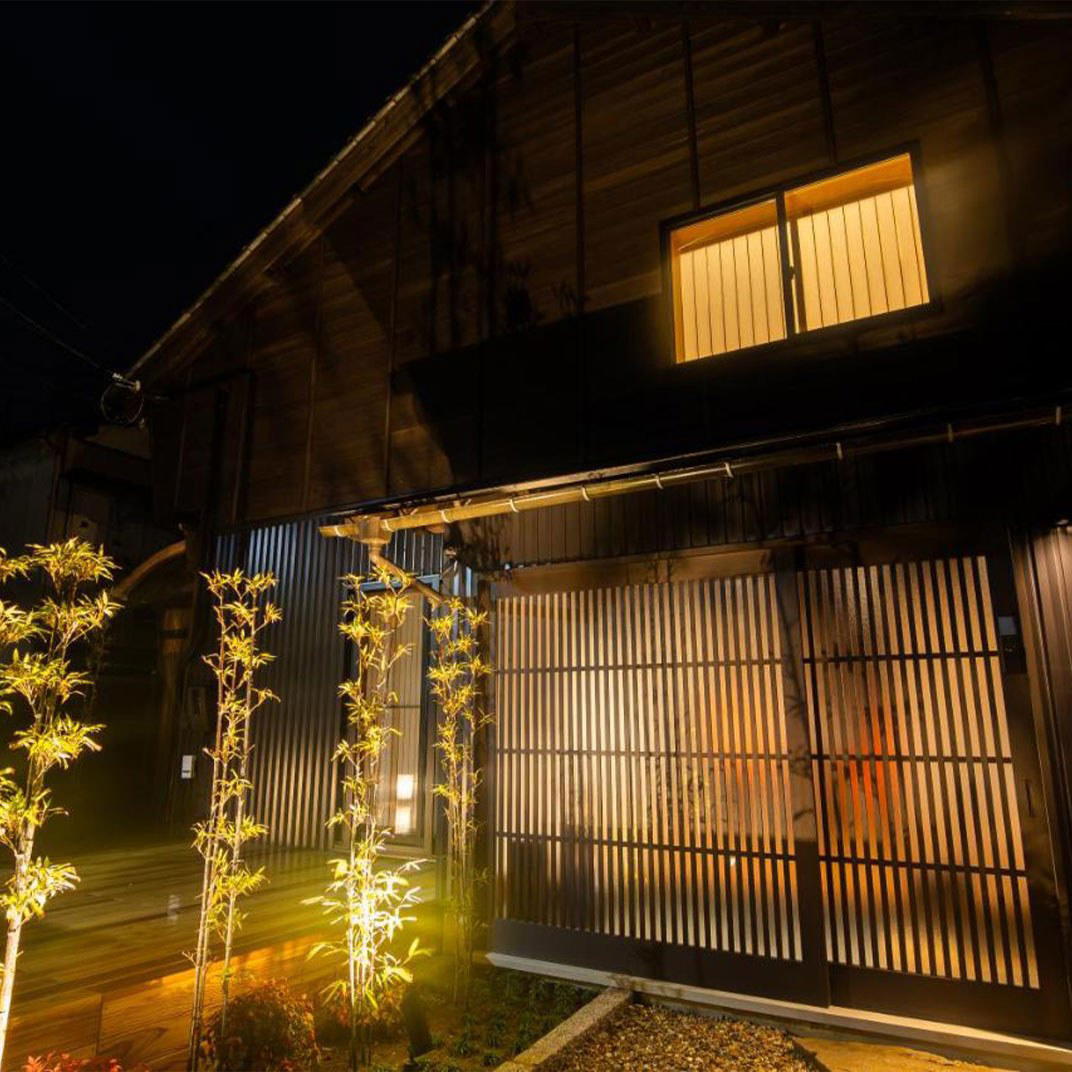
Traditional, bustling, and unpretentious, with a classic Japanese-house restaurant atmosphere centered on counter and table seating.