Our verdict
A Port City, a Bowl of Soup, and the Question of What Ramen Can Be Tsuruga sits on Wakasa Bay, a former crossroads of trade between the Sea of Japan coast and the ancient capitals to the south. The city is not a dining destination in the...

Pearl is the En Primeur Club membership app, where members save venues, book tables and use the concierge.
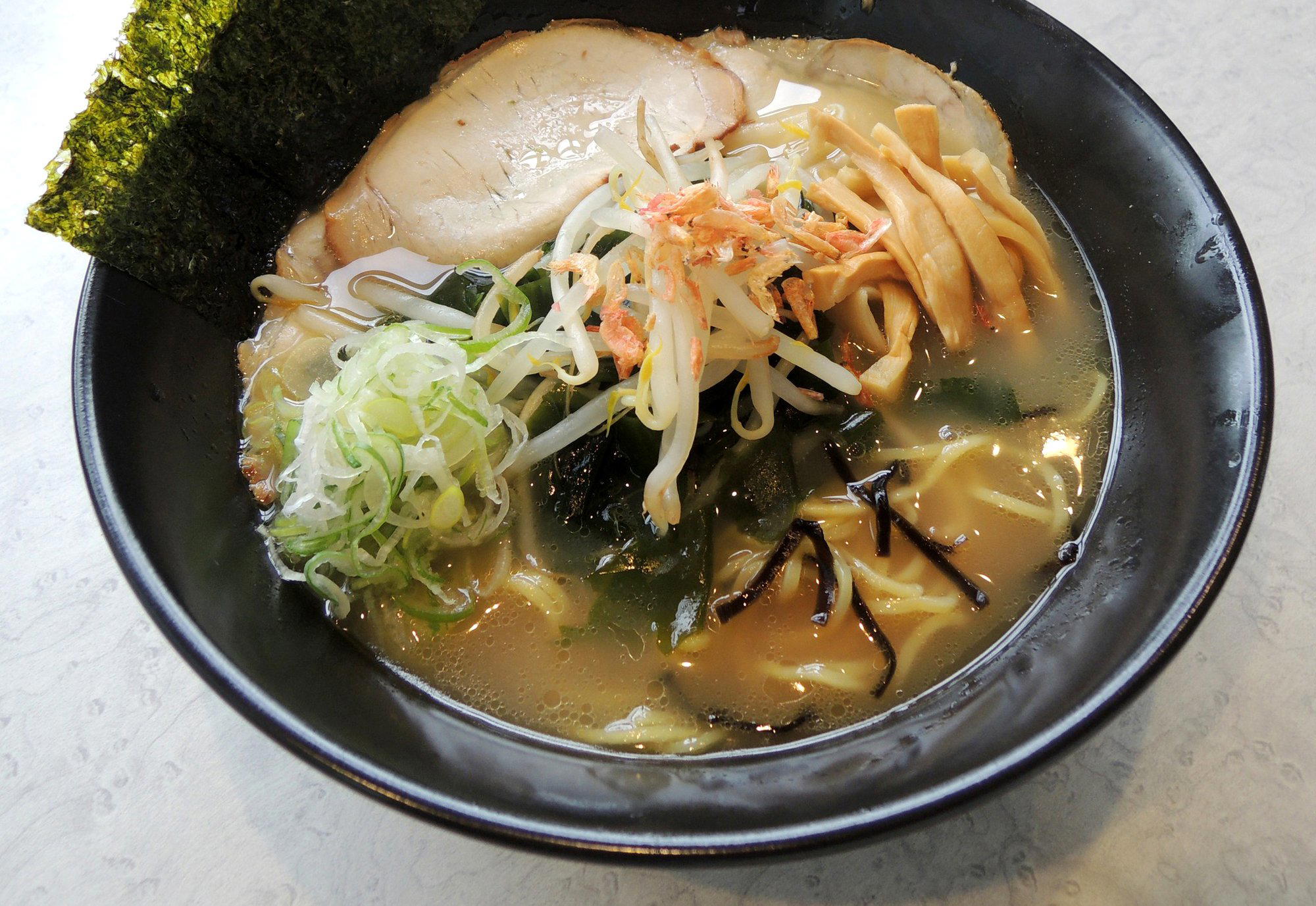
The menu
What to order
- Chuka-soba
- Chashu Wontonmen
- Xiao long bao
A Port City, a Bowl of Soup, and the Question of What Ramen Can Be
Tsuruga sits on Wakasa Bay, a former crossroads of trade between the Sea of Japan coast and the ancient capitals to the south. The city is not a dining destination in the conventional sense: no concentration of Michelin stars, no culinary tourism infrastructure, no neighbourhood shorthand recognisable to the international visitor. What it has, in common with many secondary Japanese cities, is a quiet density of craft in unglamorous formats, the kind of ramen shop that functions as a local institution for decades without ever seeking wider attention.
Chuka Soba Ichiriki sits inside that pattern. The address in Chuo-machi, the commercial centre of Tsuruga, places it among the small-scale retail and dining strips that define provincial Japanese town life rather than any designated food district. Arriving here, you are reading the city rather than a curated scene.
Where Ramen Meets a Different Kind of Precision
The editorial angle assigned to this venue, kaiseki philosophy, requires a brief explanation, because ramen and kaiseki appear, at first, to occupy opposite ends of the Japanese culinary hierarchy. Kaiseki, the multi-course seasonal tradition that shapes the menus of places like Gion Sasaki in Kyoto, proceeds through ceremony, restraint, and the editing-out of everything superfluous. A ramen shop, by contrast, is immediate, singular, and democratic.
But the underlying aesthetic principles are not as far apart as the formats suggest. The leading ramen broth construction shares kaiseki's obsession with layering, proportion, and the precise calibration of umami across a single composition. A well-made chashu, braised pork belly, cooked low and slow, demands the same attention to timing and texture that kaiseki devotes to a single seasonal vegetable course. The difference is compression: ramen delivers its complexity in one vessel rather than across twelve courses. In that compression, small errors are magnified. There is no subsequent course to correct an over-salted broth or a noodle that has sat two minutes too long.
This matters as context for understanding what Ramen Beast's 2025 ranking signals about Chuka Soba Ichiriki. The Substack publication, which covers ramen at a specialist level, included Ichiriki's Chashu Wontonmen in its Top 10 Bowls of Ramen in 2025 list, placing it fifth. For a provincial shop in Fukui Prefecture to appear in that peer group, alongside bowls from Tokyo, Osaka, and other cities with far greater ramen infrastructure, marks a credentialing event, not a local accolade.
The Chashu Wontonmen as a Statement
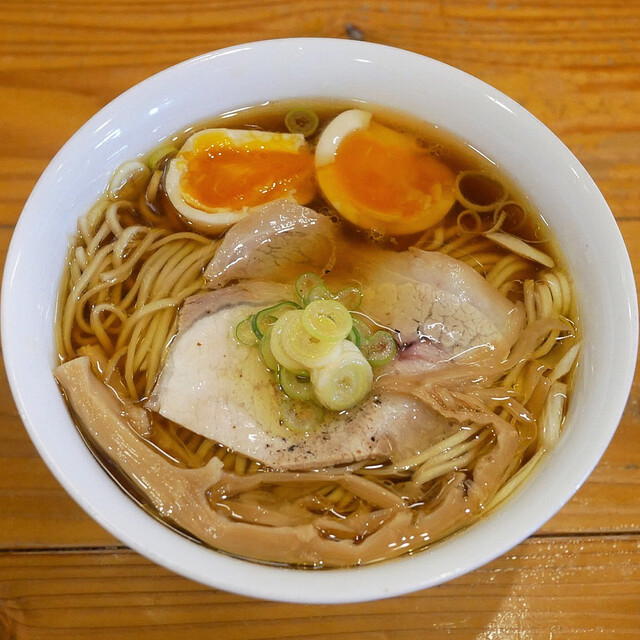
The featured bowl is the Chashu Wontonmen. In the ramen taxonomy, wontonmen sits in a specific register: it is associated with the shoyu-based, clear-broth tradition that traces back to Cantonese-influenced postwar Japanese cooking (the chuka soba of the restaurant's own name literally means Chinese-style noodles). Wonton additions in ramen are historically a marker of older, more restrained broth styles rather than the richer tonkotsu or miso formats that dominate contemporary ramen media.
A Chashu Wontonmen therefore makes an implicit argument: that clarity and balance carry more interest than richness and volume. This is the ramen equivalent of kaiseki's preference for dashi-forward cooking over heavy sauce, the argument that subtraction, done with precision, is more demanding than addition. The pairing of chashu and wonton in a single bowl also requires that both components be executed independently to a high standard, since neither conceals the other. A fifth-place ranking in a nationally framed list, on the basis of this particular bowl, suggests the argument is being made convincingly.
For comparison, other ramen operations that appear in similar specialist coverage tend to cluster in Tokyo's Shinjuku, Shibuya, or Shimokitazawa belts, neighbourhoods with established ramen cultures and consistent reviewer traffic. Chukasoba Mugen in Osaka and Chukasoba Oshitani in Nara represent the chuka soba format in more visited cities. Ichiriki operates at the same level of recognition from a considerably less trafficked base.
Tsuruga as a Dining City
Fukui Prefecture has developed a modest but genuine reputation for food seriousness, anchored by its seafood access, particularly crab in the winter months, and a local palate shaped by its position between the Sea of Japan and the inland agricultural regions. Tsuruga, as the prefecture's main port city, has historically been a waypoint for ingredients moving toward the old capitals rather than a terminus in its own right. That positioning has left a dining scene that is functional and locally embedded rather than destination-oriented.
For visitors arriving from Kyoto or Osaka on the Shinkansen (the Tsuruga extension of the Hokuriku Shinkansen has improved connectivity to the city significantly in recent years), the city offers a different register of eating from those larger centres: lower prices, shorter queues, and a reliance on local regulars rather than tourist throughput. Caldo and ソニョーポリ are among the other dining options in the city. For a broader picture of what Tsuruga offers, see our full Tsuruga restaurants guide.
The broader Japan dining context is useful here: the country's premium restaurant tier, HAJIME in Osaka, Harutaka in Tokyo, akordu in Nara, Goh in Fukuoka, Abon in Ashiya, affetto akita in Akita, Aji Arai in Oita, Ajidocoro in Yubari District, Akakichi in Imabari, aki nagao in Sapporo, Amaki in Aichi, and Amegen in Saga, operates at price points and in formats entirely separate from a ramen shop. But the same attention to craft that earns recognition at those levels is visible, in a different key, in a bowl that ranks fifth nationally in a specialist publication's annual assessment.
Planning a Visit
Ichiriki is located at 中央町1-13-21 in Tsuruga, Fukui Prefecture. No dress code or seat count data is available. Confirmation of current hours directly before visiting is advisable.
Frequently asked questions
Is Chuka Soba Ichiriki award-winning?
Chuka Soba Ichiriki has received recognition including:
Where do I go for Chuka Soba Ichiriki?
Chuka Soba Ichiriki is located at 福井県敦賀市中央町1-13-21, Tsuruga.
What's the must-try dish at Chuka Soba Ichiriki?
The Chashu Wontonmen is the bowl to order. It earned Ichiriki a place on Ramen Beast's Top 10 Bowls of Ramen in 2025, the only Fukui Prefecture entry on that list. Wontonmen sits in a specific register within ramen: typically shoyu-based with a clear, refined broth, and the chashu addition anchors it with substance without overcomplicating the format.
Can I walk in to Chuka Soba Ichiriki?
The venue is located at 中央町1-13-21 in central Tsuruga, Fukui Prefecture. Given its Ramen Beast ranking for 2025, queue times during peak hours are a reasonable expectation.
What's the defining dish or idea at Chuka Soba Ichiriki?
The Chashu Wontonmen frames the kitchen's approach: a bowl built around restraint and precision rather than richness or spectacle. Ramen Beast ranked it among the top 10 bowls in Japan for 2025, placing Ichiriki in a peer group that spans Tokyo and Kyoto despite the venue's location in Tsuruga, a port city not traditionally associated with destination dining. The wontonmen format demands a broth clear enough to carry its own weight, which is where execution separates the credible from the ordinary.
Why is a ramen shop in Tsuruga, Fukui appearing on national best-of lists?
Fukui Prefecture has built a quiet but serious food reputation, driven largely by its seafood access along Wakasa Bay, and Tsuruga sits at its centre. Ramen Beast's ranking of Ichiriki's Chashu Wontonmen in its Top 10 Bowls of Ramen in 2025 signals that the prefecture's food seriousness has extended beyond seafood into noodle craft. It is the kind of recognition that tends to emerge when a kitchen operates with consistency over time in a city that rewards locals rather than tourists.
Side-by-Side Snapshot
| Venue | Cuisine | Price | Awards | Notes |
|---|---|---|---|---|
| Chuka Soba IchirikiThis venue (the venue you are viewing) | Traditional Tsuruga Chuka Soba | $10–20 | Not listed | Not listed |
| HAJIME | Avant-Garde Japanese Fine Dining | $300–500 | 3 Michelin Stars · World's 50 Best #83 | French, Innovative |
| Harutaka | Edo-Style Omakase Sushi | $200–300 | 3 Michelin Stars · World's 50 Best #76 | Sushi |
| L'Effervescence | Modern French with Japanese Influences | $200–300 | 3 Michelin Stars · World's 50 Best #69 | French |
| RyuGin | Modern Kaiseki | $500+ | 3 Michelin Stars · World's 50 Best #41 | Kaiseki, Japanese |
| Crony | Modern French with Japanese Influences | $150–200 | 2 Michelin Stars · World's 50 Best #34 | Innovative, French |
Continue exploring
More in Tsuruga
Restaurants in Tsuruga
All restaurants in Tsuruga →
Hotels in Tsuruga
Browse all →
Details
- Classic
- Lively
- Well Known
- Casual Hangout
- Solo
- Group Dining
- Late Night
- Standalone
- Local Sourcing
- A La Carte
- Counter Dining
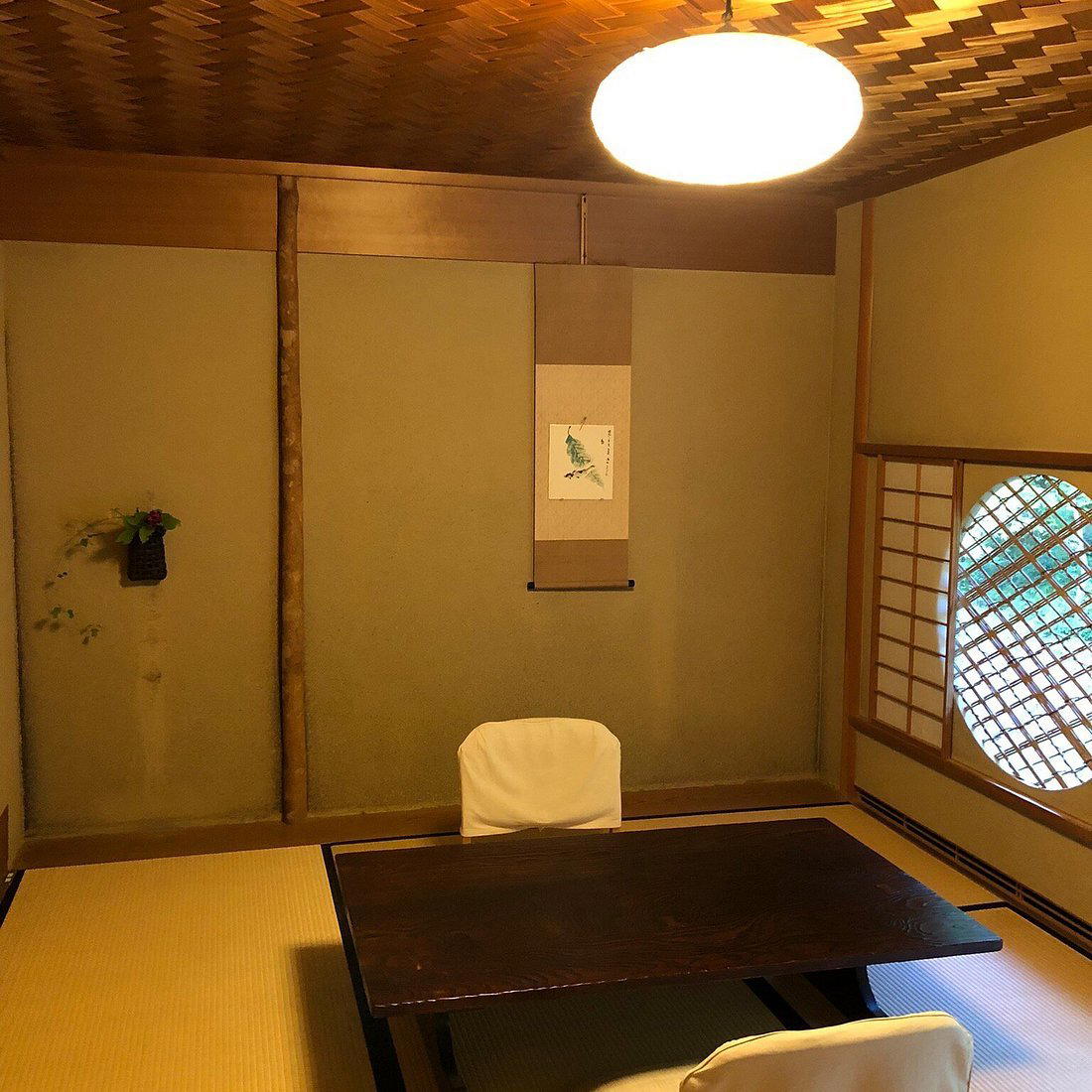
Modest, casual dining environment with a house restaurant setting; lively local atmosphere attracting both residents and tourists.