
Tabelog 100 #3
Our verdict
Soba Yasutake puts Fukui’s buckwheat culture into a calm, house-style setting rather than a formal tasting-room frame. The draw is handmade 100% buckwheat soba, tempura, local sake, and a Tabelog Soba WEST 100 selection in 2025, with the meal sitting in an accessible everyday price band by Japanese destination-dining standards.

Pearl is the En Primeur Club membership app, where members save venues, book tables and use the concierge.
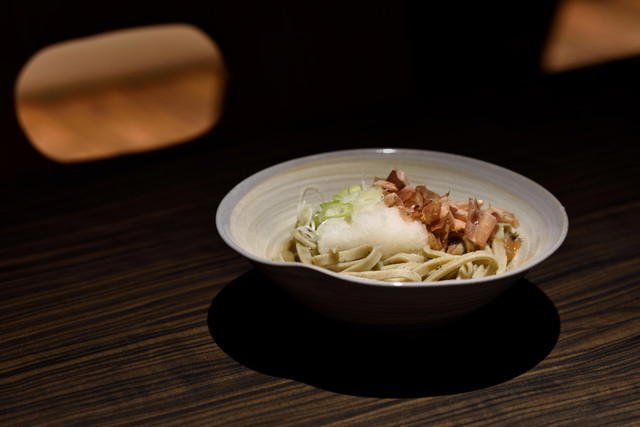
The menu
What to order
- Echizen oroshi soba
- Hot and cold handmade soba
- Seasonal grilled dishes
- Tempura with soba
Approaching a soba house in Fukui differs from entering a big-city counter or a formal kaiseki room. The rhythm is quieter: a short meal rather than ceremony, and craft built on flour, water, timing, and restraint. Soba Yasutake belongs to a Japanese category of serious cooking that needs no luxury frame.
Fukui gives this kind of meal a clear setting. Soba is unforgiving. Rice can be polished, fish aged, beef graded; buckwheat announces quality through texture, aroma, and how cleanly noodles hold together. In this context, recognition from Tabelog’s Soba WEST 100 in 2025 is not decorative: it places the restaurant in a specialist group judged against other soba houses, not general Japanese dining rooms.
Fukui soba culture, measured in buckwheat rather than theatre
Japan’s regional soba map is not one national style. Some rooms lean toward a rustic identity, others toward long-established noodle-shop culture, and Fukui provides a focused setting for a meal built around buckwheat noodles. The strongest soba rooms resist over-design because the meal returns to a few variables: milling, kneading, cutting, boiling, rinsing, and the balance of dipping sauce or broth. Soba Yasutake’s identity as a Fukui soba restaurant puts it in that focused, craft-led lane.
That soba focus is not a throwaway credential. Buckwheat noodles ask precision from the maker because small changes in handling, timing, and texture become obvious at the table. When a restaurant builds around soba, it makes a technical claim before a lifestyle claim. Tempura and Japanese cuisine widen the table, but the center of gravity remains noodle work. The appeal is regional rather than generic: a compact meal where the important details are in the noodles, the accompaniments, and the calm pacing.
Fukui dining has several registers, and soba occupies a different one from more formal seasonal cooking or everyday comfort-food staples. For a broader view of the city’s range, Our full Fukui restaurants guide places this meal beside other Fukui dining rooms across sushi, Japanese, European-leaning, and casual formats. That spread shows why a soba meal in Fukui is not a fallback option; it is one of the cleanest ways to read the city’s food culture.
A straightforward format with serious noodle credentials
The format matters because soba is often strongest when the setting stays close to everyday eating. Soba Yasutake reads as a local specialist rather than a chef’s-counter performance or hotel dining room, with a practical style suited to travelers wanting a proper regional meal without staging the evening around it.
The recognition trail is clear where it matters most: Tabelog’s Soba WEST 100 designation for 2025. Tabelog scores require care because they reflect a Japanese user-review culture with its own scale, but a 3.72 score in a specialist soba category is a meaningful local signal. It suggests a venue judged within a demanding noodle tradition, where small technical failures are easier to notice than in broader casual dining.
Compared with Fukui’s higher-ceremony dining rooms, the value proposition is plain. The average spend sits in the JPY 1,000 to JPY 1,999 band for both lunch and dinner, making the restaurant unusually accessible for a venue with specialist recognition. The meal can function as a focused soba stop during a Fukui itinerary rather than the single anchor of a night. Travelers building a wider stay can pair the restaurant research with Our full Fukui hotels guide, Our full Fukui bars guide, Our full Fukui wineries guide, and Our full Fukui experiences guide.
How to read this stop in a wider Japan itinerary
For travelers moving across Japan, soba in Fukui counters the country’s better-known luxury dining codes. It is less about scarcity than discipline. A comparison set in Fukui includes sushi and European-leaning dining rooms such as Sushi Jubei, ル・ジャルダン, ル・ディアマンローズ, and ベッキエッタ, but soba operates by a different standard: craft visible in repetition rather than menu architecture.
That also applies when comparing Japanese regional meals across cities. Other destinations may answer travel questions through beef, seafood, cafe culture, or international cooking, while Soba Yasutake answers a narrower one: how a regional noodle tradition remains technically serious without expensive theatre.
International readers may find the category clearer beside Japanese food culture more broadly. Single-subject formats can carry real editorial weight when they are executed with discipline and a strong sense of place. Fukui soba sits in that lineage, with the added authority of locality: buckwheat, Japanese cuisine, and a regional food identity that rewards quiet detail.
Frequently asked questions
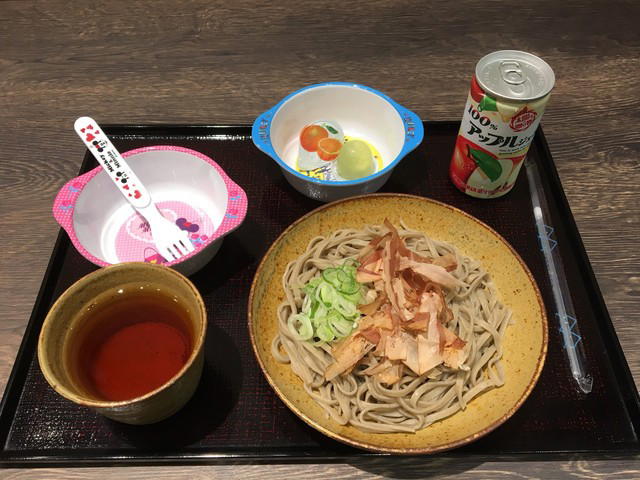
Is Soba Yasutake suitable for children?
Soba Yasutake is a practical soba, tempura, and Japanese cuisine restaurant in Fukui. Families should judge suitability by their own dining needs, but the appeal is straightforward rather than playful.
What's the overall feel of Soba Yasutake?
The mood is that of a focused local soba restaurant rather than a formal luxury dining room. Its Tabelog 100 Soba WEST 2025 selection gives it real local weight.
Is Soba Yasutake more mid-range or high-end?
Pricing at Soba Yasutake is listed as Dinner: JPY 1,000 - JPY 1,999; Lunch: JPY 1,000 - JPY 1,999.
What are the operating hours at Soba Yasutake?
Current operating hours should be confirmed directly with Soba Yasutake before visiting.
What's the address for Soba Yasutake?
Fukui.
Price and Recognition
Comparable venues by cuisine and price in the same metro.
| Venue | Cuisine | Price | Awards | Notes |
|---|---|---|---|---|
| Soba YasutakeThis venue (the venue you are viewing) | Traditional Fukui Soba Noodle Shop | $10–20 | Tabelog 100 #3 | Not listed |
| 幸寿し | Edomae Sushi | $30–50 | Not listed | 田原, Edomae Sushi |
| サンドウィッチ&コーヒー トレモロ | Sandwich & Coffee Cafe | $10–20 | Not listed | 越前開発, Sandwich & Coffee Cafe |
| çå µè¡ | Fukui, japanese | Not listed | Not listed | Not listed |
| トラットリア チャオ | Modern Italian Trattoria with Local Fukui Ingredients | $20–30 | Not listed | Fukui Station area, Modern Italian Trattoria with Local Fukui Ingredients |
| Tengiku Ten | Traditional Tempura & Unagi Counter | $50–100 | Tabelog 100 #26 | Junka, Fukui City, Traditional Tempura & Unagi Counter |
Recognition history
Dated appearances from independent guides and award organizations, with the underlying list record or original source where available.
Tabelog 100 #3 · No. 3
Tabelog · Tabelog 100 - Soba - WEST - 2025
Continue exploring
More in Fukui
Restaurants in Fukui
All restaurants in Fukui →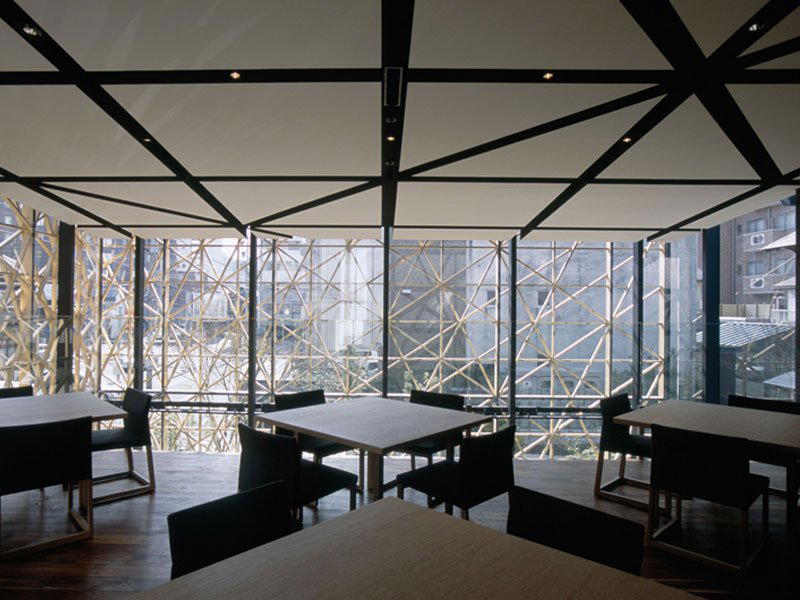
Details
- Classic
- Cozy
- Solo
- Family
- Casual Hangout
- After Work
- Group Dining
- Standalone
- Beer Program
- Sake Program
- Local Sourcing
- A La Carte
- Beer
- Sake
Current opening hours
- Monday
- 11 AM–3:30 PM, 5–9:30 PM
- Tuesday
- 11 AM–3:30 PM
- Wednesday
- Closed
- Thursday
- 11 AM–3:30 PM, 5–9:30 PM
- Friday
- 11 AM–3:30 PM, 5–9:30 PM
- Saturday
- 11 AM–3:30 PM, 5–9:30 PM
- Sunday
- Closed
Hours can change for holidays and private events. Hours as of .
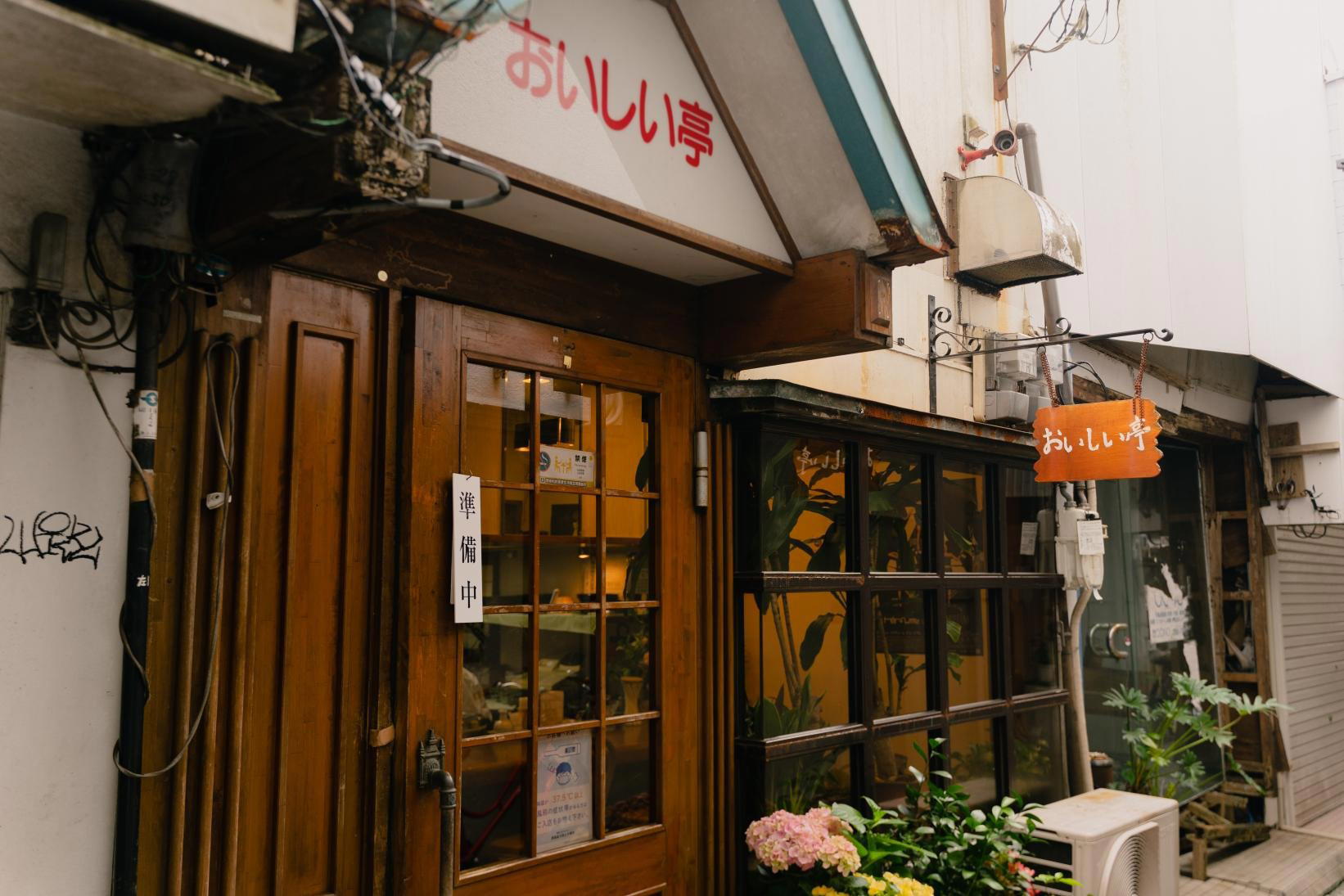
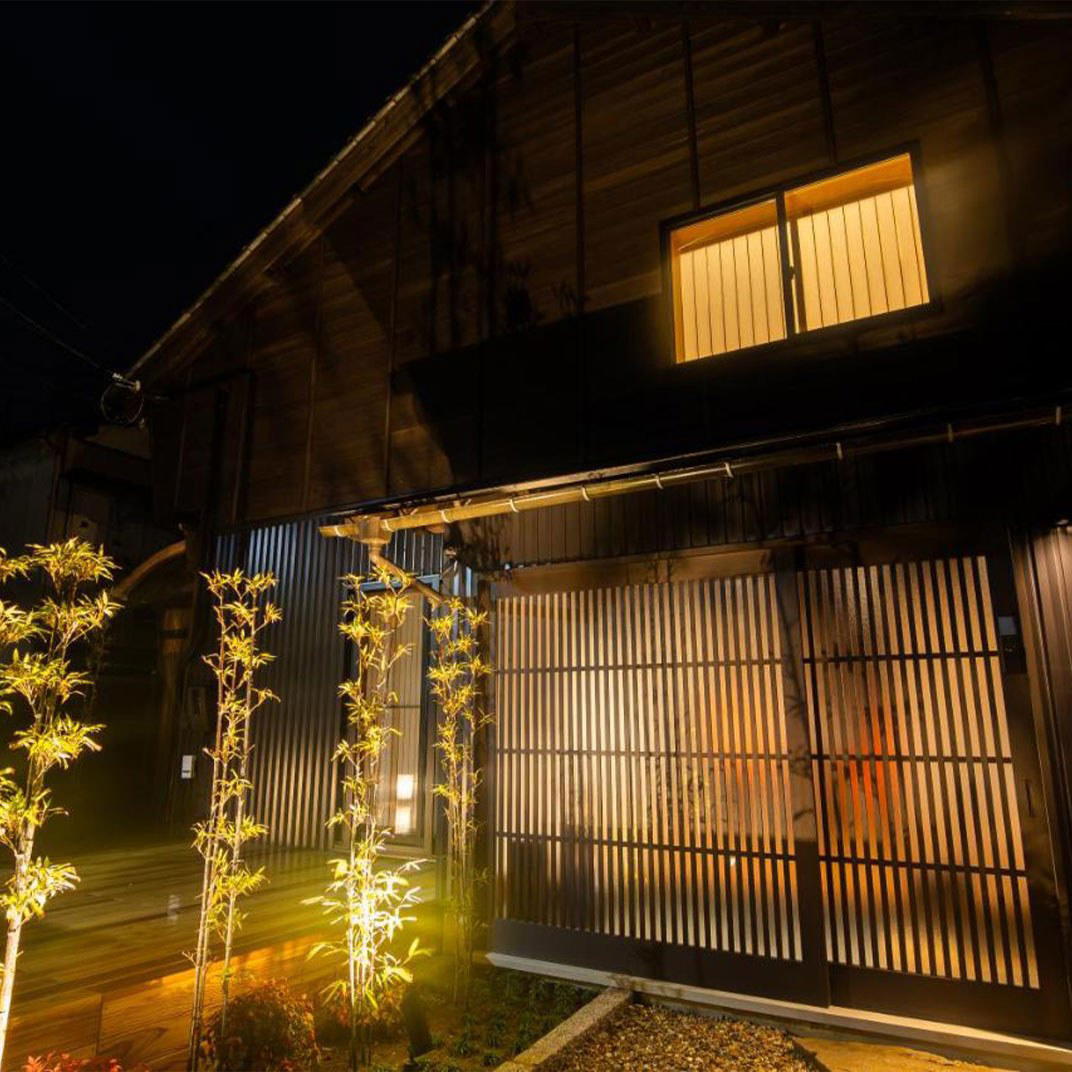
Warm, traditional soba shop atmosphere with a relaxed, local feel; guests describe it as comfortable rather than formal, with steady conversation-level noise and a focus on the craft of soba rather than design theatrics.