
Michelin Selected
Andaz Delhi sits inside Aerocity's transit-adjacent hotel corridor and carries a 2025 Michelin Selected distinction, positioning it among a small cohort of design-conscious international properties in the Indian capital. The Hyatt Andaz format applies a local-cultural programming lens to a contemporary built environment, making it a considered choice for travellers who move through Indira Gandhi International Airport without wanting to sacrifice aesthetic coherence for convenience.

Pearl is the En Primeur Club membership app, where members save venues, book tables and use the concierge.
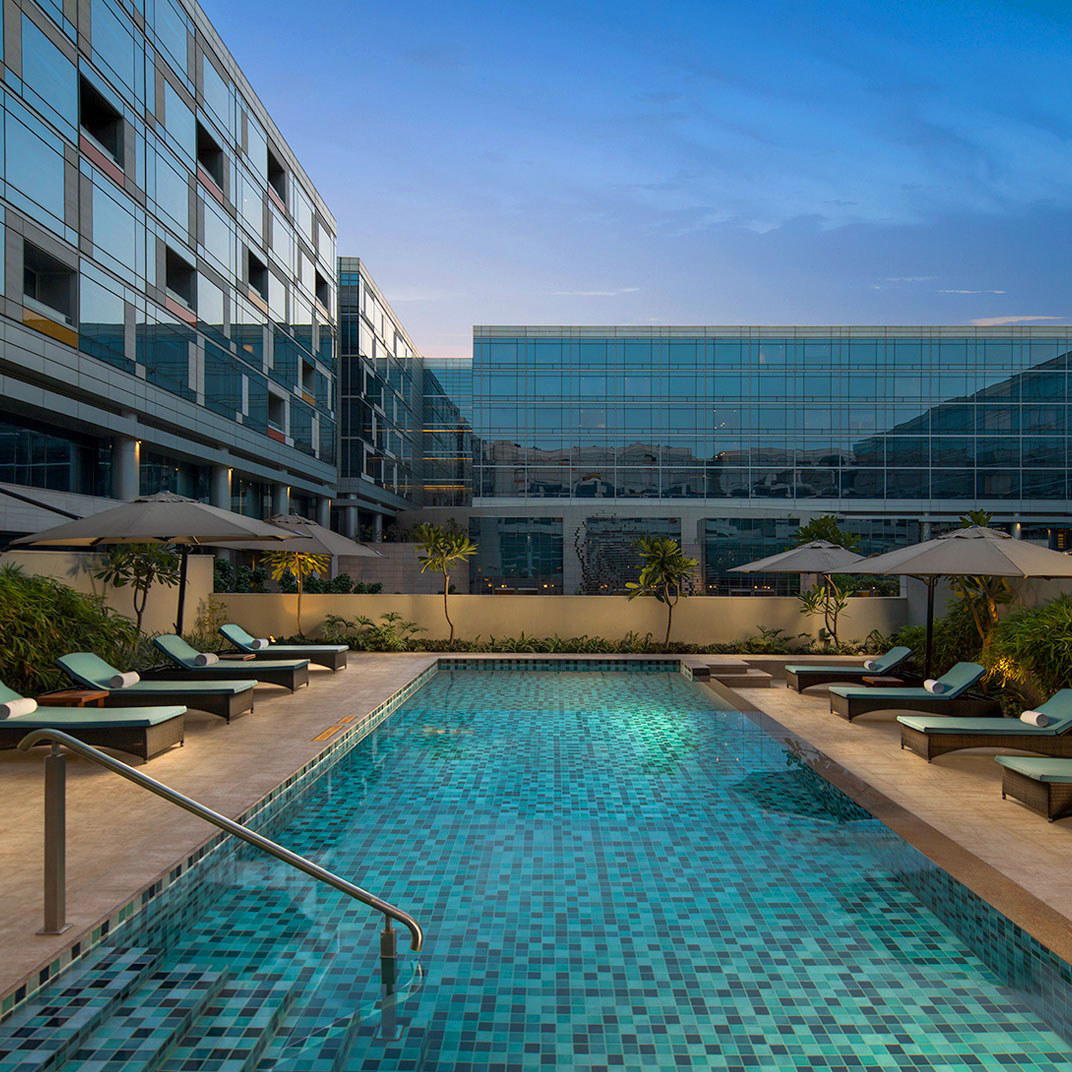
Where Aerocity's Architecture Makes a Statement
Delhi's airport hotel corridor has developed a reputation for functional anonymity, a ring of international flags serving transit passengers with standardised rooms and interchangeable lobbies. Andaz Delhi operates in that geography but against that grain. The Andaz format, which Hyatt positions as a distinct concept rather than a standard flag, applies a design-first mandate to each property, and the Delhi outpost uses local craft, material culture, and spatial narrative to distinguish itself from the broader Aerocity offering. The 2025 Michelin Selected distinction, awarded as part of the Michelin Hotels guide, confirms it occupies a recognised tier within the capital's hotel market, not merely its transit corridor.
The Michelin Selected category is a useful calibration tool. It sits below Star distinctions but signals editorial endorsement of quality, consistency, and a defined character. The fact that this recognition applies to an Aerocity address is itself an editorial point: the transit-convenience category in India has developed enough that design and food programming no longer require a city-centre postcode.
The Spatial Argument: Design as the Primary Offer
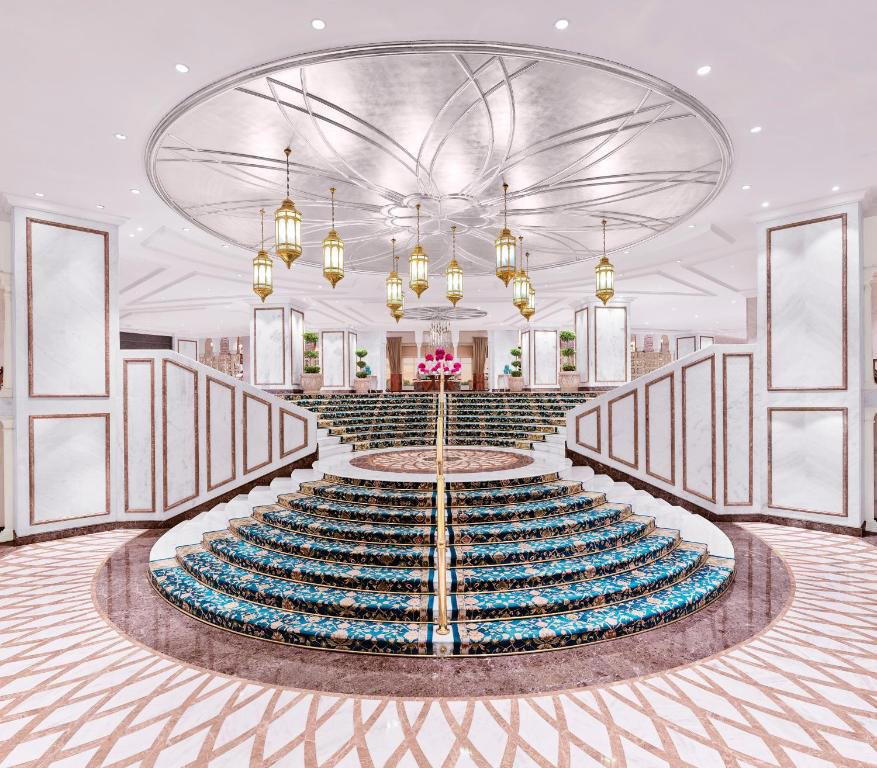
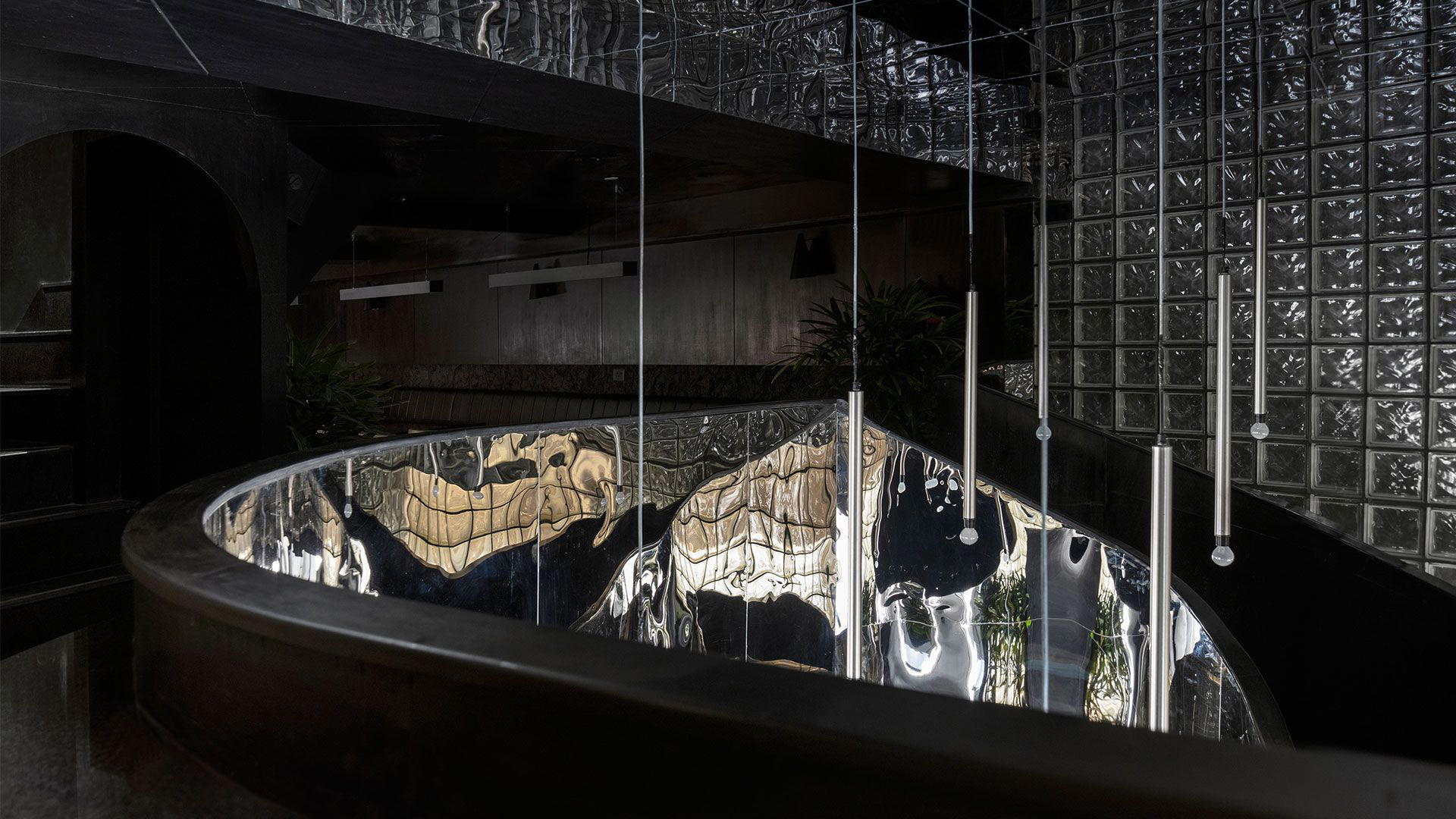
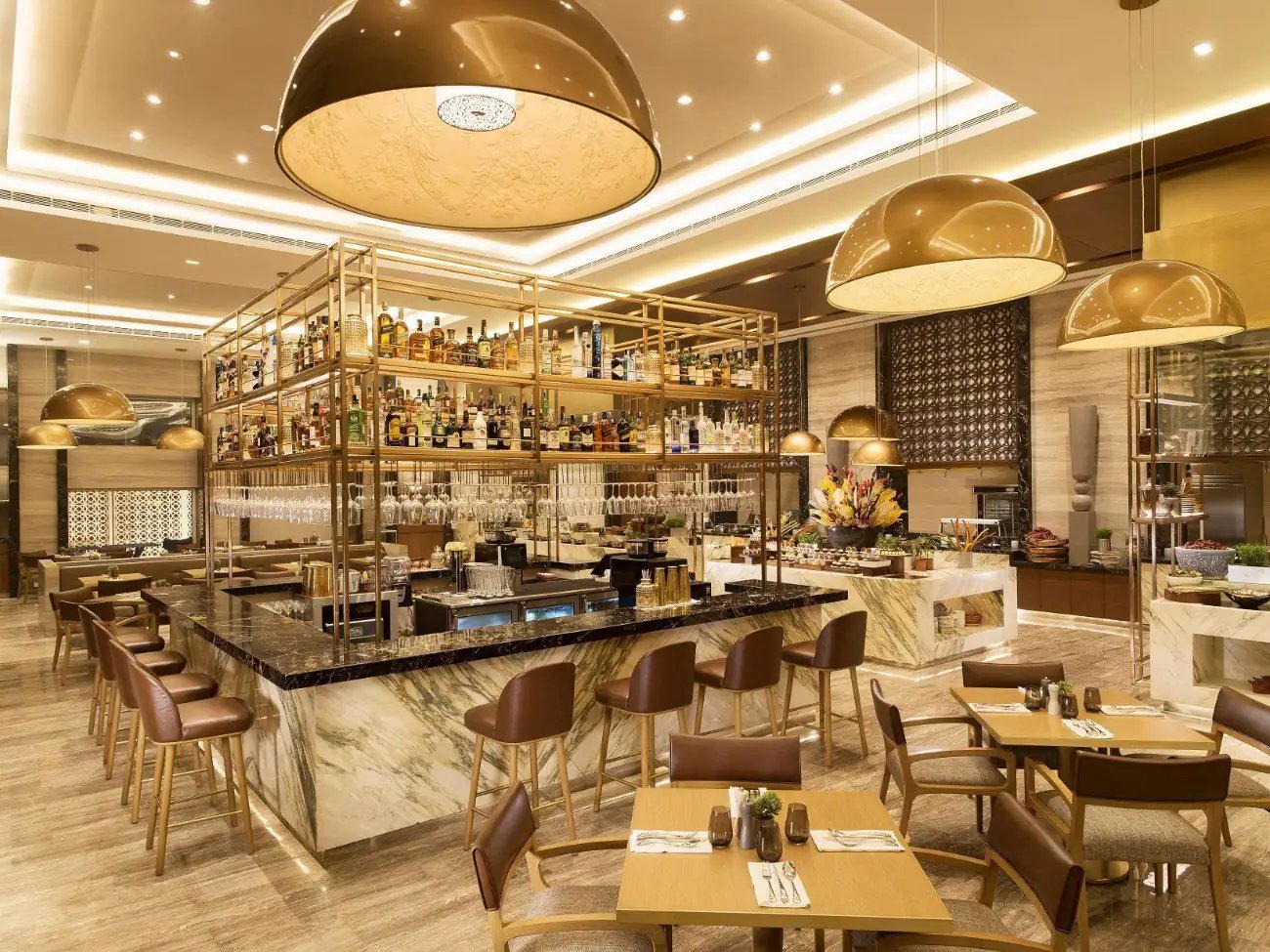
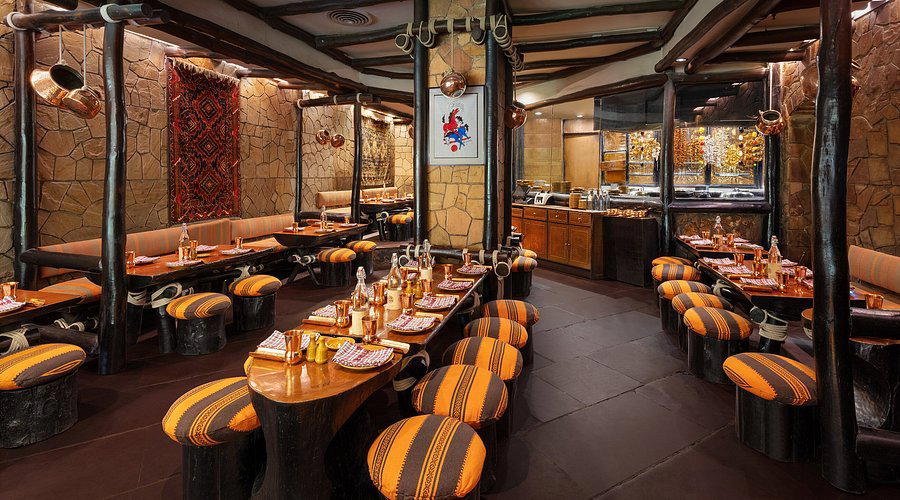
The Andaz brand's foundational premise, established across its global portfolio, is that a hotel lobby should feel more like a house than a reception hall. In Delhi, that translates to an interior that foregrounds Indian contemporary art, handcraft references, and material choices that resist the beige neutrality common to airport-adjacent properties elsewhere in Asia. Guests arriving from Indira Gandhi International Airport, which sits minutes away, enter a space that opens with a deliberate visual agenda rather than the reflexive atrium grandeur favoured by convention hotels.
Design approach matters editorially because it reflects a broader shift in how premium international groups handle South Asian markets. The earlier model, deployed through much of the 2000s, imported a global template and applied it with minor local ornament. The current generation of properties, including those in the Andaz portfolio, inverts that logic: the cultural specificity is load-bearing, not decorative. This is the same tension playing out at properties like The Leela Palace New Delhi in the city centre, where the spatial grammar draws from Mughal and Rajasthani sources, and at destination properties such as Amanbagh in Ajabgarh, where site and material are inseparable. Andaz Delhi makes a comparable argument within a constrained, airport-adjacent footprint.
Aerocity as a Dining and Hospitality Node
Aerocity has matured into something more than a holding zone for delayed passengers. The district now functions as a self-contained hospitality cluster, with multiple internationally recognised properties competing for corporate travellers, airline crew, and a growing segment of leisure guests who use the area as a Delhi staging point before travel to Rajasthan, the Himalayas, or onward international connections. For those heading to Suján Jawai in Pali, Suryagarh in Jaisalmer, or Taj Lake Palace in Udaipur, an Aerocity overnight has genuine strategic logic.
Within that cluster, the hotels have differentiated along fairly clear lines: some compete on scale and meeting infrastructure, others on brand loyalty programmes, and a smaller group, including Andaz, on design coherence and food programming. The Andaz model deploys open, informal food and beverage spaces that avoid the formality-by-default trap that befalls many luxury transit hotels. The result is a dining environment that reads as a local cultural proposition rather than an airport concession with upgraded plating. For a fuller picture of what the area offers across price points and property types, see our full Aerocity restaurants and hotels guide.
Positioning Within India's Premium Hotel Market
India's premium hotel market has fractured productively in recent years. The palace-conversion category, represented by properties like The Oberoi Amarvilas in Agra and The Leela Palace Jaipur, operates on heritage and setting as primary drivers. The wilderness-lodge category, anchored by properties such as Suján Sher Bagh in Ranthambhore and Ananda in the Himalayas in Narendra Nagar, sells landscape access as much as accommodation. The contemporary urban category, where Andaz Delhi competes, is more contested and more dependent on programme, design, and service tone as differentiators.
The Andaz concept, applied across markets from Tokyo to New York, asks whether a hotel brand can have a local personality at each address rather than a standardised global one. In practice, results vary. In Delhi, the combination of Michelin editorial recognition and a design-forward brief suggests the concept has held. That distinction also places Andaz Delhi in a peer conversation that extends beyond its immediate postcode, relevant context when comparing it against city-centre alternatives like the Taj Mahal Palace, Mumbai, or international reference points like Badrutt's Palace Hotel in St. Moritz and Hôtel de Paris Monte-Carlo in Monaco, both Michelin-recognised properties that establish the company Andaz Delhi keeps at the recognised-quality tier globally.
Planning Your Stay
Aerocity sits adjacent to Indira Gandhi International Airport, making Andaz Delhi directly accessible from both Terminal 2 and Terminal 3 without significant road time, a material advantage over city-centre alternatives when early departures or late arrivals are involved. The property functions as both a pure transit hotel and a short-stay base for exploring Delhi, with the metro's Airport Express Line connecting the district to central Delhi stations including New Delhi Railway Station in under thirty minutes. Given the Michelin Selected recognition and its position in a competitive Aerocity cluster, booking ahead is advisable for peak travel periods, particularly around major Indian holidays and the October-to-March high season when leisure travel through Delhi peaks. Guests continuing to other Michelin-recognised properties in India, among them Welcomhotel By ITC Hotels in Pahalgam or The Oberoi Sukhvilas Spa Resort in New Chandigarh, will find Andaz Delhi a coherent first or final night rather than a compromise.
A Quick Peer Check
Comparable venues nearby, for context on price, style, and recognition.
| Venue | Cuisine | Price | Awards | Notes |
|---|---|---|---|---|
| Andaz Delhi - A Concept by HyattThis venue (the venue you are viewing) | Lifestyle hotel blending traditional Indian elements with modern design | $100–200 | Michelin Selected | Not listed |
| Shakti Prana | remote eco-luxury mountain retreat | Not listed | 5-Star | Kasar Devi |
| The Oberoi Rajgarh Palace, Khajuraho | Restored 350-year-old royal Bundelkhand palace with British colonial influences and contemporary elegance. | Not listed | Travel + Leisure It List Hotels · Conde Nast Hot List Hotels | Chandranagar |
| Taj Taal Kutir | Urban lakeside sanctuary fusing colonial elegance with modern luxury | $200–300 | Michelin Selected | New Town |
| Trident, Gurgaon | Contemporary classic luxury resort in urban setting | $500–750 | Michelin Selected | Udyog Vihar Phase V |
| Brij Rama Palace Varanasi | Heritage palace hotel blending Maratha architecture with royal luxury on the Ganges. | $100–200 | Michelin Selected | Darbhanga Ghat |
Recognition history
Dated appearances from independent guides and award organizations, with the underlying list record or original source where available.
Michelin Selected
Michelin
Continue exploring
More in Aerocity
Hotels in Aerocity
All hotels in Aerocity →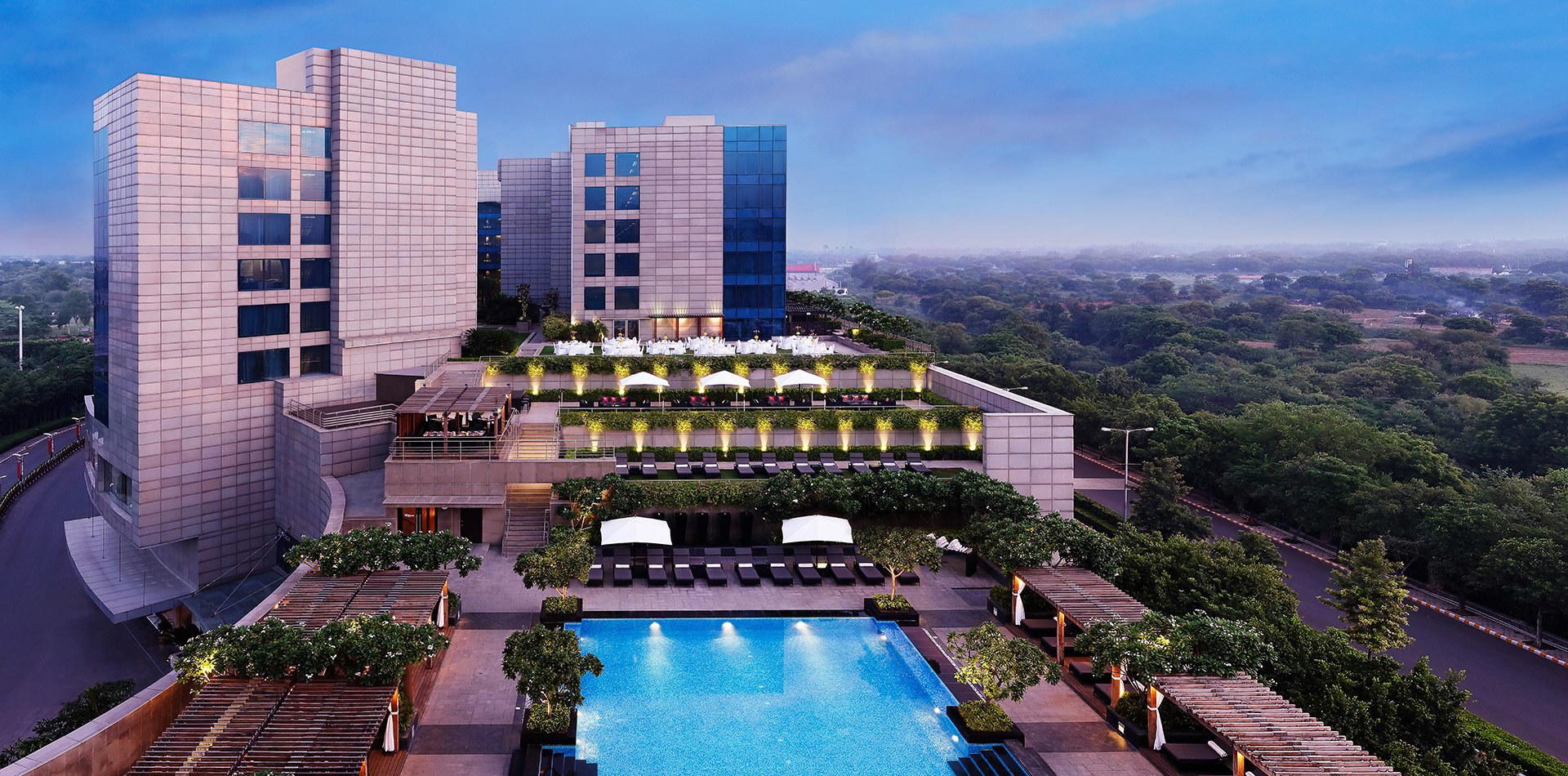
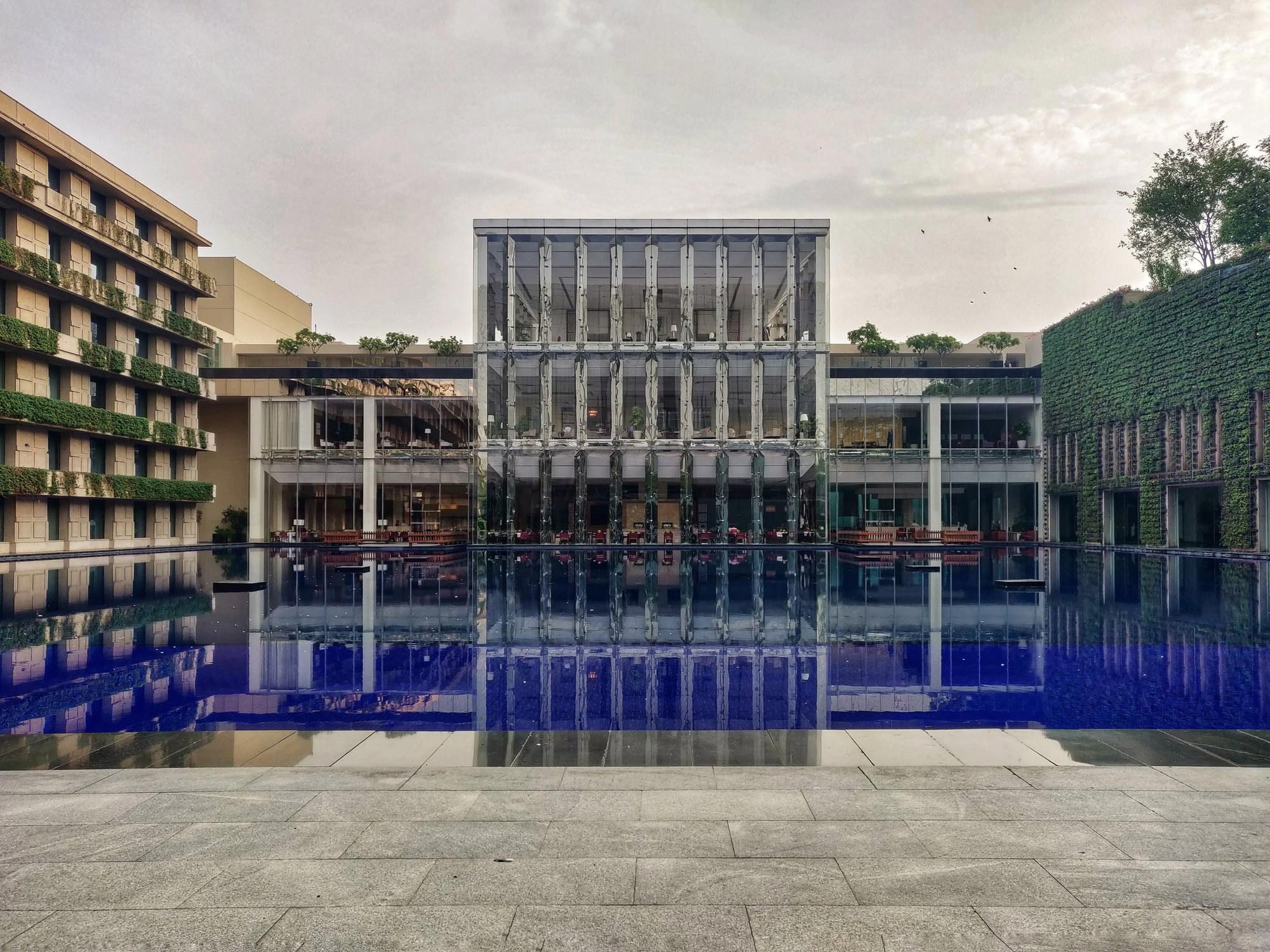
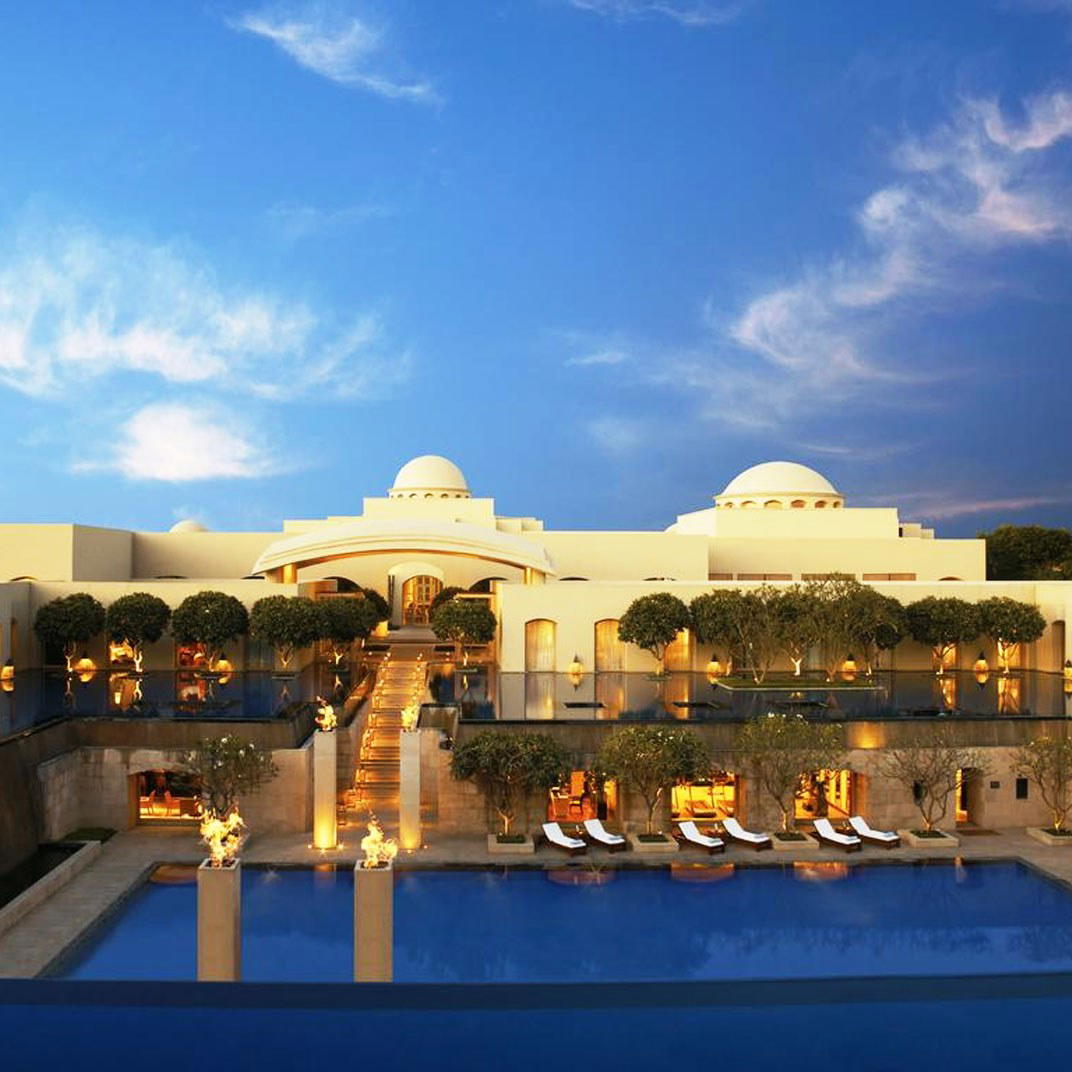
Bars in Aerocity
Browse all →
Details
- Modern
- Trendy
- Sophisticated
- Elegant
- Business Trip
- Weekend Escape
- Rooftop Pool
- Panoramic View
- Pool
- Spa
- Fitness Center
- Room Service
- Concierge
- Wi Fi
- Valet Parking
- Skyline
- Wheelchair Accessible
- Elevator
- Accessible Parking
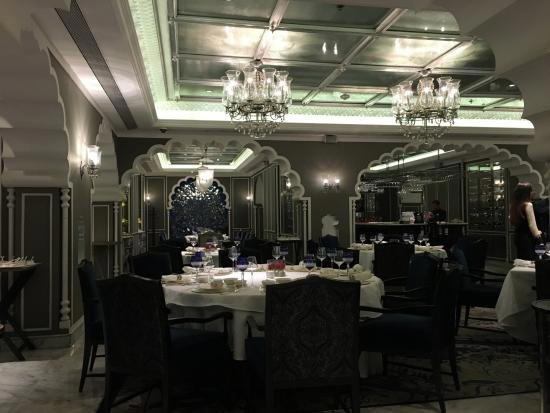
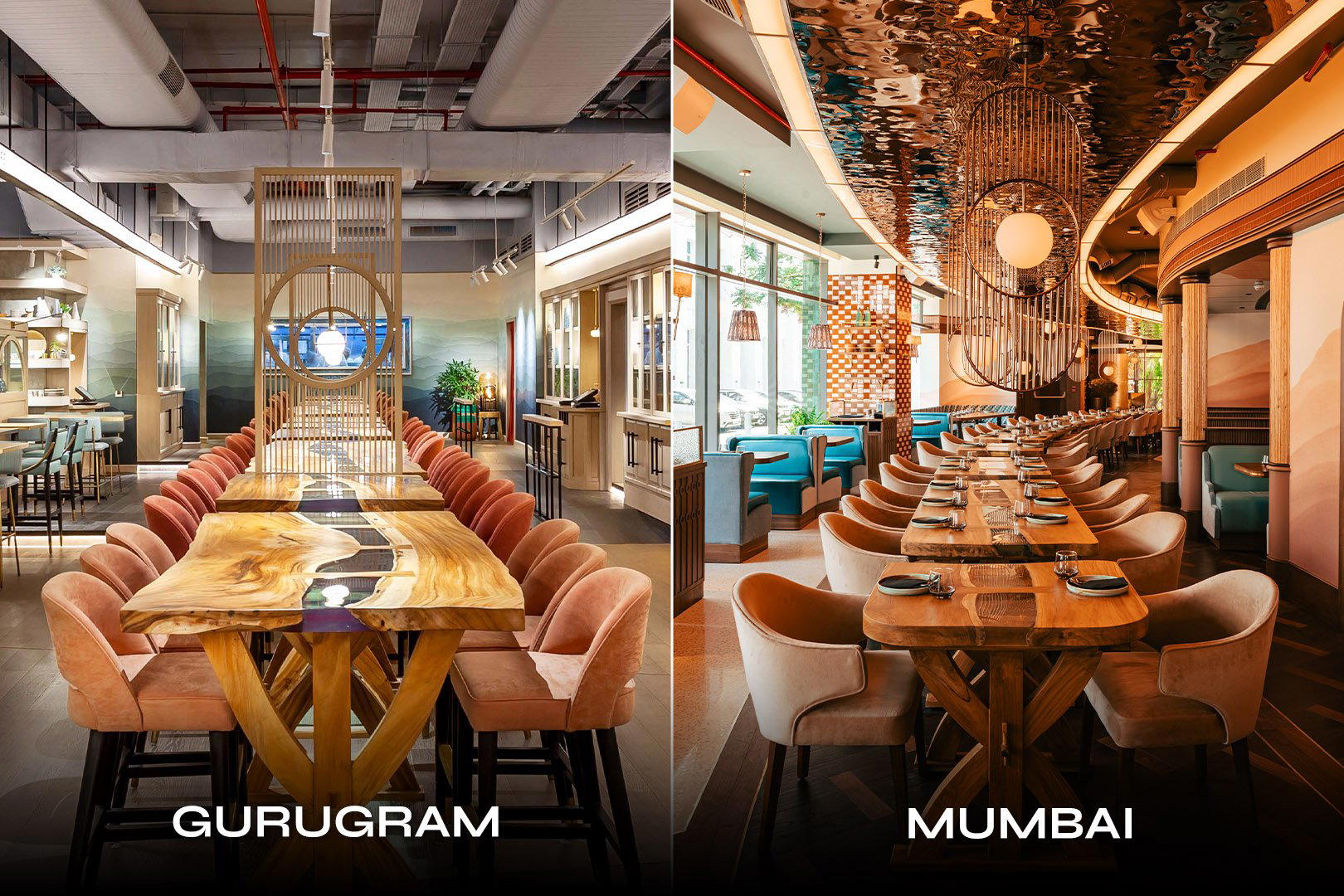
Impressively stylish architecture and design with modern sophistication, local storytelling, and a lively yet serene urban luxury atmosphere.