
Named Asia's Leading Luxury Camping Company at the 2025 World Travel Awards, The Ultimate Travelling Camp operates from Bamnoli Village in Delhi's Dwarka sector, placing a wilderness-adjacent experience within reach of one of India's most visited capital cities. The format sits within a growing tier of low-footprint, high-attention hospitality that treats proximity to land, and what that land produces, as a core part of the offering.
Pearl is the En Primeur Club membership app — saves, bookings, and concierge access live there. Same editors, same standards.
- Address
- G2WJ+967, Bamnoli Village, Sector 28 Dwarka, Dwarka, Delhi, 110077, India
- Website
- tutc.com
- Directions
- Get directions
 Saves & bookings on Pearl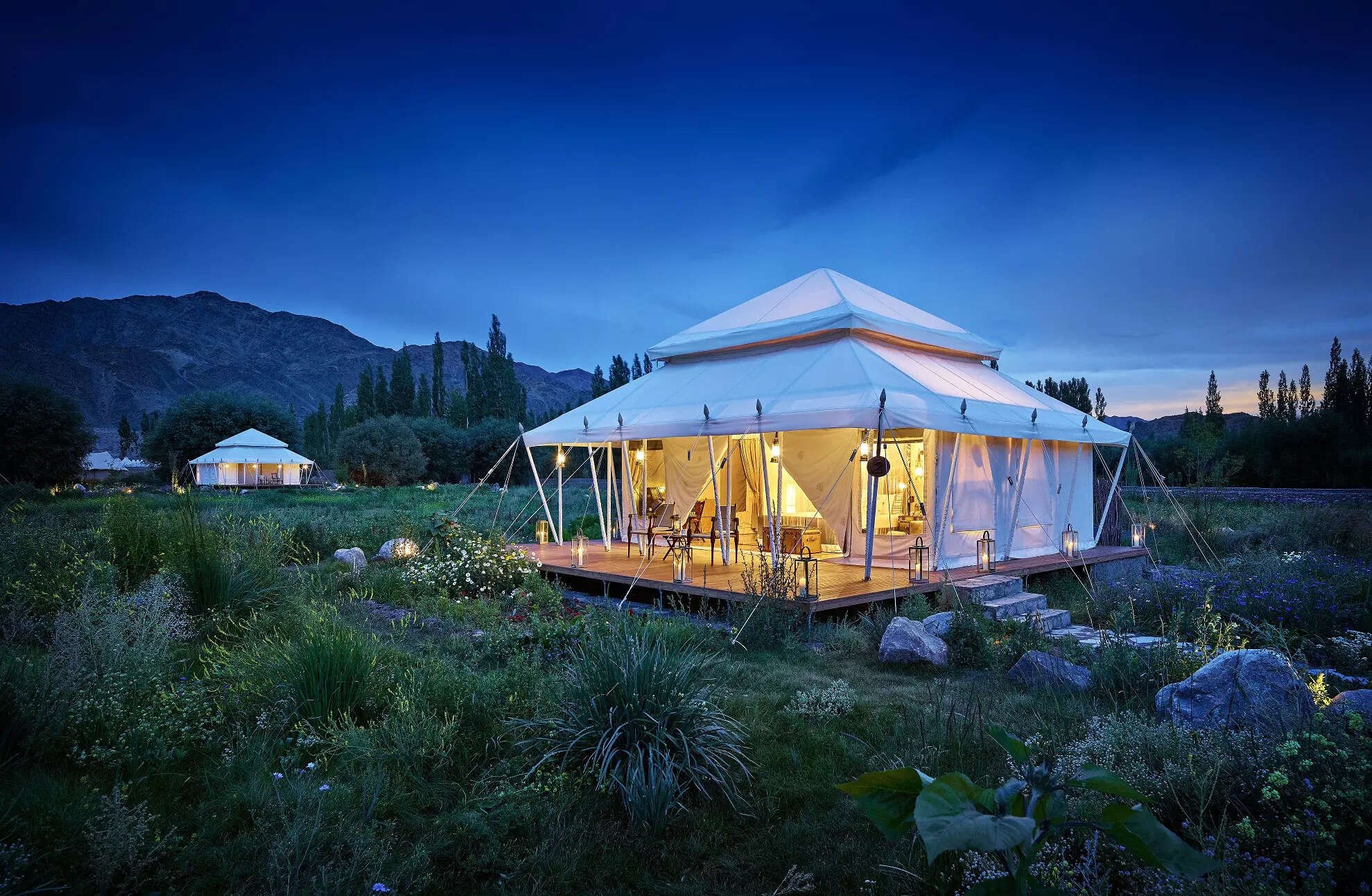
Where the Capital Meets the Camp
India's luxury travel market has long divided between grand palace hotels and purpose-built resorts, with wilderness stays occupying a separate, smaller tier defined less by architecture than by access, to landscape, to silence, and increasingly, to food sourced close to where guests sleep. The Ultimate Travelling Camp is a 5-star hotel in Bamnoli Village, Sector 28 Dwarka, Delhi, with 18 rooms. Its 2025 World Travel Awards recognition as Asia's Leading Luxury Camping Company is not a minor regional footnote; it places the camp at the summit of a competitive field that now spans the Himalayan foothills, the Rann of Kutch, and the wildlife corridors of Rajasthan.
What makes Delhi an interesting base for this kind of operation is the proximity paradox. The city is one of South Asia's most congested urban centres, yet the Bamnoli Village address puts the camp adjacent to the Yamuna floodplain wetlands and the quieter southwestern fringe of the capital, where the urban grid starts to loosen. Arriving here feels meaningfully different from checking into the polished lobbies of The Leela Palace New Delhi or The Oberoi, New Delhi, the transition is deliberate and, for guests who choose it, the point.
The Sourcing Logic Behind Luxury Camping
Across India's premium outdoor hospitality segment, particularly credible operators have moved away from trucking fully processed provisions to remote sites. The shift mirrors what has happened in destination dining more broadly: the closer the ingredient to the kitchen, the stronger the argument for being in that specific place. A camp that sources locally, seasonal produce from nearby farms, regional grains, dairy from proximate suppliers, is making a claim about rootedness that a hotel in a city centre structurally cannot.
For The Ultimate Travelling Camp, the Delhi location creates a specific sourcing geography. The agricultural villages that ring Delhi's outer sectors grow mustard, seasonal vegetables, and pulses across the winter months, the same produce that appears in the Punjabi and Haryanvi cooking traditions that predate the city's current scale. A camp kitchen drawing on that immediate hinterland is working with ingredients that carry genuine provenance, rather than the generic luxury-hospitality staples that tend to flatten regional identity. This is the editorial argument for the camp's format: not merely sleeping under canvas, but eating in a way that reflects the land around you, which in this corner of Delhi has its own distinct agricultural character.
This sourcing philosophy also distinguishes the camp from the corridor of palace-hotel luxury that runs through central Delhi. Properties like Taj Mahal, New Delhi, Taj Palace, New Delhi, and The Imperial New Delhi operate with the polished remove of international luxury: sourcing is global, cuisine is multi-format, and the environment is controlled. The camp occupies the opposite end of the specificity spectrum.
How This Fits the Broader India Wilderness Tier
The luxury camping segment in India has grown substantially over the past decade, driven partly by a wealthier domestic traveller seeking alternatives to conventional hotels, and partly by international visitors who want immersive access to landscapes that fixed-location resorts cannot provide. The camp's World Travel Awards recognition at the Asia level signals that it competes against properties across the continent, not just within India, which is a meaningful calibration of its comparable set.
Comparable operators in India's wilderness tier include Suján Jawai in Pali, which places guests in leopard territory in Rajasthan, and Amanbagh in Ajabgarh, which operates a fixed luxury property but draws on similar instincts about landscape immersion. The difference with a travelling camp format is mobility: the offer changes depending on season and location, which is both the challenge and the attraction. Guests at fixed-location properties in Rajasthan or Agra, The Oberoi Amarvilas in Agra being a reference point for how a single view can anchor an entire luxury proposition, trade off that mobility for architectural permanence. The camp's format makes the opposite bet.
For travellers building a wider northern India itinerary, the camp can serve as the low-footprint counterweight to more conventional stays. Pairing it with The Claridges New Delhi or The Lodhi for city nights creates a deliberate contrast, urban polish on one side, open-air restraint on the other, that reflects how a growing segment of India's premium travellers now structure multi-night stays.
Planning Around the Camp
Delhi's climate makes timing significant for any outdoor stay. The winter months from October through February are one viable for canvas accommodation, with overnight temperatures dropping sharply in December and January but remaining manageable. The summer pre-monsoon period, April through June, becomes difficult for outdoor operations at this latitude, and the monsoon itself between July and September shifts the equation further. The camp's seasonal location may differ from the Bamnoli Village address.
Bamnoli Village sits in Dwarka's Sector 28, which is accessible from central Delhi via the Delhi Metro's Blue Line to Dwarka Sector 21, followed by a short road transfer. This puts the camp within practical range of the city's main airport and its central hotel corridor, making it more logistically approachable than wilderness camps in Rajasthan or Uttarakhand that require multi-hour drives. For travellers arriving from or departing to destinations like Gateway Dehradun in Dehradun or Chapslee in Shimla, Delhi functions as a natural staging point, and a camp night here can break up what would otherwise be an itinerary heavy with conventional hotel stays.
Those looking for related formats elsewhere in India might consider Garner Kutch Gujarat in Kutch for a desert-adjacent wilderness stay, or Haveli Dharampura in Delhi for a heritage property that similarly emphasises a specific, rooted sense of place within the capital. The Leela Palace Jaipur in Jaipur and Vivanta Vrindavan in Vrindavan complete a northern India circuit for travellers who want to move between urban luxury and landscape-forward stays.
Cuisine and Recognition
Comparable venues nearby, for context on price, style, and recognition.
| Venue | Cuisine | Price | Awards | Notes |
|---|---|---|---|---|
| The Ultimate Travelling CampThis venue — the venue you are viewing | Nomadic luxury camp blending wilderness and high-end comforts | $$$$ | 5-Star | Not listed |
| Shangri-La's Eros Hotel, New Delhi | Contemporary classic luxury tower with timeless Lutyens-inspired architecture | $$$$ | 5-Star | Connaught Place |
| Taj Palace, New Delhi | Art Deco palace hotel exuding timeless luxury with contemporary amenities; centrally positioned as a sophisticated urban sanctuary since 1983. | $$$$ | 5-Star | Diplomatic Enclave |
| The Claridges New Delhi | Classic British-style elegance with colonial-inspired suites and vintage charm. | $$$$ | 5-Star | Lutyens Delhi |
| The Oberoi, New Delhi | Harmonious blend of tradition and contemporary sophistication with Lutyens-inspired furnishings. | $$$$ | 5-Star | Defence Colony |
| The Manor New Delhi | Heritage-style boutique hotel blending Art Deco architecture with contemporary luxury, positioned as an intimate urban oasis for informed travelers. | $$$$ | 4-Star | Defence Colony |
Recognition history
Dated appearances from independent guides and award organizations, with the underlying list record or original source where available.
World Travel Awards
World Travel Awards
Continue exploring
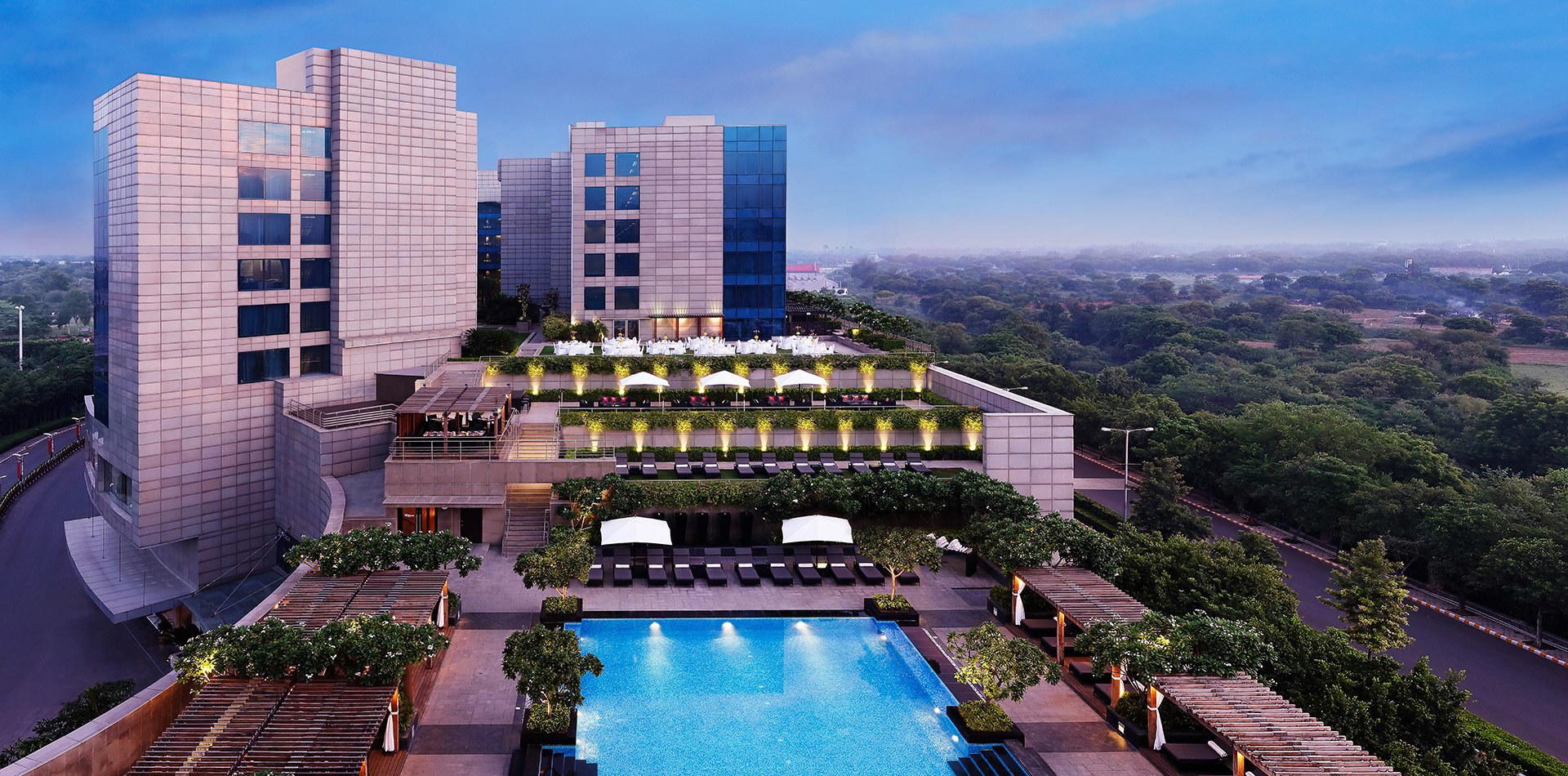
More in New Delhi
Hotels in New Delhi
Browse all →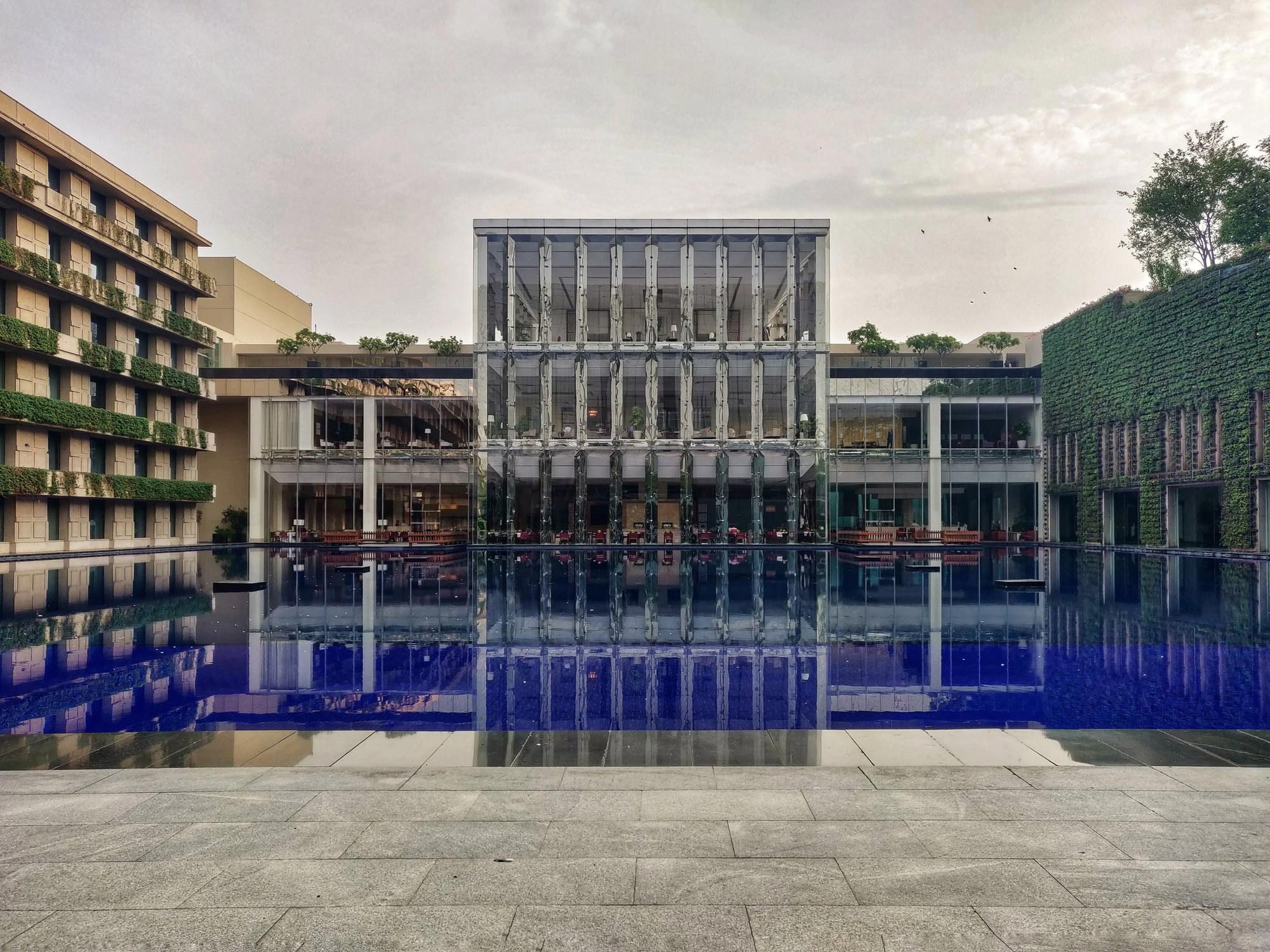
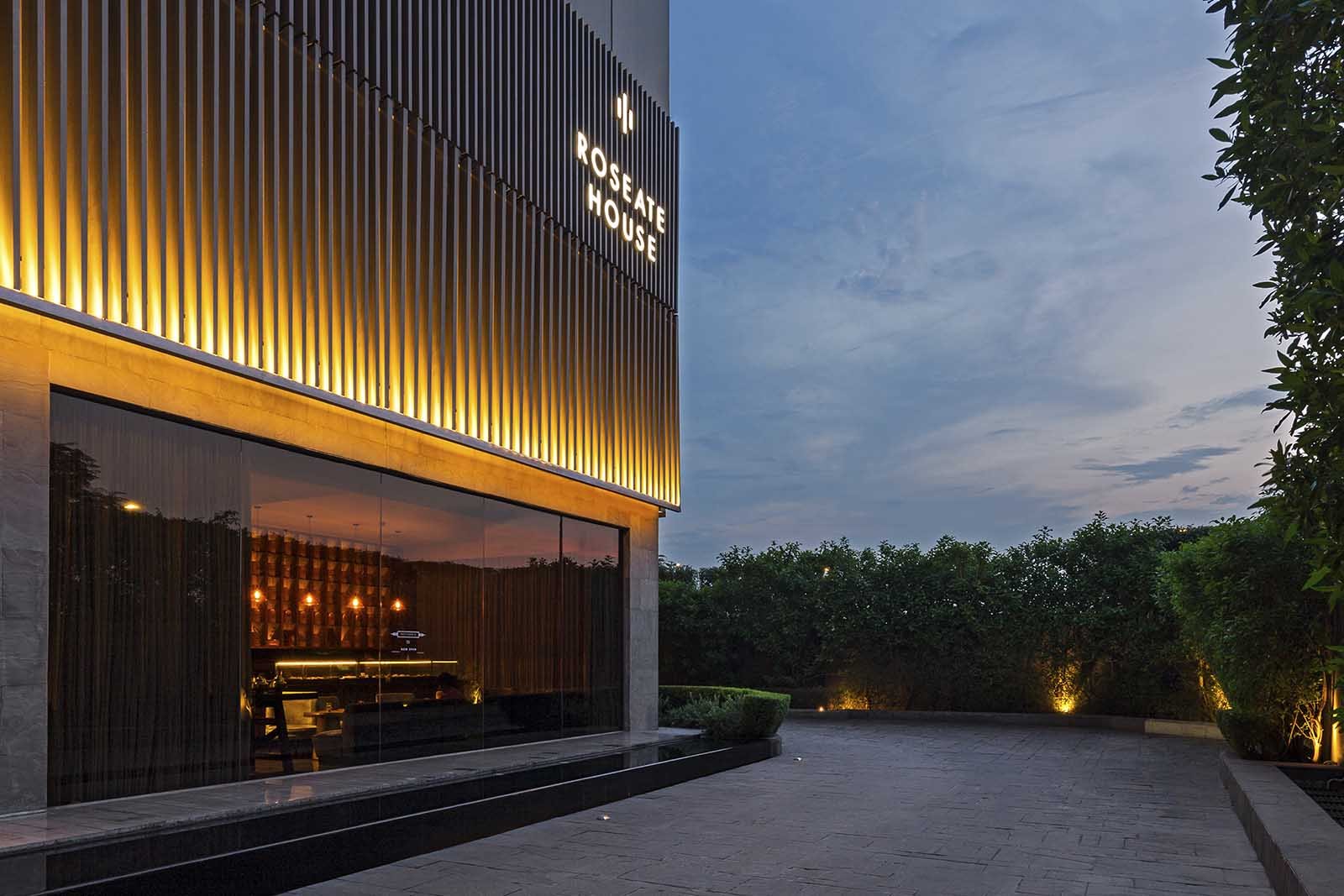
Restaurants in New Delhi
Browse all →

At a Glance
- Scenic
- Elegant
- Rustic
- Intimate
- Ornate
- Romantic Getaway
- Wellness Retreat
- Weekend Escape
- Panoramic View
- Private Dining
- Historic Building
- Spa
- Room Service
- Concierge
- Valet Parking
- Mountain
- Spa
- Room Service
- Concierge
- Valet Parking
Current opening hours
- Monday
- 9 AM–7 PM
- Tuesday
- 9 AM–7 PM
- Wednesday
- 9 AM–7 PM
- Thursday
- 9 AM–7 PM
- Friday
- 9 AM–7 PM
- Saturday
- 9 AM–7 PM
- Sunday
- Closed
Hours can change for holidays and private events. Last verified .
Warm and inviting with soft desert colors, wooden floors, fire-lit evenings, and panoramic mountain and monastery views.