Our verdict
Copper Chimney in Rajouri Garden sits in one of West Delhi's busiest commercial corridors, drawing neighbourhood regulars and families with a North Indian menu anchored in tandoor cooking and Mughal-influenced gravies. It operates in a mid-market tier where consistency and recognisable regional dishes matter more than chef-driven reinvention, making it a reliable reference point for the area's everyday dining culture.

Pearl is the En Primeur Club membership app, where members save venues, book tables and use the concierge.
The menu
What to order
- Dal Makhani
- Dal Maharaja
- Paneer Tikka Masala
West Delhi's Dining Character and Where Copper Chimney Fits
Rajouri Garden has long operated as West Delhi's commercial and social centre, a district where large families converge on weekends, where multi-generational meals are the norm rather than the exception, and where restaurants are judged not on innovation but on the reliability of a dal makhani or the char on a tandoor-cooked bread. This is not the Delhi of Indian Accent's modernist tasting menus or Dum Pukht's Awadhi slow-cooking heritage. It is a district that prizes directness: a strong butter chicken, a properly smoked kebab, a roti that arrives hot. Copper Chimney, positioned at Shivaji Place in the Vishal Enclave stretch of Tagore Garden Extension, operates squarely within that register.
The Rajouri Garden corridor is dense with North Indian options across every price band, from street-side dhabas to air-conditioned family restaurants. Within that spread, mid-market sit-down restaurants occupy a specific role: they absorb the celebratory meals that families don't want to eat standing up, but don't necessarily want to dress up for either. Copper Chimney holds a position in that bracket, functioning as a neighbourhood anchor rather than a destination draw.
The North Indian Tradition the Menu Represents
North Indian restaurant cooking in Delhi draws from several distinct lineages: the Mughal-influenced court cuisine of Awadh that gave rise to slow-braised biryanis and dum-cooked meats; the Punjabi tradition of tandoor-heavy cooking that arrived in Delhi with Partition-era migration and became the dominant template for the city's everyday restaurant culture; and a later layer of Punjabi-Mughal fusion that most mid-market restaurants now operate within. Copper Chimney works in this last register, where the menu is legible to any regular Delhi diner: tandoori proteins, creamy tomato-based gravies, flatbreads cooked in a clay oven, and a dessert list that typically ends with kulfi or gulab jamun.
That familiarity is not a weakness in the West Delhi context. For a dining culture where family consensus determines the order, a menu with no surprises is a feature. The Punjabi-Mughal register that restaurants like Copper Chimney operate within is, in many ways, the lingua franca of North Indian restaurant dining across the country, from neighbourhood spots in Delhi to comparable establishments in cities like Hyderabad and Mumbai. The cuisine is broadly understood, broadly liked, and broadly expected to perform within narrow tolerances of quality.
Across India's broader restaurant scene, there is a growing bifurcation between restaurants that treat regional cuisine as a subject for reinterpretation, such as Farmlore in Bangalore or Kappa Chakka Kandhari in Chennai, and those that treat it as a stable, deliverable product. Copper Chimney sits in the latter category. The comparison is not a critique: the two categories serve different purposes and different diners.
Neighbourhood Access and Practical Considerations
Shivaji Place is one of Rajouri Garden's busiest commercial nodes, reachable from the Rajouri Garden Metro Station on the Blue Line, making it accessible from central Delhi without requiring a car. For visitors staying in South Delhi or the central hotel belt, the journey west is direct via metro. The address at Vishal Enclave, Tagore Garden Extension places it in a stretch that sees heavy footfall on evenings and weekends, when the surrounding markets are active. Parking in the area can be constrained during peak hours, so metro access is the more dependable option for those coming from a distance.
The surrounding neighbourhood context shapes how the restaurant is used: this is not a restaurant most people travel specifically to review against Delhi's higher-tier options, such as Bukhara or Inja. It is a restaurant that the Rajouri Garden residential catchment uses with regularity, the kind of place that books up on Friday evenings because the families nearby return rather than because visitors are seeking it out. For travellers who find themselves in West Delhi for other reasons, it functions as a dependable local option rather than an itinerary priority.
Those building a more comprehensive picture of Delhi's dining range, from neighbourhood staples to destination-level restaurants, can find additional context in our full New Delhi restaurants guide. For comparisons further afield, the mid-market North Indian format also appears in different regional registers at places like Neel in Patiala or in the heritage-inflected dining formats at Dining Tent in Jaisalmer.
What Draws Repeat Visitors
In Delhi's mid-market North Indian segment, repeat visits are driven by consistency rather than discovery. A diner who returns to a restaurant like Copper Chimney is testing whether the kebab is as good as last time, whether the gravy has the same body, whether the bread is properly charred. The benchmark is internal rather than comparative. This is a dining dynamic common across the neighbourhood restaurant tier in North India, and it is one that the better-run establishments in this category take seriously, even without the critical apparatus of awards or press attention that shapes higher-tier venues.
For context on how Delhi's restaurant culture has developed at the premium end, consider how institutions like Dum Pukht have maintained decades of relevance through specialisation in Awadhi technique, or how AQUA and Indian Accent operate in an entirely different competitive bracket defined by creativity and editorial recognition. Copper Chimney's relevance sits at a different register of the same city's dining culture: less scrutinised, more embedded in the rhythms of the neighbourhood.
For those interested in how similar neighbourhood-anchored dining cultures develop across India's cities, the contrast with experience-led formats like Naar in Kasauli, Bomras in Anjuna, or Palaash in Yavatmal illustrates how widely the country's restaurant formats have diversified. And for those curious about how comparable mid-market confidence plays out in international cities, restaurants like Le Bernardin in New York City or Lazy Bear in San Francisco operate at the opposite end of the ambition spectrum, offering a useful point of contrast. Also see Leela Kerala Terrace in Trivandrum for another example of regional Indian dining embedded in a specific local hospitality context.
Frequently asked questions
What's the address for Copper Chimney, North Indian Restaurant in Rajouri Garden- New Delhi?
Copper Chimney, North Indian Restaurant in Rajouri Garden- New Delhi is located at Shivaji Place, Vishal Enclave, Tagore Garden Extension, New Delhi, Delhi, 110027, India, New Delhi.
What do regulars order at Copper Chimney, North Indian Restaurant in Rajouri Garden?
The menu sits within the North Indian restaurant tradition centred on tandoor-cooked meats and Punjabi gravies. Dishes like butter chicken, dal makhani, and tandoori platters form the backbone of what this format consistently delivers. At Shivaji Place, these are the orders that drive repeat visits rather than menu exploration.
How hard is it to get a table at Copper Chimney, North Indian Restaurant in Rajouri Garden- New Delhi?
Reservations are recommended for Copper Chimney, North Indian Restaurant in Rajouri Garden- New Delhi in New Delhi. Confirm current policy via the venue's official channels.
What has Copper Chimney, North Indian Restaurant in Rajouri Garden- New Delhi built its reputation on?
Copper Chimney, North Indian Restaurant in Rajouri Garden- New Delhi is best approached by focusing on the core concept and signature offerings.
A Lean Comparison
Comparable venues nearby, for context on price, style, and recognition.
| Venue | Cuisine | Price | Notes |
|---|---|---|---|
| Copper Chimney, North Indian Restaurant in Rajouri Garden- New DelhiThis venue (the venue you are viewing) | North Indian | $10–20 | Not listed |
| Daryaganj | North Indian Heritage Cuisine | $10–20 | Connaught Place, North Indian Heritage Cuisine |
| U.K CAFE HOUSE multi cuisine family restaurant sonia vihar | Multi-Cuisine (Chinese and North Indian) | $1–10 | Sonia Vihar, Multi-Cuisine (Chinese and North Indian) |
| Common Time | Contemporary Coffee & Bakery Café | $10–20 | Lodhi Colony, Contemporary Coffee & Bakery Café |
| Nando's Pacific Mall, Tagore garden | South African PERi-PERi Flame-Grilled Chicken | $10–20 | Tagore Garden, South African PERi-PERi Flame-Grilled Chicken |
| Megu | Modern Japanese | $50–100 | Chanakyapuri, Modern Japanese |
Continue exploring
More in New Delhi
Restaurants in New Delhi
All restaurants in New Delhi →
Bars in New Delhi
All bars in New Delhi →
Details
- Cozy
- Classic
- Family
- Group Dining
- Casual Hangout
- Standalone
- A La Carte
- Vegetarian Friendly
Current opening hours
- Monday
- 12–4 PM, 6–11 PM
- Tuesday
- 12–4 PM, 6–11 PM
- Wednesday
- 12–4 PM, 6–11 PM
- Thursday
- 12–4 PM, 6–11 PM
- Friday
- 12–4 PM, 6–11 PM
- Saturday
- 12–11 PM
- Sunday
- 12–11 PM
Hours can change for holidays and private events. Hours as of .
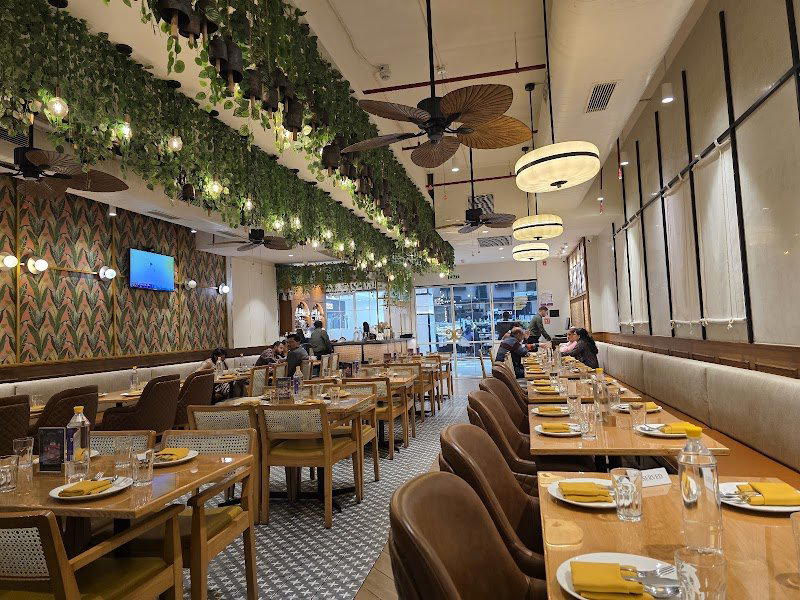
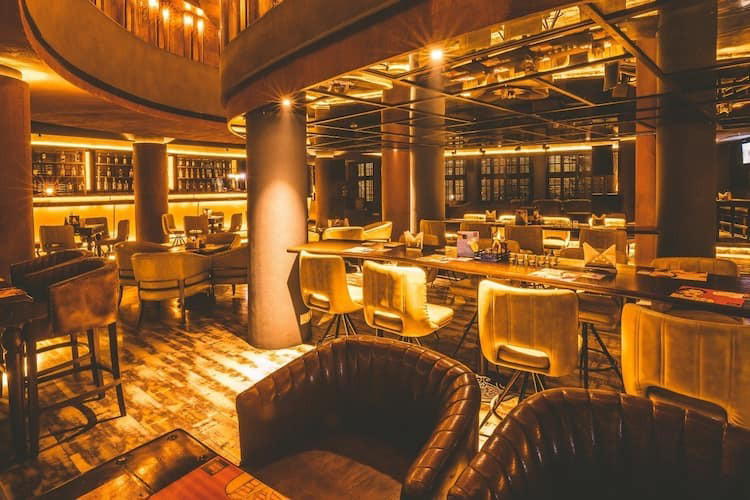
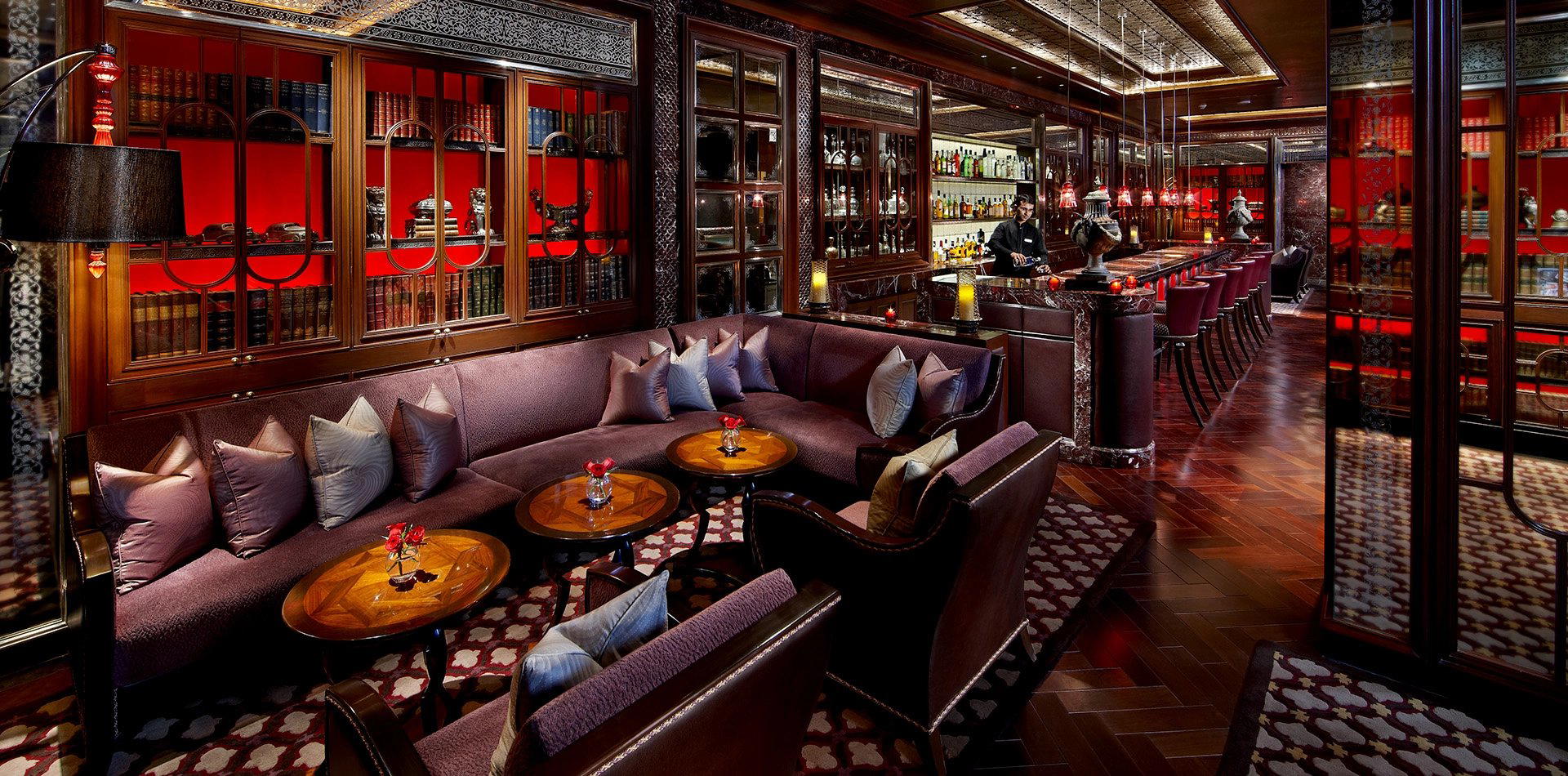
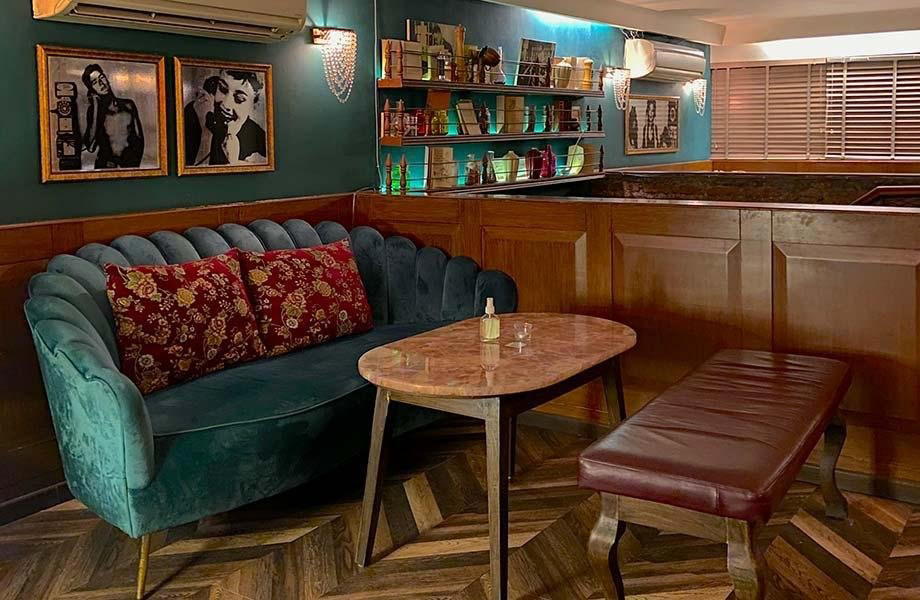
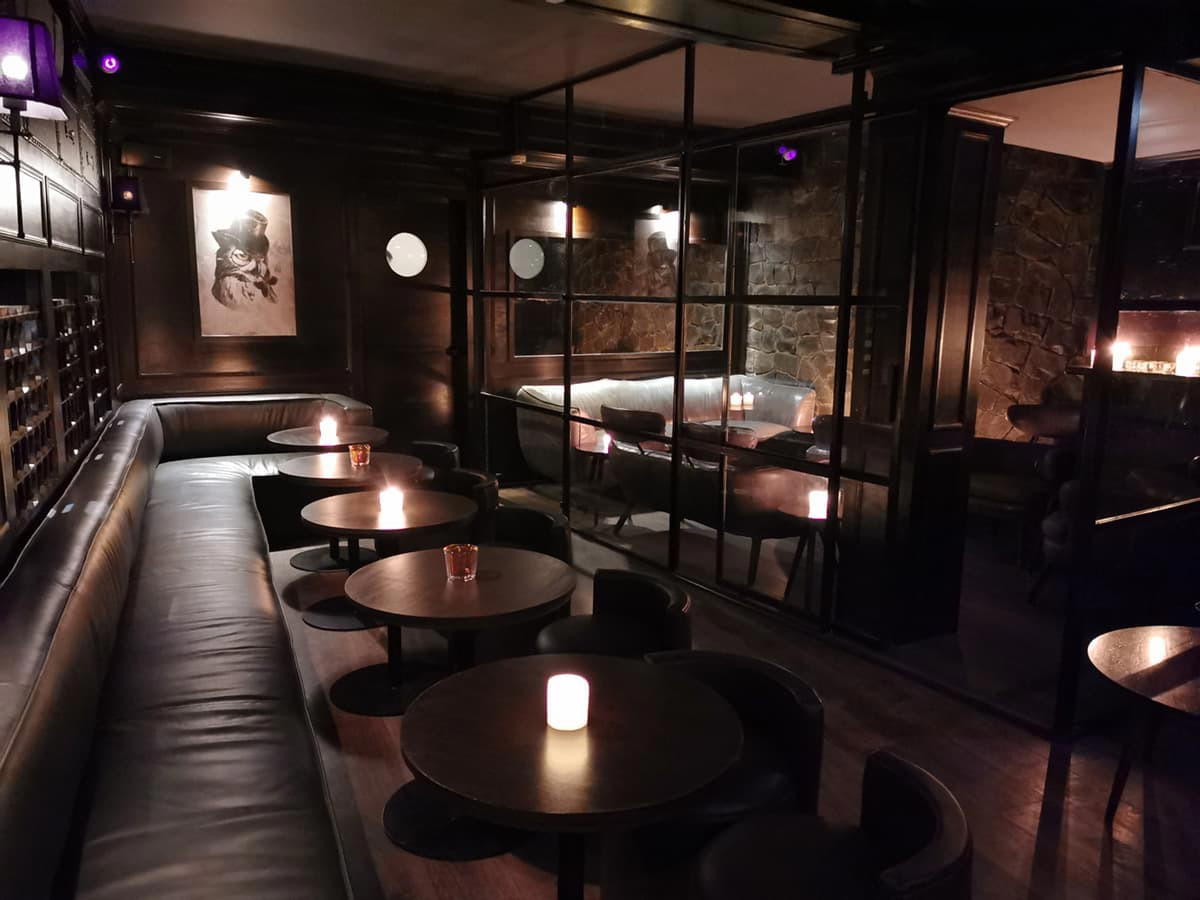
Warm and comfortable interior with earthy tones of browns, greens, and blues, balanced by the right lighting.