CT Boucherie
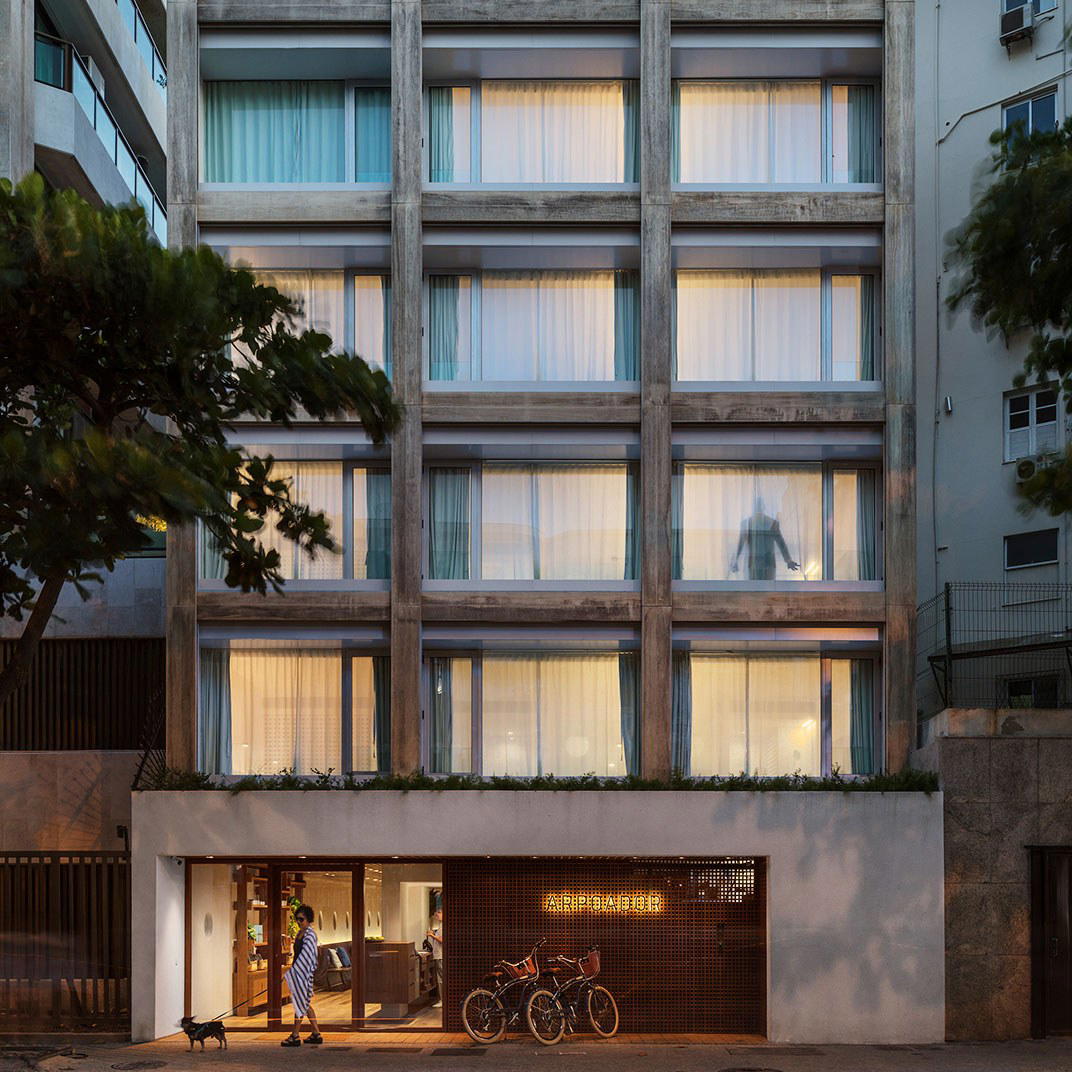
On Rua Dias Ferreira, Leblon's most competitive dining strip, CT Boucherie occupies a space where the butcher-shop tradition meets Rio's appetite for quality sourced meat. The address places it in direct conversation with the neighbourhood's more formally structured restaurants, while its format signals a deliberate commitment to the cut, the breed, and the provenance behind it.
Pearl is the En Primeur Club membership app — saves, bookings, and concierge access live there. Same editors, same standards.
- Address
- Rua Dias Ferreira, 636 - Leblon, Rio de Janeiro - RJ, 22431-050, Brazil
- Phone
- +5521968065353
- Website
- go.tagme.com.br
- Directions
- Get directions
 Saves & bookings on Pearl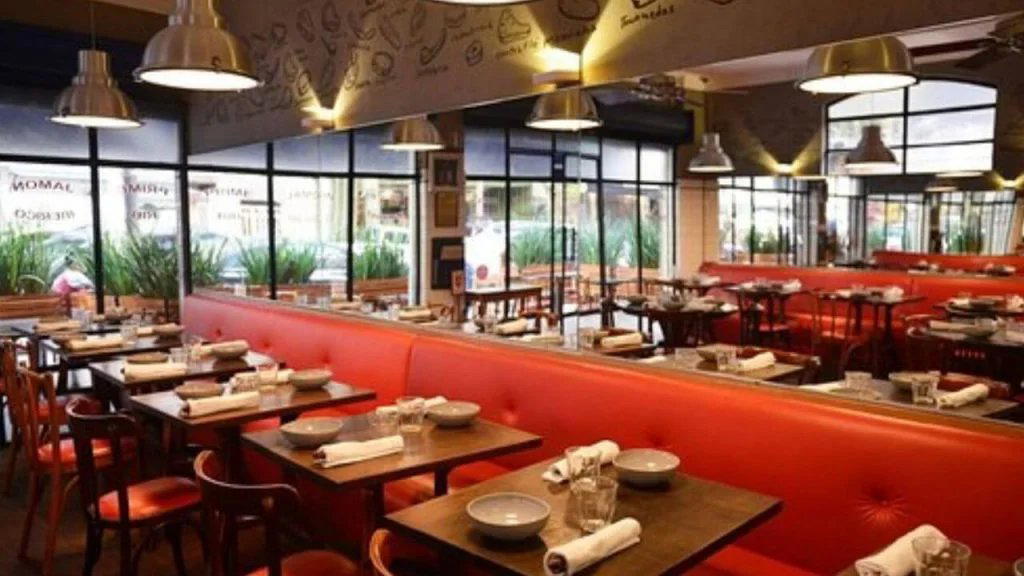
Where Leblon's Dining Strip Meets Serious Meat Culture
Rua Dias Ferreira is the kind of street that earns its reputation incrementally. Each block adds another reason to slow down: a wine bar here, a contemporary Brazilian kitchen there, the low hum of a neighbourhood that dines seriously and often. CT Boucherie sits at number 636 on this strip, and its positioning on one of Rio's most concentrated restaurant corridors is itself a signal. Leblon is not a neighbourhood that tolerates mediocrity at street level for long. The addresses along this stretch are occupied by places that have earned their footing, and turnover tells the story of those that haven't.
The boucherie format, borrowed from French butcher-shop dining tradition, has found particular traction in cities where provenance-conscious eating has moved from niche preference to mainstream expectation. In that context, CT Boucherie is less a standalone curiosity and more a local expression of a global shift in how premium meat restaurants position themselves: closer to the source, more transparent about the animal and its origin, less reliant on tablecloth formality to signal quality.
The Sourcing Logic Behind the Format
Brazilian beef culture runs deep, and the country's cattle geography is genuinely complex. The cerrado of Mato Grosso do Sul, the pastures of Rio Grande do Sul, the breed-specific programs that have developed alongside growing export demand, these distinctions matter to the kind of restaurant that builds its identity around the cut rather than the sauce. The boucherie model, at its most coherent, treats the sourcing decision as the primary creative act. What breed, what region, what finishing method, what age at slaughter: these choices precede everything else on the plate.
In Rio, where churrascaria culture has long dominated the city's relationship with beef, a counter-current of smaller, more ingredient-specific meat restaurants has been building. This sits alongside the broader movement visible at restaurants like Lasai and Oteque, where ingredient sourcing is treated as an editorial statement, a position, not merely a supply chain decision. CT Boucherie operates on analogous logic, just applied to meat rather than to the broader modern Brazilian pantry. Where Lasai draws from regional Brazilian producers across multiple categories, the restaurant's focus is narrower and more vertical: the animal, its provenance, and what happens to it between the farm and the plate.
This kind of focused sourcing program also positions the restaurant differently from the city's large-format steakhouses. The churrascaria model operates on volume and variety, cycling through cuts on skewers at pace. The boucherie model inverts that logic: fewer options, more information per option, a diner who is expected to care about what they're ordering beyond size and doneness. It is a different compact between kitchen and guest, and Rua Dias Ferreira has the demographic density, the wine-literate, internationally travelled Leblon resident, to support it.
Leblon in the Context of Rio's Dining Geography
Understanding the restaurant requires understanding what Leblon has become in Rio's broader dining map. The neighbourhood sits at the western end of Rio's southern zone shoreline, adjacent to Ipanema, and has consolidated over the past decade into the city's most consistent address for mid-to-high-end dining that isn't performing for tourists. The clientele skews local and prosperous. The restaurants that survive here tend to be technically solid without being showy, and they tend to build repeat business rather than viral moments.
Rua Dias Ferreira specifically has become shorthand for that pattern. Alongside the restaurant, the street and its immediate surrounds contain options across Italian, French, and contemporary Brazilian registers, including Oro, which works across contemporary Italian and Brazilian references at the higher end of the price spectrum, and Casa 201, which occupies a French-leaning position on the same competitive block. The restaurant's meat-forward identity carves out a distinct lane within that field: it is not competing with the tasting-menu format of Cipriani or the broader regional ambitions of Lasai, but it is making a specific claim about what a meal built entirely around sourced beef can deliver.
Brazil's restaurant scene more broadly has been pushing in this direction. D.O.M. in São Paulo established years ago that Brazilian ingredient identity could anchor a globally recognised kitchen. Subsequent generations of restaurants, from Manu in Curitiba to Manga in Salvador, have pushed regional sourcing into their own culinary vernaculars. The restaurant participates in this trajectory from a specific angle, applying that sourcing rigour to a product category, premium beef, that Brazil produces at genuine scale but rarely showcases with this level of specificity at the restaurant level.
Planning Your Visit
The restaurant's address at Rua Dias Ferreira, 636 places it within easy reach of Leblon's central corridor, accessible from the Leblon end of Ipanema or from the Gávea direction. The neighbourhood is best navigated by taxi or rideshare in the evenings; street parking along Dias Ferreira is limited and the strip is densely trafficked on weekend nights. On weekdays, the pace eases considerably, and the restaurant's local repeat-visitor base tends to show up mid-week as well as on weekends. For a restaurant in this neighbourhood and format category, reservations are advisable rather than optional, particularly Thursday through Saturday when Dias Ferreira's full competitive set draws significant foot traffic. Those planning visits during the southern hemisphere summer months (December through February) should book further ahead; Rio's peak domestic travel season compresses availability across the neighbourhood's better-regarded tables.
For those mapping a wider Brazilian restaurant itinerary, the sourcing-first approach at CT Boucherie sits in productive conversation with what Orixás in Itacaré and Mina in Campos do Jordão are doing in their respective regions, each pulling from local agricultural identity to build a menu that could not be replicated elsewhere. The ingredient becomes the argument, and Brazil, with its extraordinary agricultural range, keeps giving those arguments new material to work with.
Comparable Venues
Comparable venues nearby, for context on price, style, and recognition.
| Venue | Cuisine | Price | Notes |
|---|---|---|---|
| CT BoucherieThis venue — the venue you are viewing | French Steakhouse | $$$ | Not listed |
| COLTIVI ☕️Café & 🍕Pizzaria | Italian Pizza Café | $$$ | Humaitá |
| BOTA | Italian & Mediterranean Seaside | $$$ | Glória |
| Julieta | Modern Brazilian | $$$ | Flamengo |
| Grado | Italian Handmade Pasta | $$$ | Jardim Botânico |
| Corrientes 348 - Marina da Glória | Argentine Parrilla Steakhouse | $$$ | Glória |
Continue exploring
More in Rio de Janeiro
Restaurants in Rio de Janeiro
Browse all →
Bars in Rio de Janeiro
Browse all →



At a Glance
- Cozy
- Rustic
- Elegant
- Date Night
- Special Occasion
- Open Kitchen
Current opening hours
- Monday
- 12–5 PM, 6:30–11 PM
- Tuesday
- 12–5 PM, 6:30–11 PM
- Wednesday
- 12–5 PM, 6:30–11 PM
- Thursday
- 12–5 PM, 6:30–11 PM
- Friday
- 12–5 PM, 6:30 PM–12 AM
- Saturday
- 12 PM–12 AM
- Sunday
- 12–11 PM
Hours can change for holidays and private events. Last verified .
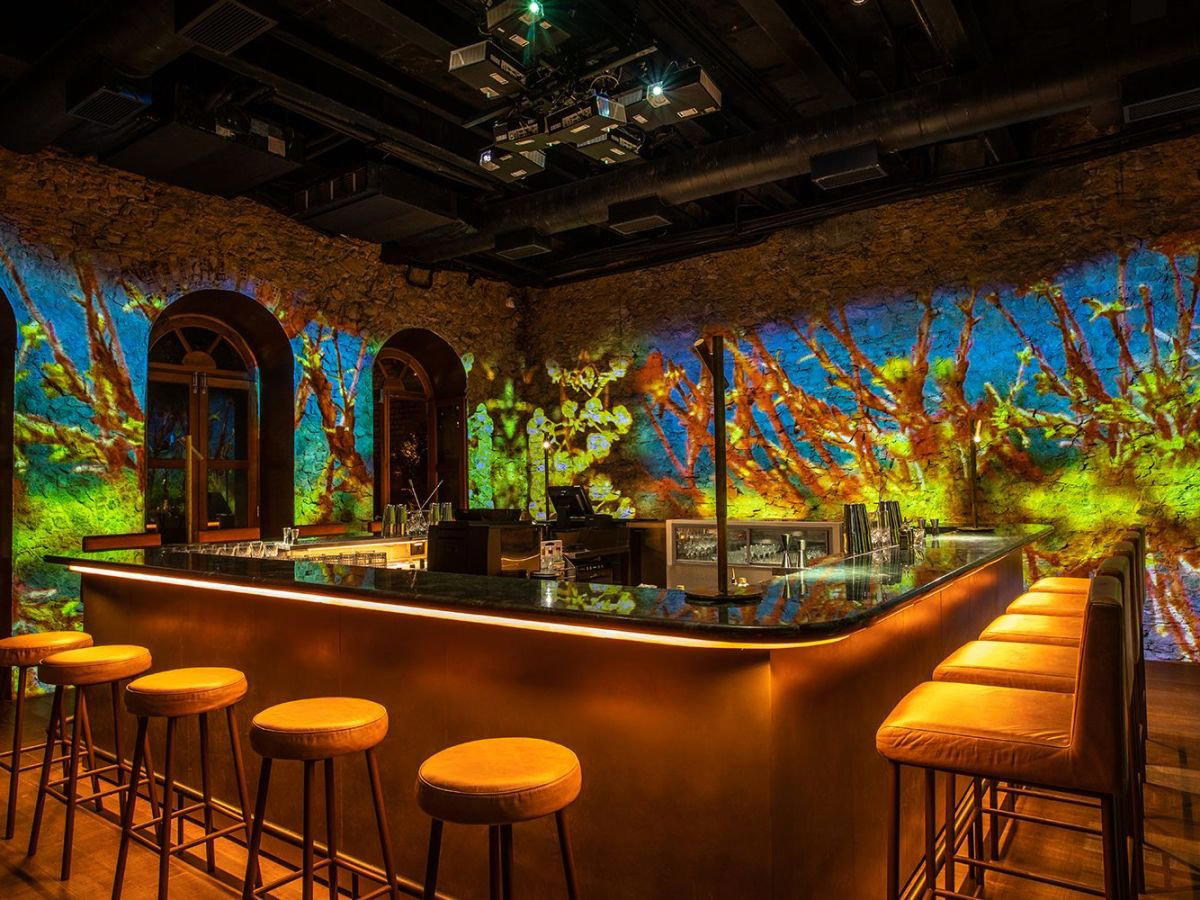
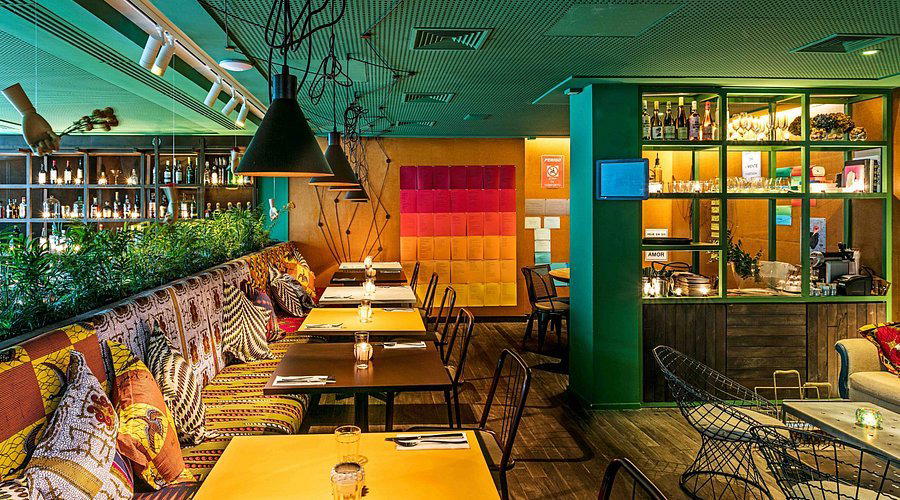
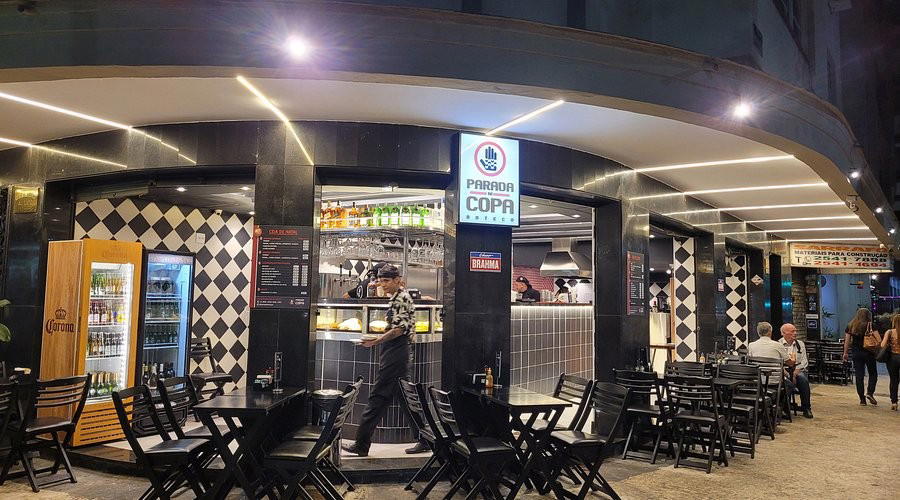
Cozy French bistro atmosphere with whitewashed brick walls, small wooden tables, hardwood floors, and rustic wooden cabinets.