BOTA
BOTA occupies a Glória address on Av. Infante Dom Henrique, one of Rio's most scenically positioned corridors, placing it within reach of the city's serious dining circuit. The venue sits in a tier where cellar depth and curation matter as much as the plate, and where the broader shift in Brazilian fine dining toward wine-forward programming is most visible. For Rio, that combination of address and intent carries weight.
Pearl is the En Primeur Club membership app — saves, bookings, and concierge access live there. Same editors, same standards.
- Address
- Av. Infante Dom Henrique - Glória, Rio de Janeiro - RJ, 20020-140, Brazil
- Phone
- +5521967120479
- Website
- botacucina.com.br
- Directions
- Get directions
 Saves & bookings on Pearl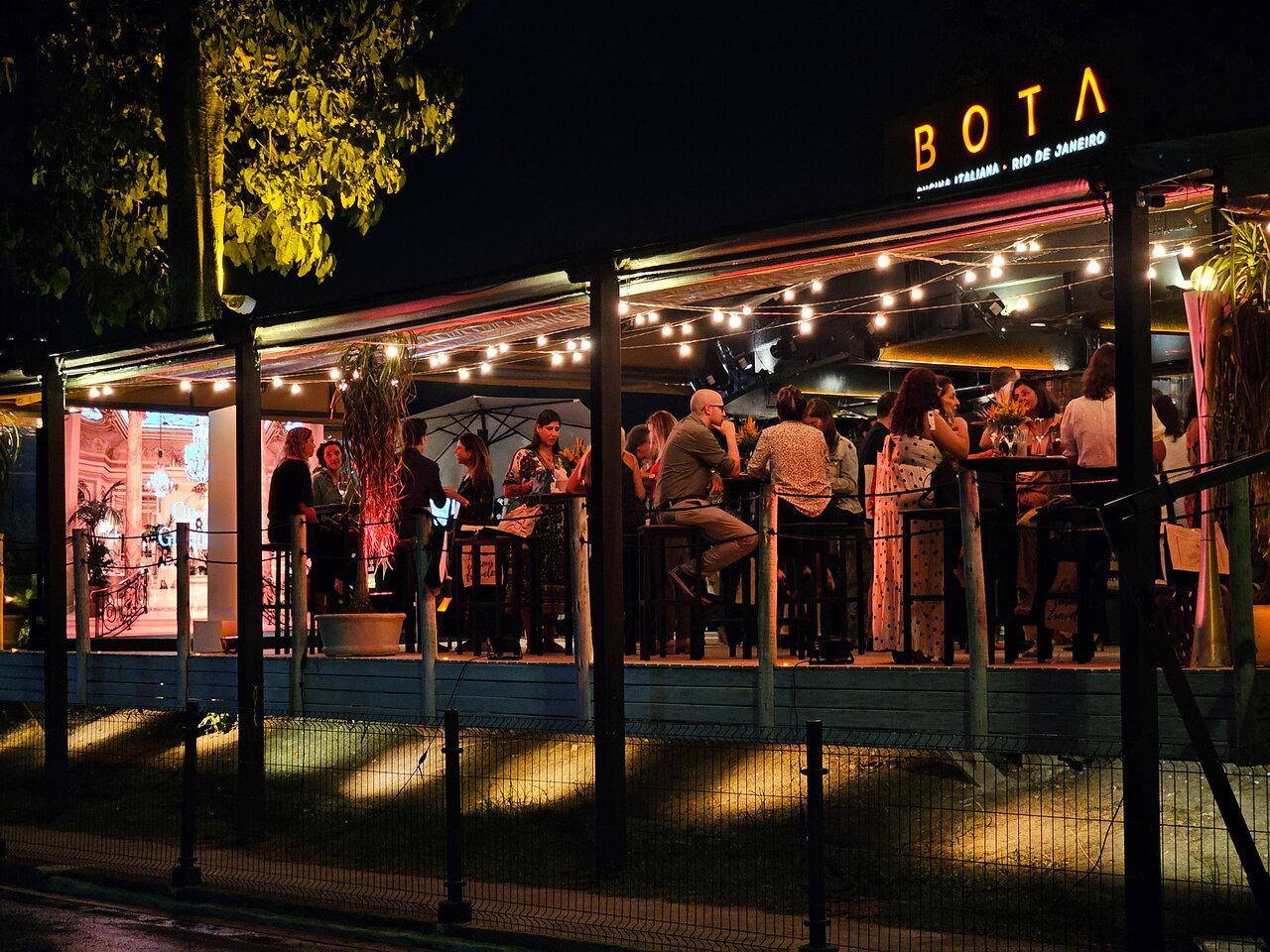
Glória's Positioning and What It Means for a Rio Dining Address
Av. Infante Dom Henrique runs along the Guanabara Bay waterfront through the Glória neighbourhood, a stretch that connects the older civic fabric of central Rio to the more polished restaurant corridors of Flamengo and Botafogo. Dining rooms on this axis don't share the same neighbourhood density as the Leblon or Ipanema clusters, which means the ones that survive tend to do so on the strength of a specific proposition rather than foot traffic or tourist proximity. BOTA operates from this address, and its location alone signals something about its intended audience: reservations are recommended.
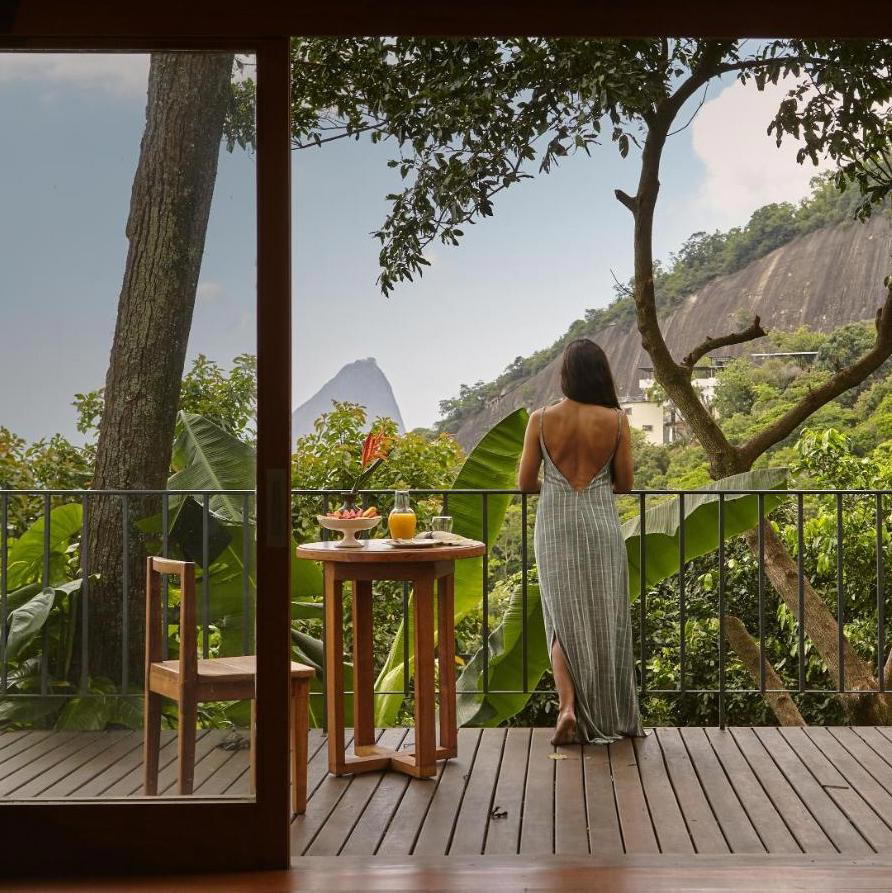
Glória itself sits at an interesting inflection point in Rio's geography. It carries the residue of an older, grander Rio, one of embassies and formal civic buildings, while the immediate waterfront view toward the bay and the Sugarloaf ridge gives the area a visual register that few dining corridors in any city can match. The approach along the avenue, with the bay visible to one side and the hillside city rising on the other, sets a particular tone before a guest ever reaches the door.
Where BOTA Sits in the Rio Fine Dining Conversation
Rio's upper dining tier has consolidated around a relatively small set of rooms that take the food and drink program seriously enough to attract both the city's professional class and international visitors who arrive with reference points. Oteque and Lasai occupy the recognized apex of that tier, both holding Michelin recognition and drawing the kind of advance booking pressure that defines their competitive set. Oro and Casa 201 operate at comparable price points with distinct culinary angles, and Cipriani anchors the Italian-formal tradition in the city. BOTA's Glória positioning places it in a slightly different geographic pocket from the Botafogo corridor where Oteque and Lasai have established the benchmark, which in practice means it draws from a partly different audience, one already committed to the area rather than crossing town for a destination reservation.
Across Brazil, the broader pattern in ambitious dining rooms has moved toward wine programming that can hold its own against the food. D.O.M. in São Paulo established the template for how a Brazilian fine dining room could operate with serious cellar depth alongside indigenous ingredient-led cuisine. That shift has filtered into Rio's better rooms, and it's the frame through which BOTA is worth examining.
The Wine-Forward Frame: Cellar, Curation, and the Brazilian Fine Dining Shift
Brazilian fine dining has undergone a structural change in how it treats the wine list. For most of the early 2000s, the cellar in even ambitious rooms skewed heavily toward Old World classics, primarily French and Italian, with token Southern Hemisphere representation. The past decade has complicated that picture considerably. Brazilian wine production, particularly from Serra Gaúcha and the Campanha Gaúcha in Rio Grande do Sul, has reached a quality threshold that gives sommeliers a credible domestic option alongside imported labels. At the same time, natural wine and low-intervention programs have found an audience in Rio's more food-literate dining rooms.
The result is that the wine list in a room like BOTA carries editorial weight it didn't have a generation ago. Curation decisions, whether to commit to Brazilian producers, how to position the list relative to the menu's register, what by-the-glass program the room can sustain, are now as consequential as the cooking itself for a guest choosing where to spend serious money. Venues like Manu in Curitiba and Manga in Salvador have both demonstrated that regional Brazilian rooms outside Rio can build wine programs with genuine depth and local sourcing logic. The pressure that creates on Rio's dining rooms to match that standard is real.
For context on how this plays out internationally, the sommelier-forward model at rooms like Le Bernardin in New York City or the producer-relationship approach at Lazy Bear in San Francisco illustrates how wine programming becomes an editorial statement rather than a supplementary list. The Brazilian rooms that are closing that gap fastest are the ones taking comparable positions on sourcing and curation rather than defaulting to the safe international names.
Brazilian Regional Dining in Context
The geographic spread of serious dining across Brazil has expanded considerably. Orixás in Itacaré, Mina in Campos do Jordão, and Birosca S2 in Belo Horizonte represent how far the conversation has moved beyond São Paulo and Rio as the only cities producing internationally relevant dining. Olivetto Restaurante E Enoteca in Campinas and Primrose in Gramado add further evidence that the Brazilian dining map has spread considerably. Even wine-country destinations like Castelo Saint Andrews in Vale do Bosque are building programs that would register in any serious dining context. State of Espírito Santo in Rio Bananal demonstrates that ingredient-driven rooms are emerging well outside the metropolitan clusters.
Rio's role in that national conversation is as the city where formal dining tradition runs deepest, where the expectation of service rigor is highest, and where the wine cellar has historically received the investment. BOTA's address on one of the city's most scenically significant avenues places it within that tradition while the Glória location gives it a degree of remove from the more trafficked dining corridors.
Planning a Visit
Av. Infante Dom Henrique in Glória is accessible by taxi or rideshare from Flamengo, Botafogo, and the Centro without significant journey time. Given the address's remove from the main dining clusters, a reservation rather than a walk-in approach is the reasonable default, particularly on weekends when the waterfront corridor draws additional traffic.
Comparison Snapshot
Comparable venues nearby, for context on price, style, and recognition.
| Venue | Cuisine | Price | Awards | Notes |
|---|---|---|---|---|
| BOTAThis venue — the venue you are viewing | Italian & Mediterranean Seaside | $$$ | Not listed | Not listed |
| Capricciosa | Contemporary Neapolitan Pizzeria & Italian Trattoria | $$$ | Not listed | Ipanema |
| Casa do Sardo | Sardinian Italian | $$ | Not listed | São Cristóvão |
| Anna | Italian Seafood | $$$ | Not listed | Leblon |
| Tutto Nhoque | Traditional Italian Gnocchi | $$ | Not listed | Botafogo |
| Babbo Osteria | Italian Osteria with Carioca Fusion | $$$ | Michelin Plate | Leblon |
Continue exploring
More in Rio de Janeiro
Restaurants in Rio de Janeiro
Browse all →
Bars in Rio de Janeiro
Browse all →
At a Glance
- Romantic
- Scenic
- Elegant
- Cozy
- Date Night
- Celebration
- Group Dining
- Special Occasion
- Waterfront
- Terrace
- Panoramic View
- Private Dining
- Craft Cocktails
- Beer Program
- Waterfront
Current opening hours
- Monday
- 11:30 AM–9 PM
- Tuesday
- 11:30 AM–11 PM
- Wednesday
- 11:30 AM–11 PM
- Thursday
- 11:30 AM–11 PM
- Friday
- 11:30 AM–11 PM
- Saturday
- 11:30 AM–11 PM
- Sunday
- 11:30 AM–9 PM
Hours can change for holidays and private events. Last verified .
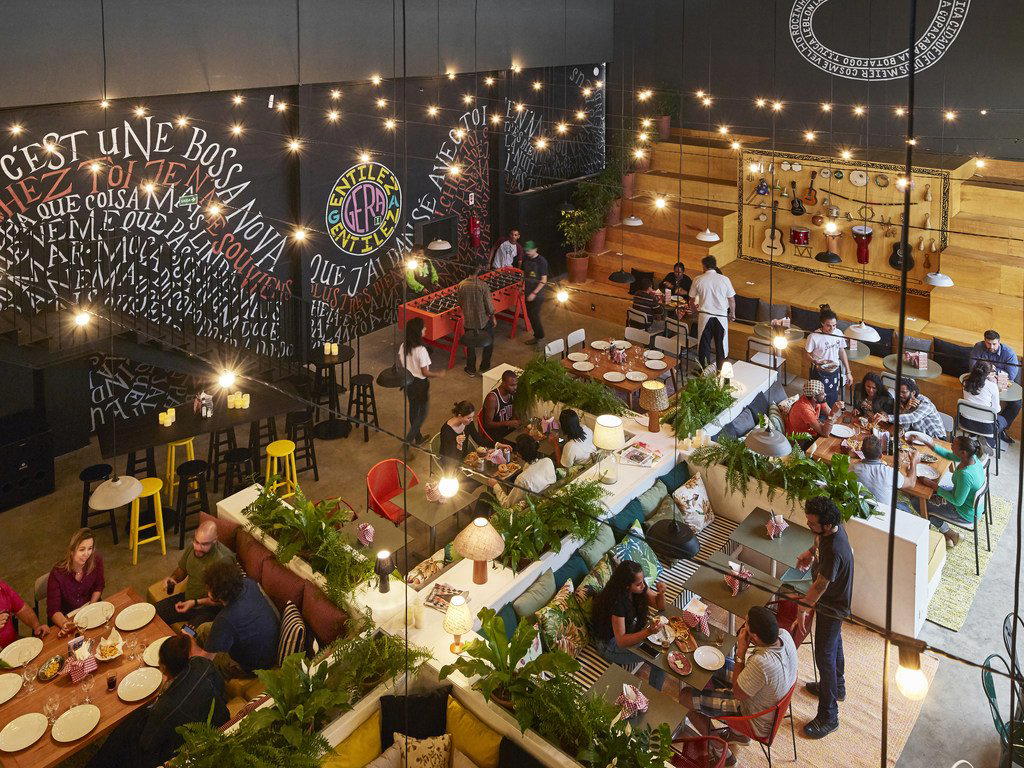
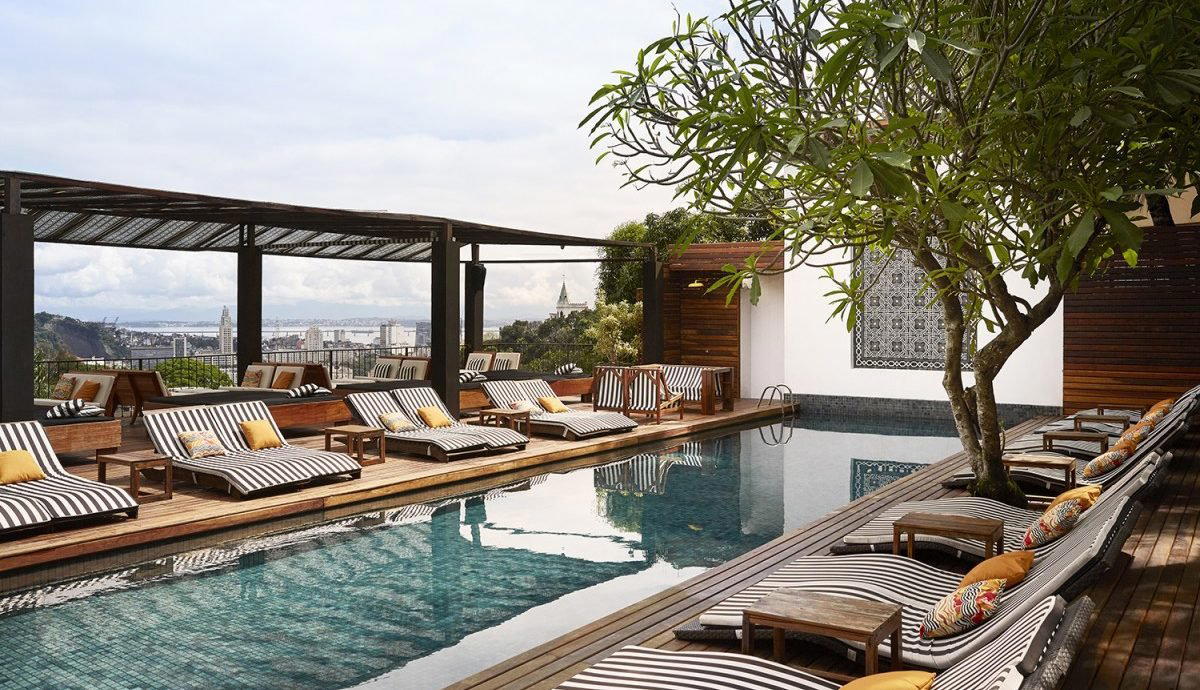
Charming and pleasant atmosphere with quality service, featuring dramatic sunset views over the bay with warm, inviting lighting.