Crna Svinja sits on Ul. Ovčara in Čepin, a quiet Slavonian settlement east of Osijek that operates well outside Croatia's coastal dining circuit. In a region where pork-centered cooking and locally grown produce define the table, the restaurant takes its name, Black Pig, as an editorial statement about where its food comes from. It belongs to a category of Croatian inland dining that rewards the detour.
Pearl is the En Primeur Club membership app — saves, bookings, and concierge access live there. Same editors, same standards.
- Address
- Ul. Ovčara 3, 31431, Čepin, Croatia
- Phone
- +385914512676
- Website
- terranegra.hr
- Directions
- Get directions
 Saves & bookings on Pearl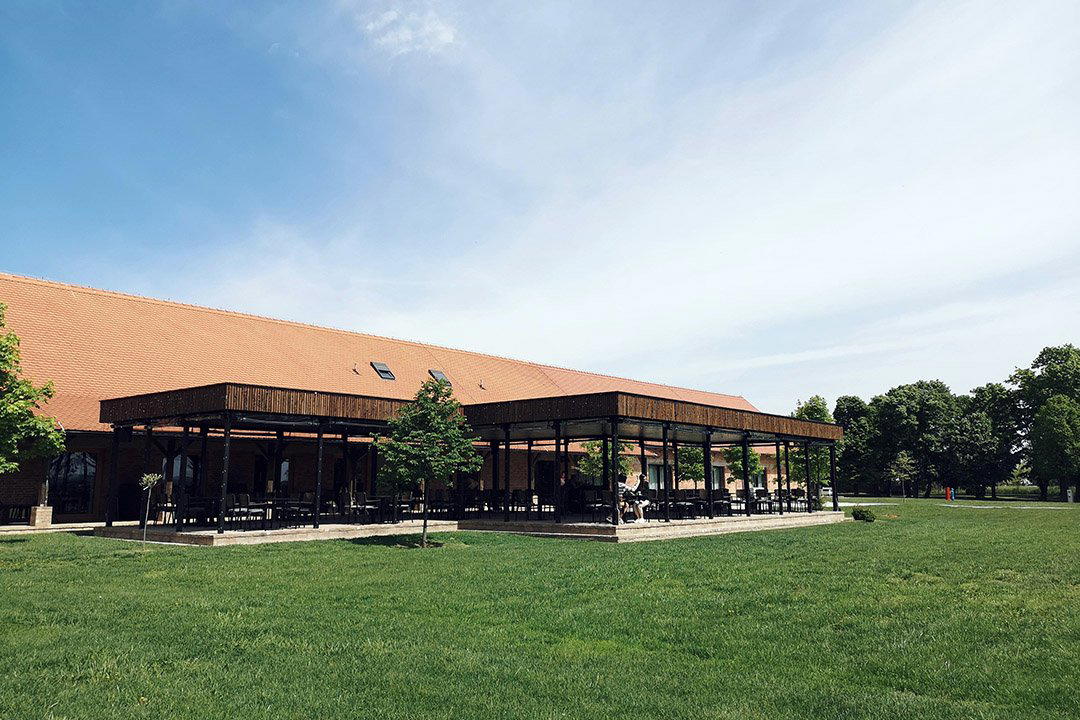
Slavonian Pig Country: What Čepin Tells You Before You Eat
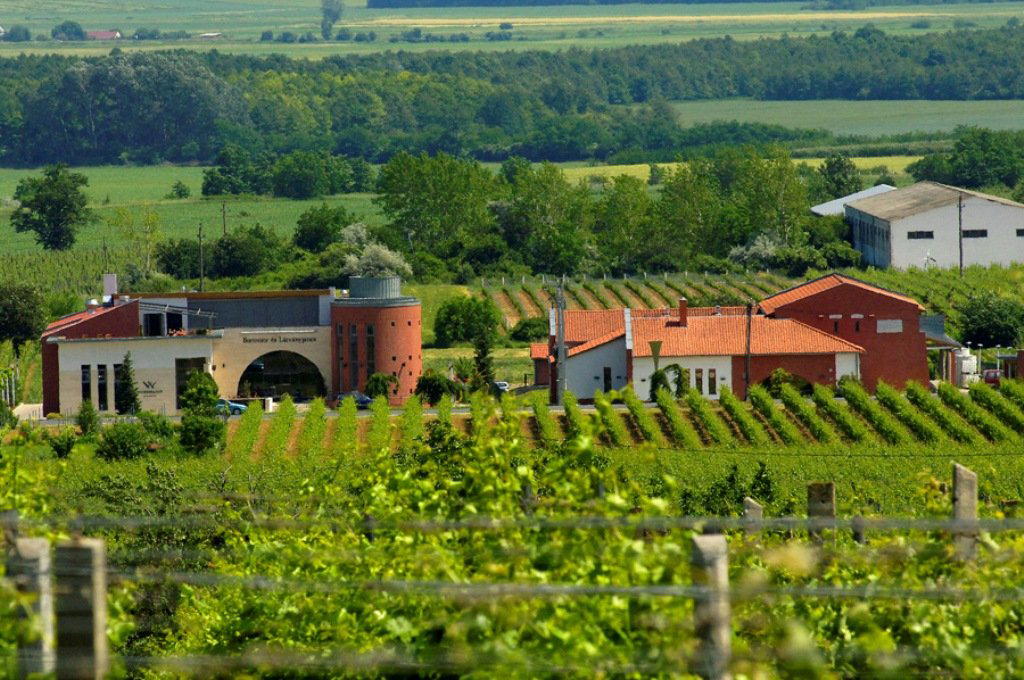
The road into Čepin from Osijek is flat and agricultural, the kind of approach that tells you exactly what kind of cooking you are about to encounter. This is the Slavonian interior, a part of Croatia that has been shaped more by agriculture than by the coastal restaurant boom. Vinkovci, Đakovo, Vukovar, the towns in this corridor share a food culture built not on Adriatic seafood or Dalmatian stone-walled drama, but on grain fields, oak forests, river fish, and above all, pigs. Crna Svinja, the Black Pig, takes its name from that agricultural reality, and the address on Ul. Ovčara 3 puts it squarely inside a working Slavonian village rather than a tourist zone.
That distinction matters when you are thinking about where Croatian dining is heading. The country's most-discussed restaurants cluster on the coast: Pelegrini in Sibenik, Restaurant 360 in Dubrovnik, Agli Amici Rovinj in Rovinj. The inland counterpart is a smaller, less-documented category, places where the sourcing radius is measured in kilometers, the producers are neighbors, and the menu is a function of what is being raised and harvested nearby rather than what is fashionable in Zagreb or Split. Crna Svinja operates in that second category.
The Black Pig as Sourcing Philosophy
The name is the concept. Slavonia has a long tradition of small-scale pig farming, with indigenous and heritage breeds raised on acorn and grain across the Pannonian plain. The black pig, in this context, is not a marketing decision, it is a reference to a specific agricultural type that has been central to Slavonian kitchens for generations. In the same way that Iberian pata negra or the Mangalica of neighboring Hungary carry breed-specific meaning, the black pig of Slavonia points toward fat quality, feed, and a slower production cycle than industrial alternatives.
Restaurants in the Croatian interior that anchor their identity to a specific animal or breed are making an implicit claim about sourcing. The claim is that the distance between field and plate is short, that the producer relationship is direct, and that the cooking technique is calibrated to the specific qualities of that ingredient rather than adapted from a coastal or international template. Whether Crna Svinja executes that claim at the level of, say, Korak in Jastrebarsko or Boskinac in Novalja, both of which have built reputations on regional sourcing in their respective Croatian contexts, is a question that available data does not yet answer with specifics. What the name signals is intent, and in a region this far off the critical circuit, that intent is itself a differentiating posture.
Čepin and the Osijek Dining Orbit
Čepin sits within easy reach of Osijek, which is the largest city in Slavonia and the administrative and cultural hub of Osijek-Baranja County. The relationship between Osijek and its surrounding villages is typical of mid-size Croatian cities: the city holds the concentrated commercial activity, while the villages hold the producers, the traditional recipes, and increasingly, the restaurants that are serious about ingredient proximity. Dining outside the city center, in a village like Čepin, is a pattern seen across Croatia's food-literate traveler segment, where the preference is increasingly for places that are embedded in production geography rather than optimized for foot traffic.
For visitors coming from the coast who have already covered the established Dalmatian circuit, the Slavonian interior offers a genuinely different set of flavors. Paprika-heavy spicing, cured meats, freshwater fish from the Drava and Sava rivers, and slow-cooked pork preparations form the backbone of regional cooking here in a way that has no real equivalent in the coastal tradition. Croatia's dining conversation tends to flatten this regional diversity, but inland Slavonian cooking is a distinct category, and a restaurant that takes it seriously belongs to a short list.
Where This Fits in Croatia's Wider Restaurant Conversation
Croatian fine dining has a well-established coastal identity. The restaurants with international recognition, places like Nebo by Deni Srdoč in Rijeka, Alfred Keller in Mali Lošinj, or LD Restaurant in Korčula, are almost uniformly positioned on or near the Adriatic. The inland equivalent is a category that international critics have been slower to document, which means that discovery tends to happen through local networks rather than through international ranking systems. That lag creates a tier of restaurants that are well-regarded regionally but largely unknown outside Croatia.
This is structurally different from the situation in, say, Zagreb, where Dubravkin Put and comparable addresses benefit from capital-city visibility. It is also different from the Istrian interior, where EatIstria in Pluj, Humska Konoba in Hum, and San Rocco in Brtonigla have benefited from the truffle trade and Istrian wine's international profile. Slavonia lacks those external credentialing hooks. What it has instead is a food culture that is internally coherent and largely self-sustaining, which, for the right traveler, is exactly the point. Contrast that approach with coastal-focused venues like Krug in Split or Restaurant Filippi in Curzola, and the regional divergence becomes clear. Even internationally, the sourcing-anchored ethos at places like Lazy Bear in San Francisco demonstrates how ingredient provenance can anchor a restaurant's identity as firmly as any tasting-menu format, while Le Bernardin in New York City shows how complete commitment to a single ingredient category, in their case, seafood, can define a restaurant's entire competitive position. The restaurant's black pig framing is a version of that same argument, made at a village scale. Similarly, Trg Sv. Stjepana 3 in Lesina demonstrates how Croatian restaurants outside the major hubs can build identity through place and produce rather than metropolitan visibility.
Planning Your Visit
The restaurant is located at Ul. Ovčara 3 in Čepin, a short drive from Osijek. Given its village location, contacting the restaurant directly before arriving is advisable, especially on busy days. The surrounding area is agricultural rather than tourist-oriented, so the visit functions as a deliberate detour rather than a walk-in decision.
Comparable Spots, Quickly
Comparable venues nearby, for context on price, style, and recognition.
| Venue | Cuisine | Price | Notes |
|---|---|---|---|
| Crna SvinjaThis venue — the venue you are viewing | Slavonian Black Pig Specialties | $$ | Not listed |
| Pansion Ribnjak | Traditional Croatian River Fish | $$ | Ribnjak |
| Stari Mlin | Traditional Slavonian River Fish | $$ | Dalj |
| Bijelo-plavi | Traditional Croatian Barbecue | $$ | Osijek center |
| Didin Konak | Traditional Baranja Croatian | $$ | Bilje |
| Restoran Stari Toranj | Traditional Croatian | $$ | city center |


At a Glance
- Rustic
- Cozy
- Scenic
- Family
- Business Dinner
- Casual Hangout
- Terrace
- Wine Cellar
- Extensive Wine List
- Local Sourcing
- Garden
Current opening hours
- Monday
- 12–11 PM
- Tuesday
- 12–11 PM
- Wednesday
- 12–11 PM
- Thursday
- 12–11 PM
- Friday
- 12–11 PM
- Saturday
- 12–11 PM
- Sunday
- 12–6 PM
Hours can change for holidays and private events. Last verified .
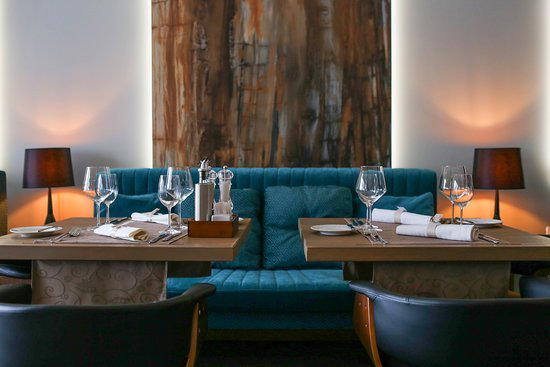
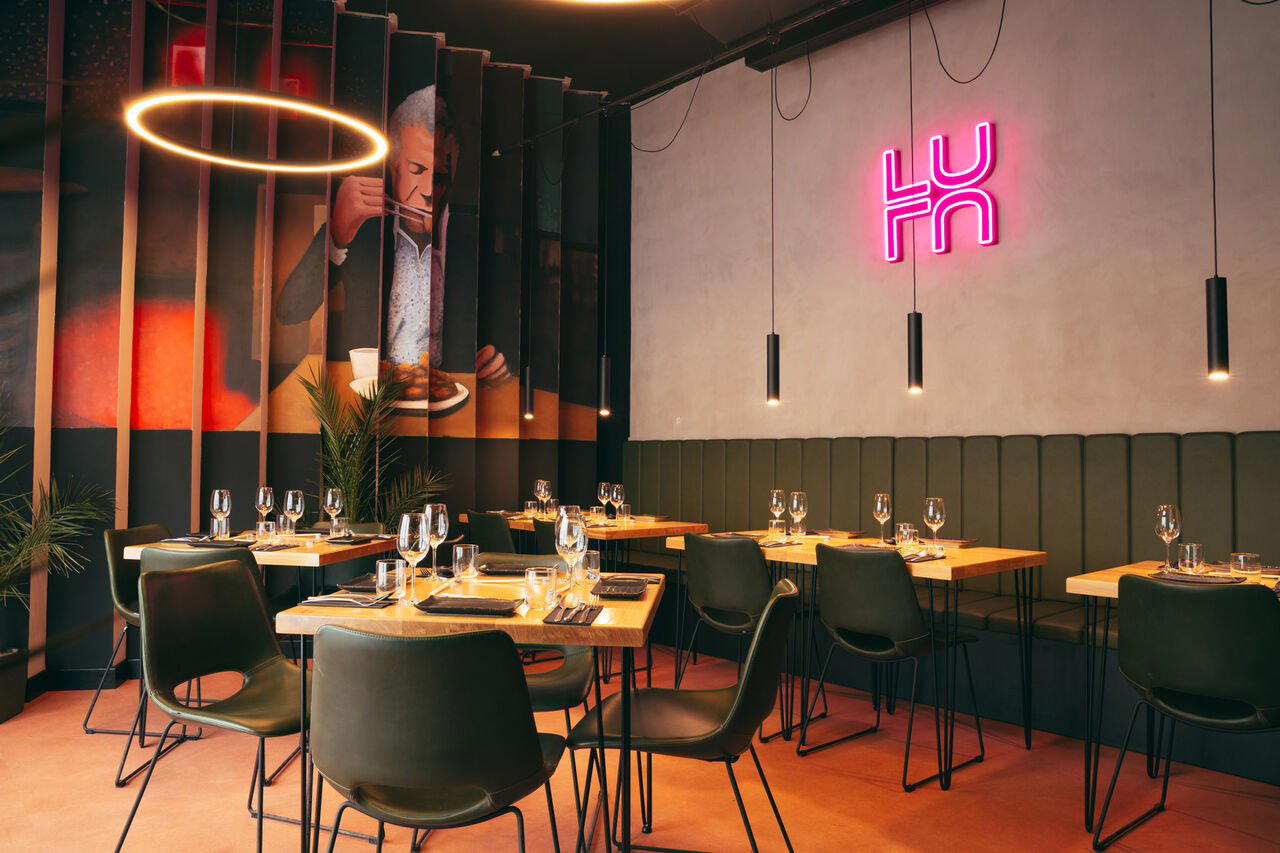
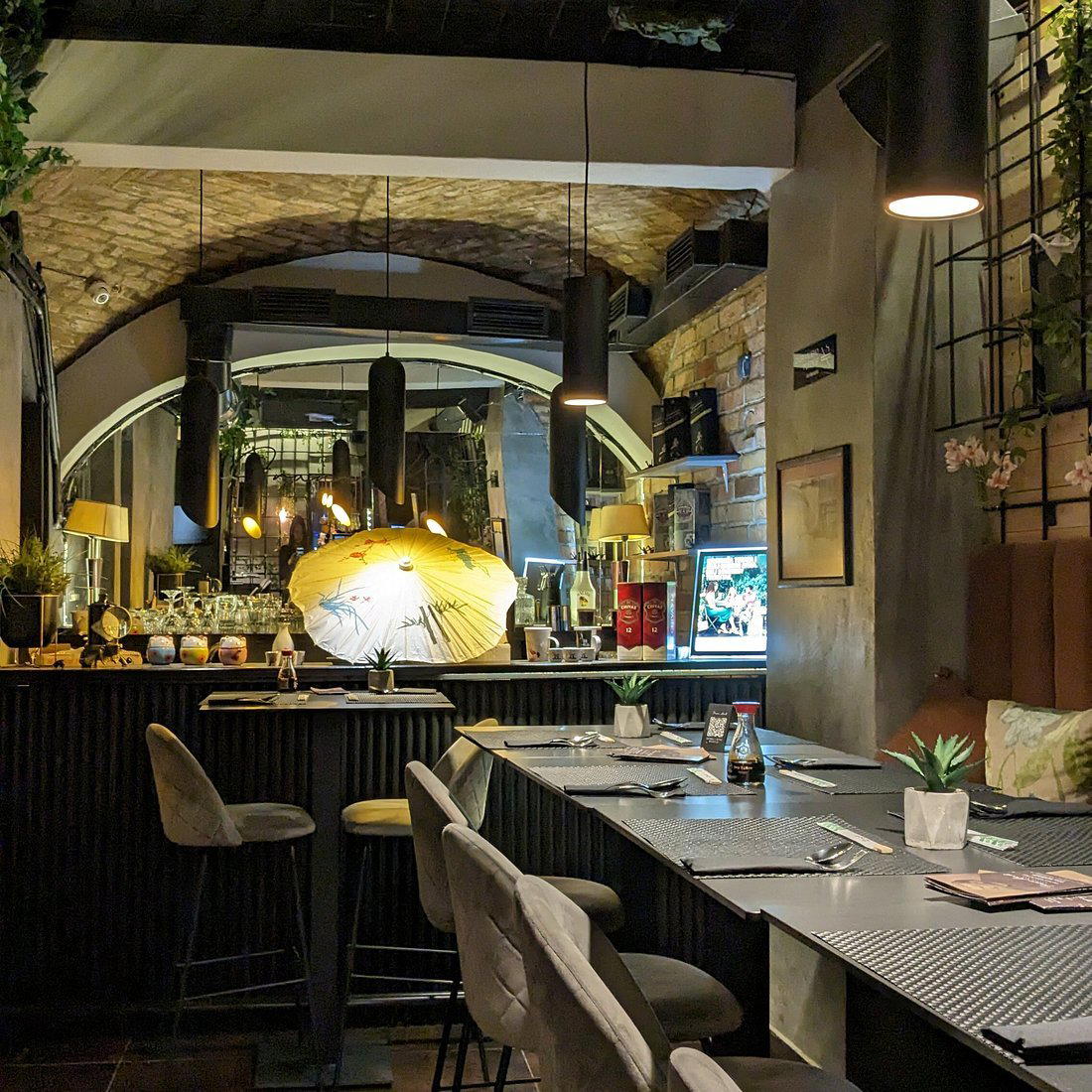
Pleasant and warm ambiance with nice interior, located in a quiet countryside setting.