Trg Sv. Stjepana 3 sits on Hvar Town's central square, one of the Adriatic coast's most recognisable public spaces, where Dalmatian dining culture plays out against a backdrop of medieval stone and open sea light. The address places it within reach of both the island's market-driven sourcing traditions and a broader Croatian coastal dining scene that has grown considerably more ambitious over the past decade.
Pearl is the En Primeur Club membership app — saves, bookings, and concierge access live there. Same editors, same standards.
- Address
- Trg Sv. Stjepana 3, 21450, Hvar, Croatia
- Directions
- Get directions
 Saves & bookings on Pearl
The Square as Context: Dining on Hvar's Stone Stage
Few addresses in the eastern Adriatic carry as much spatial weight as Trg Sv. Stjepana, Hvar Town's main square and the longest piazza in Croatia. The square has functioned as the social and commercial heart of Hvar for centuries, and the restaurants and konobas that line its perimeter inherit that setting. Arriving here on a warm evening, with the cathedral's facade catching the last light and the Venetian loggia casting long shadows across the limestone flags, tells you something important about what Dalmatian hospitality has always understood: that place is a primary ingredient. The building at number three sits within that tradition.
Hvar Town's dining scene has, over the past fifteen years, split into two recognisable tiers. The first serves the island's large summer tourist flow: grilled fish, risotto, local wine poured by the carafe, tables turning quickly through July and August. The second, smaller tier has grown more slowly but more deliberately, with a handful of addresses taking Croatian coastal sourcing seriously enough to position themselves against regional peers like LD Restaurant in Korčula or Pelegrini in Sibenik. Where an address on Trg Sv. Stjepana sits within that division depends largely on its approach to the ingredients that arrive daily from the surrounding waters and the island's own agricultural interior.
What the Dalmatian Pantry Brings to This Address
The sourcing argument for Hvar is a strong one. The island sits in the middle Dalmatian archipelago, surrounded by waters that produce dentex, John Dory, sea bass, and the small oily fish, sardines, mackerel, anchovies. Inland, Hvar's stony hillsides support lavender farms, dry-stone vineyards planted with indigenous Plavac Mali and Bogdanuša varieties, and smallholders growing capers, figs, and the bitter greens that appear in traditional Dalmatian side dishes. The island is narrow enough that a kitchen on the main square is, by any reasonable measure, close to its primary sources. That proximity requires decisions about which suppliers to use and how much of the menu to anchor in what is genuinely seasonal and local, but the raw material context here is favourable on the Croatian coast.
This sourcing tradition connects Hvar to a broader movement across Croatian fine and casual dining. Restaurants like Agli Amici Rovinj in Rovinj and Boskinac in Novalja have built reputations on treating Adriatic and island-grown produce as the primary editorial voice of their menus, rather than as supporting cast to European classical technique. That framing has proven durable, and it reflects something the Dalmatian kitchen has always known: that the sea and the stone terraces provide a more interesting menu than any imported framework.
The Square in Summer and Shoulder Season
Any practical assessment of dining on Trg Sv. Stjepana has to account for Hvar Town's extreme seasonality. The island receives the majority of its annual visitors between late June and early September, and the square's restaurants operate under different conditions in August compared to May or October. In peak summer, foot traffic is heavy, reservations become advisable at most serious addresses, and the quality gap between kitchen-focused spots and those running purely on volume becomes more visible rather than less. Shoulder season, particularly May and early October, offers calmer conditions and, in many kitchens, menus that reflect what the island's late-spring or early-autumn produce actually looks like rather than what an August tourist expects to find.
For visitors arriving by ferry from Split or by passenger catamaran direct to Hvar Town harbour, the square is reachable on foot within minutes of docking. That ease of access makes it the natural gravitational centre of an evening in Hvar Town, and most visitors will pass through regardless of where they eat.
How This Address Fits the Wider Croatian Dining Map
Croatia's restaurant scene has developed an increasingly coherent identity over the past decade, with a cluster of addresses drawing the kind of attention previously reserved for Italian or French provincial cooking. The Michelin Guide's expansion into Croatia has sharpened competitive awareness among serious kitchens from Istria to Dalmatia. Addresses like Nebo by Deni Srdoč in Rijeka, Alfred Keller in Mali Lošinj, and Korak in Jastrebarsko represent the more ambitious end of that national conversation, while Dalmatia's contribution tends to come through the precision of its seafood sourcing and the depth of its indigenous wine culture rather than through tasting-menu formalism.
For visitors building a broader Croatian itinerary, the contrast between island dining in the middle Dalmatian chain and the more continental approaches found at Dubravkin Put in Zagreb or the Istrian sourcing tradition represented by San Rocco in Brtonigla and EatIstria in Pluj rewards the kind of comparative attention that makes a multi-stop Croatian trip coherent rather than merely scenic. The Dalmatian islands, and Hvar in particular, represent the seafood-centred, terroir-driven end of that spectrum. See our full Lesina restaurants guide for a broader picture of what the island currently offers, including Le Antiche Sere, which brings an Apulian frame to the local conversation. For those extending travel further south, Restaurant 360 in Dubrovnik and Humska Konoba in Hum offer useful counterpoints, as does Restaurant Filippi in Curzola on the nearby island of Korčula.
The kind of rigorous sourcing discipline that defines places like Le Bernardin in New York City or the producer-network transparency of Lazy Bear in San Francisco has a Dalmatian equivalent in the leading island kitchens, served instead at a stone table with a carafe of local Plavac Mali and a view of the harbour.
Planning Your Visit
Hvar Town's central square functions as a pedestrian zone through the summer months, which means the approach to any address on Trg Sv. Stjepana is by foot from the harbour or from parking above the old town. For serious dining on the island during the July-August peak, booking ahead is advisable at any address operating at the upper end of the market. Shoulder-season visitors, and the island rewards them, will find the square quieter, service less pressured, and menus more likely to reflect what the morning's fishing boats and the island's smallholders actually produced. Also worth visiting nearby is Krug in Split, a short ferry ride away, which represents the mainland Dalmatian dining scene at one of its more considered addresses.
Quick Comparison
Comparable venues nearby, for context on price, style, and recognition.
| Venue | Cuisine | Price | Notes |
|---|---|---|---|
| Trg Sv. Stjepana 3This venue — the venue you are viewing | Dalmatian Coastal Seafood | $$$ | Not listed |
| Štorija | Modern Dalmatian Fine Dining | $$$ | Old Town |
| Mala Mora | Modern Mediterranean Seafood | $$$ | Kastel Luksic |
| Mazzgoon | Modern Croatian Seafood | $$$ | Split Old Town |
| Arsana Tasting House | Modern Dalmatian Croatian | $$$ | Cetvrt Kralja Slavca |
Continue exploring
More in Lesina
Restaurants in Lesina
Browse all →
Bars in Lesina
Browse all →
Hotels in Lesina
Browse all →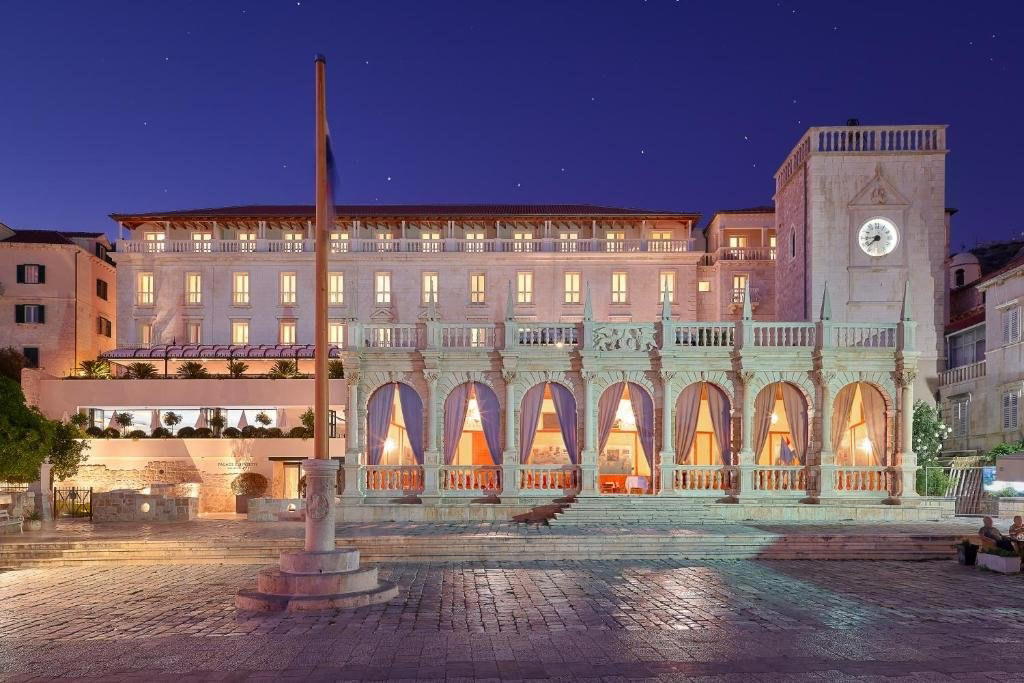

At a Glance
- Scenic
- Historic
- Elegant
- Special Occasion
- Date Night
- Historic Building
- Terrace
- Extensive Wine List
- Local Sourcing
- Sustainable Seafood
- Street Scene
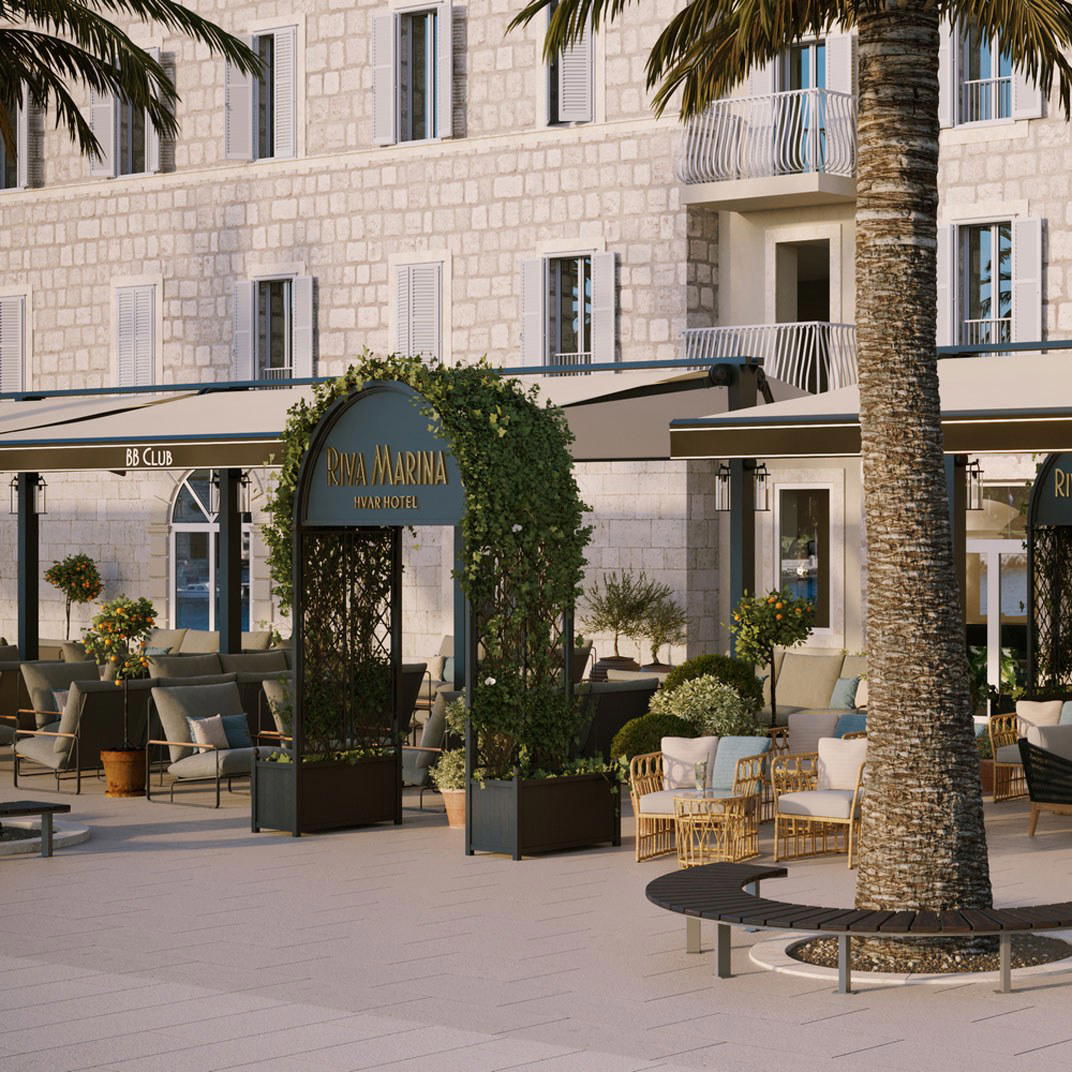
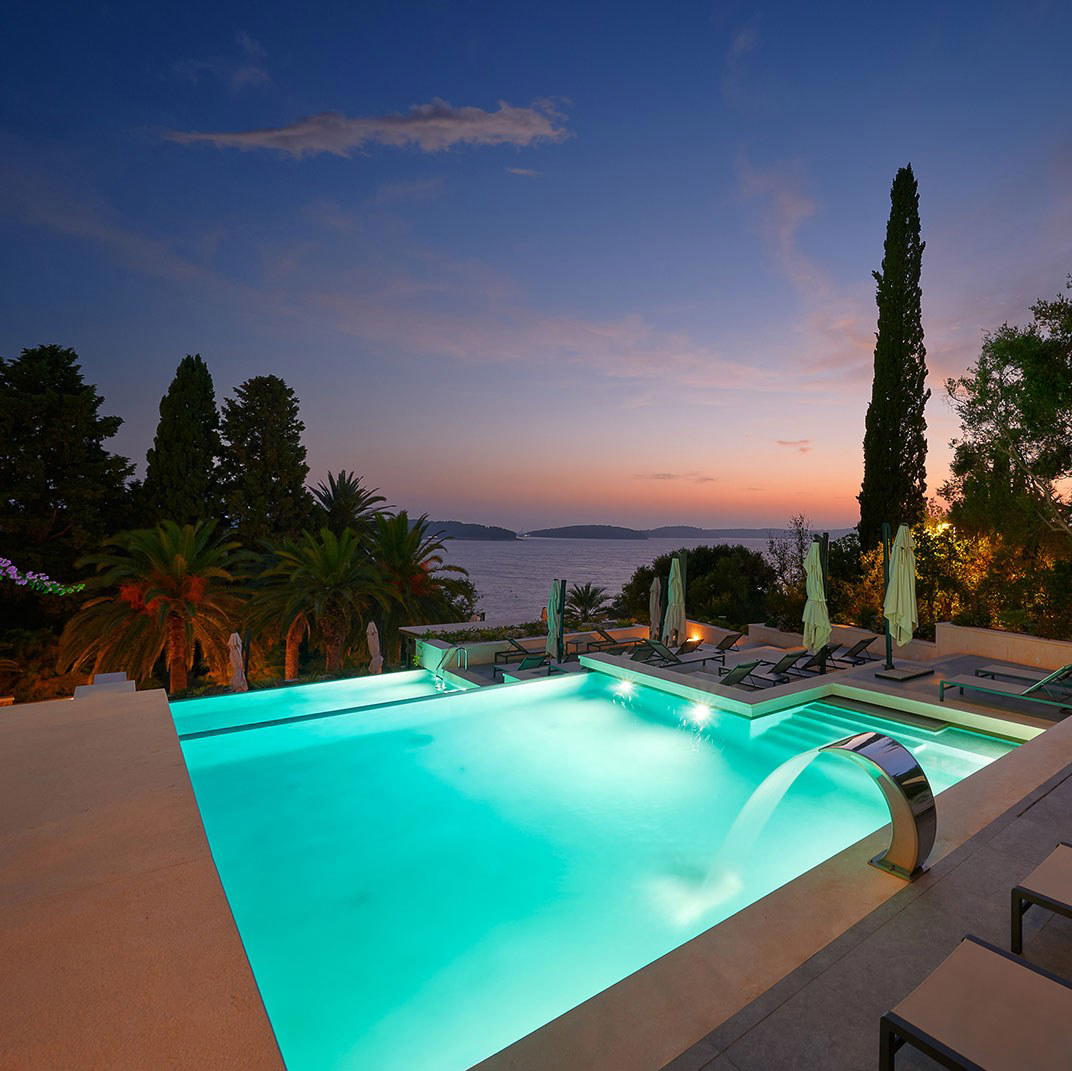
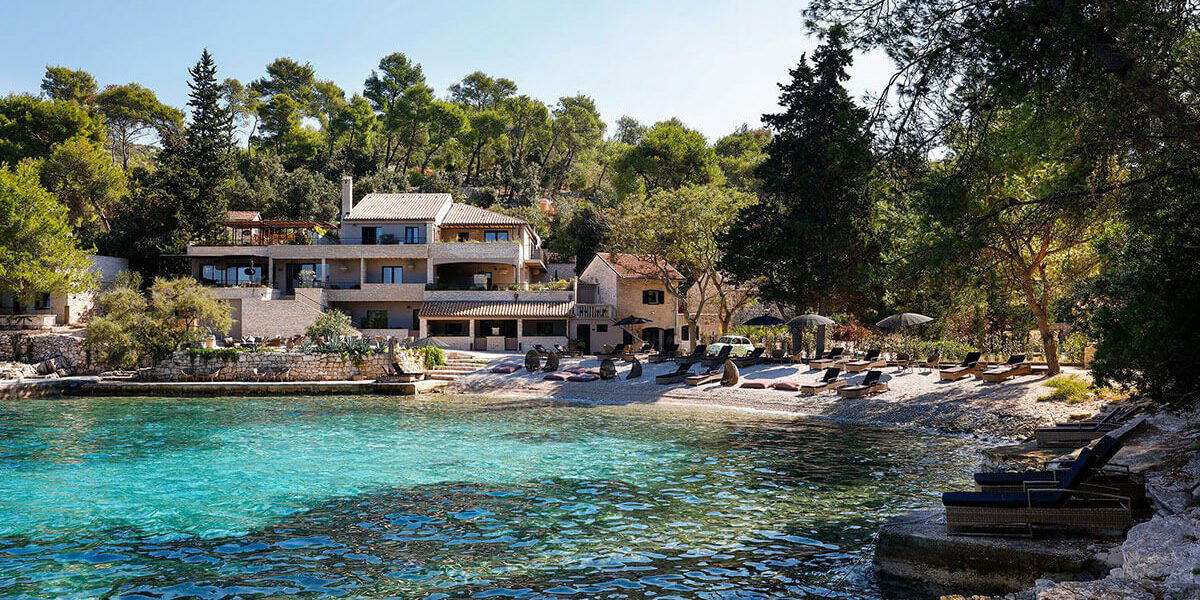
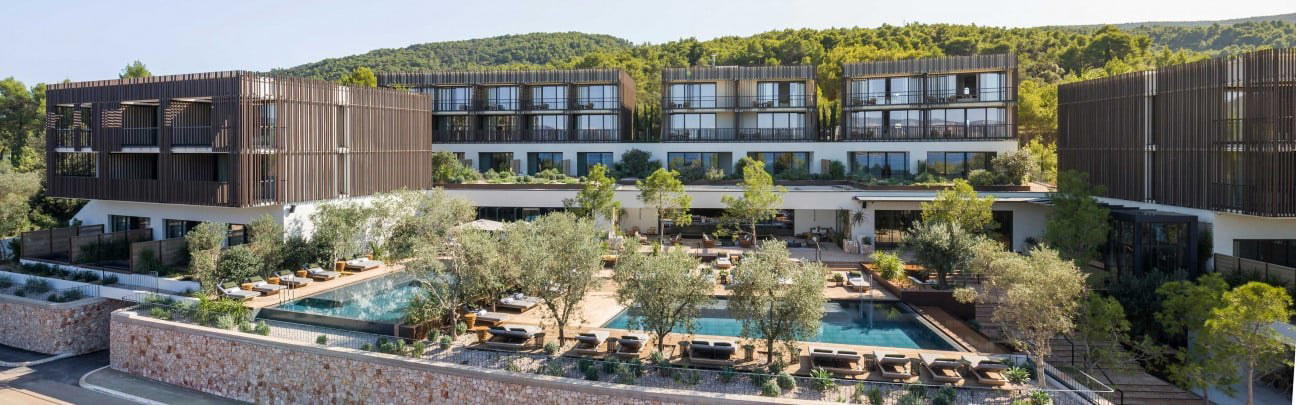
Medieval stone square setting with open sea light, cathedral views, and Venetian architecture, creating a lively yet sophisticated Dalmatian coastal atmosphere.