Our verdict
Stari Mlin sits in Dalj, on the eastern edge of Croatia's Slavonian interior, where the Danube corridor and agricultural plains define what ends up on the plate. The restaurant draws on a regional tradition built around freshwater fish, cured meats, and field-grown produce that coastal Croatia rarely touches. For travellers reaching this far east, it represents a grounded encounter with inland Croatian cooking.

Pearl is the En Primeur Club membership app — saves, bookings, and concierge access live there. Same editors, same standards.
- Address
- Ul. Braće Radić 25, 31226, Dalj, Croatia
- Phone
- +38531625810
- Directions
- Get directions
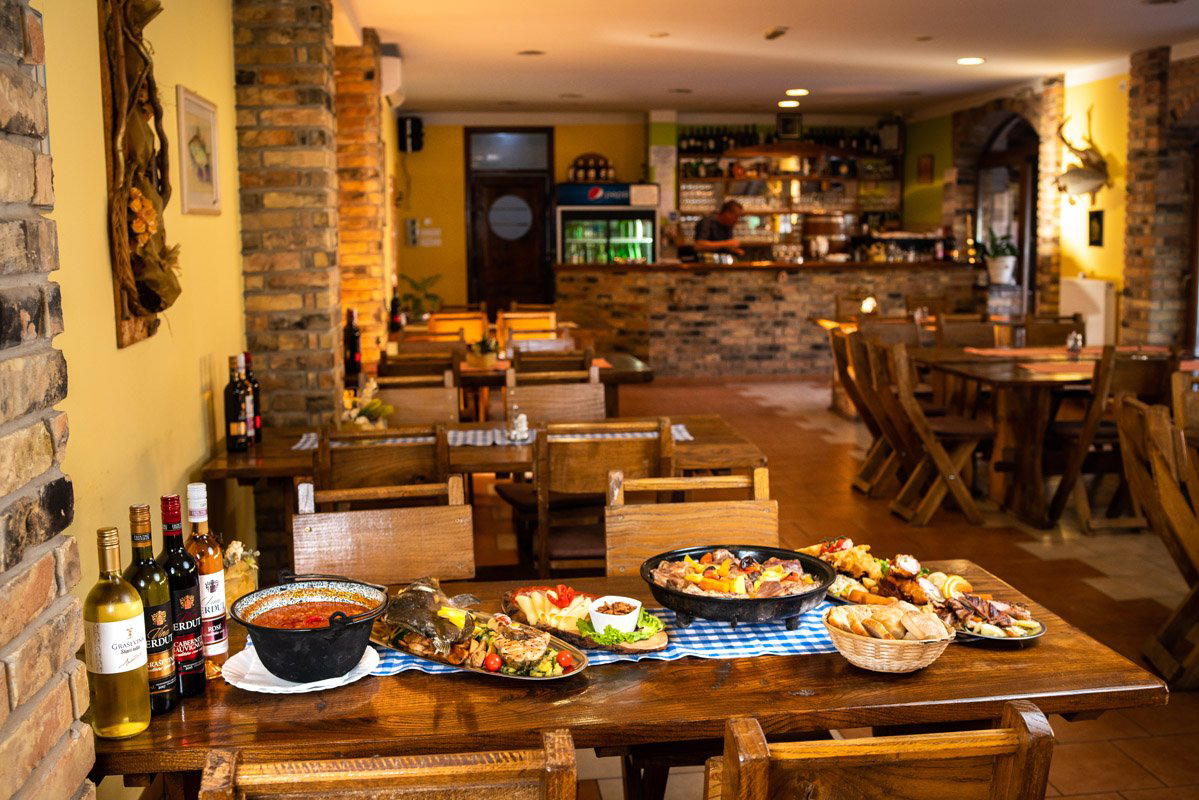
The menu
What to order
- Fish paprikaš
- Fire-roasted carp
- Catfish stew
Where the Danube Pantry Meets the Plate
Eastern Slavonia operates on a different culinary logic than the Adriatic coast. Where the Dalmatian littoral trades in olive oil, sea bream, and peka-roasted meats, the flatlands stretching toward the Hungarian and Serbian borders are shaped by the Danube and Drava river systems, black soil agriculture, and a paprika-inflected Central European inheritance. Arriving in Dalj, the small settlement adjacent to Erdut where Stari Mlin is addressed on Ul. Braće Radić, you are firmly in that inland tradition. The surrounding countryside does not gesture at tourism; it produces. Fields of wheat and sunflower, fish ponds, vineyards along the Erdut ridge, and a rural food culture that has changed slowly over generations define what kitchens in this area work with.
That sourcing context matters. Slavonian cuisine draws from proximity rather than prestige import chains. Freshwater fish from the Danube and its tributaries, particularly carp and catfish, anchor the regional protein repertoire in a way that has no equivalent elsewhere in Croatia. Paprika — grown and dried locally — appears not as decoration but as a structural ingredient in spice blends and cured meat traditions. The kulen, a slow-fermented sausage made from pork and hot paprika, is arguably the most geographically specific food product Slavonia produces, carrying protected designation of origin status and a flavour profile that separates it clearly from any generic dried sausage elsewhere in the country.
Slavonia's Interior and Why It Rarely Appears in Croatian Restaurant Rankings
The concentration of Croatia's recognised fine dining sits along the coast and in Zagreb. Pelegrini in Sibenik, Restaurant 360 in Dubrovnik, Agli Amici Rovinj, and Dubravkin Put in Zagreb represent the tier of Croatian dining that draws international attention and award recognition. Boskinac in Novalja and LD Restaurant in Korčula extend that coastal and island reach further. Eastern Slavonia, by contrast, is absent from most of these conversations. This is partly a function of tourism infrastructure: the region sees a fraction of the visitor traffic that Dubrovnik or Split handles, and the food culture that exists here has developed in relation to local demand, not international appetite.
That separation from the coastal circuit is also what makes this part of Croatia worth attention for a specific kind of traveller. Restaurants in the Slavonian interior are not positioning against the menus at Nebo by Deni Srdoč in Rijeka or Krug in Split. They are operating within a regional food tradition that has its own standards and reference points, and Stari Mlin in Dalj sits within that context. For travellers who have already tracked Alfred Keller in Mali Lošinj or worked through the coastal dining circuit, the interior offers a genuinely different register.
The Ingredient Logic of the Slavonian Table
Inland Croatian cooking rewards attention to provenance in a way that differs structurally from what coastal kitchens do with the same impulse. On the Adriatic, sourcing often means proximity to fishing boats and seasonal catch calendars. In Slavonia, it means relationships with pig farmers, fish pond operators, paprika producers, and grain growers who have worked the same land for multiple generations. Carp prepared in the brodetto style, slow-cooked with onion and paprika into a dense, brick-coloured stew, is a dish that cannot be relocated without losing its logic: the fish comes from local ponds, the paprika from regional cultivation, the recipe from a tradition shared across the Pannonian basin from Zagreb to Budapest.
This is a region where the provenance story runs through the landscape itself rather than through a chef's sourcing manifesto. Restaurants like those found across this part of Slavonia are not performing farm-to-table as a concept; they are working within food systems that predate that framing by centuries. The kulen that appears at tables here, the roasted goose fat served with bread, the oak-smoked meats: these are expressions of agricultural and climatic conditions that are specific to this corridor of Central Europe.
For wider context on Croatia's regionally grounded restaurant culture, our full Erdut restaurants guide covers the local options in detail. Comparable expressions of ingredient-led, regionally anchored cooking appear elsewhere in inland Croatia: Korak in Jastrebarsko and Cantilly Garden Restaurant in Samobor both operate within the continental rather than coastal Croatian tradition, while BioMania Bistro Bol and Bodulo in Pag show how island producers shape a different kind of sourcing discipline.
Getting to Dalj and Timing Your Visit
Dalj and the Erdut municipality sit in Osijek-Baranja County, roughly 15 kilometres from Osijek, which is the regional centre and the nearest city with meaningful transport connections. Osijek is reachable by train from Zagreb in approximately four hours, or by car along the A3 motorway in around two and a half hours. From Osijek, Dalj is a short drive east along the Danube bank road. Visitors travelling from the Hungarian border crossing at Udvar can reach the area in under thirty minutes. This is not a destination that works as a day trip from the coast; it requires committing to the interior, ideally as part of a broader Slavonian itinerary that might include the Erdut wine ridge and the wetland areas around Kopački Rit Nature Park.
Seasonal timing carries weight in this part of Croatia. The Slavonian food calendar peaks in autumn, when pig-slaughtering traditions (the kolinje) produce fresh kulen and smoked meats, and when the Erdut vineyards finish harvest. Summer brings fish pond activity and outdoor dining that connects the region's flat, river-crossed geography to the table in a legible way. Winter can be austere but is also when slow-cooked inland dishes, heavy with paprika and pork fat, read most naturally against the landscape.
Planning Notes
Stari Mlin's address places it on Ul. Braće Radić 25 in Dalj, within the Erdut municipality. Burin in Crikvenica and Cubo in Opatija represent Croatian restaurants with more formalised booking infrastructure for comparison, but the operating logic in rural Slavonia is typically less structured. If your broader dining research extends to international reference points for ingredient-driven cooking, Le Bernardin in New York City and Atomix in New York City represent the kind of sourcing rigour that, in very different contexts, shares at least a philosophical kinship with what regional specificity demands of any kitchen serious about its larder.
Frequently asked questions
Is Stari Mlin child-friendly?
Nothing in the available record rules it out. Stari Mlin sits on Ul. Braće Radić in Dalj, a residential municipality in Erdut, and the setting suggests a community-facing restaurant rather than a formal dining room. Slavonian cooking of this type — hearty, ingredient-led, regionally grounded — tends to suit family meals. Confirm directly before visiting, as contact details are not currently listed publicly.
How would you describe the vibe at Stari Mlin?
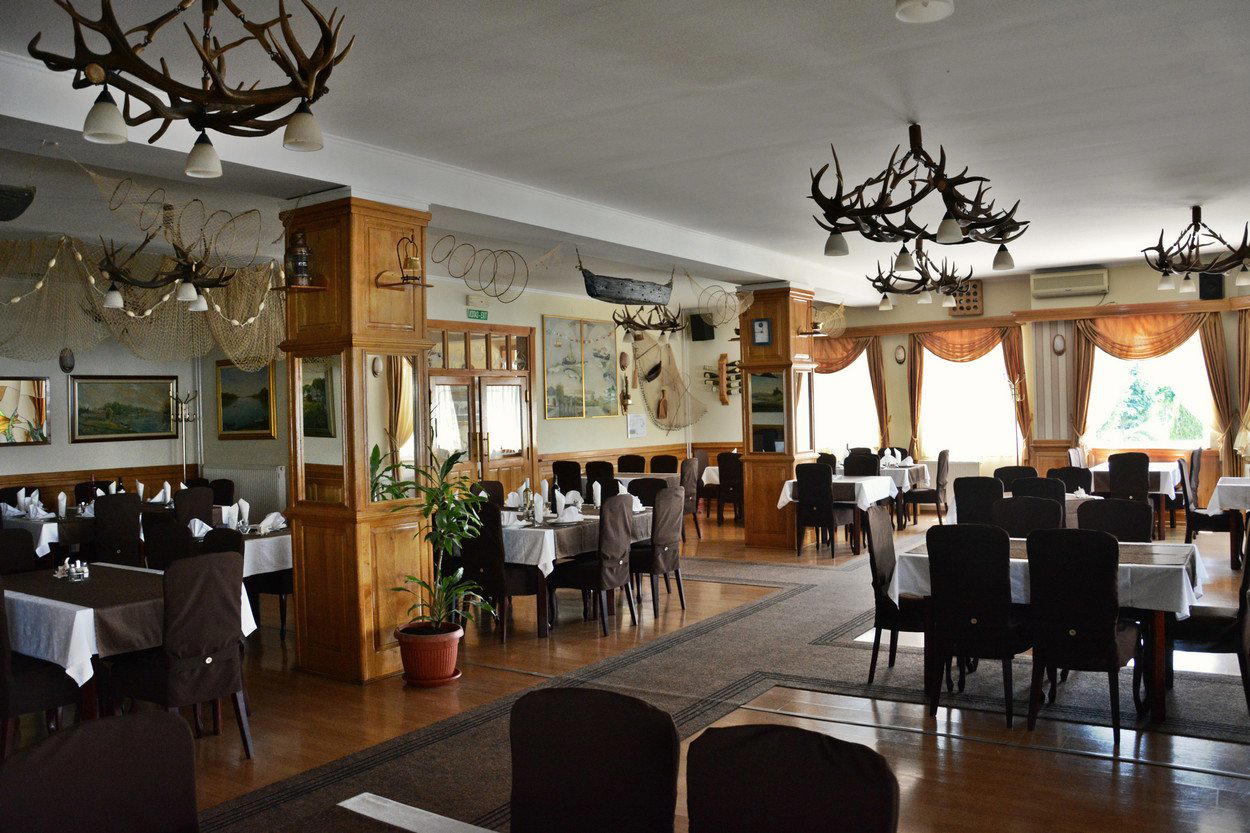
The address in Dalj, within the Erdut municipality roughly 15 kilometres from Osijek, positions this as a local rather than destination restaurant. Expect a straightforward, no-theatre dining room oriented around the food rather than the room itself. Eastern Slavonia's restaurant culture generally runs practical and generous rather than design-forward.
Is Stari Mlin worth a detour from Osijek for visitors to Eastern Slavonia?
Dalj sits roughly 15 kilometres from Osijek, making Stari Mlin a practical extension of any visit to the regional centre rather than a demanding side trip. The Erdut municipality and the Danube corridor it sits within represent one of Croatia's least-covered dining regions in national food media, which concentrates coverage on Zagreb and the coast. For anyone already in Osijek-Baranja County, a meal grounded in Slavonian tradition at Ul. Braće Radić 25 adds regional context that no coastal restaurant can replicate.
What dish is Stari Mlin famous for?
The broader Slavonian kitchen that frames restaurants in Dalj and the Erdut area is defined by freshwater fish from the Danube, kulen sausage, and slow-cooked meat preparations. Those categories give a reasonable sense of what the menu likely draws from.
What's Stari Mlin's location?
Stari Mlin is located at Ul. Braće Radić 25, 31226, Dalj, Croatia, Erdut.
Can I walk in to Stari Mlin?
No booking contact details are publicly listed for Stari Mlin at Ul. Braće Radić 25 in Dalj, which makes confirming a reservation in advance difficult. For a restaurant of this size and location, walk-ins may be feasible on quieter weekday services, but arriving without prior confirmation carries obvious risk. Checking with accommodation or a local contact in Osijek before the trip is the practical approach.
What's Stari Mlin best at?
Based on its location in Dalj within Eastern Slavonia, Stari Mlin operates in a culinary zone defined by Danubian ingredients and inland Croatian technique rather than Adriatic-facing cooking. That regional specificity is its strongest claim: this is not a style of Croatian food widely represented in Zagreb fine dining rankings or along the Dalmatian coast. The Slavonian table rewards those who engage with it on its own terms.
Side-by-Side Snapshot
| Venue | Cuisine | Price | Awards | Notes |
|---|---|---|---|---|
| Stari MlinThis venue — the venue you are viewing | Traditional Slavonian River Fish | $10–20 | Not listed | Not listed |
| Pelegrini | Modern Dalmatian Fine Dining | $100–150 | 1 Michelin Star · La Liste Top Restaurants | Mediterranean, Modern Cuisine |
| Restaurant 360 | Modern Mediterranean with Asian and French Influences | $200–300 | 1 Michelin Star · La Liste Top Restaurants | International, Modern Cuisine |
| Foša | Modern Seafood | $50–100 | Michelin Plate | Croatian, Classic Cuisine |
| Nautika | Traditional Mediterranean Seafood | $100–150 | Michelin Plate · Star Wine List | Modern European, Classic Cuisine |
| Agli Amici Rovinj | Modern Mediterranean Fine Dining | $200–300 | 2 Michelin Stars · La Liste Top Restaurants | Italian Contemporary |
Continue exploring
More in Erdut
Restaurants in Erdut
Browse all →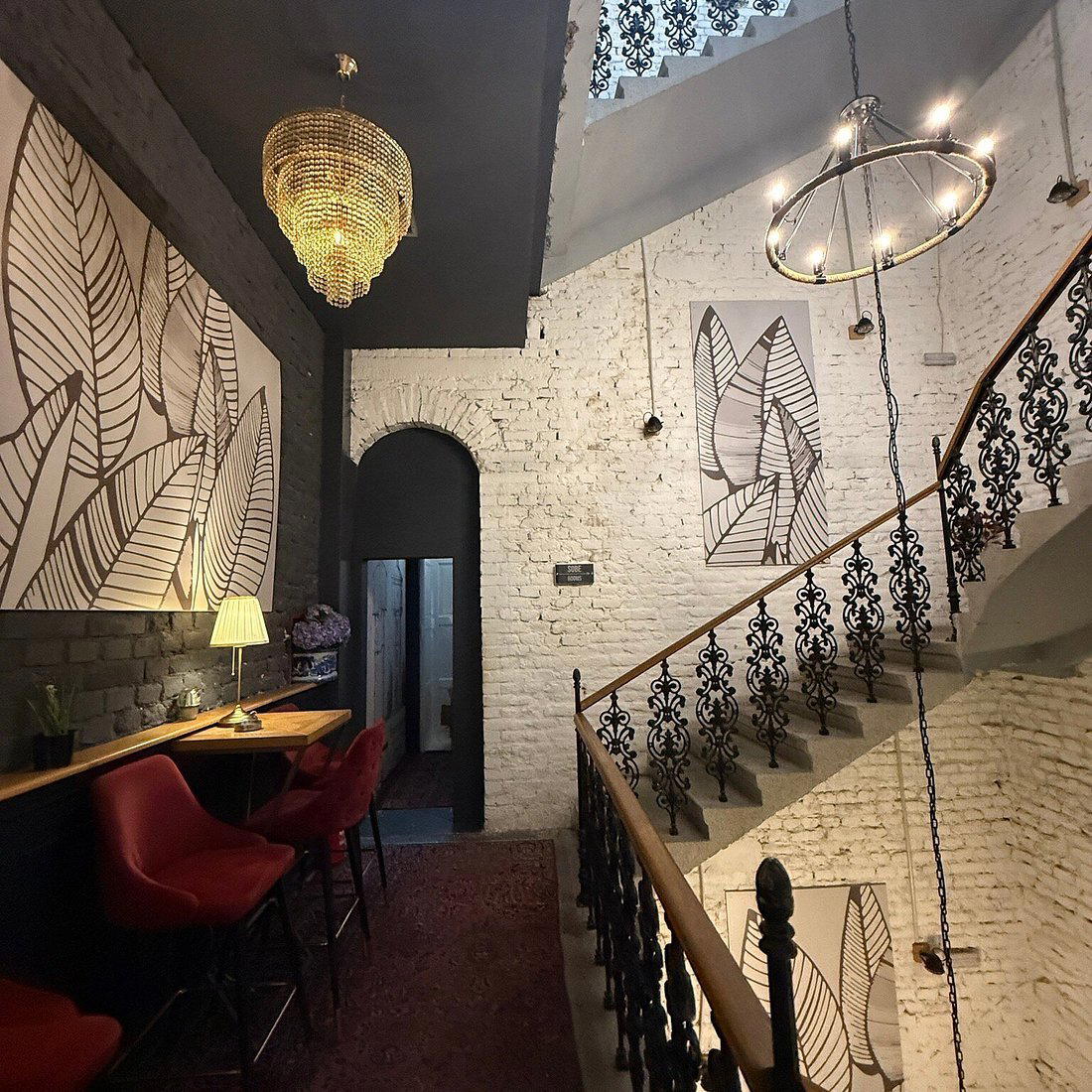

Details
- Rustic
- Scenic
- Lively
- Group Dining
- Celebration
- Casual Hangout
- Waterfront
- Terrace
- Live Music
- Historic Building
- Extensive Wine List
- Local Sourcing
- Waterfront
- A La Carte
- Local Wines
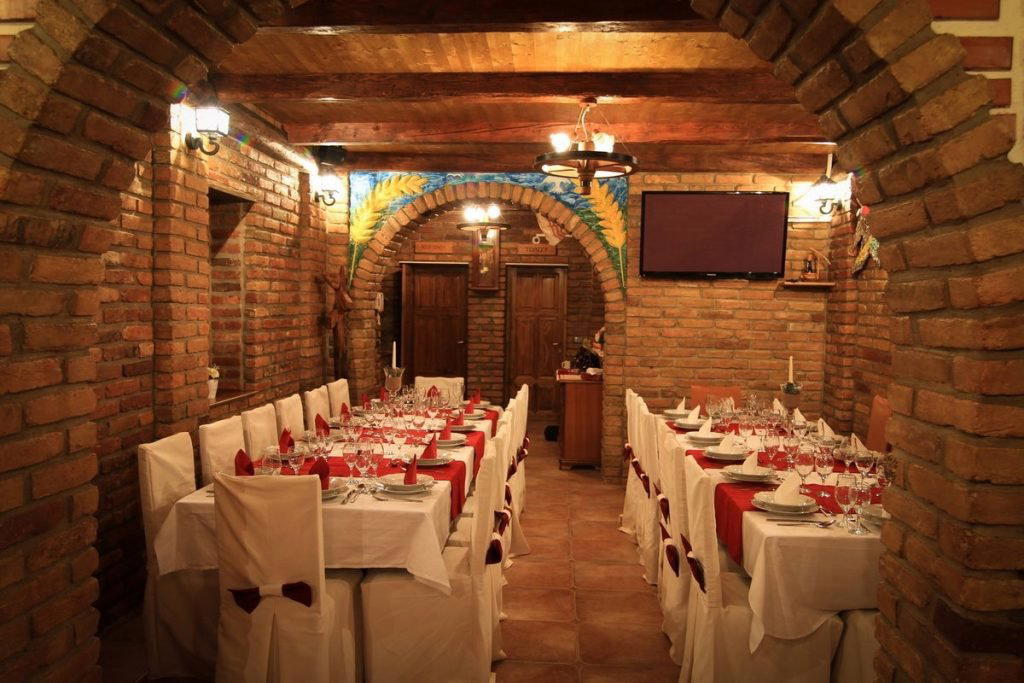
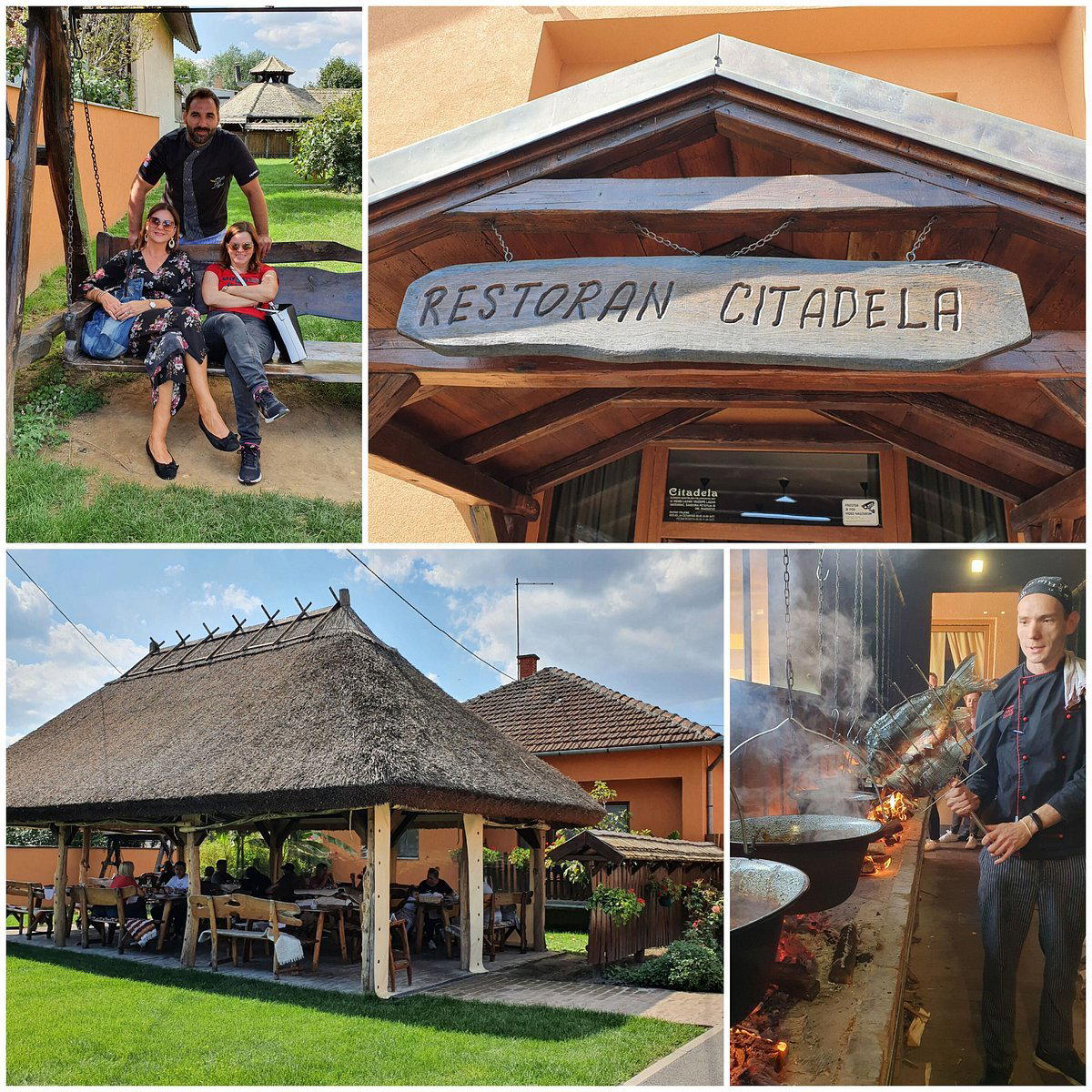
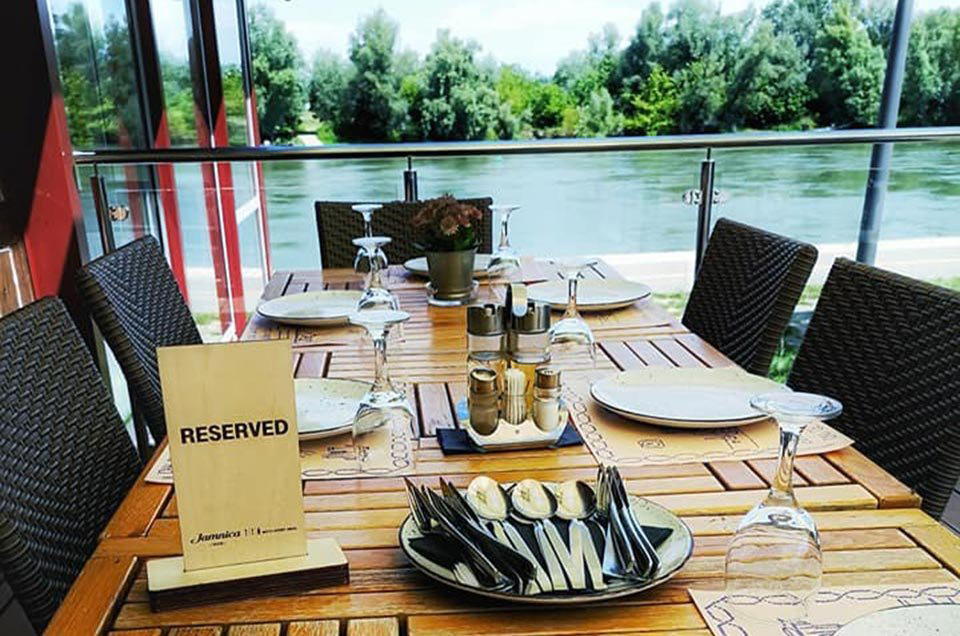
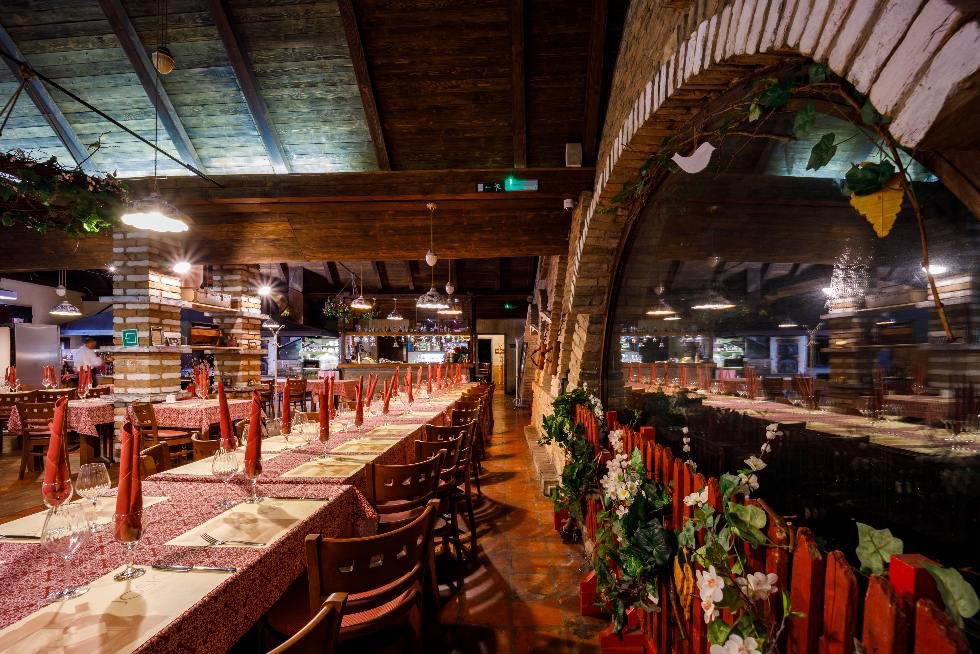
Rustic atmosphere with terrace overlooking the Danube river, featuring live music on weekends and a lively vibe from traditional tamburitza performances.