Bijelo-plavi sits on Ul. Martina Divalta in Osijek, operating within a city where Slavonian cooking traditions, slow-braised meats, freshwater fish from the Drava and Danube, and paprika-forward seasoning, define the local table. Positioning and ingredient sourcing place it in the conversation alongside Osijek's more established dining addresses, making it a reference point for visitors tracing the region's food character.
Pearl is the En Primeur Club membership app — saves, bookings, and concierge access live there. Same editors, same standards.
- Address
- Ul. Martina Divalta 8, 31000, Osijek, Croatia
- Phone
- +38531571000
- Website
- restoranbijeloplavi.shop
- Directions
- Get directions
 Saves & bookings on Pearl
The Slavonian Table, Grounded in Place
Osijek sits at the agricultural heart of Croatia, in a region where the land produces more than it often gets credit for. The Slavonian plain stretches east toward the Drava and Danube rivers, delivering freshwater fish, pike, carp, catfish, that have shaped local cooking for centuries alongside the paprika-cured pork traditions that define the region's charcuterie. Bijelo-plavi, at Ul. Martina Divalta 8, sits squarely in that context.
In cities like Osijek, meaningful distinction between dining addresses is rarely price tier. It is sourcing orientation. Does the kitchen reach toward imported proteins and continental technique, or does it root itself in Slavonian produce, the smoked meats of the Baranja region to the north, the river fish of the lowland waterways, the sheep's and cow's milk cheeses from nearby farms? The latter approach carries more editorial weight in a city with a genuine regional pantry, and it is the lens through which Bijelo-plavi merits attention.
What the Slavonian Pantry Delivers
Croatian dining has split broadly into two tracks over the past decade. The Adriatic coast, from Dubrovnik to Rovinj to Korčula, draws more international attention, while inland Croatia operates more quietly, with venues like Korak in Jastrebarsko, Dubravkin Put in Zagreb, and Alfred Keller in Mali Lošinj serving as reference points for a different tradition.
Slavonia sits further east still, and its culinary character is distinct from Zagreb's urbane continental style. The cooking here is built on slow heat and preserved flavour: kulen, the smoked spiced sausage that Baranja and eastern Slavonia produce with regional pride; fiš paprikaš, the freshwater fish stew thickened with onion and paprika that functions almost as a regional emblem; roasted meats that take time rather than technique. These are not refined dishes in the French sense. They are dishes that reflect a landscape, flat, fertile, river-crossed, and a way of cooking shaped by seasonal surplus and long winters.
Restaurants that engage seriously with this pantry occupy a different tier from those simply running generic Croatian menus for passing trade. In Osijek, the gap between the two is visible across the dining scene. Franz Koch, Karaka, Kod Javora, and Lipov hlad each represent different approaches to feeding the city, from heritage regional to more contemporary formats. LULU FUSION BISTRO marks the other end of the spectrum, where influence comes from outside Slavonia rather than from within it. Bijelo-plavi sits in a city where these distinctions matter, and sourcing signals determine credibility.
Osijek's Dining Character, Mapped
Osijek is Croatia's fourth-largest city, with a population and infrastructure sufficient to support genuine dining diversity, but without the tourist throughput that keeps Dubrovnik or Split's restaurant economy inflated year-round. That dynamic works differently for kitchen sourcing: the clientele is largely local and regional, and local diners know what Slavonian produce should taste like. A kitchen that corners on freshwater fish or kulen quality is immediately legible to that audience in a way that visiting diners might take longer to register.
The city's position near the Baranja region and along the Drava corridor also means access to produce that coastal Croatian kitchens pay a premium to import. When the ingredient chain runs short, when the fish comes from nearby waters rather than a mainland wholesaler, when the cured meat carries a recognisable producer name from the region, the kitchen has a structural advantage that no amount of technique can replicate from the outside. This is why the sourcing angle is not a soft editorial point in Osijek. It is the primary differentiator between kitchens that belong here and kitchens that could operate anywhere.
The restaurant operates on a regional register, which is precisely its value.
Planning a Visit
The restaurant is located at Ul. Martina Divalta 8 in Osijek, a city most readily accessed by rail or road from Zagreb, with the journey by intercity train running approximately three hours. Osijek's main dining and cultural activity concentrates around the old town (Tvrđa) and the central city streets extending south and west; Martina Divalta sits within the city's accessible urban core. The restaurant is recommended for reservations, and smart casual dress is appropriate.
Comparable Venues
Comparable venues nearby, for context on price, style, and recognition.
| Venue | Cuisine | Price | Notes |
|---|---|---|---|
| Bijelo-plaviThis venue — the venue you are viewing | Traditional Croatian Barbecue | $$ | Not listed |
| Čarda kod Baranjca | Traditional Croatian Fish & Meat | $$ | Osijek |
| Lumiere | Modern European & Croatian | $$ | City Center |
| Ventidue | Authentic Neapolitan Pizza | $$ | Osijek center |
| Merlon | Modern European Pub with Burgers | $$ | Tvrđa |
| LULU FUSION BISTRO | Asian Fusion Bistro | $$ | city center |

At a Glance
- Cozy
- Classic
- Family
- Business Dinner
- Casual Hangout
- Terrace
- Extensive Wine List
- Waterfront
Current opening hours
- Monday
- 8 AM–12 AM
- Tuesday
- 8 AM–12 AM
- Wednesday
- 8 AM–12 AM
- Thursday
- 8 AM–12 AM
- Friday
- 8 AM–12 AM
- Saturday
- 8 AM–12 AM
- Sunday
- 8 AM–12 AM
Hours can change for holidays and private events. Last verified .
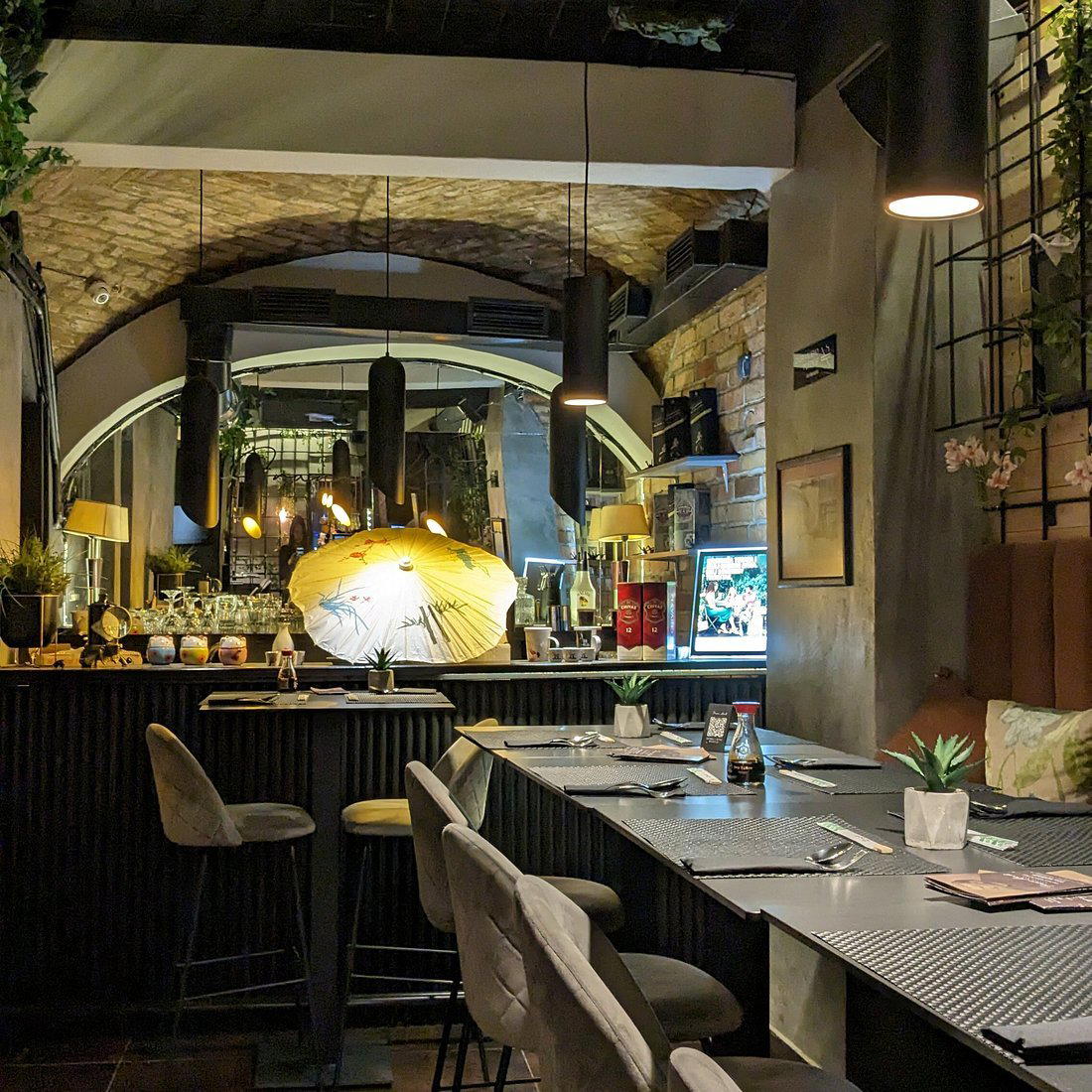
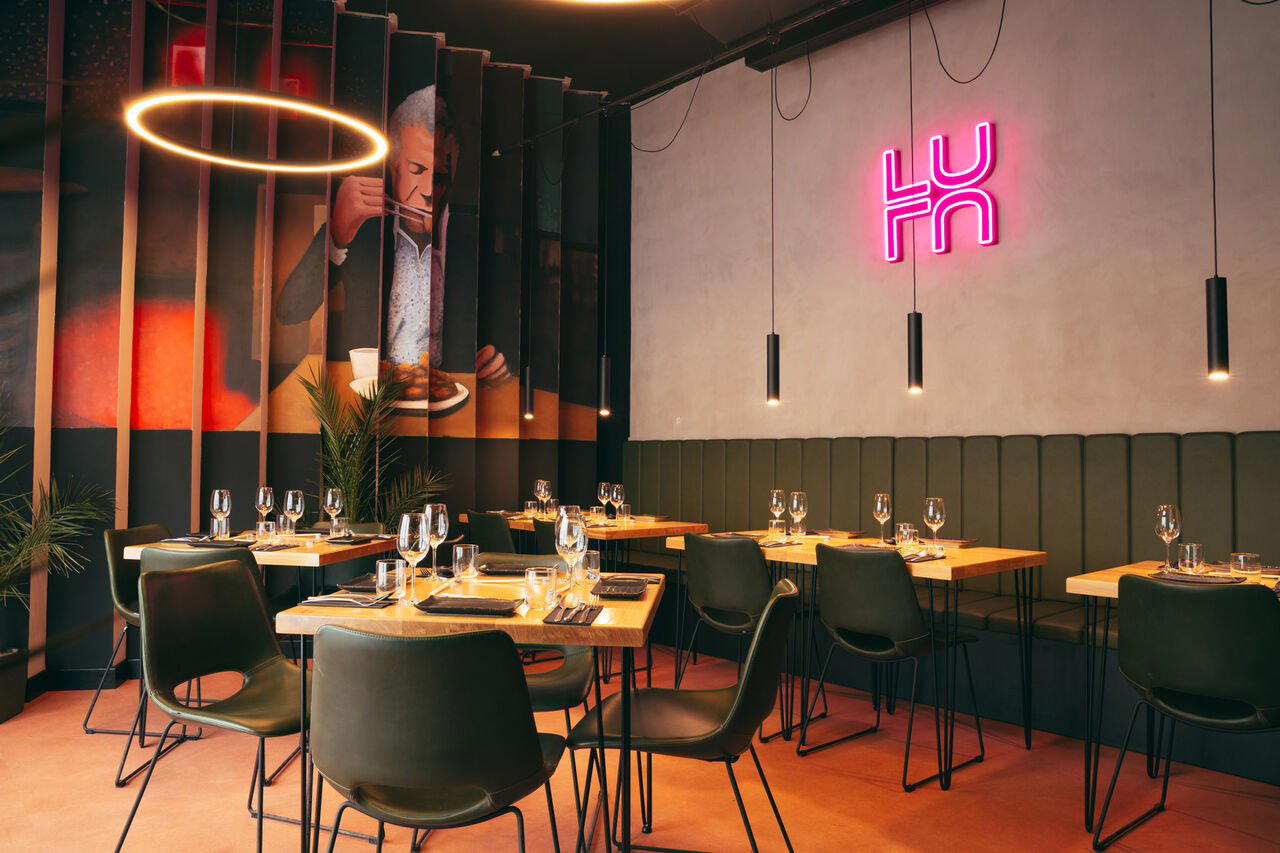
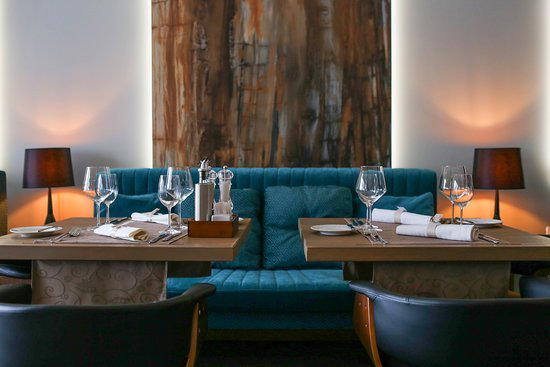
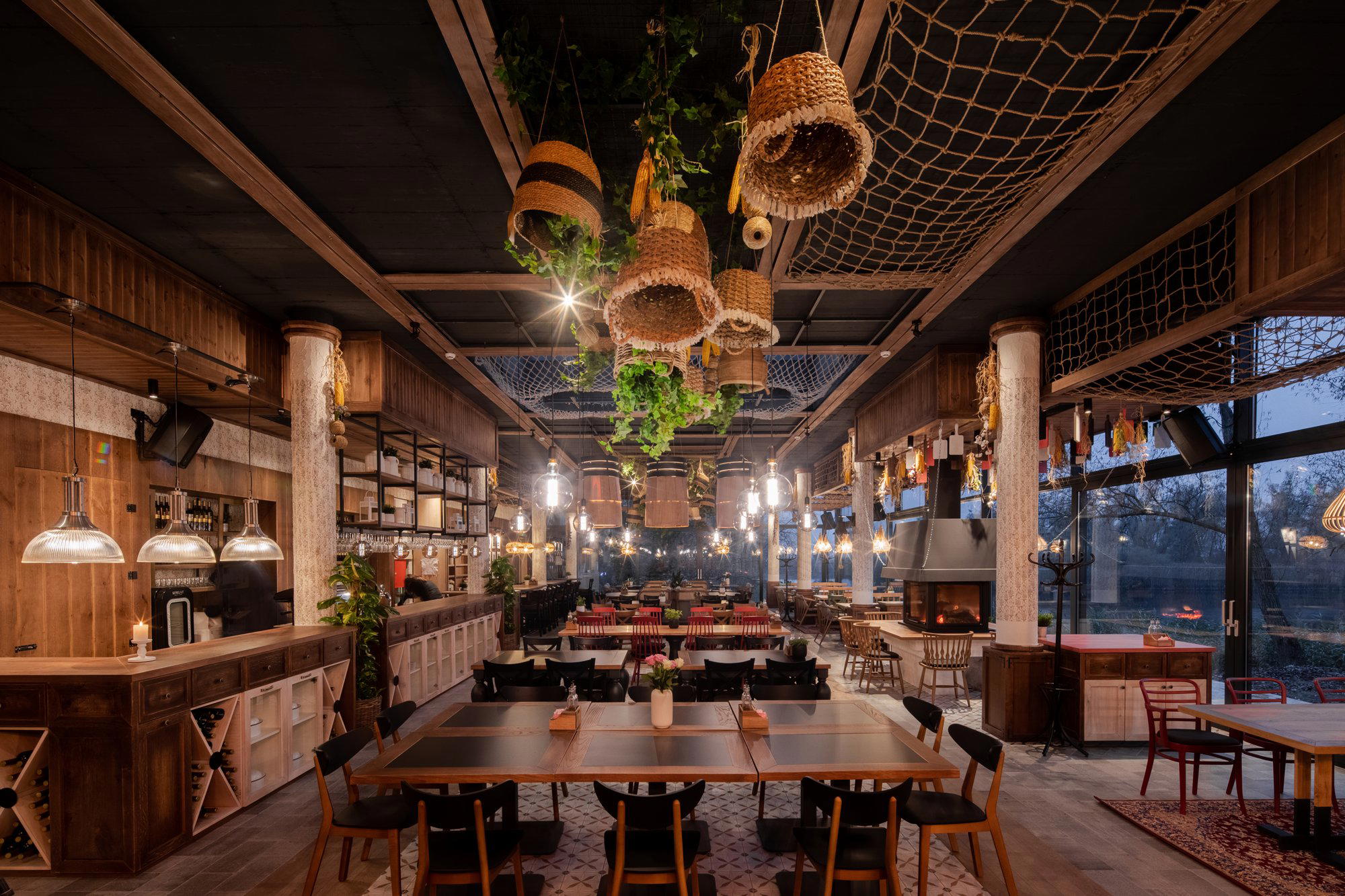
Nice and cozy atmosphere with classic silver and linen setup.