Our verdict
Restoran Stari Toranj sits in Vukovar, a city whose agricultural hinterland and Danube riverbank position it as one of Slavonia's most underexamined dining addresses. The restaurant draws from a regional pantry shaped by centuries of Central European and Balkan crosscurrents. For travellers moving through eastern Croatia, it represents one of the few table-service options in a city still rebuilding its culinary identity.

Pearl is the En Primeur Club membership app — saves, bookings, and concierge access live there. Same editors, same standards.
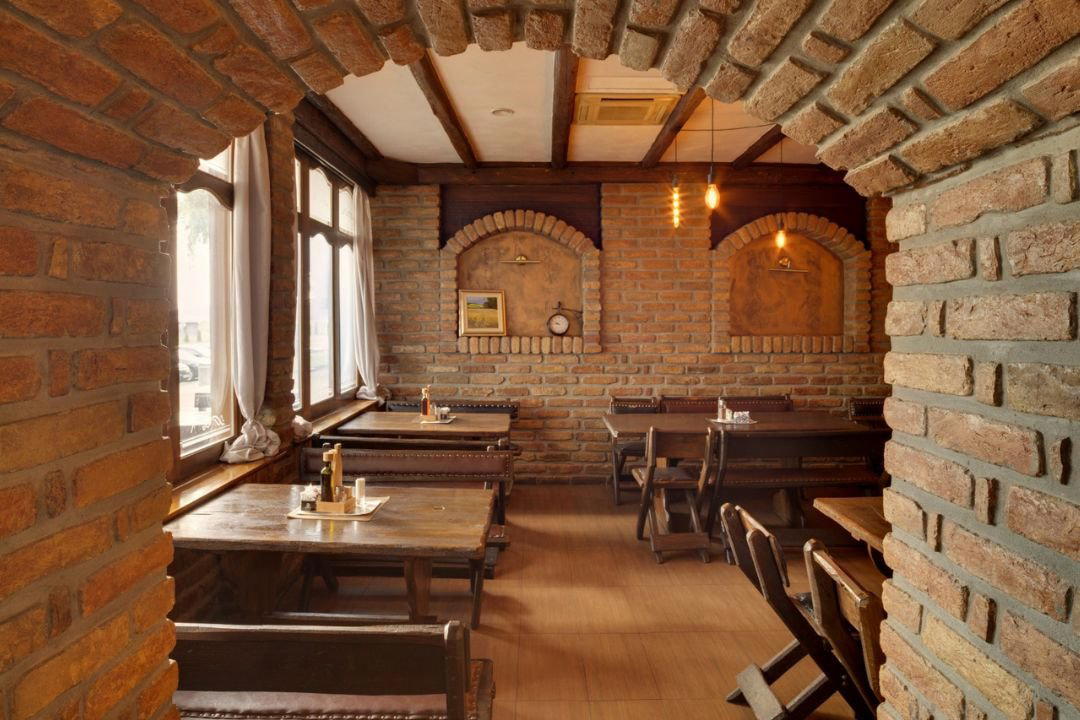
Vukovar at the Table: What Slavonian Dining Looks Like in 2025
Vukovar occupies a singular position in Croatian geography and history. Positioned on the Danube where Croatia meets Serbia, the city sits at the centre of Slavonia's agricultural belt, one of the most productive farming regions in southeastern Europe. Black soil, river fish, paprika fields, and pig-rearing traditions define the pantry here in ways that have no coastal equivalent. The restaurants operating in this context are not cooking with Adriatic seafood or Dalmatian olive oil. They are working with a fundamentally different set of ingredients, and Restoran Stari Toranj is among the addresses that engages with that regional specificity.
This matters because Croatian restaurant culture, as covered in most international food media, defaults to the coast. Venues like Restaurant 360 in Dubrovnik, Pelegrini in Sibenik, and Agli Amici Rovinj in Rovinj set the benchmark for premium Croatian dining in most editorial conversations. Vukovar barely registers in those conversations, which means the restaurants working here operate with almost no external reference points and very different sourcing conditions. The Slavonian table is structured around cured meats, freshwater fish from the Drava and Danube, slow-braised dishes built on lard and paprika, and seasonal vegetables from local smallholders. That tradition is older, arguably more architecturally complete, and less photographed than anything along the Dalmatian coast.
What Approaches the Plate Here
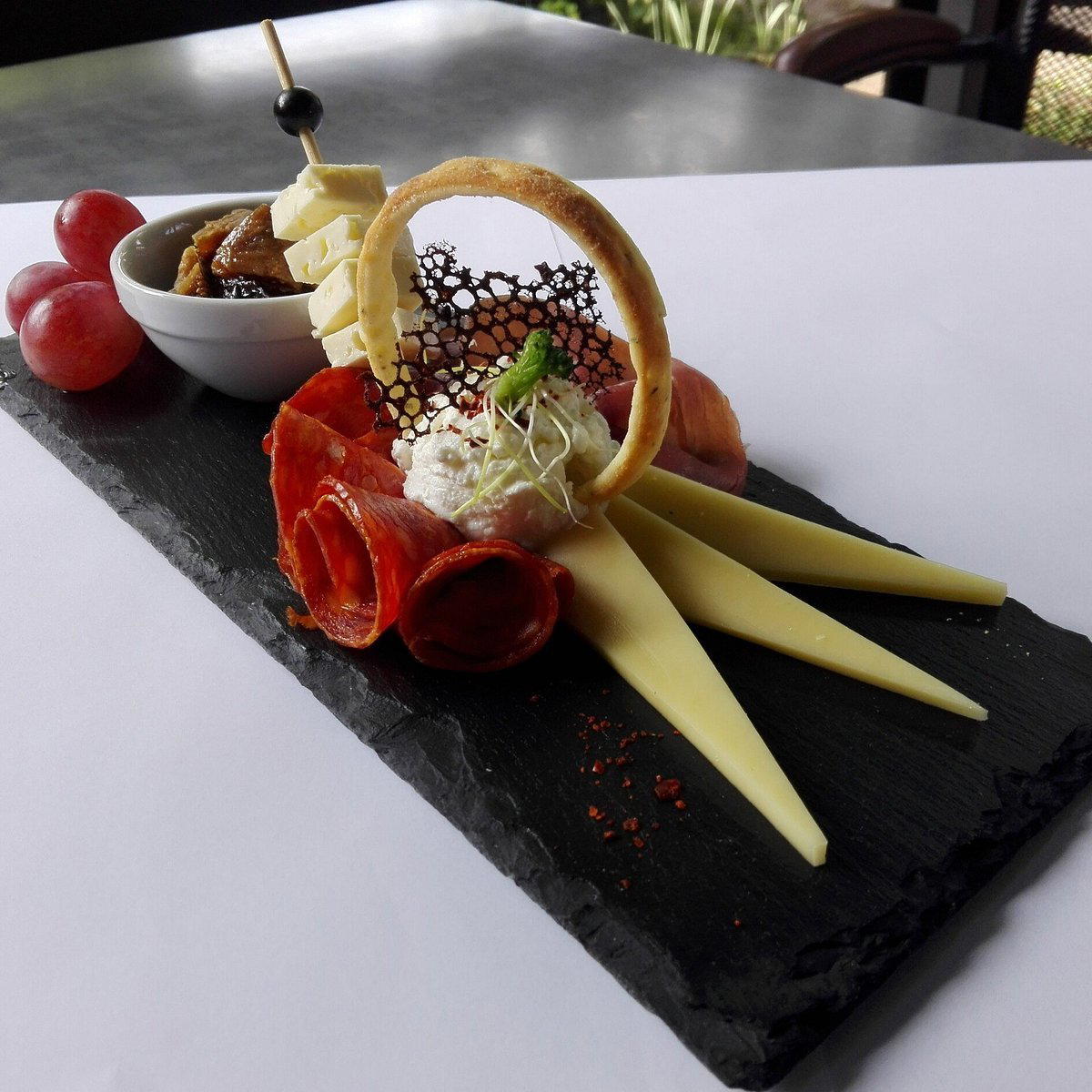
The editorial angle around sourcing is not incidental when writing about Slavonian restaurants. It is the entire story. In coastal Croatia, sourcing debates centre on whether the fish was caught locally or imported, and whether the olive oil is Croatian-press or Italian. In Slavonia, the sourcing conversation runs deeper into land use, agricultural continuity, and the preservation of pre-industrial food traditions that survived both Yugoslav collectivisation and the destruction of the 1991 siege. Kulen, the air-dried paprika sausage that functions as Slavonia's most identifiable cured product, is a protected designation of origin product. Šaran (carp), catfish, and pike from the Danube represent a freshwater fish tradition that predates any organised restaurant industry in the region. Vegetables here are overwhelmingly sourced from small family plots rather than centralised distributors, in part because Slavonia's rural economy still runs on that model.
Restoran Stari Toranj's address on Trg Republike Hrvatske places it in the civic centre of Vukovar, close to the water tower that became the symbol of the city's wartime resilience. That proximity is not merely a postcode detail. The surrounding area concentrates the memory institutions, municipal buildings, and cultural spaces that give Vukovar its current character as a city engaged in long reconstruction. Dining here carries a social weight that coastal tourism towns do not produce. The table is both ordinary and, given the context, quietly political.
Positioning Within the Croatian Restaurant Scene
Slavonian restaurants as a category occupy a different tier of the Croatian dining conversation than their coastal counterparts. The premium end of the national scene runs through addresses such as Dubravkin Put in Zagreb, Boskinac in Novalja, and Nebo by Deni Srdoč in Rijeka. These venues price into the €€€ to €€€€ bracket and compete for the kind of recognition that filters through to Michelin consideration and the 50 Best extended list. Slavonian restaurants are almost entirely absent from that conversation, not because the food is lesser, but because the critical infrastructure, tourism volume, and international visibility that drives awards attention simply does not exist in Vukovar the way it does in Dubrovnik or Split.
That positioning has practical consequences for the traveller. Expectations should be calibrated to what the regional restaurant tradition produces rather than to the benchmark set by a venue like Krug in Split or LD Restaurant in Korčula. Slavonian cooking rewards patience and curiosity rather than spectacle. A bowl of fiš paprikaš, the region's freshwater fish stew cooked with generous quantities of hot and sweet paprika, will not look like anything from a modernist tasting menu, but it represents a cooking tradition with more direct agricultural roots than most contemporary fine dining attempts to simulate.
For context across the broader Croatian scene, our full Vukovar restaurants guide maps the city's dining options against regional alternatives. Closer to Vukovar's own register, Domestic House Lola offers another point of reference within the city itself. Across the wider inland and island circuit, addresses like Korak in Jastrebarsko, Cantilly Garden Restaurant in Samobor, and Bodulo in Pag illustrate how Croatian regional restaurants engage with local sourcing in ways that differ substantially by geography. On the island and coastal end, BioMania Bistro Bol in Bol and Burin in Crikvenica show how seaside operators handle local-product mandates with different raw material sets. Even further afield, Alfred Keller in Mali Lošinj demonstrates how a small-town Croatian restaurant can achieve recognisable quality markers without relying on urban infrastructure. The contrast with Vukovar's situation is instructive.
Planning a Visit
Vukovar is approximately 280 kilometres east of Zagreb by road, making it a full-day trip from the capital rather than a casual detour. Travellers arriving from the direction of Osijek, the regional hub roughly 35 kilometres to the northwest, will find the journey considerably shorter. Public transport connections exist but are slow; renting a car is the practical option for anyone planning to explore the wider Slavonian region. For Vukovar dining specifically, the tourism infrastructure is thin compared to coastal cities, which means that walking in without a reservation is a reasonable approach at lower-traffic periods, though calling ahead when possible is sensible. The city centre is compact and the restaurant's civic-square location is walkable from the main memorial and museum sites that most visitors will already have on their itinerary.
Frequently asked questions
Is Restoran Stari Toranj suitable for children?
Vukovar's restaurant culture is generally unpretentious and family-oriented, and Slavonian dining traditions lean toward shared, generous portions that work well for groups of mixed ages. Stari Toranj sits on Trg Republike Hrvatske, Vukovar's central square, which puts it in a civic, accessible setting rather than an exclusive enclave. Nothing in the venue's profile suggests a formal-only policy, though confirming directly before arrival is advisable.
Is Restoran Stari Toranj formal or casual?
The name references the Old Tower, a landmark tied to Vukovar's public square, which points toward a setting rooted in local civic life rather than fine-dining formality. Slavonian restaurant culture in this part of Croatia runs toward hearty, grounded hospitality rather than white-tablecloth ceremony. Treat it as a serious regional table where the food does the work, not the dress code.
What makes dining in Vukovar different from restaurants in Zagreb or coastal Croatia?
Vukovar operates on a culinary logic that has almost nothing in common with the Dalmatian coast or Zagreb's contemporary scene. Located where Croatia meets Serbia on the Danube, the city's restaurants draw from a Pannonian-Slavonian tradition built around river fish, smoked meats, and paprika-forward cooking that predates the tourist economy entirely. Stari Toranj, positioned on Trg Republike Hrvatske in the city centre, places visitors inside that tradition rather than offering a softened version of it for outside consumption.
What do people recommend at Restoran Stari Toranj?
Any kitchen operating in this region and trading on its Slavonian identity will likely anchor its menu in those traditions. Confirm current offerings directly with the restaurant.
Where is Restoran Stari Toranj located?
Restoran Stari Toranj is located at Trg Republike Hrvatske bb, 32000, Vukovar, Croatia, Vukovar.
Should I book Restoran Stari Toranj in advance?
Vukovar draws a mix of domestic tourists, regional travellers from eastern Croatia and Serbia, and an increasing number of visitors interested in the city's postwar heritage narrative. Restaurants on the central square see concentrated demand, particularly on weekends and during summer. Booking ahead, especially for groups, is the practical approach rather than arriving without a reservation.
What's the defining dish or idea at Restoran Stari Toranj?
The defining idea at a Slavonian restaurant in Vukovar is provenance as cuisine. This region sits where the Danube forms the Croatian-Serbian border, and its food culture reflects that geography: freshwater fish, slow-cooked meats, and recipes shaped by centuries of Central European and Ottoman influence rather than Adriatic coastal tradition. At Stari Toranj, the address on the city's main square places it squarely within the civic, locally-rooted current of that tradition.
Comparison Snapshot
Comparable venues nearby, for context on price, style, and recognition.
| Venue | Cuisine | Price | Notes |
|---|---|---|---|
| Restoran Stari ToranjThis venue — the venue you are viewing | Traditional Croatian | $10–20 | Not listed |
| Domestic House Lola | Modern Croatian European | Not listed | Baroque Center |
| Didin Konak | Traditional Baranja Croatian | Not listed | Bilje |
| Baranjska kuća | Traditional Baranja Ethno Cuisine | $20–30 | Karanac |
| Kod Javora | Traditional Croatian & European | $20–30 | Donji Grad |
| Merlon | Modern European Pub with Burgers | $10–20 | Tvrđa |
Continue exploring
More in Vukovar
Restaurants in Vukovar
All restaurants in Vukovar →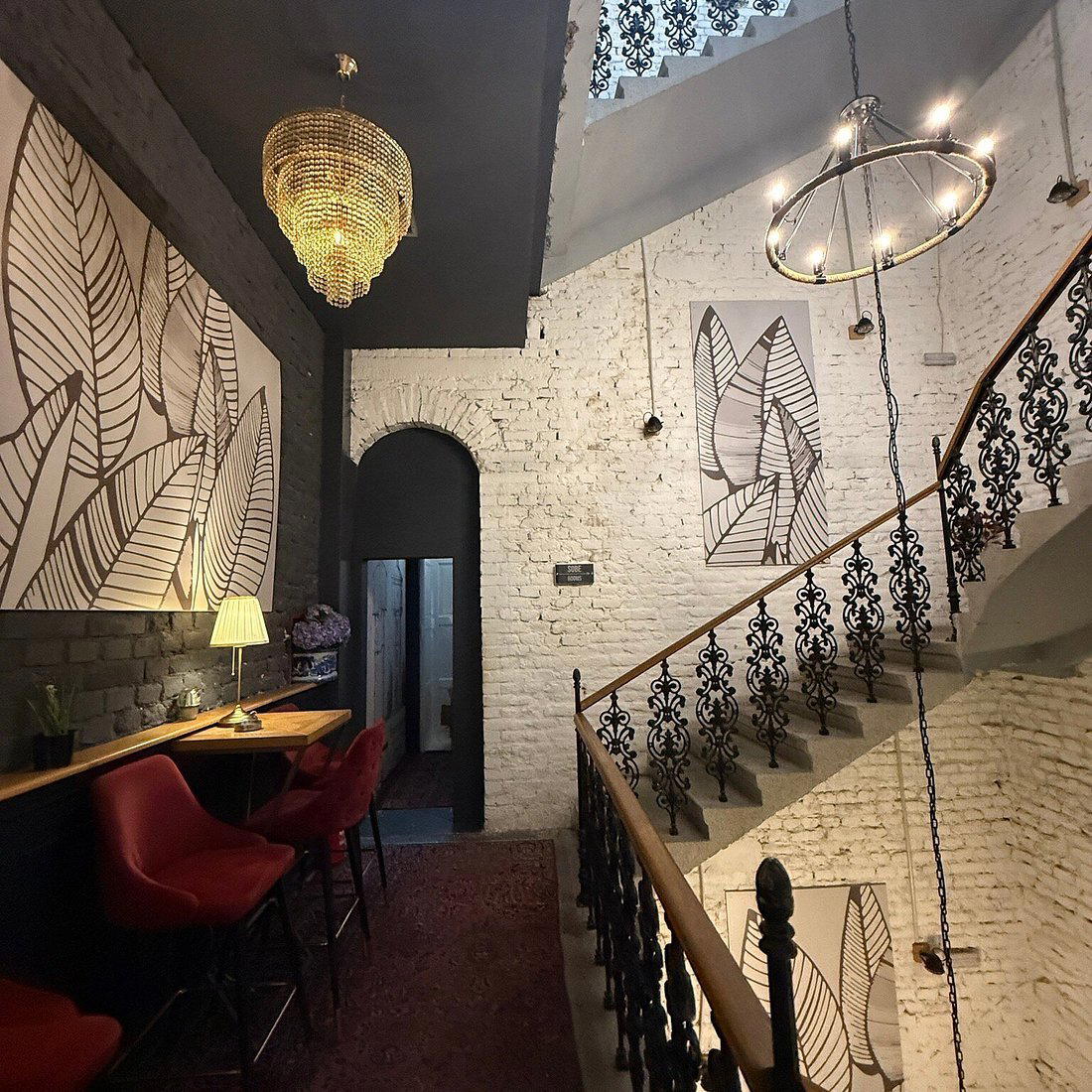

Details
- Classic
- Rustic
- Family
- Group Dining
- Casual Hangout
- Terrace
- Historic Building
- A La Carte
- Vegetarian Friendly
- Vegan Options
Current opening hours
- Monday
- 9 AM–11 PM
- Tuesday
- 9 AM–11 PM
- Wednesday
- 9 AM–11 PM
- Thursday
- 9 AM–11 PM
- Friday
- 9 AM–11 PM
- Saturday
- 9 AM–11 PM
- Sunday
- 10 AM–10 PM
Hours can change for holidays and private events. Last verified .
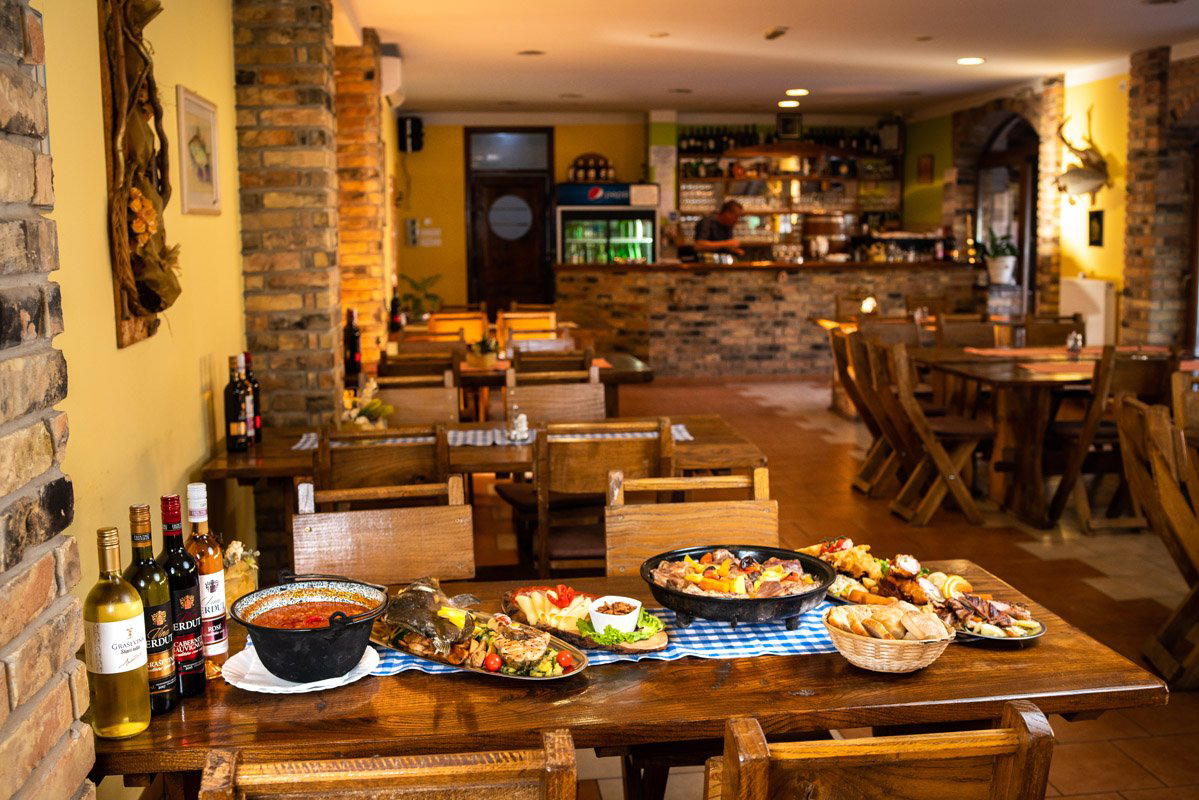
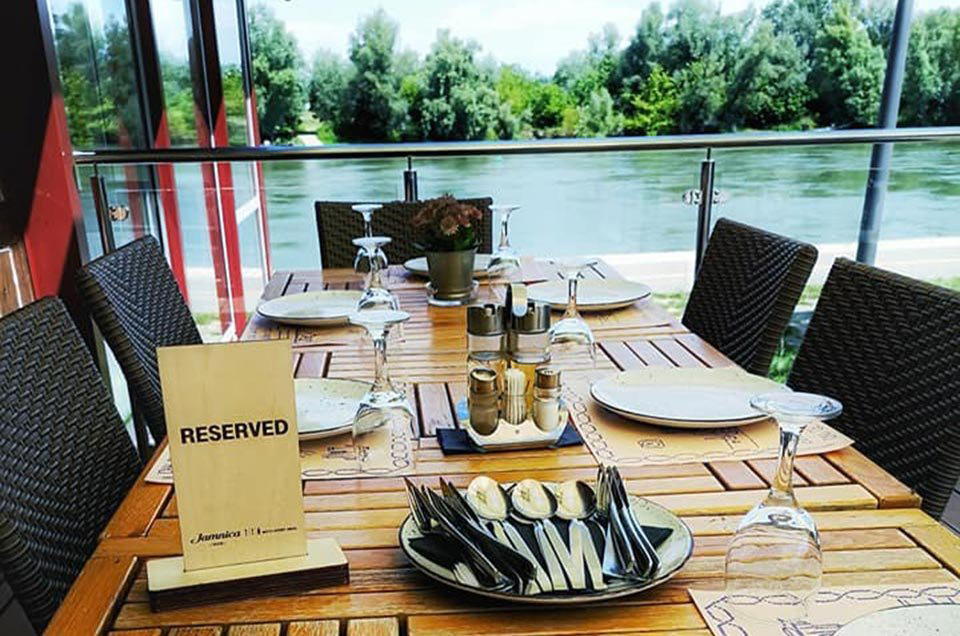
Old school interiors with pleasant terrace seating near the river, offering a welcoming and comfortable atmosphere.