On a quiet Osijek street named for composer Franjo Kuhač, Franz Koch occupies a corner of the city where Slavonian hospitality meets considered cooking. The address places it within reach of Osijek's compact centre, drawing locals and visitors who come for a meal conducted at its own deliberate pace. It sits in a city whose dining scene is smaller than Zagreb's but increasingly worth the detour.
Pearl is the En Primeur Club membership app — saves, bookings, and concierge access live there. Same editors, same standards.
- Address
- Ul. Franje Kuhača 10, 31000, Osijek, Croatia
- Phone
- +38598553444
- Website
- kreativac.biz
- Directions
- Get directions
 Saves & bookings on Pearl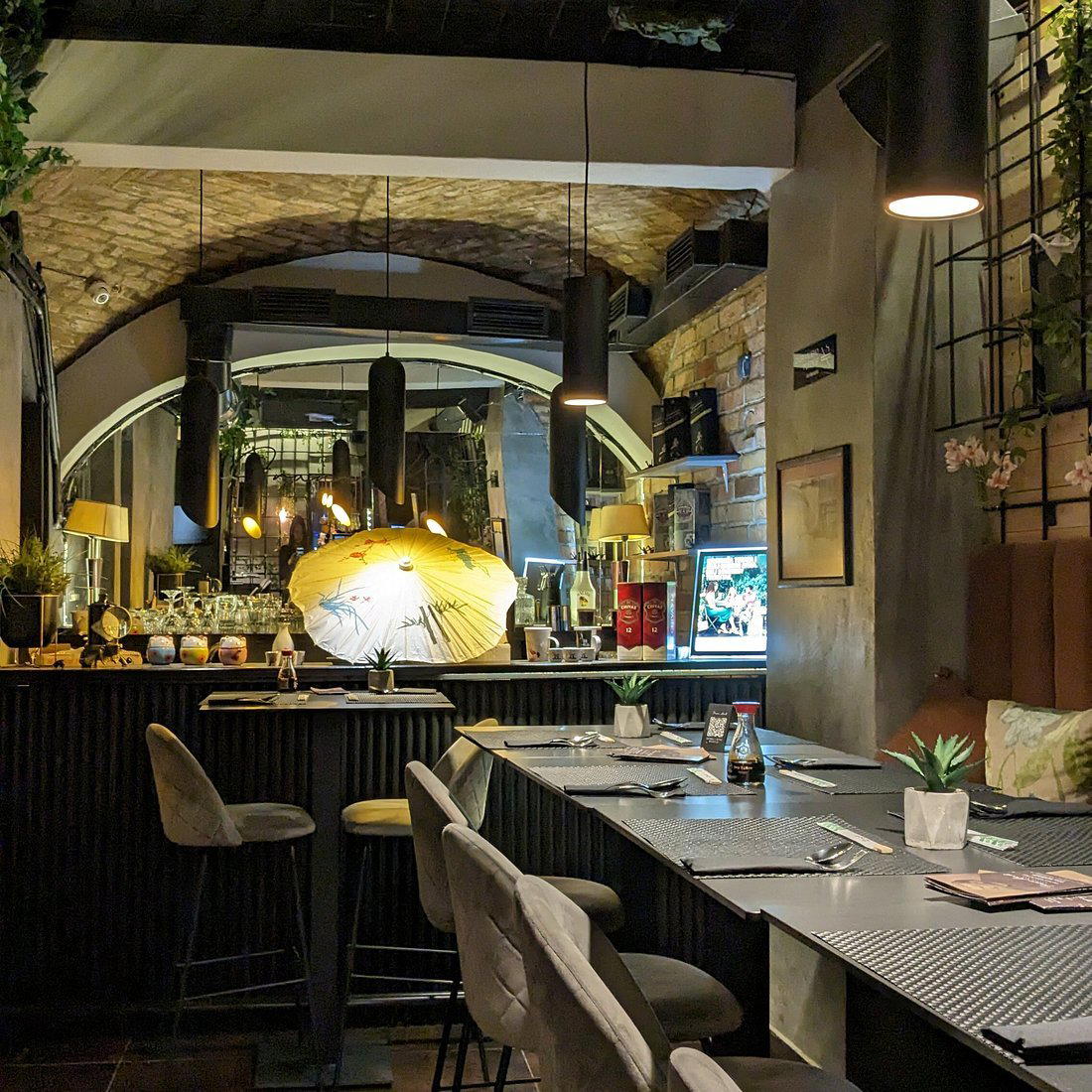
A Street, a Name, and the Rhythm of a Slavonian Meal
Franz Koch is an Asian fusion restaurant in Osijek, Croatia, at Ul. Osijek's dining scene has never been loud about itself. The city on the Drava, closer to Hungary and Serbia than to the Adriatic, operates at a register different from Croatia's coastal restaurant culture, where tourism pressure accelerates everything. Here the meal is still something you settle into rather than tick off. Franz Koch, at Ul. Franje Kuhača 10, sits on a street that carries the name of a 19th-century Croatian musicologist and composer, a small signal that the neighbourhood takes its local figures seriously. That context matters for how you arrive at a place like this: not in a rush, not between stops on a coastal itinerary, but as a reason in itself.
In a city where the comparison set includes long-established addresses like Waldinger in the regional-cuisine, mid-price bracket, the positioning of individual restaurants reflects something about what Slavonian diners expect from a night out: proportion, familiarity, and a kitchen that understands the local pantry without being a museum exhibit of it. Franz Koch occupies that general territory without reducing itself to a folklore exercise.
The Dining Ritual in Slavonian Terms
Across the broader Croatian restaurant tradition, the meal is a structured event. It does not hurry. Courses arrive with gaps that allow conversation, and the expectation of a long table is not unusual even at mid-range addresses. This is particularly true in Slavonia, where the food culture draws on Central European influences, Hungarian, Austrian, German, that built their own unhurried eating customs over centuries. A meal at a Slavonian table tends to begin with cold cuts or a soup, move through a heavier main course built around pork, game, paprika, or freshwater fish from the Drava and Danube, and land somewhere near a pastry or a walnut-rich dessert.
The restaurant sits inside that tradition in terms of geography and expectation. Osijek is not a city where the dining ritual is being reinvented for an international audience the way it might be in Zagreb or along the Dalmatian coast at addresses like Pelegrini in Sibenik or LD Restaurant in Korčula. The ambition here is different: to execute the meal as it should be, on its own terms, without apology or pastiche.
Where Osijek Places Itself on the Croatian Map
Croatia's serious restaurant tier is concentrated along the coast and in Zagreb. Michelin's Croatian coverage, which extends to addresses like Agli Amici Rovinj in Rovinj, Nebo by Deni Srdoč in Rijeka, and Alfred Keller in Mali Lošinj, reflects a coastward bias that leaves inland Croatia under-documented rather than under-performing. Osijek's better kitchens have not sought that validation as aggressively, partly because their clientele is local and returning rather than tourist-driven and seasonal.
That dynamic shapes what you find across Osijek's restaurant addresses. Bijelo-plavi, Karaka, Kod Javora, and Lipov hlad each occupy a different corner of what the city offers, from riverside settings to more urban formats like LULU FUSION BISTRO, which bends toward international influences. The restaurant draws from the more grounded, regional end of that spectrum.
For the reader who has spent time at Dubravkin Put in Zagreb or Krug in Split, the Osijek version of considered dining operates at a different scale and with different reference points. That is not a concession, it is the actual character of the place.
The Food Culture Behind the Address
Slavonian cuisine is one of the more underwritten chapters in regional Croatian food writing. Its foundations are agricultural and riverine: freshwater fish prepared in paprika-rich broths and stews, cured meats with Protected Geographical Indication status, game from the Baranja plain, and a wheat-based pastry tradition that owes as much to Vienna and Budapest as to the Adriatic. The spice register is heavier than coastal cooking, the portions more generous, the wine list likely to feature continental varietals from the Kutjevo or Erdut wine regions rather than Dalmatian Plavac Mali.
This is the cooking culture the restaurant draws from. The address and the city's dining character point toward a meal that does not stray far from its Slavonian roots. Comparison addresses with more documented ambition, Korak in Jastrebarsko or Boskinac in Novalja, sit in a different tier of formal ambition. The restaurant is pitched closer to the ground level of good, honest regional cooking.
For context beyond Croatia, the ritual of a multi-course meal with clear regional identity and an unhurried pace has global parallels: Lazy Bear in San Francisco built an entire format around communal dinner-party structure, while Le Bernardin in New York City sustains the formal, course-by-course discipline at the other end of the ambition scale. Osijek operates in neither of those registers, but the underlying principle, that the meal should be a structured event with its own internal logic, applies across the range.
The restaurant is located at Ul. Franje Kuhača 10 in Osijek, and reservations are recommended.
Cuisine Context
Comparable venues nearby, for context on price, style, and recognition.
| Venue | Cuisine | Price | Notes |
|---|---|---|---|
| Franz KochThis venue — the venue you are viewing | Asian Fusion | $$$ | Not listed |
| Pépé pizza place | Neapolitan Pizza | $$ | Osijek center |
| Bijelo-plavi | Traditional Croatian Barbecue | $$ | Osijek center |
| Projekt 9 | Modern European with Local Croatian Influences | $$ | Gornjodravska Obala |
| Karaka | Croatian Grill & Pizza | $$ | Osijek |
| Lumiere | Modern European & Croatian | $$ | City Center |

At a Glance
- Trendy
- Modern
- Lively
- Date Night
- Casual Hangout
- Late Night
- Open Kitchen
- Craft Cocktails
Current opening hours
- Monday
- 10 AM–11 PM
- Tuesday
- 10 AM–11 PM
- Wednesday
- 10 AM–11 PM
- Thursday
- 10 AM–11 PM
- Friday
- 10 AM–12 AM
- Saturday
- 10 AM–12 AM
- Sunday
- 10 AM–11 PM
Hours can change for holidays and private events. Last verified .
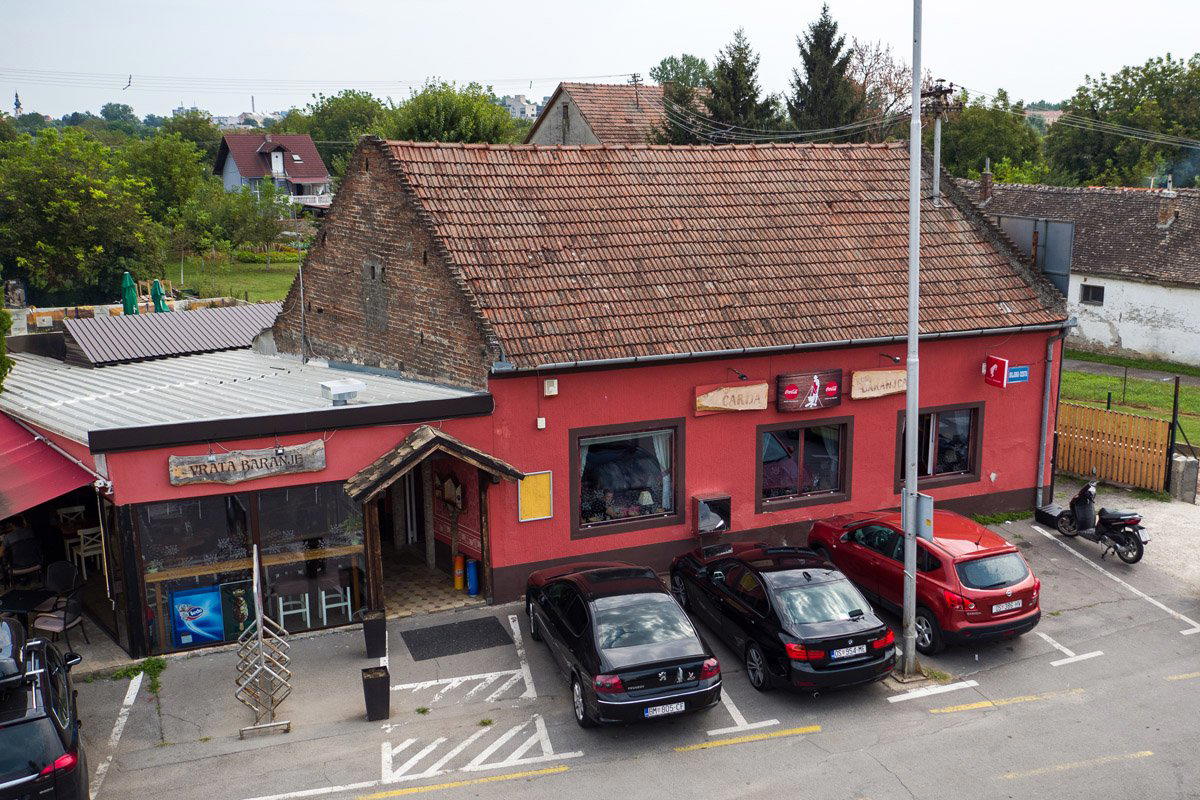
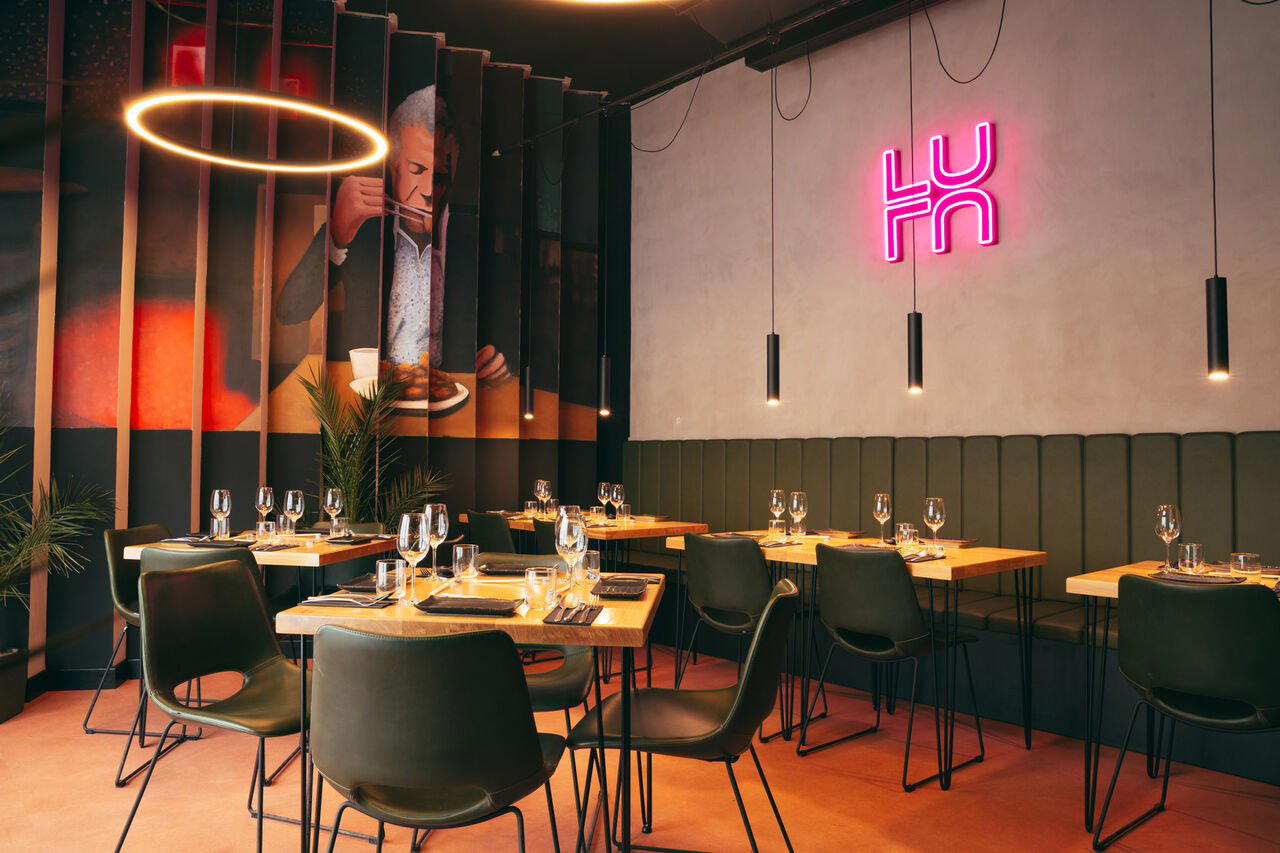
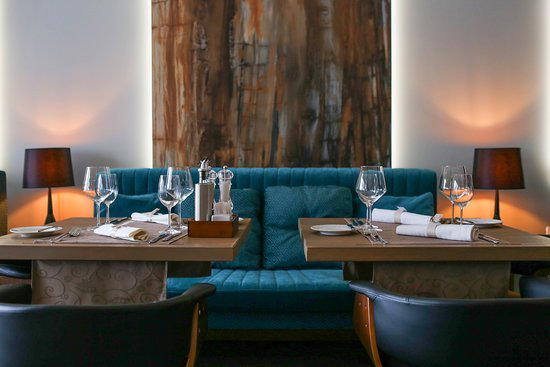
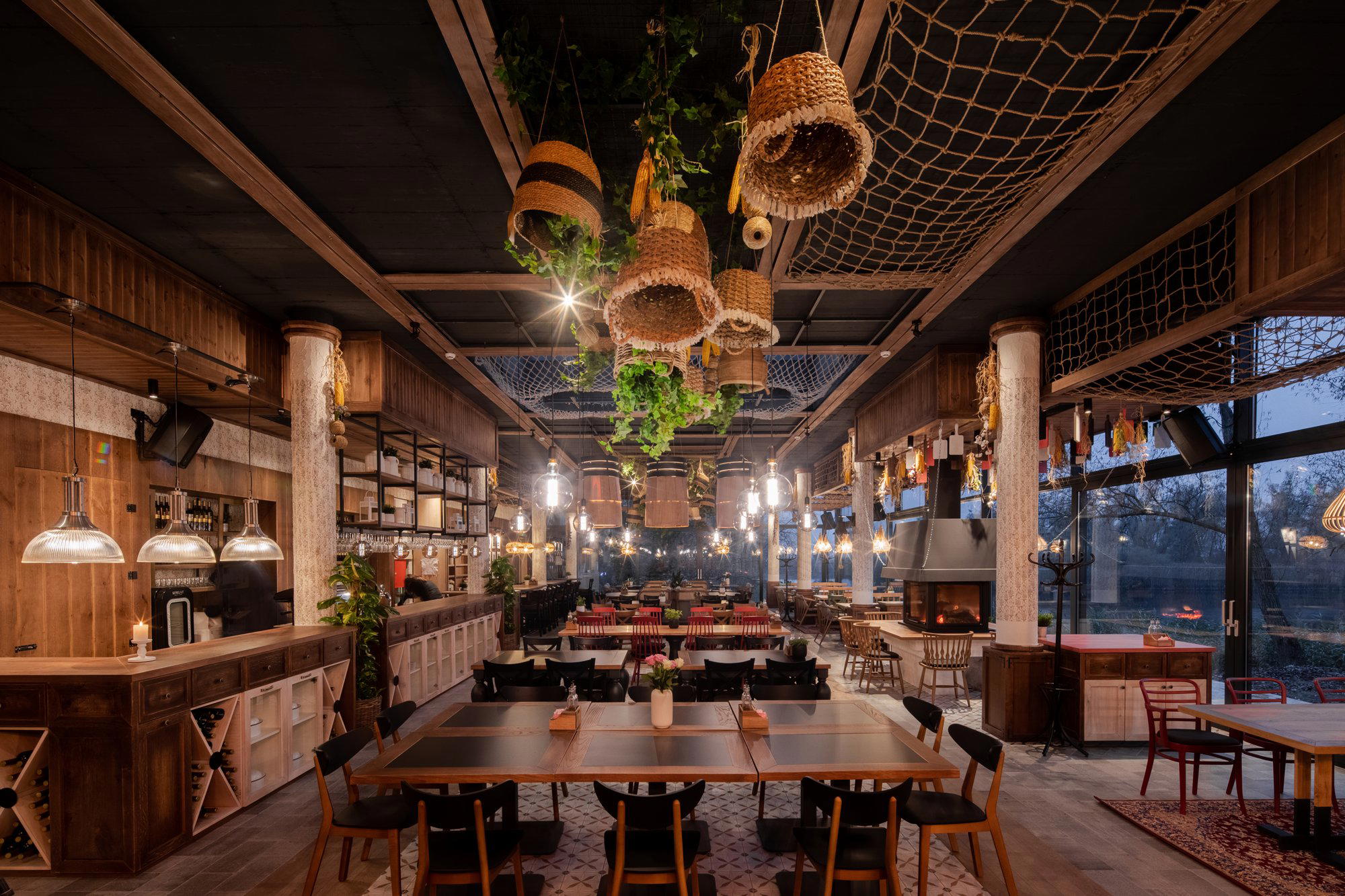
Trendy and casual atmosphere with lively energy, especially lively on weekends when the top floor becomes a club.