The address on Baross Gábor utca places it within the village's established winery corridor, where Cabernet Franc, Merlot, and Portugieser define the regional canon. For visitors tracing Villány's premium tier, Wunderlich sits in a comparable set defined by craft ambition rather than production scale.
Pearl is the En Primeur Club membership app — saves, bookings, and concierge access live there. Same editors, same standards.
- Address
- Villány, Baross Gábor u. 108, 7773
- Phone
- +36 72 592 970
- Website
- jbb.hu
- Directions
- Get directions
 Saves & bookings on Pearl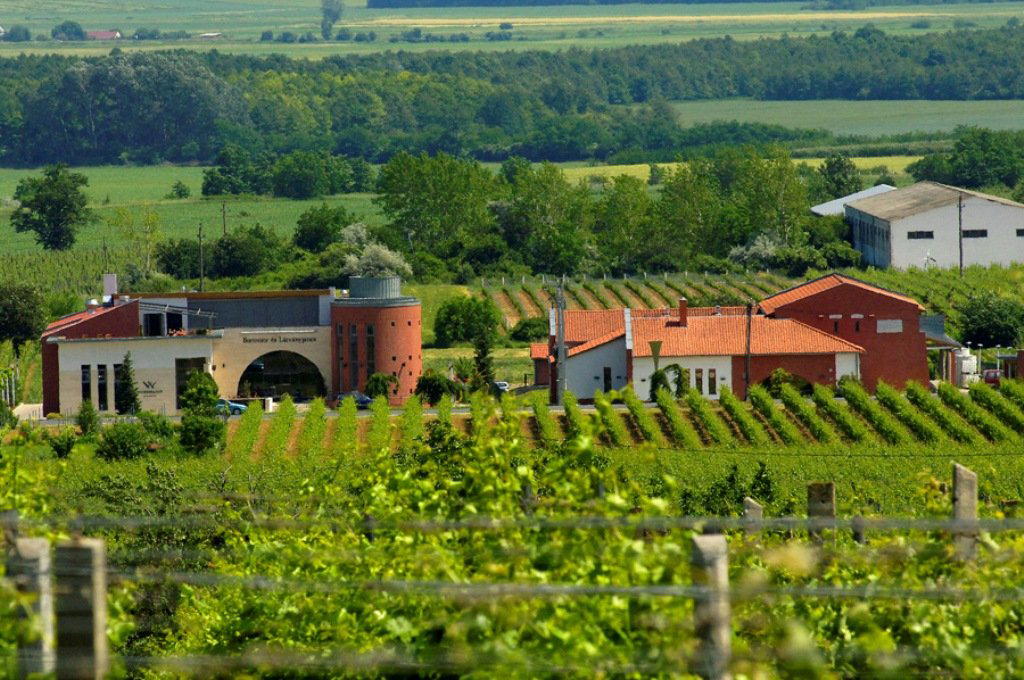
Villány's Red-Wine Identity and Where Wunderlich Fits
Hungary's wine conversation divides, broadly, between Tokaj in the north and Villány in the south, and the two regions are arguing about different things entirely. Tokaj traffics in noble rot, oxidative complexity, and centuries of documented prestige. Villány makes a case built on structured reds, Cabernet Franc, Cabernet Sauvignon, Merlot, and the indigenous Portugieser, grown on a ridge of limestone and loess above the Dráva plain, at a latitude that pushes warmth further into autumn. The region holds the unofficial designation as Hungary's premier red-wine zone, a position that a cluster of serious producers has reinforced over the past two decades through export ambition and international competition results.
Wunderlich Winery, addressed at Baross Gábor u. 108 in Villány, sits within this concentrated production zone. In a village where the winery count is high relative to land area, a rated operation occupies a meaningfully different bracket from the cellar-door producers relying primarily on domestic tourism.
The Villány comparable set
To understand where Wunderlich positions itself, it helps to map the regional peer group. Bock Winery and Csányi Winery represent the larger, more commercially visible end of Villány production, with distribution networks that reach well beyond Hungary. Gere Attila Winery and Gere Tamás & Zsolt Winery have long anchored the region's critical reputation, with Gere Attila in particular associated with the push toward Bordeaux-influenced blends that helped define Villány's international profile. Günzer Tamás Winery adds another layer to the village's artisan tier.
Within this group, smaller rated producers operate with a different set of priorities. Scale is not the signal of quality here. Villány's premium identity is contested from multiple directions, and the rated smaller houses are the ones making the argument most clearly on quality grounds alone.
What Villány Produces and Why It Matters
The southern Hungarian wine belt runs close to the 46th parallel, sharing a latitude with Burgundy and the northern Rhône, though the climate is considerably more continental. Villány's hills provide enough elevation change to create meaningful variation in ripening conditions across the ridge, and producers here have spent years mapping the relationship between aspect, soil composition, and varietal expression. Cabernet Franc, in particular, has become a regional calling card, the variety achieves a ripeness in Villány that avoids the herbaceous register common in cooler climates, while retaining enough structure to age for a decade or more in serious examples.
The regional appellation system has been formalised to reflect this seriousness. Villányi-kategória wines, produced under strict yield and quality rules, represent the leading classification, and the wines within that bracket compete on an entirely different basis than entry-level production.
For context on how Hungary's wine regions compare across the country, the northern producers offer a useful counterpoint. Disznókő in Mezőzombor, Royal Tokaji in Mád, Tokaj Hétszőlő in Tokaj, Tokaj Oremus in Tolcsva, and Árvay Winery in Rátka represent the Tokaj tradition of Furmint and Aszú, where the dialogue is about botrytis and oxidative aging rather than tannic structure. These are fundamentally different wine cultures operating within the same national system. Villány producers are making a southern argument: warmth, density, and structural ambition.
Visiting Wunderlich: What to Expect in Villány
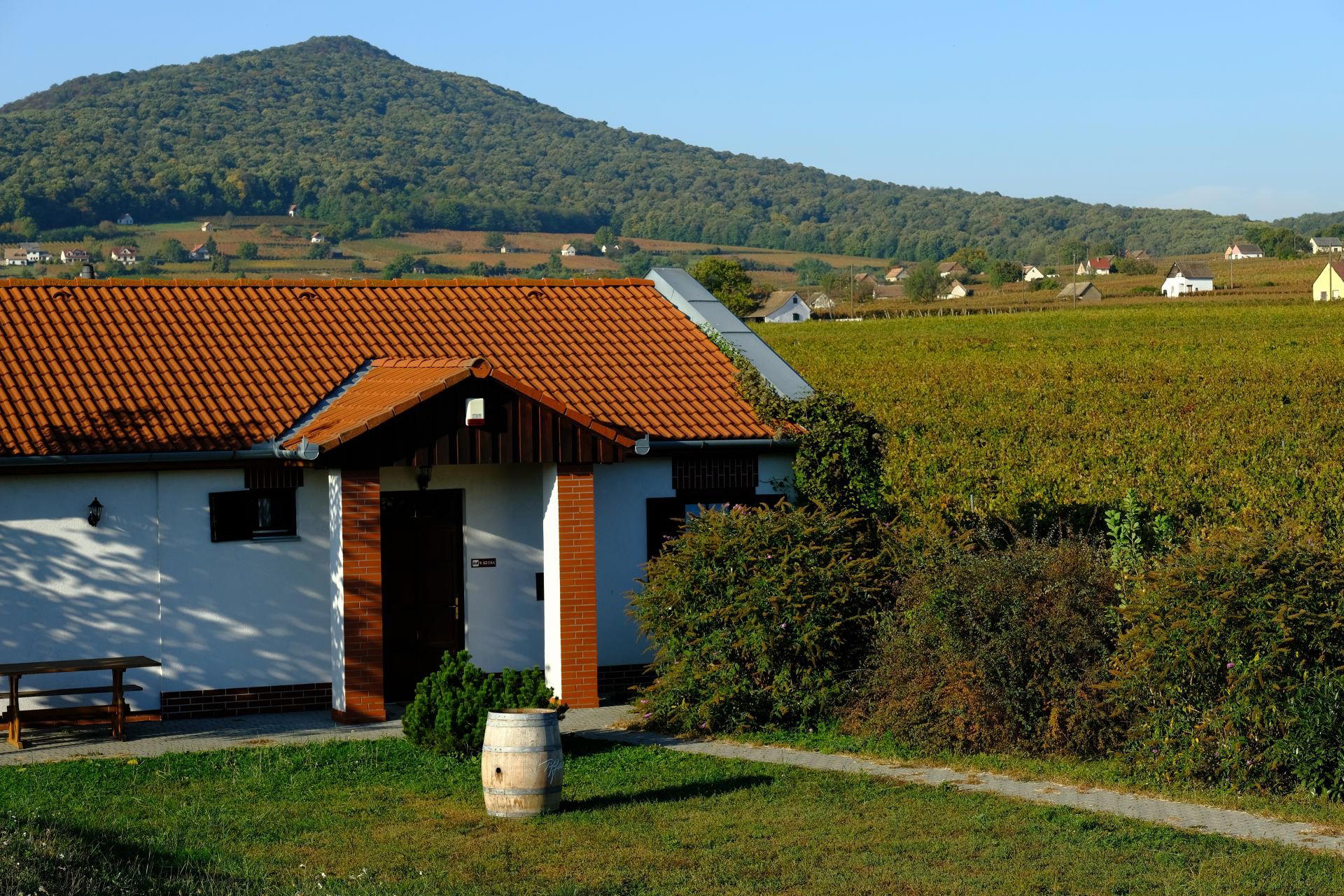
Villány village itself is compact enough to walk, and Baross Gábor utca functions as something close to a winery promenade, with several producers accessible from the same street. The physical experience of visiting a winery here typically involves a cellar component, the town sits at the foot of the ridge, and underground aging space is woven into the architecture of most serious producers. Visitors should verify access details before arriving.
The broader infrastructure around the Villány wine route is well-developed by Hungarian standards. The town has accumulated enough tourism investment to support restaurant dining, accommodation, and organised cellar visits over a weekend. Those travelling from Budapest face a two-and-a-half-hour drive south toward the Croatian border, with Pécs as the nearest major city if additional accommodation options are needed. Spring and autumn are the practical high seasons for winery visits, with harvest in September and October offering one animated version of the village.
Those extending their Hungary wine itinerary beyond Villány might also consider producers in other regions, including Babarczi Winery in Győr and Béres Winery in Erdőbénye, which represent different regional expressions within the Hungarian system.
For international comparison, the premium winery model Villány aspires to has clear analogues. Aberlour in Aberlour and Accendo Cellars in St. Helena illustrate how rated producers in their respective categories use provenance and critical recognition as the primary signal of quality positioning, which is the same logic at work in Villány's upper tier.
Planning Your Visit
Wunderlich Winery is located at Baross Gábor utca 108, Villány 7773, Hungary. Appointments are required. Villány's winery corridor rewards unhurried visits, and pairing a stop at Wunderlich with time at neighbouring rated producers takes full advantage of the journey from Budapest or Pécs.
Price and Recognition
Comparable venues nearby, for context on price, style, and recognition.
| Venue | Cuisine | Price | Notes |
|---|---|---|---|
| Wunderlich WineryThis venue — the venue you are viewing | Not listed | $$$ | Not listed |
| Jammertal Wine Estate | Not listed | $$$ | Villány, Cabernet Franc, Cabernet Sauvignon |
| Malatinszky Winery | Not listed | $$ | Villány, Cabernet Franc, Cabernet Sauvignon |
| Csányi Winery | Not listed | $$ | Villány, Cabernet Sauvignon, Cabernet Franc |
| Gere Attila Winery | Not listed | $$ | Villány, Cabernet Franc, Cabernet Sauvignon |
| Günzer Zoltán Winery | Villány, Cabernet Franc, Merlot | $$ | Not listed |
Continue exploring
More in Villány
Wineries in Villány
Browse all →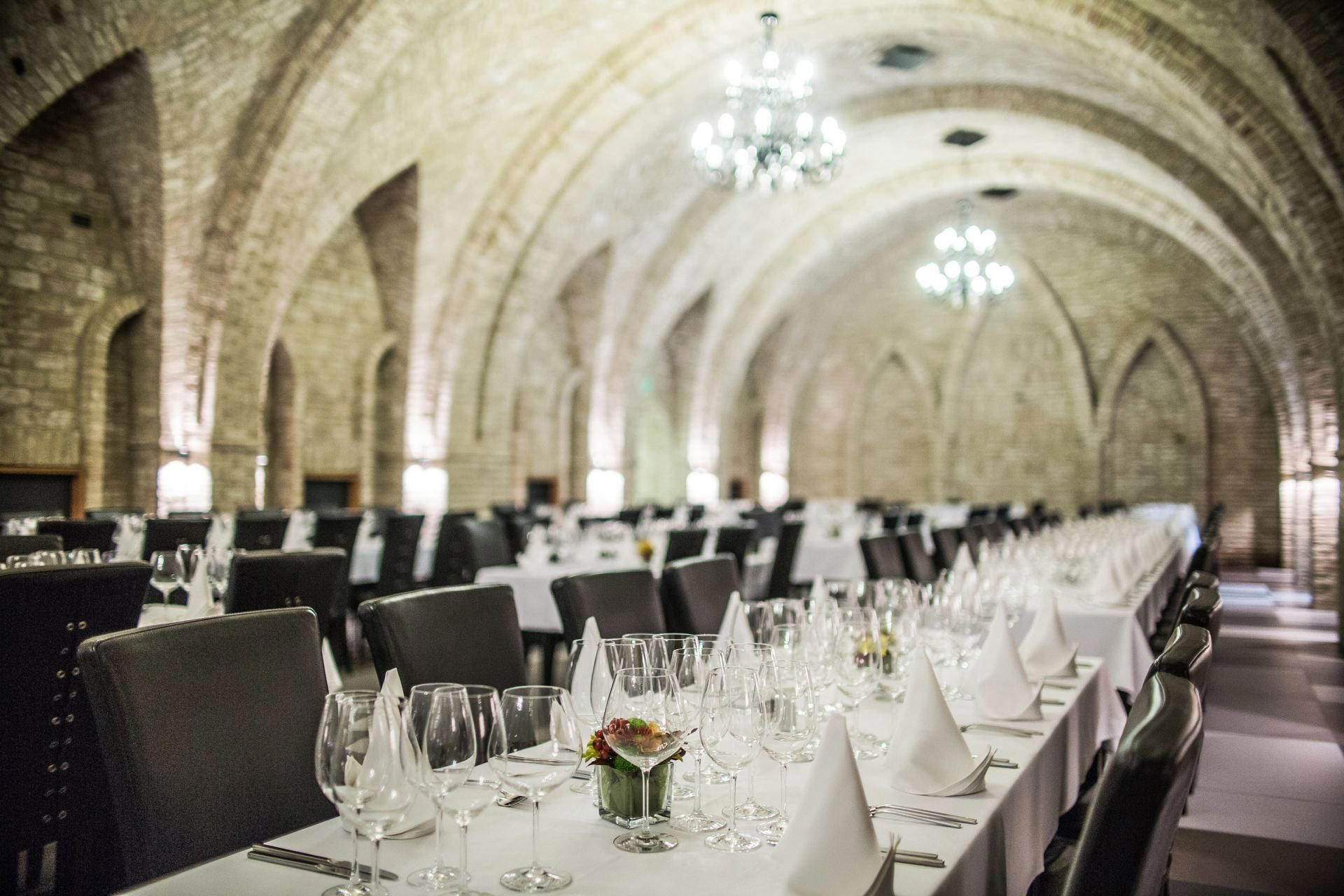
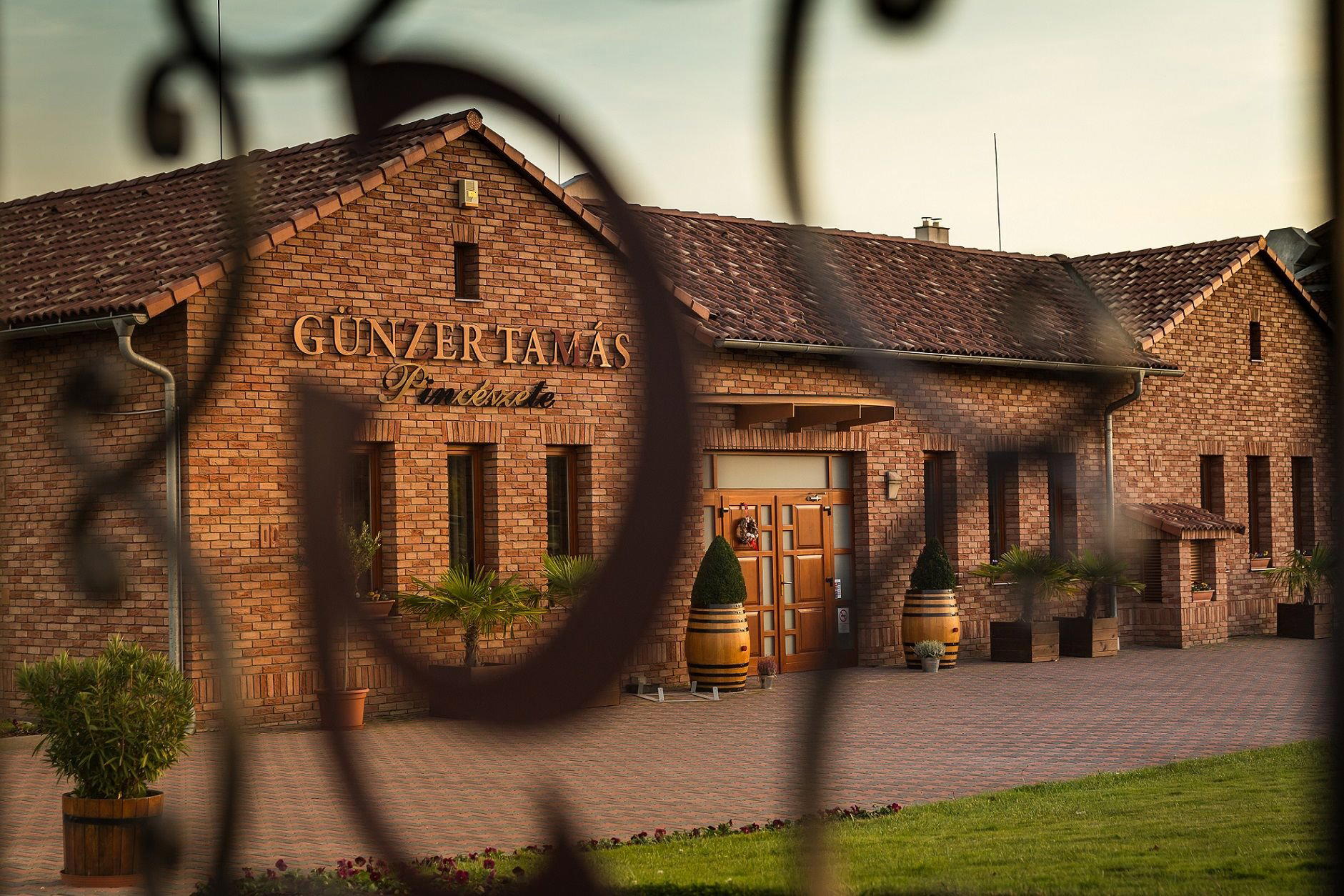
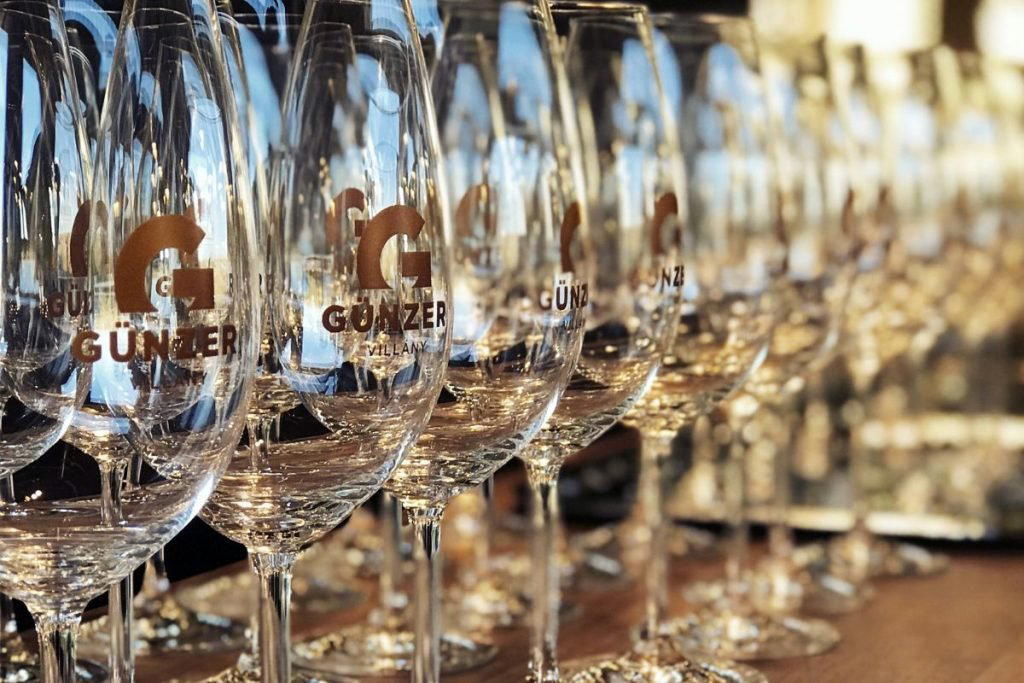
Restaurants in Villány
Browse all →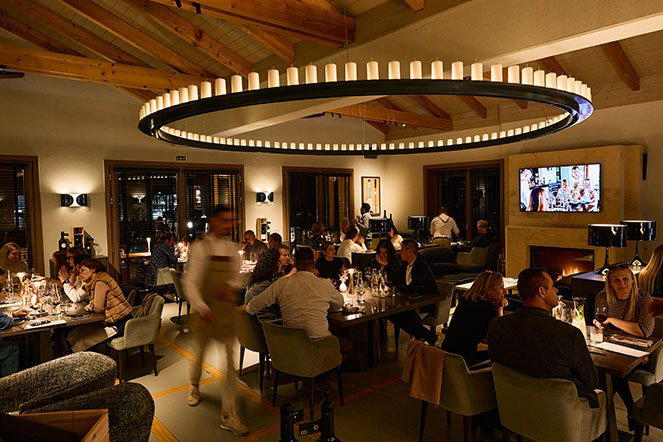
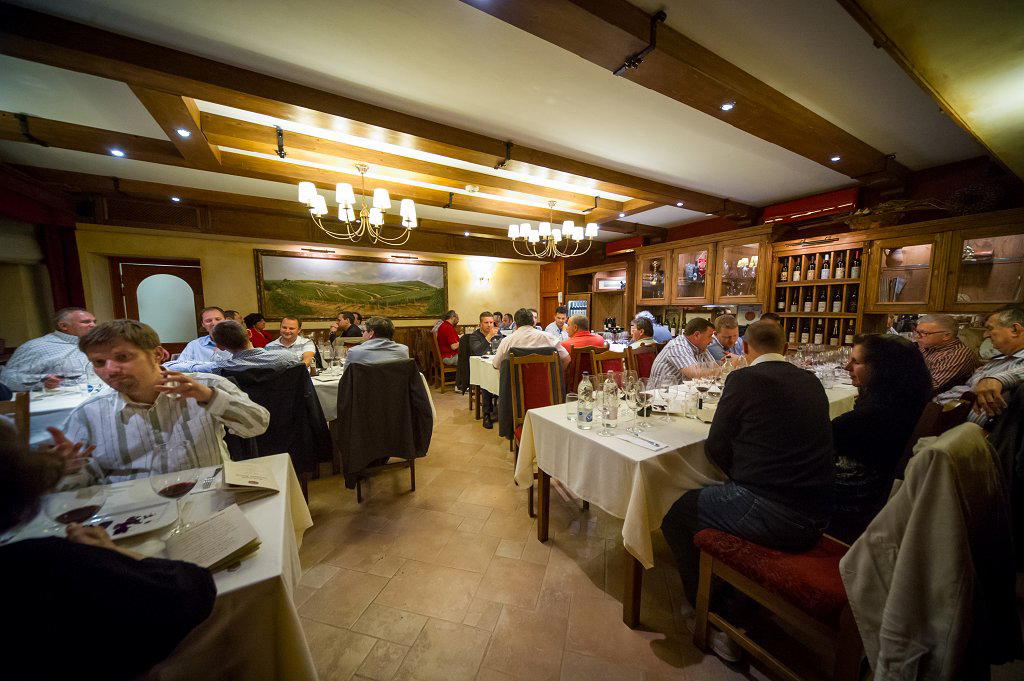
Hotels in Villány
Browse all →
At a Glance
- Sophisticated
- Modern
- Elegant
- Scenic
- Corporate Event
- Celebration
- Special Occasion
- Group Outing
- Private Tasting
- Design Destination
- Estate Grounds
- Vineyard Tour
- Vineyard
- Villány
- Merlot
- Cabernet Sauvignon
- Cabernet Franc
- Portugieser
- Kékfrankos
- Still Red
- Guided Tasting
- Wine And Food Pairing
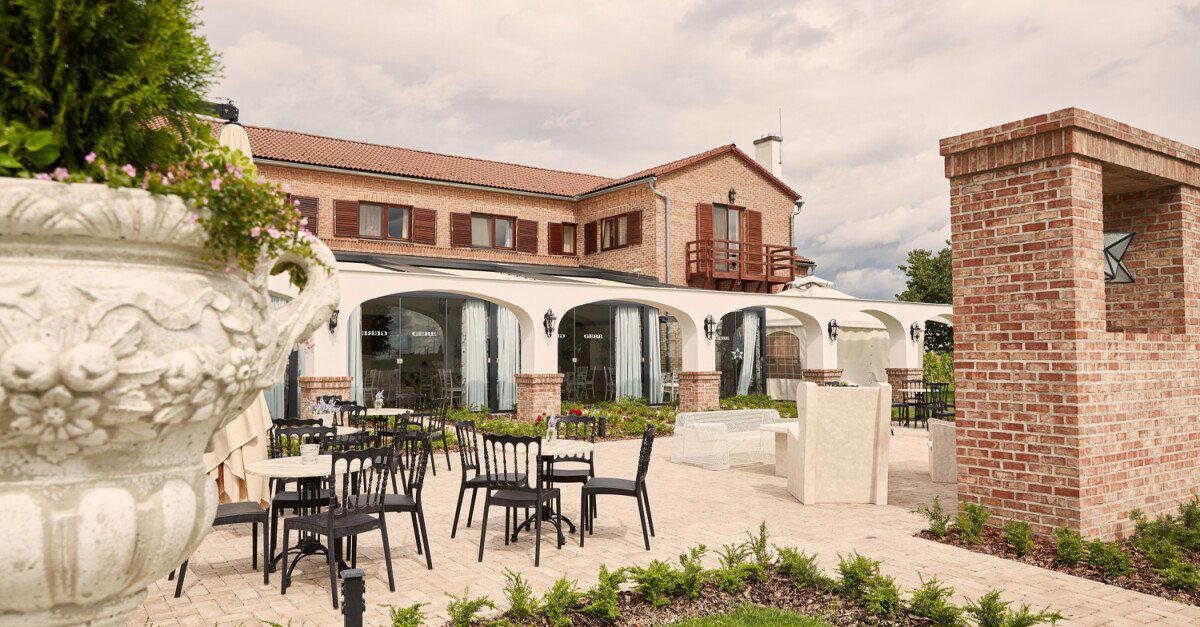
Modern, high-end winery setting with a purpose-built visitor center for tastings and private events.