Set on Koparska ulica in Pula, EatIstria positions itself as a showcase for the peninsula's produce-driven cooking tradition. Istrian cuisine sits at the intersection of Adriatic seafood, inland truffles, and a wine culture shaped by centuries of Venetian and Austro-Hungarian influence. For visitors working through Croatia's serious restaurant circuit, this is a logical starting point for understanding what the region's ingredients can do on a plate.
Pearl is the En Primeur Club membership app — saves, bookings, and concierge access live there. Same editors, same standards.
- Address
- Koparska ul. 35, 52100, Pula, Croatia
- Phone
- +385 91 915 7810
- Website
- eatistria.com
- Directions
- Get directions
 Saves & bookings on Pearl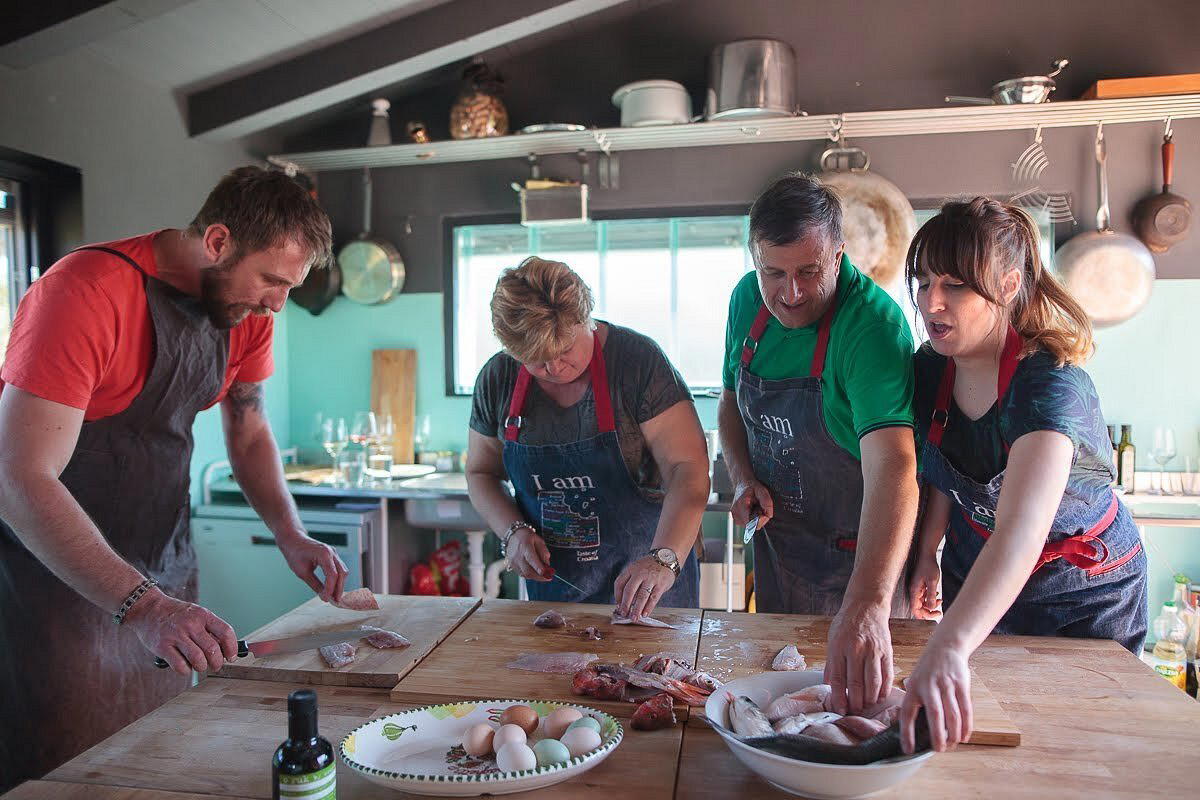
Where Istrian Produce Sets the Terms
Pula is home to EatIstria, a restaurant in Pula, Croatia. That conversation tends to happen further north, in the hill towns around Motovun or along the Rovinj waterfront, where restaurants like Agli Amici Rovinj have spent years building reputations on Italian-Istrian crossover cuisine at the €€€€ tier. Pula's dining identity is more grounded: a working port city with a Roman amphitheatre at its centre and a food culture shaped less by tourism's premium expectations than by what the surrounding land and sea actually produce. EatIstria, at Koparska ulica 35, sits within that context. The address is residential rather than scenic, which tells you something about the priorities at work.
The Ingredient Logic of Istrian Cooking
To understand what a restaurant like EatIstria is doing, you need to understand why Istrian ingredients command attention in the first place. The peninsula produces white and black truffles in quantities that once seemed implausible for such a compact territory; the Motovun forest, in particular, has supplied truffle hunters for generations, and the product ends up shaved over pasta or stirred into sauces across the region at a frequency that would feel excessive anywhere else but is simply a reflection of supply. Alongside truffles, Istrian olive oil has earned EU Protected Designation of Origin status, placing it in the same regulatory tier as Ligurian and Kalamata oils. The Adriatic shelf here yields sea bass, dentex, and scampi caught close to shore. Malvazija Istarska, the local white grape, produces wines that range from crisp and mineral to skin-contact amber styles increasingly favoured by natural wine drinkers internationally.
This is the sourcing context that shapes the better end of Pula's restaurant circuit. When a kitchen in this city claims to work with local ingredients, the claim is not generic: it is pointing at a specific supply geography with a demonstrable quality floor. Croatia's more formally recognised fine-dining addresses, from Pelegrini in Sibenik to Nebo by Deni Srdoč in Rijeka, have built their reputations partly on access to similar coastal and inland produce networks. The Istrian version of that sourcing story is older and more legible to an international visitor, given how thoroughly truffle culture has been packaged for export recognition.
Pula's Position in the Croatian Dining Circuit
Croatia's serious restaurant circuit has consolidated around a handful of cities and formats. Dubrovnik's Restaurant 360 operates at the summit of the view-and-occasion tier. Zagreb's Dubravkin Put represents the capital's more understated fine-dining register. Istria as a region sits slightly apart from both: it has a strong agritourism infrastructure, a wine trail that attracts international visitors through summer, and a culinary identity that borrows from both Italian and Central European traditions without being reducible to either. The comparison venues worth holding in mind when assessing any Istrian address are not just domestic. San Rocco in Brtonigla and Humska Konoba in Hum represent the konoba tradition at its more serious end: stone interiors, long wine lists weighted toward local producers, and menus that rotate around whatever truffles, wild asparagus, or game the season permits.
EatIstria occupies a similar register within Pula proper. The city's Roman heritage draws a different visitor profile than the boutique hill-town circuit, and the restaurant addresses that destination rather than competing directly with Rovinj's terrace-dining scene or the premium agriturismo market further inland.
What the Sourcing Emphasis Means in Practice
Restaurants that foreground Istrian ingredients are making a commitment that shows up in menu structure. Dishes built around fresh truffles are seasonal by definition: white truffle season runs roughly from October into January, black truffle from November through March, with a secondary summer black truffle period. A kitchen serious about provenance works around those windows rather than substituting truffle oil or frozen product in the off-months. Similarly, Adriatic seafood menus shift with what the boats bring in; the restaurants in this region that earn sustained local respect are the ones that turn away from rigid menu commitments when the catch does not cooperate. Korak in Jastrebarsko and Boskinac in Novalja both operate with that kind of seasonal discipline applied to Croatian inland and island produce respectively. The Istrian version of that discipline is particularly legible because the ingredients involved, truffles especially, have international reference points that help visitors calibrate what they are getting.
For a broader map of where EatIstria fits among Pula's and Istria's dining options, our full Pula restaurants guide covers the circuit in depth. Other addresses worth cross-referencing when planning an Istrian itinerary include Alfred Keller in Mali Lošinj for the island-Adriatic register and LD Restaurant in Korčula for how the southern Dalmatian version of ingredient-led Croatian cooking compares. Further afield, Krug in Split, Restaurant Filippi in Curzola, Trg Sv. Stjepana 3 in Lesina, and Johnson in Mošćenička Draga round out the picture of how coastal Croatia's sourcing-focused restaurants approach the same raw material question from different regional starting points. For international reference points on what rigorous ingredient sourcing looks like at the highest formal level, Le Bernardin in New York City and Lazy Bear in San Francisco illustrate how produce-first commitments translate into format and menu structure in different culinary contexts.
Planning a Visit
EatIstria is located at Koparska ulica 35 in Pula, a residential street that sits away from the amphitheatre district's tourist concentration. Pula is reachable by direct flights from several European cities, particularly in summer when seasonal routes expand significantly, and by a direct drive from Rovinj or Porec along the western Istrian coast. EatIstria is open daily from 9 AM to 5 PM, and reservations are recommended.
Comparable Venues
Comparable venues nearby, for context on price, style, and recognition.
| Venue | Cuisine | Price | Notes |
|---|---|---|---|
| EatIstriaThis venue — the venue you are viewing | Traditional Istrian Cooking Classes | $$ | Not listed |
| Konoba aba | Authentic Istrian Seafood & Truffle | $$ | Porec Old Town |
| Restaurant Riviera | Mediterranean & Croatian | $$ | Lovran |
| Velo Kafe | Traditional Istrian Mediterranean | $$ | Old Town |
| Kvarner | Mediterranean Seafood with Istrian Specialties | $$ | Labin |
| Marina | Traditional Mediterranean Seafood & Istrian Cuisine | $$ | Kukci |
Continue exploring
More in Pluj
Restaurants in Pluj
Browse all →
Bars in Pluj
Browse all →
Hotels in Pluj
Browse all →

At a Glance
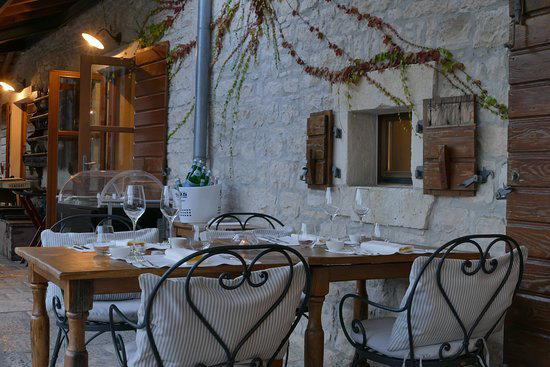
- Rustic
- Cozy
- Group Dining
- Family
- Open Kitchen
- Garden
- Local Sourcing
- Farm To Table
Current opening hours
- Monday
- 9 AM–5 PM
- Tuesday
- 9 AM–5 PM
- Wednesday
- 9 AM–5 PM
- Thursday
- 9 AM–5 PM
- Friday
- 9 AM–5 PM
- Saturday
- 9 AM–5 PM
- Sunday
- 9 AM–5 PM
Hours can change for holidays and private events. Last verified .
Warm, welcoming atmosphere focused on culinary education and cultural exchange with authentic Istrian hospitality.