Our verdict
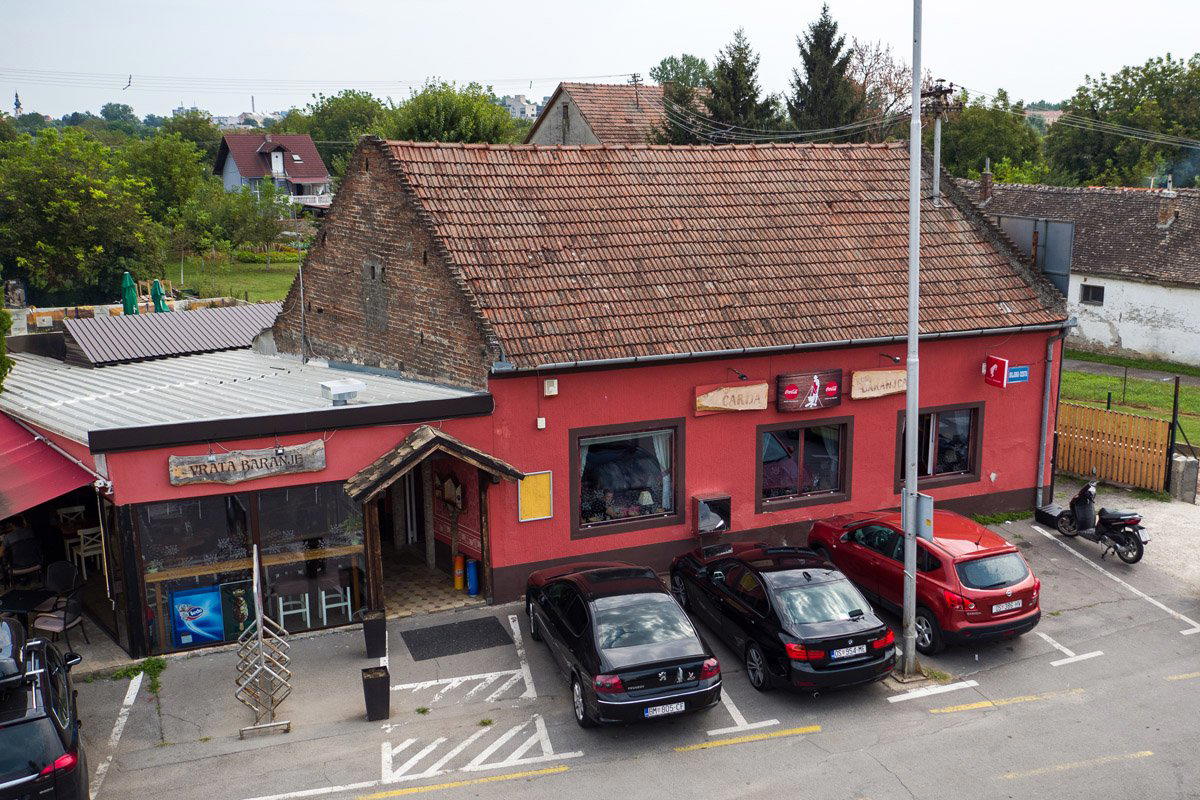
Didin Konak sits in Kopačevo, a small village on the edge of Kopački Rit Nature Park in eastern Croatia's Baranja region, where the Drava meets the Danube. The restaurant represents a dining tradition rooted in Slavonian and Baranja cooking, where freshwater fish, paprika-driven stews, and wood-fired preparation define the table. For visitors exploring this rarely covered corner of Croatia, it serves as a direct entry point into the region's culinary identity.

Pearl is the En Primeur Club membership app — saves, bookings, and concierge access live there. Same editors, same standards.
- Address
- Kopačevo HR, Petefi Šandora 93, 31327, Bilje, Croatia
- Phone
- +38531752100
- Hours
- Mon 12–7 PMTue–Thu 8 AM–10 PMFri–Sat 8 AM–1 AMSun 8 AM–7 PM
- Website
- didinkonak.hr
- Directions
- Get directions
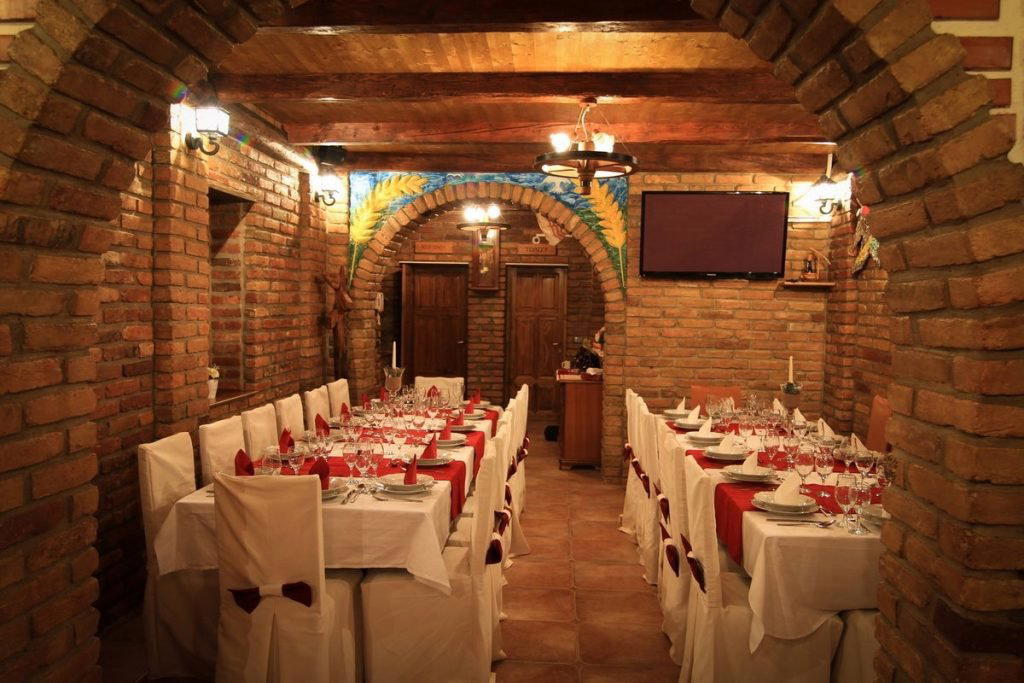
The menu
What to order
- Fish paprikash
- Carp on a wooden fork
- Catfish perkelt
Where the Wetlands Meet the Table
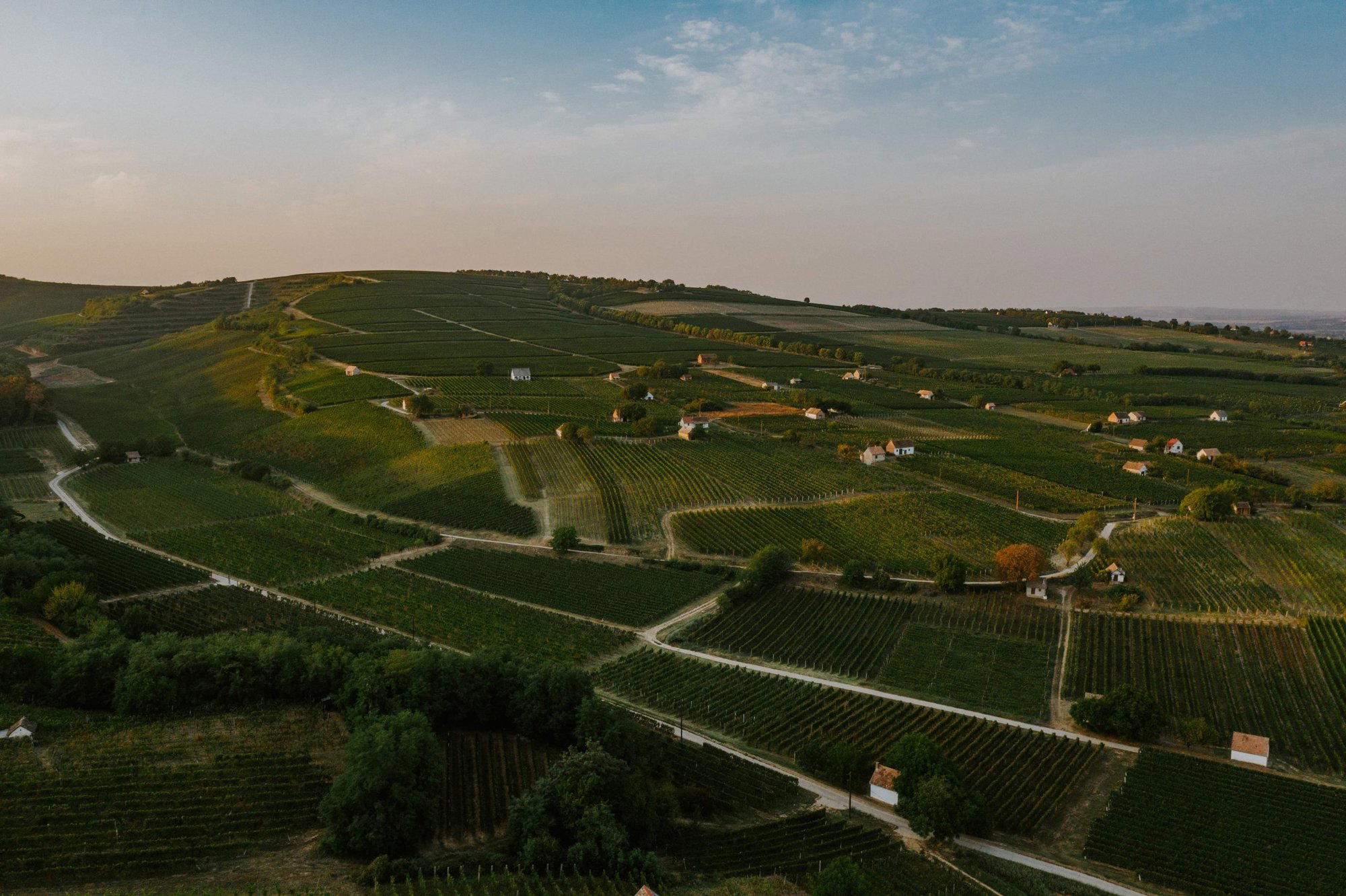
Eastern Croatia's Baranja region does not feature prominently in the itineraries that send visitors toward Dubrovnik or Istria. That absence is partly geographical: Kopačevo village, where Didin Konak is found at Petefi Šandora 93, sits at the edge of Kopački Rit Nature Park, one of Europe's largest and least-visited inland wetland reserves, positioned where the Drava river flows into the Danube. Arriving here, the flat agricultural terrain, the reed-lined waterways, and the low wooden architecture of Baranja villages signal clearly that you are somewhere outside the Adriatic tourist economy entirely. The dining culture that developed in this landscape grew from different inputs than the coast: river fish rather than sea fish, slow-braised meat dishes, and the paprika-inflected seasoning that reflects centuries of Ottoman and Austro-Hungarian presence in the Pannonian plain.
In that context, a restaurant like Didin Konak occupies a position that coastal Croatian establishments rarely hold. It functions as a document of a regional cooking tradition that most international visitors to Croatia never encounter. The comparison set here is not Pelegrini in Sibenik or Restaurant 360 in Dubrovnik, both operating in the modern Mediterranean register at the premium end of Croatia's Adriatic dining scene. Didin Konak belongs to a different category: the inland konoba tradition, where the measure of quality is faithfulness to regional preparation rather than innovation or international reference.
Slavonian and Baranjan Cooking: The Cultural Framework
The cuisine of Slavonia and Baranja is among the least-exported in the Balkans, which is partly a function of geography and partly a consequence of the region's slower tourism development. Where Dalmatian cooking has benefited from decades of coastal visitor attention, the Pannonian corridor running from Osijek toward the Hungarian border remained largely internal-facing. The culinary identity that survived here draws on freshwater resources, specifically carp, catfish, and pike from the Drava-Danube system, prepared in ways that owe more to Central European and Hungarian cooking than to Mediterranean convention.
The defining preparations of this tradition include fiš paprikaš, a slow-cooked fisherman's stew built from multiple freshwater species, paprika stock, and long reduction rather than the quick technique of Adriatic fish cookery. Kulen, the spiced cured pork sausage specific to Slavonia, carries protected designation status at the EU level and functions as a regional marker in the way that Istrian truffle or Dalmatian prstaci does further west. The use of lard rather than olive oil, the preference for braising and stewing over grilling, and the integration of Hungarian seasoning patterns all distinguish this cooking from anything you find along the coast. For the traveller who has worked through Agli Amici Rovinj in Rovinj or Boskinac in Novalja, the Baranja table represents a genuinely different culinary geography within the same national borders.
The Konoba Format and What It Means Here
Konoba classification in Croatian dining covers a wide range, from tourist-facing imitation rusticity to the genuine article. In Baranja villages, the format skews toward the latter because the visitor volume that drives commercial approximation simply does not exist at the scale it does on the coast. Establishments serving the local population and the smaller stream of visitors coming specifically for Kopački Rit birdwatching, hunting, or cycling have less commercial incentive to dilute the cooking. This is a structural feature of undervisited regions more generally: the absence of mass tourism tends to preserve cooking integrity in ways that popularity erodes.
Didin Konak's address in Kopačevo places it within the village cluster that serves as the primary access point for the nature park. Visitors to the wetlands, which attract significant ornithological interest particularly during spring migration and winter waterfowl seasons, represent a natural audience for a meal that reflects the landscape they have come to observe. The connection between environment and table is less metaphorical in Baranja than it tends to be in restaurants that invoke nature as a brand element: the freshwater fish on the plate is literally from the river system visible from the surrounding terrain.
For context on how this regional specificity compares across Croatia's interior, Korak in Jastrebarsko and Dubravkin Put in Zagreb represent the more accessible inland Croatian dining that Zagreb visitors typically reach. Neither operates within the Slavonian-Baranjan culinary tradition; both reflect the Zagorje and Continental Croatian framework that is culturally and culinarily distinct from the Pannonian east.
Placing Bilje and Baranja in Croatia's Broader Dining Map
Croatia's dining recognition has concentrated heavily on its western and southern coastlines. The Michelin coverage that brought attention to venues such as Nebo by Deni Srdoč in Rijeka and Alfred Keller in Mali Lošinj, along with the continued reputation of LD Restaurant in Korčula and San Rocco in Brtonigla, has built a picture of Croatian dining that is almost entirely coastal and Istrian. The Slavonian interior, including the Osijek surroundings and the Baranja municipality, has not entered that conversation at the award level in any sustained way.
That gap is not necessarily a quality judgment. The inland konoba tradition does not compete in the same register as modern Croatian fine dining. What it offers is different in kind: region-specific preparation, local sourcing from the immediate watershed and farmland, and a dining experience shaped by a community that has maintained these cooking practices across significant historical disruption, including the 1990s conflict that affected this part of Croatia deeply. The Čingi Lingi Čarda nearby represents another access point into this same Baranjan eating tradition, and together these establishments form a small cluster that makes the Bilje area worth factoring into a broader eastern Croatia itinerary. For a fuller orientation to what the area offers, the full Bilje restaurants guide provides the most current picture of the local dining options.
For comparison across Croatia's less-travelled corners, Humska Konoba in Hum and EatIstria in Pluj show how micro-regional specificity functions in Istria's interior, a parallel phenomenon to what Baranja represents in the east. The scales and culinary languages differ, but the underlying dynamic is comparable: smaller, place-specific restaurants preserving cooking that has no equivalent elsewhere in the country.
Planning Your Visit
Kopačevo is most practically reached from Osijek, approximately 12 kilometres to the southwest, which has train connections to Zagreb and is the largest city in Slavonia. The Bilje municipality sits between Osijek and the Hungarian border, and most visitors to the nature park use Osijek as a base. Reaching Didin Konak by car from Osijek takes roughly 15 to 20 minutes via local roads through the agricultural flatlands. Given the village scale and the absence of a published website or booking platform in the current available data, contact directly through local accommodation providers in Bilje or Osijek is the most reliable approach for confirming availability and hours before making the journey specifically for a meal. The seasonal rhythms of the wetland park mean that spring and autumn, when birdwatching activity peaks, bring the most visitors to this corner of Baranja; planning a table alongside time in the nature park makes the most logistical sense for international travellers.
Visitors interested in the full range of Croatian dining at various price points and registers can cross-reference with Restaurant Filippi in Curzola and Krug in Split for the Dalmatian coastal end of the spectrum, or look further afield at international reference points such as Le Bernardin in New York City and Lazy Bear in San Francisco for a sense of where Croatia's evolving fine dining sits relative to global benchmarks.
Frequently asked questions
How do I find Didin Konak?
Didin Konak is located at Kopačevo HR, Petefi Šandora 93, 31327, Bilje, Croatia, Bilje.
Is Didin Konak a good base for visiting Kopački Rit Nature Park?
Didin Konak is located on Petefi Šandora street in Bilje, placing it within close reach of Kopački Rit, one of Europe's largest protected floodplain wetlands and a significant draw for visitors to eastern Croatia. The Baranja village setting means the restaurant sits at the edge of the park's access corridor, making it a logical stop for those combining the wetland reserve with an introduction to regional Slavonian and Baranjan cooking.
What dish is Didin Konak famous for?
Didin Konak sits in the Baranja region, where the defining dishes are freshwater fish preparations from the Drava and Danube river system, paprika-heavy meat stews, and cured pork products native to Slavonian and Baranjan tradition. The konoba format in villages like Kopačevo tends to anchor its menu around these locally rooted staples rather than adapting to coastal Croatian expectations.
What's the best way to book Didin Konak?
Visitors travelling from Zagreb will find Osijek the logical regional hub, with onward road access to Kopačevo and the surrounding Baranja villages including Bilje.
What has Didin Konak built its reputation on?
Didin Konak operates within the konoba tradition of Baranja, a format that in this part of eastern Croatia signals a genuine connection to local cooking rather than tourist-facing interpretation. The Baranja and Slavonia regions produce some of the least-exported cuisine in the Balkans, which means venues here draw primarily on a domestic and regional audience familiar with the cooking's roots. That proximity to source — geographically and culturally — is the foundation on which village konobas in this area establish their standing.
Cost and Credentials
| Venue | Cuisine | Price | Awards | Notes |
|---|---|---|---|---|
| Didin KonakThis venue — the venue you are viewing | Traditional Baranja Croatian | Not listed | Not listed | Not listed |
| Pelegrini | Modern Dalmatian Fine Dining | $100–150 | 1 Michelin Star · La Liste Top Restaurants | Mediterranean, Modern Cuisine |
| Restaurant 360 | Modern Mediterranean with Asian and French Influences | $200–300 | 1 Michelin Star · La Liste Top Restaurants | International, Modern Cuisine |
| Foša | Modern Seafood | $50–100 | Michelin Plate | Croatian, Classic Cuisine |
| Nautika | Traditional Mediterranean Seafood | $100–150 | Michelin Plate · Star Wine List | Modern European, Classic Cuisine |
| Agli Amici Rovinj | Modern Mediterranean Fine Dining | $200–300 | 2 Michelin Stars · La Liste Top Restaurants | Italian Contemporary |
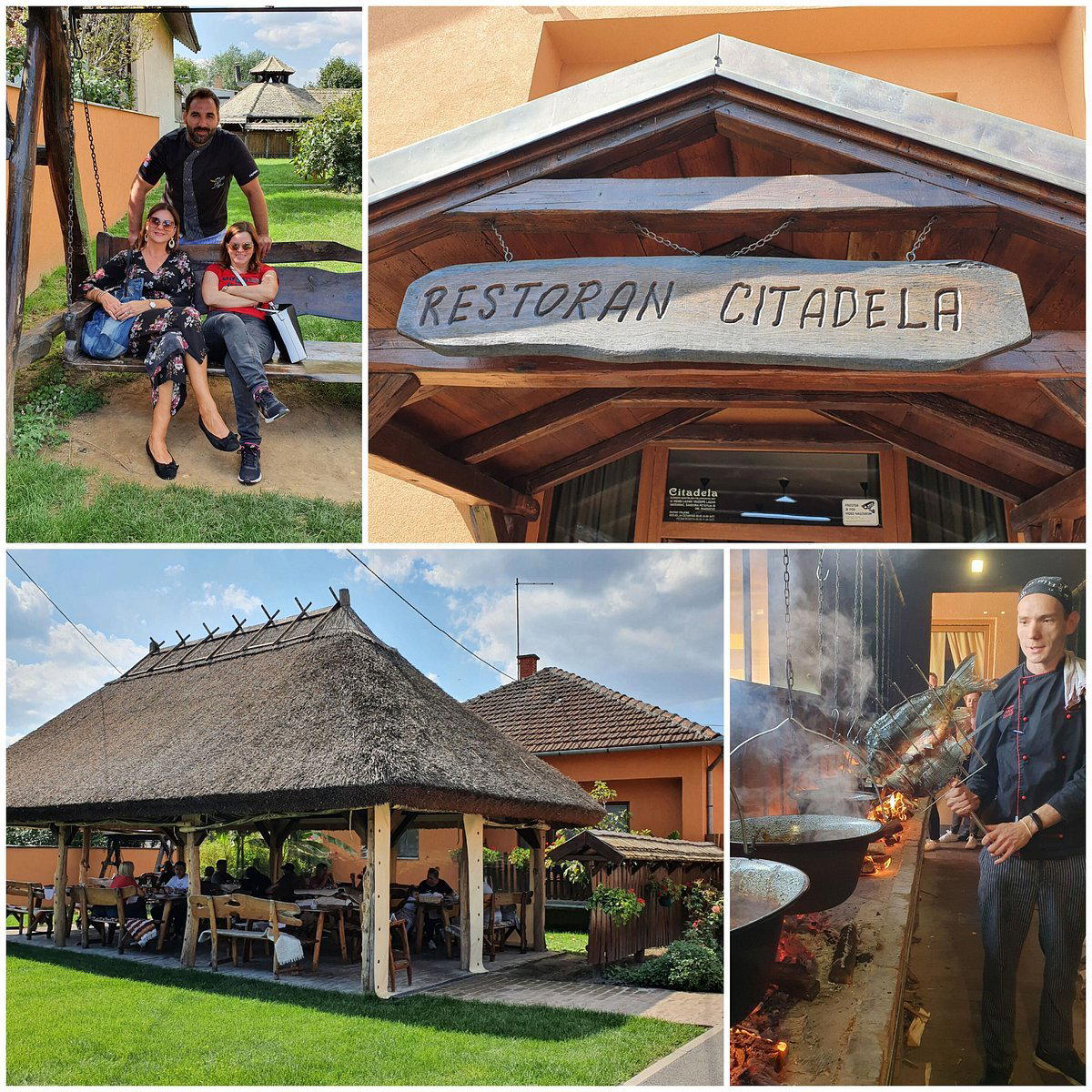
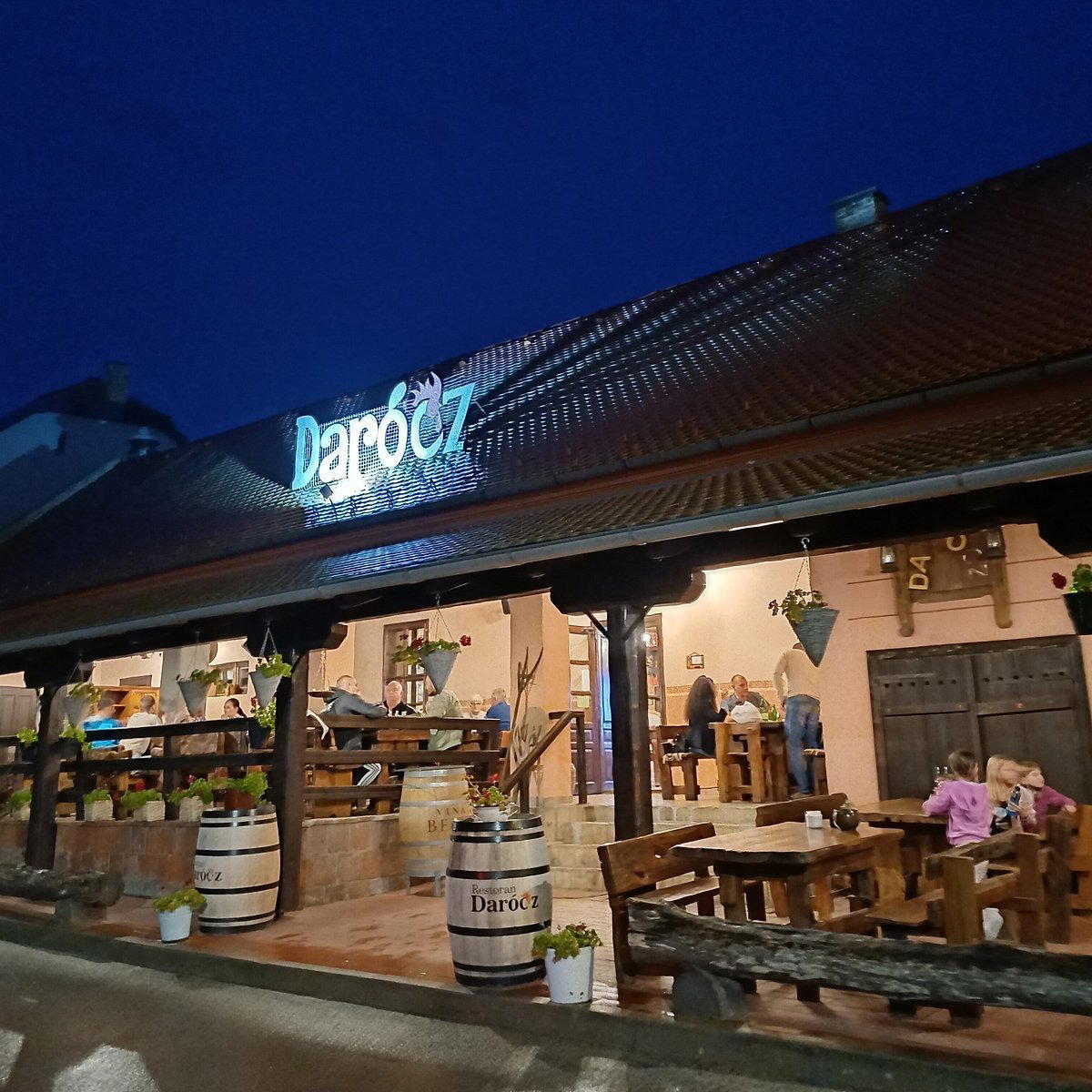
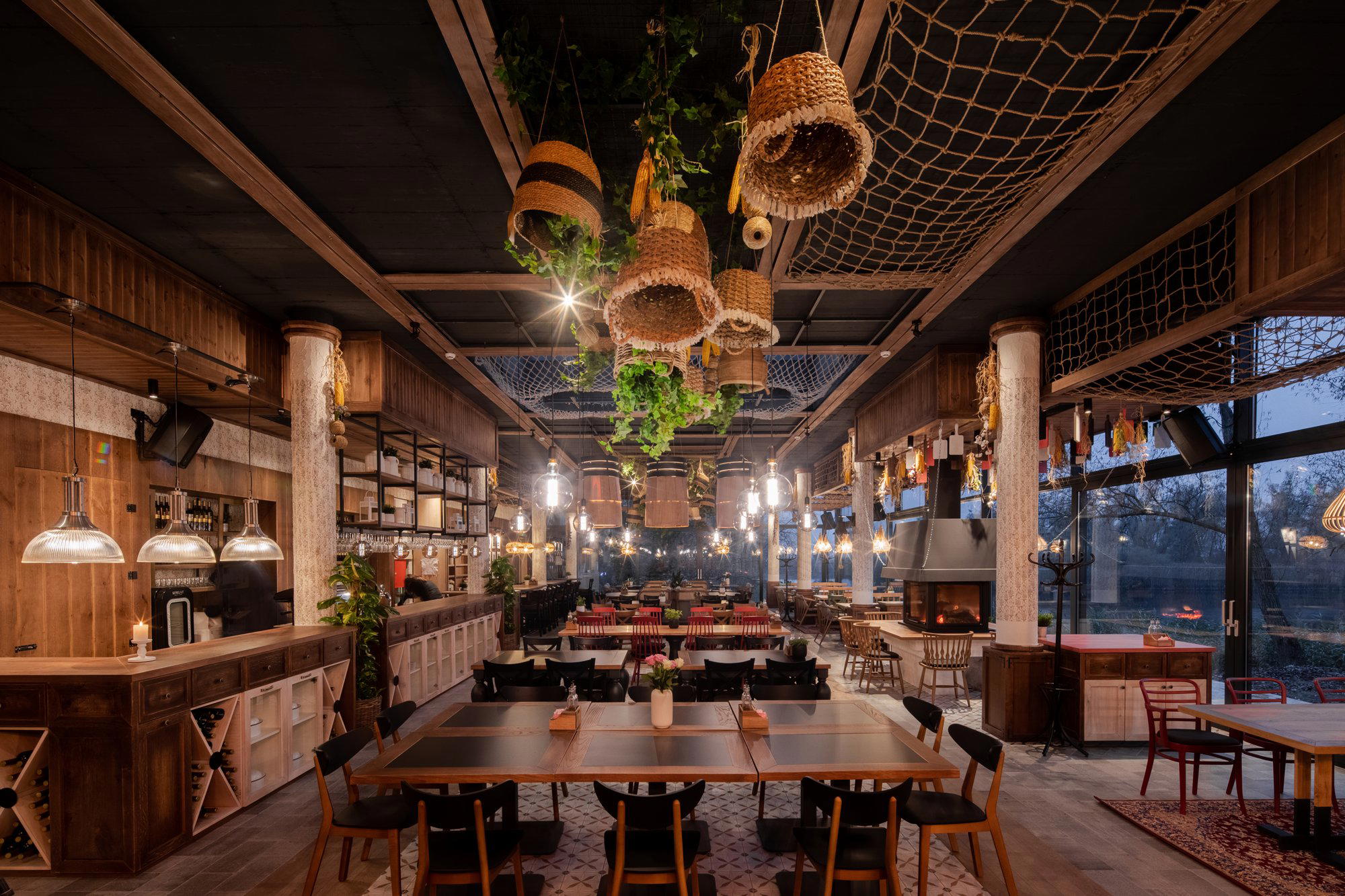

Details
- Rustic
- Cozy
- Classic
- Family
- Casual Hangout
- Wine Cellar
- Extensive Wine List
- Local Sourcing
- A La Carte
Current opening hours
- Monday
- 12–7 PM
- Tuesday
- 8 AM–10 PM
- Wednesday
- 8 AM–10 PM
- Thursday
- 8 AM–10 PM
- Friday
- 8 AM–1 AM
- Saturday
- 8 AM–1 AM
- Sunday
- 8 AM–7 PM
Hours can change for holidays and private events. Last verified .
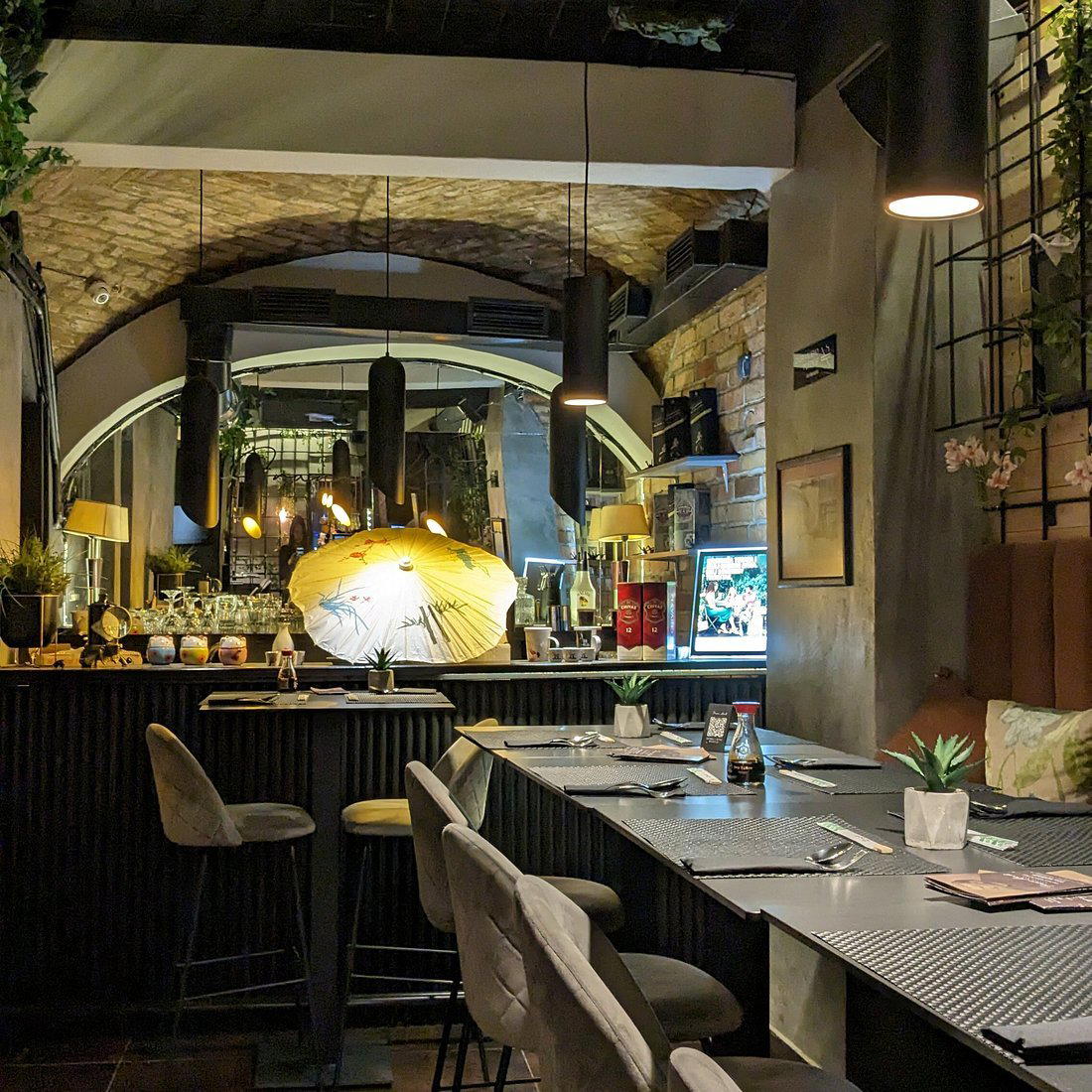
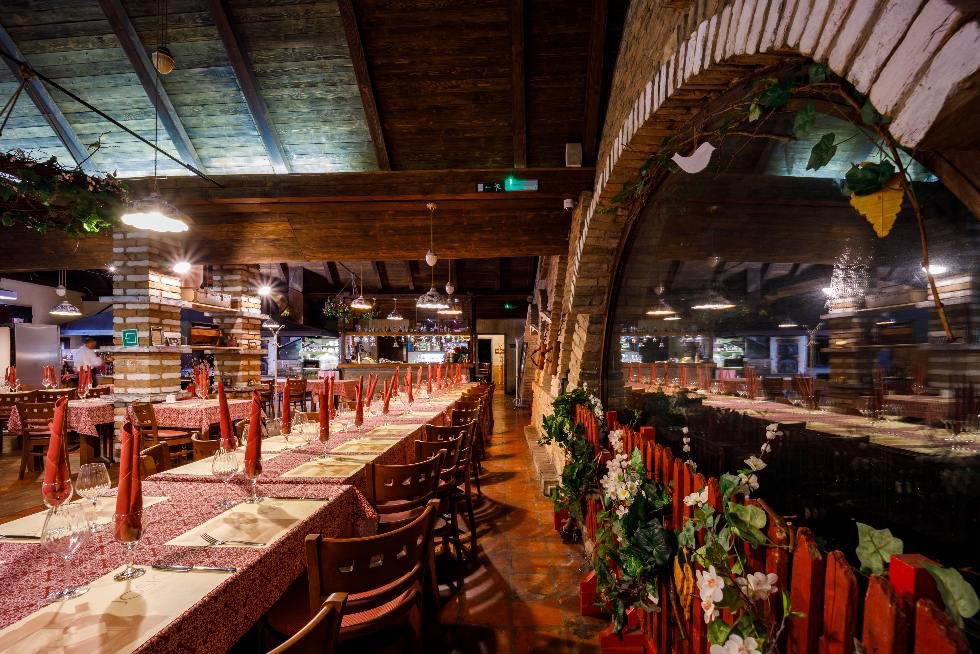
Warm, inviting, and unconstrained atmosphere with old-style street lamps lighting the inner courtyard in the evening.