On Korčula's waterfront promenade, Restaurant Filippi occupies a setting that frames the Adriatic as naturally as it does the plate. The restaurant sits within one of Dalmatia's most historically dense island towns, where the sourcing tradition runs as deep as the stone walls surrounding it. For travellers working through Croatia's Adriatic dining circuit, it belongs on the same itinerary as the region's better-documented names.
Pearl is the En Primeur Club membership app — saves, bookings, and concierge access live there. Same editors, same standards.
- Address
- Šetalište Petra Kanavelića, 20260, Korčula, Croatia
- Phone
- +385 98 275 701
- Website
- restaurantfilippi.com
- Directions
- Get directions
 Saves & bookings on Pearl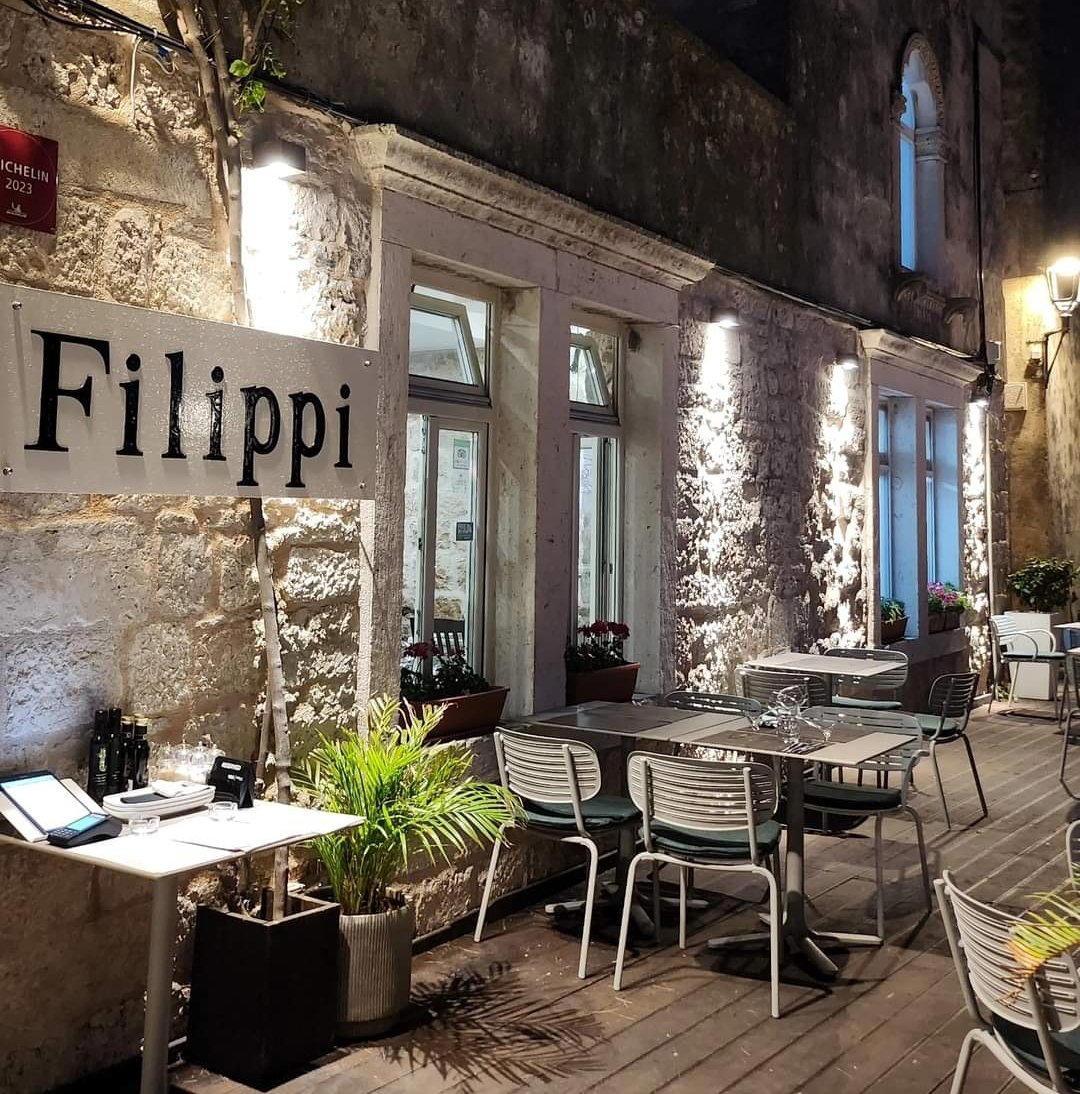
Where the Adriatic Sets the Table
Approaching Šetalište Petra Kanavelića in the early evening, the logic of Korčula's dining culture becomes immediately legible. The promenade wraps the old town peninsula in a way that makes the sea less a backdrop than a boundary condition, fishing boats within eyeline, the Pelješac peninsula closing off the horizon, salt air cutting through the heat of a Dalmatian afternoon. Restaurants that occupy this strip do so with a geographic advantage that is difficult to manufacture elsewhere on the coast. Restaurant Filippi sits on this promenade, serving Classic Mediterranean Seafood at about $50 per person.
Korčula town itself is one of the more structurally coherent medieval settlements on the Adriatic, with a Gothic-Renaissance grid that draws comparison to Dubrovnik in miniature. That density of history concentrates visitors but also concentrates quality: the island has enough culinary awareness, shaped by decades of informed tourism, to support restaurants that take their sourcing seriously. Filippi operates in that context, a Dalmatian dining scene where the question of where ingredients come from carries weight, and where proximity to the water is not a selling point but a baseline expectation.
The Sourcing Logic of the Dalmatian Table
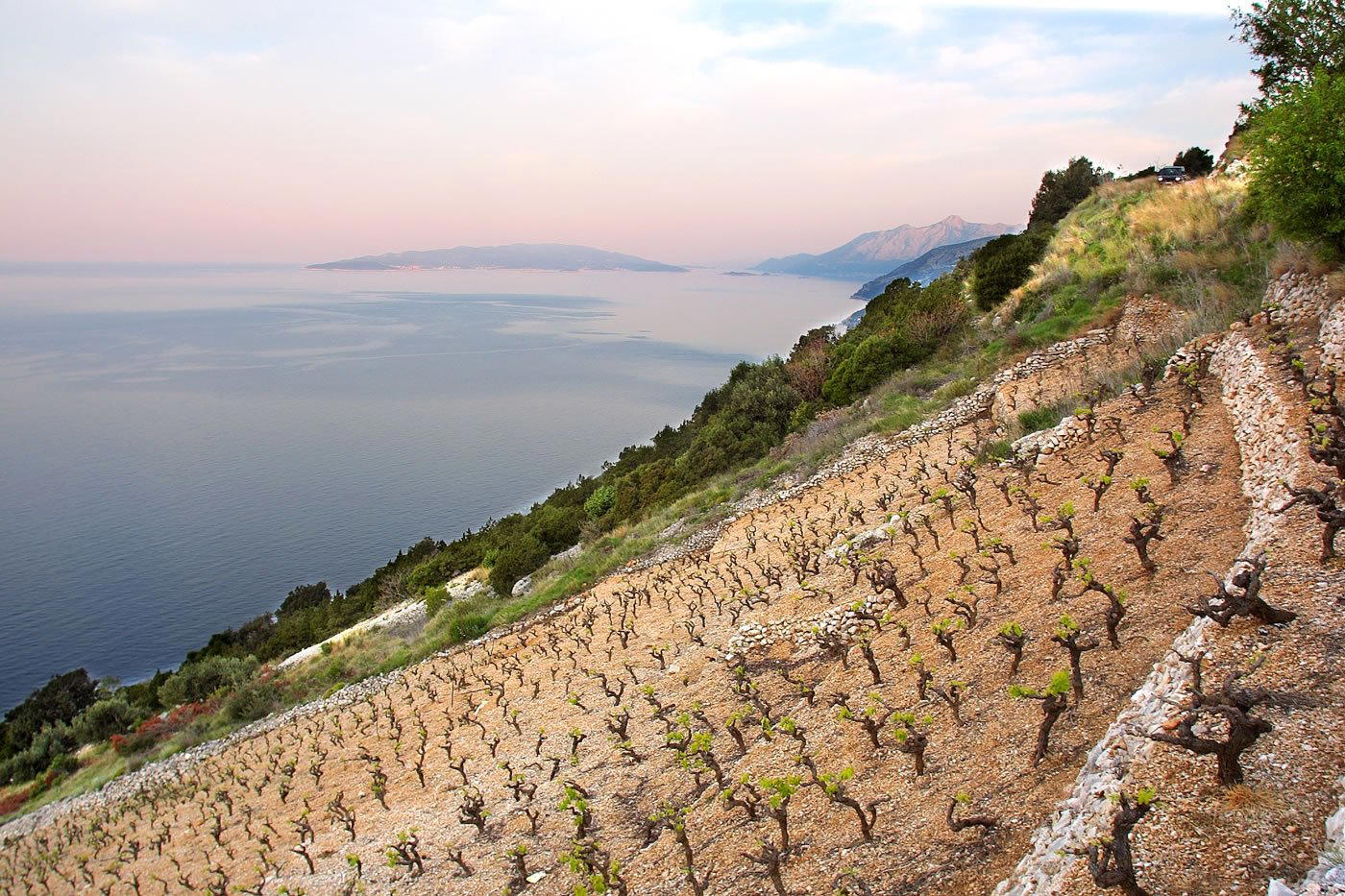
Understanding what makes a coastal Croatian restaurant worth attention requires understanding the supply chain it draws from. Dalmatia's culinary identity is built around short distances: fish landed the same morning, olive oil pressed on the island or across the channel, wine from vineyards close enough to see from the terrace. This is not farm-to-table as a marketing concept but as structural reality. The island of Korčula produces its own olive oil with a protected designation, and the surrounding waters yield dentex, sea bass, and John Dory that reach the kitchen within hours of the catch.
For restaurants on Korčula's promenade, that supply proximity translates directly into a style of cooking that prioritises restraint. When fish is genuinely fresh, the temptation toward complex sauce work diminishes. The Dalmatian approach, grilling over open embers, dressing with local oil, finishing with capers and herbs from the Adriatic hinterland, makes sense as technique precisely because the ingredient quality warrants it. Restaurant Filippi, positioned on this same promenade, inherits that culinary framework. The address itself places it within reach of the island's market rhythms and fishing schedules.
This sourcing tradition connects Korčula to a broader pattern visible across Croatia's coast. Comparable commitment to provenance appears at Pelegrini in Sibenik, where the Šibenik archipelago's waters shape the menu, and at Boskinac in Novalja on Pag, where the island's terroir, lamb, cheese, salt-influenced wine, becomes the entire editorial premise. Inland, Korak in Jastrebarsko demonstrates that the same localist logic extends beyond the coast. Filippi's position in Korčula places it within this constellation of restaurants that treat geography as ingredient.
Korčula in the Croatian Dining Hierarchy
Croatia's restaurant scene has matured considerably over the past decade, developing a tier structure that now maps roughly onto European norms. At the upper end, restaurants like Restaurant 360 in Dubrovnik and Agli Amici Rovinj in Rovinj operate with international recognition and price points to match. A step below, solid regional restaurants across Dalmatia and Istria serve the same sourcing values at more accessible levels. LD Restaurant in Korčula represents one benchmark on the island itself. Restaurant Filippi occupies Korčula's promenade circuit alongside these names, in a town where the concentration of quality dining relative to population is unusually high.
The broader Adriatic context matters for calibration. Nebo by Deni Srdoč in Rijeka and Alfred Keller in Mali Lošinj represent the northern Adriatic's more ambitious register. In Istria, EatIstria in Pluj, San Rocco in Brtonigla, and Humska Konoba in Hum demonstrate how strongly regional identity can anchor a dining room. On the central Dalmatian coast, Krug in Split takes a more urban approach. Filippi's Korčula address puts it in the island category, where informality of setting coexists with genuine seriousness about ingredients.
Island restaurants of this kind operate on a different logic from their mainland counterparts. Supply chains are shorter but more weather-dependent. The fishing catch that arrives in summer abundance becomes constrained in shoulder seasons, and menus shift accordingly. Visitors who arrive in July or August encounter the version of Dalmatian seafood cooking at its most direct; those arriving in May or October find fewer tourists but similar quality from the kitchen, and a dining room that operates at a more deliberate pace. Both have distinct advantages, and the promenade setting registers differently in each.
Planning a Visit
The restaurant sits on Šetalište Petra Kanavelića, the main promenade circling Korčula's old town. Reaching Korčula requires either a ferry crossing from Orebić on the Pelješac peninsula, a short trip of under thirty minutes, or longer ferry connections from Split and Dubrovnik. Visitors arriving from Dubrovnik should note that Dubravkin Put in Zagreb and Trg Sv. Stjepana 3 in Lesina offer staging points if building a longer Croatian itinerary. Johnson in Mošćenička Draga anchors the Kvarner end of a coast-length circuit. For those building a longer comparative dining itinerary across the Adriatic, the sequence from Istria through Dalmatia to the islands covers significant culinary range, with Korčula representing one of the more historically grounded stops.
The restaurant is open Monday through Saturday from 12 to 11 PM and Sunday from 5 to 11 PM. For broader orientation on what the island offers, our full Curzola restaurants guide maps the town's dining options across price points and settings. Those building a comparative reference point for technique-driven coastal cooking at the international level will find useful framing in Le Bernardin in New York City and Lazy Bear in San Francisco, where the sourcing-first premise operates in a different context but with the same underlying logic.
Quick Comparison
Comparable venues nearby, for context on price, style, and recognition.
| Venue | Cuisine | Price | Notes |
|---|---|---|---|
| Restaurant FilippiThis venue — the venue you are viewing | Classic Mediterranean Seafood | $$$$ | Not listed |
| Posat | Modern Mediterranean Seafood | $$$$ | Pile |
| Konoba Vinotoka | Traditional Dalmatian Mediterranean Seafood | $$$ | Supetar |
| Restaurant Méditerranée | Contemporary Mediterranean with Dalmatian Heritage | $$$$ | Waterfront (Trumbićeva obala) |
| Ignis | Modern Mediterranean Tapas | $$$ | Korcula Old Town |
| Val | Modern Mediterranean Seafood | $$$ | Vis |
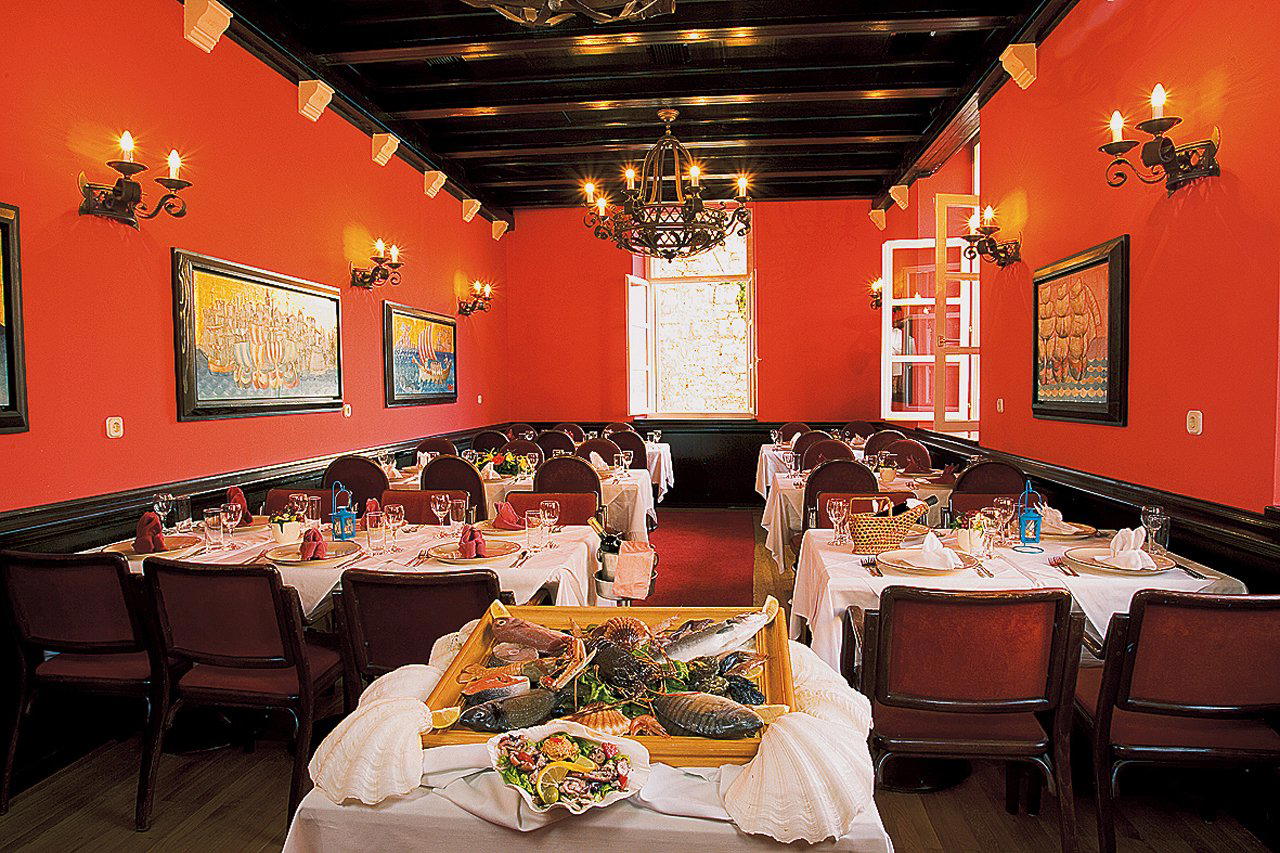
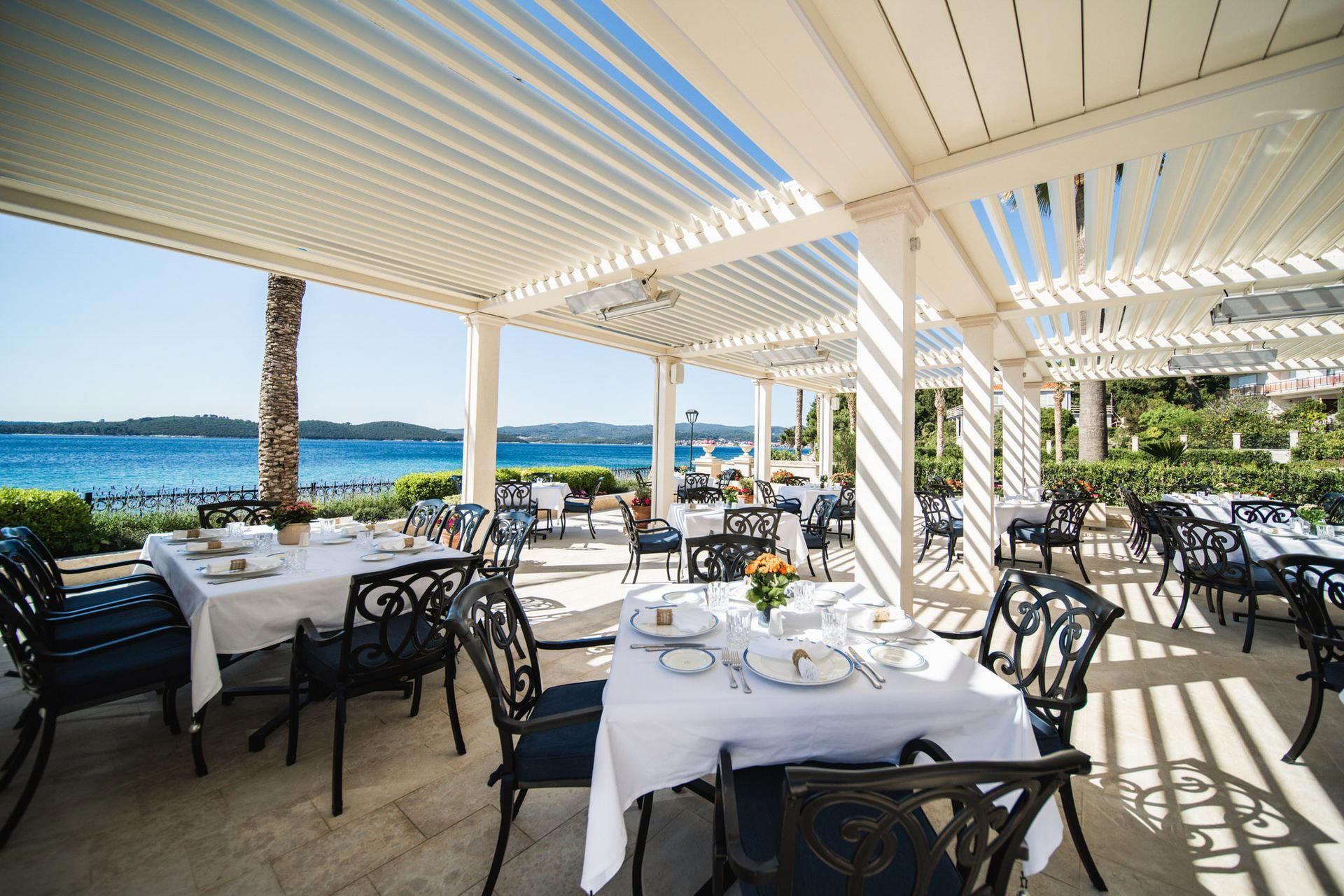
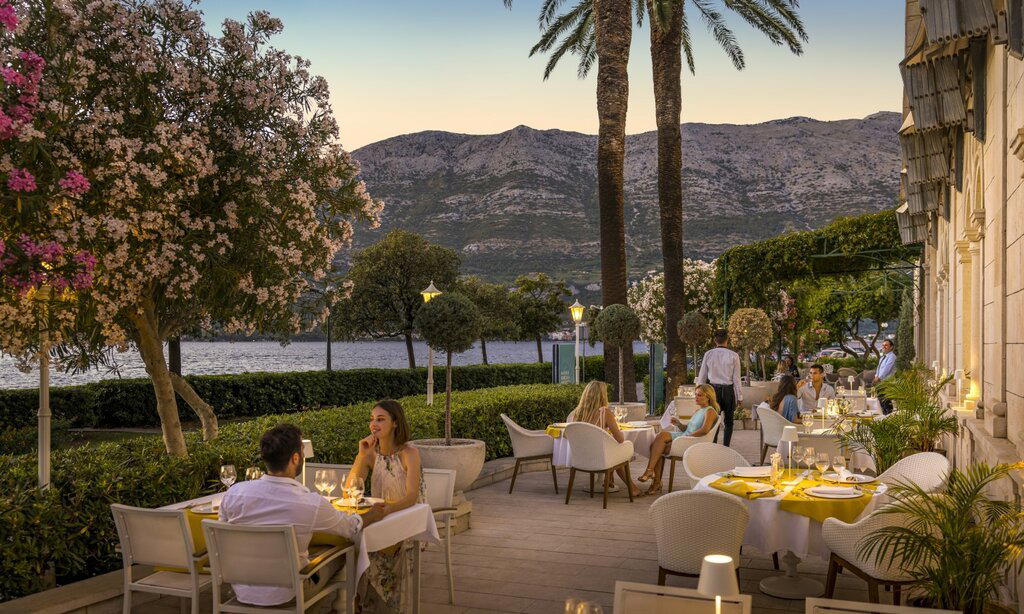

At a Glance
- Scenic
- Elegant
- Rustic
- Cozy
- Date Night
- Special Occasion
- Celebration
- Waterfront
- Terrace
- Extensive Wine List
- Local Sourcing
- Waterfront
Current opening hours
- Monday
- 12–11 PM
- Tuesday
- 12–11 PM
- Wednesday
- 12–11 PM
- Thursday
- 12–11 PM
- Friday
- 12–11 PM
- Saturday
- 12–11 PM
- Sunday
- 5–11 PM
Hours can change for holidays and private events. Last verified .
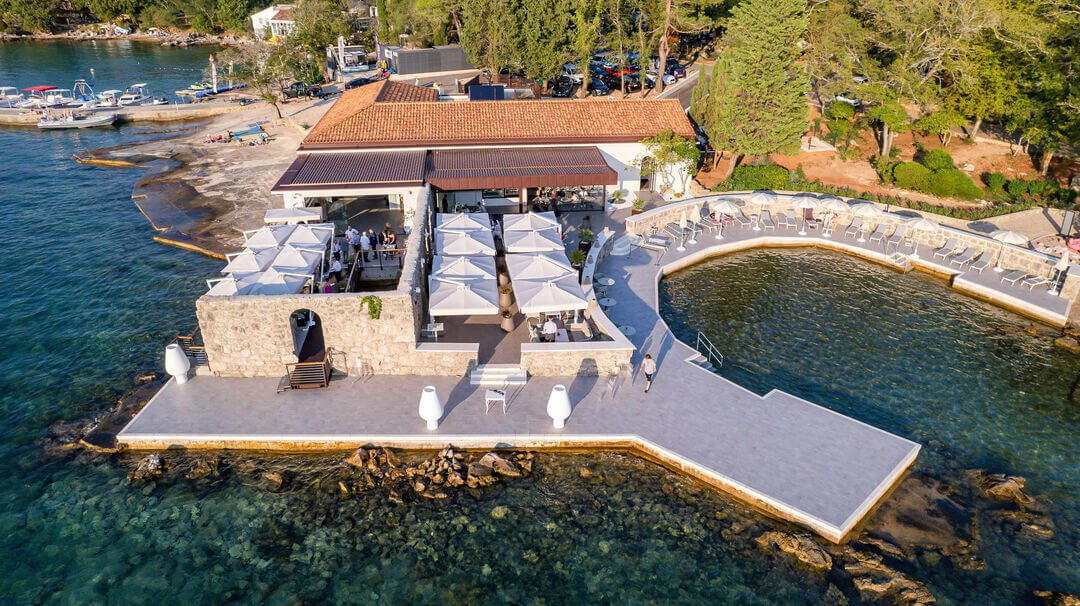
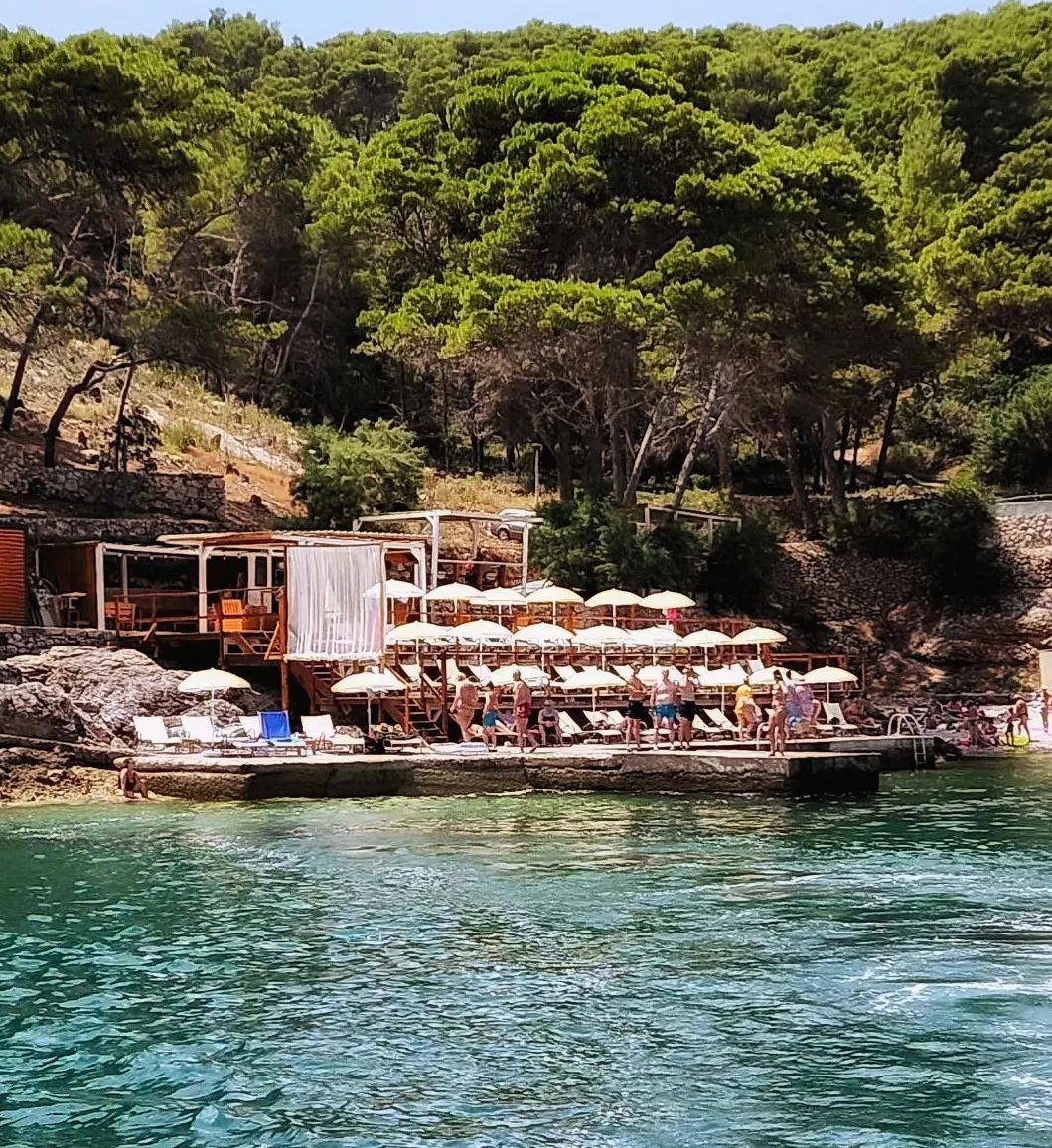
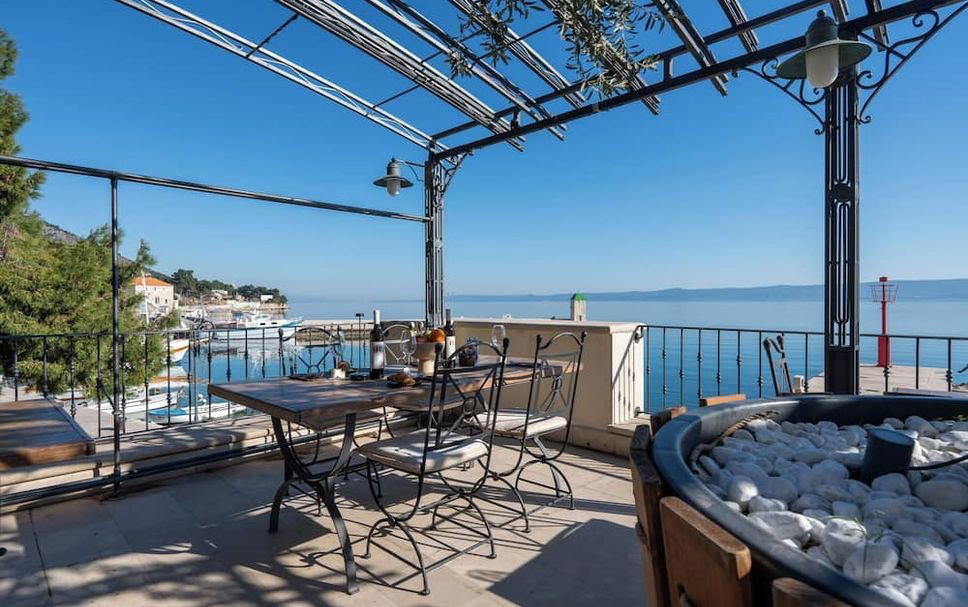
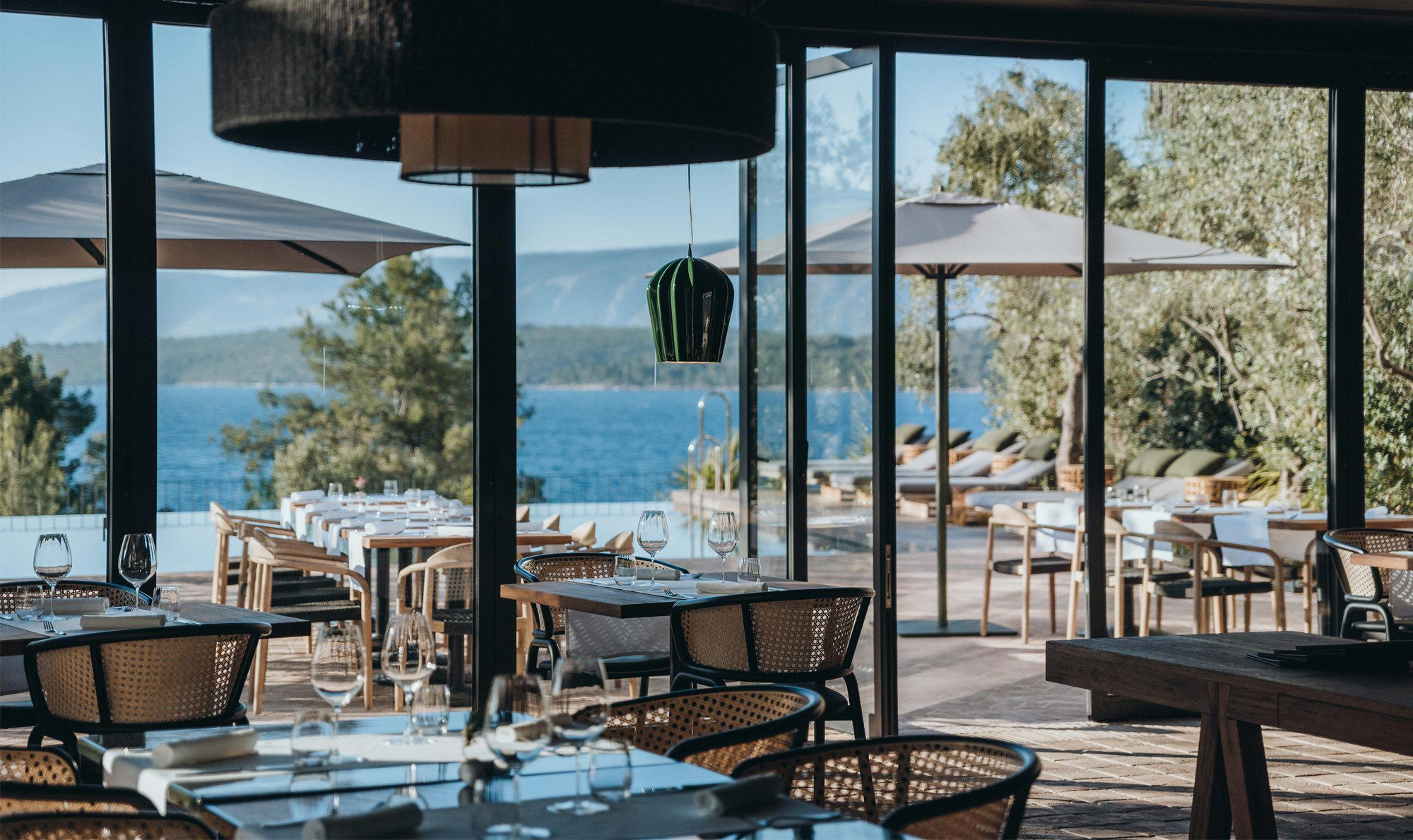
Open-air terrace shaded by Calabrian pines overlooking the sea, creating a scenic and atmospheric dining experience.