Our verdict
Pansion Ribnjak sits in Breznica Našička, a rural corner of Slavonia where the cooking tradition is grounded in what the surrounding land and water produce. The setting draws visitors looking for an authentic inland Croatian experience away from the coastal circuit, with a kitchen rooted in the region's freshwater and agricultural heritage.

Pearl is the En Primeur Club membership app — saves, bookings, and concierge access live there. Same editors, same standards.
- Address
- 31225, Breznica Našička, Croatia
- Phone
- +38531607006
- Hours
- Mon–Sat 10 AM–10 PMSun 10 AM–5 PM
- Website
- nasicki-ribnjaci.hr
- Directions
- Get directions
The menu
What to order
- Fish soup
- Fish paprikaš
- Perkelt
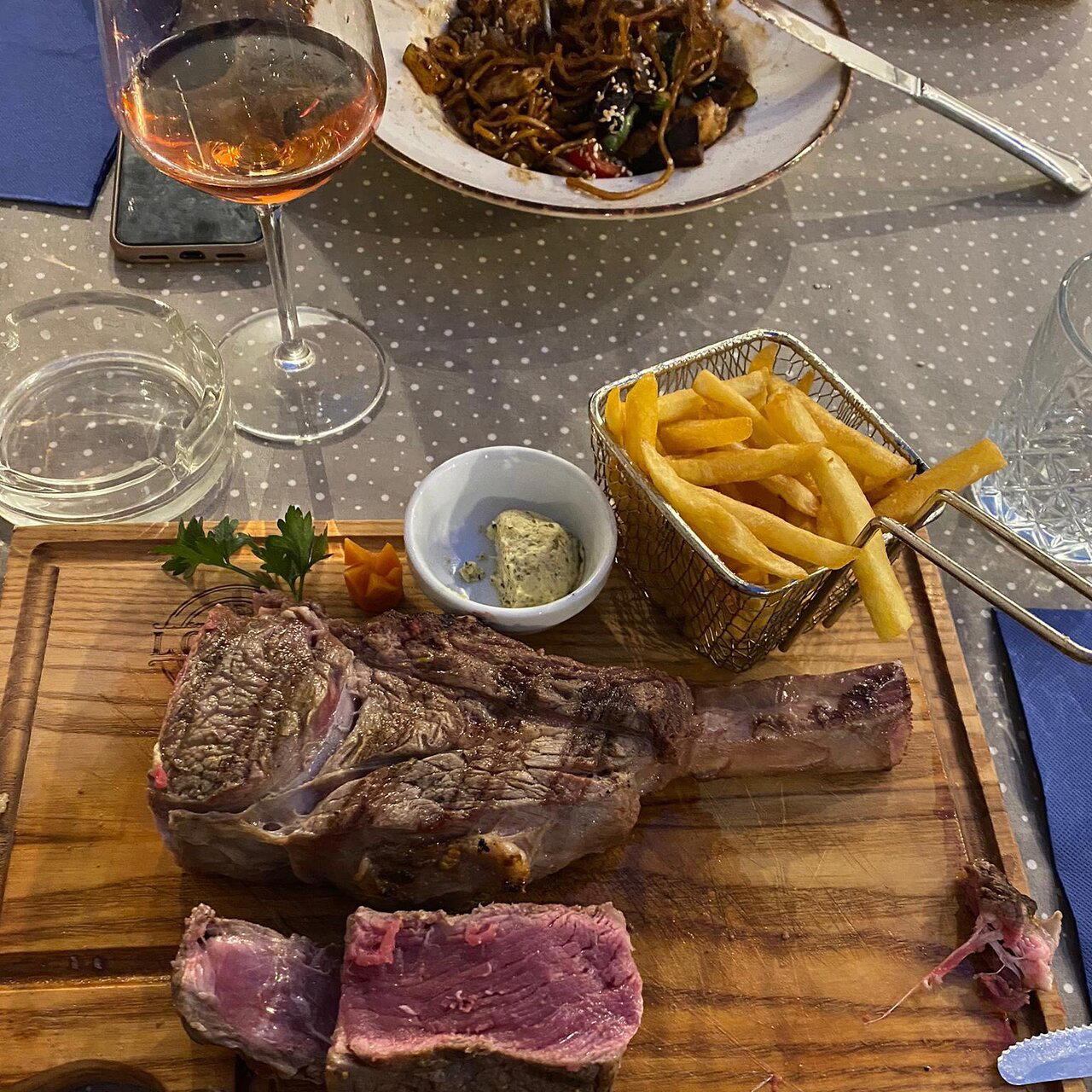
- Dry-aged beef
Slavonian Inland Dining and the Sourcing Logic Behind It
Croatia's dining reputation is built almost entirely on its Adriatic coastline. The restaurants pulling serious critical attention, from Pelegrini in Sibenik to Restaurant 360 in Dubrovnik and Agli Amici Rovinj, share an orientation toward the sea: shellfish, salt air, Dalmatian wine, and a visual grammar of white stone and blue water. Slavonia, the agricultural belt stretching across Croatia's northeast, operates on a completely different sourcing logic. The food here comes from rivers, fields, and forests rather than fishing boats, and the cooking traditions that shaped it have remained largely outside the editorial spotlight that has transformed the coast over the past decade.
Pansion Ribnjak in Breznica Našička sits inside that inland tradition. The address places it in the Našice area of Slavonia, a region where freshwater fish, game, and farm-raised produce form the backbone of the local table. The name itself, ribnjak, is the Croatian word for a fish pond or fishery, a signal of where the kitchen's sourcing priorities begin. In a country where seafood is the assumed default for any serious dining conversation, a restaurant built around freshwater supply chains occupies a distinct and underappreciated position.
What Slavonian Ingredients Actually Mean on the Plate
The Slavonian interior has long been associated with specific agricultural outputs: carp and catfish from the region's rivers and ponds, paprika-heavy kulen sausage, free-range poultry, and game from the oak forests that dominate the terrain. These are not ingredients that travel well into the coastal idiom; they require a different set of preparations, heavier spicing in some cases, slower cooking in others, and an approach to fat and richness that the lean seafood tradition of Dalmatia does not accommodate.
Freshwater fish cookery in this part of Croatia tends to follow two distinct registers. One is the fiš paprikaš tradition, a long-cooked fish stew with sweet and hot paprika that is among the most regionally specific dishes in the country, inseparable from the Drava and Sava river communities that developed it. The other is simpler, cleaner preparation of individual fish, grilled or pan-finished, where the quality of the sourcing speaks without interference. Both approaches depend entirely on having access to product that is local and fresh, which is precisely the advantage a venue with a name referencing its own fish supply is positioned to hold.
This sourcing-first model is not unique to Slavonia. In broader European terms, it mirrors the logic that has refined region-anchored restaurants elsewhere, where proximity to primary producers creates a quality floor that imported or distributed supply chains cannot replicate. The difference is that in coastal Croatia, this model has attracted awards and editorial coverage, while the inland equivalent has largely operated without that recognition. Venues like Korak in Jastrebarsko and Boskinac in Novalja have made the case for Croatian regional identity beyond the Adriatic, but the Slavonian interior remains a much thinner entry in the country's serious dining directory.
The Setting and What It Signals
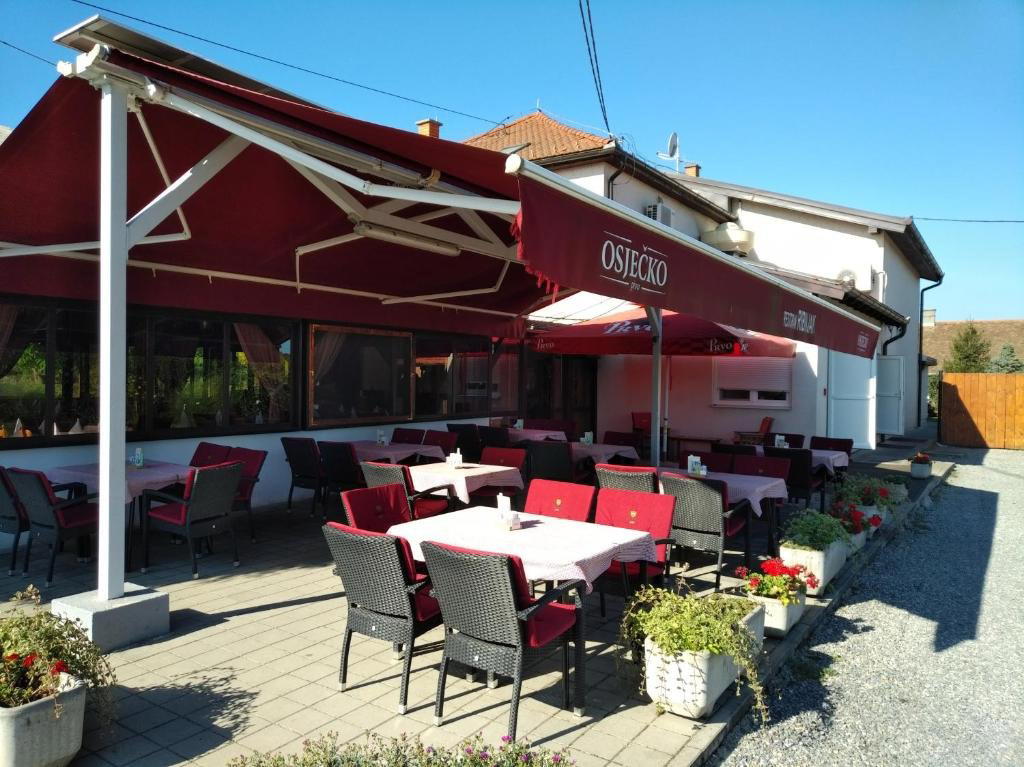
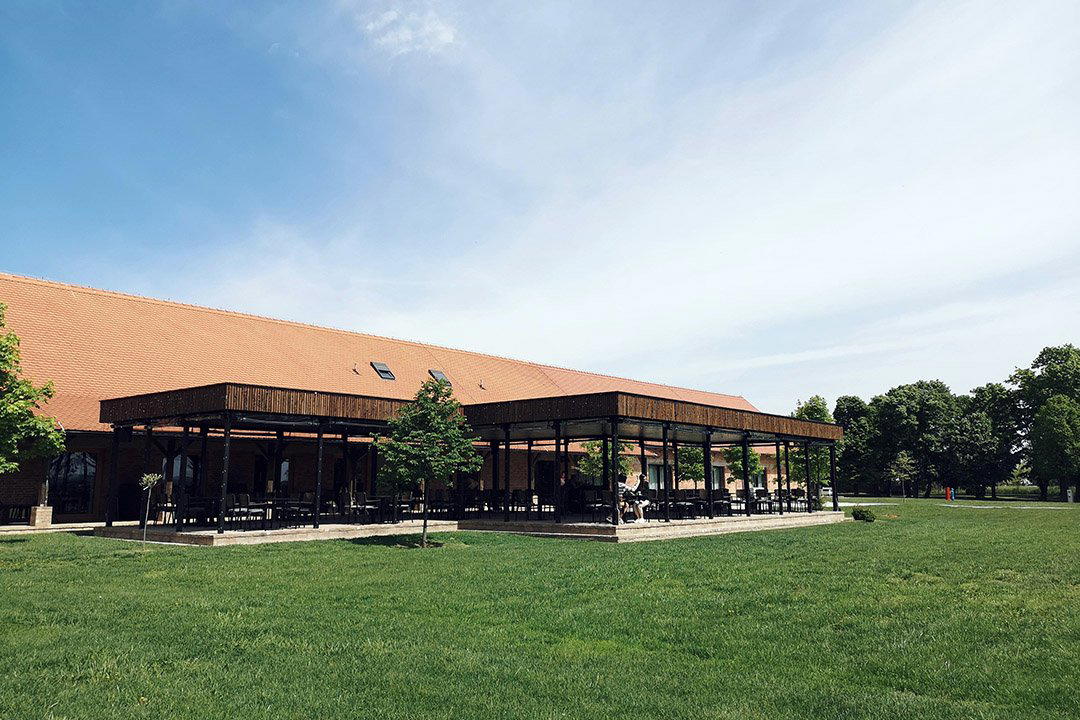
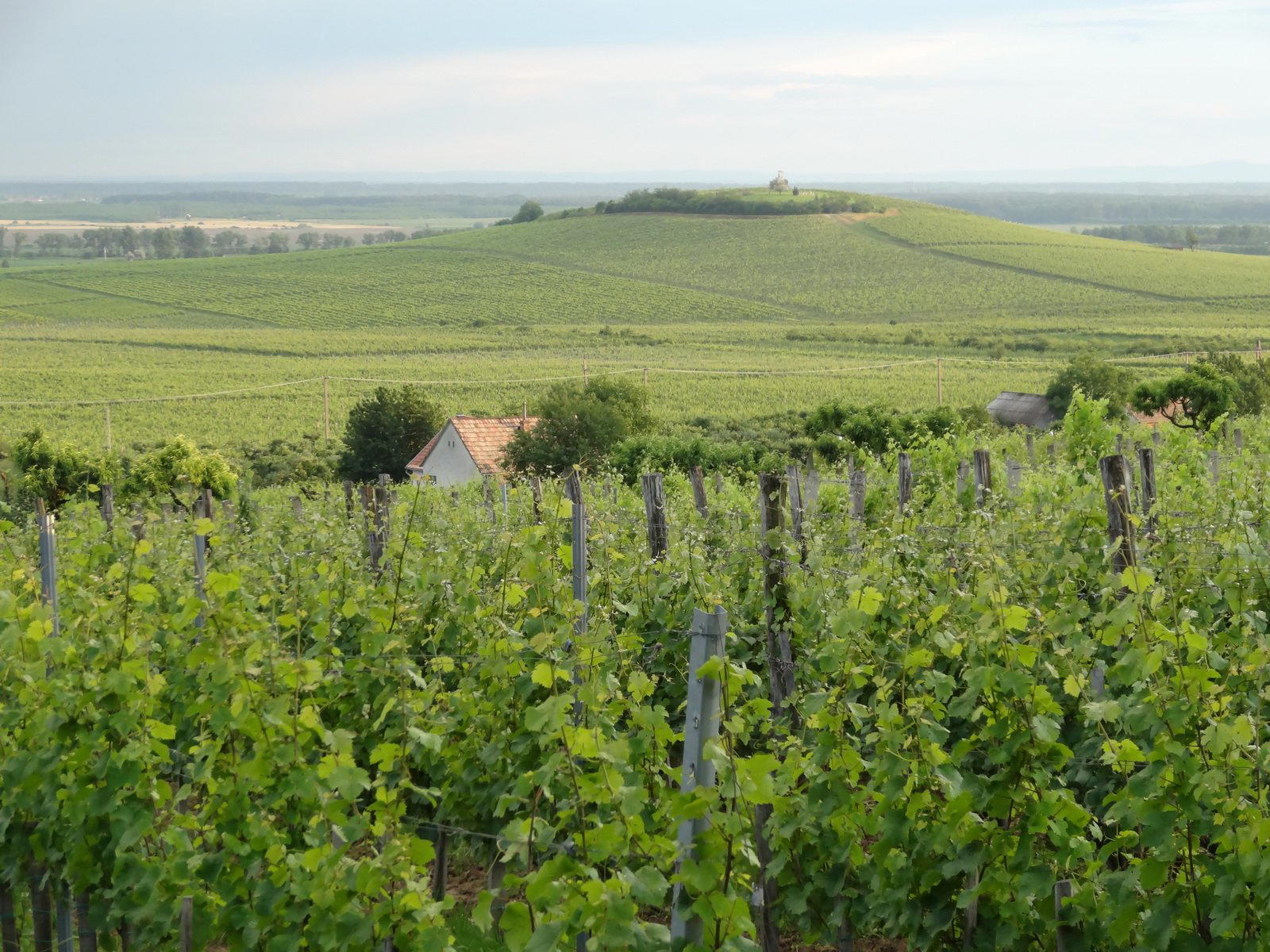
Approaching a pansion in rural Slavonia is a different arrival experience from the polished hotel-restaurant formats of Opatija or the old-town dining rooms of Split. The physical environment here is agricultural: flat or gently rolling terrain, broad fields, scattered woodland, and the occasional fishpond that gives properties like Ribnjak their name and their raison d'être. There is no architectural grandeur in the coastal sense, and the experience does not position itself as destination dining in the way that Nebo by Deni Srdoč in Rijeka or Dubravkin Put in Zagreb do.
What the setting offers instead is a sense of direct connection to the source. A pansion built around a working fishery is, by structural logic, a short-supply-chain operation. The distance between the pond and the kitchen is measured in metres rather than distribution days, which is a meaningful distinction when the ingredient in question is freshwater fish, where freshness is not a premium but a requirement. Coastal Croatia's leading restaurants have built international reputations partly on having access to exceptional local product. The inland equivalent of that argument has simply not been told as loudly or as often.
For visitors to the Našice area or travellers routing through Slavonia between Zagreb and the east of Croatia, Pansion Ribnjak represents a different register of Croatian hospitality from what the coastline offers. It belongs to a tradition of guesthouse dining that predates the contemporary restaurant scene and that persists precisely because it serves a real local need rather than a tourist-market demand. That distinction matters when reading what the kitchen is likely to prioritise.
Where Ribnjak Fits in Croatia's Broader Dining Picture
Croatia's restaurant scene has diversified considerably over the past decade. The concentration of fine dining on the coast remains, with venues like LD Restaurant in Korčula, Alfred Keller in Mali Lošinj, and Krug in Split anchoring a tier of recognised destination restaurants. But a parallel conversation has opened around regional identity, ingredients-first cooking, and the kind of local specificity that coastal dining can sometimes flatten into a generic Mediterranean register.
Slavonian cuisine represents one of the most distinct regional traditions in the country. It shares more with Hungarian and Serbian cooking than with the olive oil and seafood conventions of Dalmatia, and its ingredient profile, paprika, carp, kulen, wild game, lard-based pastry, is sufficiently far from the Adriatic mainstream to function as a genuine alternative rather than a variation. For travellers who have already worked through the coastal circuit, from Burin in Crikvenica to Cubo in Opatija and Cantilly Garden Restaurant in Samobor, the Slavonian interior offers a reset in culinary frame of reference.
At the same time, Ribnjak should not be read against the same set of expectations that apply to BioMania Bistro Bol or Bodulo in Pag. The pansion format occupies a different price tier and a different service register from boutique restaurant dining. Its peer group is other Slavonian guesthouses and rural dining rooms, evaluated by the quality of what the land and water around them provide. In that context, a property whose name announces its fishpond supply chain is signalling exactly the right credential for its category. See our full Nasice restaurants guide for broader context on dining options in the area.
Planning Your Visit
Breznica Našička is a small settlement in the Našice municipality, accessible by road from the town of Našice, which sits roughly halfway between Osijek and the Zagreb-Slavonski Brod motorway corridor. Travellers arriving from Zagreb should allow approximately two and a half hours by road. Given the rural location and the pansion format, advance contact is advisable for both accommodation and dining; guesthouses of this type in Slavonia typically require reservations for larger groups and may have limited operating hours outside peak season. The area is leading visited between late spring and early autumn, when the Slavonian agricultural calendar is at its most active and freshwater fish supply is at its most consistent.
Frequently asked questions
Is Pansion Ribnjak a family-friendly restaurant?
Pansion Ribnjak sits in Breznica Našička, a rural settlement in the Nasice municipality, and operates in the pansion format common to Slavonian inland Croatia. That format — informal, often tied to working farms or fishing ponds — tends to suit families more naturally than tasting-menu-style venues. The setting rewards those who want a relaxed, unhurried meal rather than a structured dining occasion.
What is the atmosphere like at Pansion Ribnjak?
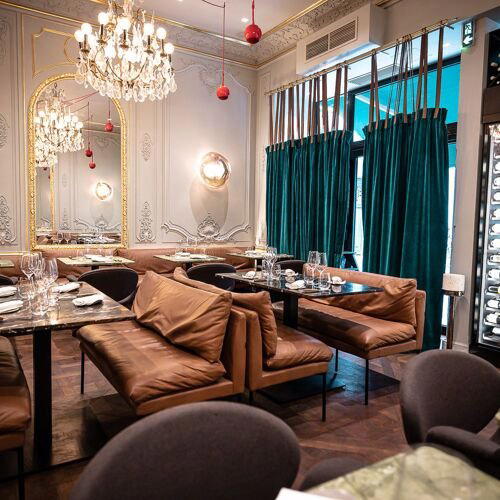
The atmosphere reflects the rural Slavonian context: a pansion in Breznica Našička, outside the town of Nasice, puts you well clear of any urban dining scene. Expect the kind of environment shaped by agricultural surroundings and freshwater resources rather than designed interiors or a curated ambience. It is a working-region dining experience, not a destination restaurant built for ceremony.
Why do visitors travel specifically to Breznica Našička to eat at Pansion Ribnjak rather than dining in Osijek or on the coast?
The address in Breznica Našička, within the Nasice municipality roughly midway between Osijek and Slavonski Brod, places Pansion Ribnjak in territory that coastal and urban restaurants cannot replicate: direct proximity to the fish ponds that supply the kitchen. The name 'Ribnjak' signals that the sourcing relationship is structural, not incidental, which is precisely what draws visitors willing to travel inland from Croatia's better-known dining corridors.
What's the must-try dish at Pansion Ribnjak?
Given the venue name 'Ribnjak,' which translates directly as 'fish pond' in Croatian, freshwater fish preparations are the logical focal point of the menu.
Where do I go for Pansion Ribnjak?
Pansion Ribnjak is located at 31225, Breznica Našička, Croatia, Nasice.
Side-by-Side Snapshot
Comparable venues nearby, for context on price, style, and recognition.
| Venue | Cuisine | Price | Notes |
|---|---|---|---|
| Pansion RibnjakThis venue — the venue you are viewing | Traditional Croatian River Fish | Not listed | Not listed |
| Gostionica Ficlek | Authentic Croatian / Zagreb Traditional | $10–20 | Gornji Grad - Medveščak |
| Didin Konak | Traditional Baranja Croatian | Not listed | Bilje |
| Curry Bowl | Sri Lankan Street Food | $10–20 | Tkalčićeva |
| Karlo | Traditional Croatian | $20–30 | Plešivica |
| Amélie | French-Inspired Pastry Shop & Cafe | $10–20 | Gornji Grad |

Details
- Rustic
- Cozy
- Family
- Casual Hangout
- Terrace
- Garden
- Local Sourcing
- A La Carte
Current opening hours
- Monday
- 10 AM–10 PM
- Tuesday
- 10 AM–10 PM
- Wednesday
- 10 AM–10 PM
- Thursday
- 10 AM–10 PM
- Friday
- 10 AM–10 PM
- Saturday
- 10 AM–10 PM
- Sunday
- 10 AM–5 PM
Hours can change for holidays and private events. Last verified .
Traditional with nice terrace for outdoor dining and fresh, regional atmosphere.