On a quiet residential street in central Osijek, Karaka sits within a dining scene that punches above its size for a mid-sized Slavonian city. The address on Ulica Kneza Trpimira places it away from the main tourist corridor, drawing a local crowd that treats it as a neighbourhood reference point rather than a visitor destination.
Pearl is the En Primeur Club membership app — saves, bookings, and concierge access live there. Same editors, same standards.
- Address
- Ul. Kneza Trpimira 16, 31000, Osijek, Croatia
- Phone
- +38531203500
- Website
- karaka.co
- Directions
- Get directions
 Saves & bookings on Pearl
Osijek's Dining Character and Where Karaka Sits Within It
Osijek occupies an unusual position in Croatian dining. The country's serious restaurant conversation clusters around the coast, Restaurant 360 in Dubrovnik, Pelegrini in Sibenik, Agli Amici Rovinj in Rovinj, while the interior, Slavonia included, tends to be treated as a footnote. That framing misses something real. The Slavonian table has its own logic: pork-heavy, paprika-forward, shaped by proximity to Hungary and a tradition of slow cooking that predates any modern restaurant trend. Osijek, as the region's largest city, carries that tradition with a degree of seriousness that surprises visitors expecting provincial indifference. Karaka, a Croatian Grill & Pizza restaurant in Osijek at Ul. Kneza Trpimira 16, operates inside that context.
The Street, the Approach, the Setting
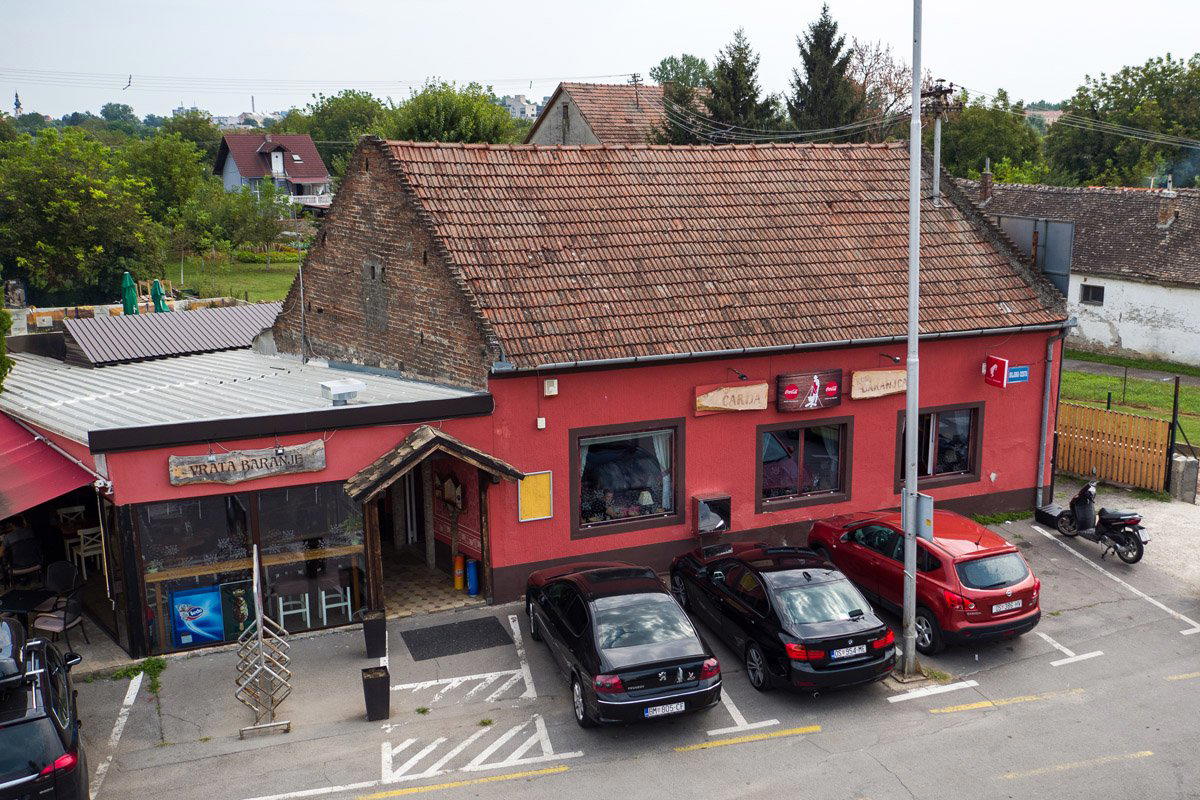
Ulica Kneza Trpimira is not a restaurant row. It is a residential artery running through central Osijek, the kind of street where you walk past apartment buildings and the occasional corner shop before arriving at a door that has no particular visual fanfare. This is not incidental. In Osijek, as in many Central European cities that never developed a dedicated dining quarter, the leading places tend to distribute themselves through the urban fabric rather than cluster. The effect, when you find Karaka, is that the transition from street to interior feels earned. The city's older fabric, 18th-century Baroque along the Drava riverfront, grid streets of Habsburg-era housing, surrounds you on the walk there, which is its own kind of orientation.
That neighbourhood placement matters for understanding the room's atmosphere before you sit down. Venues on streets like this one draw regulars over tourists, which tends to keep service calibrated to familiarity rather than performance. The dynamic differs markedly from what you encounter at, say, LULU FUSION BISTRO or Bijelo-plavi, both of which occupy more visible positions in the city's restaurant geography.
The Slavonian Table as Editorial Context
To understand what a restaurant like Karaka is doing, it helps to understand what Slavonian cuisine actually is. This is not the Adriatic diet of olive oil, grilled fish, and Pag cheese. Slavonia's food culture was shaped by the Pannonian Plain, by agriculture rather than fishing, and by centuries of cultural layering that brought Hungarian, Ottoman, and Austro-Hungarian influences into a regional synthesis. Kulen, the slow-cured, paprika-red sausage that functions as the region's calling card, is one exported item from this tradition, but it is a supporting character in a broader repertoire that includes freshwater fish from the Drava and Danube, slow-braised meats, and hand-rolled pasta preparations that owe more to Budapest than to the Dalmatian coast.
This is the culinary backdrop against which Karaka should be read. The address in Osijek makes it a participant in that tradition, whatever its specific execution. Compare this to what you find at Franz Koch or Kod Javora, two other Osijek addresses that engage the regional canon from different angles. The city now has enough serious addresses to constitute a genuine scene rather than a collection of isolated efforts, and Lipov hlad adds further depth at the lower end of formality. Karaka sits within that constellation.
Positioning Within Osijek's Price and Format Tiers
Osijek's dining tiers are compressed compared to Zagreb or Split. The city lacks the premium visitor economy that drives prices at coastal addresses like LD Restaurant in Korčula or Boskinac in Novalja, which means the ceiling for what an Osijek restaurant charges is set by local purchasing power rather than international tourism. This produces a particular kind of value proposition for the visitor: serious cooking at prices calibrated to a domestic market. The comparison venue set in Osijek suggests the mid-range bracket is where most of the city's credible dining happens. What distinguishes addresses within that bracket is less about price and more about kitchen focus, sourcing habits, and whether the menu reflects genuine regional knowledge or defaults to an undifferentiated Central European bistro format.
For visitors more familiar with Croatian dining from the coast, the framing offered by Slavonian specialists like Dubravkin Put in Zagreb or Nebo by Deni Srdoč in Rijeka provides a useful reference: those addresses demonstrate that interior and northern Croatia can support serious restaurant ambition without replicating the coastal template. Karaka operates in a city where the equivalent case is still being made.
Planning a Visit
Osijek is a three-hour drive east of Zagreb along the A3 motorway, or reachable by regional rail on the same corridor. The city's compact centre means that once you arrive, everything including Ulica Kneza Trpimira is walkable from the main hotel cluster near Trg Ante Starčevića. For context on the full range of where to eat while in the city, the Osijek restaurants guide maps the scene across formats and price points. Booking is recommended, particularly for weekend evenings when Karaka tends to fill with regulars. This is a city where showing up matters more than advance digital logistics.
Just the Basics
Comparable venues nearby, for context on price, style, and recognition.
| Venue | Cuisine | Price | Notes |
|---|---|---|---|
| KarakaThis venue — the venue you are viewing | Osijek, Croatian Grill & Pizza | $$ | Not listed |
| Merlon | Tvrđa, Modern European Pub with Burgers | $$ | Not listed |
| Bijelo-plavi | Not listed | $$ | Osijek center, Traditional Croatian Barbecue |
| Projekt 9 | Not listed | $$ | Gornjodravska Obala, Modern European with Local Croatian Influences |
| Franz Koch | Tvrđa, Asian Fusion | $$$ | Not listed |
| LULU FUSION BISTRO | city center, Asian Fusion Bistro | $$ | Not listed |

At a Glance
- Casual
- Rustic
- Lively
- Family
- Group Dining
- Casual Hangout
- Standalone
- Beer Program
Current opening hours
- Monday
- 9 AM–11:30 PM
- Tuesday
- 9 AM–11:30 PM
- Wednesday
- 9 AM–11:30 PM
- Thursday
- 9 AM–11:30 PM
- Friday
- 9 AM–12 AM
- Saturday
- 9 AM–12 AM
- Sunday
- 9 AM–11:30 PM
Hours can change for holidays and private events. Last verified .
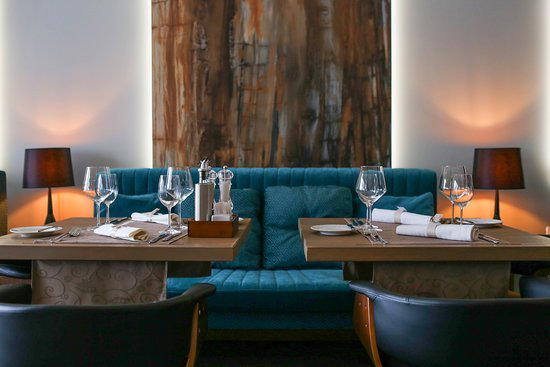
Folksy atmosphere with family pictures on the walls, stylish yet casual dining environment with a converted pub-like feel.