In Hum, a medieval walled village of fewer than thirty inhabitants in the Istrian interior, Humska Konoba operates as both dining room and cultural marker for one of Croatia's most atmospheric settings. The kitchen draws from the agricultural traditions of the Mirna valley and the surrounding hill-country, placing it within Istria's broader movement toward ingredient-rooted, place-specific cooking. For visitors making the drive inland from the coast, it is the defining reason to linger rather than pass through.
Pearl is the En Primeur Club membership app — saves, bookings, and concierge access live there. Same editors, same standards.
- Address
- Hum 2, 52425, Hum, Croatia
- Phone
- +385 91 600 3456
- Website
- humskakonoba.hum.hr
- Directions
- Get directions
 Saves & bookings on Pearl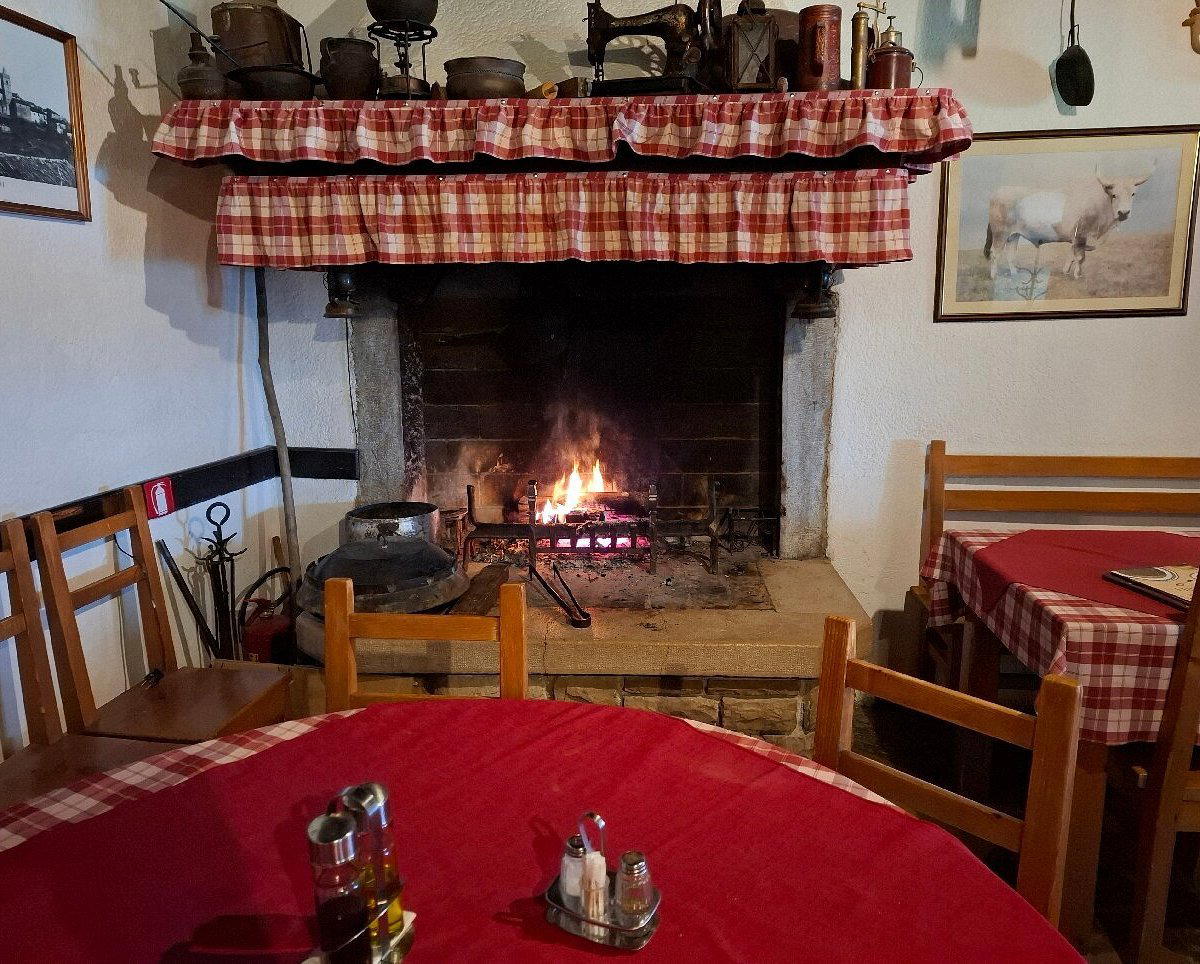
Stone Walls, Smoke, and the Logic of a Village Kitchen
Hum announces itself slowly. The approach road winds through oak forest and vineyards before the medieval gate appears, framing a settlement so small, fewer than thirty permanent residents, that it holds a claim, documented in local records, to being the smallest town in the world. Humska Konoba sits within that enclosure, at Hum 2, where the architecture is Romanesque, the alleyways are just wide enough for a laden donkey, and the dining culture is shaped less by culinary ambition than by what the surrounding land actually produces. That distinction matters. Istria's coastal restaurants, from the polished rooms of Agli Amici Rovinj in Rovinj to the refined tasting menus at Pelegrini in Sibenik, operate within a modern Croatian fine-dining conversation that references international technique. Humska Konoba operates in a different register entirely.
Where the Ingredients Come From
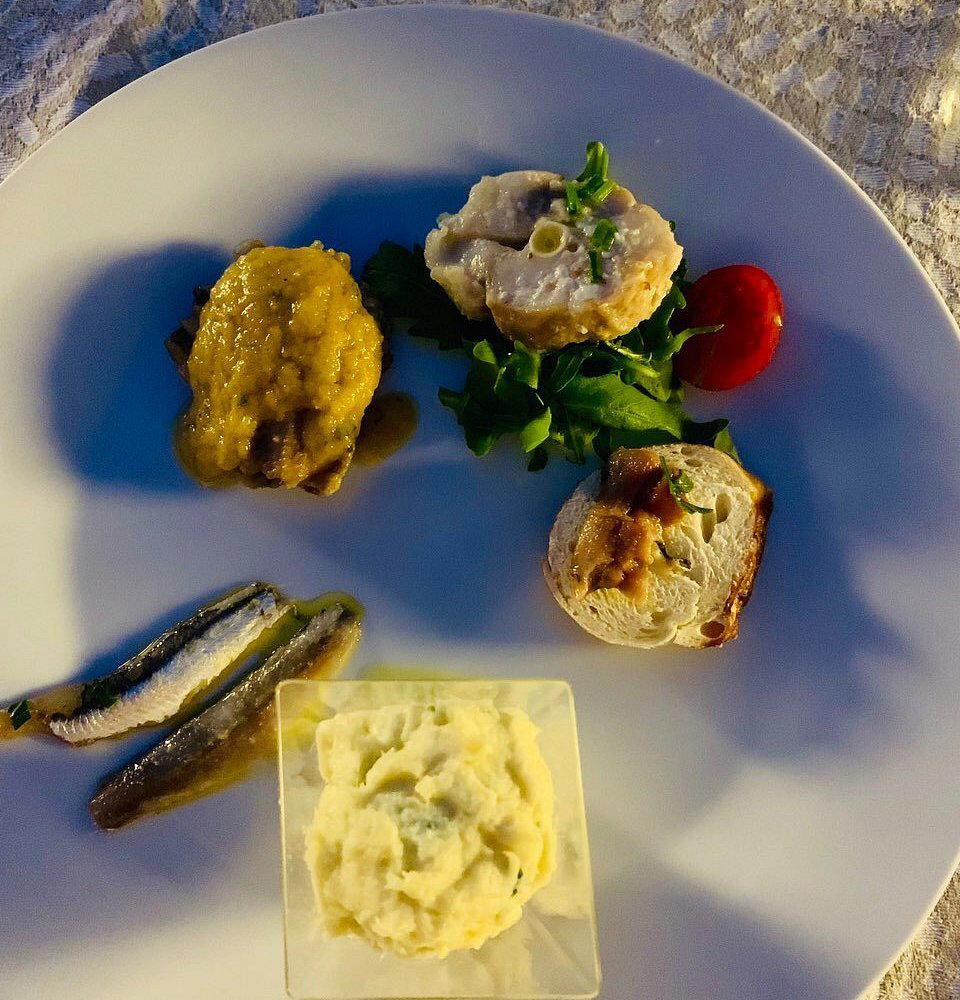
Istria's interior has functioned as a larder for centuries. The Mirna river valley produces some of Croatia's most prized agricultural output: white truffles from the forests around Motovun, olive oil from groves on the hillsides, and a local spirit, biska, distilled from mistletoe and grappa, that predates written records in the region. The konoba tradition, a format somewhere between a tavern and a farmhouse table, developed precisely because villages like Hum had no need for imported ingredients or elaborate supply chains. The food came from the surrounding twenty kilometres, and the cooking reflected that constraint.
In Humska Konoba's case, the sourcing logic is inseparable from the experience of eating there. The Istrian interior is truffle country in a way the coast is not, and autumn visits, roughly October through November, when white truffle season peaks, bring a different quality of ingredient to the table than summer. Biska, the house spirit made from mistletoe brandy, is produced locally and served as both aperitif and digestif, functioning as a kind of liquid provenance marker for anyone who wants to understand what this patch of Istria has been fermenting and distilling for generations.
The Konoba Format in Context
Croatia's dining culture has bifurcated in recent years. On one side sit the restaurants engaging with international fine-dining structures: long tasting menus, wine pairing programs, chef-driven narratives. Nebo by Deni Srdoč in Rijeka and Alfred Keller in Mali Lošinj represent that ambition on the Kvarner side; Restaurant 360 and LD Restaurant in Korčula do so in Dalmatia. On the other side sit the konobas: smaller, family-operated, grounded in a specific place and its agricultural cycle rather than in any broader culinary movement.
The restaurant belongs firmly to the second category, but it occupies a particular position within it. The setting, a medieval walled town that receives visitors specifically because of its historical and cultural weight, means the dining room functions as something between a working village kitchen and an attraction in its own right. Visitors come to Hum for the atmosphere, and the konoba delivers on that expectation without turning itself into a theme-park version of Istrian cuisine. That balance is harder to maintain than it looks. Comparable inland Istrian konobas, including EatIstria in Pluj and San Rocco in Brtonigla, each move through the same tension between authenticity and accessibility for visitors who arrive with specific expectations.
Planning the Visit
Hum is reached by car from Buzet, roughly eight kilometres to the northeast, or from the Glagolitic Alley road that runs south from Roč. Visiting in the shoulder season, April through June, or September through November, avoids the peak summer crowds that concentrate on the coast and means the truffle-season kitchen is either approaching or fully active. The village is small enough that restaurant is effectively impossible to miss once you have passed through the gate. Reservations are recommended, especially in summer and during truffle season.
Korak in Jastrebarsko or exploring the Dalmatian restaurant circuit through Boskinac in Novalja and Dubravkin Put in Zagreb gives a sense of the range within Croatian dining, from capital-city formality to rural village cooking. Krug in Split, Trg Sv. Stjepana 3 in Lesina, Johnson in Mošćenička Draga, and Restaurant Filippi in Curzola each anchor a different node of that circuit. Le Bernardin in New York or Lazy Bear in San Francisco, illustrates how seriously sourcing is taken in other culinary contexts, though the comparison with the restaurant is one of philosophy rather than format.
Fast Comparison
Comparable venues nearby, for context on price, style, and recognition.
| Venue | Cuisine | Price | Notes |
|---|---|---|---|
| Humska KonobaThis venue — the venue you are viewing | Traditional Istrian Croatian | $$ | Not listed |
| Hotel & Restoran Degenija | Traditional Croatian Regional Grill | $$ | Selište Drežničko, Rakovica |
| Don Dino Restaurant | Modern Dalmatian Seafood | $$ | Trogir Old Town |
| Oštarija Fortica | Croatian-Mediterranean | $$ | Kastav |
| 9 Bofora | Marina Pizzeria | $$ | Marina Punat |
| Marina | Traditional Mediterranean Seafood & Istrian Cuisine | $$ | Kukci |
Continue exploring
More in Hum
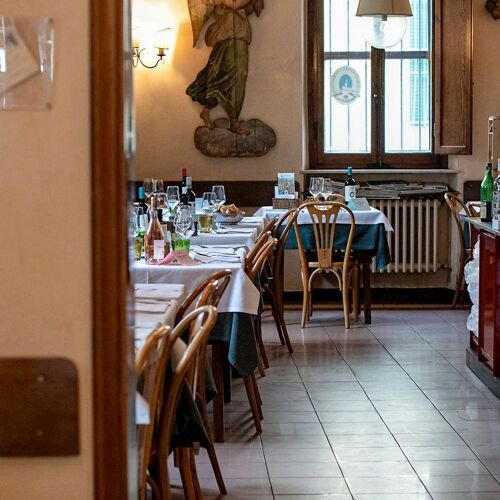
Restaurants in Hum
Browse all →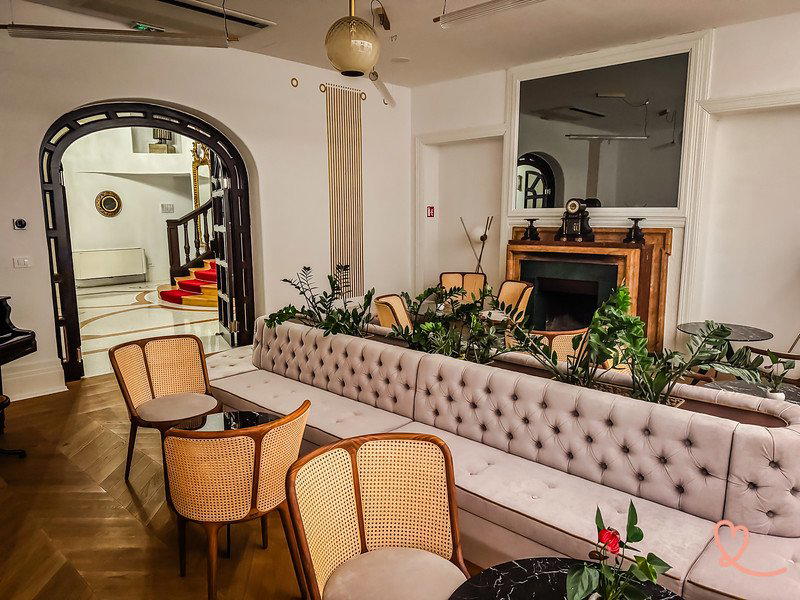
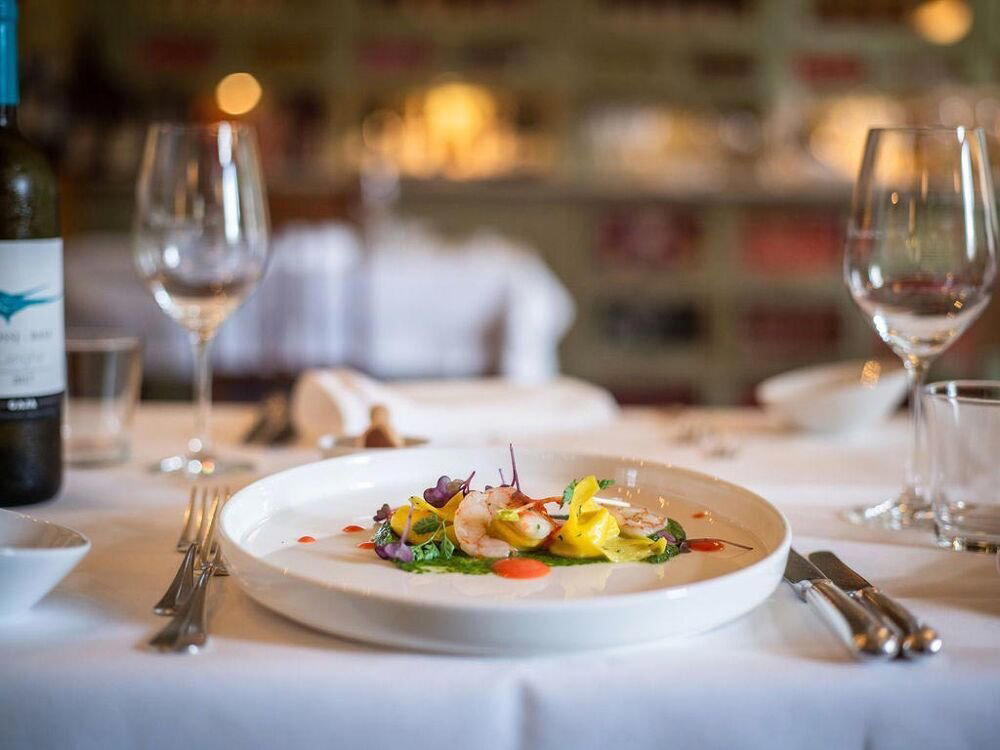
Bars in Hum
Browse all →
Hotels in Hum
Browse all →

At a Glance
- Rustic
- Cozy
- Classic
- Casual Hangout
- Family
- Historic Building
- Extensive Wine List
- Local Sourcing
Current opening hours
- Monday
- Closed
- Tuesday
- 12–7 PM
- Wednesday
- 12–7 PM
- Thursday
- 12–7 PM
- Friday
- 12–7 PM
- Saturday
- 12–8 PM
- Sunday
- 12–8 PM
Hours can change for holidays and private events. Last verified .
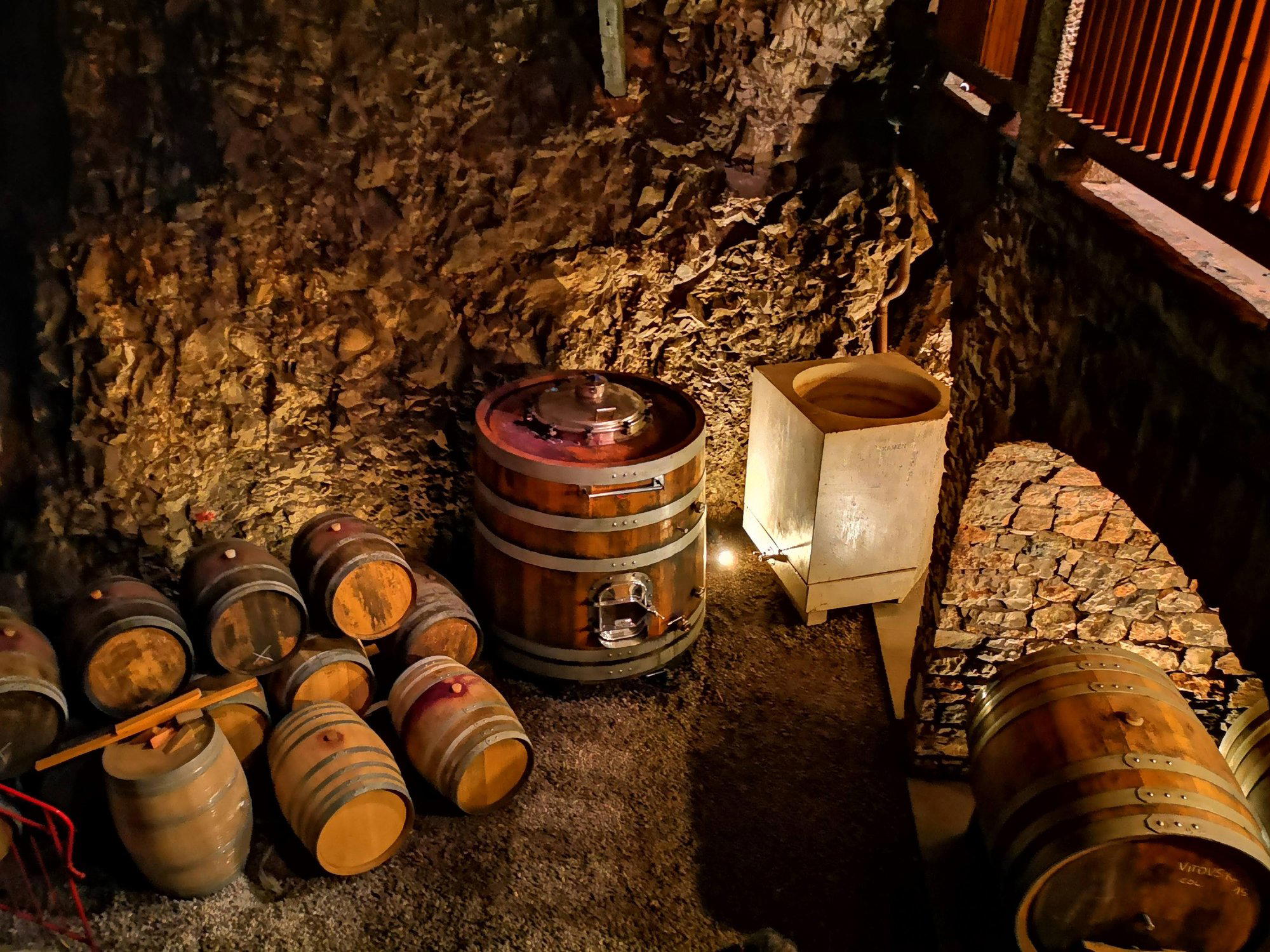
Cozy with wooden ceiling and rustic furnishings creating a traditional, homely atmosphere.