CQ Flavour sits on Kirchheimer Strasse in Stuttgart's southeastern residential belt, operating at a remove from the city's established fine-dining corridor. With no published tasting menu format or award trail to position it, the restaurant occupies a tier where neighbourhood loyalty and word-of-mouth carry more weight than guidebook recognition, a pattern increasingly common among Stuttgart's mid-market dining options.
Pearl is the En Primeur Club membership app — saves, bookings, and concierge access live there. Same editors, same standards.
- Address
- Kirchheimer Str. 126, 70619 Stuttgart, Germany
- Phone
- +497114791300
- Website
- cqflavour.de
- Directions
- Get directions
 Saves & bookings on Pearl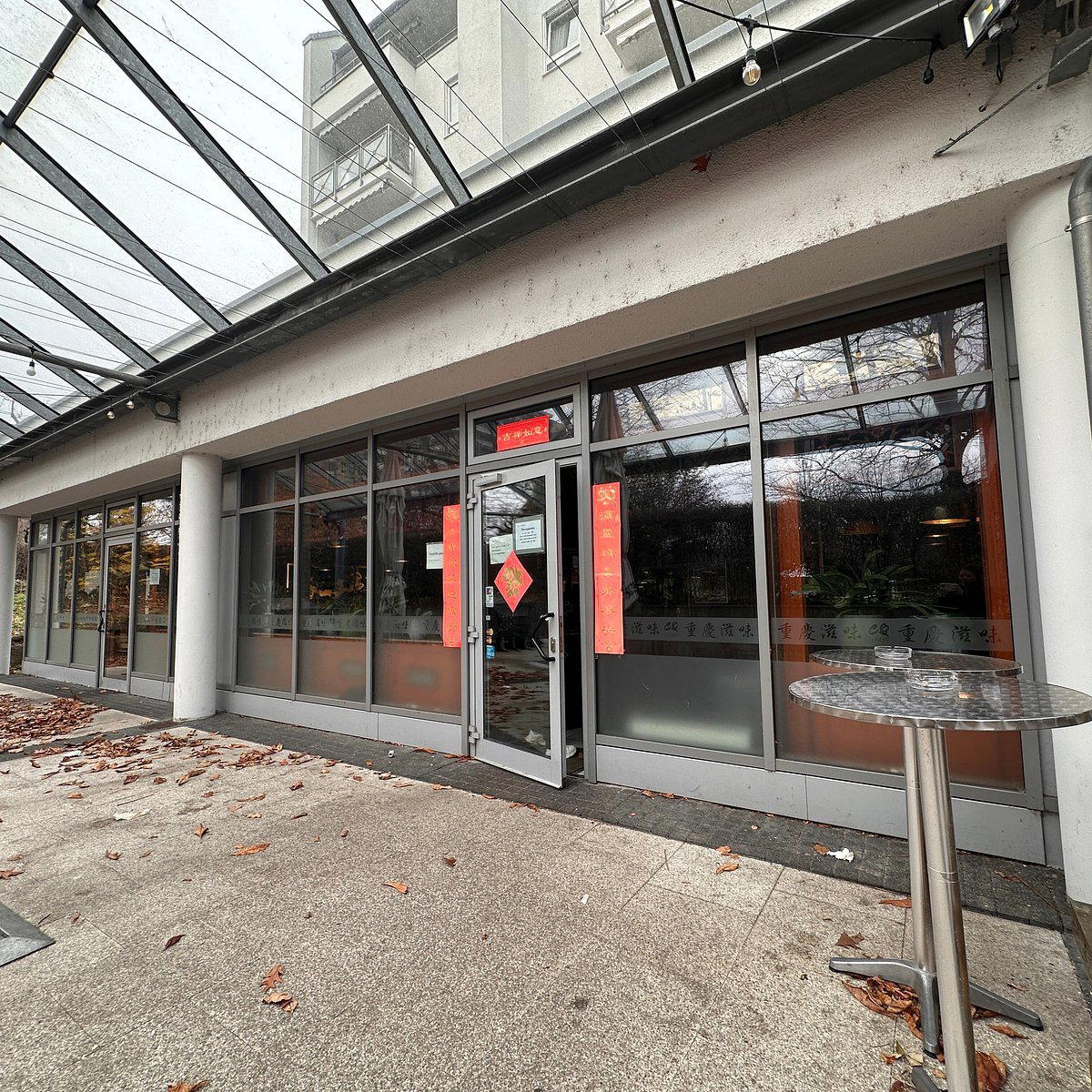
A Residential Address in a City That Rewards Exploration
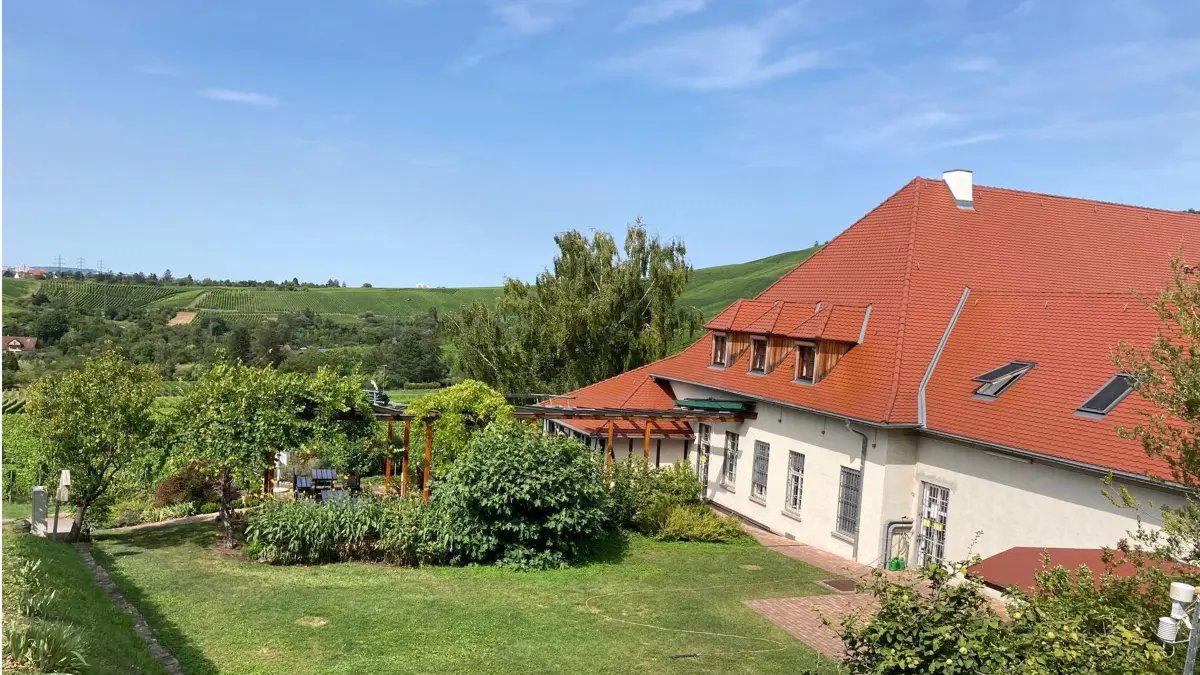
Stuttgart's dining reputation is built, in the popular imagination, on a relatively tight circuit: the Michelin-decorated rooms in the city centre and surrounding hills, the creative kitchens that have drawn attention from German food media, and a handful of wine-focused venues that benefit from Baden-Württemberg's proximity to some of Germany's most serious wine country. That circuit does not extend naturally to Kirchheimer Strasse 126 in Stuttgart, a southeastern address that sits well outside the neighbourhoods most visitors walk through. CQ Flavour occupies that outer residential belt, and its position there is the first thing worth understanding about it.
In most German cities of comparable size, a restaurant at this kind of address is either a neighbourhood institution serving a loyal local catchment or a specialist operation that has deliberately traded central visibility for lower overheads and a more focused audience. Stuttgart's outer districts have produced both types. The question, with CQ Flavour, is which category it occupies, and the answer requires more information than the venue's current public profile offers.
What the Kirchheimer Strasse Address Tells You
Kirchheimer Strasse runs through a part of Stuttgart that functions as a working residential corridor rather than a dining destination. Unlike the Bohnenviertel or the Eugensstrasse area, which have developed enough restaurant density to generate their own foot traffic, the southeastern stretch where CQ Flavour is located draws diners who are either local or who have come with a specific purpose. That distinction matters for how you think about booking, timing, and expectation-setting.
Restaurants in this position across German cities tend to operate with a regulars-first logic: the menu may shift based on what the kitchen wants to cook rather than what a broader market expects, service is often more direct than performative, and the value proposition frequently outperforms what an equivalent room in a more expensive postcode could deliver. The address itself suggests the restaurant is not competing for the same walk-in trade that central Stuttgart venues rely on.
For context, Stuttgart's recognised fine-dining tier includes restaurants like Speisemeisterei at the €€€€ level and Délice, both of which operate with the kind of national profile that attracts visitors from outside the city. At the creative end of the mid-market, Der Zauberlehrling and Hegel Eins position themselves in a more accessible bracket. The restaurant, without published pricing or a documented format, sits outside these reference points.
Stuttgart's Broader Dining Context
Stuttgart is a city that German food critics have historically underrated relative to Munich or Hamburg, which tends to suppress the visibility of restaurants operating below the Michelin threshold. The city's dining culture has genuine depth across price tiers, supported by a local economy that produces a high proportion of regular, quality-conscious diners rather than the tourist-driven demand that shapes cities like Berlin or Cologne.
That economic base means Stuttgart can sustain restaurants that do not need national press attention to survive. The outer residential districts are home to a number of these operations: places that serve a consistent local audience, iterate slowly on their menus, and build reputations through repeat visits rather than social media coverage. Germany's broader fine-dining reference points, from Schwarzwaldstube in Baiersbronn to Vendôme in Bergisch Gladbach, set a national benchmark that filters down into the aspirations of mid-market kitchens, even those operating without formal recognition. The same dynamic plays out at Aqua in Wolfsburg and JAN in Munich, where regional fine-dining ambition coexists with a strong local audience.
For diners who want to understand what Stuttgart's restaurant scene looks like beyond its decorated tier, venues operating in outer postcodes are part of the answer. They represent the part of the city's food culture that does not appear in Michelin guides but does reflect how Stuttgart residents actually eat.
Planning a Visit: What to Know Before You Go
The restaurant's address at Kirchheimer Str. 126 is accessible by Stuttgart's S-Bahn and U-Bahn network, with the city's integrated public transport making the southeastern districts reachable without a car. Driving is also practical given the residential setting, where parking is typically less constrained than in central Stuttgart.
Smaller neighbourhood restaurants in German cities frequently maintain a minimal digital presence, particularly those that operate primarily on local word-of-mouth.
For those building a Stuttgart itinerary that includes a broader range of dining, the city's decorated kitchens, including 5 in the modern cuisine category, offer a contrasting reference point. Internationally, the kind of neighbourhood-anchored dining that restaurant's address suggests has parallels at Lazy Bear in San Francisco, where community-focused formats have built serious reputations without conventional restaurant infrastructure. At the dessert-led innovation end, CODA Dessert Dining in Berlin demonstrates how Berlin's outer creative venues can operate with national recognition. Other German benchmarks worth considering in this context include Victor's Fine Dining by Christian Bau in Perl, ES:SENZ in Grassau, Schanz in Piesport, Waldhotel Sonnora in Dreis, and Restaurant Haerlin in Hamburg, all of which illustrate the range of German fine dining that sets the national context. And beyond Germany, Le Bernardin in New York City remains a useful global benchmark for understanding how neighbourhood positioning interacts with reputation at different scales.
What It’s Closest To
Comparable venues nearby, for context on price, style, and recognition.
| Venue | Cuisine | Price | Notes |
|---|---|---|---|
| CQ FlavourThis venue — the venue you are viewing | Authentic Sichuan & Chongqing Chinese | $$ | Not listed |
| TangBa | Chinese Street Food Malatang | $$ | Gablenberg |
| Bull Burgerhouse | American Burgers & BBQ | $$ | Gablenberg |
| Okyu | Contemporary Japanese Sushi | $$ | Gablenberg |
| 1819 Bistro am Wirtemberg | Swabian Regional Bistro | $$ | Obertuerkheim |
| Porto Elia | Traditional Greek | $$ | Berg |
Continue exploring
More in Stuttgart
Restaurants in Stuttgart
Browse all →
Bars in Stuttgart
Browse all →
Hotels in Stuttgart
Browse all →

At a Glance
- Casual
- Classic
- Casual Hangout
- Family
- Group Dining
- Standalone
- Beer Program
Current opening hours
- Monday
- Closed
- Tuesday
- 11:30 AM–3 PM, 5:30–10 PM
- Wednesday
- 11:30 AM–3 PM, 5:30–10 PM
- Thursday
- 11:30 AM–3 PM, 5:30–10 PM
- Friday
- 11:30 AM–3 PM, 5:30–10 PM
- Saturday
- 11:30 AM–3 PM, 5:30–10 PM
- Sunday
- 11:30 AM–3 PM, 5:30–10 PM
Hours can change for holidays and private events. Last verified .
Casual dining atmosphere with traditional Chinese restaurant decor, creating an authentic and welcoming environment.