On Rotebühlplatz in central Stuttgart, Okyu sits within a city whose fine dining scene has grown steadily more international in its reference points. The address places it at a navigable distance from the city's creative and classic-cuisine counters, and the name alone has drawn enough curiosity to warrant a closer read of what Stuttgart's dining ritual looks like at this level.
Pearl is the En Primeur Club membership app — saves, bookings, and concierge access live there. Same editors, same standards.
- Address
- Rotebühlpl. 20, 70173 Stuttgart, Germany
- Phone
- +4971199775775
- Website
- okyu.de
- Directions
- Get directions
 Saves & bookings on Pearl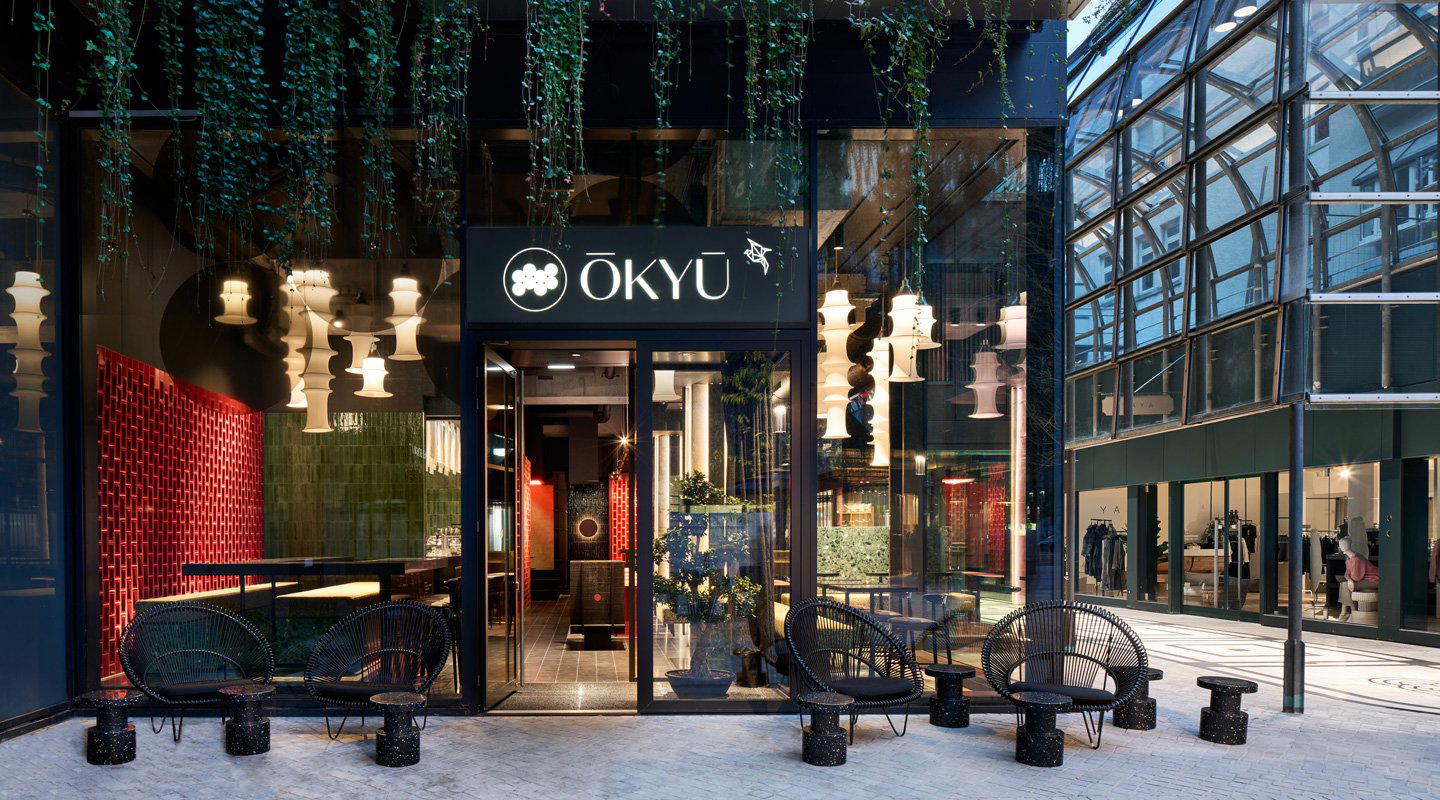
Stuttgart's Dining Ritual and Where Okyu Fits
German fine dining has a particular relationship with ceremony. The meal is not incidental, it is structured, paced, and often deliberately slowed. In Stuttgart, a city whose restaurant culture sits in the shadow of nearby Black Forest temples like Schwarzwaldstube in Baiersbronn, that sense of ritual has seeped into even mid-tier addresses. The city's diners are accustomed to progression: aperitif, amuse, course structure, cheese or dessert, digestif. Walking into any serious Stuttgart restaurant involves reading that protocol, whether it is spelled out or simply assumed.
Okyu sits at Rotebühlplatz 20, in Stuttgart's central district, a location that places it within easy reach of the city's established creative addresses, including Délice and Speisemeisterei, both of which operate in the €€€€ bracket and have defined what formal dining looks like in this city over the past decade. The Rotebühlplatz address carries its own gravitational pull: it is central enough for business diners arriving from the main station or the financial quarter, and embedded enough in the city fabric that it does not feel like a destination built for tourists alone.
The Dining Ritual: Pacing, Posture, and Protocol
In cities where fine dining has matured, Stuttgart qualifies, the meal itself functions as a sequence of decisions and deferences. The diner who arrives understanding the pacing conventions will have a materially different experience from one who does not. At restaurants in this register, timing between courses is rarely accidental. In Germany's most decorated rooms, from Victor's Fine Dining by Christian Bau in Perl to Vendôme in Bergisch Gladbach, the interval between courses is part of the editorial argument of the menu. The kitchen is making a claim about what deserves attention and for how long.
Okyu, a contemporary Japanese sushi restaurant at Rotebühlpl. 20 in Stuttgart, occupies a position within this tradition. The name, the address, and the setting all suggest a space where the meal is meant to be read as a sequence rather than consumed as a series of dishes. That posture, attentive, deliberate, is what distinguishes the fine dining ritual in this city from the more casual register found elsewhere in the Rotebühlplatz neighbourhood.
For context on what the ritual looks like when resources are fully deployed, Aqua in Wolfsburg and ES:SENZ in Grassau both demonstrate how German fine dining uses course sequencing as a structural argument. Stuttgart's own 5 works in the same modern-cuisine register at the €€€€ price point, offering a useful domestic comparison.
The Stuttgart Fine Dining Scene: Competitive Set and Context
Stuttgart's serious restaurant tier has always operated with a degree of modesty relative to Berlin or Hamburg. That modesty is partly structural: the city's corporate and automotive industry base produces a reliable high-spending local clientele, but the international profile remains lower than in Germany's larger metros. The result is a scene that rewards depth of knowledge. Addresses like Der Zauberlehrling have built reputations over years of consistent service to a city that returns rather than passes through, and Hegel Eins has extended the modern-cuisine conversation into a format that feels distinctly urban and Stuttgart-specific.
That ecosystem shapes the expectations a diner brings to any new or less-documented address. In Stuttgart, novelty alone does not drive reservations. Track record, or the credible absence of one, matters. Okyu's contemporary Japanese sushi positioning places it in the category of addresses that require direct engagement. The restaurant's position on Rotebühlplatz suggests it is trading on footfall and local word-of-mouth rather than international press.
Across Germany's more extensively documented fine dining scene, the contrast is instructive. Restaurant Haerlin in Hamburg and Schanz in Piesport both carry the kind of award infrastructure that makes advance planning direct. For restaurants operating without that public record, the booking logic is different: arrive informed, ask questions directly, and treat the meal itself as the primary source of evidence.
Planning a Visit: What to Know Before You Arrive
The Rotebühlplatz address is served by Stuttgart's S-Bahn and U-Bahn network, making it accessible from the main station in under ten minutes. The square itself is a commercial and civic hub, which means parking, pedestrian access, and public transport are all viable options depending on the time of day. Central Stuttgart's fine dining restaurants tend to operate at their quietest on Monday and Tuesday evenings and at their most pressured on Thursday through Saturday, a pattern consistent with the city's business-dining culture.
Reservations are recommended. For international visitors combining Stuttgart with broader German itineraries, the city sits on the ICE high-speed rail corridor and connects efficiently with Munich, where JAN operates at a comparable level of ambition, making a multi-city fine dining trip logistically direct.
Reference Points Beyond Stuttgart
For diners who calibrate expectations by comparison, Germany's fine dining scene in 2024 has a clear international dimension. CODA Dessert Dining in Berlin has redefined what a single-format concept can achieve within the German Michelin framework, and Waldhotel Sonnora in Dreis continues to hold a reference position in the country's classical cooking tradition. Internationally, the pacing and protocol found in Germany's leading rooms have close analogues at Le Bernardin in New York City and Atomix, where tasting-menu structure is treated with the same deliberate seriousness.
Okyu, by its location and apparent positioning, enters a Stuttgart scene that understands these international reference points even when it does not always advertise them. That fluency in the grammar of formal dining, the pacing, the sequence, the attention to the interval between courses, is as much a Stuttgart characteristic as it is a property of any individual address.
At-a-Glance Comparison
Comparable venues nearby, for context on price, style, and recognition.
| Venue | Cuisine | Price | Notes |
|---|---|---|---|
| OkyuThis venue — the venue you are viewing | Contemporary Japanese Sushi | $$ | Not listed |
| EArth Tokyo | Authentic Japanese Ramen | $$ | Gablenberg |
| Enso Sushi & Grill | Japanese Sushi & Grill Fusion | $$ | Gablenberg |
| Suzuna | Traditional Japanese Izakaya & Ramen | $$ | Gablenberg |
| Oishi Sushi | Japanese Sushi with Chinese Influences | $$ | Feuerbach |
| Yuoki | Japanese & Chinese Sushi Grill | $$ | Viesenhäuser hof |
Continue exploring
More in Stuttgart
Restaurants in Stuttgart
Browse all →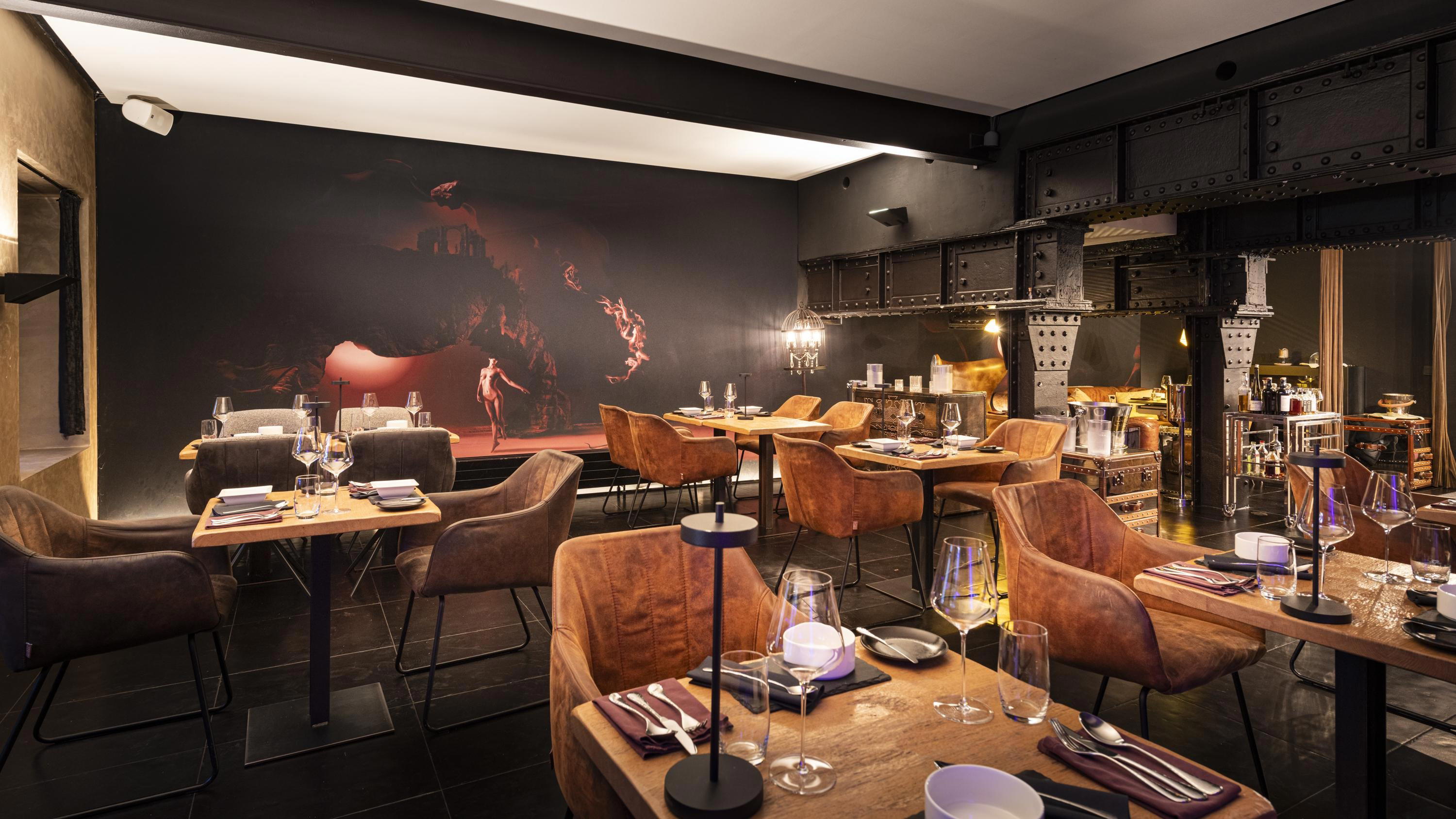
Bars in Stuttgart
Browse all →
Hotels in Stuttgart
Browse all →

At a Glance
- Modern
- Elegant
- Trendy
- Date Night
- Business Dinner
- Open Kitchen
- Sake Program
Current opening hours
- Monday
- 11:30 AM–3 PM, 5:30–10:30 PM
- Tuesday
- 11:30 AM–3 PM, 5:30–10:30 PM
- Wednesday
- 11:30 AM–3 PM, 5:30–10:30 PM
- Thursday
- 11:30 AM–3 PM, 5:30–10:30 PM
- Friday
- 11:30 AM–3 PM, 5:30–10:30 PM
- Saturday
- 12 PM–12 AM
- Sunday
- Closed
Hours can change for holidays and private events. Last verified .
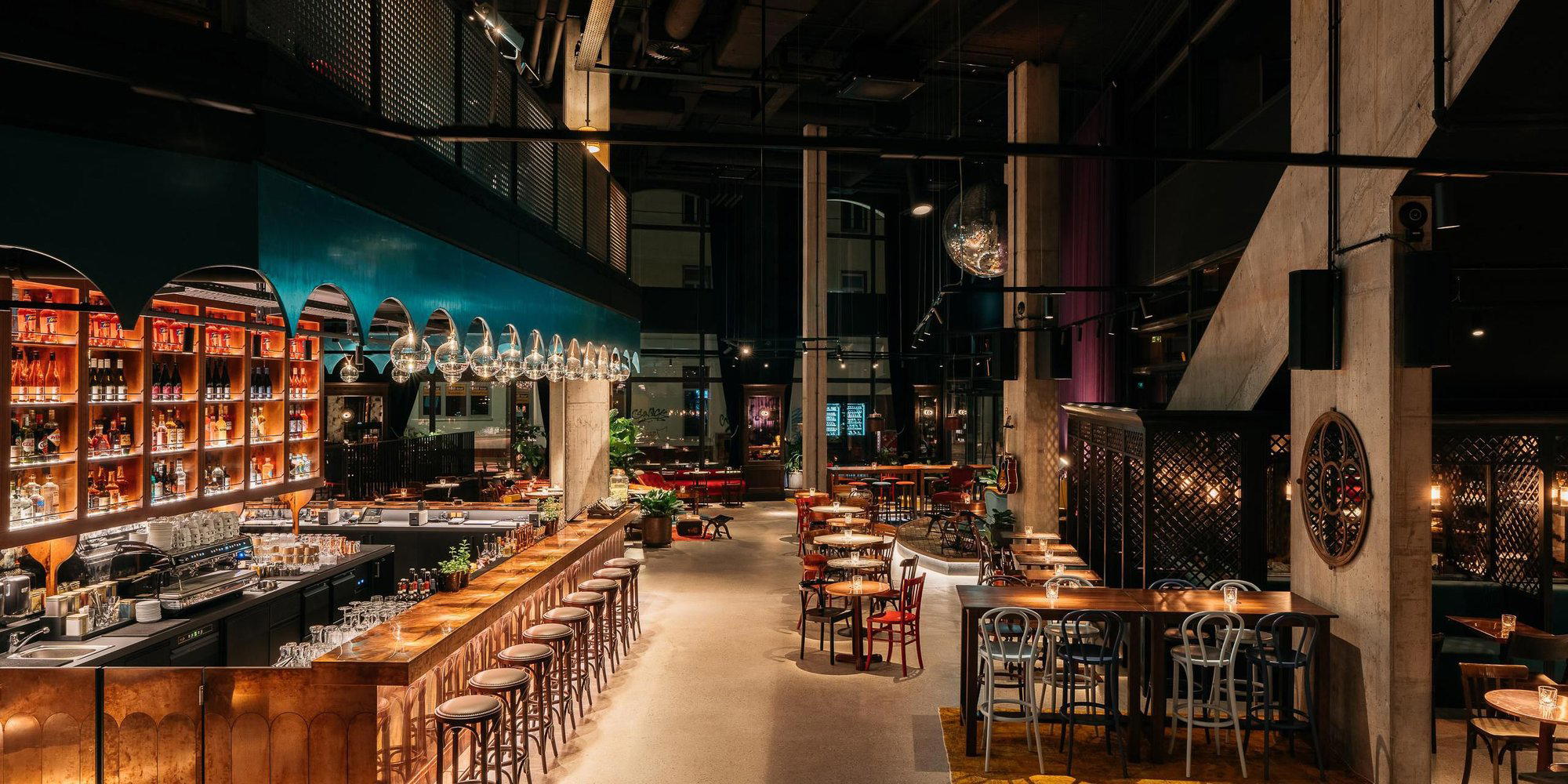
Stylish interior with colorful design, sophisticated lighting creating a moody Japanese atmosphere, featuring intimate seating nooks and floor-level dining.