On Invalidenstraße in Berlin's Mitte district, DASHI occupies the intersection of Japanese culinary discipline and contemporary European sourcing ethics. The name itself signals intention: dashi, the foundational Japanese stock built from carefully selected, minimally processed ingredients, is a reasonable metaphor for the kitchen's approach. Reservations and current pricing are best confirmed directly with the venue.
- Address
- Invalidenstraße 112, 10115 Berlin, Germany
- Phone
- +493033903090
- Website
- dashi.de
- Directions
- Get directions
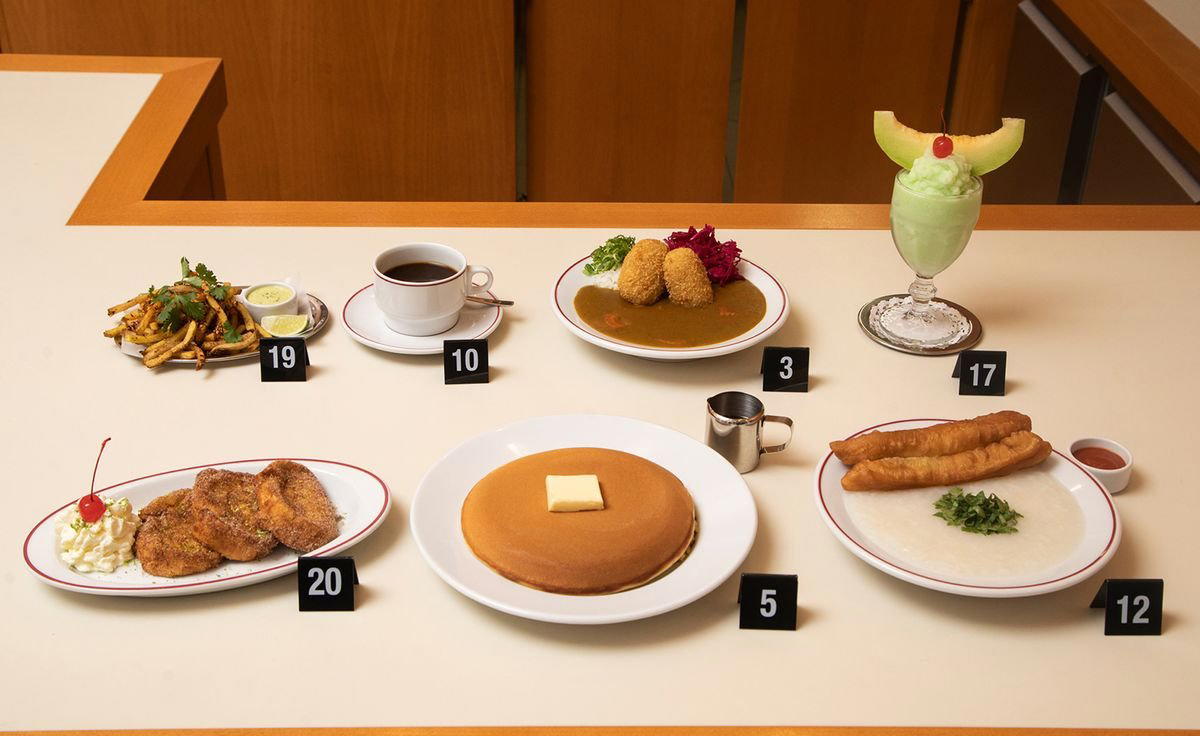
Broth, Discipline, and the Ethics of Less
On Invalidenstraße 112, in the stretch of Mitte that runs between the Natural History Museum and the Charité hospital campus, DASHI sits in a part of Berlin that has never quite resolved itself into a dining destination. That ambiguity is part of the point. While the city's highest-profile fine dining addresses cluster in Kreuzberg, Tiergarten, and Mitte's more tourist-facing corridors, this pocket of the neighbourhood operates at a different register: quieter, less legible to the casual visitor, more dependent on intent. You do not arrive here by accident.
The name references among the more structurally important preparations in Japanese cooking: dashi, the clear, clean stock extracted from kombu and katsuobushi (or its variations), which underpins a vast proportion of Japanese cuisine without ever drawing attention to itself. It is, in culinary terms, a lesson in restraint and efficiency. Everything extracted from the minimum necessary inputs. No waste. No excess. That logic, applied to a European fine dining context, maps directly onto the sustainability conversation that has reshaped how kitchens think about sourcing, processing, and plate composition over the past decade.
Where Berlin's Fine Dining Sustainability Conversation Currently Sits
Berlin's fine dining tier has been unusually receptive to environmental sourcing arguments, in part because the city's food culture draws from a population with genuine ideological investment in those questions, and in part because several of its most recognised restaurants have made procurement ethics central to their public identity. Nobelhart & Schmutzig on Friedrichstraße built its entire format around hyper-regional sourcing and public producer transparency, a format that influenced how other Berlin kitchens frame their relationships with suppliers. Rutz has pursued a similarly declared commitment to German-origin produce, with the wine program reinforcing rather than contradicting that sourcing philosophy. FACIL, operating inside the Mandala Hotel near Potsdamer Platz, applies a contemporary European framework with attention to seasonal constraint. Even CODA Dessert Dining, which operates in the structurally unusual dessert-only tasting format, makes ingredient purpose and precision a central argument on the plate.
DASHI enters this conversation from a different angle. Japanese culinary philosophy already embeds what Western kitchens have spent a decade trying to retrofit: the principle that good ingredients used completely, and simply, produce better results than complex preparations of inferior material. Dashi itself is made from ingredients that, in other culinary traditions, would be discarded, dried kelp, dried fermented fish, and transformed into something that flavours an enormous proportion of a national cuisine. The conceptual fit with zero-waste and whole-ingredient sourcing is not incidental.
Across Germany's broader fine dining circuit, this orientation toward ethical sourcing has gained considerable ground. Schwarzwaldstube in Baiersbronn and Waldhotel Sonnora in Dreis both operate within rural sourcing networks that reduce supply chain length by necessity and by conviction. JAN in Munich and ES:SENZ in Grassau have brought regional Alpine produce into tasting menu formats where provenance is treated as part of the editorial argument on the plate. The conversation is not uniquely Berlin's, but Berlin's density of opinionated restaurants makes it the city where those arguments are most publicly contested.
The Address and Its Context
Invalidenstraße 112 places DASHI in a building stock that reflects Mitte's post-reunification development pattern: a mix of prewar fabric, Soviet-era structures, and post-1990 infill that gives the area a less cohesive architectural character than the more photographed parts of the city. The neighbourhood functions primarily for residents and for the institutions that anchor it, rather than for hospitality. That context reinforces a certain kind of restaurant: one that is not performing for foot traffic, that does not rely on a postcard address, and that attracts a guest who has specifically sought it out.
For visitors orienting around Berlin's most decorated fine dining, Restaurant Tim Raue remains the city's most internationally recognised address, with two Michelin stars and a kitchen that draws extensively from Asian flavour frameworks. DASHI occupies a different position in that conversation, less decorated at least in terms of publicly confirmed awards, but operating in a culinary tradition with deep structural overlap with Tim Raue's Japanese and Chinese sourcing logic. For a reader building a Berlin fine dining itinerary, the two are complements rather than substitutes.
Germany's Fine Dining comparable set, for Reference
Placing DASHI against the wider German fine dining field gives useful calibration. Aqua in Wolfsburg and Vendôme in Bergisch Gladbach represent the three-star tier, built around classical European technique applied to high-grade German and international produce. Victor's Fine Dining by Christian Bau in Perl applies French-Japanese cross-reference at a similarly decorated level. Restaurant Haerlin in Hamburg and Schanz in Piesport operate in the two-star tier with strong sourcing narratives tied to their specific regions. Bagatelle in Trier brings a French tasting menu sensibility to the western German border context. Internationally, the austere, ingredient-focused approach that DASHI's name evokes has recognisable parallels: Le Bernardin in New York built a decades-long reputation on the argument that restraint and technique, rather than complexity, define high-level fish cookery, while Lazy Bear in San Francisco demonstrates how ethical sourcing and communal format can coexist at tasting menu price points.
What the Name Implies About the Plate
Japanese dashi is not a single recipe but a category of extraction, with different base ingredients producing different results for different applications. Kombu dashi runs cleaner and more mineral; niboshi dashi carries more intensity; shojin dashi, used in Buddhist temple cooking, excludes animal products entirely. The range within that single technique already gestures toward the flexibility and precision that characterises serious Japanese-influenced kitchens. For a European restaurant operating under that name, the implication is that restraint and clarity of flavour, rather than richness or complexity of construction, will be the primary arguments on the plate.
Know Before You Go
- Address: Invalidenstraße 112, 10115 Berlin, Germany
- Neighbourhood: Mitte (north), near Natural History Museum
- Reservations: walk-in friendly
- Pricing: about $20 per person
- Awards: none confirmed
- Accessibility: U-Bahn Naturkundemuseum (U6) is the nearest station
Credentials Lens
Comparable venues nearby, for context on price, style, and recognition.
| Venue | Cuisine | Price | Notes |
|---|---|---|---|
| DASHIThis venue — the venue you are viewing | Asian Diner Fusion | $$ | Not listed |
| Ishin | Casual Japanese Sushi and Rice Bowls | $$ | Mitte |
| Secret Garden | Vegan Sushi | $$ | Friedrichshain |
| Hachiko | Japanese Ramen & Sushi | $$ | Schoneberg |
| est. | Modern Japanese Fusion | $$$ | Charlottenburg |
| SUSHI GANG | Japanese-Latin Fusion Sushi | $$$ | Kreuzberg |
Continue exploring
More in Berlin
Restaurants in Berlin
Browse all →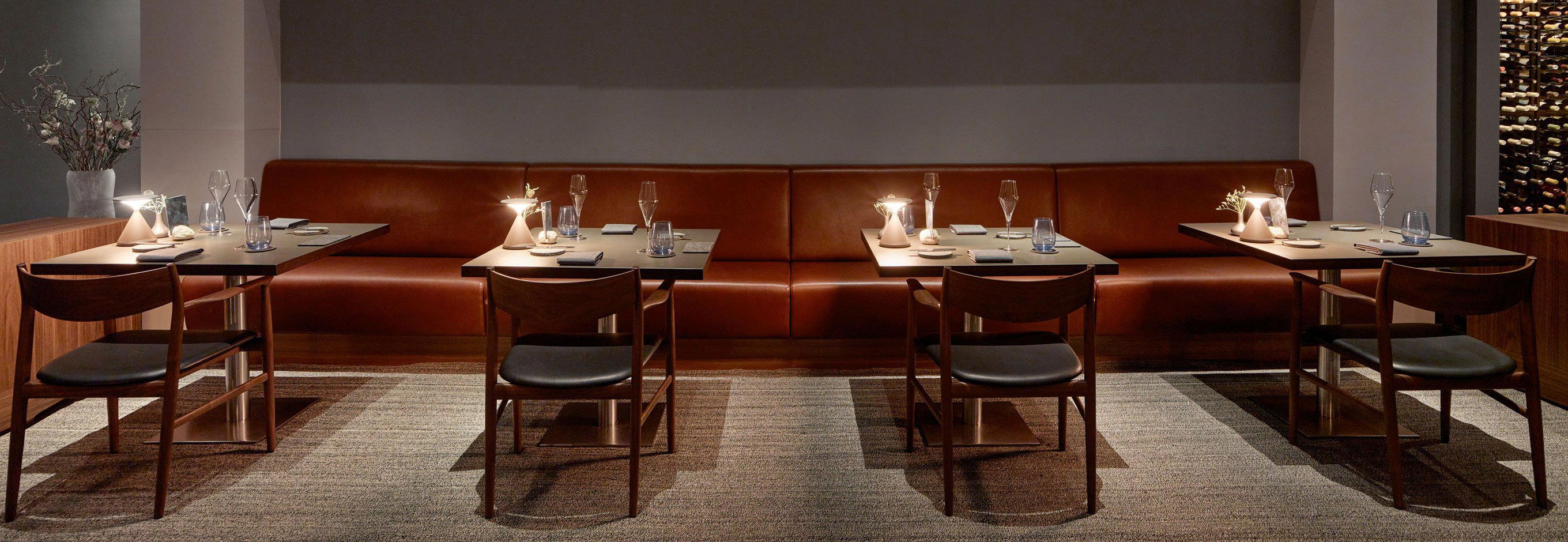
Bars in Berlin
Browse all →
Hotels in Berlin
Browse all →




At a Glance
- Modern
- Trendy
- Minimalist
- Casual Hangout
- Open Kitchen
Minimal wood-panelled interiors with elegant ikebana arrangements, chic beige tones, and casual elegance.