Skip to Main Content
← Collection
Chengdu, China

Bai Nian Fen Zheng Niu Rou

LocationChengdu, China

<h2>A Courtyard Holdout in Wuhou</h2><p>Chengdu's dining geography splits roughly between the gleaming mall-level restaurants that serve modernised Sichuan for an upwardly mobile crowd, and the neighbourhood institutions that have barely changed format in decades. Bai Nian Fen Zheng Niu Rou sits firmly in the second category. The address on Zhimin Road in Wuhou places it away from the tourist corridors of Jinli and the high-concept blocks near Taikoo Li, inside a courtyard that filters out foot traffic by design. Approaching it, you move through the kind of residential-commercial overlap that defines older Chengdu districts: street vendors, tiled entranceways, the smell of chilies and fermented bean paste drifting from somewhere nearby. The courtyard format itself is a signal. In a city where premium dining has largely migrated upstairs into tower blocks, staying at street level in a shared courtyard is a statement about who the restaurant is for.</p><h2>Fen Zheng: The Dish Behind the Name</h2><p>The restaurant's full name is essentially a description of its cooking method. <em>Fen zheng</em> refers to the technique of coating ingredients in spiced, ground rice flour before steaming them in a bamboo basket. It is one of the older preparations in the Sichuan canon, predating the chili-heavy style that now defines the province's international reputation. The rice flour acts as an insulating layer, locking moisture inside the protein while absorbing the aromatics from the spice mix. The result is a texture profile quite different from the red-braised or wok-fried dishes that dominate most Sichuan menus abroad: dense, cohesive, and slow to release heat rather than immediately aggressive.</p><p>The technique has deep roots across central China. Variations appear in Hubei, Hunan, and Jiangxi, but Sichuan's version distinguishes itself through the spice blend applied to the rice flour, typically incorporating Sichuan peppercorn alongside dried chili, star anise, and sometimes fermented black bean. The cumulative effect is a dish where the numbing quality of the peppercorn extends the perception of heat rather than amplifying it. For anyone working through the city's food culture, understanding fen zheng is a useful corrective to the assumption that Sichuan cooking is primarily about raw intensity. This is a tradition that values layered aromatics as much as fire.</p><p>Bai Nian Fen Zheng Niu Rou's signature version uses beef, including sections of tendon alongside the primary muscle meat. The tendon pieces introduce a contrasting chew against the softer steamed beef, a textural decision that reflects the whole-animal philosophy embedded in traditional Sichuan cooking. The spiced rice coating carries fiery heat balanced against aromatic depth, with the slow-steam process preventing the beef from tightening. In the broader Chengdu restaurant scene, where you can find fen zheng at everything from tea-house casual spots to formal banquet tables, this execution is cited as a reference point for the courtyard-restaurant format.</p><h2>Beyond the Signature: The Rest of the Menu</h2><p>The menu extends into other preparations that illustrate the range of Sichuan's non-wok techniques. Braised spring chicken receives a heavy treatment of ginger and garlic, producing a dish where the aromatics penetrate fully into what the kitchen describes as silky, juicy meat with deep flavours. Spring chicken braising in this style prioritises the aromatic base over the caramelisation you would get from dry heat, keeping the meat at a texture that reads as tender without veering toward the pulled-apart quality of longer braises.</p><p>Sautéed swamp eel rounds out the recommended dishes, contributing a springy texture that contrasts with both the beef and the chicken. Swamp eel is a protein that appears across southern Chinese cooking but occupies a specific niche in Sichuan preparation, where the wok heat applied to it needs to be high enough to develop flavour without destroying the firm bite that makes it worth ordering. It is a useful dish for calibrating the kitchen's wok technique, which in this case holds up well against the steamed preparations the restaurant is named for.</p><p>For comparison in the Chengdu dining spectrum, the price positioning at Bai Nian Fen Zheng Niu Rou sits well below the formal end of the market. Places like <a href="https://www.enprimeurclub.com/restaurants/yu-zhi-lan-chengdu-restaurant">Yu Zhi Lan (Sichuan)</a> and <a href="https://www.enprimeurclub.com/restaurants/xin-rong-ji-chengdu-restaurant">Xin Rong Ji (Taizhou)</a> operate at ¥¥¥¥ price points and serve entirely different functions within the city's restaurant ecology. This is a neighbourhood-institution format, closer in spirit to the accessible end of the Sichuan dining spectrum. See also <a href="https://www.enprimeurclub.com/restaurants/fang-xiang-jing-chengdu-restaurant">Fang Xiang Jing (Sichuan)</a> and <a href="https://www.enprimeurclub.com/restaurants/fu-rong-huang-chengdu-restaurant">Fu Rong Huang (Sichuan)</a> for other mid-range Sichuan options in the city, or <a href="https://www.enprimeurclub.com/restaurants/hokkien-cuisine-chengdu-restaurant">Hokkien Cuisine (Fujian)</a> if you are moving between regional Chinese styles during your time in Chengdu.</p><h2>Wuhou in Context</h2><p>Wuhou District carries significant historical weight in Chengdu. The area takes its name from the Wuhou Shrine, the memorial complex dedicated to Zhuge Liang of the Three Kingdoms period, which draws a steady stream of domestic tourists largely separate from the international visitor circuits. The dining culture around the shrine and along Zhimin Road reflects the district's mixed character: working-neighbourhood restaurants sit a short distance from tourist-facing snack streets. Bai Nian Fen Zheng Niu Rou occupies the working-neighbourhood side of that divide, drawing a local clientele that tends to indicate consistency over time. A courtyard restaurant that survives in Wuhou without significant tourist foot traffic has found a reason for locals to return regularly.</p><p>For readers building a broader itinerary, the <a href="https://www.enprimeurclub.com/restaurants/chengdu">full Chengdu restaurants guide</a> covers the range from this kind of neighbourhood institution to the formal end of the market. The <a href="https://www.enprimeurclub.com/hotels/chengdu">Chengdu hotels guide</a>, <a href="https://www.enprimeurclub.com/bars/chengdu">bars guide</a>, and <a href="https://www.enprimeurclub.com/experiences/chengdu">experiences guide</a> provide additional planning context across the city. If you are tracking traditional regional Chinese cooking across multiple cities, related reference points include <a href="https://www.enprimeurclub.com/restaurants/ru-yuan-hangzhou-restaurant">Ru Yuan in Hangzhou</a>, <a href="https://www.enprimeurclub.com/restaurants/102-house-shanghai-restaurant">102 House in Shanghai</a>, and <a href="https://www.enprimeurclub.com/restaurants/imperial-treasure-fine-chinese-cuisine-guangzhou-restaurant">Imperial Treasure Fine Chinese Cuisine in Guangzhou</a>. For formal Cantonese dining in other Chinese cities, <a href="https://www.enprimeurclub.com/restaurants/dai-yuet-heen-nanjing-restaurant">Dai Yuet Heen in Nanjing</a> and <a href="https://www.enprimeurclub.com/restaurants/chef-tams-seasons-macau-restaurant">Chef Tam's Seasons in Macau</a> sit at a different tier but share the same instinct toward classical technique. Further afield, <a href="https://www.enprimeurclub.com/restaurants/xin-rong-ji-xinyuan-south-road-beijing-restaurant">Xin Rong Ji (Xinyuan South Road) in Beijing</a> anchors the Taizhou seafood tradition at the formal end of the mainland Chinese dining market. For contrast in entirely different culinary traditions, <a href="https://www.enprimeurclub.com/restaurants/le-bernardin">Le Bernardin in New York City</a> and <a href="https://www.enprimeurclub.com/restaurants/emerils-new-orleans-restaurant">Emeril's in New Orleans</a> illustrate how other food cultures approach institutional status. The <a href="https://www.enprimeurclub.com/wineries/chengdu">Chengdu wineries guide</a> covers the city's wine options if that matters for your planning.</p><h2>Planning Your Visit</h2><p>Bai Nian Fen Zheng Niu Rou is at No. 5, 33 Zhimin Road, Wuhou District, Chengdu. The courtyard address means it does not present itself obviously from the street, so building in a few minutes to locate the entrance is sensible. Hours, booking method, and current pricing are not confirmed in available records; visiting during off-peak lunch hours is likely the lowest-friction approach for first-time visitors, as courtyard neighbourhood restaurants in Chengdu's residential districts tend to fill at peak meal times. No dress code applies at this format of establishment.</p><h2>Frequently Asked Questions</h2><h3>Does Bai Nian Fen Zheng Niu Rou work for a family meal?</h3><p>Yes, the courtyard setting and accessible price point in Wuhou make it a practical choice for a family group wanting to eat traditional Sichuan technique without the formality of a full-service restaurant.</p><h3>What is the vibe at Bai Nian Fen Zheng Niu Rou?</h3><p>If you are expecting the polished dining-room experience that marks Chengdu's formal Sichuan restaurants, this is not that. The courtyard setting and neighbourhood clientele place it in the local institution category: functional, unpretentious, and focused on the food rather than the presentation. For visitors accustomed to restaurant formats in cities like Shanghai or Beijing, it reads as authentically neighbourhood-scale in a way that more tourist-facing Chengdu spots do not.</p><h3>What is the must-try dish at Bai Nian Fen Zheng Niu Rou?</h3><p>Order the steamed beef coated in spiced rice flour. It is the preparation the restaurant is named for and the leading illustration of the fen zheng technique in the Chengdu courtyard-dining format, with the tendon sections providing textural contrast that distinguishes it from simpler versions of the dish found elsewhere in the city.</p><h3>Should I book Bai Nian Fen Zheng Niu Rou in advance?</h3><p>Booking information is not confirmed in available records. Given that it draws a regular local clientele in Wuhou and operates at an accessible price point, arriving at peak meal times without a reservation carries some risk; if you are visiting at lunch or dinner rush, arriving early or checking directly with the venue beforehand is advisable.</p>

Bai Nian Fen Zheng Niu Rou restaurant in Chengdu, China
About

A Courtyard Holdout in Wuhou

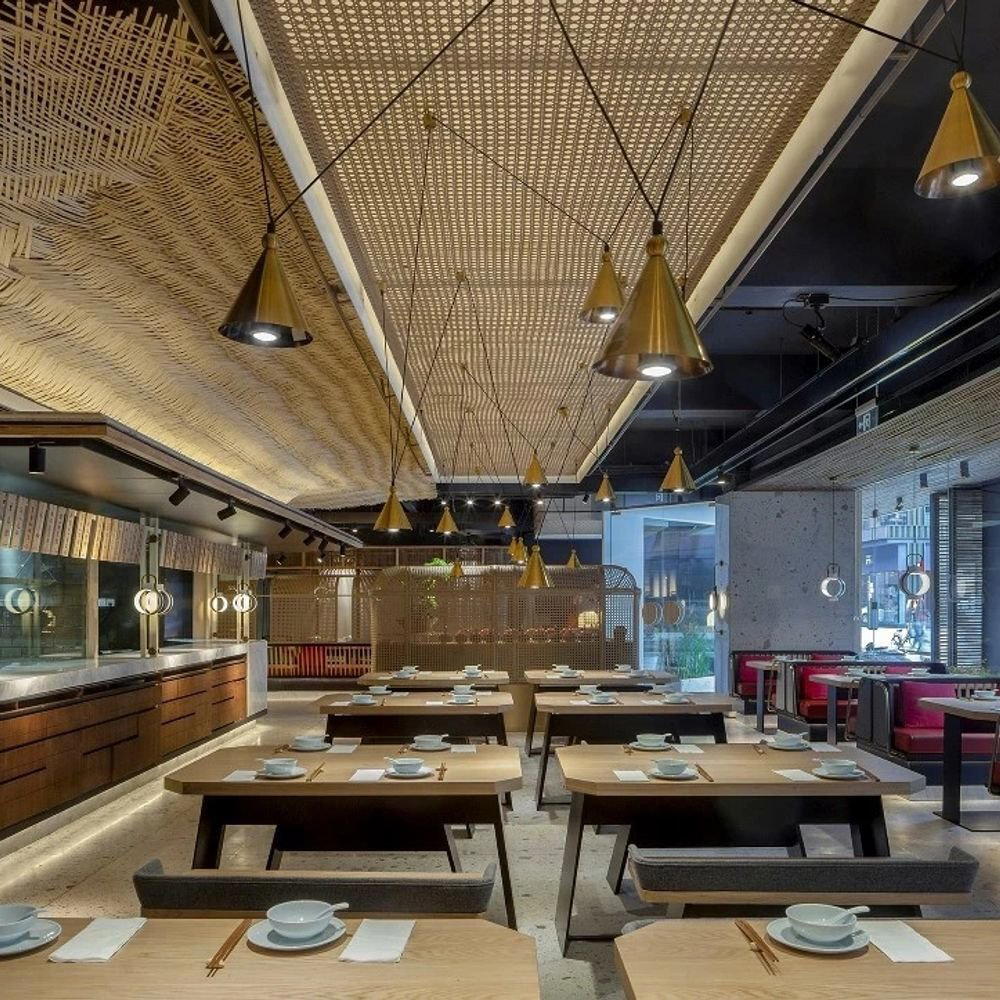
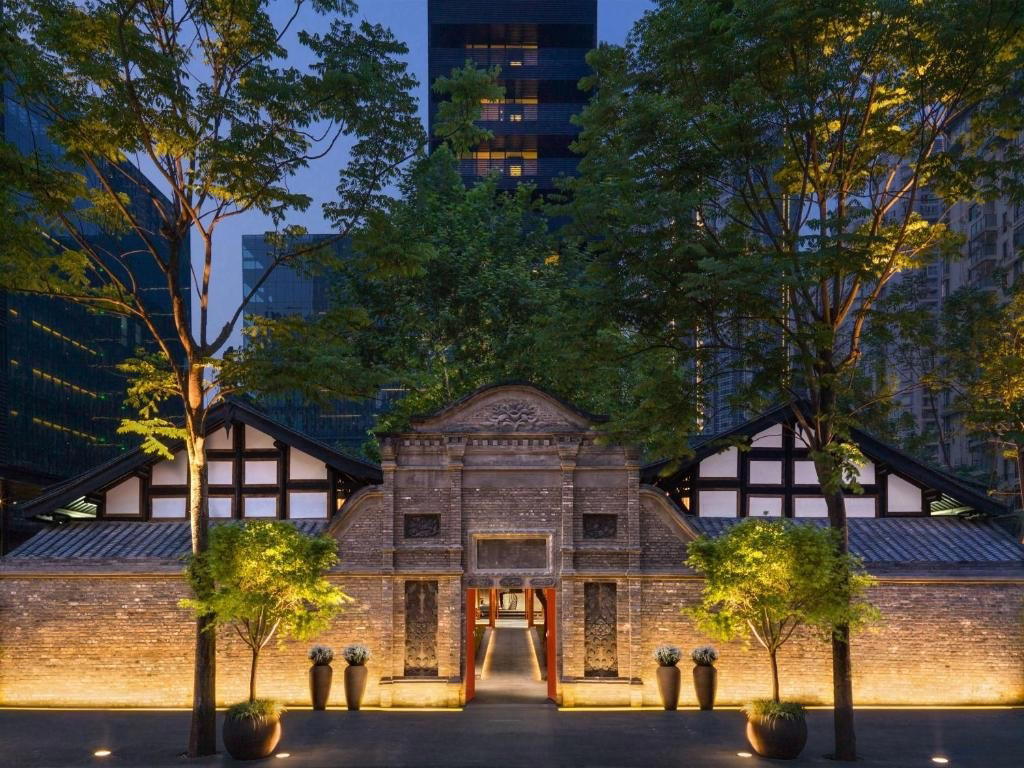
Chengdu's dining geography splits roughly between the gleaming mall-level restaurants that serve modernised Sichuan for an upwardly mobile crowd, and the neighbourhood institutions that have barely changed format in decades. Bai Nian Fen Zheng Niu Rou sits firmly in the second category. The address on Zhimin Road in Wuhou places it away from the tourist corridors of Jinli and the high-concept blocks near Taikoo Li, inside a courtyard that filters out foot traffic by design. Approaching it, you move through the kind of residential-commercial overlap that defines older Chengdu districts: street vendors, tiled entranceways, the smell of chilies and fermented bean paste drifting from somewhere nearby. The courtyard format itself is a signal. In a city where premium dining has largely migrated upstairs into tower blocks, staying at street level in a shared courtyard is a statement about who the restaurant is for.

Fen Zheng: The Dish Behind the Name

The restaurant's full name is essentially a description of its cooking method. Fen zheng refers to the technique of coating ingredients in spiced, ground rice flour before steaming them in a bamboo basket. It is one of the older preparations in the Sichuan canon, predating the chili-heavy style that now defines the province's international reputation. The rice flour acts as an insulating layer, locking moisture inside the protein while absorbing the aromatics from the spice mix. The result is a texture profile quite different from the red-braised or wok-fried dishes that dominate most Sichuan menus abroad: dense, cohesive, and slow to release heat rather than immediately aggressive.

The technique has deep roots across central China. Variations appear in Hubei, Hunan, and Jiangxi, but Sichuan's version distinguishes itself through the spice blend applied to the rice flour, typically incorporating Sichuan peppercorn alongside dried chili, star anise, and sometimes fermented black bean. The cumulative effect is a dish where the numbing quality of the peppercorn extends the perception of heat rather than amplifying it. For anyone working through the city's food culture, understanding fen zheng is a useful corrective to the assumption that Sichuan cooking is primarily about raw intensity. This is a tradition that values layered aromatics as much as fire.

Bai Nian Fen Zheng Niu Rou's signature version uses beef, including sections of tendon alongside the primary muscle meat. The tendon pieces introduce a contrasting chew against the softer steamed beef, a textural decision that reflects the whole-animal philosophy embedded in traditional Sichuan cooking. The spiced rice coating carries fiery heat balanced against aromatic depth, with the slow-steam process preventing the beef from tightening. In the broader Chengdu restaurant scene, where you can find fen zheng at everything from tea-house casual spots to formal banquet tables, this execution is cited as a reference point for the courtyard-restaurant format.

Beyond the Signature: The Rest of the Menu

The menu extends into other preparations that illustrate the range of Sichuan's non-wok techniques. Braised spring chicken receives a heavy treatment of ginger and garlic, producing a dish where the aromatics penetrate fully into what the kitchen describes as silky, juicy meat with deep flavours. Spring chicken braising in this style prioritises the aromatic base over the caramelisation you would get from dry heat, keeping the meat at a texture that reads as tender without veering toward the pulled-apart quality of longer braises.

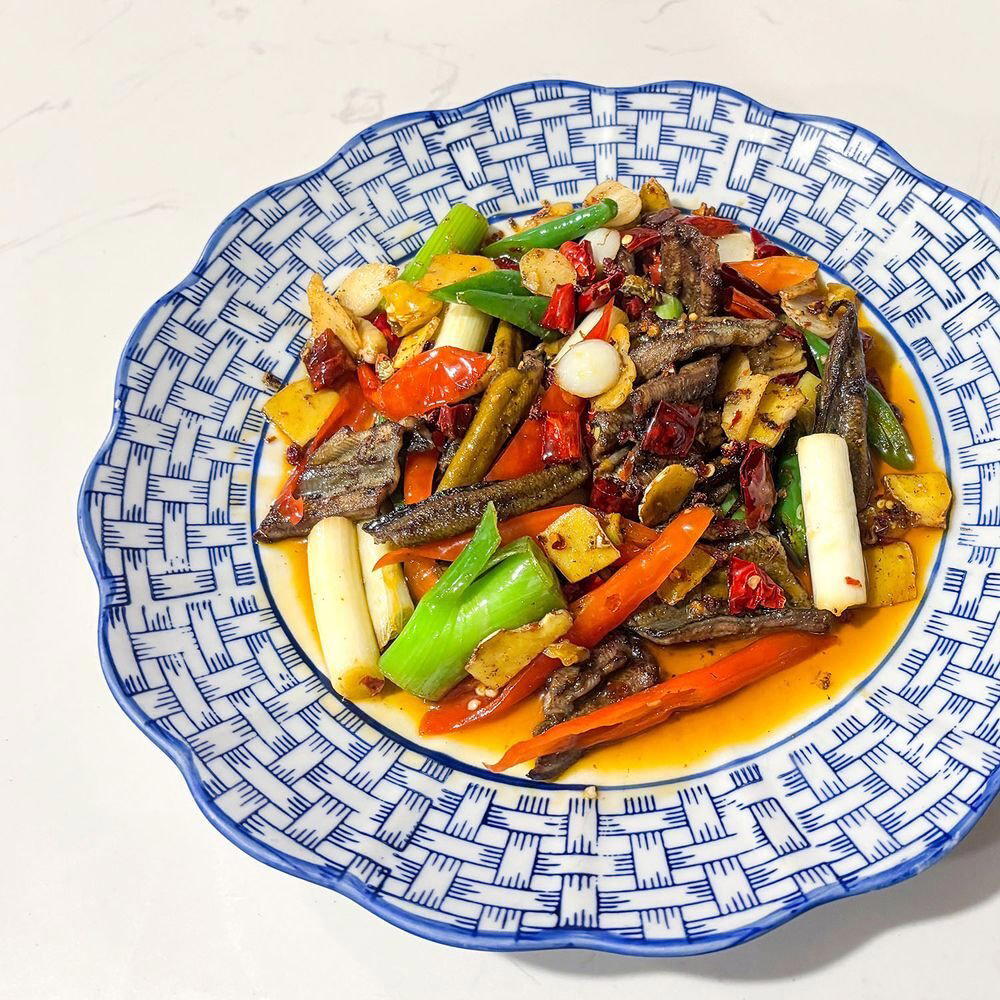
Sautéed swamp eel rounds out the recommended dishes, contributing a springy texture that contrasts with both the beef and the chicken. Swamp eel is a protein that appears across southern Chinese cooking but occupies a specific niche in Sichuan preparation, where the wok heat applied to it needs to be high enough to develop flavour without destroying the firm bite that makes it worth ordering. It is a useful dish for calibrating the kitchen's wok technique, which in this case holds up well against the steamed preparations the restaurant is named for.

For comparison in the Chengdu dining spectrum, the price positioning at Bai Nian Fen Zheng Niu Rou sits well below the formal end of the market. Places like Yu Zhi Lan (Sichuan) and Xin Rong Ji (Taizhou) operate at ¥¥¥¥ price points and serve entirely different functions within the city's restaurant ecology. This is a neighbourhood-institution format, closer in spirit to the accessible end of the Sichuan dining spectrum. See also Fang Xiang Jing (Sichuan) and Fu Rong Huang (Sichuan) for other mid-range Sichuan options in the city, or Hokkien Cuisine (Fujian) if you are moving between regional Chinese styles during your time in Chengdu.

Wuhou in Context

Wuhou District carries significant historical weight in Chengdu. The area takes its name from the Wuhou Shrine, the memorial complex dedicated to Zhuge Liang of the Three Kingdoms period, which draws a steady stream of domestic tourists largely separate from the international visitor circuits. The dining culture around the shrine and along Zhimin Road reflects the district's mixed character: working-neighbourhood restaurants sit a short distance from tourist-facing snack streets. Bai Nian Fen Zheng Niu Rou occupies the working-neighbourhood side of that divide, drawing a local clientele that tends to indicate consistency over time. A courtyard restaurant that survives in Wuhou without significant tourist foot traffic has found a reason for locals to return regularly.

For readers building a broader itinerary, the full Chengdu restaurants guide covers the range from this kind of neighbourhood institution to the formal end of the market. The Chengdu hotels guide, bars guide, and experiences guide provide additional planning context across the city. If you are tracking traditional regional Chinese cooking across multiple cities, related reference points include Ru Yuan in Hangzhou, 102 House in Shanghai, and Imperial Treasure Fine Chinese Cuisine in Guangzhou. For formal Cantonese dining in other Chinese cities, Dai Yuet Heen in Nanjing and Chef Tam's Seasons in Macau sit at a different tier but share the same instinct toward classical technique. Further afield, Xin Rong Ji (Xinyuan South Road) in Beijing anchors the Taizhou seafood tradition at the formal end of the mainland Chinese dining market. For contrast in entirely different culinary traditions, Le Bernardin in New York City and Emeril's in New Orleans illustrate how other food cultures approach institutional status. The Chengdu wineries guide covers the city's wine options if that matters for your planning.

Planning Your Visit

Bai Nian Fen Zheng Niu Rou is at No. 5, 33 Zhimin Road, Wuhou District, Chengdu. The courtyard address means it does not present itself obviously from the street, so building in a few minutes to locate the entrance is sensible. Hours, booking method, and current pricing are not confirmed in available records; visiting during off-peak lunch hours is likely the lowest-friction approach for first-time visitors, as courtyard neighbourhood restaurants in Chengdu's residential districts tend to fill at peak meal times. No dress code applies at this format of establishment.

Frequently Asked Questions

Cost and Credentials

These are the closest comparables we have in our database for quick context.

Collector Access

Need a table?

Our members enjoy priority alerts and concierge-led booking support for the world's most difficult tables.

Get Exclusive Access