
Black Pearl 1 Diamond
Our verdict
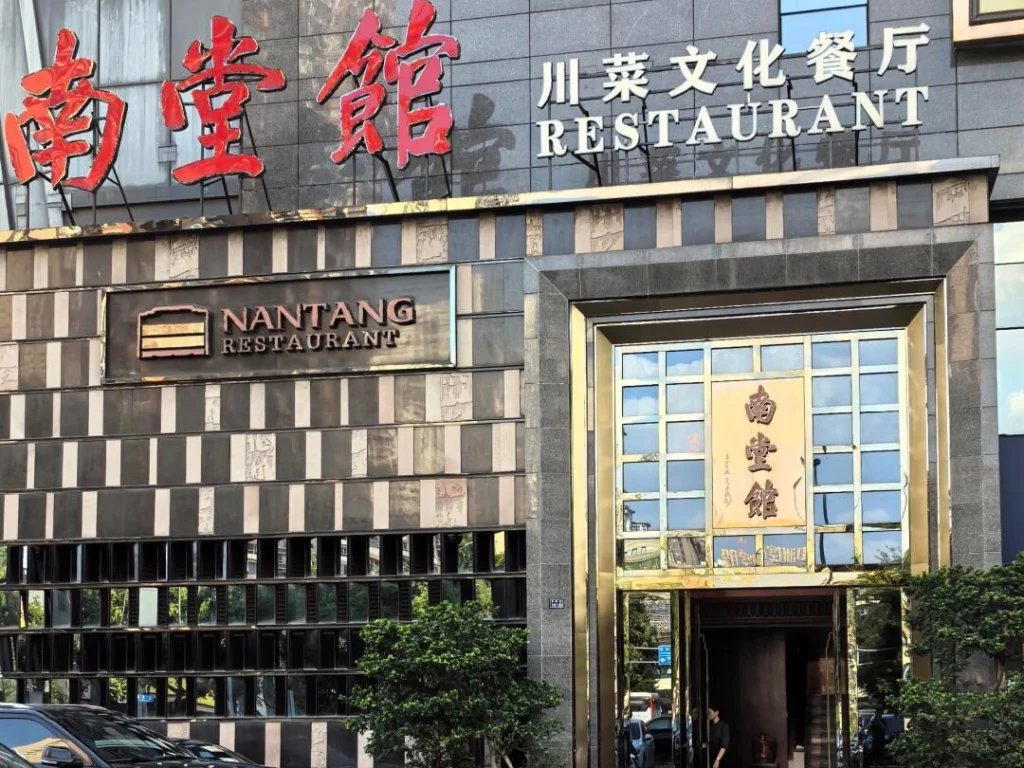
Nantangguan Sichuan Cultural Restaurant holds a 2025 Black Pearl 1 Diamond award, placing it among Chengdu's recognized addresses for Sichuan cuisine. Located in Wuhou District, the restaurant frames its food within a cultural context that goes beyond the standard hotpot circuit. For travelers building a serious itinerary around the city's dining scene, it represents a credentialed entry point into Sichuan's deeper culinary traditions.

Pearl is the En Primeur Club membership app, where members save venues, book tables and use the concierge.
The menu
What to order
- Spicy Pepper Pigeon
- Rice Paddy Eel with Chillies
- Braised Bamboo Shoots
- Liangfen Noodles with Spicy Sauce
Where the Ritual of Sichuan Dining Takes Shape
Wuhou District carries a particular weight in Chengdu's culinary geography. It is the neighborhood where the tourist-facing version of Sichuan food and the locally serious version occupy the same streets, sometimes the same block. Visitors who have moved past the hotpot introductions tend to find themselves here, in restaurants where the meal is structured, paced, and loaded with the kind of cultural framing that distinguishes Sichuan cuisine as a regional tradition rather than a single dish. Nantangguan Sichuan Cultural Restaurant, sitting at Tianshun Road in this district, positions itself explicitly within that cultural register, the name itself signals an intention to contextualize the food rather than simply serve it.
The 2025 Black Pearl 1 Diamond recognition matters here as a calibration tool. The Black Pearl Guide, published by Meituan, functions as the Chinese dining establishment's primary peer-reviewed award system alongside Michelin. A 1 Diamond designation in the 2025 edition places Nantangguan in a tier that, across Chengdu, represents a relatively small cohort of restaurants recognized for quality, consistency, and something worth making a deliberate journey for. Among dedicated Sichuan addresses in the city, peers at comparable or higher award levels include Yu Zhi Lan and Fang Xiang Jing, both operating at the ¥¥¥¥ bracket.
Reading the Meal as a Cultural Document
Sichuan cuisine is, among China's Eight Great Culinary Traditions, the one most frequently reduced to a single characteristic, numbing heat, the famous mala balance of Sichuan peppercorn and chilli. What serious Sichuan restaurants in Chengdu work against is that reductiveness. The cuisine comprises twenty-four recognized flavour profiles in its classical taxonomy, ranging from fish-fragrant and strange-flavour to ginger-juice and sesame paste combinations that have nothing to do with heat at all. A restaurant that frames itself as a cultural institution is implicitly claiming access to that wider vocabulary.
The dining ritual at this tier of Chengdu restaurant typically follows a logic foreign to Western tasting-menu conventions. Rather than a linear progression from light to rich, a classical Sichuan banquet moves through contrasting flavour registers in a way that requires the table to eat collectively and attentively. Cold dishes arrive first, not as amuse-bouches but as full flavour statements, often the most technically demanding preparations on the table. Hot dishes follow in sequences designed to alternate stimulation and relief. Rice, when it arrives, is a structural element, not an afterthought. Visitors who approach this format expecting a European pacing will misread what is in front of them.
That cultural framing is precisely what distinguishes restaurants like Nantangguan from the broader Chengdu casual dining circuit. Compare it to the entry-level Sichuan experience at a place like Chen Mapo Tofu on Qinghua Road, operating at ¥ and built around a single dish, and the difference in intent becomes clear. Nantangguan is operating in a register where the meal is expected to be read as a whole, not consumed dish by dish without regard for sequence or context. For a contrasting perspective on how other Chinese regional cuisines approach the same kind of cultural seriousness, Xin Rong Ji (Taizhou) in Chengdu makes the comparison across culinary traditions legible.
Chengdu's Award Tier and Where This Restaurant Sits
Black Pearl recognition in Chengdu is not automatically a measure of fine-dining formality. The guide covers a wide range of formats and price points, and a 1 Diamond award at a culturally-framed Sichuan address tells you something specific: that the kitchen is consistent, that the experience is considered, and that the restaurant has passed peer review from a panel familiar with the regional standard. It does not automatically mean white tablecloths or a long wine list. Sichuan cuisine at this level is as likely to arrive in a room decorated with cultural artifacts and regional craft as in minimalist plating.
Across China, the Black Pearl and Michelin systems have developed overlapping but distinct footprints. In Chengdu specifically, several restaurants hold recognition from both systems, and others from only one. Fu Rong Huang and Hokkien Cuisine represent different regional and stylistic approaches within the city's recognized dining tier, and comparing them alongside Nantangguan gives a clearer sense of how Chengdu's serious restaurant scene is structured. For a wider view of how Chinese fine dining formats operate in other cities, addresses like 102 House in Shanghai, Ru Yuan in Hangzhou, and Chef Tam's Seasons in Macau offer useful reference points for how regional Chinese culinary identity is being expressed and awarded at the national level.
Planning Your Visit
Nantangguan sits on Tianshun Road in Wuhou, a district that also holds the Wuhou Shrine and a concentration of Chengdu's cultural institutions. The practical logistics for this restaurant are worth approaching with some care. For international visitors, having a hotel concierge or a local contact handle the initial reservation inquiry is often the most reliable approach. Booking ahead, rather than walking in, is advisable for any Black Pearl-recognized address in Chengdu, particularly on weekends and during major Chinese holidays when the city's restaurant traffic peaks considerably.
Visitors building a broader Chengdu itinerary can use our full Chengdu restaurants guide to map the city's dining tier against other neighborhoods and cuisine types. The city's hotel, bar, and experience infrastructure is covered separately in our Chengdu hotels guide, our Chengdu bars guide, and our Chengdu experiences guide. For context on how the regional dining standard compares internationally, Imperial Treasure Fine Chinese Cuisine in Guangzhou and Dai Yuet Heen in Nanjing represent the Cantonese end of the spectrum. Beyond Asia, the structural rigour that defines serious Chinese dining at this level finds interesting parallels in how technically demanding Western kitchens like Le Bernardin in New York City or Atomix in New York City approach the architecture of a meal. And for a cleaner view of Sichuan wineries and the region's broader food culture, our Chengdu wineries guide is the starting point. Also see Xin Rong Ji (Xinyuan South Road) in Beijing for another reference point on how Taizhou-style cuisine operates outside its home base.
Frequently asked questions
What dish is Nantangguan Sichuan Cultural Restaurant famous for?
Is Nantangguan Sichuan Cultural Restaurant reservation-only?
What is the standout thing about Nantangguan Sichuan Cultural Restaurant?
Is Nantangguan Sichuan Cultural Restaurant good for vegetarians?
Cuisine Lens
Comparable venues nearby, for context on price, style, and recognition.
| Venue | Cuisine | Price | Awards | Notes |
|---|---|---|---|---|
| Nantangguan Sichuan Cultural RestaurantThis venue (the venue you are viewing) | Refined Sichuan Cuisine | $50–100 | Black Pearl 1 Diamond | Not listed |
| YouYun•LuHuiTianFu | Sichuan Cuisine | Not listed | Black Pearl 2 Diamond | Tianfu 1911 |
| Yu’s Family Kitchen | Modern Sichuan Fine Dining | $50–100 | Not listed | Chengdushi |
| Nan's Gourmet | Refined Cantonese | $50–100 | Michelin Plate | Chengdushi |
| Huang Cheng Old Beef Restaurant | Sichuan Muslim Beef | Not listed | Not listed | Qingyang District |
| 武侯首席 | Sichuan Chinese | $10–20 | Not listed | 武侯区 |
Recognition history
Dated appearances from independent guides and award organizations, with the underlying list record or original source where available.
Black Pearl 1 Diamond
Black Pearl
Full recognition history (2 entries)
Black Pearl 1 Diamond
Black Pearl
Continue exploring
More in Chengdu
Restaurants in Chengdu
All restaurants in Chengdu →
Bars in Chengdu
All bars in Chengdu →
Details
- Elegant
- Sophisticated
- Cozy
- Business Dinner
- Group Dining
- Special Occasion
- Private Dining
- Local Sourcing
- Street Scene
- A La Carte
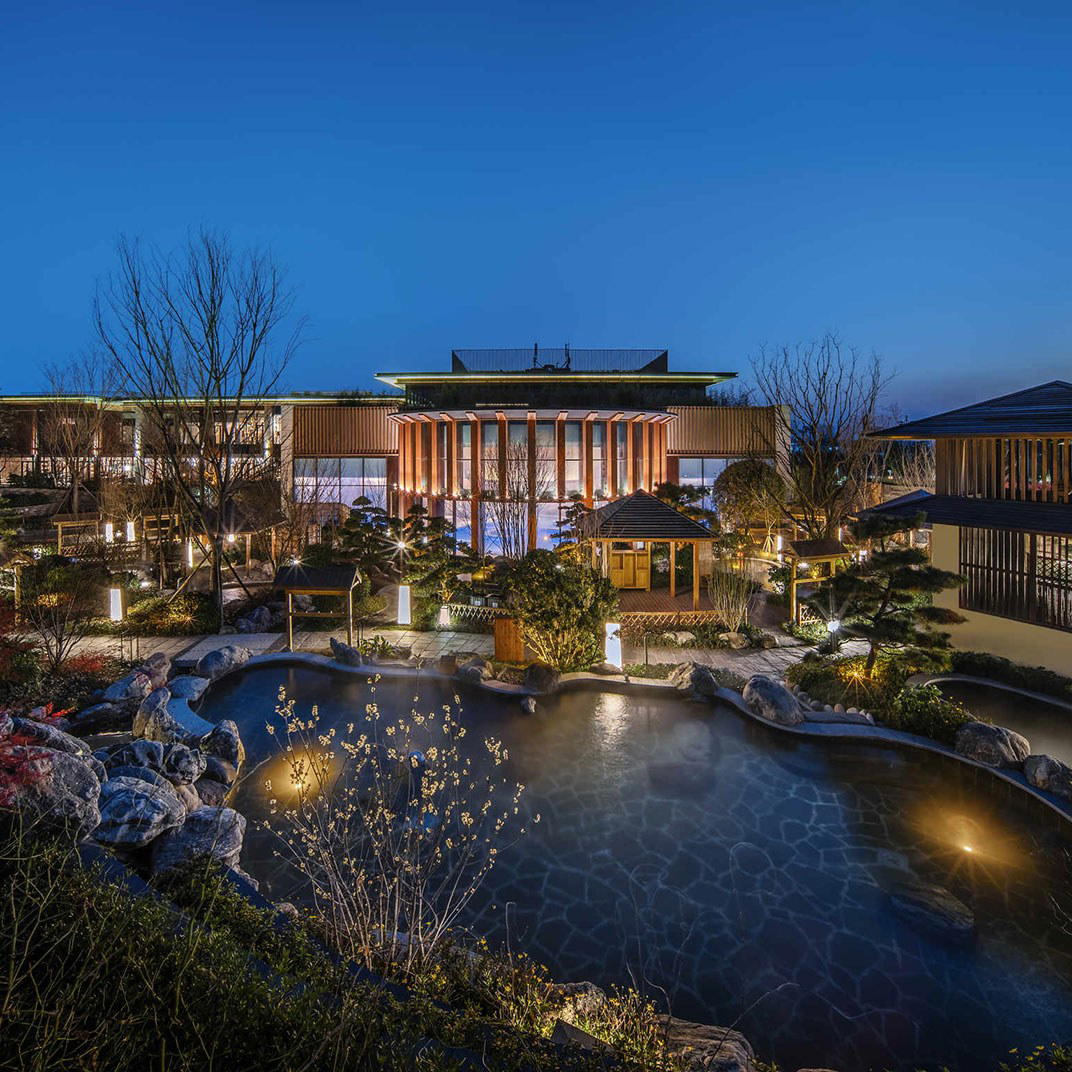
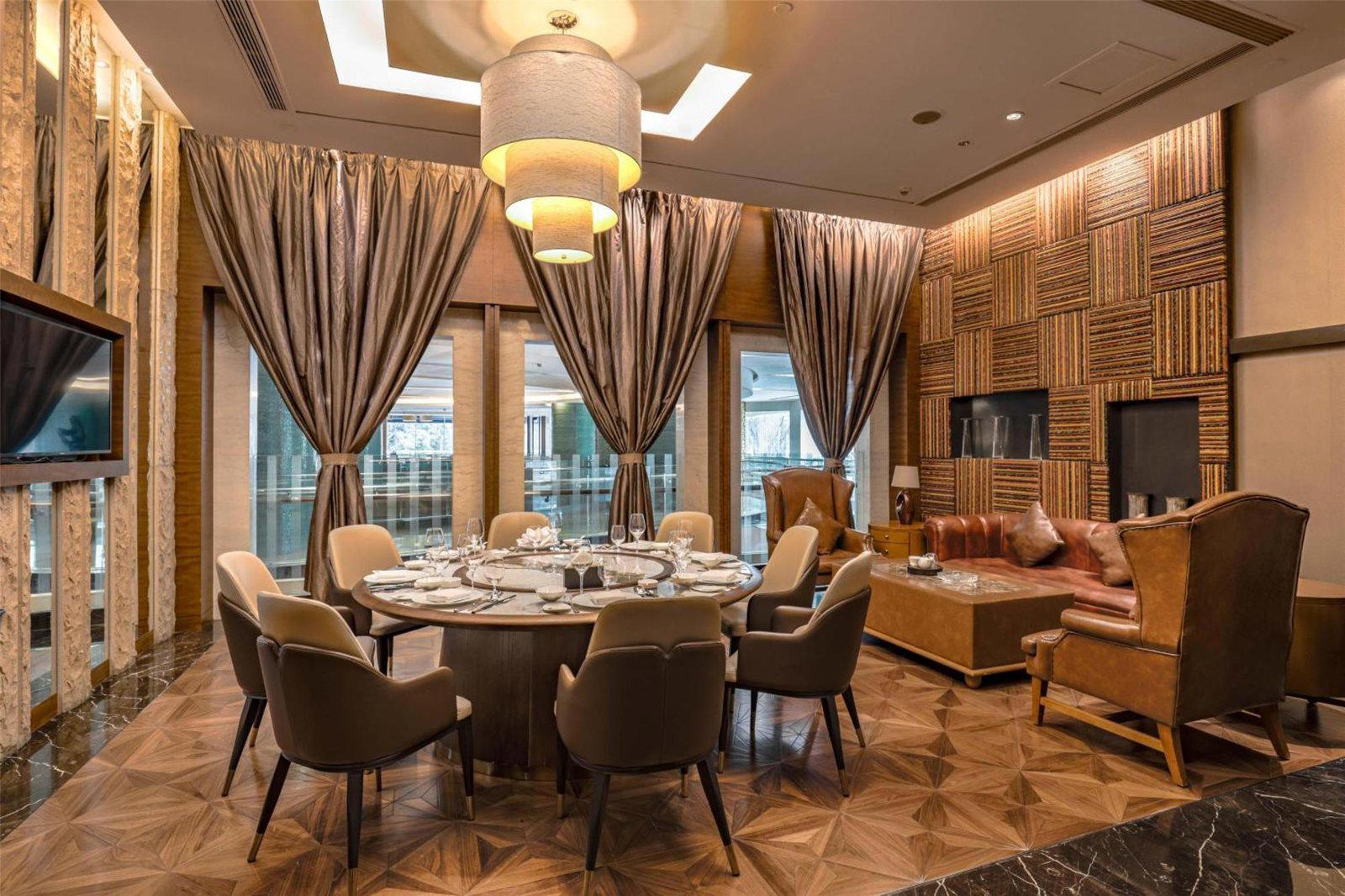
Even and warm lighting with carved wooden screens, calligraphy reliefs, and bamboo-backed seating that absorbs sound for comfortable conversation.