On Via di Ripetta in Rome's historic centre, Ad Hoc occupies a stretch of the city where trattorias and contemporary kitchens have coexisted for generations. The address places it within easy reach of the Piazza del Popolo corridor, a neighbourhood that rewards those willing to move past the obvious tourist circuits. Booking ahead is advisable for evening sittings.
Pearl is the En Primeur Club membership app — saves, bookings, and concierge access live there. Same editors, same standards.
- Address
- Via di Ripetta, 43, 00186 Roma RM, Italy
- Phone
- +393963233040
- Website
- ristoranteadhoc.com
- Directions
- Get directions
 Saves & bookings on Pearl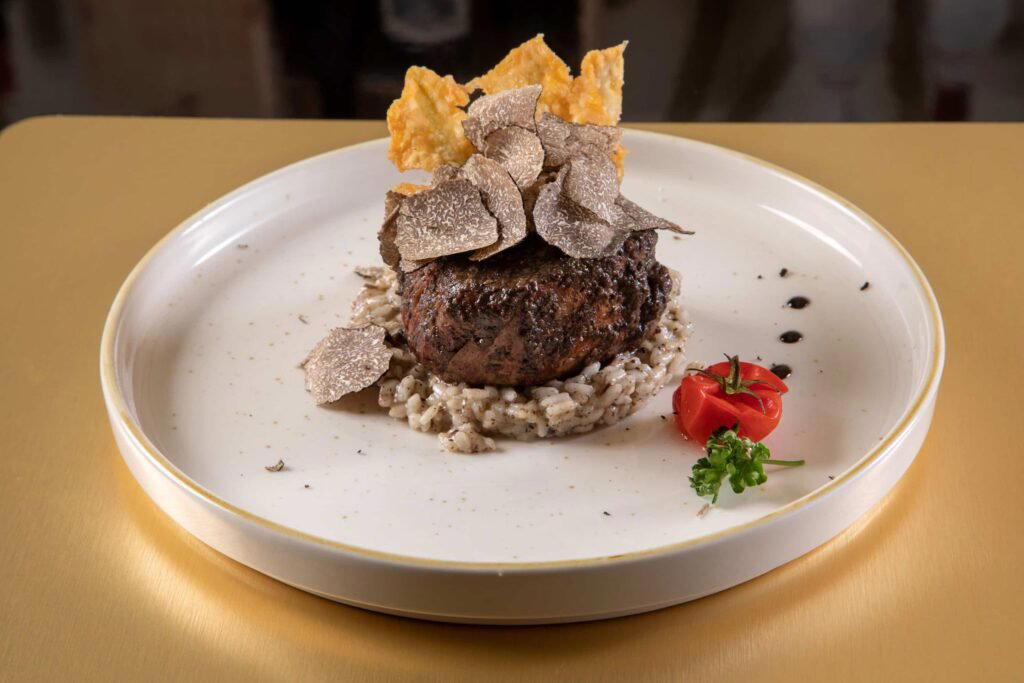
Via di Ripetta and the Question of Where Rome Eats Now
There is a particular kind of Roman street that tells you more about the city's dining culture than any single table inside it. Via di Ripetta, running south from Piazza del Popolo toward the Ara Pacis, is one of them. The blocks here mix wine bars, neighbourhood regulars, and quieter restaurants that draw a local crowd precisely because the address lacks the gravitational pull of the Pantheon or Trastevere. That relative calm is an advantage. In a city where particularly photographed piazzas tend to attract the least interesting food, proximity to a working residential quarter often signals something more genuine about a kitchen's priorities.
Ad Hoc sits at Via di Ripetta, 43, in Rome. The address itself carries a degree of editorial weight: the Via di Ripetta corridor has historically been part of the Tridente, Rome's elegant northern quarter, and the restaurants that have endured here tend to do so because local regulars return rather than because guidebook traffic sustains them. That dynamic shapes what a kitchen decides to cook and how it prices the room.
Rome's Creative Middle Ground
Roman dining has always resisted easy categorisation. The city's culinary identity is built on a handful of canonical dishes, cacio e pepe, carbonara, coda alla vaccinara, that have survived centuries of outside influence without meaningful dilution. But beneath that conservative surface, a layer of restaurants has emerged over the past two decades that treat Roman ingredients as a starting point rather than a constraint. This is not the dramatic rupture with tradition visible at Osteria Francescana in Modena or the coastal complexity of Uliassi in Senigallia. It is something more measured: kitchens that understand classical Roman cooking from the inside and then decide where to push.
In Rome's current restaurant tier, particularly decorated addresses operate at the €€€€ level and carry either Michelin recognition or sustained critical attention. Il Pagliaccio represents the upper bracket of contemporary Italian in the city, while Enoteca La Torre and Acquolina anchor the creative end of the spectrum with track records that predate the current wave of interest in Italian fine dining.
Ad Hoc operates within this context. The name itself suggests a certain disposition: improvised, responsive, made for the occasion at hand rather than the long-term archive. Whether that translates to a menu philosophy or simply a tone of service is something the room communicates more reliably than any external description. What the address confirms is that this is not a tourist-facing operation dropped into a high-footfall zone. The choice of Via di Ripetta implies a restaurant that expects its audience to seek it out.
The Cultural Weight of Cooking in Rome
To understand any serious restaurant in Rome is to understand what it is choosing to do with the city's culinary inheritance. Roman food culture is stratified in ways that outsiders often misread. The trattoria tradition is not simply a lower rung on the quality ladder; at its leading, it represents a form of cooking discipline that measures itself against memory and repetition rather than innovation. When a more contemporary kitchen opens in this city, it enters a conversation that has been running for centuries, and credible ones acknowledge that conversation rather than ignoring it.
This is what separates Rome from Milan, where Enrico Bartolini operates in a city more comfortable with imported ideas, or from the mountain contexts that shape a place like Atelier Moessmer Norbert Niederkofler in Brunico. Rome's culinary identity is specific and demanding, and the restaurants that earn lasting respect here tend to do so by knowing exactly which traditions they are engaging with and which they are leaving alone.
Across Italy more broadly, the restaurants that have accumulated the deepest critical reputations, Le Calandre in Rubano, Piazza Duomo in Alba, Dal Pescatore in Runate, share a quality of rootedness: they are unmistakably of their region while remaining technically precise. Reale in Castel di Sangro and Quattro Passi in Marina del Cantone demonstrate that the same logic applies across the peninsula's south. Rome has its own version of this standard, and it is a demanding one.
Planning a Visit to Ad Hoc
Via di Ripetta is walkable from both the Flaminio metro stop and the Spagna area, placing Ad Hoc at an accessible point in the city's historic centre without sitting directly on particularly congested tourist routes. Spring and autumn are the periods when Roman dining is at its most engaged: the city's seasonal produce calendar shifts meaningfully between these months, and kitchens that pay attention to supply adjust accordingly. Summer brings longer evenings and a shift in dining rhythm, with many Romans eating later and lighter. Winter, by contrast, tends to favour the richer preparations that the Roman table does well.
For restaurants in this part of the city, reservations for dinner are generally advisable, particularly from Thursday through Saturday. The Tridente quarter draws a mix of local professionals and international visitors, and the better-regarded rooms fill early in the week for weekend sittings. Arriving without a booking on a Friday evening at a restaurant of this address and apparent positioning is a gamble that the city's dining culture does not reward reliably. Reservations are recommended.
For context on Rome's fine dining scene, La Pergola remains the city's reference point, and Achilli al Parlamento represents a different creative register. Ad Hoc's position on Via di Ripetta places it in a neighbourhood tier that operates below that level of formality and price but within the same broad commitment to cooking that takes the city's ingredients seriously.
Same-City Peers
Comparable venues nearby, for context on price, style, and recognition.
| Venue | Cuisine | Price | Notes |
|---|---|---|---|
| Ad HocThis venue — the venue you are viewing | Refined Roman Truffle Cuisine | $$$ | Not listed |
| Crazy Pizza Rome | Modern Italian Pizza | $$$ | Ludovisi |
| 8th Floor Rooftop | Contemporary Roman Cuisine | $$$ | Gianicolese |
| Sarkós Roma | Modern Italian Steakhouse | $$$ | Monti |
| Da Tullio | Classic Roman Trattoria | $$$ | Trevi |
| TAC – Thin And Crunchy | Modern Roman Thin and Crunchy Pizza | $$$ | Torrino |
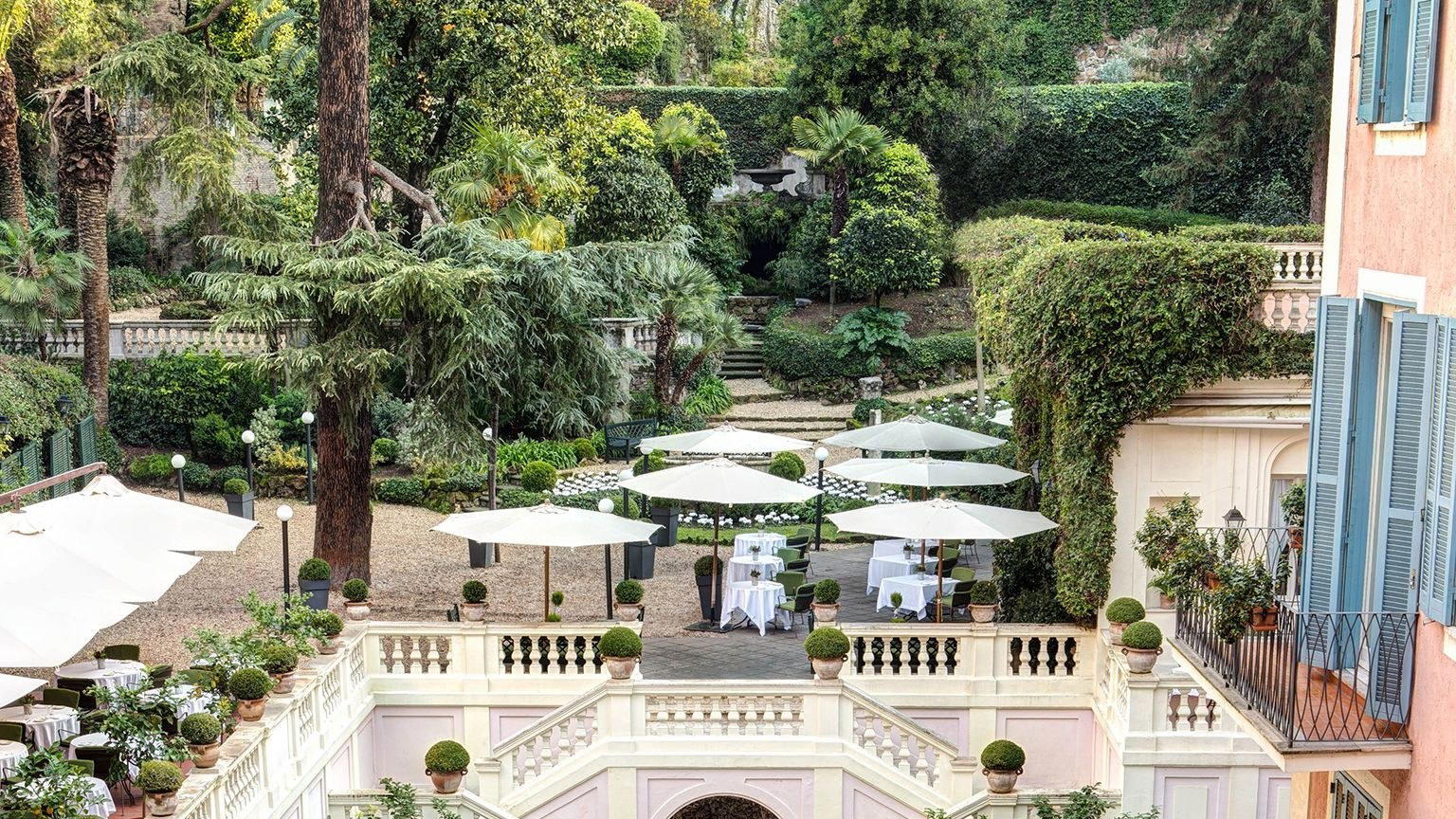


At a Glance
- Romantic
- Elegant
- Intimate
- Sophisticated
- Date Night
- Special Occasion
- Historic Building
- Extensive Wine List
- Street Scene
Current opening hours
- Monday
- 6:30–10:30 PM
- Tuesday
- 6:30–10:30 PM
- Wednesday
- 6:30–10:30 PM
- Thursday
- 6:30–10:30 PM
- Friday
- 6:30–10:30 PM
- Saturday
- 6:30–10:30 PM
- Sunday
- 6:30–10:30 PM
Hours can change for holidays and private events. Last verified .
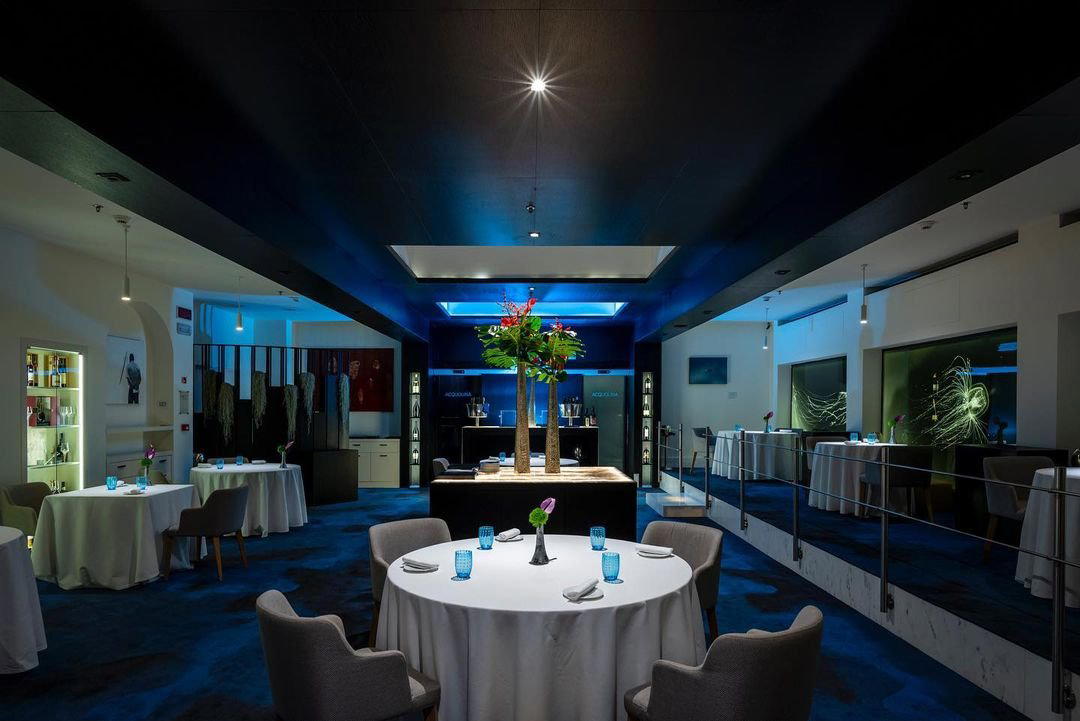
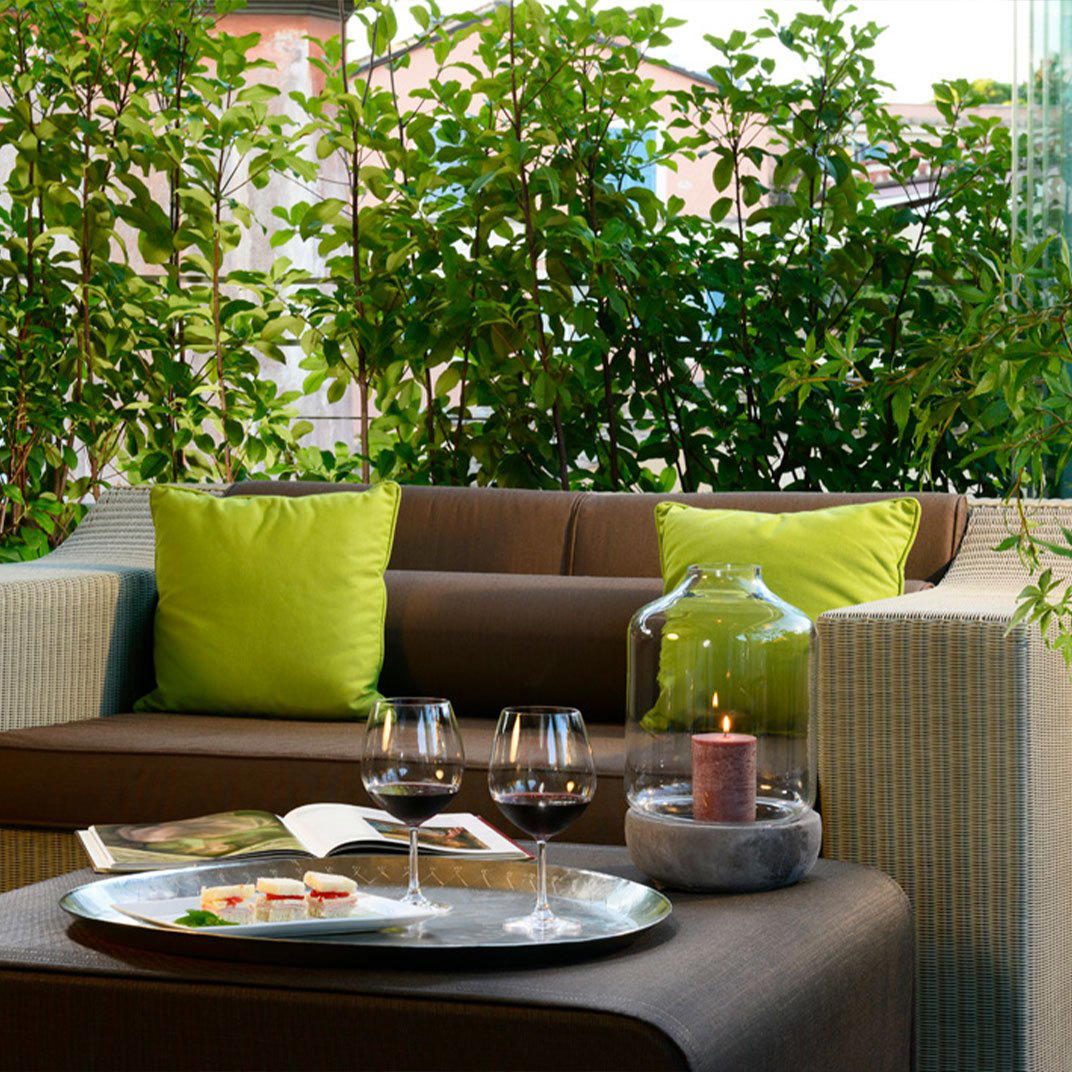
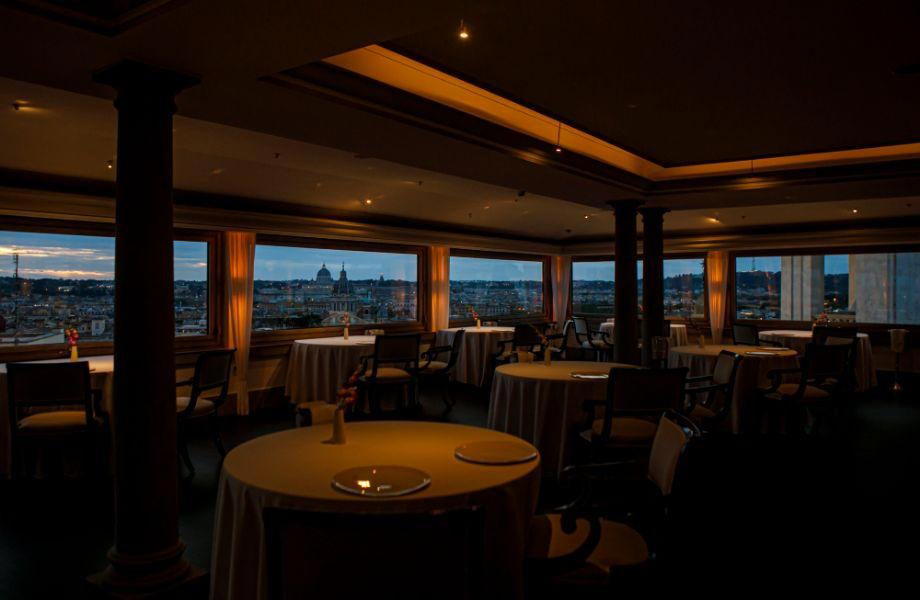
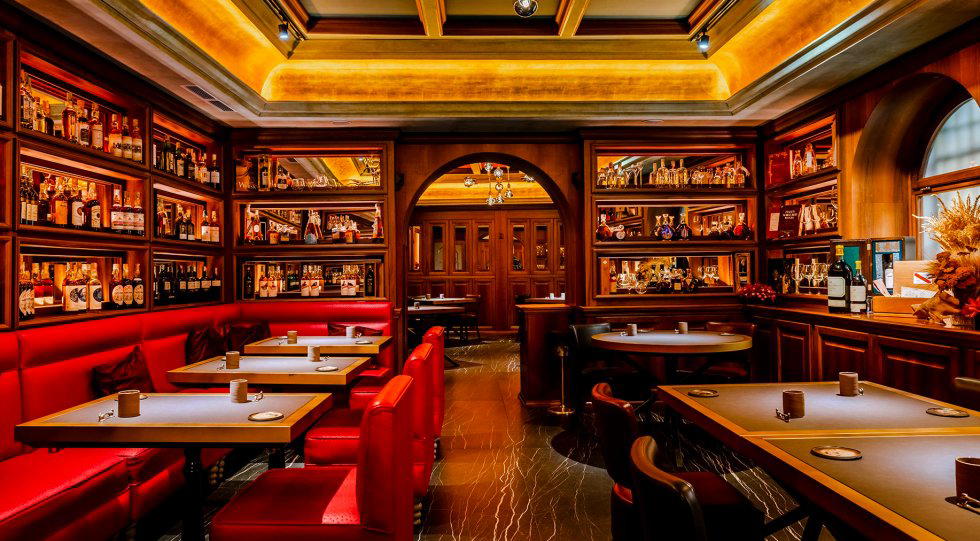
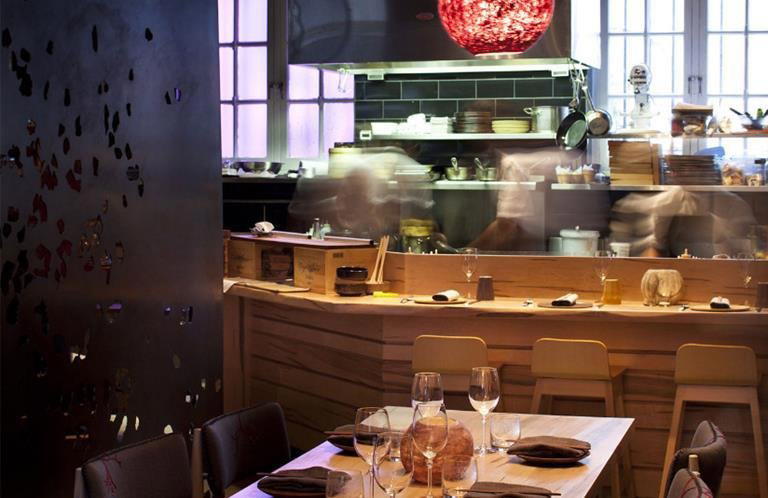
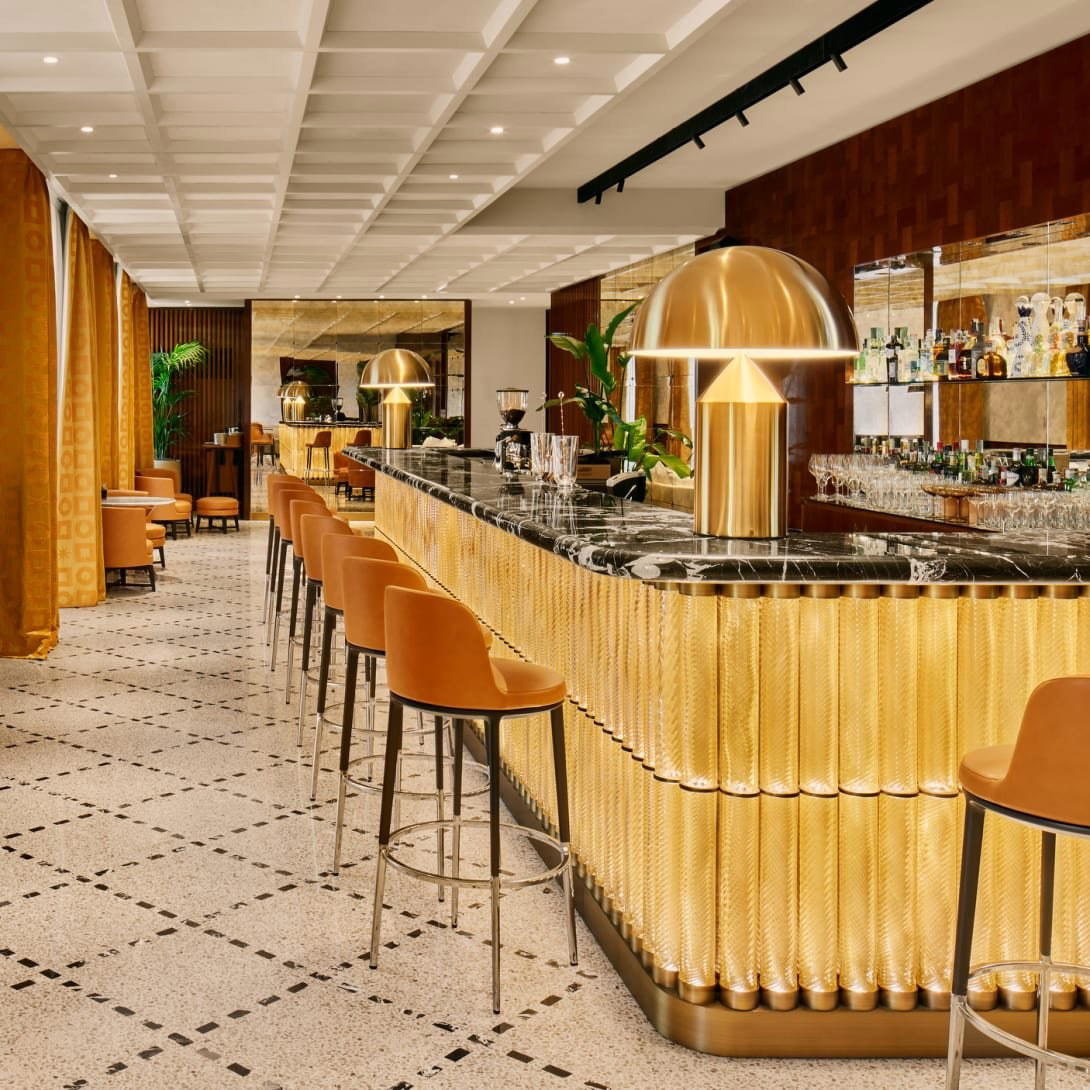
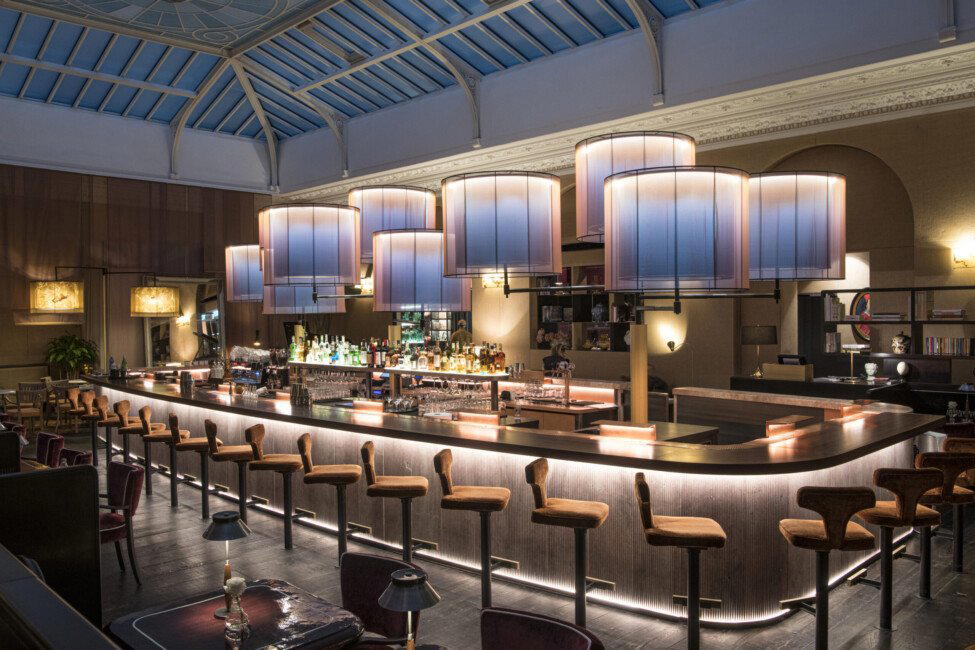
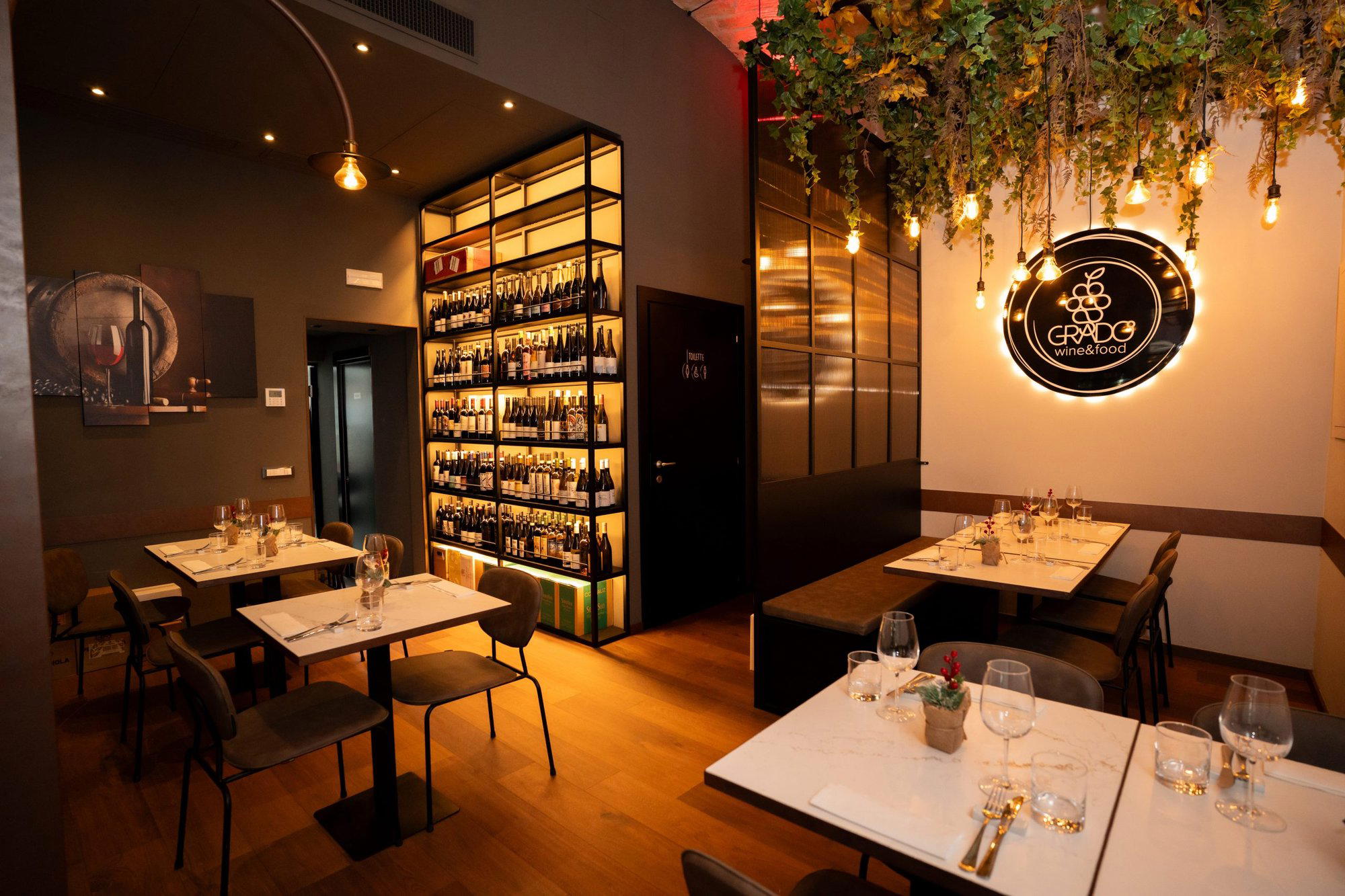
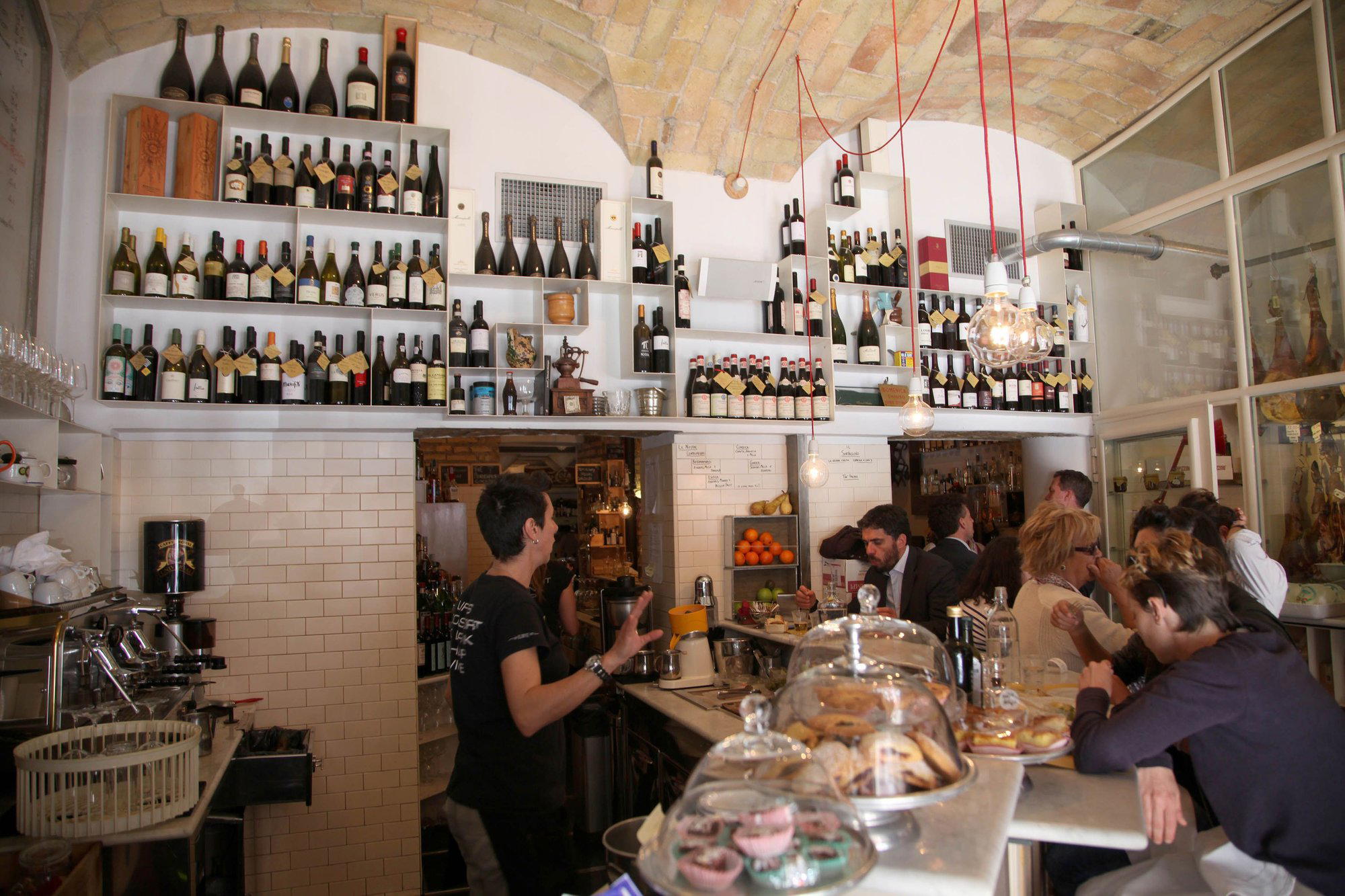
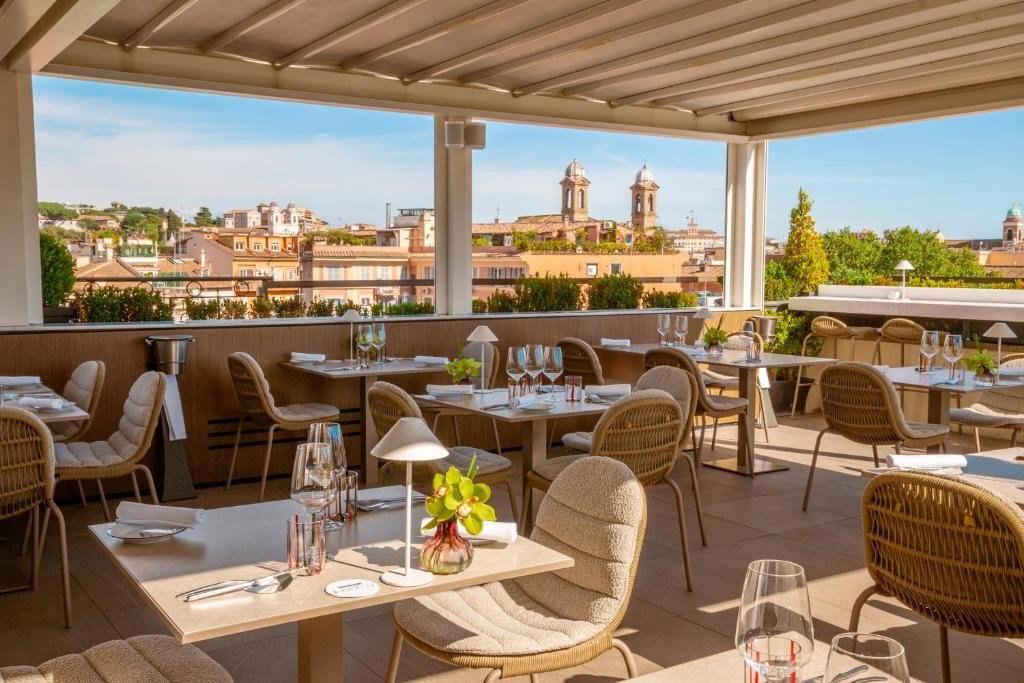
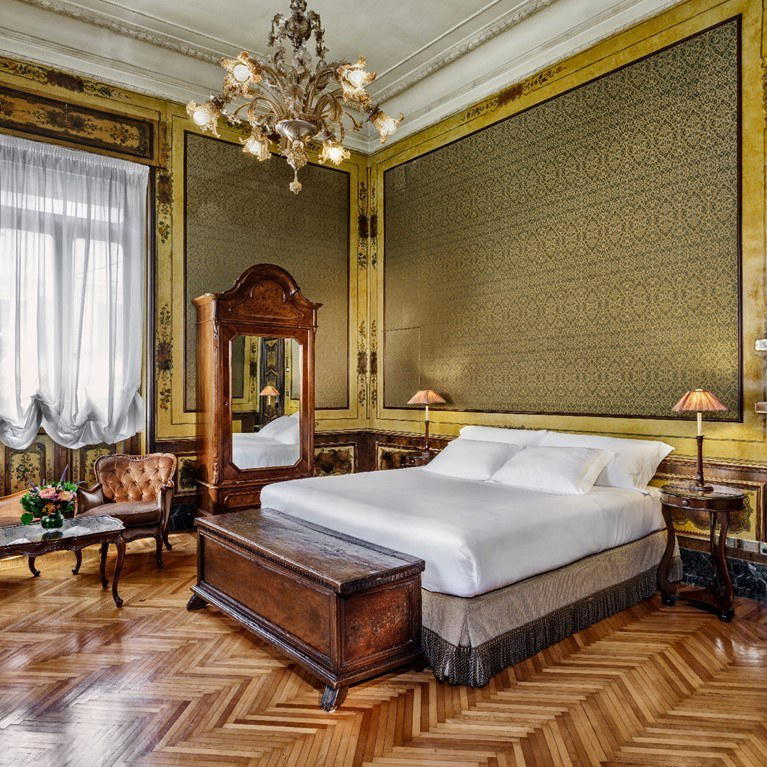
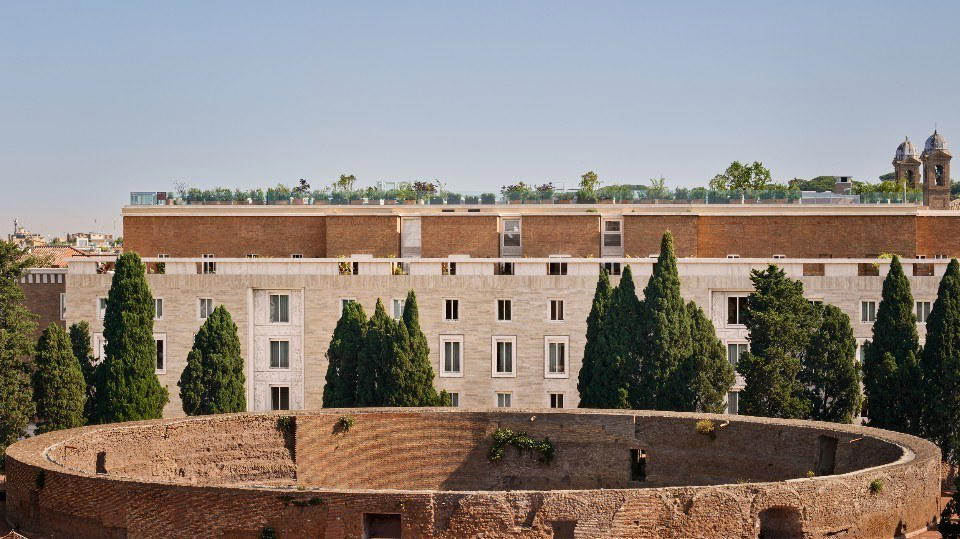
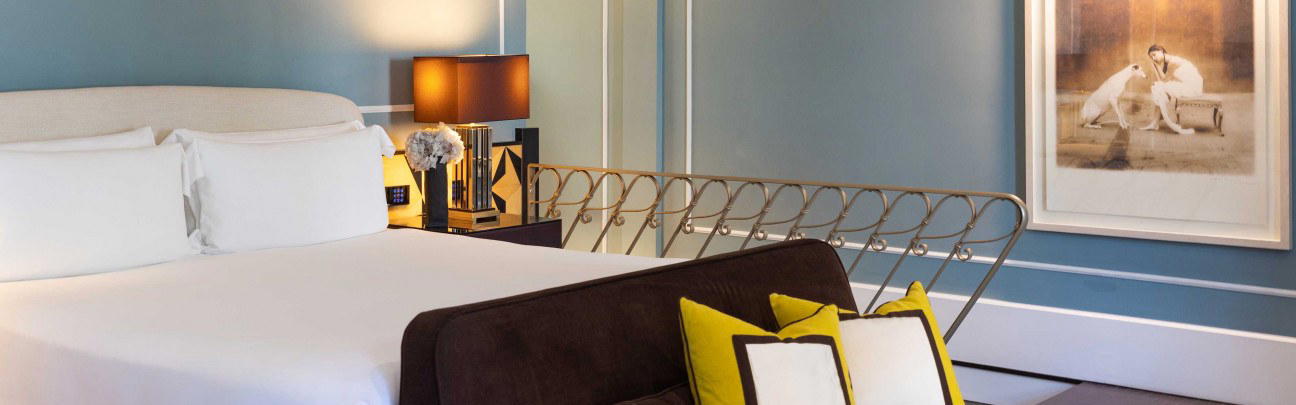
Refined and romantic atmosphere in a charming historic building with warm, elegant lighting.