On Piazza Capranica in Rome's historic centre, Collegio Bistrot occupies a square that has witnessed centuries of civic life, offering a dining format rooted in the rhythms of the Italian bistrot tradition. The setting positions it within a neighbourhood where ancient palazzi and working trattorias coexist, making it a reference point for mid-tier dining in the centro storico.
Pearl is the En Primeur Club membership app — saves, bookings, and concierge access live there. Same editors, same standards.
- Address
- Piazza Capranica, 99, 00186 Roma RM, Italy
- Phone
- +39669940992
- Website
- collegioroma.com
- Directions
- Get directions
 Saves & bookings on Pearl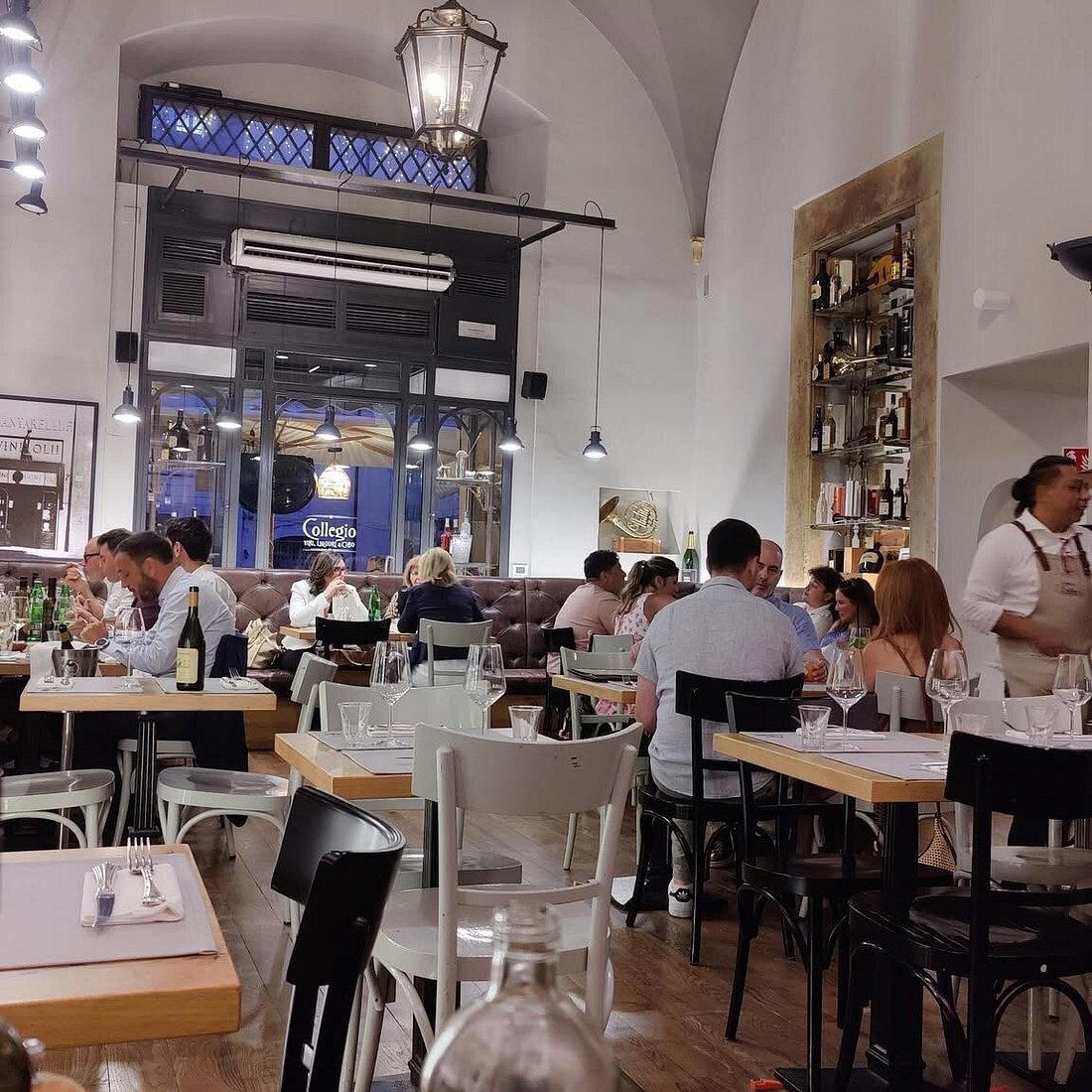
A Square That Sets the Pace
Piazza Capranica sits a short walk from the Pantheon, in a part of Rome where the density of history can make the present feel almost incidental. The square itself is framed by the late-Gothic Palazzo Capranica on one side and the kind of understated street life that belongs to a neighbourhood still used by Romans rather than given over entirely to tourism. Arriving at Collegio Bistrot here, you are stepping into a dining context shaped as much by the piazza's own tempo as by what happens inside the room. That tempo is important. In Rome's centro storico, the physical environment of a restaurant determines a significant part of how a meal unfolds before the first course arrives.
The bistrot format, as it operates in contemporary Rome, sits between the full-service ristorante and the looser energy of an osteria. It implies a certain pacing: fewer courses than a tasting menu operation, a wine list with some editorial selectivity, and a kitchen that is expected to handle both a quick weekday lunch and a more deliberate evening sitting. That dual register is harder to sustain than it looks, and the square's character at Piazza Capranica, quieter than the Pantheon's immediate orbit, less residential than Trastevere, gives the format room to breathe.
The Ritual of the Roman Meal
Understanding how a Roman bistrot meal is meant to unfold matters more than any single dish recommendation. The Italian dining ritual at this level follows a logic that has not changed much in decades: antipasto, primo, secondo, and dolce are not obligations but a framework. In a bistrot context, most diners collapse that sequence into two or three moves, which means the kitchen has to make those moves count without the scaffolding of a long tasting progression.
Rome's centro storico restaurants occupy a complicated position in that tradition. The neighbourhood's visitor density creates economic pressure toward simplified menus and faster turnover, while the city's restaurant culture still values the kind of meal where the second glass of wine arrives before anyone has checked the time. The bistrot tier, priced below the tasting-menu houses but above the tourist-trap trattorie, is where that tension is most visible. Comparable operations in the area tend to source locally where the supply chain supports it and anchor their menus in recognisable Roman flavour codes, even when the technique leans contemporary.
La Pergola, Il Pagliaccio, and Acquolina at the creative end, with Enoteca La Torre and Achilli al Parlamento representing the more wine-led formal tier. Collegio Bistrot operates below that bracket, in a price and ambition register where the quality of sourcing and the discipline of execution carry greater weight.
Where This Fits in the Broader Italian Scene
Italy's restaurant culture across the country has fragmented into a wider range of formats than the traditional categories suggest. At the decorated end, houses like Osteria Francescana in Modena, Piazza Duomo in Alba, and Le Calandre in Rubano represent the tasting-menu format at its most ambitious. Further afield, Uliassi in Senigallia, Reale in Castel di Sangro, and Atelier Moessmer Norbert Niederkofler in Brunico show how regional Italian fine dining has moved toward stronger local-identity frameworks. Quattro Passi in Marina del Cantone and Dal Pescatore in Runate sit in a generationally sustained tradition that the bistrot tier elsewhere in Italy often references.
Closer to the bistrot and mid-tier category, Florence's Enoteca Pinchiorri and Milan's Enrico Bartolini represent the upper end of what Italian urban dining can look like when ambition and format discipline align. Internationally, formats with a comparable commitment to pace and produce are reflected in houses like Le Bernardin in New York City and Lazy Bear in San Francisco, though those operate in entirely different cultural registers.
Timing and Approach
The centro storico around the Pantheon and Piazza Capranica operates differently across seasons. Summer brings the highest foot traffic and the longest daylight evenings, which suits a piazza-adjacent setting. Spring and autumn are when the neighbourhood returns to something closer to its working-Roman character, with shorter queues at the obvious tourist sites and a more relaxed energy in the surrounding streets. For a bistrot meal that relies on unhurried service and attentive kitchen timing, those shoulder months generally reward the visitor more than the peak of August. Winter evenings on the piazza, with the square largely cleared of tourists, offer a different version of the same location.
Lunch at this category of restaurant in Rome tends to be faster by convention, with many kitchens running a compressed service. Evening sittings allow the full arc of the Roman meal to develop, particularly if you arrive for an earlier seating and allow the tempo of the room to set your own pace rather than the reverse.
Know Before You Go
- Address: Piazza Capranica, 99, 00186 Roma RM, Italy
- Neighbourhood: Centro Storico, a short walk from the Pantheon
- Booking: Reservations are recommended
- Pricing: About $40 per person
- Hours: Mon-Sun 9 AM-11 PM
- Season: Spring and autumn deliver one settled experience; summer is busier throughout the piazza
Similar Picks
Comparable venues nearby, for context on price, style, and recognition.
| Venue | Cuisine | Price | Notes |
|---|---|---|---|
| Collegio BistrotThis venue — the venue you are viewing | Roman & Amatrice Trattoria | $$$ | Not listed |
| Ristorante Terrazza Ciampini di Marco Ciampini | Traditional Roman-Italian Terrace Dining | $$$ | Campo Marzio |
| Sarkós Roma | Modern Italian Steakhouse | $$$ | Monti |
| 180g Pizzeria Romana | Roman-Style Pizza | $$$ | Centocelle |
| Rimessa Roscioli | Traditional Roman Cuisine with Wine Pairings | $$$ | Regola |
| Enoteca Bellini Roma | Modern Italian Enoteca | $$$ | Ponte |

At a Glance
- Romantic
- Elegant
- Intimate
- Classic
- Date Night
- Business Dinner
- Group Dining
- Special Occasion
- Private Event
- Terrace
- Historic Building
- Private Dining
- Open Kitchen
- Extensive Wine List
- Craft Cocktails
- Sommelier Led
- Local Sourcing
- Farm To Table
Current opening hours
- Monday
- 9 AM–11 PM
- Tuesday
- 9 AM–11 PM
- Wednesday
- 9 AM–11 PM
- Thursday
- 9 AM–11 PM
- Friday
- 9 AM–11 PM
- Saturday
- 9 AM–11 PM
- Sunday
- 9 AM–11 PM
Hours can change for holidays and private events. Last verified .
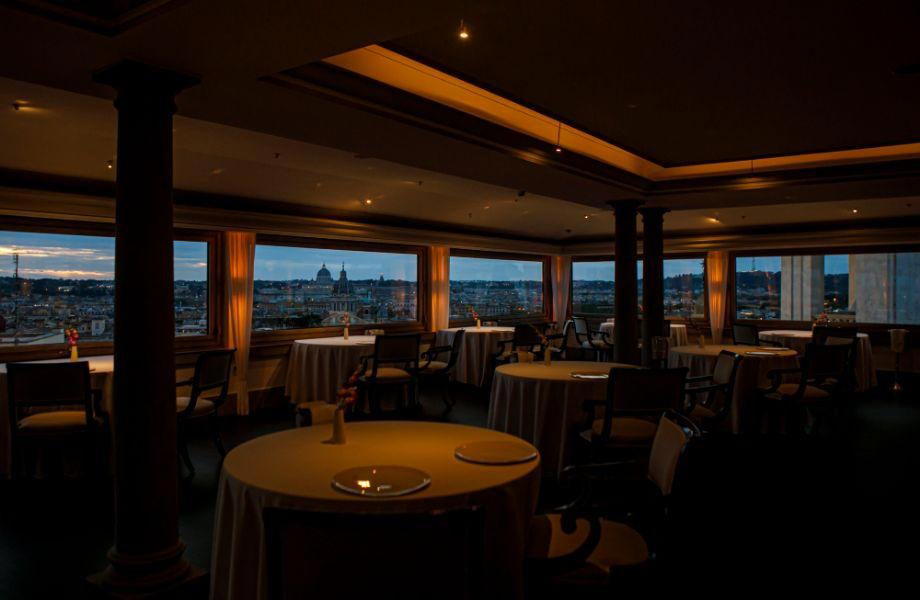
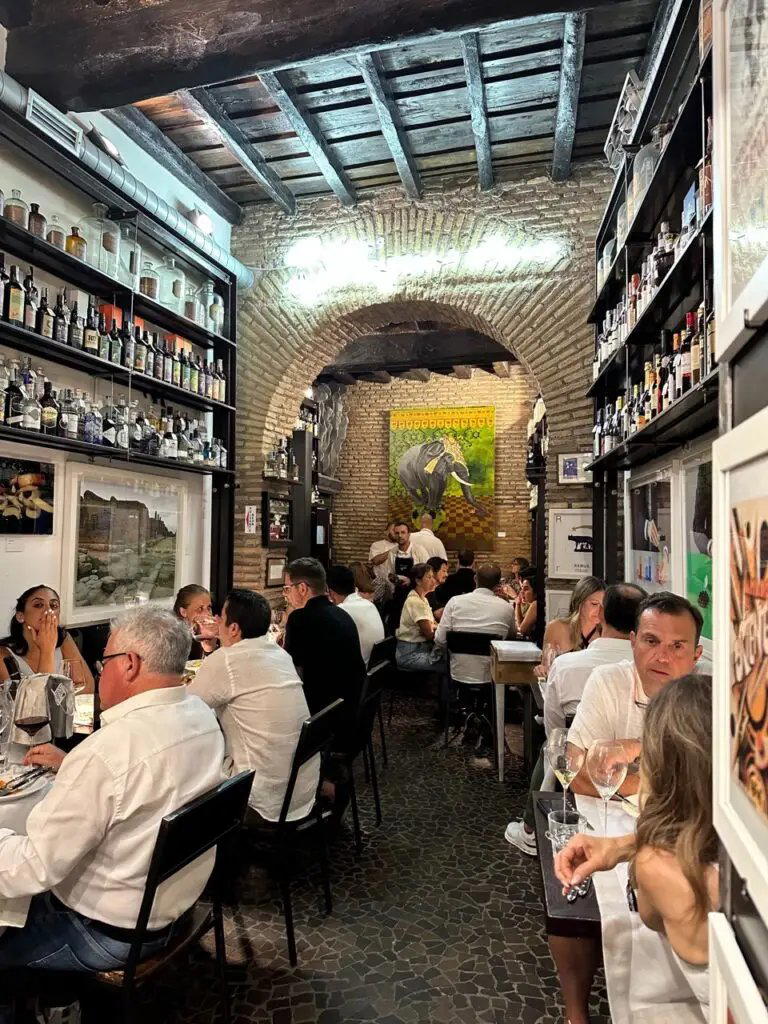
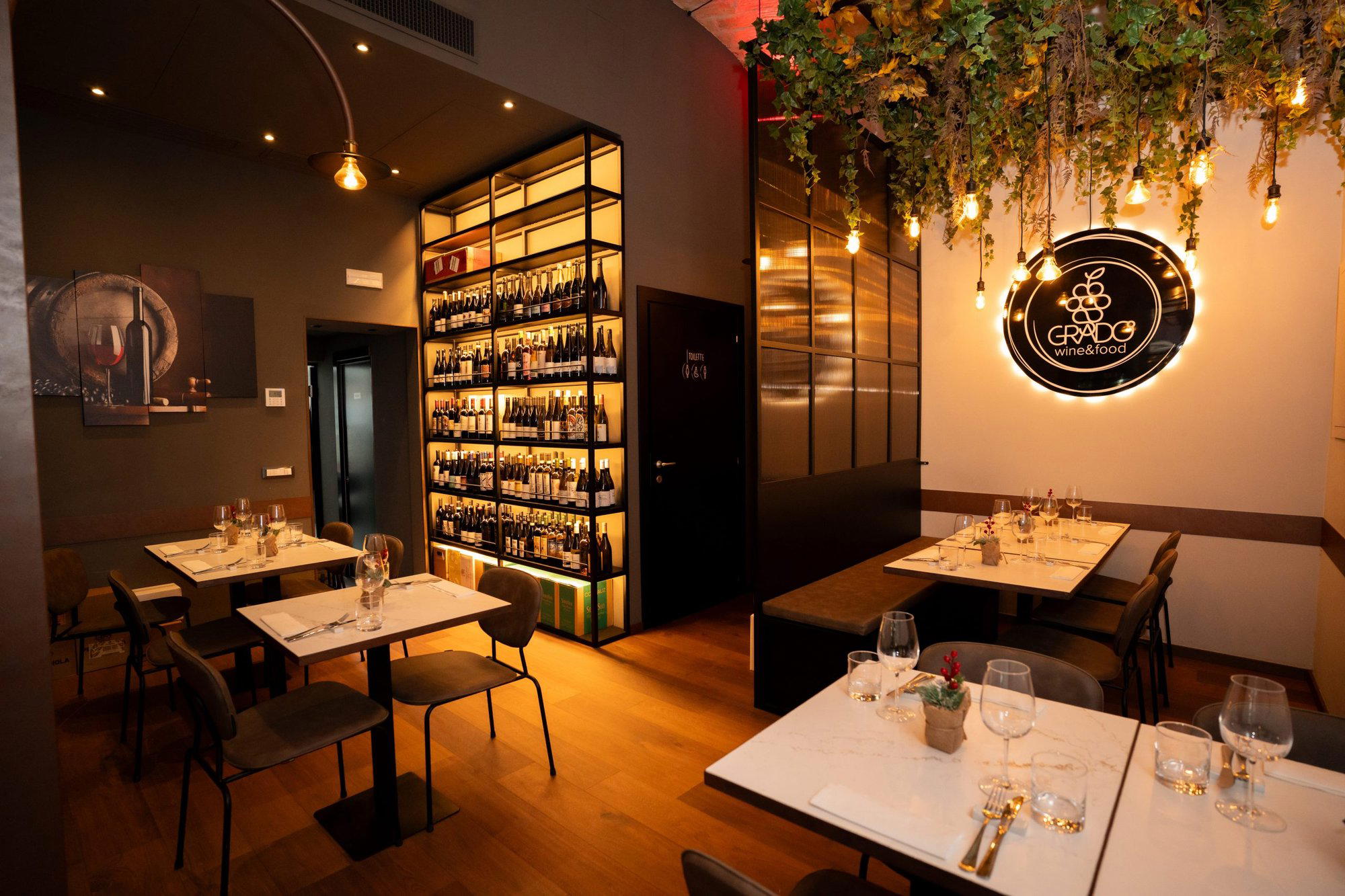
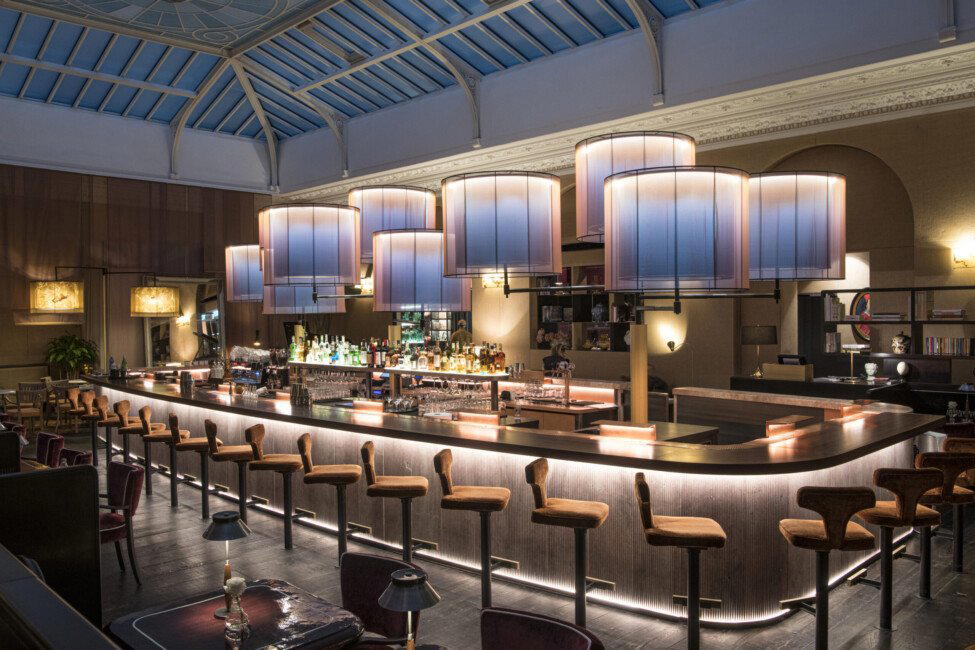
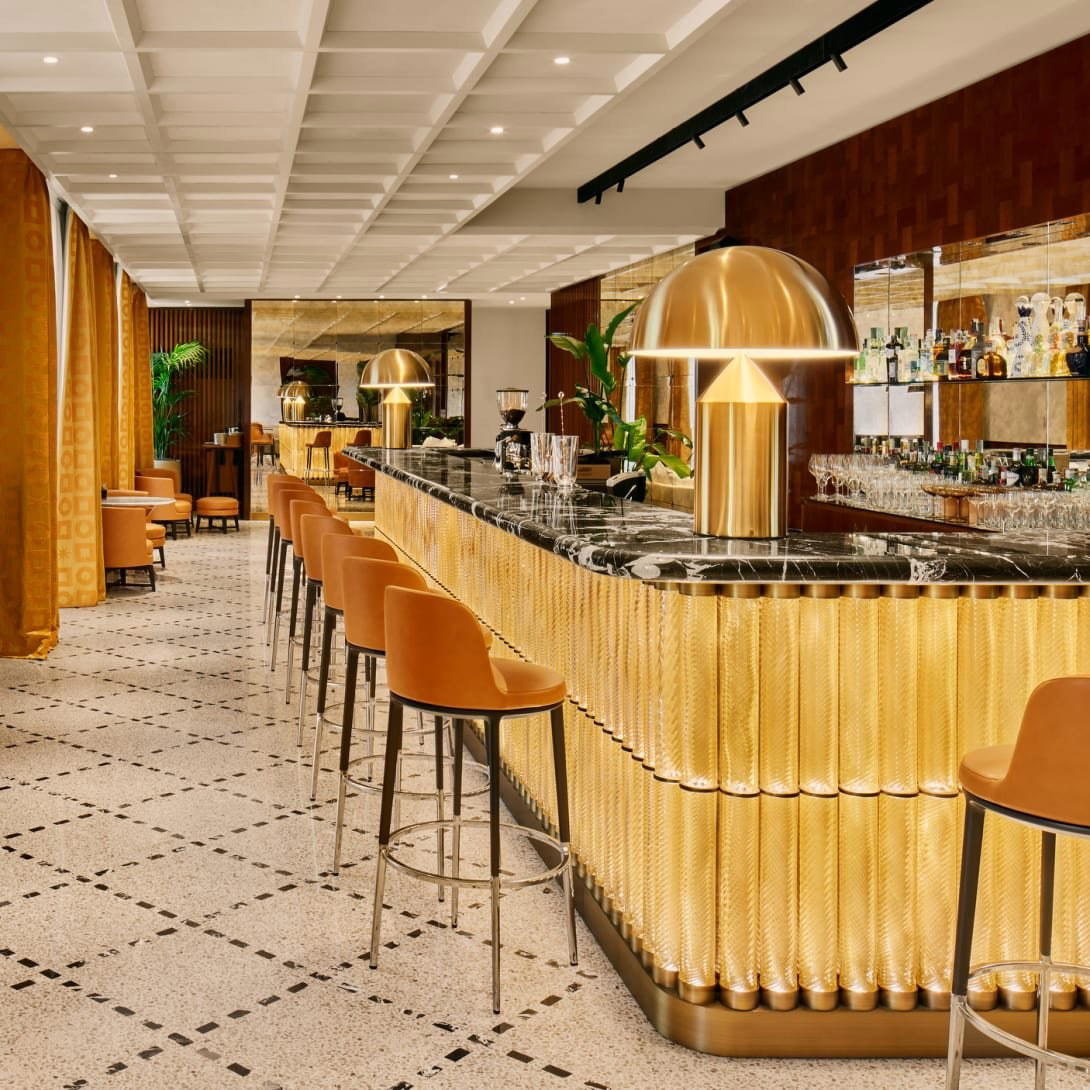
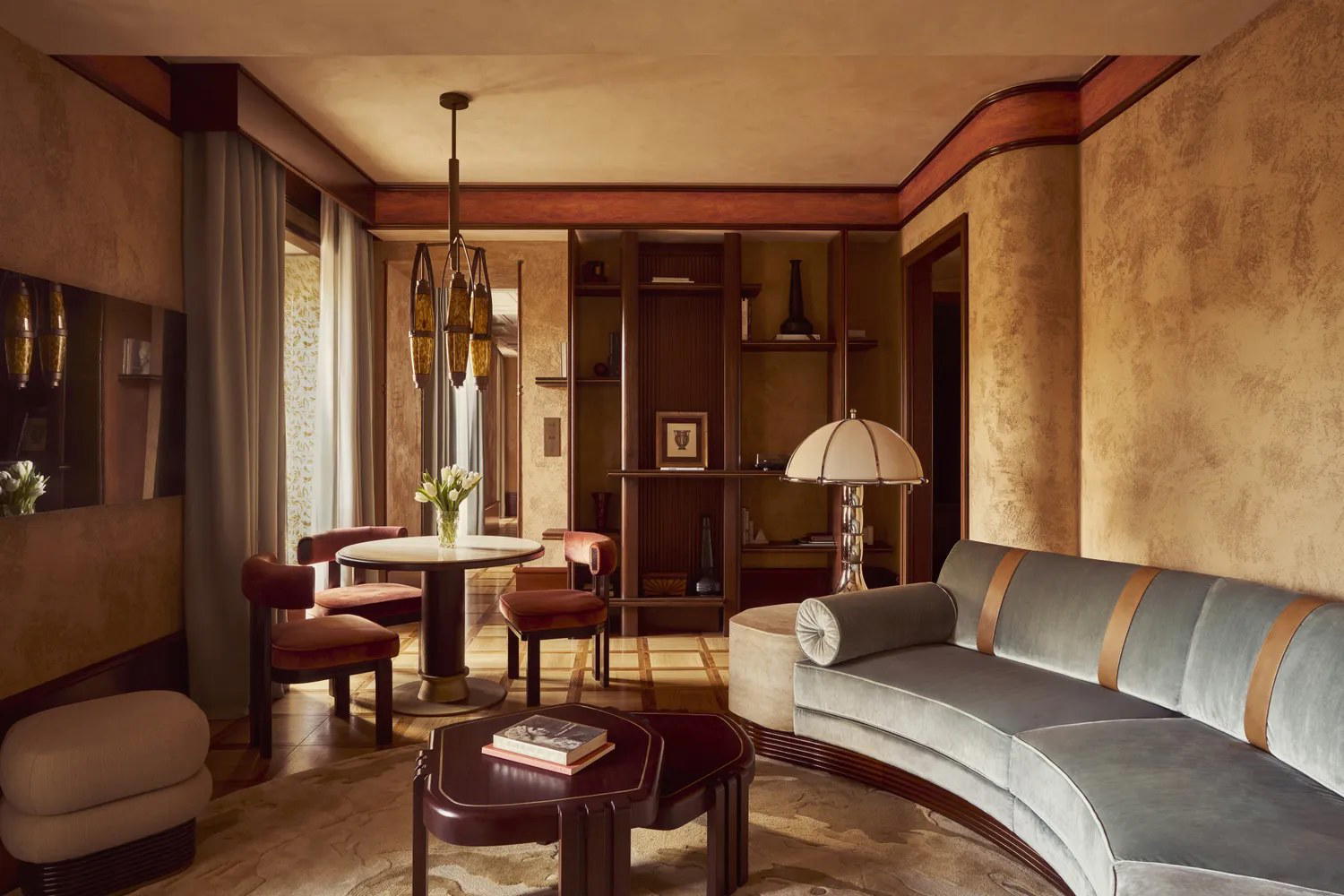
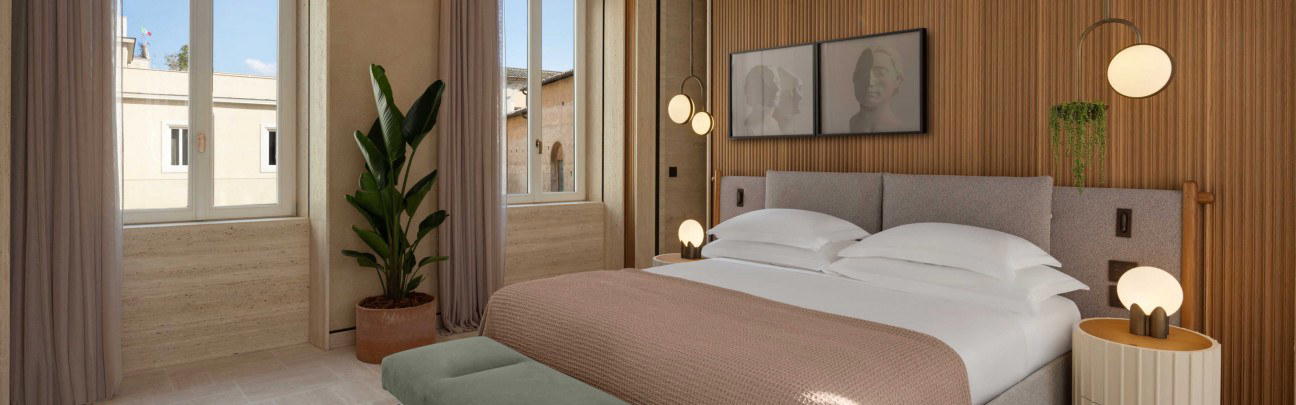
Warm, intimate, and welcoming environment with elegant décor in a refined setting that balances historic charm with contemporary comfort.