Our verdict
Located at 4-1 Kanegasakicho in Tsuruga, Fukui, ソニョーポリ occupies a port city where the Sea of Japan has shaped local food culture for centuries. Tsuruga sits at a crossroads between Hokuriku's fishing heritage and Kansai culinary influence, giving restaurants here a sourcing context that inland cities cannot replicate. For visitors exploring Fukui's dining scene, this address warrants attention alongside the city's broader roster of independent operators.

Pearl is the En Primeur Club membership app, where members save venues, book tables and use the concierge.
The menu
What to order
- Fukui Pork Spare Ribs with Cabbage Ragù Linguine
- Squid Ink Rice Croquette with Sea Urchin
- Gelato
Tsuruga's Sourcing Advantage: Why the Port Matters at the Table
Tsuruga is not a city that announces itself loudly on Japan's dining circuit. It sits on the Sea of Japan coast of Fukui Prefecture, roughly equidistant between Kyoto and Kanazawa, and its profile among food-focused travelers remains modest relative to those neighbors. That relative obscurity is partly a function of geography and partly of the city's identity: Tsuruga is, at its core, a port town, and port towns in Japan tend to feed themselves rather than perform for visitors. The fish that comes through here, dominated by the cold-water species that thrive in the Sea of Japan, reaches the table at a proximity and freshness that coastal infrastructure makes possible in ways that even well-resourced inland restaurants cannot easily replicate. For context on what that sourcing environment looks like across the full Tsuruga dining scene, see our full Tsuruga restaurants guide.
ソニョーポリ, addressed at 4-1 Kanegasakicho, sits inside this context. The Kanegasaki district carries historical weight in Tsuruga, it is the area closest to the old port, where the city's trading and fishing economy has always been centered. Restaurants that establish themselves here are, whether deliberately or by proximity, drawing on a sourcing ecosystem that has been refined over generations of commerce between the harbor and the kitchen.
The Sea of Japan Table: What Cold-Water Sourcing Produces
The ingredient logic of Japan's Sea of Japan coast is distinct from that of the Pacific side, and it is worth understanding what that means practically. The colder, nutrient-dense waters of the Sea of Japan produce fish with higher fat content and firmer texture, yellowtail (buri) in winter, snow crab (zuwaigani) during the licensed season from November through March, and a rotation of white-fleshed fish across the year that varies by what local boats bring in. Fukui Prefecture's waters are particularly associated with the Obama and Tsuruga fishing ports, both of which supply restaurants as far as Kyoto via the historical mackerel road (sabakaido) that once connected this coast to the ancient capital.
That supply chain logic, local seafood of genuine quality traveling short distances to the kitchen, is the baseline condition that separates Tsuruga's better restaurants from peers in cities without coastal access. Operations like Caldo and Chuka Soba Ichiriki in the same city illustrate how different formats, Italian-influenced and ramen, respectively, adapt to the same regional ingredient base. At the higher end of the national spectrum, the sourcing discipline practiced in Tsuruga echoes what drives celebrated addresses like HAJIME in Osaka and Gion Sasaki in Kyoto, both of which build menus around seasonal Japanese produce with similar attention to provenance. Regional sourcing programs in Japan are not limited to the main cities: venues in Nanao (三本木 信川製), Takashima (琵琶湖畔), and Nishikawa Machi (鶴羽屋) operate within the same Hokuriku and Tohoku ingredient traditions, anchoring their menus in what the surrounding land and water produce at any given moment in the season.
Where ソニョーポリ Sits in Tsuruga's Independent Restaurant Scene
Japan's smaller cities have seen a quiet but durable expansion of independent, owner-operated restaurants over the past decade. This is not unique to Tsuruga, but the pattern is particularly visible in port cities where a reliable local ingredient supply provides operators with a meaningful point of difference over chain formats.
ソニョーポリ sits in that category. The available record for this address is thin by the standards of venues with developed media profiles, no chef name surfaces in the public record, no cuisine classification has been formally attached, and no pricing tier has been documented through the standard channels. This is not unusual for a Tsuruga independent operating at the local rather than destination level. The comparison is useful: Harutaka in Tokyo and akordu in Nara carry detailed public records because they have been subject to sustained critical attention. Most operating restaurants in Japan have not been, and the absence of that record reflects the structure of coverage, not the quality of the food.
For travelers calibrating expectations: venues without documented award recognition or published reviews require more investigative legwork than an address with a Michelin star. That applies here. If ソニョーポリ falls into the category of local specialist that rewards those who find it through word-of-mouth or neighborhood knowledge, it belongs to a pattern that is common across Japan's secondary cities, the same pattern that produces genuinely interesting meals for travelers who are not dependent on pre-validated itineraries. Comparable independent operators worth understanding as reference points include Goh in Fukuoka and bodai in 那智勝浦町, both of which operate within strong regional ingredient traditions and lower international profiles than their quality would suggest.
Getting to Kanegasakicho and Planning Around It
Tsuruga is accessible by JR Hokuriku Shinkansen from late 2024, which brought the city onto the high-speed rail network connecting Kanazawa, Fukui, and Tsuruga as a single corridor. The Kanegasaki area, where the address at 4-1 Kanegasakicho is located, is close to the historic port district and reachable on foot or by a short taxi ride from Tsuruga Station. Visiting the area during the snow crab season, November through the end of March, aligns the trip with the peak of local seafood sourcing, when Fukui's coastal restaurants are working with the ingredient the region is most associated with nationally. Outside that window, summer brings a different rotation of species and considerably lighter tourist traffic.
Given that no booking method, hours, or phone number are currently documented for ソニョーポリ, advance confirmation through local inquiry is advisable before building an itinerary around the address. This is standard practice for smaller independents in Japanese regional cities, where operating hours often follow the proprietor's schedule rather than fixed published times. Travelers who have navigated similar logistics at addresses like Birdland in Sakai, Bistro Ange in Toyohashi, or Blue Ocean Steak in Nakagami District will recognize the pattern. Independent operators in smaller Japanese cities reward preparation; the format here follows that same logic.
Frequently asked questions
Is ソニョーポリ a family-friendly restaurant?
Nothing in the available record for ソニョーポリ specifies a family policy either way. The address, 4-1 Kanegasakicho in Tsuruga, places it in a quiet residential-commercial pocket of the city rather than a high-traffic tourist zone, which tends to suit a relaxed, neighbourhood-style visit. Calling ahead or checking locally before arriving with young children is advisable given contact details are not publicly listed.
Is ソニョーポリ accessible from the Hokuriku Shinkansen, and how close is it to Tsuruga Station?
Tsuruga joined the Hokuriku Shinkansen network in late 2024, making the city directly reachable by high-speed rail from Kanazawa and Fukui. The shinkansen connection significantly reduces travel time from Osaka, Kyoto, and Kanazawa compared to the previous limited-express services.
What do people recommend at ソニョーポリ?
Tsuruga as a city has a well-established reputation for cold-water seafood sourced through its Sea of Japan port, and restaurants in the Kanegasakicho area frequently reflect that local supply chain. Checking recent visitor reviews on Japanese platforms such as Tabelog will give the most current picture of what to order.
In Context: Similar Options
Comparable venues nearby, for context on price, style, and recognition.
| Venue | Cuisine | Price | Awards | Notes |
|---|---|---|---|---|
| ソニョーポリThis venue (the venue you are viewing) | Italian Trattoria with Local Fukui Ingredients | $20–30 | Not listed | Not listed |
| Caldo | Italian Trattoria | $10–20 | Not listed | Awano |
| Chigusa Soba | Traditional soba noodle shop | $10–20 | Tabelog 100 #39 | Kiyomizucho |
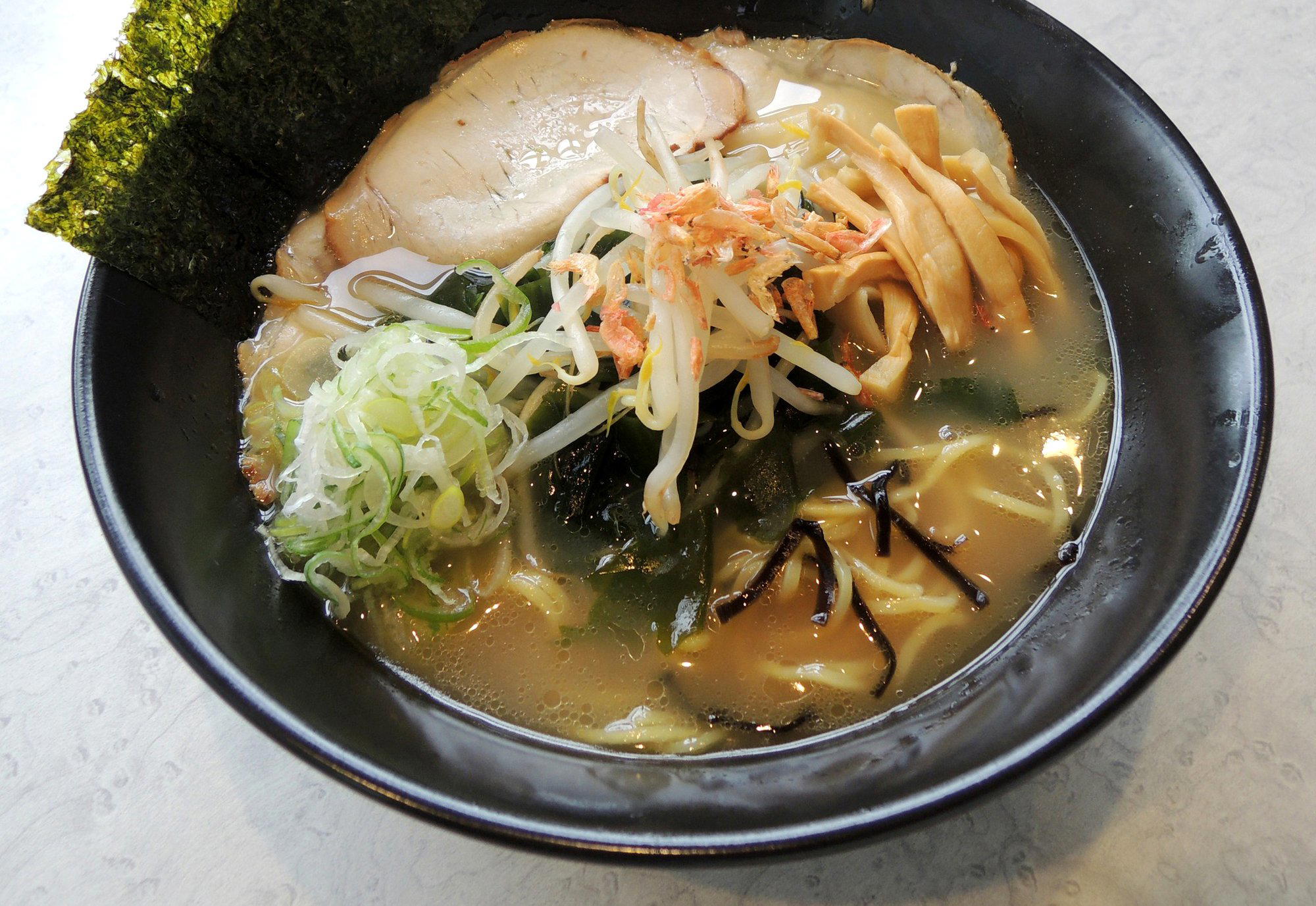
| Chuka Soba Ichiriki | Traditional Tsuruga Chuka Soba | $10–20 | Not listed | Chuo-cho |
| 九十九 | Italian Wood-Fired Pizza & Craft Beer | Not listed | Not listed | 白浜町 |
| SAVOY Tomato & Cheese (SAVOY とまととちーず) | Wood-fired Neapolitan-style pizza | $50–100 | Tabelog 100 #30 | Azabujuban |
Continue exploring
More in Tsuruga
Restaurants in Tsuruga
All restaurants in Tsuruga →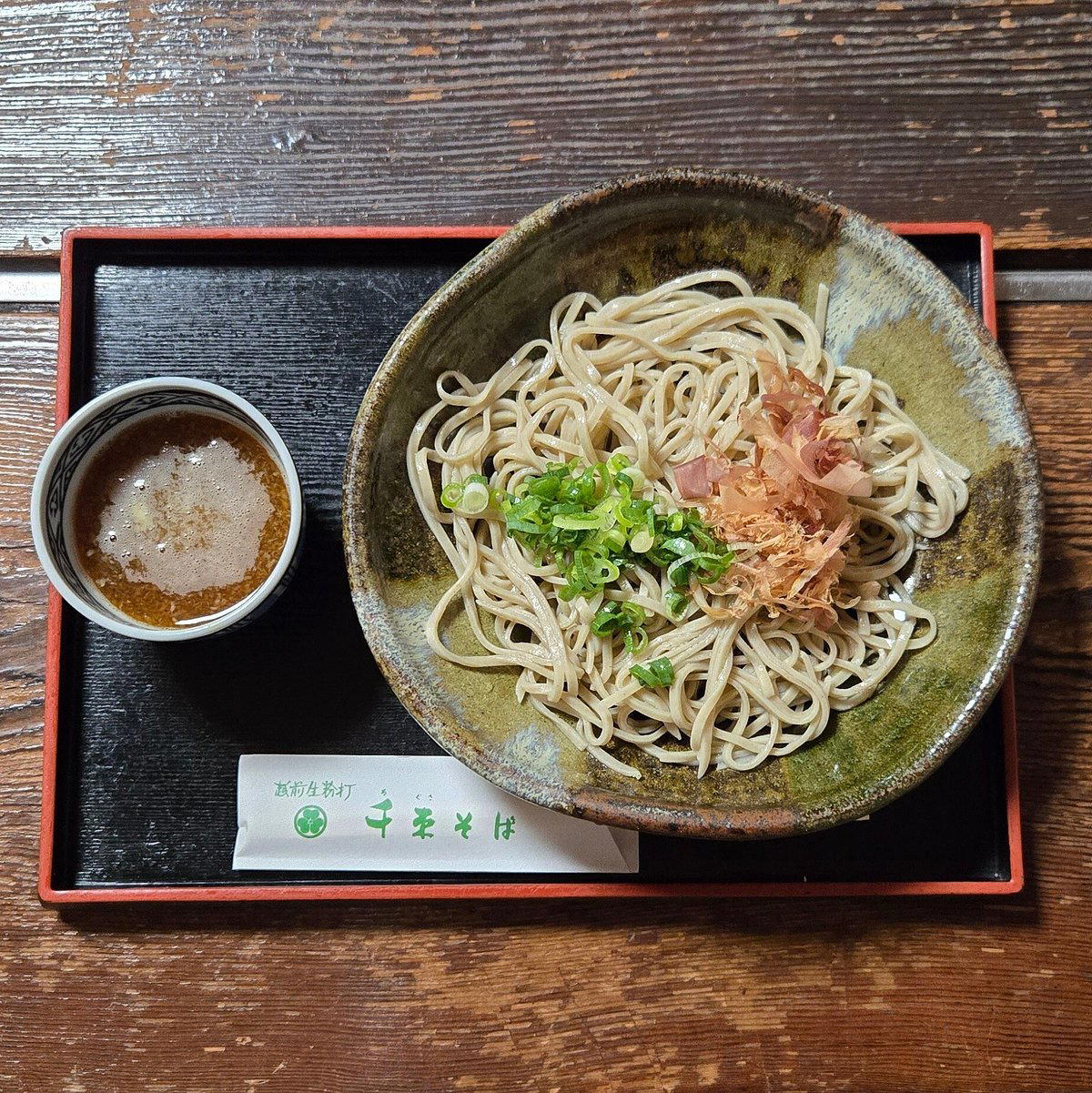
Hotels in Tsuruga
Browse all →
Details
- Elegant
- Rustic
- Romantic
- Cozy
- Date Night
- Business Dinner
- Group Dining
- Celebration
- Special Occasion
- Historic Building
- Open Kitchen
- Craft Cocktails
- Farm To Table
- Local Sourcing
- Waterfront
- Street Scene
- A La Carte
- Set Menu
- Tasting Menu
- Wine
- Cocktails
- Coffee
- Allergy Accommodating
- Vegetarian Friendly
Current opening hours
- Monday
- 10 AM–4 PM
- Tuesday
- 10 AM–4 PM
- Wednesday
- Closed
- Thursday
- 10 AM–4 PM
- Friday
- 10 AM–4 PM
- Saturday
- 10 AM–4 PM
- Sunday
- 10 AM–4 PM
Hours can change for holidays and private events. Hours as of .
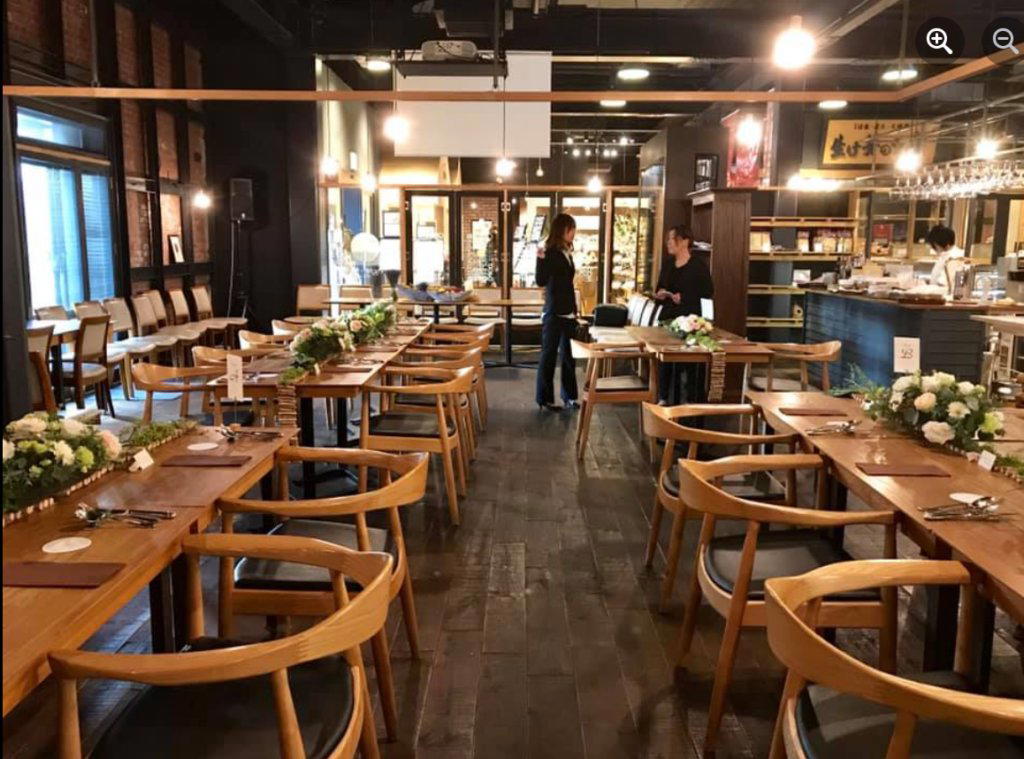
Sophisticated yet welcoming atmosphere in a converted red brick warehouse with a blend of historic charm and contemporary elegance; daytime cafe setting transitions to a more refined dinner ambiance.