Our verdict
Caldo sits in Kizaki, a coastal pocket of Tsuruga in Fukui Prefecture, where the Sea of Japan fishing tradition shapes what lands on local tables. The venue operates at an address removed from urban dining circuits, positioning it within a regional category where provenance and setting carry as much weight as kitchen credentials.

Pearl is the En Primeur Club membership app, where members save venues, book tables and use the concierge.
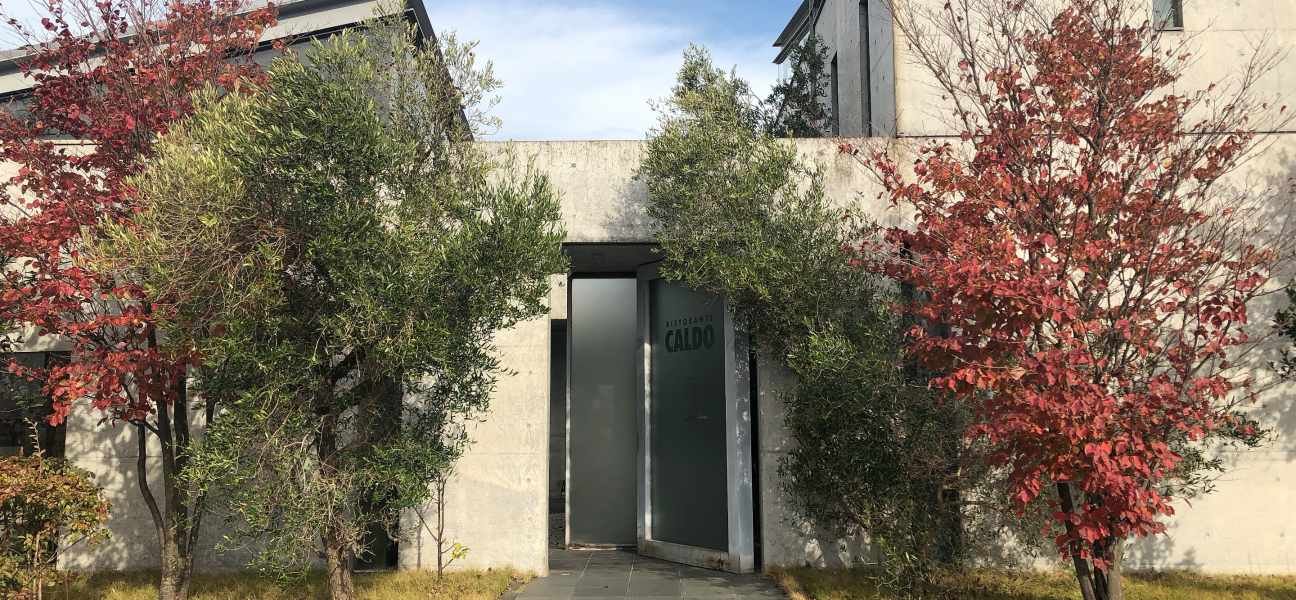
Where Fukui's Coastal Larder Meets the Dining Room
Tsuruga occupies a particular position in Japan's culinary geography that rarely surfaces in the broader conversation about regional dining. The city sits on Wakasa Bay, a stretch of the Sea of Japan coastline that supplies some of the most closely watched seafood in Kansai and Hokuriku cooking. The bay's cold, mineral-rich waters produce snow crab, yellowtail, and flatfish that travel to kaiseki counters in Kyoto and Osaka with the same seriousness that Burgundy grapes travel to Paris. Restaurants that remain in Tsuruga itself, rather than supplying ingredients outward, operate in a different register: they are working with the source material directly, in the prefecture where it is caught and cultivated.
Caldo is located at 51-24-1 Kizaki, a coastal address that places it outside Tsuruga's commercial centre and closer to the fishing and agricultural infrastructure that defines the area's food identity. In Japan, this kind of positioning, removed from the central station district, set within a neighbourhood defined by production rather than consumption, tends to signal a kitchen that draws on proximity rather than prestige supply chains. It is a structural pattern visible across Fukui Prefecture, where restaurants in smaller coastal settlements often work with fish landed within hours rather than days.
The Fukui Dining Tradition Caldo Enters
Fukui is one of Japan's least internationally documented prefectures for dining, which creates a gap between its actual culinary depth and its visibility in the English-language travel press. The prefecture is formally designated as one of Japan's primary sources of echizen crab (a regional name for zuwai-gai, or snow crab), and the Tsuruga fish market is among the significant landing points on this coastline. For context, the crab season runs roughly from November through March, and during those months the prefecture draws dedicated visitors from Osaka, Nagoya, and Tokyo who book accommodation specifically around the catch.
Outside the crab season, Wakasa Bay continues to produce a range of fish that feature in local cooking without the same national attention. Mackerel, squid, and various flatfish appear in preparations that reflect the Hokuriku cooking tradition, a regional style that sits between the refinement of Kyoto kaiseki and the more strong fish-forward cooking of the Sea of Japan port towns. This is not the delicate minimalism of a Ginza omakase counter like Harutaka in Tokyo, nor the technically complex innovation of a multi-course destination like HAJIME in Osaka. Regional Fukui cooking is a more direct tradition, where the quality argument rests on the proximity of the ingredient rather than the transformation applied to it.
Visitors who have tracked this kind of coastal regional dining across Japan will recognise a category pattern at work. Comparable experiences emerge in smaller port towns throughout Hokkaido, Kyushu, and the Sanin coast, where the dining proposition is inseparable from the fishing calendar and the specific geography of the bay or strait nearby. In that context, Tsuruga's restaurant scene, including addresses like Caldo in Kizaki, represents a version of Japanese dining that the main urban food circuits rarely capture. For a wider picture of what the city offers across price points and styles, see our full Tsuruga restaurants guide.
Setting and Atmosphere
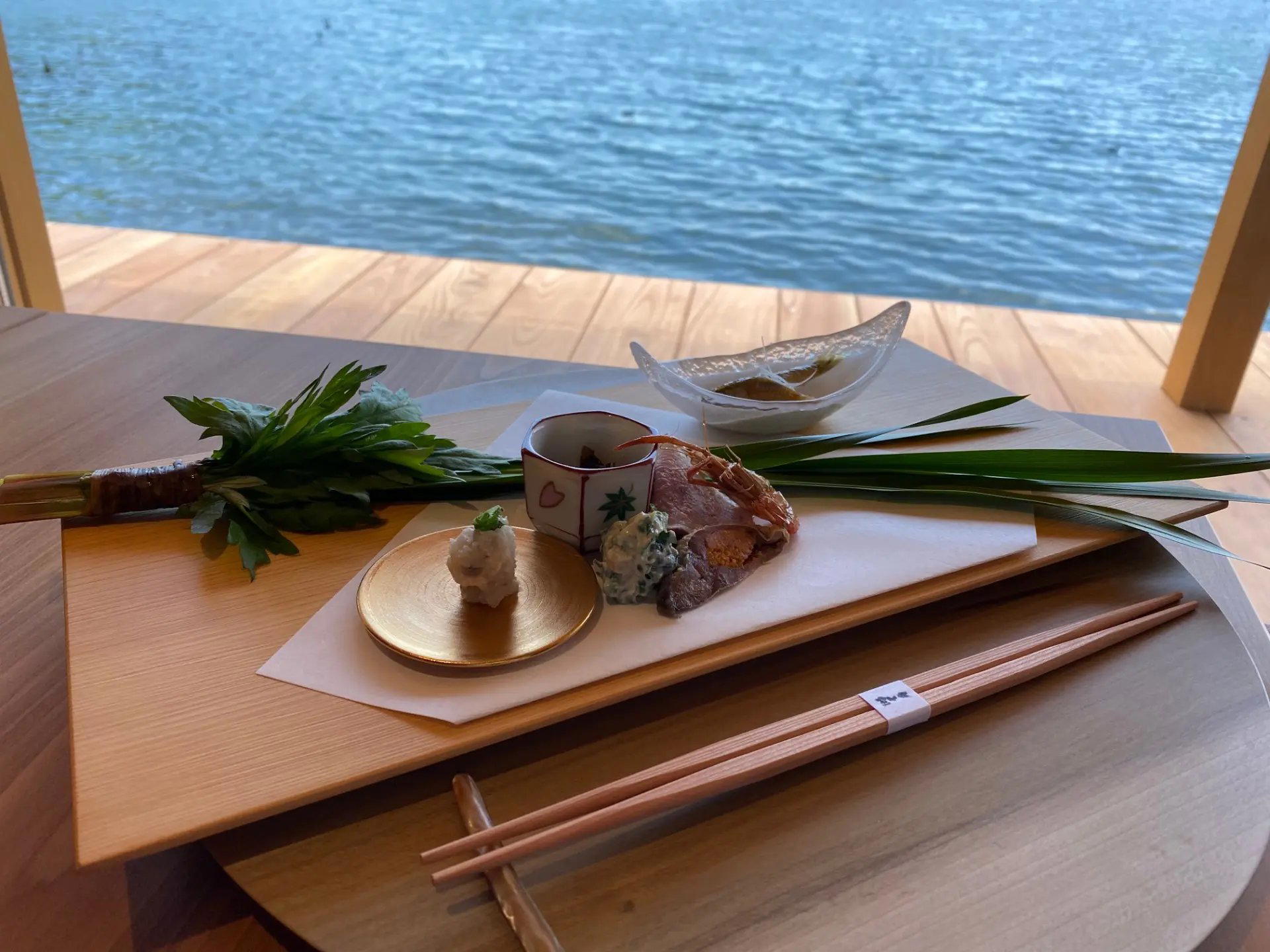
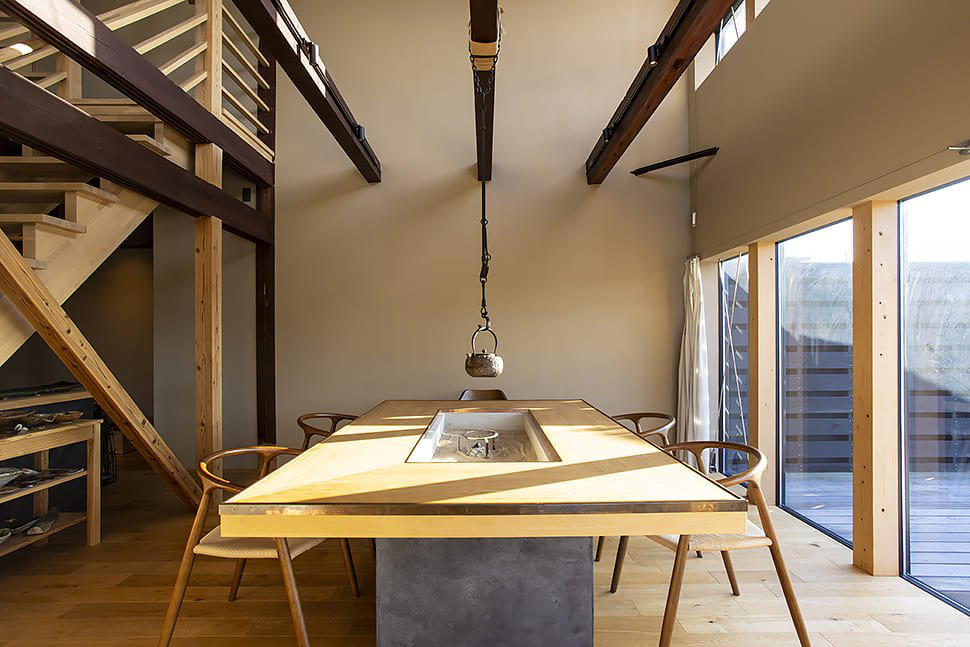
The Kizaki address places Caldo in a coastal residential and semi-rural pocket of Tsuruga, where the urban density drops and the bay becomes more present. In Japanese regional dining, this type of setting tends to produce a particular atmosphere: quieter than city-centre restaurants, often with a connection to natural light and outdoor environment that influences how a meal feels from arrival through the final course. The rhythm of service in venues positioned this way is typically less pressured than in central urban dining, reflecting the pace of the neighbourhood rather than the turnover demands of a high-footfall district.
For the category of traveller who arrives in Tsuruga by Shinkansen (the Hokuriku Shinkansen extension brought Tsuruga into closer reach of Tokyo from 2024) and wants to eat outside the station-adjacent cluster, the Kizaki area represents a deliberate detour toward the version of the city that is less curated for transit visitors. It is the same logic that takes diners off the tourist circuit in Kyoto to find something closer to how the city actually eats, a move that venues like Gion Sasaki in Kyoto and akordu in Nara each represent in their own ways.
Planning Your Visit
For visitors already in the Hokuriku region, the Kizaki address is reachable from Tsuruga Station, though the specific distance and transport options should be verified locally given the coastal positioning. The Hokuriku Shinkansen connection, operational from March 2024, has meaningfully reduced travel time from Tokyo and Kanazawa to Tsuruga, making a day or short-stay visit from those hubs considerably more practical than it was under the older limited-express schedule.
Travellers building a broader Hokuriku and Kansai itinerary around serious regional dining can layer Tsuruga alongside visits to venues in nearby prefectures: Goh in Fukuoka represents the calibre of destination dining that anchors a longer Kyushu leg, while Abon in Ashiya sits within reach of the Kansai corridor. For those who enjoy tracking regional Japanese cooking across prefectures, comparisons extend further: affetto akita in Akita, aki nagao in Sapporo, Ajidocoro in Yubari District, Akakichi in Imabari, Aji Arai in Oita, Amaki in Aichi, and Amegen in Saga each anchor a regional coastal or rural dining tradition worth understanding alongside Fukui's.
Within Tsuruga itself, Chuka Soba Ichiriki and ソニョーポリ represent different points on the city's dining range and are worth considering for a fuller picture of what Tsuruga offers across categories.
Frequently asked questions
Is Caldo suitable for children?
Caldo sits in a residential and semi-rural pocket of Kizaki on Tsuruga's coastal edge, which suggests a quieter, more considered dining setting than a city-centre casual eatery. Tsuruga's broader dining culture tends toward deliberate, ingredient-led meals where the pace may not suit very young diners.
What is the atmosphere like at Caldo?
The Kizaki address in Tsuruga places Caldo away from the city's commercial centre, in a coastal zone where the bay is a visible presence and the surrounding density is low. That geography typically shapes a quieter, more intimate dining register than urban restaurants in Fukui City or larger prefectural centres. Expect a setting oriented around the produce and geography of the Japan Sea coast rather than a high-footfall dining room.
Why do food travellers make the trip to Tsuruga specifically to eat in the Kizaki area?
Tsuruga sits at the southern tip of Wakasa Bay and has functioned as a Japan Sea port for centuries, giving Kizaki-area restaurants direct proximity to one of Fukui's most productive coastal supply chains. Fukui prefecture as a whole is among Japan's least internationally covered dining destinations, which means restaurants here operate largely outside the pressure of tourist-facing menus. Caldo's Kizaki address at 51-24-1 places it in this quieter coastal residential zone, drawing visitors who prioritise regional specificity over recognisable names or Michelin coverage.
What should I order at Caldo?
What is documented is Tsuruga's position as a port city on the Japan Sea, historically associated with snow crab, yellowtail, and coastal seafood that moves through Fukui's markets. A restaurant at this Kizaki address, drawing on that local larder, would logically centre its offer around seasonal coastal ingredients.
A Pricing-First Comparison
| Venue | Cuisine | Price | Awards | Notes |
|---|---|---|---|---|
| CaldoThis venue (the venue you are viewing) | Italian Trattoria | $10–20 | Not listed | Not listed |
| HAJIME | Avant-Garde Japanese Fine Dining | $300–500 | 3 Michelin Stars · World's 50 Best #83 | French, Innovative |
| Harutaka | Edo-Style Omakase Sushi | $200–300 | 3 Michelin Stars · World's 50 Best #76 | Sushi |
| L'Effervescence | Modern French with Japanese Influences | $200–300 | 3 Michelin Stars · World's 50 Best #69 | French |
| RyuGin | Modern Kaiseki | $500+ | 3 Michelin Stars · World's 50 Best #41 | Kaiseki, Japanese |
| Crony | Modern French with Japanese Influences | $150–200 | 2 Michelin Stars · World's 50 Best #34 | Innovative, French |
Continue exploring
More in Tsuruga
Restaurants in Tsuruga
All restaurants in Tsuruga →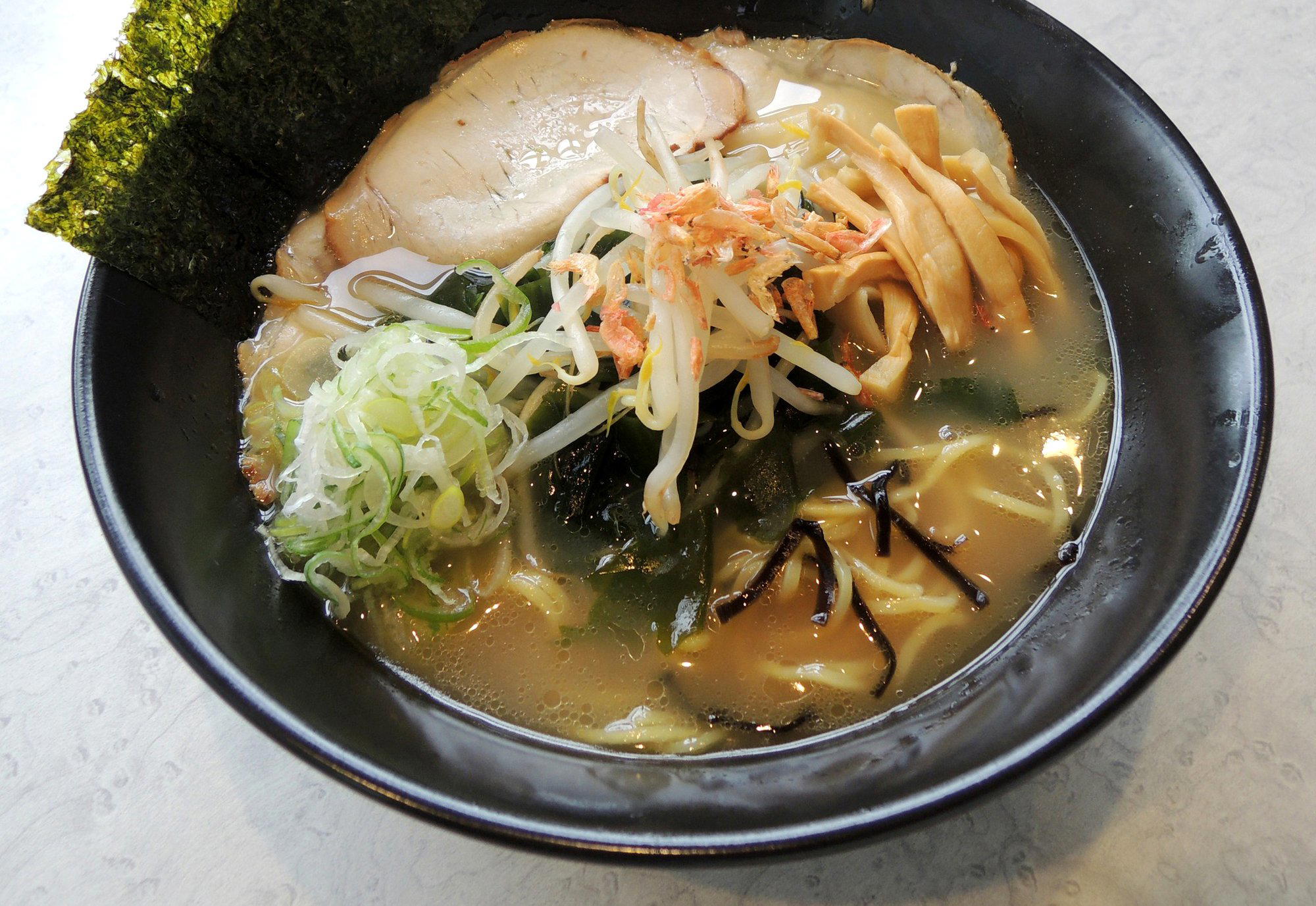
Hotels in Tsuruga
Browse all →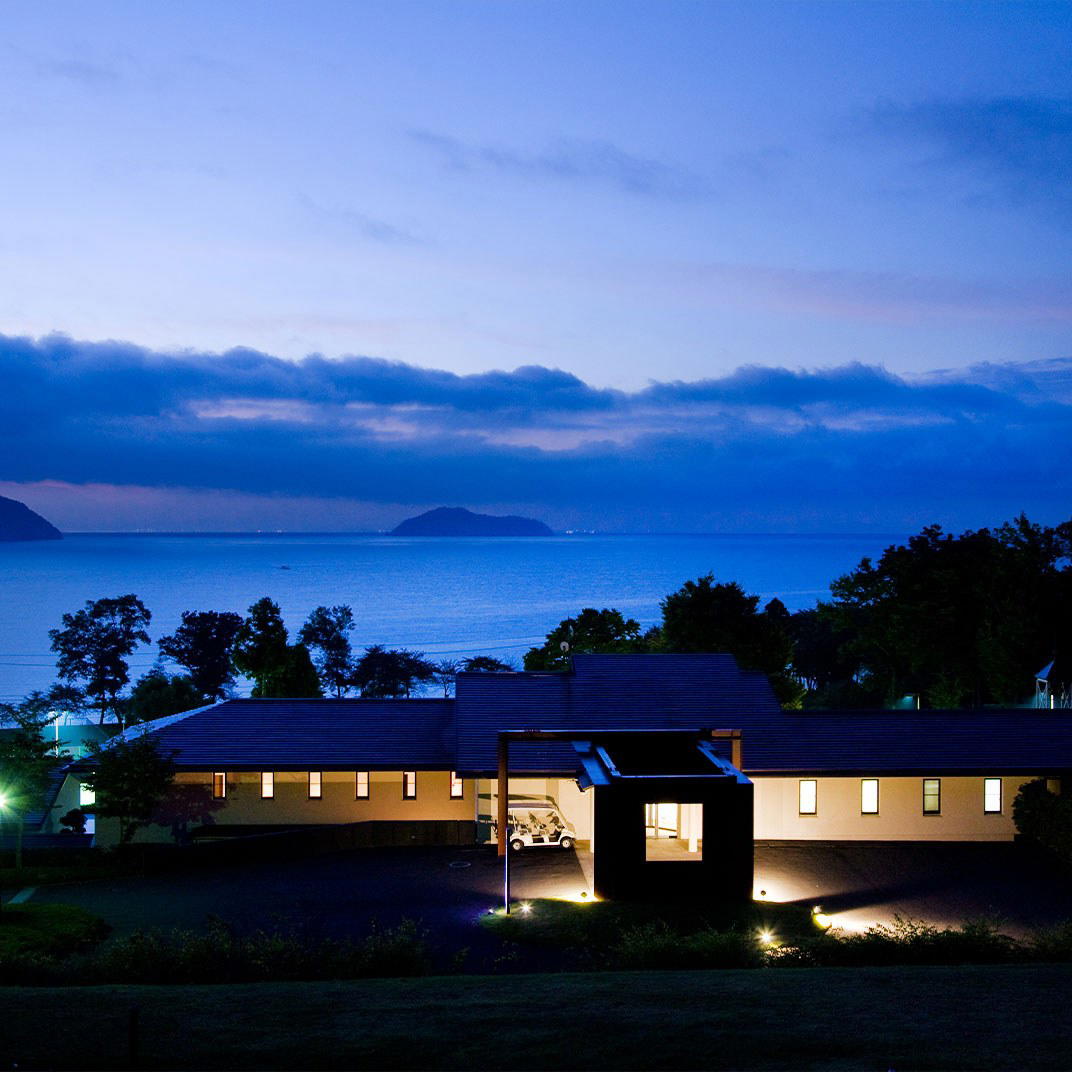
Details
- Elegant
- Intimate
- Date Night
- Casual Hangout
- Standalone
- Extensive Wine List
- A La Carte
- Counter Dining
- Wine
Current opening hours
- Monday
- 11:30 AM–2 PM, 5:30–8:30 PM
- Tuesday
- 11:30 AM–2 PM, 5:30–8:30 PM
- Wednesday
- Closed
- Thursday
- 11:30 AM–2 PM, 5:30–8:30 PM
- Friday
- 11:30 AM–2 PM, 5:30–8:30 PM
- Saturday
- 11:30 AM–2 PM, 5:30–8:30 PM
- Sunday
- 11:30 AM–2 PM, 5:30–8:30 PM
Hours can change for holidays and private events. Hours as of .
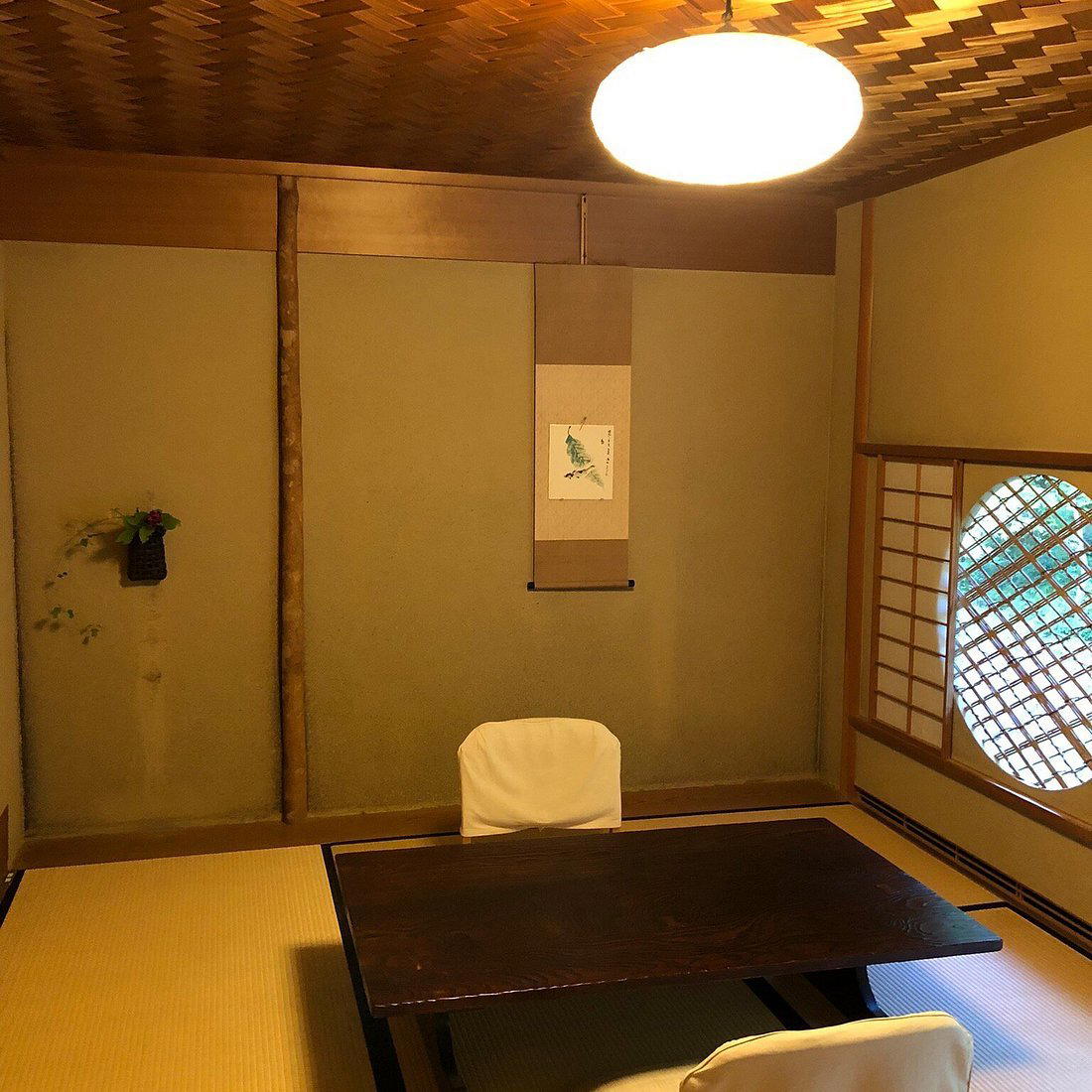
Warm, stylish interior with counter seating and an intimate atmosphere designed for wine appreciation.