Tabelog 100 #65
Our verdict
Chugoku Hanten Roppongi has tracked steadily through Opinionated About Dining's Japan rankings, moving from Highly Recommended in 2023 to #305 in 2024. The Nishiazabu address places it at the quieter edge of the Roppongi dining corridor, where serious Chinese cooking occupies a well-defined niche within one of Tokyo's most internationally minded restaurant districts.

Pearl is the En Primeur Club membership app, where members save venues, book tables and use the concierge.
Chinese Cooking in the Roppongi Corridor
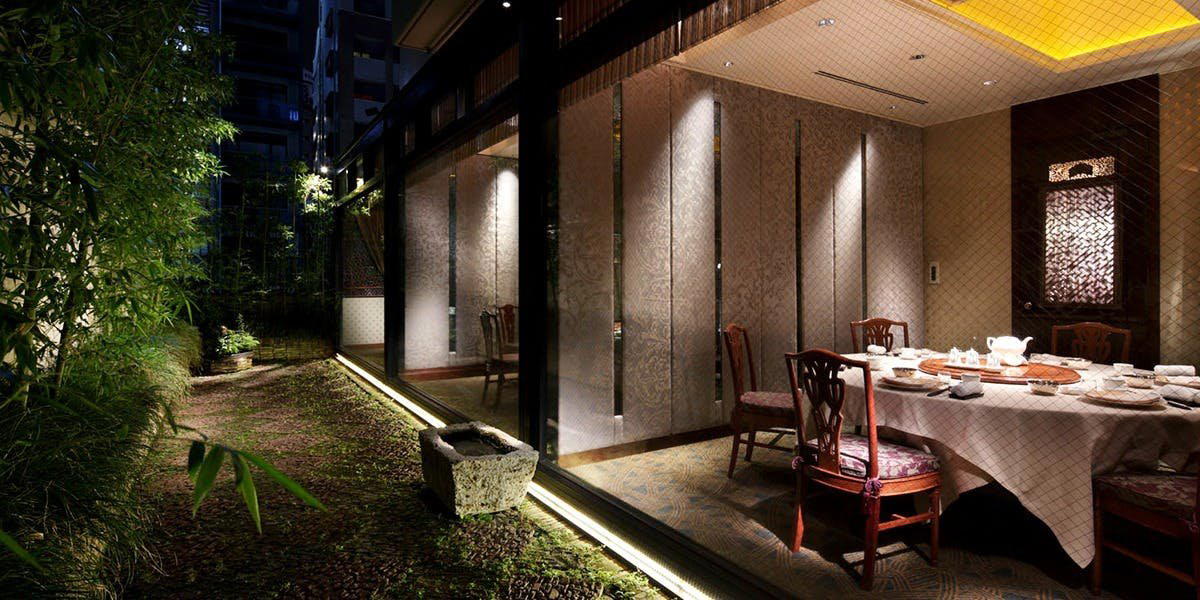
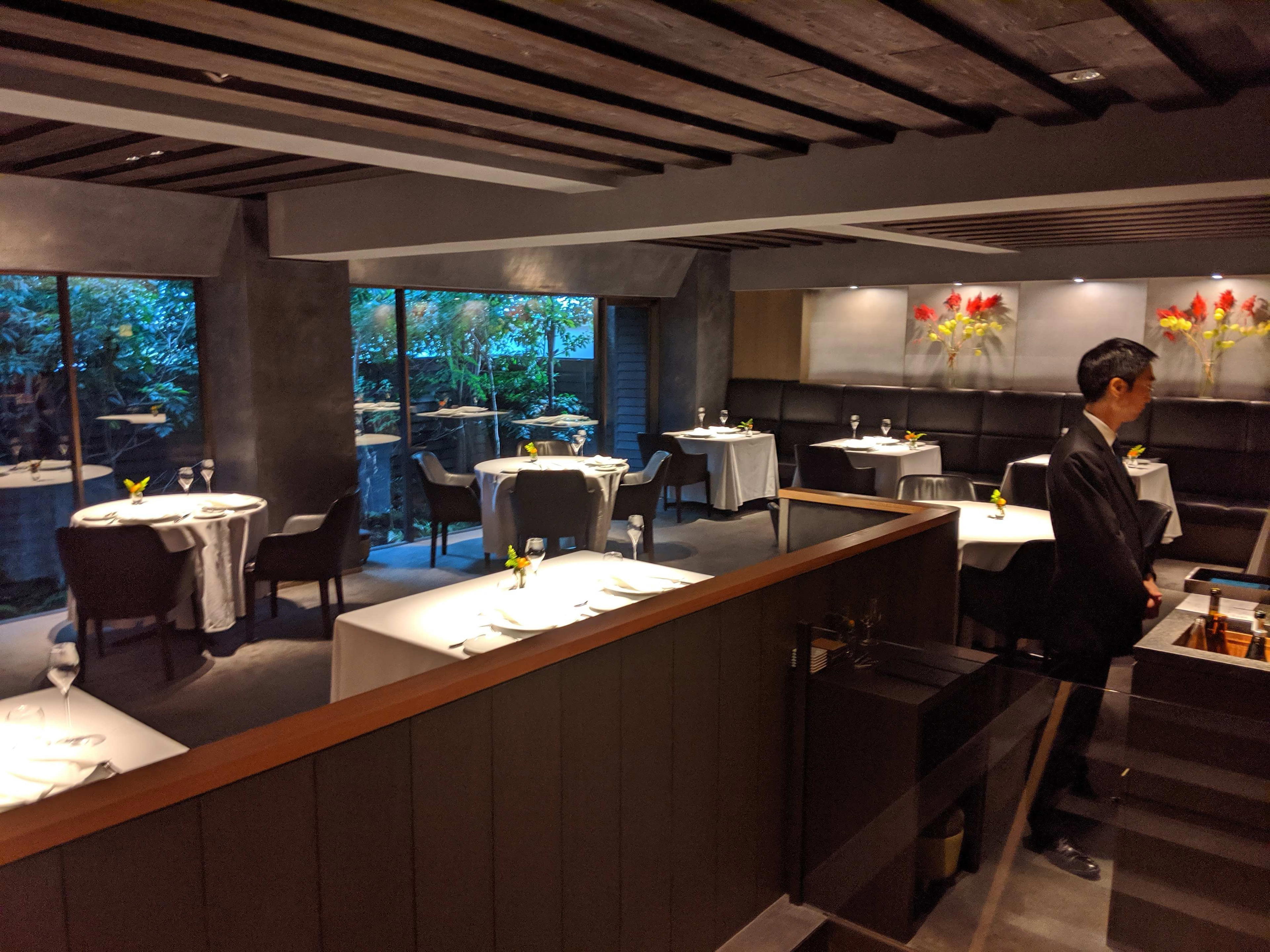
Roppongi and its immediate borders have long functioned as Tokyo's most internationally permeable dining zone. The neighbourhood draws a mixed crowd of diplomats, expats, and Japanese diners seeking something outside the kaiseki-and-sushi axis that defines much of the city's premium dining identity. Within that context, serious Chinese restaurants have found a durable foothold. Chugoku Hanten Roppongi sits on the Nishiazabu fringe of that corridor, on the ground floor of the Oriental Building, where the address edges toward the quieter residential gradient between Roppongi and Hiroo. That positioning matters: it places the restaurant close enough to Roppongi's density to draw foot traffic, but far enough from its loudest blocks to maintain a register closer to a neighbourhood dining room than an entertainment district outpost.
Tokyo's Chinese restaurant scene operates on a different logic from the city's Japanese fine dining tier. Where omakase sushi and kaiseki counters are organised around sequence, restraint, and a fixed progression, Cantonese and broader Chinese-influenced restaurants in Tokyo are often evaluated on something more immediate: the quality and handling of live seafood. Tanks, freshness theatre, and market-weight pricing for whole fish and shellfish are the defining markers of the top tier of this category across Tokyo and, further afield, across the serious Chinese dining corridors of Osaka and Kyoto. Chugoku Hanten Roppongi operates within that framework.
The Live Selection Format
In Chinese fine dining, the seafood tank is not decorative. It is the menu's centre of gravity. Lobster, abalone, geoduck, and live fish are priced by weight on the day, which means the bill is partly assembled in real time based on what swims in front of you. This format rewards diners who engage with it directly: asking what arrived that morning, comparing the size and condition of specimens, and building the meal around the strongest options rather than deferring entirely to a printed menu. At the top end of this category in Tokyo, the gap between a good and a great visit often comes down to how fluently that conversation happens between kitchen and table.
This is also where Chinese restaurant rankings diverge from Michelin's typical evaluation criteria. Opinionated About Dining, which has ranked Chugoku Hanten Roppongi at #398 in Japan for 2025, after climbing from Highly Recommended in 2023 to #305 in 2024, applies a framework more attuned to specialist category depth than the broader hospitality calculus that Michelin weighs. For a Chinese restaurant operating in Tokyo's competitive field, an OAD ranking in this range signals genuine category credibility, assessed by diners with specific expertise rather than generalist inspectors.
Tokyo's Chinese dining tier is small but coherent. Within the Chugoku Hanten group itself, related addresses such as Chugoku Hanten Fureika and Chugoku Hanten Kohakukyu (Amber Palace) occupy different positions in terms of format and price tier. The Roppongi address is the group's most accessible entry point geographically, though that does not imply a compromise on the quality of the live seafood selection. Each Chugoku Hanten address draws from the same supply logic: sourcing that reflects the seasonal availability of premium shellfish and fish, handled with the technical discipline that serious Cantonese-influenced cooking demands.
Outside the group, Ippei Hanten occupies a comparable position in Tokyo's Chinese dining conversation, with a similarly attentive audience of regulars who return primarily for the live seafood programme.
The comparison set extends beyond Chinese specialists. Tokyo's broader high-end dining scene at the Roppongi-adjacent tier includes addresses like itsuka and Koshikiryori Koki, which operate in the Japanese fine dining register. The Chinese category remains distinct in its pricing model and format, the live selection element makes it structurally different from fixed omakase or kaiseki progression, and that difference is part of why it attracts a specific, repeat-oriented clientele.
Operating Hours and the Lunch Question
The split-service model (11:30 am to 2:00 pm for lunch, 5:30 to 11:00 pm for dinner, seven days a week) is standard for Chinese restaurants operating at this level in Tokyo. The lunch service is worth noting specifically: premium Chinese cooking at lunch typically offers a more compressed version of the evening selection at lower price points, and the live seafood tanks operate across both services. For diners who want to assess a restaurant's seafood sourcing without committing to a full dinner spend, the lunch window is a practical entry point. That said, the evening service generally allows for a more expansive progression through the live selection options.
Consistent seven-day operation is also a distinguishing feature compared to some of Tokyo's higher-end Japanese restaurants, which build scarcity into their schedules through limited opening days or seasonal closures. Chugoku Hanten Roppongi's accessibility across the full week makes it a more plannable option for visitors working around a fixed itinerary.
The Broader Context of Chinese Fine Dining Outside China
Chinese restaurants operating at the serious tier in cities outside mainland China face a particular challenge of audience calibration. The format assumptions built into high-end Cantonese or regional Chinese cooking (whole fish, live shellfish, shared plates built around a central seafood selection) are well understood by Chinese diners but require more active guidance for international guests. Tokyo's Chinese dining tier handles this with varying degrees of fluency. Internationally, addresses like Mister Jiu's in San Francisco and Restaurant Tim Raue in Berlin operate in distinct registers, one rooted in Chinese-American heritage cooking, one in a European chef's interpretation of Chinese technique, but both signal how wide the category has become when transported from source. Chugoku Hanten Roppongi sits closer to the traditional Cantonese-influenced model, operating in a city where Chinese residents and long-term expats provide a discerning and vocal regular base.
For visitors planning a broader Tokyo dining itinerary, our full Tokyo restaurants guide covers the full range of the city's dining categories. For planning around accommodation and evening programming, see our Tokyo hotels guide, Tokyo bars guide, and Tokyo experiences guide. Comparable restaurant-level serious dining across Japan can be found at Goh in Fukuoka, akordu in Nara, 1000 in Yokohama, and 6 in Okinawa. There is also a Tokyo wineries guide for those extending into wine programming.
Know Before You Go
- Address: 1-1-5 Nishiazabu, Minato City, Tokyo, Oriental Building 1F
- Lunch: 11:30 am – 2:00 pm, Monday to Sunday
- Dinner: 5:30 – 11:00 pm, Monday to Sunday
- Awards: Opinionated About Dining Leading Restaurants in Japan, #398 (2025), #305 (2024), Highly Recommended (2023)
- Getting There: The Nishiazabu address is walkable from Hiroo Station (Hibiya Line) or a short taxi ride from Roppongi Station (Hibiya / Oedo lines)
- Price: Price range not confirmed; live seafood is typically priced by market weight on the day
What Should I Order at Chugoku Hanten Roppongi?
The live seafood selection is the correct starting point. In the format that Chugoku Hanten Roppongi operates within, the strongest ordering decision is to ask what arrived that day, lobster, abalone, and live fish are the categories to focus on, with market weight determining price. The OAD rankings across three consecutive years point to consistent kitchen execution in this category, which is where the restaurant's credibility is anchored. Supplement the live seafood choices with the kitchen's cold and hot appetisers and, if dining with a group of three or more, consider building the table around two or three live selections at different sizes rather than a single large specimen, variety across species typically reflects the kitchen's range more fully than going deep on one choice.
Frequently asked questions
Does Chugoku Hanten Roppongi have a Michelin star or similar recognition?
Chugoku Hanten Roppongi has received recognition including: Opinionated About Dining Top Restaurants in Japan Ranked #398 (2025); Opinionated About Dining Top Restaurants in Japan Ranked #305 (2024); Opinionated About Dining Top Restaurants in Japan Highly Recommended (2023).
How would you describe the cuisine at Chugoku Hanten Roppongi?
What should I order at Chugoku Hanten Roppongi?
Start with the live seafood selection, in this format, what you choose from the tank determines the meal's character more than anything on a printed menu. Lobster, abalone, and live fish are the categories to focus on, priced by weight and prepared to order. Chugoku Hanten Roppongi has held a place in Opinionated About Dining's ranked list of top Japanese restaurants since 2023, which reflects the kitchen's consistency across the seafood-led menu.
What days is Chugoku Hanten Roppongi closed?
Hours at Chugoku Hanten Roppongi: Hours: Monday 11:30 am–2 pm, 5:30–11 pm Tuesday 11:30 am–2 pm, 5:30–11 pm Wednesday 11:30 am–2 pm, 5:30–11 pm Thursday 11:30 am–2 pm, 5:30–11 pm Friday 11:30 am–2 pm, 5:30–11 pm Saturday 11:30 am–2 pm, 5:30–11 pm Sunday 11:30 am–2 pm, 5:30–11 pm.
Reputation First
A quick peer reference to anchor this venue in its category.
| Venue | Cuisine | Price | Awards | Notes |
|---|---|---|---|---|
| Chugoku Hanten RoppongiThis venue (the venue you are viewing) | Traditional Shanghai Chinese | $50–100 | Tabelog 100 #65 | Not listed |
| Harutaka | Edo-Style Omakase Sushi | $200–300 | 3 Michelin Stars · World's 50 Best #76 | Sushi |
| RyuGin | Modern Kaiseki | $500+ | 3 Michelin Stars · World's 50 Best #41 | Kaiseki, Japanese |
| L'Effervescence | Modern French with Japanese Influences | $200–300 | 3 Michelin Stars · World's 50 Best #69 | French |
| HOMMAGE | Modern French with Japanese Influences | $150–200 | 2 Michelin Stars · World's 50 Best #78 | Innovtive French, French |
| MAZ | Innovative Peruvian-Japanese Fusion | $150–200 | 2 Michelin Stars · World's 50 Best #28 | Innovative |
Recognition history
Dated appearances from independent guides and award organizations, with the underlying list record or original source where available.
Opinionated About Dining Top Restaurants in Japan Recommended
Opinionated About Dining
Tabelog 100 #65 · No. 65
Tabelog · Tabelog 100 - Chinese cuisine - TOKYO - 2026
Full recognition history (5 entries)
Opinionated About Dining Top Restaurants in Japan Ranked #398
Opinionated About Dining
Opinionated About Dining Top Restaurants in Japan Ranked #305
Opinionated About Dining
Opinionated About Dining Top Restaurants in Japan Highly Recommended
Opinionated About Dining