The Physical Container
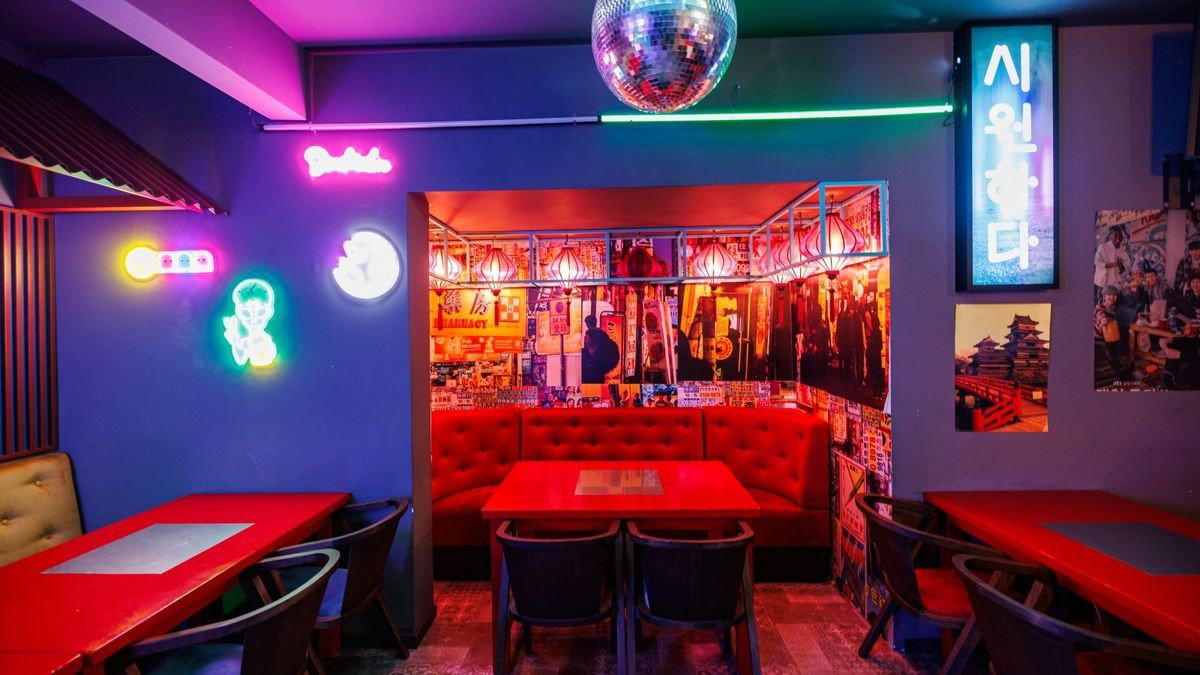
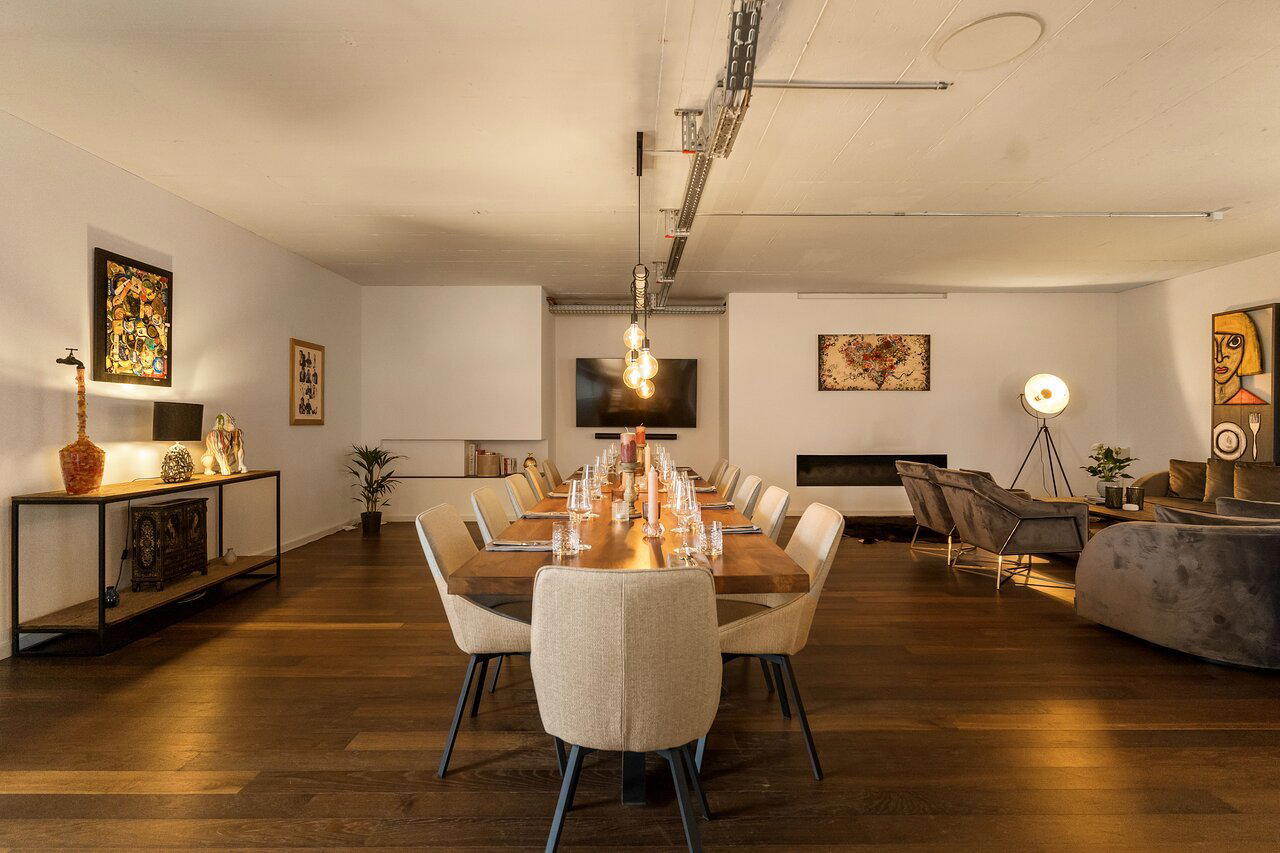
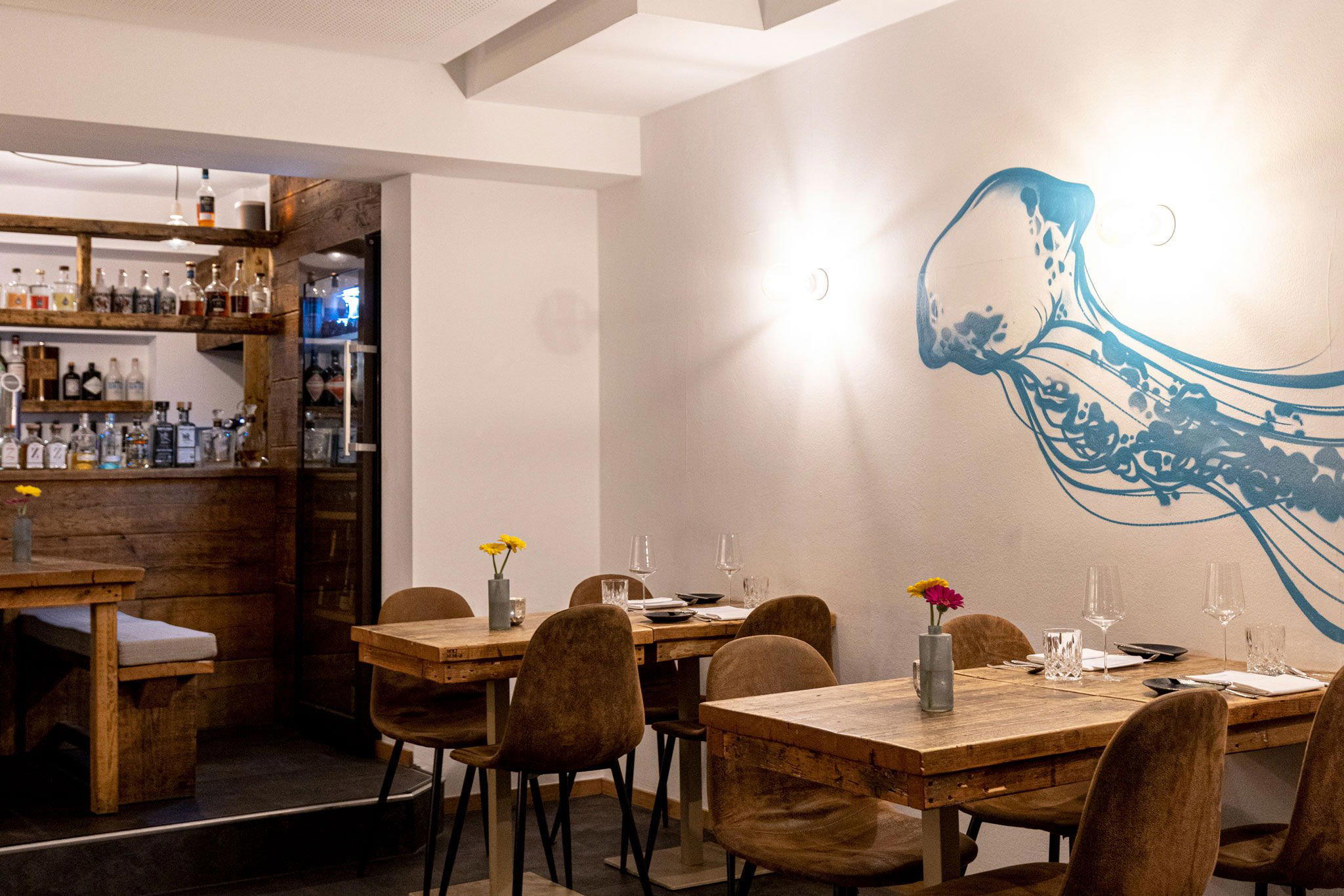
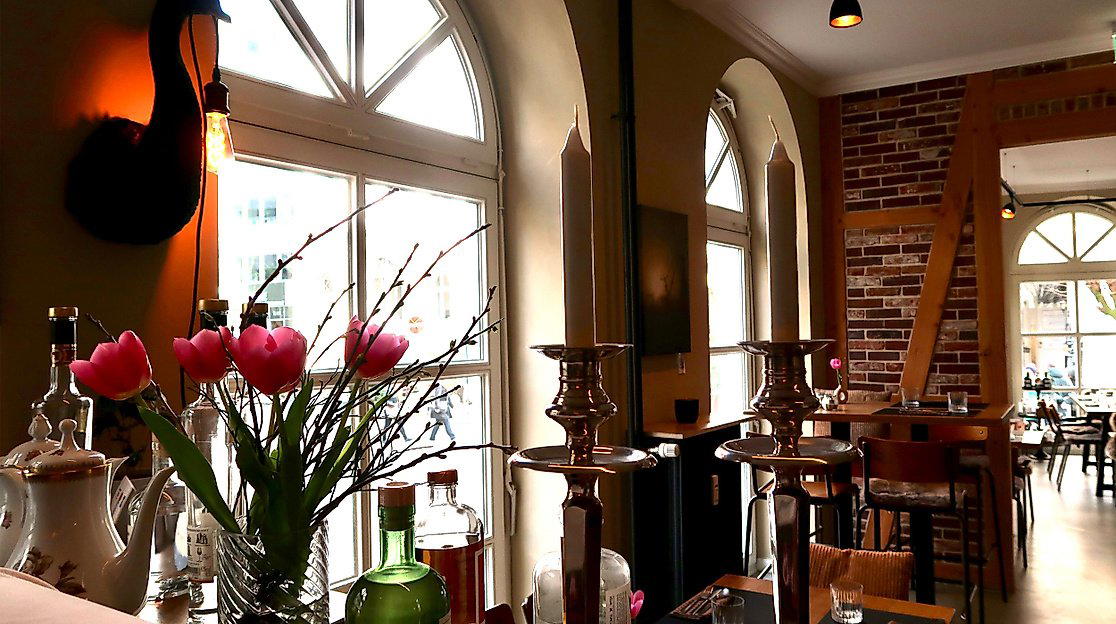
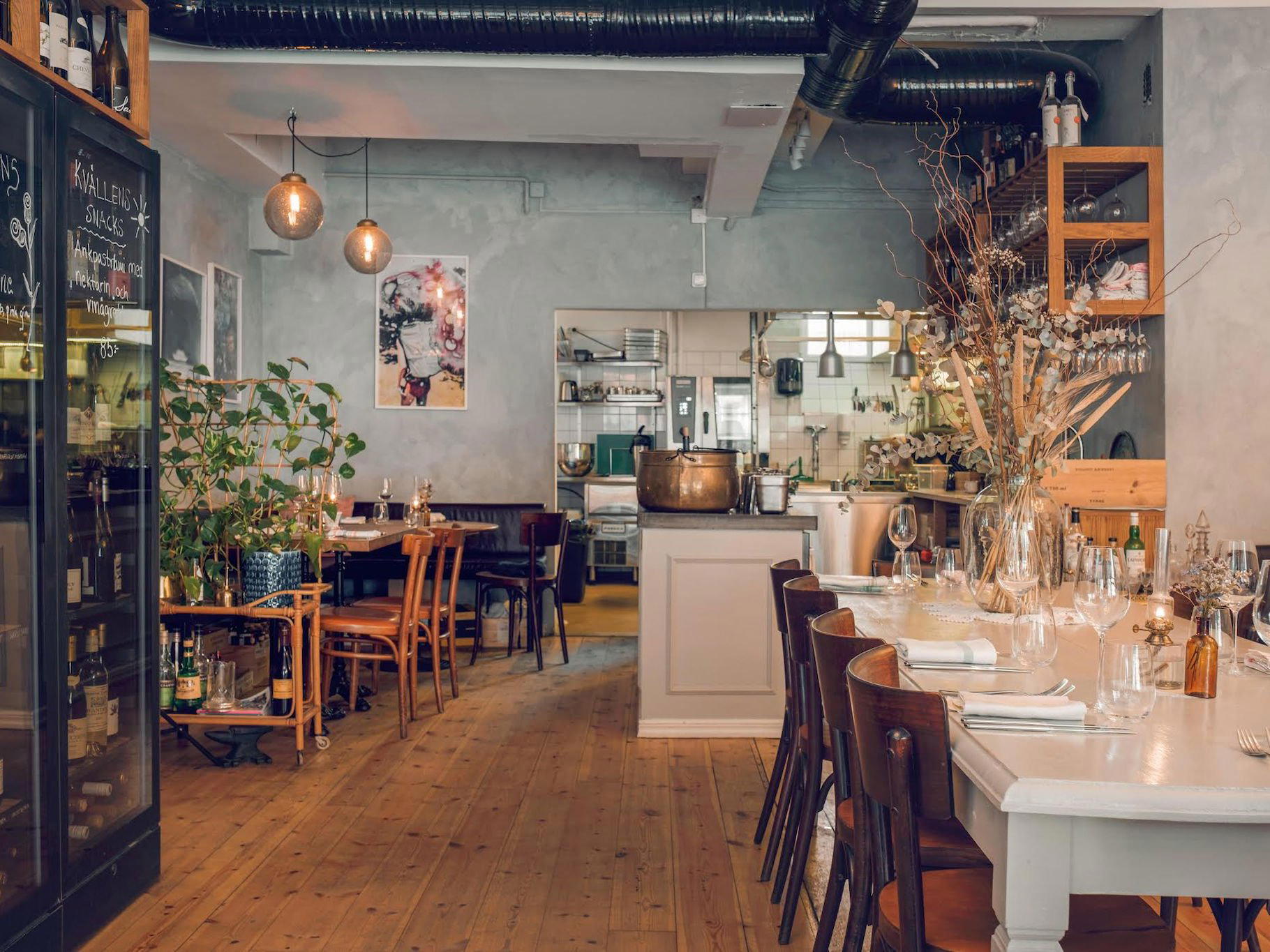
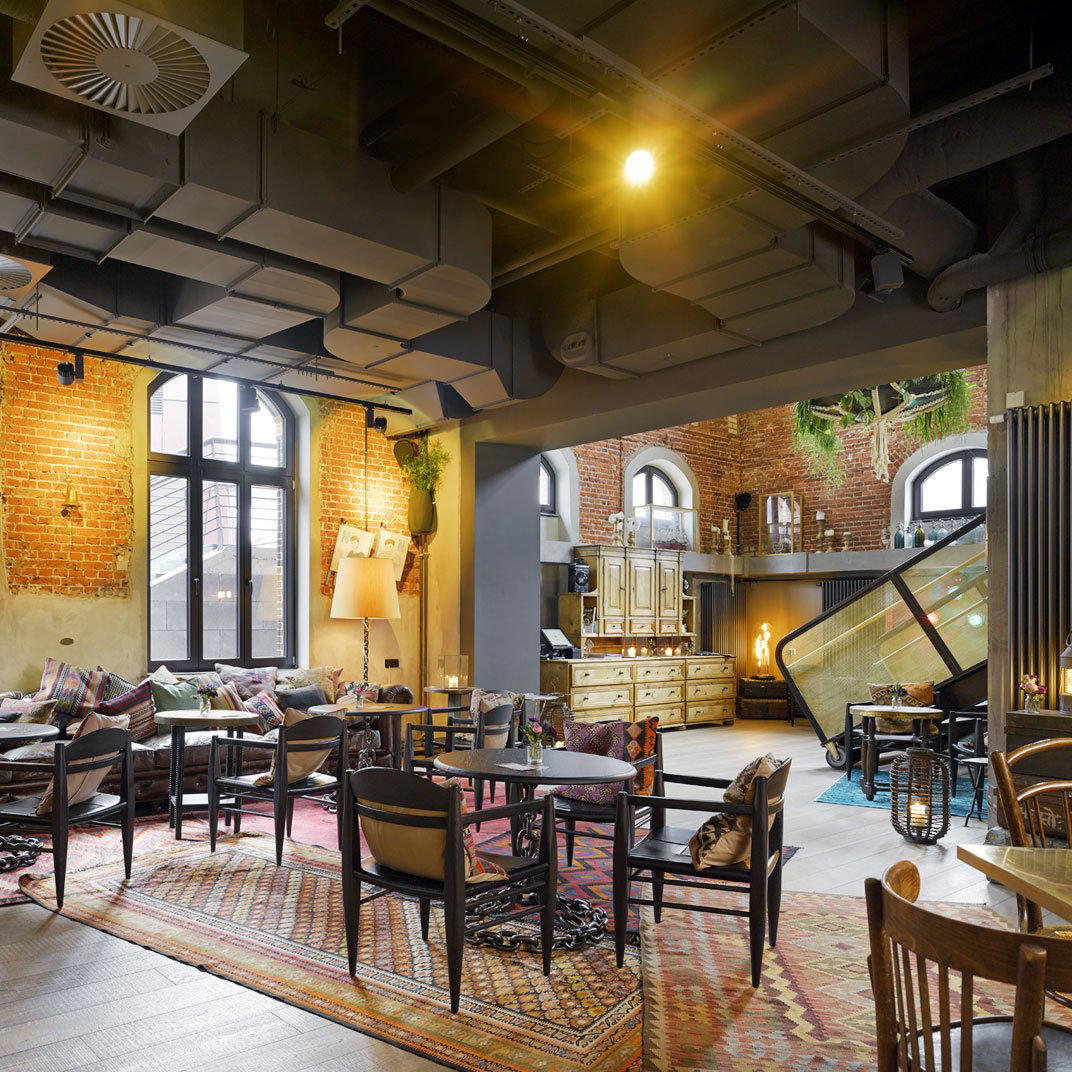
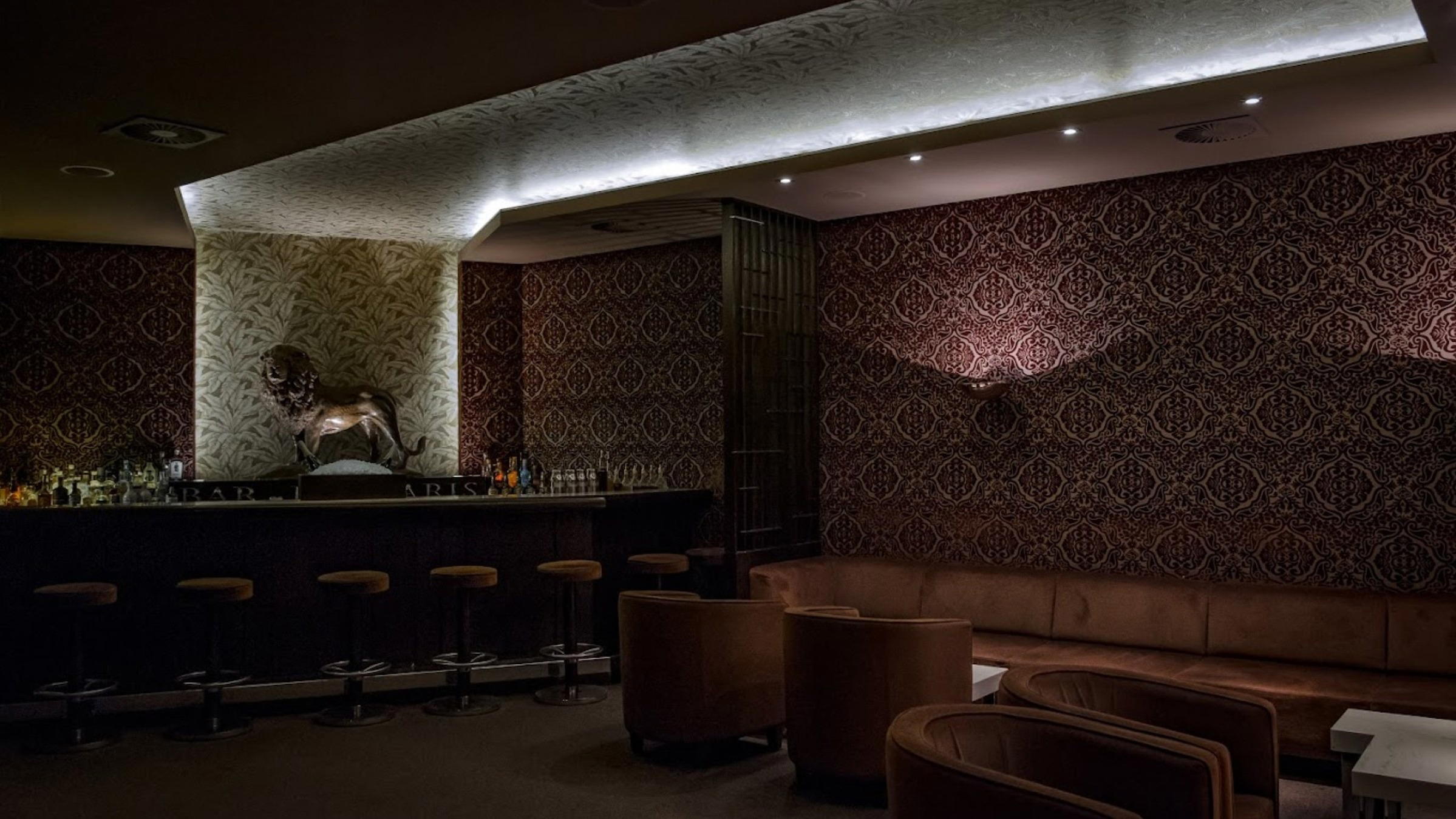
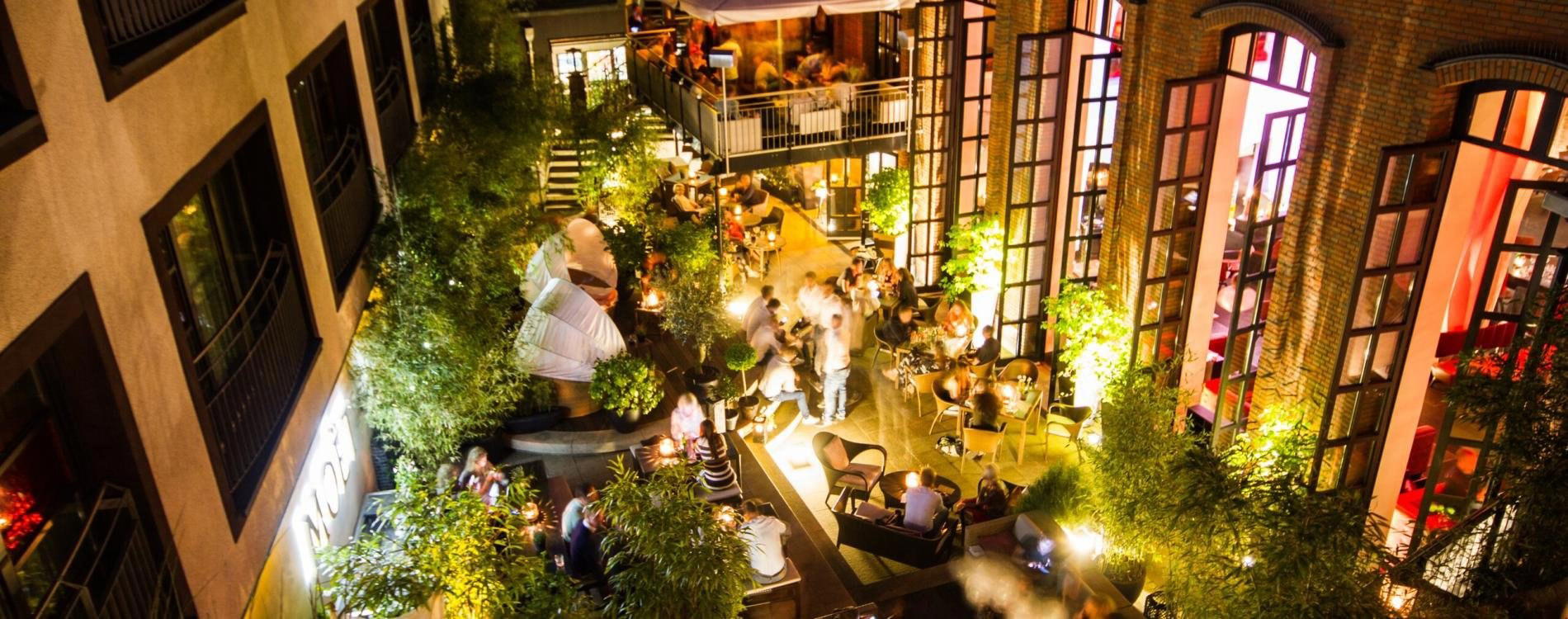
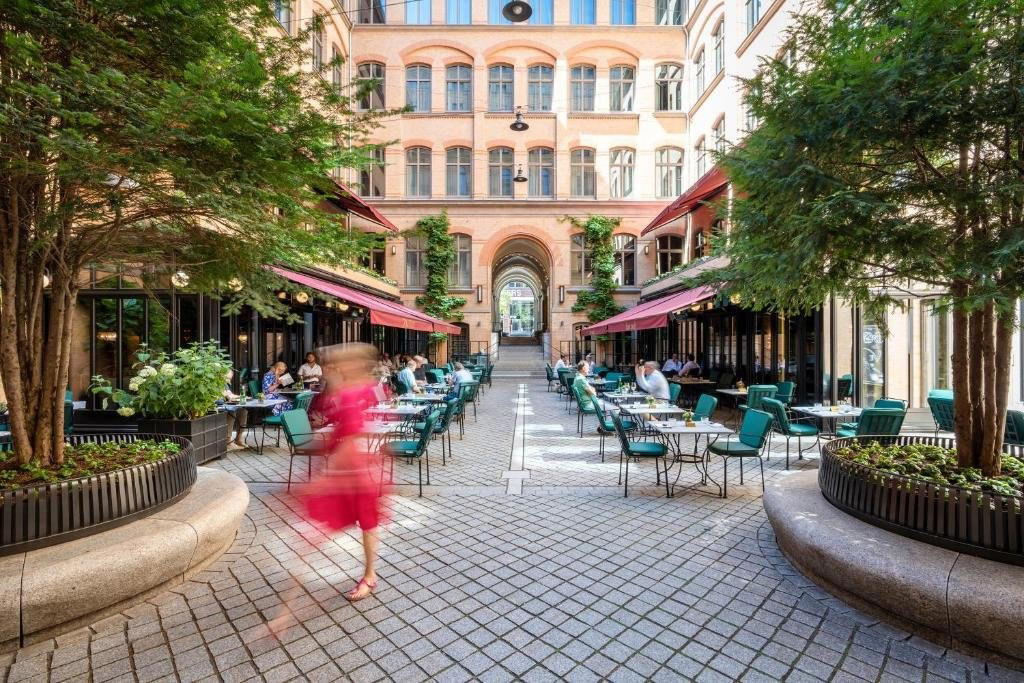
St. Pauli's restaurant interiors tend to reward restraint over spectacle. The neighbourhood's building stock, mid-century residential blocks interspersed with older commercial premises, doesn't lend itself to the soaring ceilings or curated brutalism of more recent hospitality architecture. What it offers instead is scale: rooms that seat a sensible number of people, proportions that allow conversation to remain conversation rather than performance.
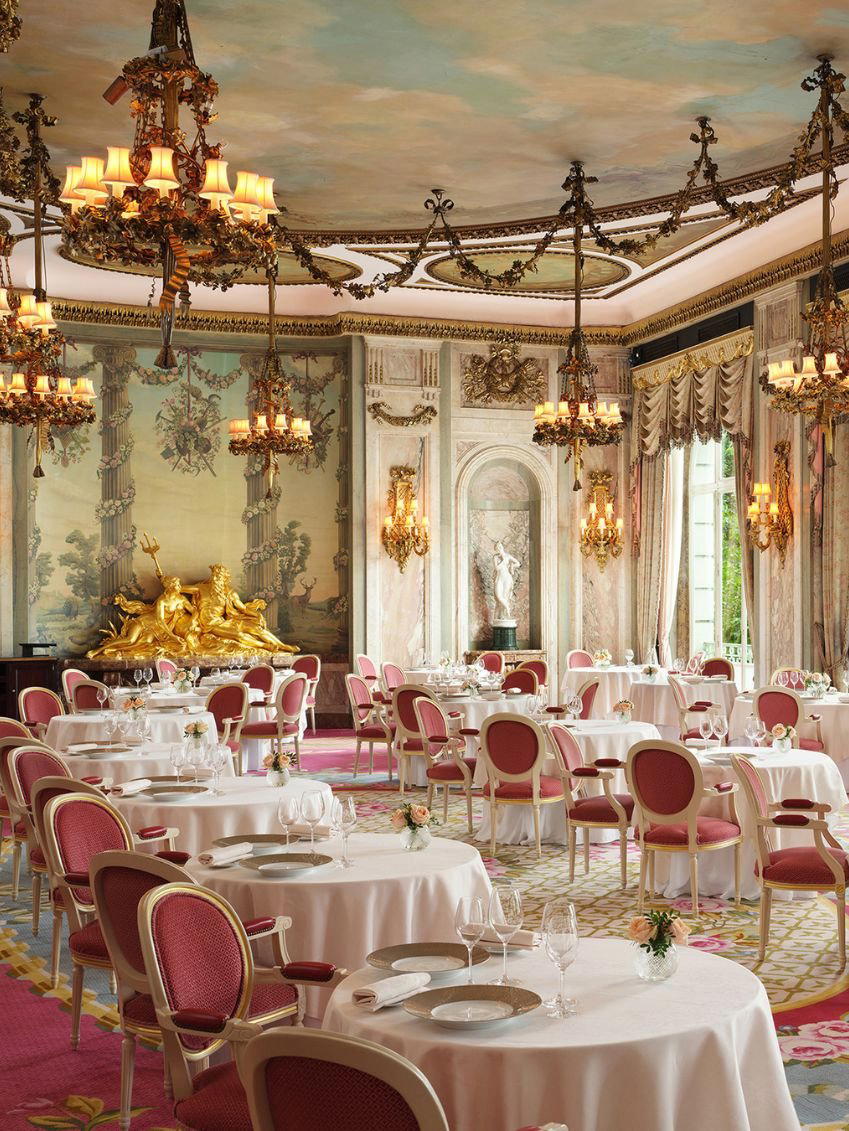
Chingu St. Pauli occupies this kind of space, the sort of address where the physical environment is shaped as much by the neighbourhood's grain as by any deliberate design intervention. Across European cities, Korean restaurants have developed two broad spatial identities: the stripped-back canteen format, which foregrounds the food by removing visual noise, and the more considered dining room, which uses material warmth, wood, ceramics, considered lighting, to hold the experience at a different temperature. Both approaches reflect something true about Korean hospitality culture, where the act of eating together carries its own ritualistic weight regardless of the setting's formality.
In Hamburg, where the dominant fine-dining idiom runs through venues like bianc and Lakeside, spaces that invest heavily in visual language to signal their price tier, a Korean room in St. Pauli operates with different reference points. The design conversation here is less about competing with the city's established dining rooms and more about what the space communicates to a local neighbourhood audience.
Korean Food in the German Context
Korean cuisine has undergone a significant reassessment in European cities over the past decade. The shift mirrors what happened to Japanese food twenty years earlier: an initial phase dominated by one or two formats (in Korean food's case, barbecue and bibimbap), followed by a longer, slower expansion into fermented preparations, regional Korean cooking, and the kind of precise, technique-led approach that requires a kitchen with real conviction. Germany has been part of this trajectory, though it lags behind London and Paris in depth of offer.
The fermentation tradition alone, gochujang, doenjang, kimchi in its many regional variations, places Korean cooking in an interesting position relative to the new-Nordic fermentation wave that reshaped European fine dining in the 2010s. The techniques are different, the flavour profiles diverge sharply, but the underlying intellectual seriousness about preservation, time, and transformation as cooking tools is shared. This has made Korean food legible to European audiences who would have once found it unfamiliar, and it has given Korean operators a cultural moment to work with.
For Hamburg specifically, the question is whether the city's Korean dining offer has moved past the entry-level formats. Compared to 100/200 Kitchen or the more technically ambitious German restaurants operating in cities like Munich or Berlin, the Korean segment of Hamburg's dining scene is still establishing its reference points. Chingu St. Pauli, by virtue of its location and name, positions itself at the more informal, neighbourhood-facing end of that spectrum.
Where This Sits in Hamburg's Dining Map
Hamburg's restaurant scene clusters in recognisable ways. The Michelin-weighted addresses tend to concentrate in the city centre and Harvestehude, where the clientele and property costs align with that kind of investment. St. Pauli operates as a counterweight: higher footfall from the entertainment district, a more mixed residential audience, and a dining culture that tolerates risk and informality in ways that the more established neighbourhoods do not.
That neighbourhood context matters when assessing the restaurant's position. It is not competing with the three-Michelin-star rooms at Schwarzwaldstube or Aqua, nor with the more formally structured modern European cooking at Vendôme or Waldhotel Sonnora. Its comparable set is neighbourhood Korean dining across Hamburg and, by extension, the growing number of Korean operators in German cities who are moving past the barbecue-first format into something more ingredient-focused.
Victor's Fine Dining by Christian Bau in Perl and ES:SENZ in Grassau round out the picture of Germany's broader fine-dining geography.
Know Before You Go
Planning Notes
- Address: Hein-Hoyer-Strasse 3, 20359 Hamburg, Germany
- Neighbourhood: St. Pauli, within walking distance of the Reeperbahn S-Bahn station
- Price range: About $15 per person
- Reservations: Walk-in friendly
- Hours: Mon to Thu 12 to 10 PM; Fri and Sat 12 to 11 PM; Sun 3 to 9 PM