Our verdict
Chinese Cuisine Hoshigaoka brings hotel Chinese dining into Kyoto’s Shimogyo orbit, where polished rooms often serve as a counterpoint to the city’s kaiseki and counter-seat culture. Its position inside Kyoto Tokyu Hotel makes it better read as part of Kyoto’s formal dining infrastructure than as a street-level destination restaurant.

Pearl is the En Primeur Club membership app, where members save venues, book tables and use the concierge.
The menu
What to order
- Hoshigaoka signature whole shark fin, Shanghai-style braise
- Shark’s fin rice in an earthenware pot
- Shanghai crab lunch course (seasonal)
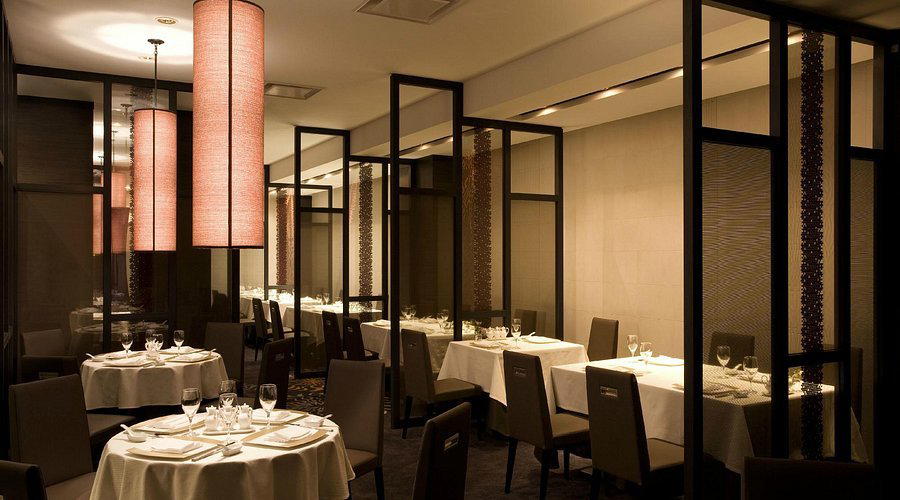
In Kyoto, the mood can shift from temple-city movement to the controlled calm of a composed dining room. That setting matters in Kyoto, where meals often split between intimate counters, family-run specialist shops, and more formal restaurants built for multi-generational dining. Chinese Cuisine Hoshigaoka belongs to the latter category: a composed room in a city more often judged by kaiseki lineage, tofu traditions, wagashi, and seasonal Japanese technique.
Hotel Chinese dining in a city defined by Japanese seasonality
Kyoto’s dining identity is unusually disciplined about origin and season. Even when the cuisine is not Japanese, the city’s expectations are shaped by produce cycles, texture, restraint, and service rhythm. A restaurant in this context is judged less by spectacle than by how it fits into the city’s broader meal grammar: shared plates, clean pacing, and a room that can handle conversation without turning dinner into a performance.
That makes the sourcing question more interesting than a simple category label. In Kyoto, ingredients carry cultural weight before they reach the table. Local produce, regional habits, preserved seasonings, and the city’s attention to season all sit inside a vocabulary that influences how restaurants frame balance and timing. Hoshigaoka’s appeal is tied to that intersection: a hotel dining format operating within a city where diners already expect the calendar to register on the plate.
The comparison set in Kyoto is broad. A meal at Kyoryori Hachisei asks a different commitment from the diner than one at Komedokoro Inamoto, while L'aparté places another style of precision into the same citywide conversation about pacing. Kazahana and Tankuma Kitaten occupy another lane again, where comfort, hosting, and a polished room are part of the value equation. Hoshigaoka sits closest to that composed hotel-restaurant lane, useful when the group wants structure without the narrowness of a chef’s-counter format.
Kyoto gives the meal a practical city address
Kyoto is not only the postcard version of itself. It is also a working city of hotel corridors, department-store food halls, office traffic, travelers, and older pockets of merchant-city life. That mix shapes how restaurants function. Meals here often serve visitors, business dinners, and local families who need access and reliability more than ceremony for its own sake. Hoshigaoka’s composed setting reinforces that role: easy to fold into a Kyoto stay and removed from the narrower lanes where the city’s smaller restaurants can be harder to organize for larger groups.
For readers mapping a Kyoto itinerary, the decision is not whether Hoshigaoka replaces the city’s Japanese specialists. It does not. The stronger use case is contrast. After several meals built around counter service, seasonal Japanese menus, or small-room formality, a hotel-style restaurant offers a different kind of table culture: shared ordering, broader dish range, and a less rigid relationship between courses. That matters for families, mixed-age groups, and travelers who want one meal in Kyoto that is composed without being culturally overdetermined.
Kyoto also rewards category variety. The city’s dining rhythm can move from grilled skewers to wagashi, from temple-adjacent sweets to modern European rooms, without losing coherence. For a wider scan of the city’s restaurant field, see Our full Kyoto restaurants guide, with adjacent planning in Our full Kyoto hotels guide, Our full Kyoto bars guide, Our full Kyoto wineries guide, and Our full Kyoto experiences guide.
Where Hoshigaoka fits among Kyoto alternatives
The useful way to read Chinese Cuisine Hoshigaoka is as a formal, hotel-based option rather than as a trophy-booking restaurant. The trust signal is format and setting: a named restaurant in Kyoto, operating within the city’s established hospitality field. That makes it a sensible candidate when the occasion values a settled room more than scarcity, chef biography, or a tasting-menu narrative.
Kyoto’s casual and specialist side remains close in spirit even when the cuisines differ. Nearby editorial alternatives show how varied the city can be: other Kyoto dining rooms can offer a different urban register, comfort-led meals can pull the evening in a more casual direction, smaller contemporary addresses can change the scale, French-inflected dining can shift the technique, and older sweets traditions can bring the itinerary back toward classic Kyoto texture.
Travelers extending the same editorial thread beyond Kyoto can compare how Japanese dining formats shift by city: regional restaurants, casual counters, specialist bars, contemporary cafes, curry shops, sake-focused rooms, and onigiri specialists all show different versions of everyday dining. Against that wider field, Hoshigaoka’s identity is clear: hotel polish and a Kyoto address where the value lies in calm coordination rather than chase-factor dining.
Frequently asked questions
Does Chinese Cuisine Hoshigaoka work for a family meal?
Yes, it suits family dining because it is in Kyoto. The hotel-style setting tends to make the room feel more structured and less formal than a fine-dining counter.
What kind of setting is Chinese Cuisine Hoshigaoka?
It is a hotel-based restaurant in Kyoto. That places it in a practical Kyoto dining context rather than a destination-house format.
What's Chinese Cuisine Hoshigaoka's location?
Kyoto.
What's the best way to book Chinese Cuisine Hoshigaoka?
The most reliable approach is to use the venue’s direct reservation channels where available. For a hotel restaurant in Kyoto, booking ahead is the sensible move.
What has Chinese Cuisine Hoshigaoka built its reputation on?
Its reputation comes from its Kyoto hotel-style setting, where service format and location matter as much as the menu. In Kyoto, that makes it a practical choice for diners who want a composed restaurant within the city.
Can Chinese Cuisine Hoshigaoka adjust for dietary needs?
Dietary adjustments are best handled directly with the restaurant. Because the venue details do not list specific policies, any request should be made in advance when arranging the reservation.
Fast Comparison
Comparable venues by cuisine and price in the same metro.
| Venue | Cuisine | Price | Awards | Notes |
|---|---|---|---|---|
| Chinese Cuisine HoshigaokaThis venue (the venue you are viewing) | Refined Chinese with Japanese and Western influences | $50–100 | Not listed | Not listed |
| Tankuma Kitaten | Kyoto Kaiseki | Not listed | Not listed | Not listed |
| Kazahana | French-Based Hotel Dining | $50–100 | Not listed | Not listed |
| L'aparté | Modern French with Japanese Ingredients | $100–150 | Michelin Plate | French |
| Komedokoro Inamoto | Japanese Rice-Focused Izakaya | $50–100 | Michelin Bib Gourmand | Izakaya |
| Kyoryori Hachisei | Traditional Kyoto Kaiseki | $100–150 | Michelin Plate | Japanese |
Continue exploring
More in Kyoto
Restaurants in Kyoto
All restaurants in Kyoto →
Bars in Kyoto
All bars in Kyoto →
Hotels in Kyoto
All hotels in Kyoto →
Wineries in Kyoto
Browse all →
Details
- Elegant
- Classic
- Sophisticated
- Cozy
- Business Dinner
- Date Night
- Family
- Group Dining
- Private Event
- Private Dining
- Hotel Restaurant
- Local Sourcing
- A La Carte
- Set Menu
- Tasting Menu
- Allergy Accommodating
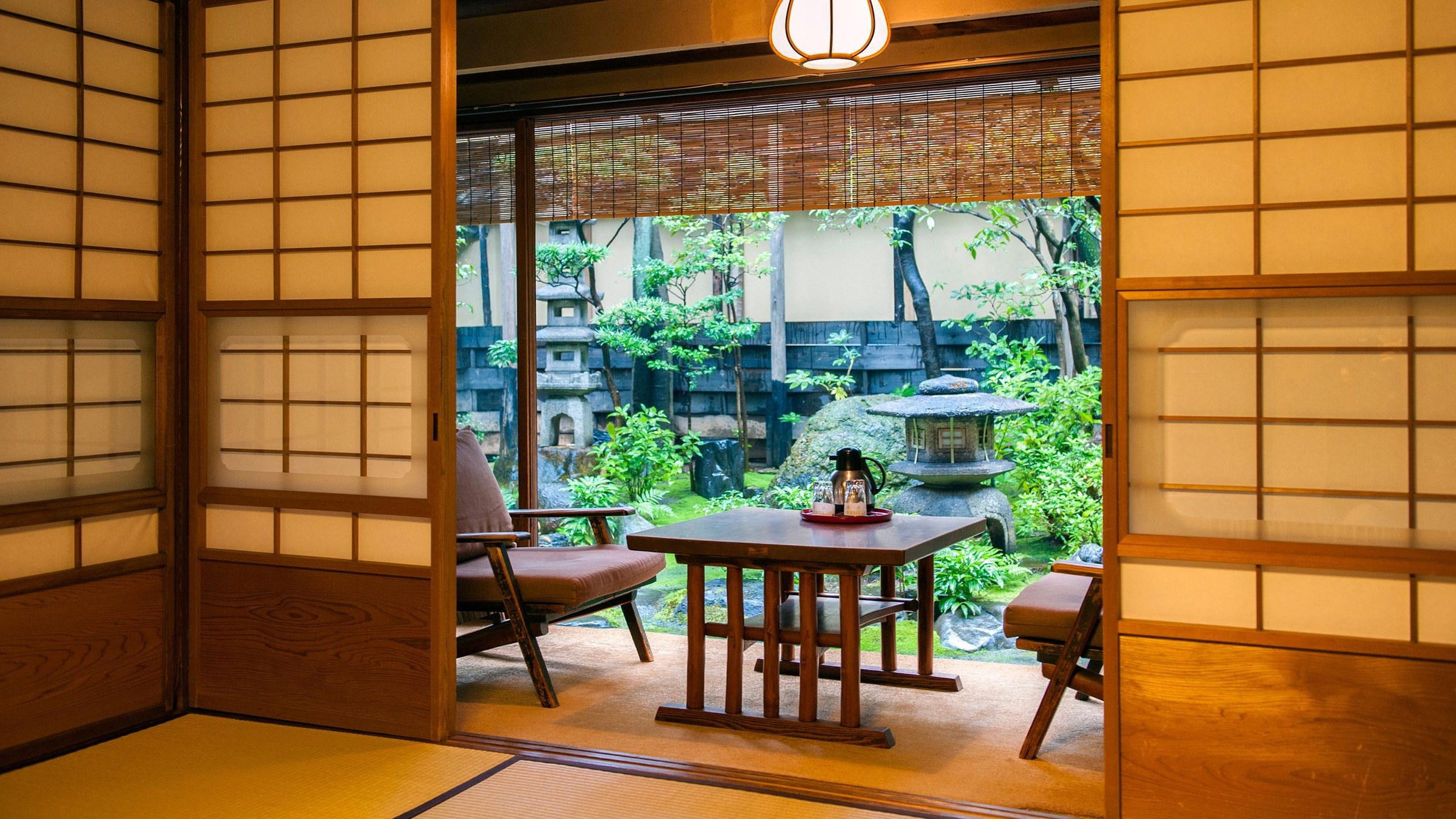
Chic and relaxed with monochrome tones, white plaster walls, dark wood, and shoji-inspired details that echo Kyoto’s historic architecture, creating a calm, understated setting suited to quiet conversations and special meals.