
Michelin Bib Gourmand
Our verdict
A Michelin Bib Gourmand izakaya in Kyoto's Shimogyo Ward, Komedokoro Inamoto organises its menu around rice as the central ingredient rather than an afterthought. Small plates sourced from Ehime prefecture arrive alongside sake that changes daily, making the format genuinely different from the city's kaiseki-heavy dining tier. At ¥¥ pricing, it offers one of the sharper value propositions among Kyoto's recognised restaurants.

Pearl is the En Primeur Club membership app — saves, bookings, and concierge access live there. Same editors, same standards.
- Address
- 534-1 Yawatacho, Shimogyo Ward, Kyoto, 600-8455, Japan
- Phone
- +81 80-4031-0178
- Hours
- Mon–Fri 5 PM–12 AMSat–Sun 7–9 AM, 5 PM–12 AM
- Website
- instagram.com
- Directions
- Get directions
- Booking
- Book on TableCheck
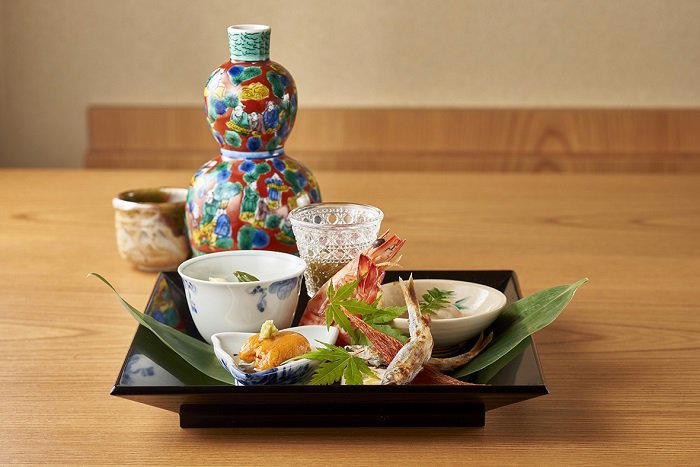
Rice as the Governing Principle
Kyoto's dining identity is so thoroughly shaped by kaiseki — its restrained multi-course format, its insistence on seasonality, its treatment of each ingredient as an aesthetic object — that restaurants operating outside that tradition tend to get read as lesser. The izakaya format, with its small plates, daily-changing sake lists, and loose, sociable pacing, sits at an apparent remove from the kaiseki ideal. Yet the underlying philosophy is not so different: the leading izakaya kitchens in Japan share kaiseki's attention to sourcing and its refusal to over-complicate a well-chosen ingredient.
Komedokoro Inamoto, in Shimogyo Ward, makes that connection explicit. The name translates directly as 'Place of Rice', and the framing is literal rather than decorative. The proprietor's attachment to rice as a primary subject, rather than a side element, aligns with a broader Japanese culinary ethic in which exceptional grain, properly cooked, is considered a finished dish rather than background starch. Freshly-cooked white rice here has attracted the kind of attention that, in kaiseki contexts, might be reserved for aged dashi or seasonal produce at peak ripeness.
Where the Format Sits in Kyoto's Dining Tier
Kyoto's Michelin-recognised dining runs a wide range. At the upper end, venues like Gion Sasaki (three stars) and Ifuki (two stars) operate kaiseki formats at ¥¥¥¥ price points, where the cost is partly about the multi-course architecture and partly about the room, the ceramics, and the service rhythm. Komedokoro Inamoto operates at ¥¥, which places it in a meaningfully different tier, one where the Bib Gourmand designation (Michelin's marker for quality at a lower price threshold) is more relevant than star count as a signal of what to expect.
That tier in Kyoto is occupied by a set of izakaya and casual Japanese restaurants that take sourcing as seriously as their formal counterparts but deliver it through a looser, more improvisational format. Nonkiya Mune and Saketosakana DNA sit in a comparable register, izakaya-adjacent, sake-forward, serious about produce without the ceremony of kaiseki. The format rewards diners who want to eat well and flexibly, ordering as appetite dictates rather than following a choreographed sequence.
Small Plates, Ehime Sourcing, and the Logic of the Platter
The small-plate structure at Komedokoro Inamoto reflects a particular izakaya logic: dishes arrive as individual units rather than courses, and the meal expands or contracts based on what you order. The side-dish platter format the kitchen offers is notable precisely because it removes the decision burden, a single order produces a spread that tends to exceed initial appetite, which is either a warning or a recommendation depending on your priorities.
The sourcing anchor is Ehime prefecture, on the island of Shikoku, from which the chef draws seafood and citrus. Ehime sits on the Seto Inland Sea and has a coastline that produces fish of a different character from what appears in Kyoto's landlocked kaiseki kitchens. The citrus connection is equally specific: Ehime is one of Japan's primary citrus-producing regions, and its fruits appear in Japanese cooking as seasoning elements, not garnishes. Using home-prefecture sourcing at a Kyoto izakaya is a form of identity argument, a claim that the leading version of a dish does not always require Kyoto-local ingredients.
Across Japan, izakaya of this register have developed distinct regional voices by anchoring their menus to a specific geography outside the city where they operate. Benikurage in Osaka operates a similar logic within that city's more informal dining culture. The approach places provenance at the centre of the value proposition, which is what allows a ¥¥ operation to sustain Michelin attention.
Sake, Daily Variation, and the Rhythm of the Room
The sake list at Komedokoro Inamoto changes by the day, which is a structural choice rather than a sales tactic. Daily variation in sake selection signals that the kitchen is working with what arrives rather than maintaining a fixed inventory, and it creates a different kind of conversation between staff and diner, one that requires actually talking about what is available rather than pointing at a laminated list. For a venue that has positioned rice as its defining subject, the parallel attention to fermented rice-based drink is coherent rather than incidental.
This format of daily-changing sake paired with small plates places Komedokoro Inamoto in a category of izakaya that function as much as sake bars as they do restaurants. The overlap between those two formats, serious drinking, serious eating, no particular ceremony about which is primary, is where much of Kyoto's more interesting mid-range dining happens. Venues like Berangkat and Eitaroya occupy adjacent registers in the city's casual-but-considered dining tier.
For a broader view of where this fits in Kyoto's restaurant scene, see our full Kyoto restaurants guide. The city's bars, hotels, wineries, and experiences are also covered in full on EP Club.
The Kaiseki Parallel Worth Drawing
It would be reductive to frame Komedokoro Inamoto simply as an accessible alternative to Kyoto's formal kaiseki tier. The more accurate reading is that it shares kaiseki's underlying commitments, seasonal produce, regional sourcing, the treatment of rice as a subject requiring full attention, while rejecting its formal apparatus. Kaiseki's multi-course choreography is one way to express those values. A small-plate izakaya with a daily sake list and a proprietor who names the restaurant after his relationship to rice is another.
For diners whose Kyoto itinerary includes the kaiseki tier (perhaps Nijo Aritsune or the formal rooms at Kichisen), Komedokoro Inamoto offers a different register of the same city's food culture, not a lesser one. Across the wider Japan itinerary, comparable commitments to sourcing and format discipline appear at venues like Harutaka in Tokyo, HAJIME in Osaka, akordu in Nara, Goh in Fukuoka, 1000 in Yokohama, and 6 in Okinawa, each in a different format and at different price points. The izakaya format itself travels, Cube by Mika in Schwerin shows how the template has moved well outside Japan.
Know Before You Go
| Address | 534-1 Yawatacho, Shimogyo Ward, Kyoto, 600-8455, Japan |
|---|---|
| Cuisine | Izakaya |
| Price range | ¥¥ |
| Awards | Michelin Bib Gourmand (2025); Michelin Plate (2024) |
| Booking | |
| Hours | Not confirmed, verify before visiting |
Frequently Asked Questions
Comparison Snapshot
| Venue | Cuisine | Price | Awards | Notes |
|---|---|---|---|---|
| Komedokoro InamotoThis venue — the venue you are viewing | Japanese Rice-Focused Izakaya | $50–100 | Michelin Bib Gourmand | Not listed |
| Gion Sasaki | Modern Kaiseki | $300–500 | 3 Michelin Stars · La Liste Top Restaurants | Kaiseki, Japanese |
| cenci | Innovative Italian-Japanese Fusion | $100–150 | 1 Michelin Star · World's 50 Best #76 | Italian |
| Ifuki | Sumibi Kappo Kaiseki | $200–300 | 2 Michelin Stars · La Liste Top Restaurants | Kaiseki |
| Kyokaiseki Kichisen | Kyoto Kaiseki | $200–300 | 2 Michelin Stars · La Liste Top Restaurants | Japanese |
| Kyo Seika | Seasonal Chinese Fine Dining in Kyoto | Not listed | 1 Michelin Star | Chinese |
Recognition history
Dated appearances from independent guides and award organizations, with the underlying list record or original source where available.
Michelin Bib Gourmand
Michelin
Full recognition history (3 entries)
Michelin Bib Gourmand
Michelin
Michelin Plate
Michelin
Continue exploring
More in Kyoto
Restaurants in Kyoto
Browse all →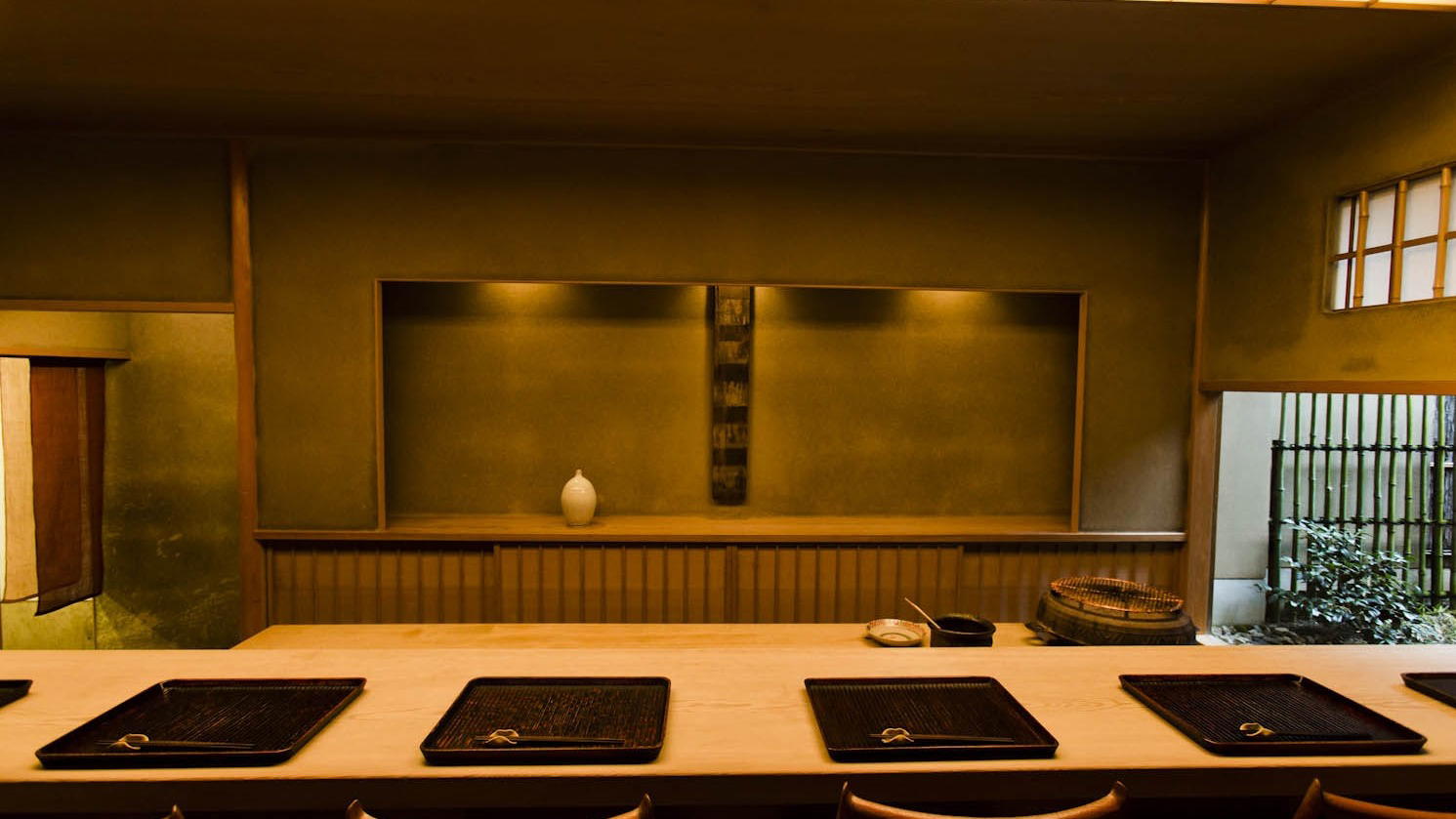
Bars in Kyoto
Browse all →
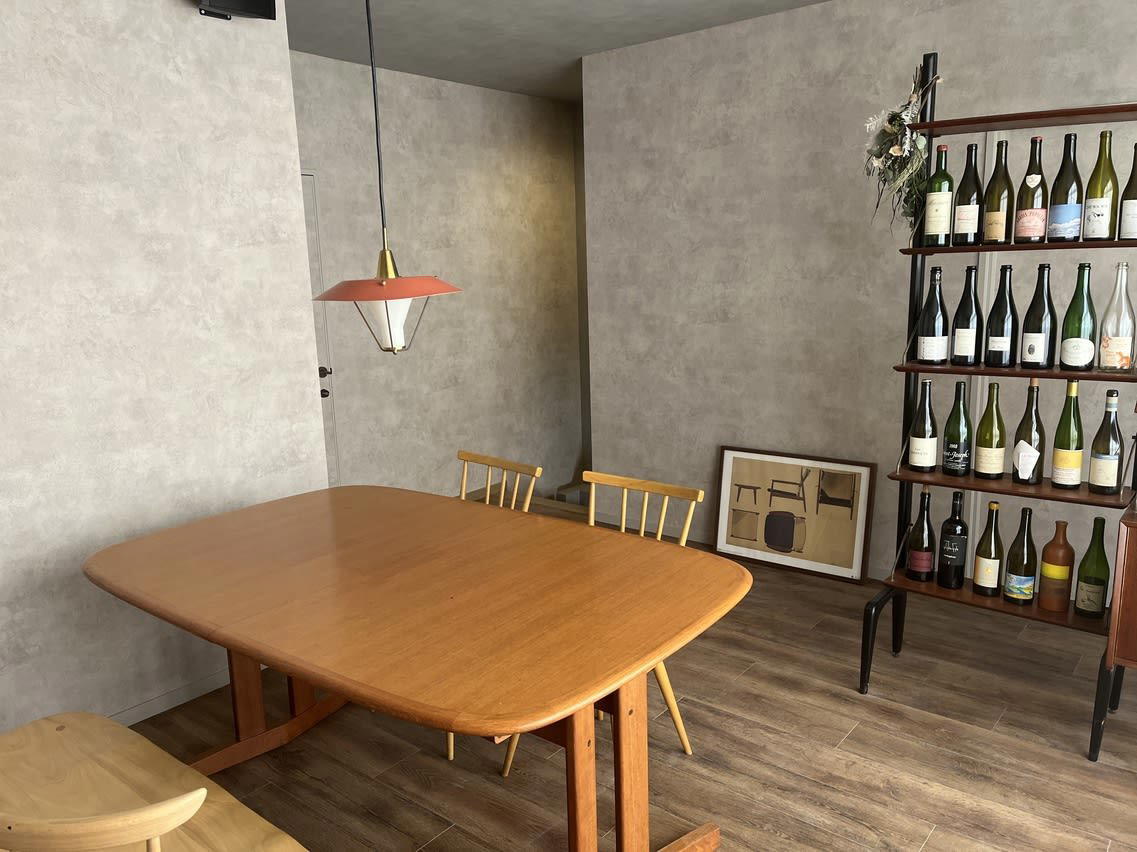

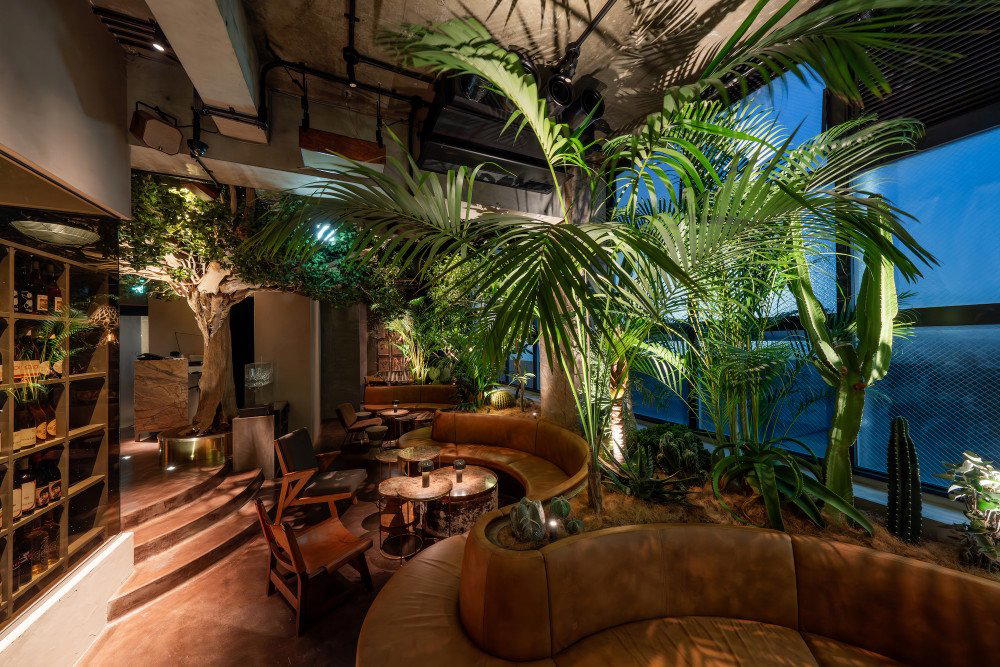
Hotels in Kyoto
Browse all →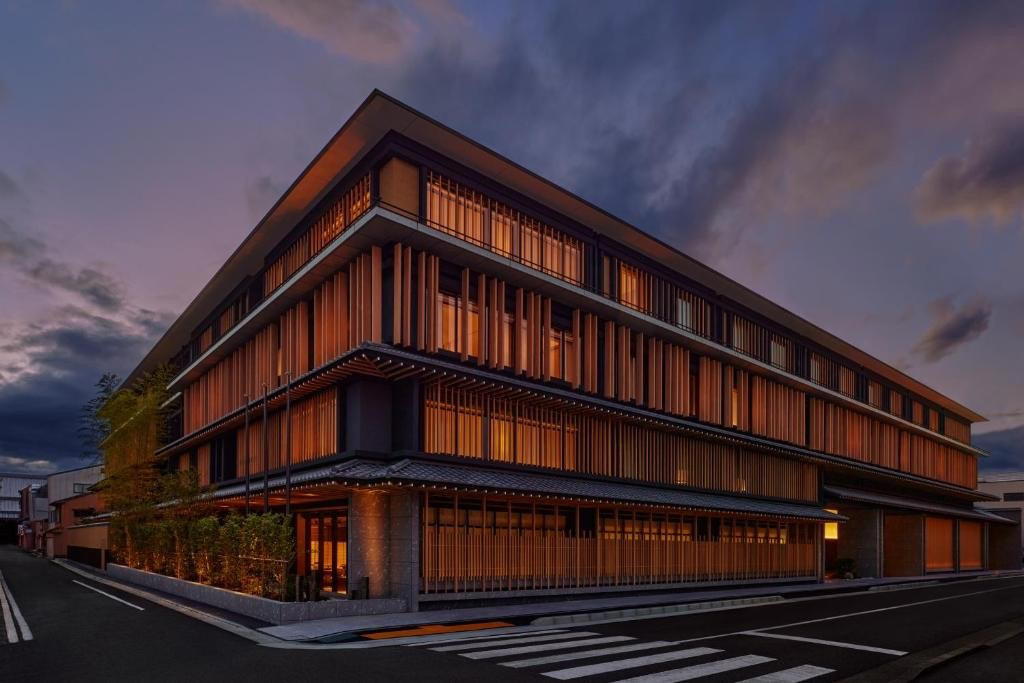
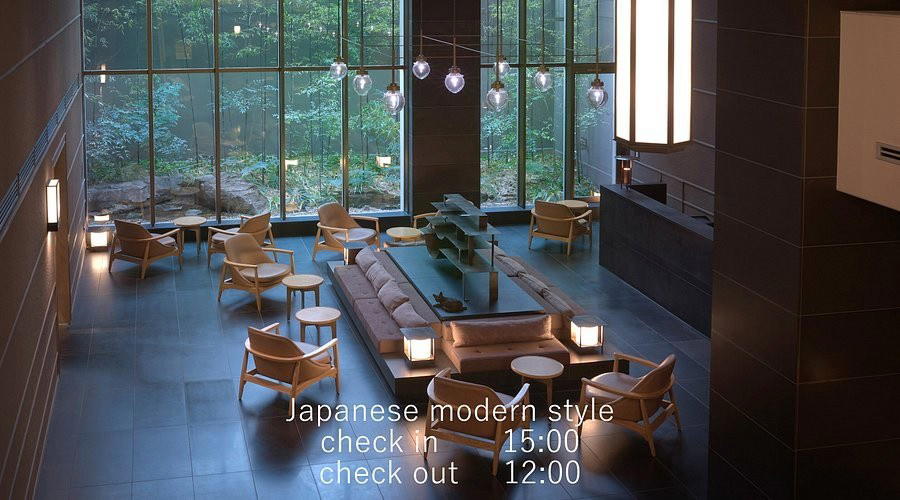
Wineries in Kyoto
Browse all →
Details
- Cozy
- Intimate
- Classic
- Casual Hangout
- Special Occasion
- Sake Program
- Local Sourcing
- Small Plates
- Sake
Current opening hours
- Monday
- 5 PM–12 AM
- Tuesday
- 5 PM–12 AM
- Wednesday
- 5 PM–12 AM
- Thursday
- 5 PM–12 AM
- Friday
- 5 PM–12 AM
- Saturday
- 7–9 AM, 5 PM–12 AM
- Sunday
- 7–9 AM, 5 PM–12 AM
Hours can change for holidays and private events. Last verified .
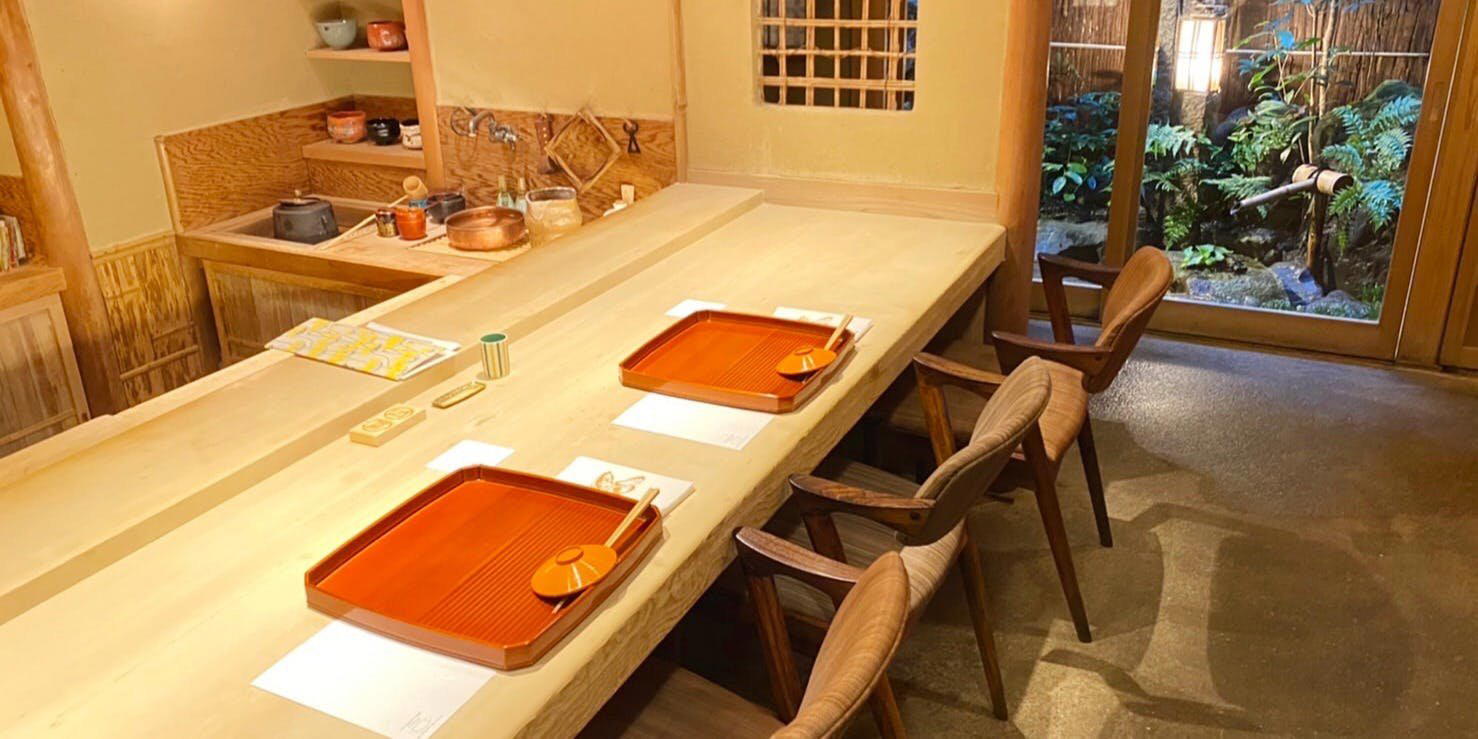
Cozy traditional decor with counter seating fostering pleasant staff interaction in an intimate setting.