
A Happy Valley institution at 21 King Kwong Street, Tasty Congee & Noodle Wantun Shop draws neighbourhood regulars and cross-harbour visitors alike for Cantonese congee, wonton noodles, and the kind of unhurried, bowl-in-hand comfort that defines Hong Kong's cha chaan teng and congee-shop tradition. In a city where fine dining commands global attention, this is where the everyday culinary vernacular still speaks clearly.
Pearl is the En Primeur Club membership app — saves, bookings, and concierge access live there. Same editors, same standards.
- Address
- 21 King Kwong St, Happy Valley, Hong Kong
- Phone
- +85228383922
- Website
- tasty.com.hk
- Directions
- Get directions
 Saves & bookings on Pearl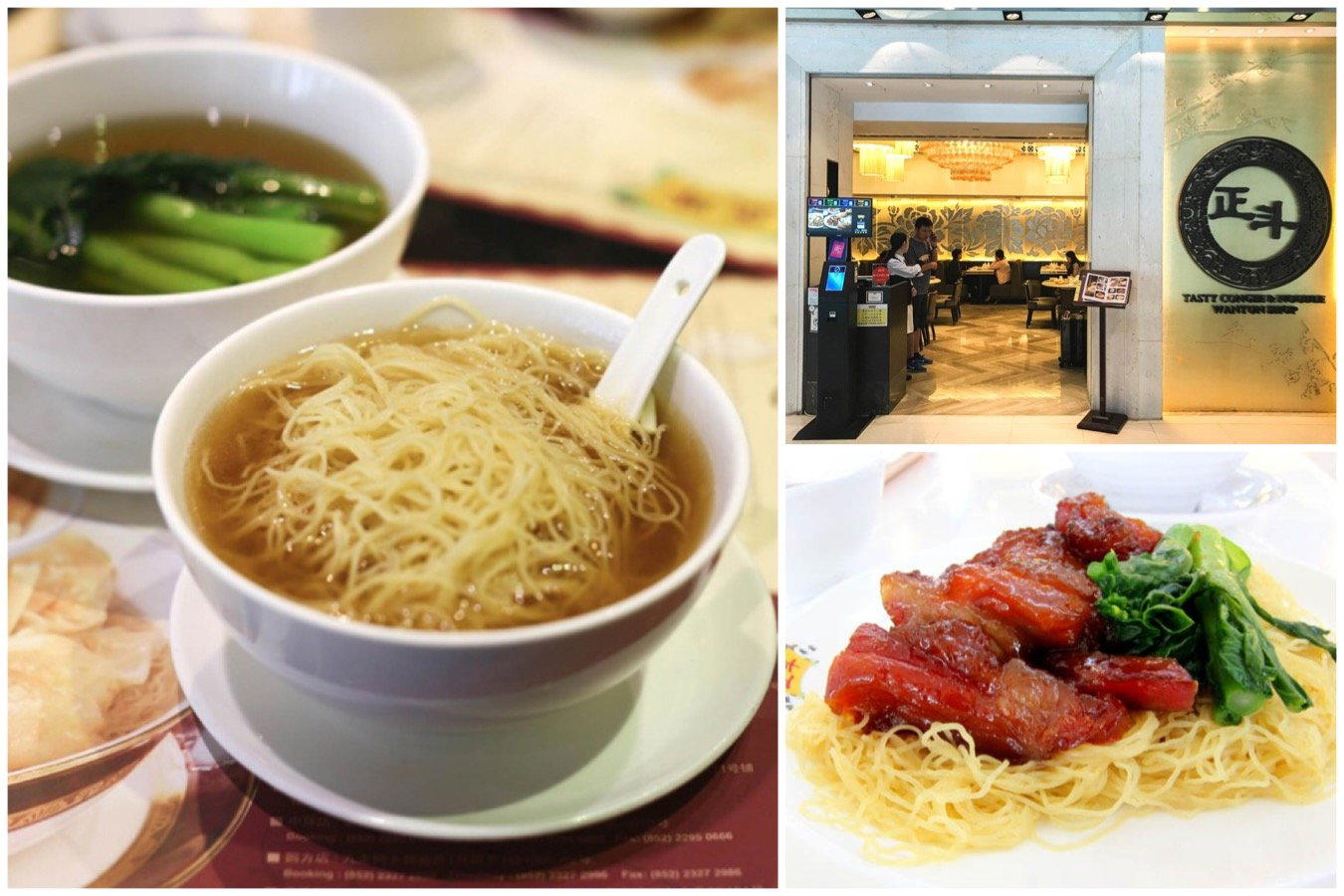
Happy Valley's Congee Tradition, Set in Stone
King Kwong Street in Happy Valley operates at a different register from the harbour-view dining rooms that occupy most of Hong Kong's international dining coverage. The street runs parallel to the racecourse, and the rhythm of the neighbourhood follows it: early risers, post-workout crowds, racing-day regulars, and the kind of unhurried lunch trade that has sustained Cantonese congee shops for generations. Tasty Congee & Noodle Wantun Shop, a casual Cantonese congee and wonton noodle restaurant at 21 King Kwong St, Happy Valley, Hong Kong, sits inside that rhythm rather than apart from it. Approaching along King Kwong Street, the signage is functional and the fit-out is the kind that Hong Kong's older congee houses favour: laminate tables, efficient service, steam rising from kitchen equipment that rarely cools down between sittings.
This is not accidental. The congee shop format in Hong Kong has always prioritised throughput and consistency over theatrical presentation. Where restaurants like Amber or Caprice operate in purpose-built fine dining rooms with extensive front-of-house choreography, the congee shop's authority comes from the opposite logic: the same bowls, the same stocks, the same wonton folds, delivered reliably across decades. In a city whose dining culture spans three-Michelin-starred Italian at one end and late-night noodle counters at the other, the congee shop occupies its own distinct tier, one where reputation travels by word of mouth rather than by award listings.
The Cantonese Bowl: Context and Craft
Congee in the Cantonese tradition is not a secondary dish or a vehicle for other ingredients, it is a complete format in itself. The texture of well-made jook, as it is known locally, depends on the ratio of rice to water and the length of cooking, with premium versions simmered until the grains have fully broken down into a smooth, cohesive base. Wontons in Hong Kong's leading shops are made with a specific ratio of shrimp to pork, wrapped in thin egg-dough skins and cooked to order in separate boiling water before finishing in the broth, a distinction that separates serious houses from shortcuts. The noodle component, usually thin egg noodles with a slight alkaline snap, completes the trilogy that defines the Hong Kong wonton noodle shop tradition.
Happy Valley's food culture has historically been shaped by its residential density and its distance from the tourist circuits of Tsim Sha Tsui and Central. That geographic remove has meant that restaurants and shops here have tended to sustain themselves on return trade rather than on passing traffic, which applies pressure of a different kind: the regular who has eaten the same bowl two hundred times notices everything. Tasty Congee & Noodle Wantun Shop operates within that accountability. For those travelling across the city to eat, this places it in a similar category to Forum in Causeway Bay, a venue whose standing is built on a clientele that has no reason to be generous with its loyalty.
Hong Kong's Broader Noodle and Congee Circuit
The wonton noodle and congee category in Hong Kong is large, geographically dispersed, and deeply local. Cross-district eating is a Hong Kong habit, and serious diners think nothing of travelling from Kowloon to the Island, or from the New Territories into the urban core, for a specific bowl. The network of shops worth knowing extends well beyond any single neighbourhood: Coconut Soup in Yau Tsim Mong represents the Kowloon end of the spectrum, while Hoi Tin Garden in Tuen Mun and Lei Garden in Sha Tin anchor the New Territories end of the dining map. King Of Soybeans in Wong Tai Sin and One-ThirtyOne in Tai Po extend the picture further. For visitors building a Hong Kong eating itinerary,
At the higher end of Hong Kong dining, Cantonese cooking finds a different expression. Ta Vie works at the intersection of Japanese and French technique applied to local ingredients, while restaurants like Gaia in Central and Western and Habib's in Kwun Tong represent the breadth of what Hong Kong's food culture holds beyond its Cantonese core. Even internationally, the comparison holds: Le Bernardin in New York and Atomix demonstrate how technique-driven tasting menus build reputations in competitive urban markets, but the congee shop tradition produces its own form of authority, one measured in decades of consistent bowls rather than in tasting menu accolades.
Planning Your Visit to King Kwong Street
Happy Valley is accessible from Causeway Bay on foot in under fifteen minutes, or by tram along the Island line, the racecourse tram stop on Wong Nai Chung Road places visitors a short walk from King Kwong Street. As with most congee shops in Hong Kong, the busiest periods cluster around breakfast and lunch, with a secondary peak on race days when the neighbourhood population temporarily doubles. Arriving outside those windows generally means shorter waits and more relaxed service. Walk-ins are welcome.
Peers in This Market
Comparable venues nearby, for context on price, style, and recognition.
| Venue | Cuisine | Price | Notes |
|---|---|---|---|
| Tasty Congee & Noodle Wantun ShopThis venue — the venue you are viewing | Traditional Cantonese Congee & Wonton Noodles | $$ | Not listed |
| Dim Sum and the Art of Chinese Tidbits | Traditional Cantonese Dim Sum | $$ | Wan Chai |
| Sun Kwong Nan Café | Hong Kong Cha Chaan Teng with Malaysian & Singaporean Influences | $$ | Yau Tsim Mong North |
| Hong Zhou Restaurant | Authentic Hangzhou Chinese | $$ | Wan Chai |
| Happy Paradise | Neo-Chinese | $$$ | Central |
| Master Low Key | Hong Kong Street Food - Egg Waffles & Puffs | $ | Shau Kei Wan |
Recognition history
Dated appearances from independent guides and award organizations, with the underlying list record or original source where available.
Opinionated About Dining Casual in Asia Highly Recommended
Opinionated About Dining
Continue exploring
More in Hong Kong
More from Chef Various
Browse all →
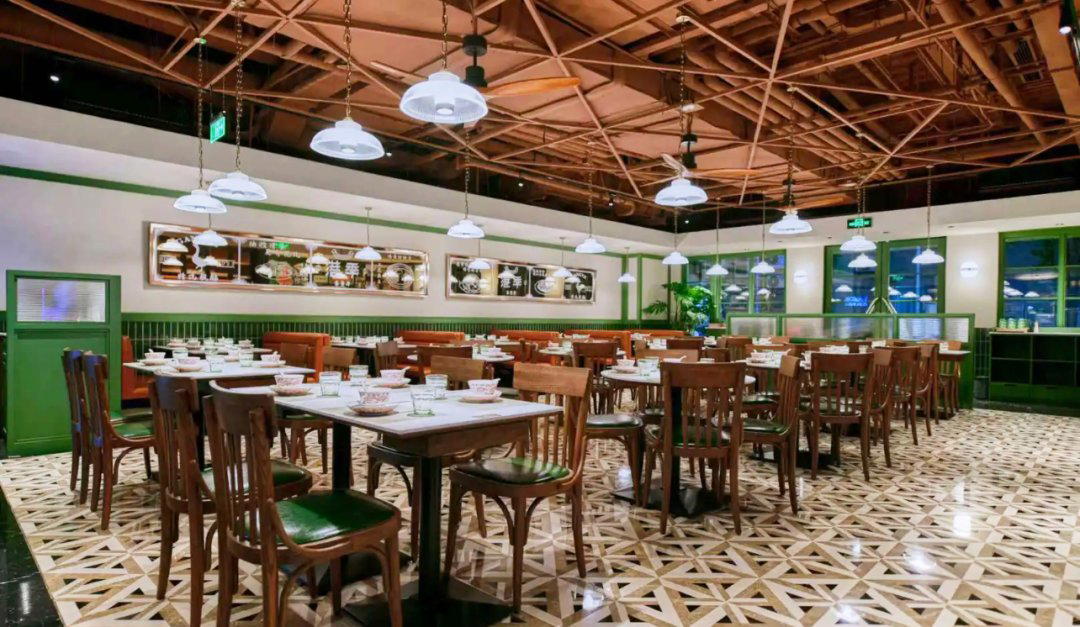
Restaurants in Hong Kong
Browse all →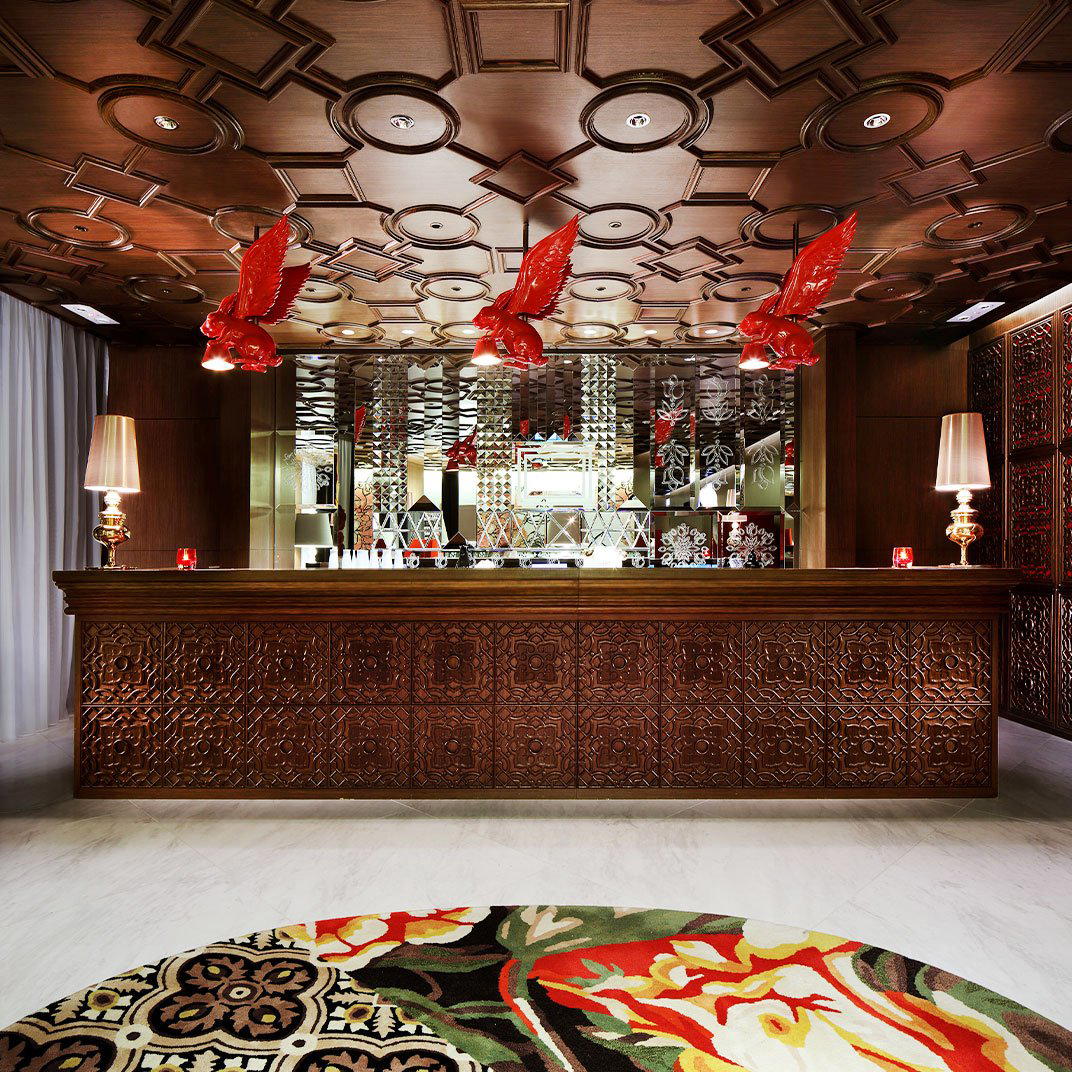
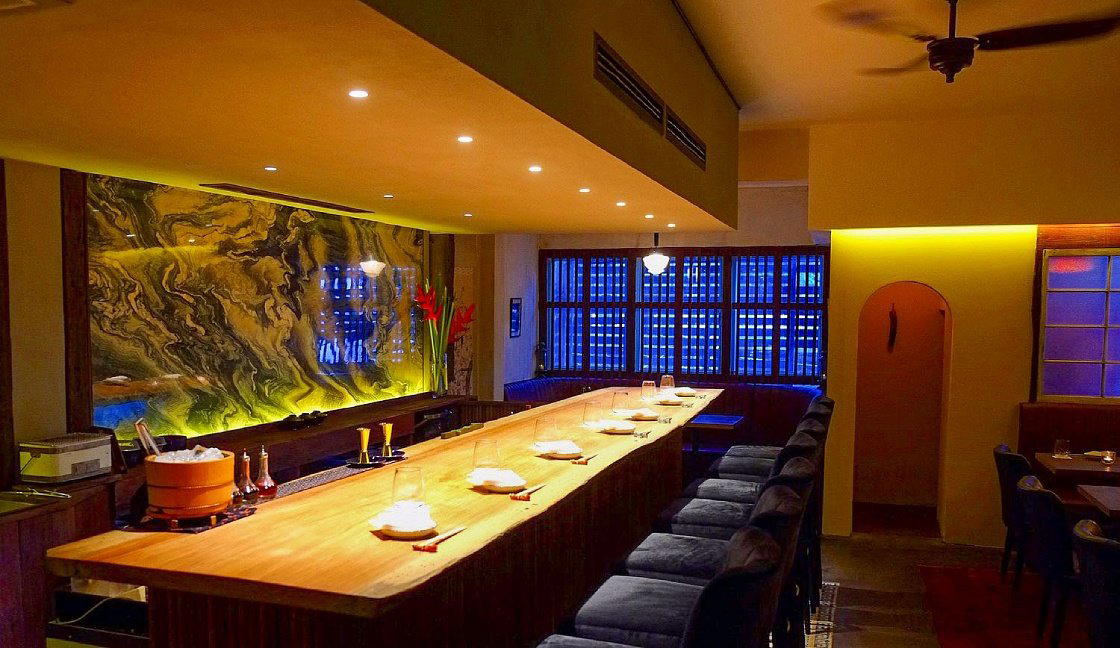
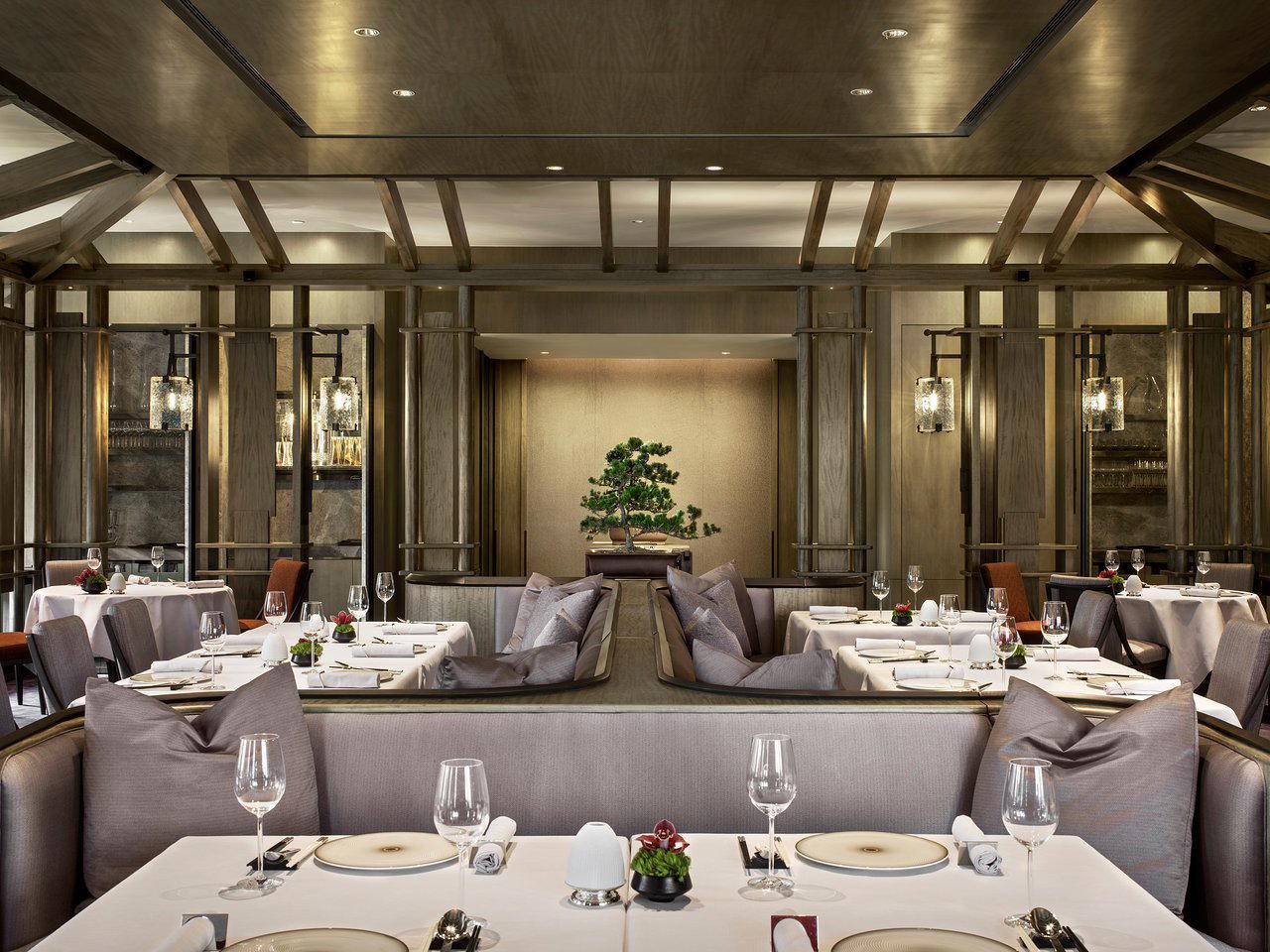
Bars in Hong Kong
Browse all →
At a Glance
- Classic
- Cozy
- Casual Hangout
- Family
- Brunch
- Standalone
Current opening hours
- Monday
- 11:30 AM–11:30 PM
- Tuesday
- 11:30 AM–11:30 PM
- Wednesday
- 11:30 AM–11:30 PM
- Thursday
- 11:30 AM–11:30 PM
- Friday
- 11:30 AM–11:30 PM
- Saturday
- 11 AM–11:30 PM
- Sunday
- 9:30 AM–11:30 PM
Hours can change for holidays and private events. Last verified .