Chilli Fagara
On Old Bailey Street in Central, Chilli Fagara has built a following around Sichuan cooking at a time when Hong Kong diners were still learning to distinguish mala heat from the numbing tingle of the eponymous peppercorn. The restaurant sits in the neighbourhood where finance and old-Hong Kong residential life overlap, and its regulars treat it less like a discovery and more like a standing appointment.
Pearl is the En Primeur Club membership app — saves, bookings, and concierge access live there. Same editors, same standards.
- Address
- 7 Old Bailey St, Central, Hong Kong
- Phone
- +85227966866
- Website
- chillifagara.com
- Directions
- Get directions
 Saves & bookings on Pearl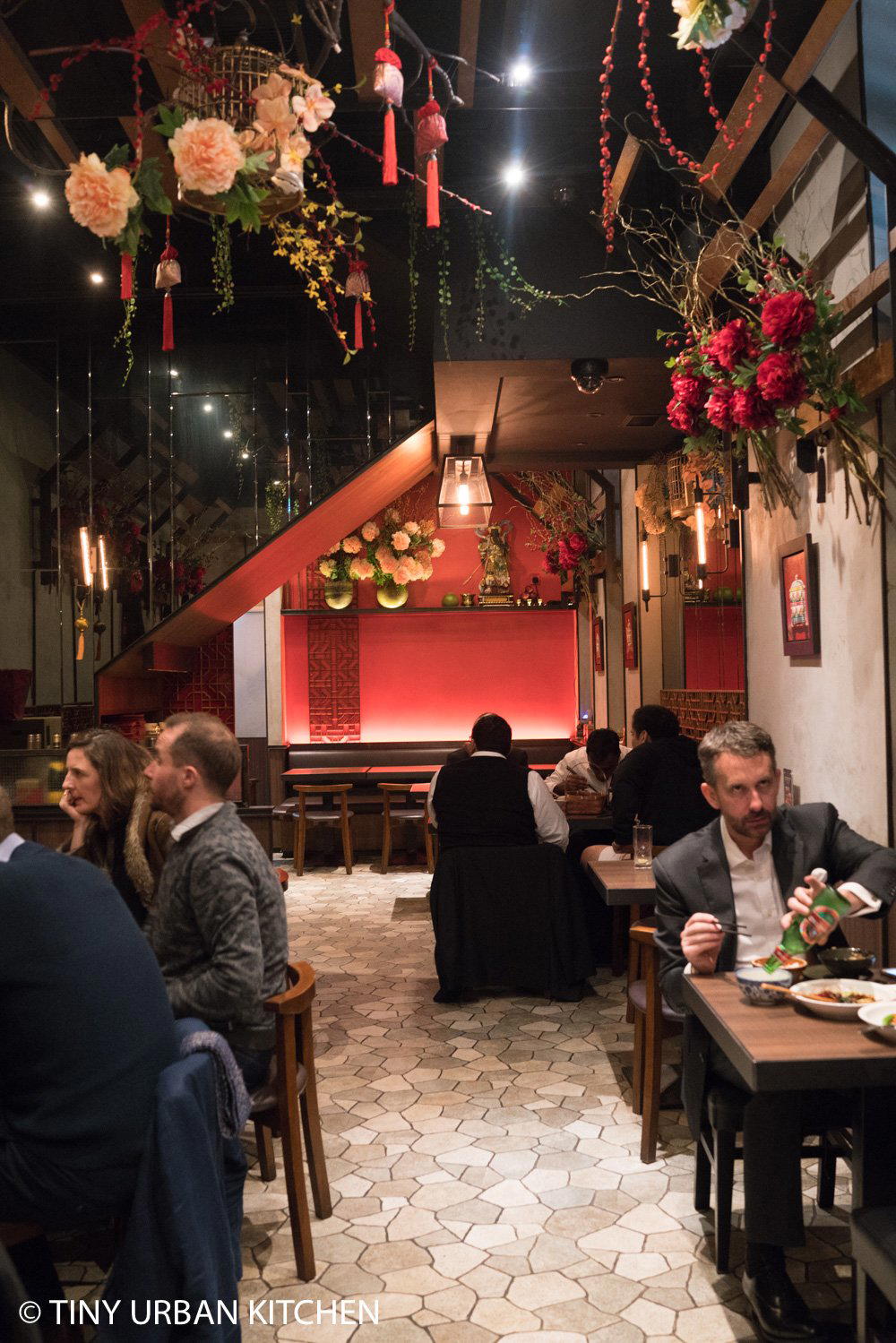
Old Bailey Street and the Case for Sichuan in Central
Chilli Fagara is a casual restaurant in Central, Hong Kong, serving Authentic Sichuan Ma-La-Tang and drawing,048 reviews. Central's dining culture has long been structured around power lunches and destination tasting menus. The streets between the mid-levels escalator and the courts precinct operate on a different register: smaller rooms, longer tenancies, and a clientele that returns on its own schedule rather than chasing the latest opening. Chilli Fagara at 7 Old Bailey Street sits inside that quieter pattern, in a district where [8½ Otto e Mezzo BOMBANA] and [Amber in Hong Kong] occupy the formal end of the spectrum, and a cluster of smaller independents fill the middle ground.
Sichuan cooking in Hong Kong occupies a specific niche. It is neither the everyday Cantonese that the city runs on, nor the prestige French-Chinese hybrid format that earns international press. What it offers is a flavour logic that rewards familiarity: the interaction between dried chilli heat and the anaesthetic tingle of Sichuan peppercorn, the way fat-marbled proteins absorb ma la seasoning, the balance between fermented pastes and sharp aromatics. These are not flavours that announce themselves fully on a first visit. Regulars at Chilli Fagara understand this, which is part of what keeps them returning.
The Room and Its Regulars
The address sits in a part of Central that the finance crowd passes through but rarely lingers in after dark. The building stock on Old Bailey Street is older and lower than the glass towers two blocks toward the waterfront, which gives the street a residential quality that is unusual for the district. Inside the restaurant, that quieter setting is part of the proposition. This is not a room designed for spectacle or for being seen. It functions as a place where people who know what they want come to eat it without ceremony.
The regulars' relationship with a Sichuan kitchen tends to follow a specific trajectory. Early visits involve the more approachable end of the menu: dishes where heat is balanced by sweetness or where the mala element is restrained. Return visits shift toward the sections where the peppercorn ratio increases and the flavour profiles become less immediately legible to those unfamiliar with the tradition. Across Hong Kong's Sichuan restaurants, from the newer arrivals in Wan Chai to the more established rooms in Causeway Bay, this pattern holds. At the restaurant, the concentration of long-term diners suggests the kitchen has held a consistent enough line to reward that kind of progressive familiarity.
In a city where dining trends move fast and restaurant tenancies often do not survive a landlord renewal, longevity on a Central side street carries its own signal. The comparison venues in the neighbourhood, including [AMMO] and [cafe TOO], operate with different formats and clientele profiles. The restaurant's positioning is more specific: Sichuan cooking in a city whose dominant culinary identity is Cantonese, in a neighbourhood whose dominant dining format is European or modern pan-Asian.
What the Menu Communicates
A Sichuan kitchen at this level operates around a core grammar: cold appetisers built on chilli oil and sesame, hot dishes structured around the wok and the clay pot, and proteins that range from silken tofu and offal to more accessible cuts. The ma la flavour system is the thread connecting them. At restaurants like Chilli Fagara, the depth of the cold starter section is usually a reliable indicator of how seriously the kitchen approaches the tradition. These dishes, which require patience and technique, are the ones regulars tend to order without looking at the menu.
For context across Hong Kong's broader Chinese dining scene, the Sichuan category sits between the Cantonese mainstream and the more recent wave of regional Chinese specialists. Places like [Aaharn] and [Bayi] in the same district address different regional traditions, which illustrates how Central has developed a reasonably broad map of Asian cuisines beneath its European fine dining layer. Sichuan, with its bold flavour architecture, occupies a specific place in that map: demanding enough to filter casual visitors, familiar enough to the Chinese diaspora community to sustain a loyal base.
Further out across Hong Kong's districts, the dining culture ranges from the noodle specialists of [Block 18 Doggie's Noodle in Yau Tsim Mong] to the dim sum institutions of [Lei Garden in Sha Tin]. Central's Sichuan contingent, the restaurant among them, represents a different mode: smaller rooms, more specific flavour commitments, and a clientele that has made a deliberate choice about what kind of heat they want for dinner.
Planning a Visit
Old Bailey Street is walkable from the Central MTR station and from the mid-levels escalator, which makes logistics direct for visitors staying in the district. The street itself is quieter than the main Central arteries, which means the approach on foot is calmer than the surrounding area might suggest. For those exploring Central's broader dining options, the guide covers the range from approachable neighbourhood rooms to the prestige addresses. The [Le Salon de Thé de Joël Robuchon Hong Kong (ifc mall) in Central] sits at the opposite end of the format spectrum, which gives a sense of how wide the district's dining range actually runs.
For diners arriving from other parts of Hong Kong, the contrast with the waterfront dining of the [Former Jumbo Floating Restaurant in Aberdeen] or the suburban comfort of [Enchanted Garden Restaurant in Islands] is sharp. The restaurant is a city-centre room with a city-centre pace, and it functions leading for those who know what they are coming for. First-time visitors to Sichuan cooking should approach the menu with some patience; the flavour system rewards attention rather than speed.
- Chilli Fagara Dungeness Crab
- Kung Pao Calamari
- Pork & Vegetable Dumplings
- Shredded Chicken in Spicy Peanut Sauce
- Chilli Softshell Crab
- Dan Dan Noodles
Cuisine and Recognition
Comparable venues nearby, for context on price, style, and recognition.
| Venue | Cuisine | Price | Notes |
|---|---|---|---|
| Chilli FagaraThis venue — the venue you are viewing | Authentic Sichuan Ma-La-Tang | $$ | Not listed |
| Sun Yuen Hing Kee | Cantonese Roast Meats (Siu Mei) | $ | Sheung Wan |
| Dragon Academy HK | Modern Cantonese Noodles & Dim Sum | $$$ | Central |
| Cuisine Cuisine 國金軒 | Cuisine Cuisine National Gold Award | Not listed | Central And Western |
| Pici Central | Handmade Italian Pasta Bar | $$ | Central |
| HAKU | Japanese Fusion Kappo | $$$ | Central And Western |
Continue exploring
More in Central And Western
Restaurants in Central And Western
Browse all →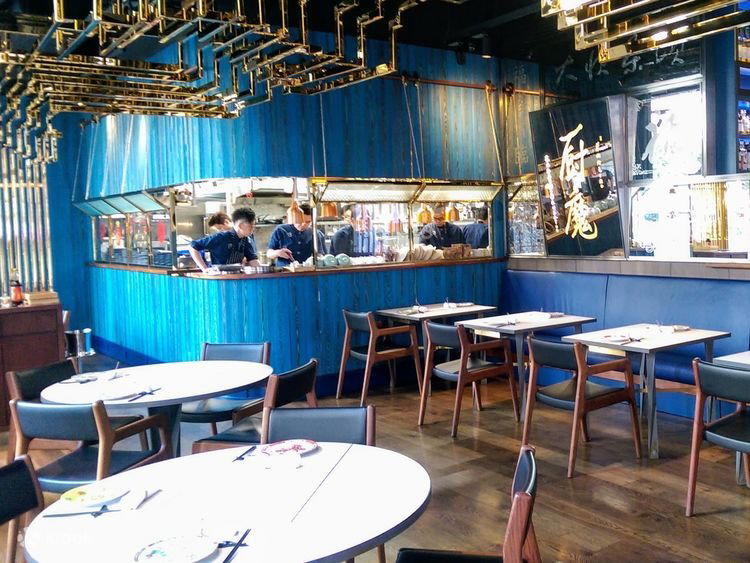
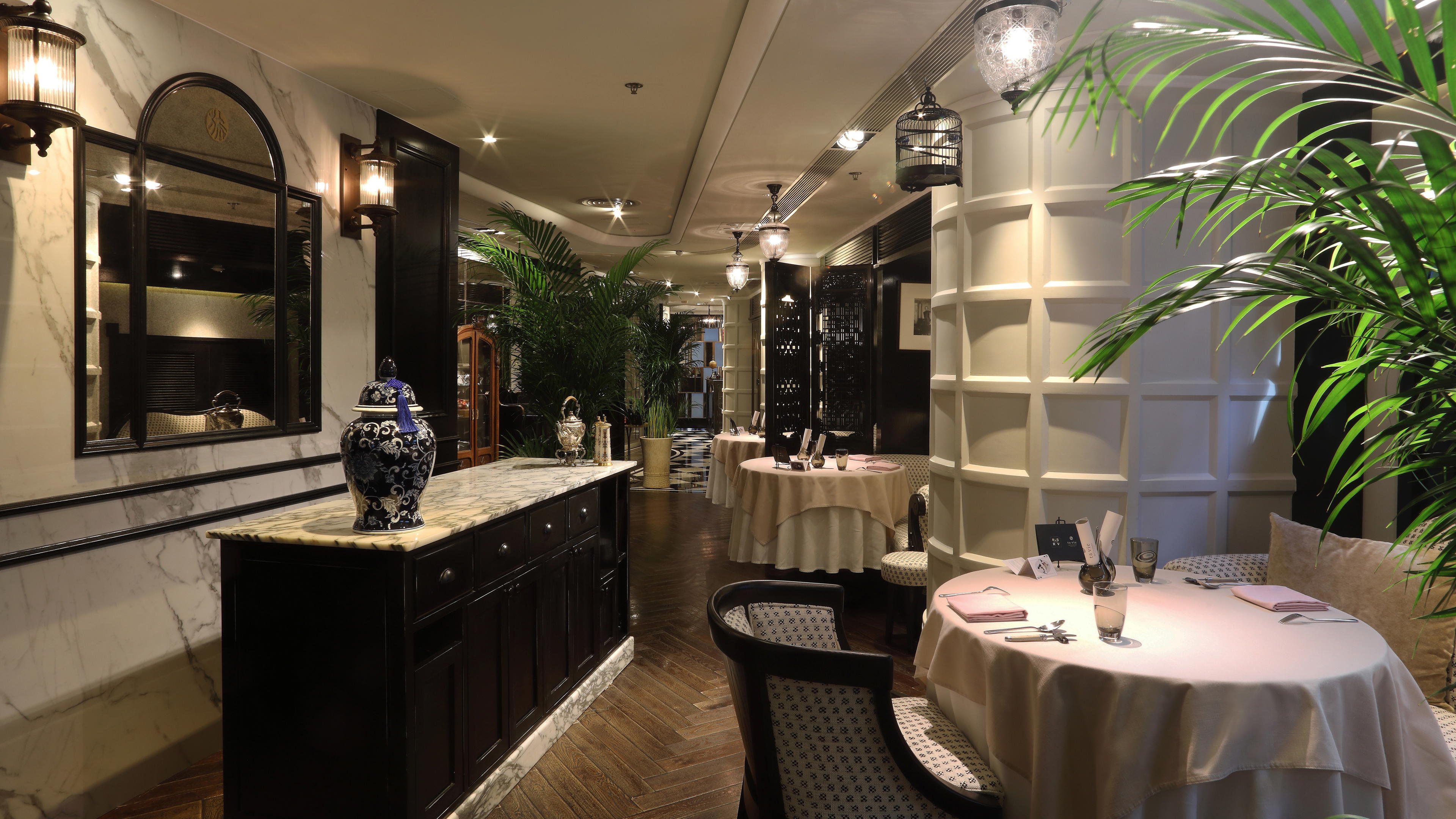
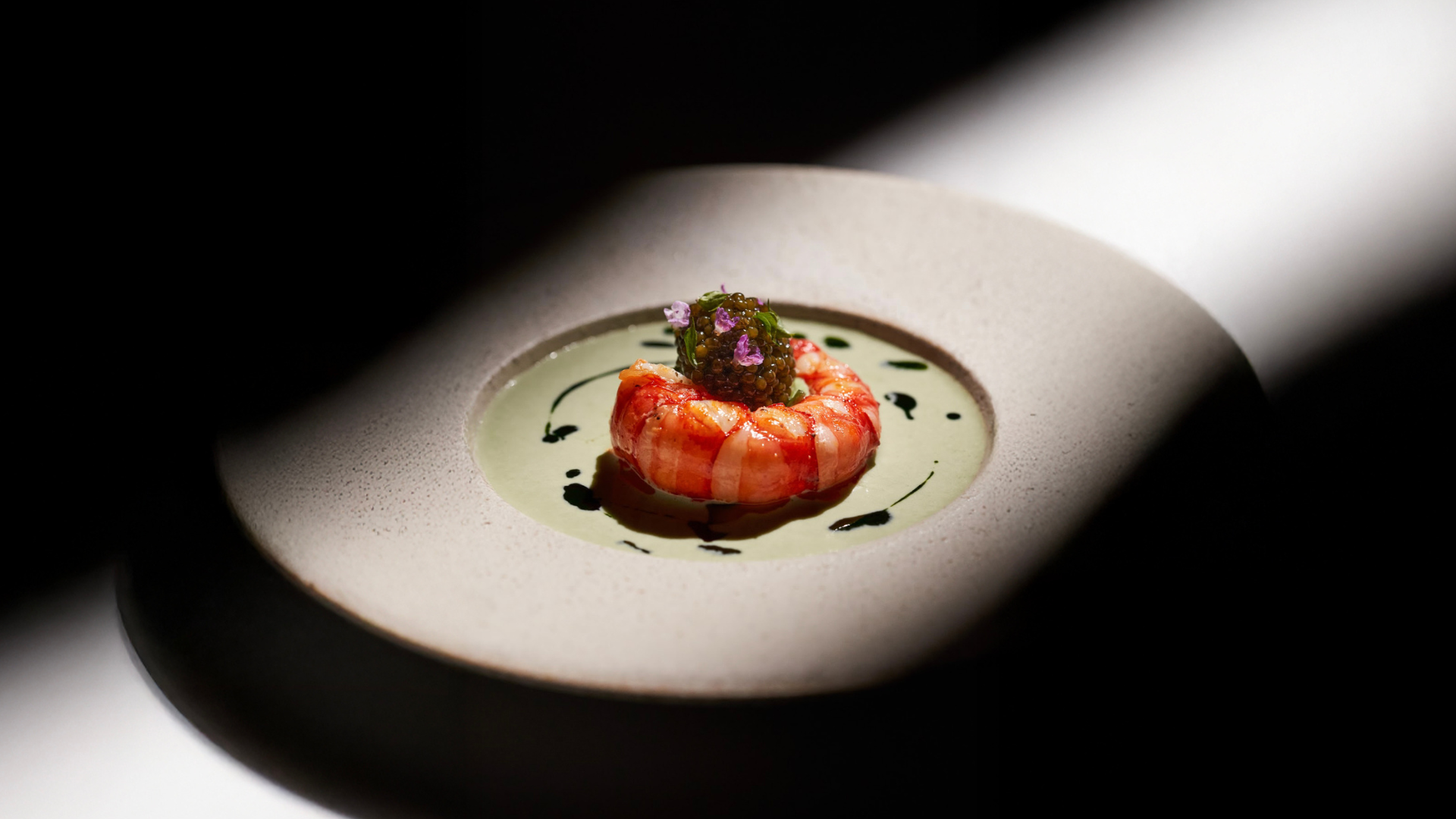
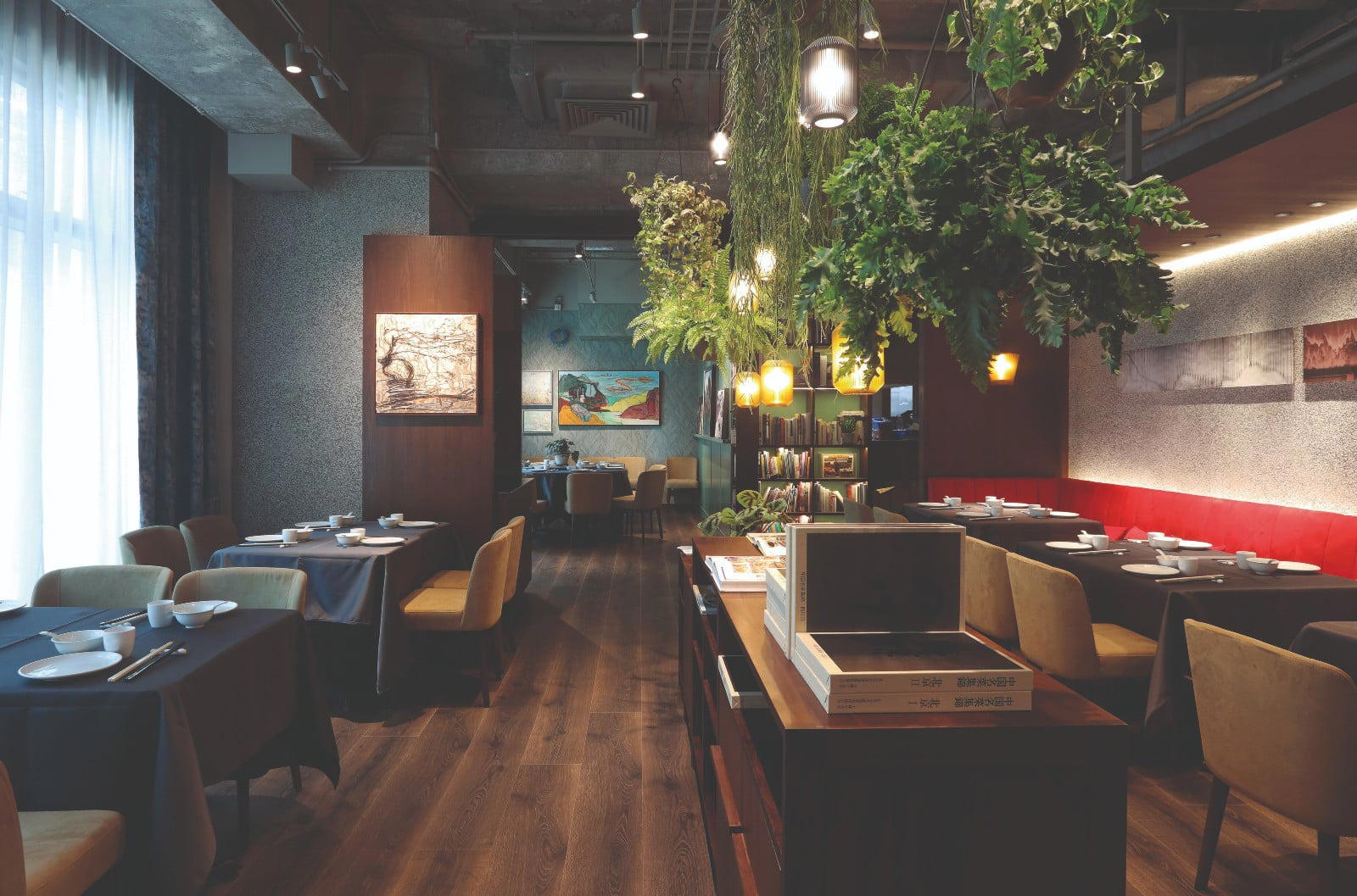
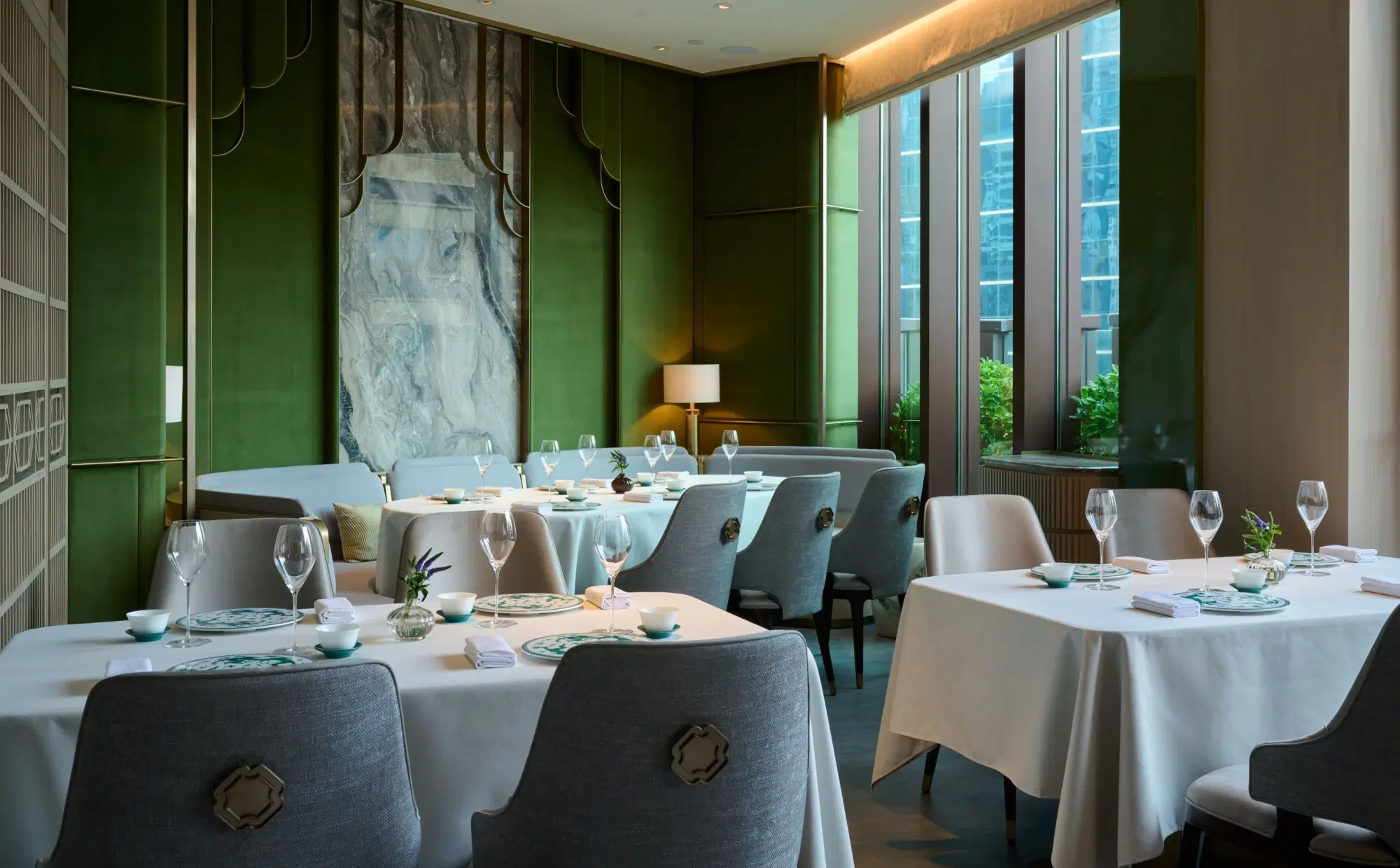
Bars in Central And Western
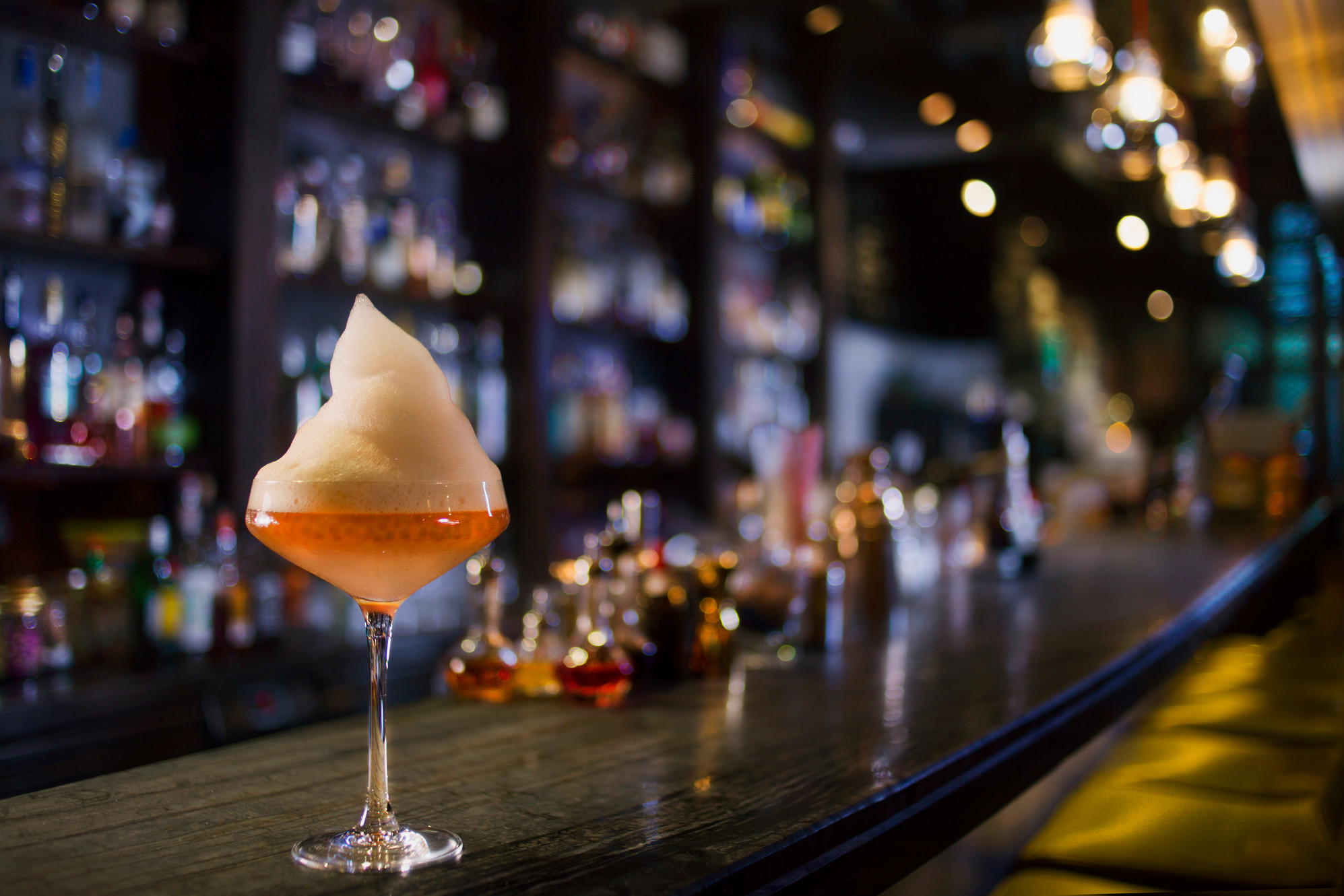
Browse all →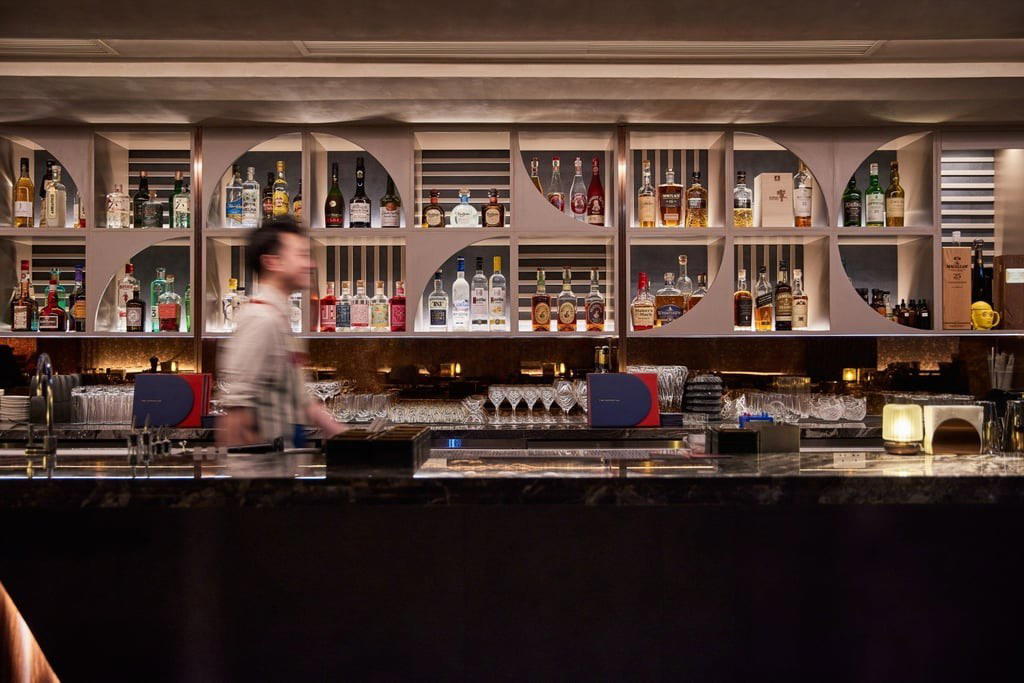
At a Glance
- Intimate
- Cozy
- Classic
- Elegant
- Casual Hangout
- Group Dining
- After Work
- Open Kitchen
- Standalone
- Local Sourcing
Current opening hours
- Monday
- 11:30 AM–3 PM, 5–11:30 PM
- Tuesday
- 11:30 AM–3 PM, 5–11:30 PM
- Wednesday
- 11:30 AM–3 PM, 5–11:30 PM
- Thursday
- 11:30 AM–3 PM, 5–11:30 PM
- Friday
- 11:30 AM–3 PM, 5–11:30 PM
- Saturday
- 11:30 AM–3 PM, 5–11:30 PM
- Sunday
- 11:30 AM–3 PM, 5–11:30 PM
Hours can change for holidays and private events. Last verified .
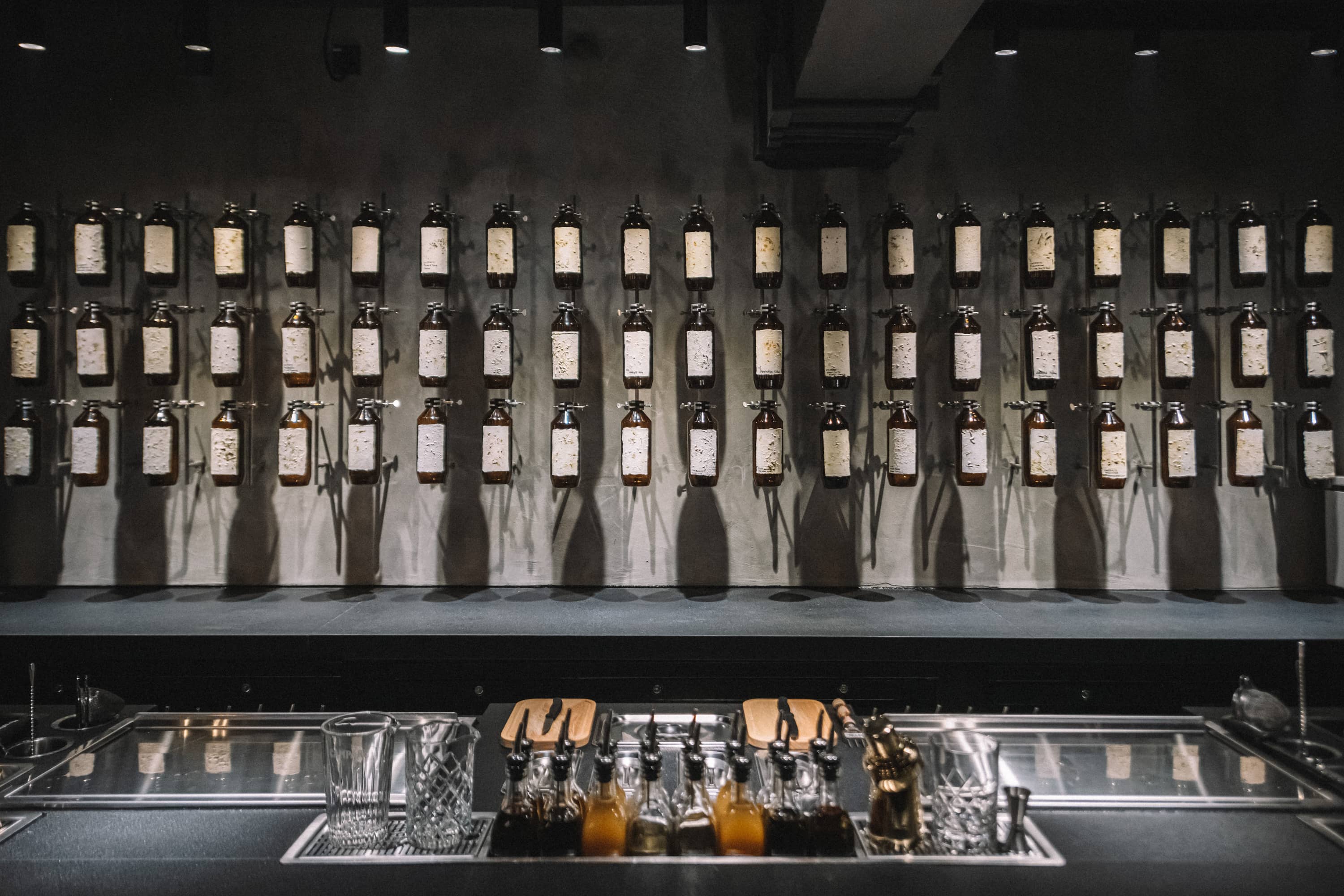
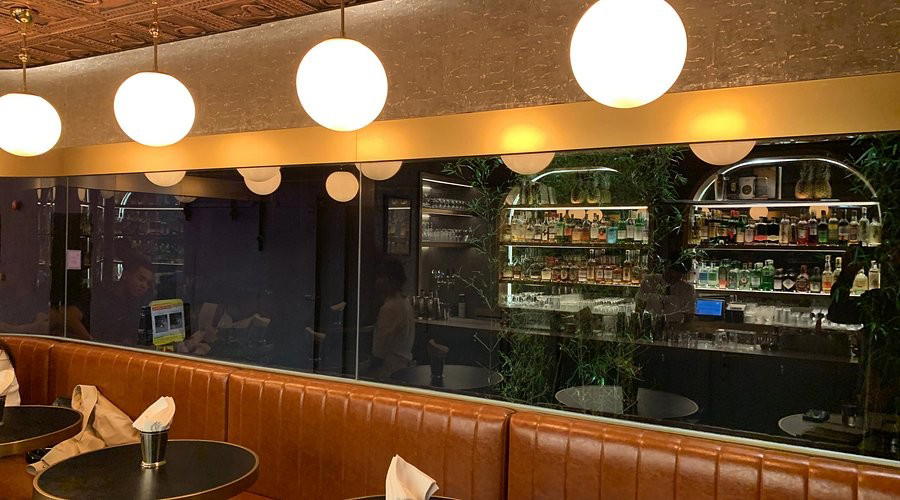
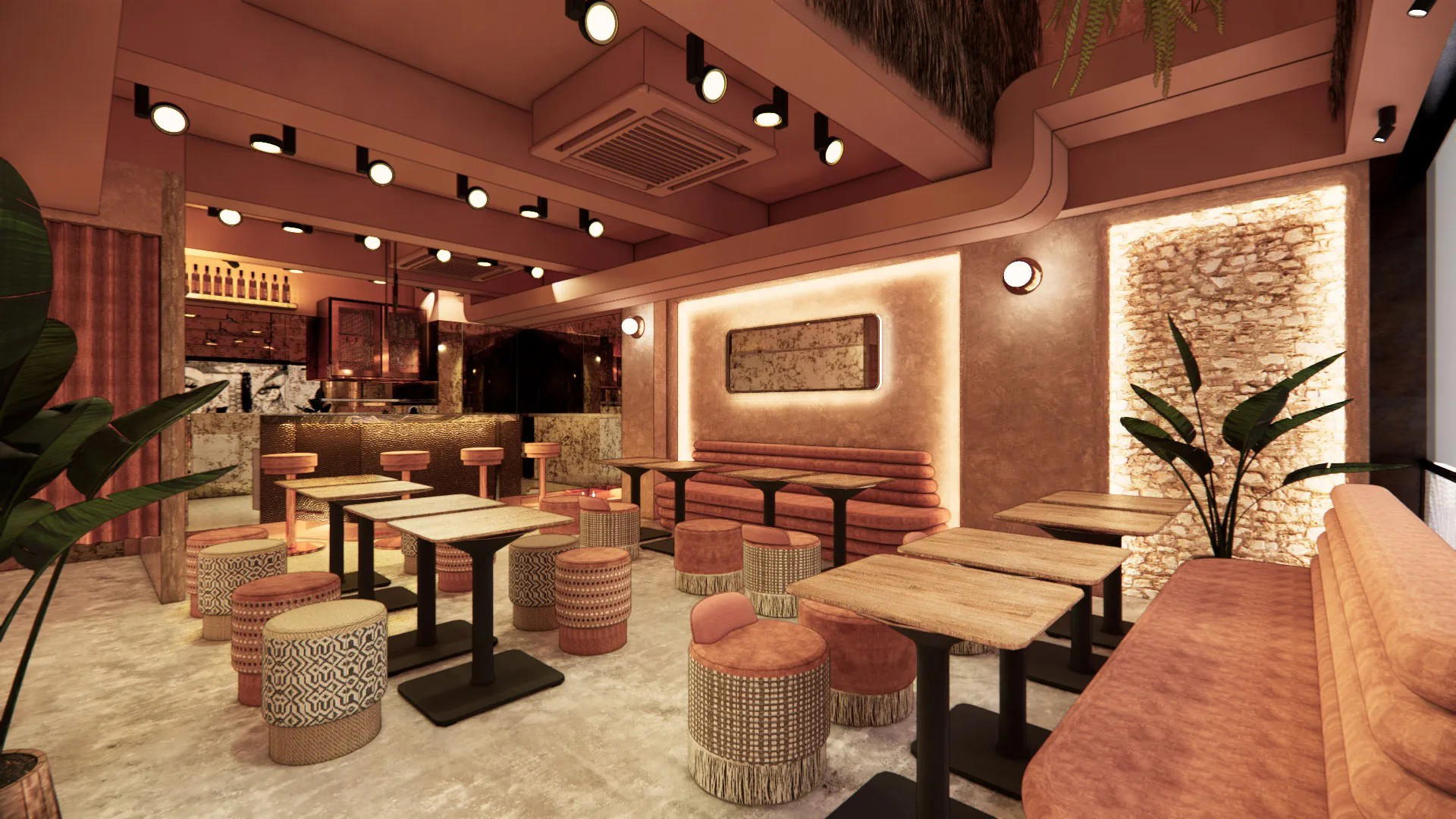
Dim-lit, intimate venue with burnished red walls and dark wood furniture creating warmth; simple traditional Chinese decor mixed with contemporary elements.