In Happy Valley, away from the tourist-facing dim sum operations of Central and Tsim Sha Tsui, Dim Sum and the Art of Chinese Tidbits operates on the rhythms of a residential neighbourhood rather than the incentives of footfall. The address on Sing Woo Road places it inside a community that eats dim sum as routine rather than occasion, which shapes both the pace and the expectations at the table.
- Address
- 63 Sing Woo Rd, Happy Valley, Hong Kong
- Phone
- +852 2834 8893
- Directions
- Get directions
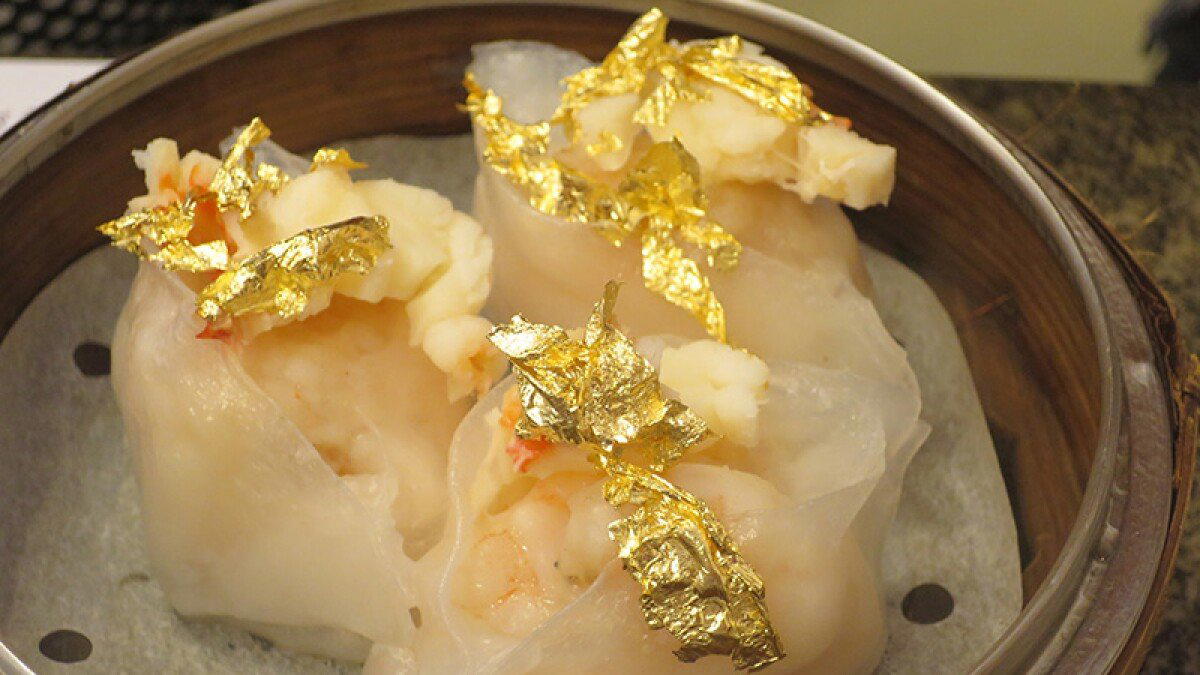
Happy Valley and the Dim Sum Tradition Away from the Centre
Hong Kong's dim sum culture divides cleanly between two modes. The first is the large-format, hotel-adjacent or harbour-view operation that prices against international visitors and delivers accordingly: polished carts, laminated picture menus, and a service cadence calibrated for turnover. The second mode operates inside residential neighbourhoods, where the regulars arrive before 9am, order from memory, and expect the kitchen to know which har gow skin should be thinner than the one served two streets over. Sing Woo Road in Happy Valley belongs firmly to the second category, and Dim Sum and the Art of Chinese Tidbits sits inside that tradition.
Happy Valley is not where Hong Kong's Michelin-tracked fine dining concentrates. That conversation happens in Central, where Caprice and Amber hold court, or in the upper floors of IFC, where 8 1/2 Otto e Mezzo Bombana operates in the city's premium international dining tier. The neighbourhood instead carries the character of a place where people actually live: the racecourse at its centre, the tram line along Wong Nai Chung Road, low-rise residential blocks above the shops. Eating here is a local act, and that context shapes what a dim sum house on Sing Woo Road is expected to deliver.
What the Neighbourhood Demands from a Dim Sum Kitchen
The Cantonese yum cha tradition is among the more technically demanding in Chinese cuisine, a point that gets obscured when the format is reduced to tourist shorthand. A properly made cheung fun requires rice noodle sheets rolled to order and served before they turn dense. Char siu bao, both the baked and the steamed version, lives or dies by the ratio of fat to lean in the filling and the timing of the dough's fermentation. Lo mai gai, the lotus-wrapped sticky rice, should carry enough fragrance from the leaf that unwrapping it at the table is half the experience. These are not details that high-volume tourist operations consistently deliver, because consistency at scale requires compromises the regulars at a neighbourhood table would notice immediately.
That accountability is the structural advantage of a residential address. The diners at Dim Sum and the Art of Chinese Tidbits are not one-time visitors absorbing an experience to photograph; they are the same tables returning the following Sunday, and the Sunday after that. In Cantonese dining culture, that loyalty is conditional on quality that doesn't drift. For context on how neighbourhood-driven Cantonese cooking has historically been tracked by critics and institutions, Forum in Causeway Bay represents one end of that tradition at its most formally recognised point.
Dim Sum Across Hong Kong's Districts
Part of what makes Happy Valley a credible address for this kind of eating is its separation from the incentive structures that distort quality elsewhere. The former tourist-magnet end of the harbour dining spectrum is illustrated by the trajectory of the Former Jumbo Floating Restaurant in Aberdeen, which became more famous as a spectacle than as a kitchen. Neighbourhood dim sum operations carry none of that burden: their reputation is local, their competition is the teahouse two blocks away, and their audience already knows the difference.
Hong Kong's outer districts sustain their own serious dim sum cultures. Lei Garden in Sha Tin demonstrates how the tradition extends well beyond the urban core, maintaining consistent standards across a format that scales. In the west, Chin Sik in Tsuen Wan operates within its own residential context, as does Hoi Tin Garden in Tuen Mun. The diversity across these districts is not incidental: it reflects the degree to which dim sum is a genuinely distributed civic institution in Hong Kong, not a centralised attraction.
Within the core, Happy Valley occupies a particular position. It is close enough to Central and Wan Chai to draw diners who make the short trip specifically, but far enough from the tourist infrastructure that the clientele skews local. That skew matters for the experience at the table. The pace is set by the kitchen, not by a tour group itinerary, and the menu assumptions are Cantonese rather than translated for non-Chinese speakers.
Placing This Against Hong Kong's Broader Dining Range
The city's fine dining tier, represented by operations like Ta Vie with its Japanese-French approach, operates on a completely different axis from a neighbourhood dim sum house. Both are serious about craft; the comparison is not hierarchical. What separates them is the register of the experience. At the upper end of Hong Kong's restaurant spectrum, the interaction is curated and the setting formal. At a Sing Woo Road dim sum table on a Sunday morning, the experience is collective, loud in the right ways, and entirely indifferent to performance. The tea arrives without ceremony because it has always arrived without ceremony.
For visitors building a Hong Kong itinerary that captures more than the Michelin-mapped tier, AMMO in Central and Western and Le Salon de Thé de Joël Robuchon at ifc mall represent two reference points for the city's more formal daytime eating. A morning at Dim Sum and the Art of Chinese Tidbits sits in a different register entirely: it is Hong Kong eating for its own purposes, not for an audience.
Readers building a wider picture of the city's eating across districts can refer to our full Hong Kong restaurants guide, which covers the range from neighbourhood operations to the upper tiers. For context on how the city's more casual but serious eating extends across its outer districts, the guides to Block 18 Doggie's Noodle in Yau Tsim Mong, King Of Soybeans in Wong Tai Sin, and Habib's Indian and Middle Eastern Food in Kwun Tong map the geographic breadth of the city's serious eating outside its centre. International comparisons in the premium dining space, for readers tracking how Hong Kong's formal tier measures against global peers, include Le Bernardin in New York and Lazy Bear in San Francisco, though those conversations belong to a different tier from a Happy Valley dim sum house.
Planning a Visit
The address is 63 Sing Woo Road, Happy Valley. The neighbourhood is accessible by tram from Wan Chai, which remains one of the more practical approaches from the central districts. Dim sum in Hong Kong is conventionally a morning and early afternoon format, with most serious kitchens operating from early morning through to mid-afternoon; arriving before the late morning rush is standard practice for those who want full selection from the kitchen.
- siu mai
- har gow
- char siu bao
- sticky pork buns
- panfried shrimp and chive dumplings
- lobster and shrimp dumplings
- fried rice rolls
Compact Comparison
Comparable venues nearby, for context on price, style, and recognition.
| Venue | Cuisine | Price | Notes |
|---|---|---|---|
| Dim Sum and the Art of Chinese TidbitsThis venue — the venue you are viewing | Wan Chai, Traditional Cantonese Dim Sum | $$ | Not listed |
| Rte Twisk | Not listed | $$ | Tsuen Wan Northwest, Traditional Cantonese Dim Sum |
| Kam Wah Cafe | Mong Kok, Hong Kong Cha Chaan Teng | $ | Not listed |
| Chiu Hing Noodle House | Wan Chai, Teochew Fishball Noodles | $ | Not listed |
| Lau Sum Kee Noodle | Not listed | $ | Sham Shui Po East, Traditional Hong Kong Bamboo-Pressed Noodles |
| Hoi Kwong Seafood Restaurant (海港食家) | Not listed | $$ | Ap Lei Chau, Traditional Cantonese Seafood |
Continue exploring
More in Hong Kong
Restaurants in Hong Kong
Browse all →
Bars in Hong Kong
Browse all →
At a Glance
- Classic
- Cozy
- Lively
- Group Dining
- Casual Hangout
- Family
- Standalone
- Historic Building
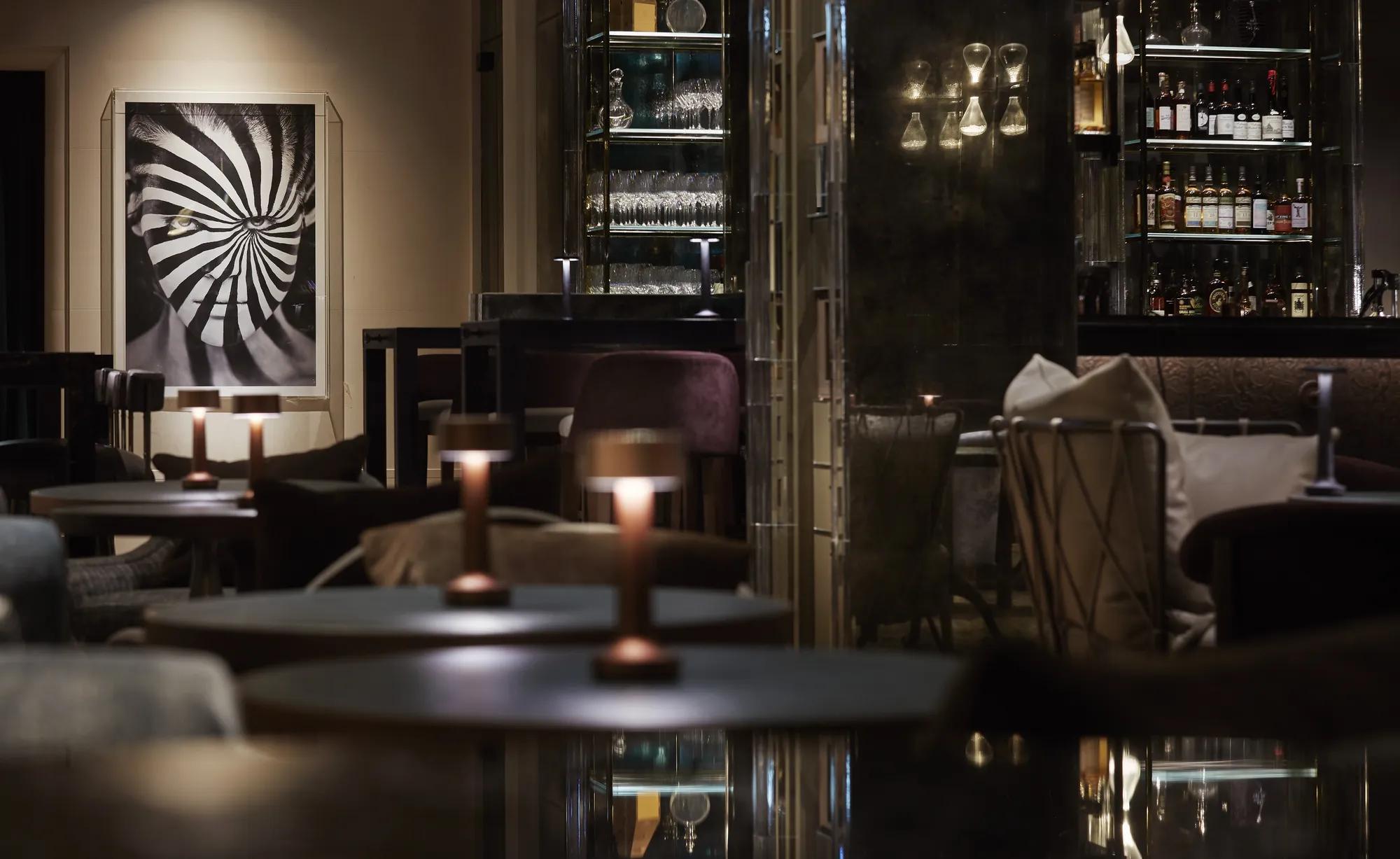
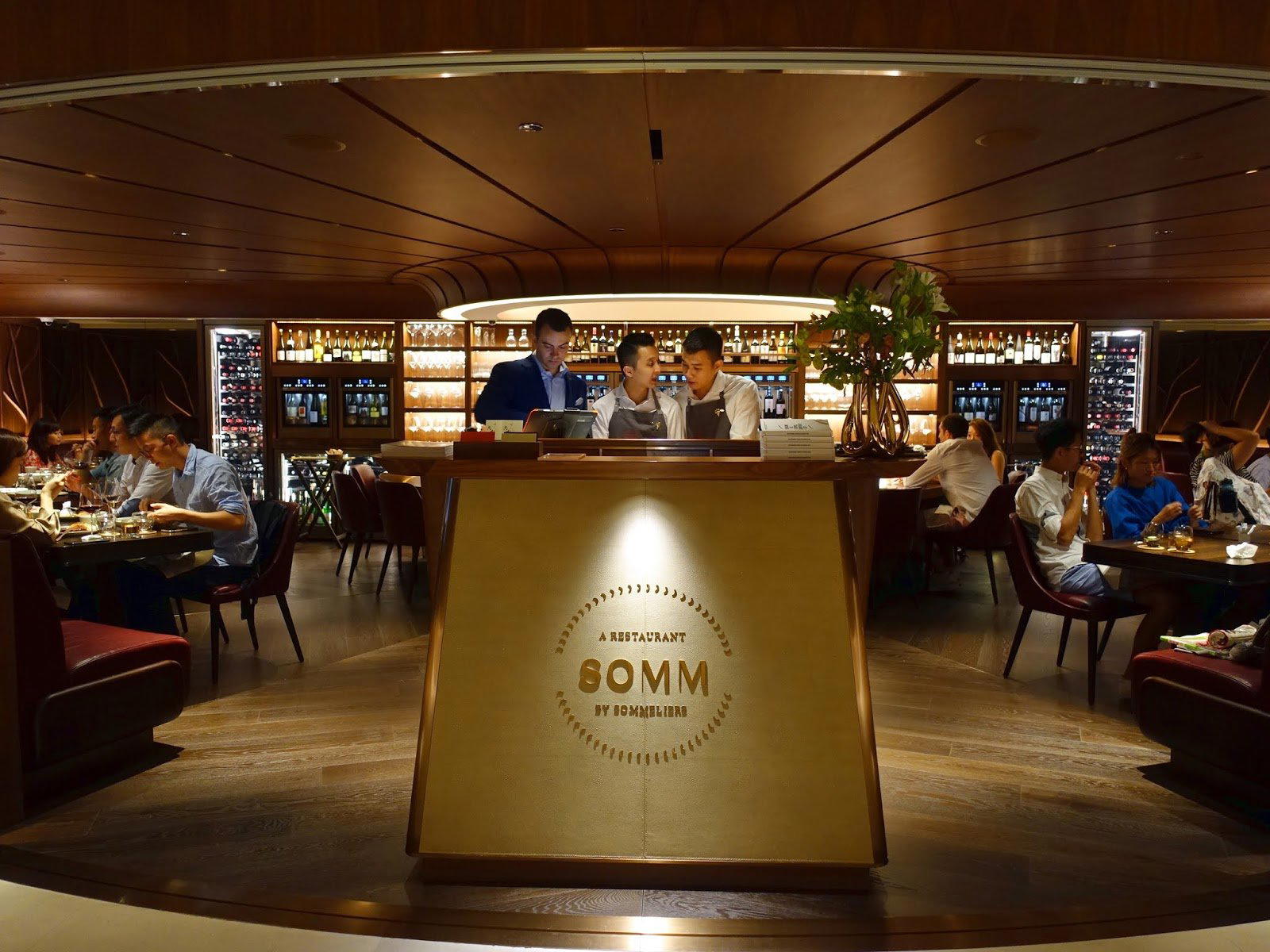
Cozy 1950s Shanghai café atmosphere with snug wooden booths under vintage movie posters; casual, noisy, and social dining environment typical of traditional dim sum culture.