Sai Kung Sing Kee sits on Sai Kung Tai Street in one of Hong Kong's most celebrated seafood districts, where the catch comes off the water and onto the wok within hours. The restaurant operates in a neighbourhood defined by its relationship with the South China Sea, placing ingredient freshness at the centre of every plate. For visitors making the trip east from the urban core, it represents the district's direct but serious approach to Cantonese seafood cooking.
Pearl is the En Primeur Club membership app — saves, bookings, and concierge access live there. Same editors, same standards.
- Address
- Hong Kong, Sai Kung, Sai Kung Tai St, 33-39號號 地下
- Phone
- +85227919887
- Website
- singkee.hk
- Directions
- Get directions
 Saves & bookings on Pearl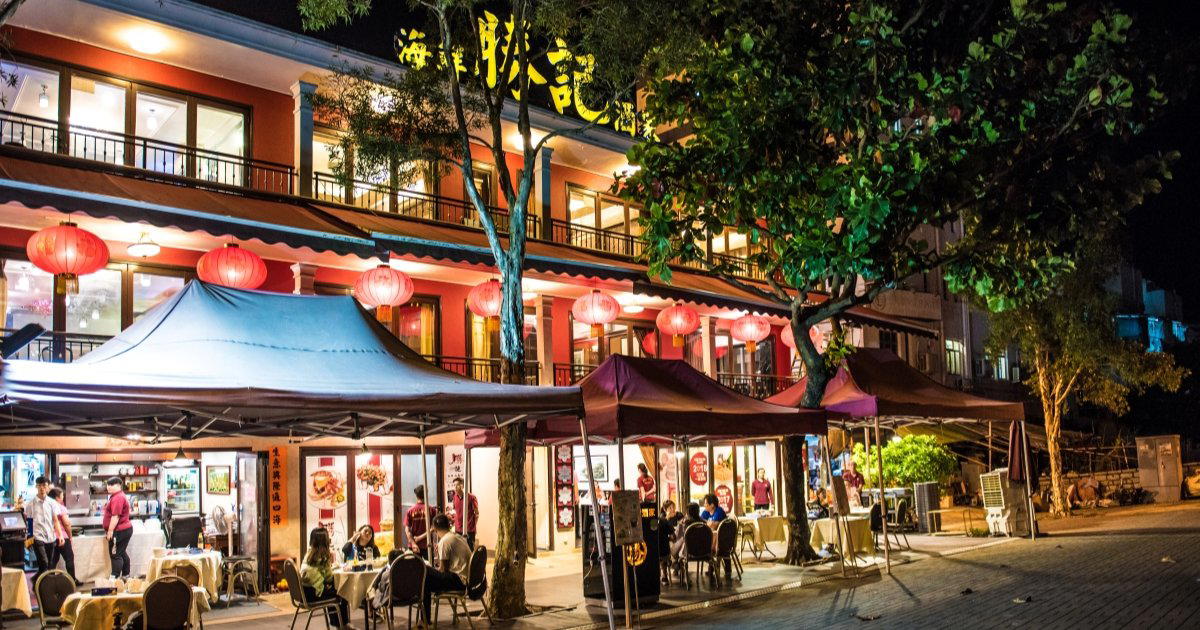
Where the Harbour Feeds the Kitchen
Sai Kung's waterfront has long functioned as a working counterpoint to Hong Kong's urban restaurant scene. The promenade along the town's harbour is lined with tanks, live fish, crab, shellfish, sea cucumber, where the transaction between fishing boat and kitchen happens in plain sight. It is how Cantonese coastal cooking has always organised itself: ingredient first, technique second, presentation a distant third. Sai Kung Sing Kee, on Sai Kung Tai Street, operates within that framework. The street runs parallel to the waterfront, close enough that the sourcing logic is almost architectural.
Compared to the dining of Central or Wan Chai, where restaurants like 8 1/2 Otto e Mezzo Bombana and Gaia operate at a higher price tier, Sai Kung's seafood houses occupy a different category entirely. The premise here is proximity to supply, not cellar depth or chef pedigree. The competitive set is other waterfront seafood restaurants in the same district, and the differentiators are the quality of the day's catch and the kitchen's ability to handle it cleanly.
The Sourcing Logic Behind the Menu
Cantonese seafood cooking at this level is, in essence, an argument about ingredient sourcing. The canon of techniques, steaming with ginger and scallion, stir-frying in black bean sauce, braising with fermented tofu, are deliberately restrained, designed not to obscure the primary material but to amplify it. When a garoupa or mantis shrimp has arrived from the South China Sea that morning, a long-cooked sauce would be a waste. The cooking exists to honour the supply chain, not to compensate for its absence.
This is the structural difference between Sai Kung's restaurant culture and the polished, produce-independent kitchens of Hong Kong's central districts. Places like the former Jumbo Floating Restaurant in Aberdeen carried the visual drama of waterfront dining without necessarily the same proximity to day-boat catch. Sai Kung's restaurants, including Sing Kee, operate with a tighter, less theatrical relationship to the harbour, the tanks outside the door are the menu, not a prop.
Elsewhere in Hong Kong's New Territories, restaurants like Hoi Tin Garden in Tuen Mun and Lei Garden in Sha Tin represent different expressions of Cantonese cooking at comparable distances from the urban core. Sha Tin's Lei Garden is a polished, award-tracked operation. Sai Kung's seafood houses work from an entirely different premise: the quality signal is in the tank, not the trophy case.
Arriving in Sai Kung
Getting to Sai Kung from central Hong Kong requires commitment. The MTR does not reach the town directly; most visitors take the Mass Transit Railway to Diamond Hill or Choi Hung and transfer to a green minibus or taxi for the remaining stretch east into the Sai Kung peninsula. The journey from Kowloon depends on traffic, which on weekend afternoons can extend considerably. That friction is partly what preserves the character of the place. Sai Kung has not become the kind of destination that absorbs unlimited visitor volume without changing. It remains a functioning town with a fishing harbour, and the restaurants on Sai Kung Tai Street reflect that.
Arriving on a weekday gives a cleaner read of how the district operates. The tanks along the waterfront promenade are restocked in the mornings, and the lunch service at seafood houses draws a local crowd rather than the mixed weekend traffic. For those making the trip from Hong Kong Island, the contrast with the high-compression dining of Causeway Bay or the international polish of Central is considerable. This is a different register of the city's eating culture, and it reads more clearly on a Tuesday than a Saturday.
Cantonese Seafood in Context
The broader Hong Kong dining conversation tends to centre on Michelin-tracked restaurants, hotel dining rooms, and the international formats that have taken root across the central districts. That conversation is real and worth tracking, venues like Le Bernardin in New York and Alain Ducasse's Louis XV in Monte Carlo represent the kind of formal seafood and tasting-menu ambition that Hong Kong's top tier aspires to match. But Cantonese coastal cooking in the New Territories runs on entirely different logic, and the comparison is not relevant.
What Sai Kung Sing Kee sits inside is a tradition of place-specific cooking that prioritises the harbour's daily output above all else. The techniques are inherited and consistent. The variation comes from what the sea provides on a given day, and the kitchen's job is to execute cleanly against whatever that is. In that sense, the restaurant is less a creative enterprise than a reliable mechanism for converting notable raw material into competent, direct Cantonese cooking. For visitors accustomed to tasting menus and chef-driven narratives, that reorientation takes a moment. Once adjusted, it is a convincing argument for a different kind of restaurant value.
For more on how Sai Kung fits into Hong Kong's wider dining geography, see our full Sai Kung restaurants guide. Other New Territories and outer district eating worth tracking includes One-ThirtyOne in Tai Po and King of Soybeans in Wong Tai Sin. For those exploring further across the territory, Habib's in Kwun Tong, Coconut Soup in Yau Tsim Mong, I Love Istanbul in Tsuen Wan, and Gangstas in the Islands each represent a distinct district register worth knowing. For contrast with highly produced tasting-format dining, Lazy Bear in San Francisco, Atomix in New York, and Alinea in Chicago show how different that end of the spectrum looks, while Emeril's in New Orleans offers a useful mid-point between chef-driven identity and place-rooted ingredient sourcing.
Planning Your Visit
Sai Kung Sing Kee is located at 33-39 Sai Kung Tai Street, the main commercial strip that runs through the town's centre. The address places it within walking distance of the waterfront promenade and the live seafood vendors, a layout that makes the sourcing chain visually legible. Reservations are recommended.
- Deep-fried abalone
- Grilled tiger prawns in Malaysian curry sauce
- Scallops with garlic and vermicelli
- Lobster noodles with cheese sauce
- Salt and pepper squid
- Steamed fish with ginger and scallion
- Crispy chicken
- Mantis shrimp
A Quick Peer Check
Comparable venues nearby, for context on price, style, and recognition.
| Venue | Cuisine | Price | Notes |
|---|---|---|---|
| Sai Kung Sing KeeThis venue — the venue you are viewing | Cantonese Seafood | $$$$ | Not listed |
| Lai Ching Heen (Regent Hong Kong) | Cantonese Chinese Fine Dining | $$$$ | Tsim Sha Tsui |
| Hutong | Northern Chinese Fine Dining | $$$$ | Yau Tsim Mong South |
| Mott 32 | Modern Cantonese with Shanghai & Beijing Influences | $$$$ | Central |
| SoftBank Private Kitchen | Classic Cantonese Fine Dining | $$$$ | Central |
| Hoi King Heen | Modern Cantonese & Hakka Fine Dining | $$$$ | Yau Tsim Mong South |
At a Glance
- Elegant
- Scenic
- Sophisticated
- Group Dining
- Family
- Casual Hangout
- Celebration
- Waterfront
- Open Kitchen
- Terrace
- Beer Program
- Sustainable Seafood
- Local Sourcing
- Waterfront
Current opening hours
- Monday
- 11:30 AM–10 PM
- Tuesday
- 11:30 AM–10 PM
- Wednesday
- 11:30 AM–10 PM
- Thursday
- 11:30 AM–10 PM
- Friday
- 11:30 AM–10 PM
- Saturday
- 11:30 AM–10 PM
- Sunday
- 11:30 AM–10 PM
Hours can change for holidays and private events. Last verified .
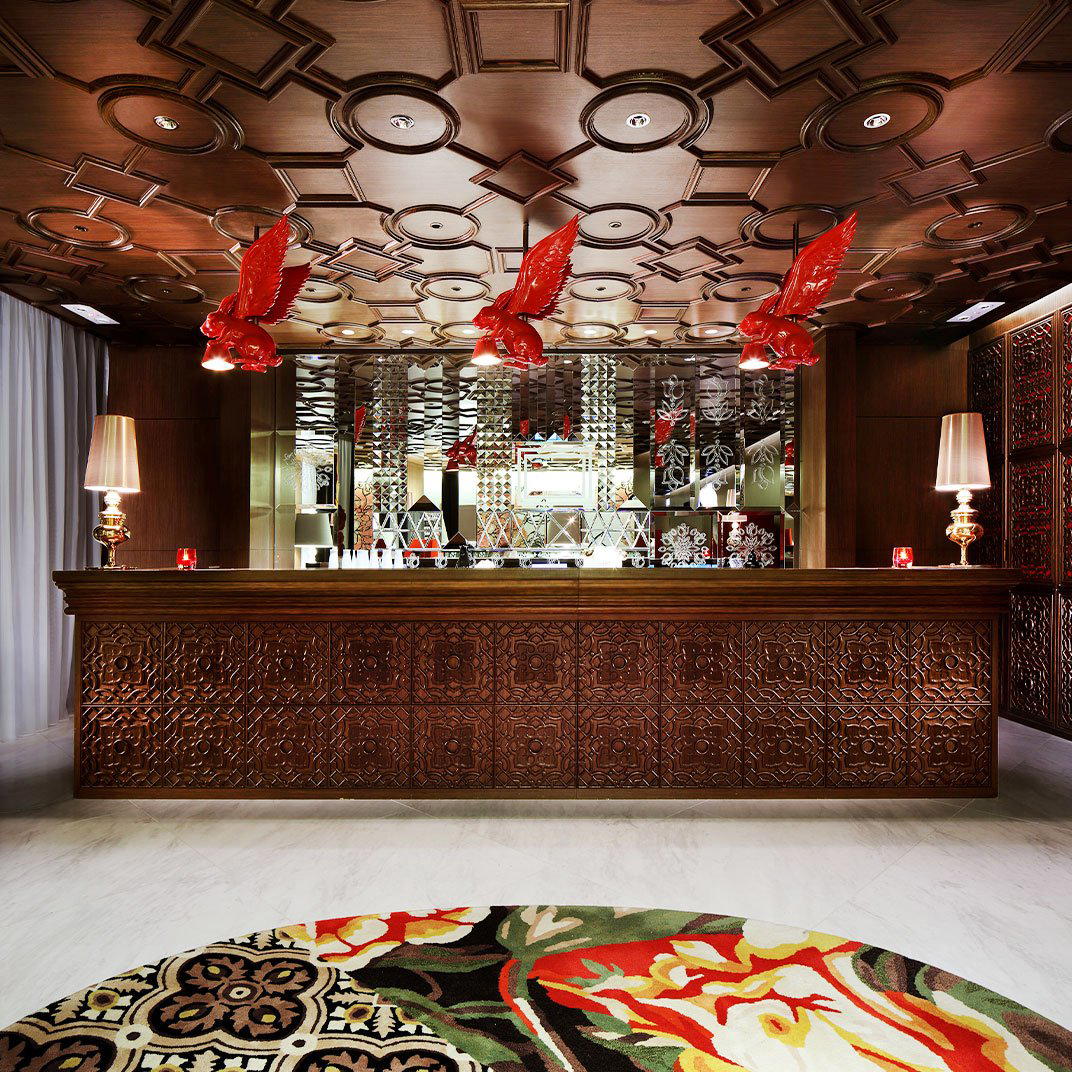
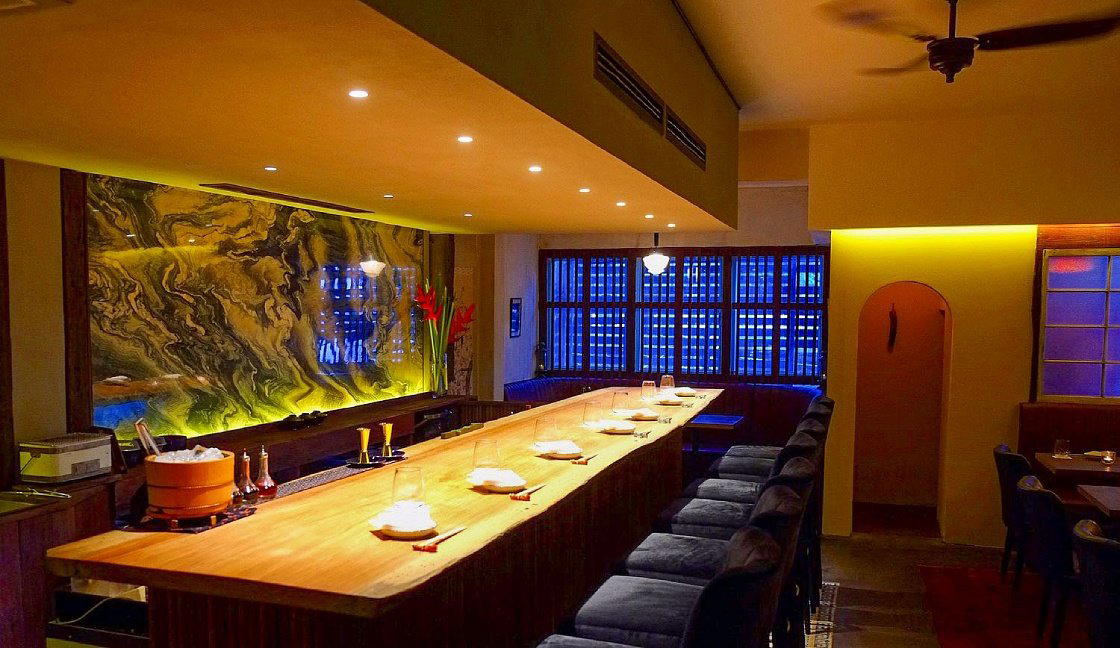
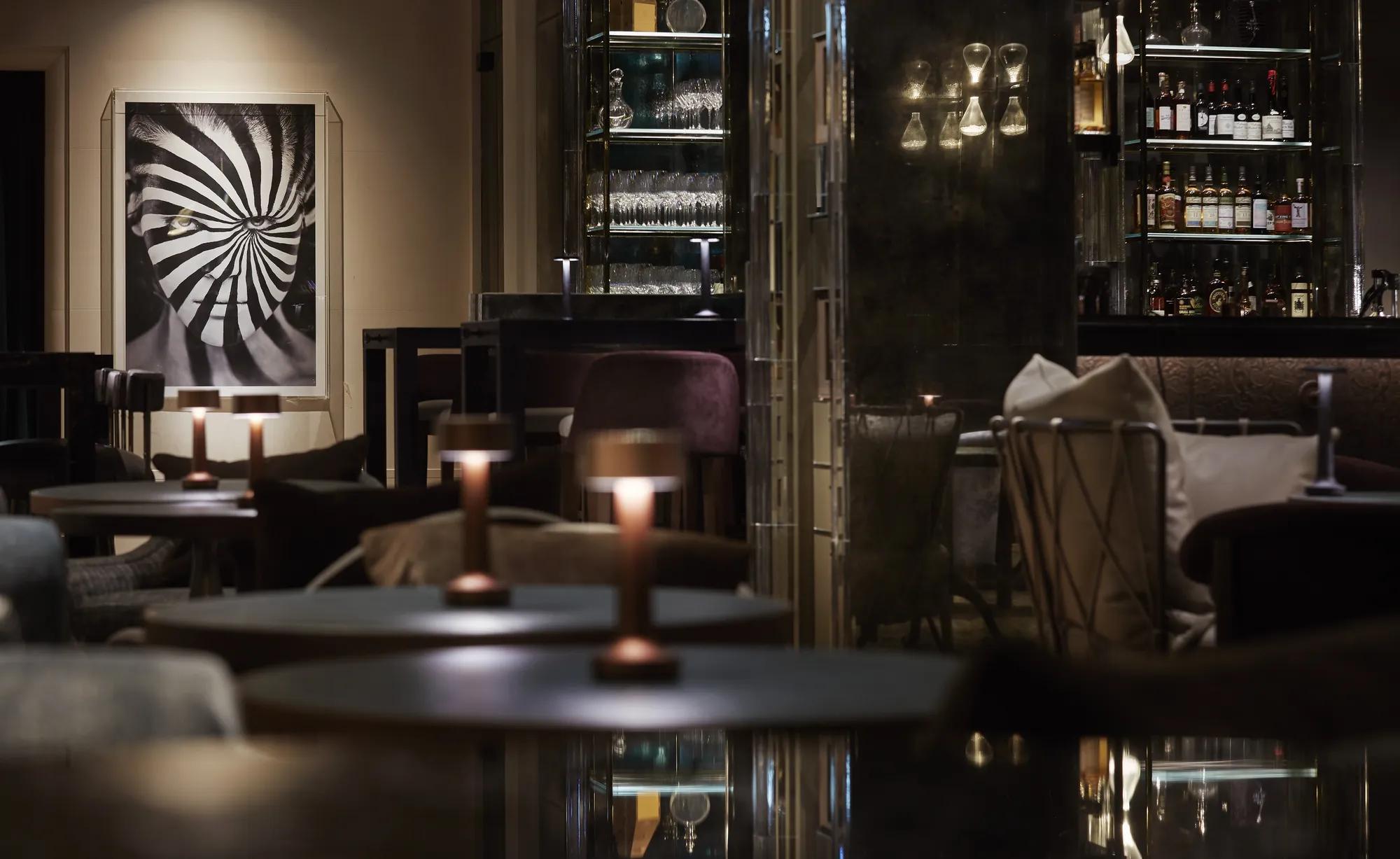
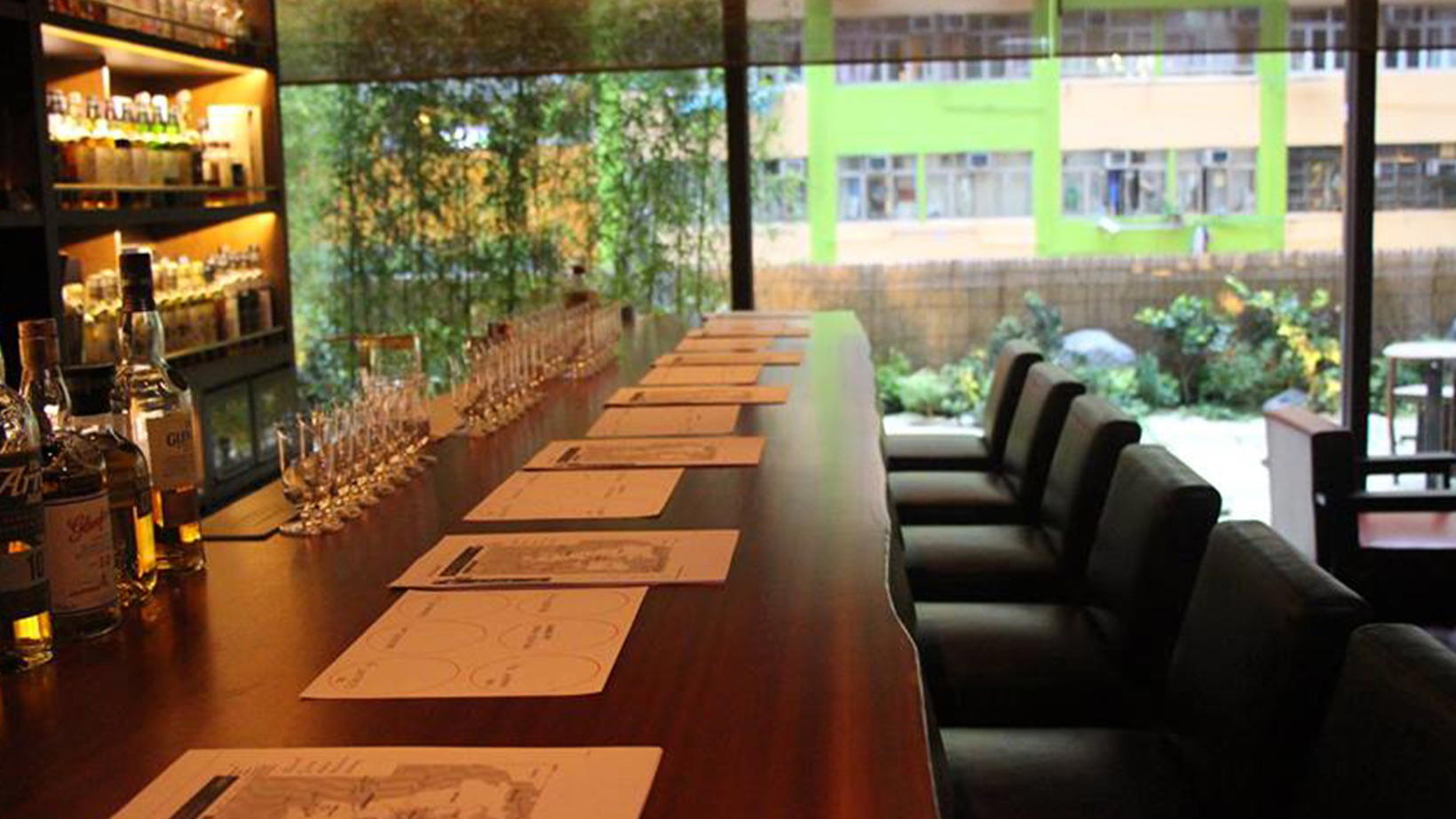
Bright, tidy spot with crimson facade and waterfront setting; casual yet refined atmosphere with traditional Cantonese charm and a few outdoor tables overlooking the water.