
Ramen Yoshichi Katata ten gives Otsu’s ramen scene a low-cost, high-signal address in Katata, with ramen, tsukemen and dumplings priced in the sub-¥1,000 bracket. Its repeated Tabelog Ramen WEST 100 selections in 2023, 2024 and 2025 place it among Kansai’s more closely watched noodle counters without turning the experience formal.
Pearl is the En Primeur Club membership app — saves, bookings, and concierge access live there. Same editors, same standards.
- Address
- 滋賀県大津市今堅田2-40-25
- Phone
- +81775744747
- Website
- yoshichi.jp
 Saves & bookings on Pearl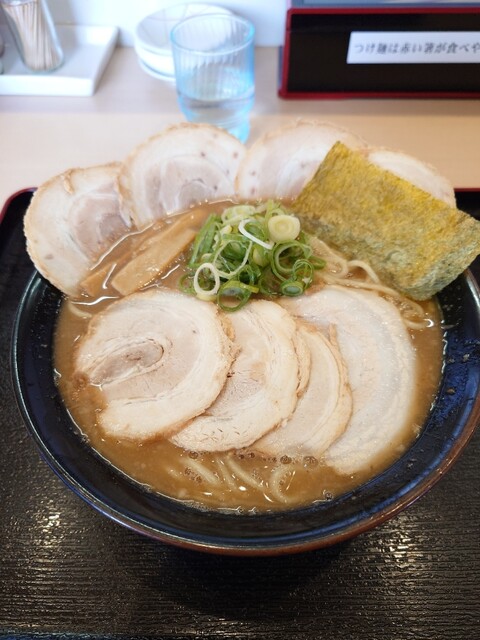
Katata is not the postcard side of Otsu. North of the city’s better-known temple and lakeside circuits, the neighbourhood feels practical: local traffic, train commuters, family errands, and a food culture built around repeat use rather than occasion dining. That setting matters for ramen. In Japan, the genre rewards concentration and turnover more than ceremony, and Ramen Yoshichi Katata ten fits that register: counter seats, tables, take-out, no private rooms, and a menu centred on ramen, tsukemen and dumplings rather than a chef’s tasting script.
The larger point is sourcing discipline at an everyday price. Ramen houses live or fail on components that rarely read as luxury on paper: soup base, tare, noodle texture, fat management, and the small supporting dishes that turn a bowl into a routine meal. In Otsu, where Lake Biwa tourism can pull attention toward kaiseki and sweets, a sub-¥1,000 ramen counter with sustained regional recognition says something different about the city’s dining character. It is not chasing destination theatrics. It is part of the working grammar of Kansai noodle culture.
Katata ramen, priced for routine rather than ceremony
Otsu’s dining range is wider than many Kyoto-bound travellers notice. The city can move from kaiseki at Hirasansou (Kaiseki) to lake-country chicken cooking at Jidoriya Onza, from long-established sweets at Miidera Chikara Mochi Honke to more formal Japanese rooms such as Korakuan. Ramen sits in another lane: faster, cheaper, and more dependent on immediate technical clarity than on course progression.
Ramen Yoshichi Katata ten’s category spread is narrow in the right way. Ramen, tsukemen and dumplings keep the kitchen inside the noodle-shop frame, while take-out and children-welcome status point to a neighbourhood audience as much as visiting ramen followers. The 16-seat layout, including counter seating and small tables, also reflects a format designed for solo diners and small groups rather than lingering parties. That scale matters because ramen quality is tightly linked to rhythm: noodles are cooked to order, soup needs consistency across service, and the room works when seats turn without making the meal feel rushed.
Price is part of the editorial signal. The listed average sits at ¥999 or below, with review-based spending in the ¥1,000 to ¥1,999 range. In a country where elite sushi and kappo can price visitors out of casual experimentation, ramen remains one of the clearest ways to read regional taste at low risk. Katata’s version of that equation is practical rather than theatrical: a small room, a focused menu, and a cost structure that encourages regular use.
Why Tabelog Ramen WEST recognition matters here
Tabelog’s Ramen WEST 100 list is not an official ranking of every ramen shop in western Japan, but selection carries weight because ramen is one of the platform’s most competitive categories. Ramen Yoshichi Katata ten was selected for the list in 2023, 2024 and 2025, and its Tabelog score is listed at 3.65. Those numbers should be read as scene evidence, not decoration. They place a modest Katata shop inside a regional conversation that includes far denser ramen markets across Kansai.
The comparison is useful because Otsu is not Osaka or Kyoto. It does not have the same volume of inbound diners hunting famous noodle counters, and that lower pressure can make the better local addresses feel less packaged. The city’s stronger food identity is often tied to lake geography, temple routes and old commercial streets, yet ramen has become a national vernacular precisely because it adapts to places like this: suburban stations, family tables, late meals, and lunch breaks. Yoshichi’s repeat listing suggests the shop has moved beyond local convenience into a broader quality tier while keeping the mechanics of a neighbourhood ramen room.
Ingredient sourcing is harder to discuss responsibly in ramen without inventing details, but the category itself is sourcing-sensitive. Broth depends on the quality and handling of its base ingredients; tsukemen magnifies noodle structure because the dipping format separates soup from noodle; dumplings expose whether a shop treats side dishes as filler or as part of the same kitchen discipline. The menu categories here tell the reader where to look. Order through that lens and the meal becomes less about novelty and more about execution across the staples.
How to place it within an Otsu itinerary
For travellers building a food day around Otsu, Katata changes the map. The station is listed as the nearest rail point, and the restaurant sits 510 metres from Katata on the JR West Kosei Line. That makes it more convenient for a northern Otsu plan than for a temple-heavy central itinerary. Parking is available, with 12 spaces listed, which is a meaningful advantage in a city where car movement often makes more sense than hopping between scattered dining addresses.
The practical rhythm is casual. Reservations are unavailable, payment is cash-oriented with cards, electronic money and QR payments not accepted, and the room is non-smoking. Hours are split between lunch and dinner service, with a listed closure on January 1 and irregular closing days. For visitors, that means the decision is less about securing a table weeks ahead and more about timing a small ramen room around peak meal periods.
Within EP Club’s Otsu coverage, this is the ramen counter to read alongside broader local dining rather than in isolation. Start with Our full Otsu restaurants guide for the city’s restaurant spread, then compare trip structure through Our full Otsu hotels guide, Our full Otsu bars guide, Our full Otsu wineries guide and Our full Otsu experiences guide. Nearby and related dining references include Chikasada and Jidoriya Onza; for a wider Japan dining contrast, see -Grilled beef Sukiyaki- KAMAKURA TANUKIAN 鎌倉 たぬき庵 in Kamakura. 鮪と炭火焼き うお炭 秋葉原店 in Tokyo.cafe in Osaka.know in Kumamoto, (Shoku) Vietnam in Kawasaki, [Curry Senmon Ten] Maruyama Kyoju. in Sapporo, Jōdo Saké Bar in Los Angeles and Onigiri Time in Pasadena.
- Tonkotsu ramen
- Shoyu ramen
- Tonkotsu tsukemen
- Seafood tonkotsu tsukemen
- Karaage set meal
- Limited pork bone tantan tsukemen
Side-by-Side Snapshot
Nearby venues at a similar price tier for orientation.
| Venue | Cuisine | Price | Notes |
|---|---|---|---|
| Ramen Yoshichi Katata tenThis venue — the venue you are viewing | Tonkotsu ramen shop | $ | Not listed |
| Miidera Chikara Mochi Honke | Traditional Japanese wagashi & cafe | $ | Hamaotsu |
| 相撲料理神雷 | Sumo Chanko Nabe | $$ | 三井寺 |
| Onza | Jidori Yakitori & Chicken Hot Pot | $$ | Mano, Otsu |
| Omi Gyu Senmon Ten Restaurant Matsukiya Honten | Omi Beef Steak and Sukiyaki | $$$ | Karahashicho |
| Teuchi Soba Sobaya Sumikura | Handmade soba & tempura | $$ | Otsu |
Recognition history
Dated appearances from independent guides and award organizations, with the underlying list record or original source where available.
Tabelog 100 #94 · No. 94
Tabelog · Tabelog 100 - Ramen - WEST - 2025
Continue exploring
More in Otsu
Restaurants in Otsu
Browse all →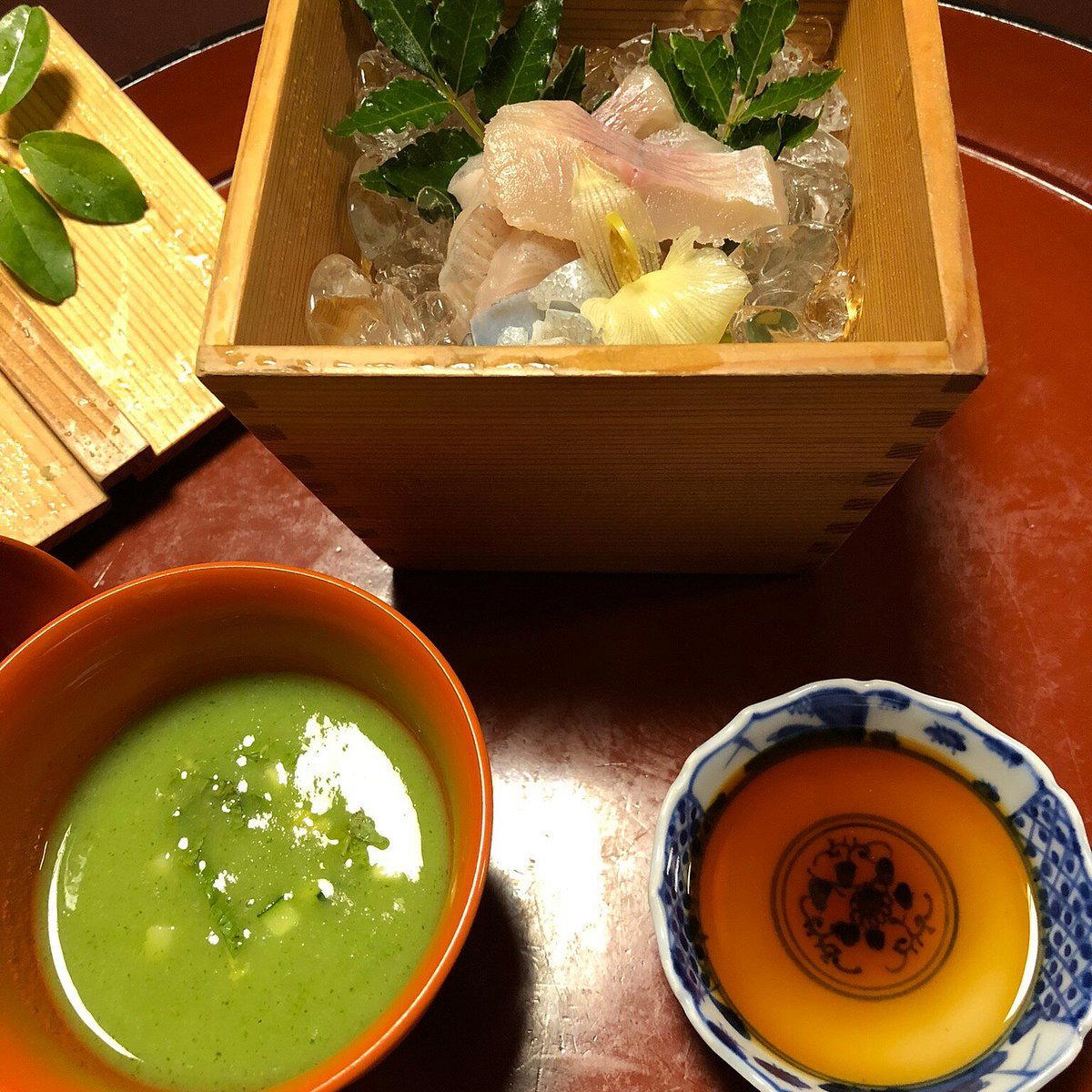
Bars in Otsu
Browse all →
Hotels in Otsu
Browse all →


Wineries in Otsu
Browse all →
At a Glance
- Lively
- Casual
- Cozy
- Solo
- Casual Hangout
- After Work
- Family
- Standalone
- Local Sourcing
A compact, casual neighborhood ramen shop with counter and small table seating, focused on quick, satisfying bowls in a simple, functional setting rather than elaborate decor.