
Otsu’s beef culture is not a Kyoto side note; Shiga has its own claim through Omi beef, one of Japan’s historic wagyu names. Omi Gyu Senmon Ten Omi Kadoman sits in the serious end of that conversation, pairing steak, sukiyaki and shabu shabu with Tabelog 100 Steak / Teppanyaki WEST recognition in 2025.
Pearl is the En Primeur Club membership app — saves, bookings, and concierge access live there. Same editors, same standards.
- Address
- 1 Chome-7-35 Central, Otsu, Shiga 520-0043, Japan
- Phone
- +81 50-2018-6015
- Website
- kadoman.net
- Directions
- Get directions
 Saves & bookings on Pearl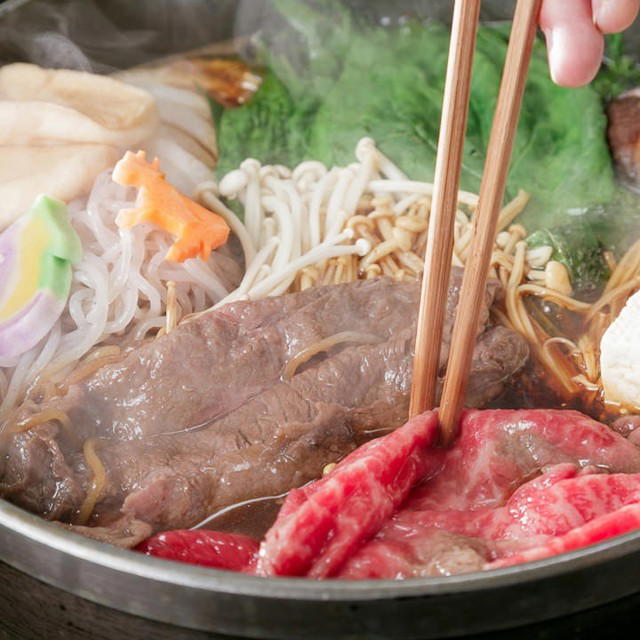
Central Otsu has a quieter rhythm than Kyoto’s dining districts, and that matters for beef. The city sits beside Lake Biwa, in a prefecture where Omi beef is not an imported luxury category but a local agricultural identity. In this setting, a specialist beef restaurant reads differently from a hotel teppanyaki counter or a tourist-market grill: the point is origin, cut, heat, broth and pace rather than spectacle.
Omi Gyu Senmon Ten Omi Kadoman belongs to that older Shiga grammar. The kitchen works across steak, sukiyaki and shabu shabu, three formats that put wagyu through different tests. Steak asks for surface heat and fat management. Sukiyaki pushes sweetness, soy and egg into the foreground. Shabu shabu is more exposing, because thinly sliced beef has less room to hide behind char. For travellers trying to understand Omi beef in its home prefecture, that range is the argument.
Omi beef in its own prefecture, not as a Kyoto detour
Japan’s three historic wagyu names are often discussed as luxury shorthand, but the regional difference is not academic. Omi beef comes from Shiga, and Otsu gives it a civic frame: close enough to Kyoto for a day trip, but culturally tied to Lake Biwa, local commerce and Kansai’s older beef traditions. A meal here is useful because it keeps the ingredient close to its source story rather than treating it as a generic premium label.
The restaurant’s selection for Tabelog 100 Steak / Teppanyaki WEST 2025 gives the room a credible place in western Japan’s steak and teppanyaki conversation. That is a different signal from Michelin-style fine dining; it points toward category strength, local demand and consistency inside a format where diners often compare beef houses by sourcing, doneness control and service cadence. The Tabelog score of 3.68 places it in a serious Japanese review ecosystem where small differences carry weight.
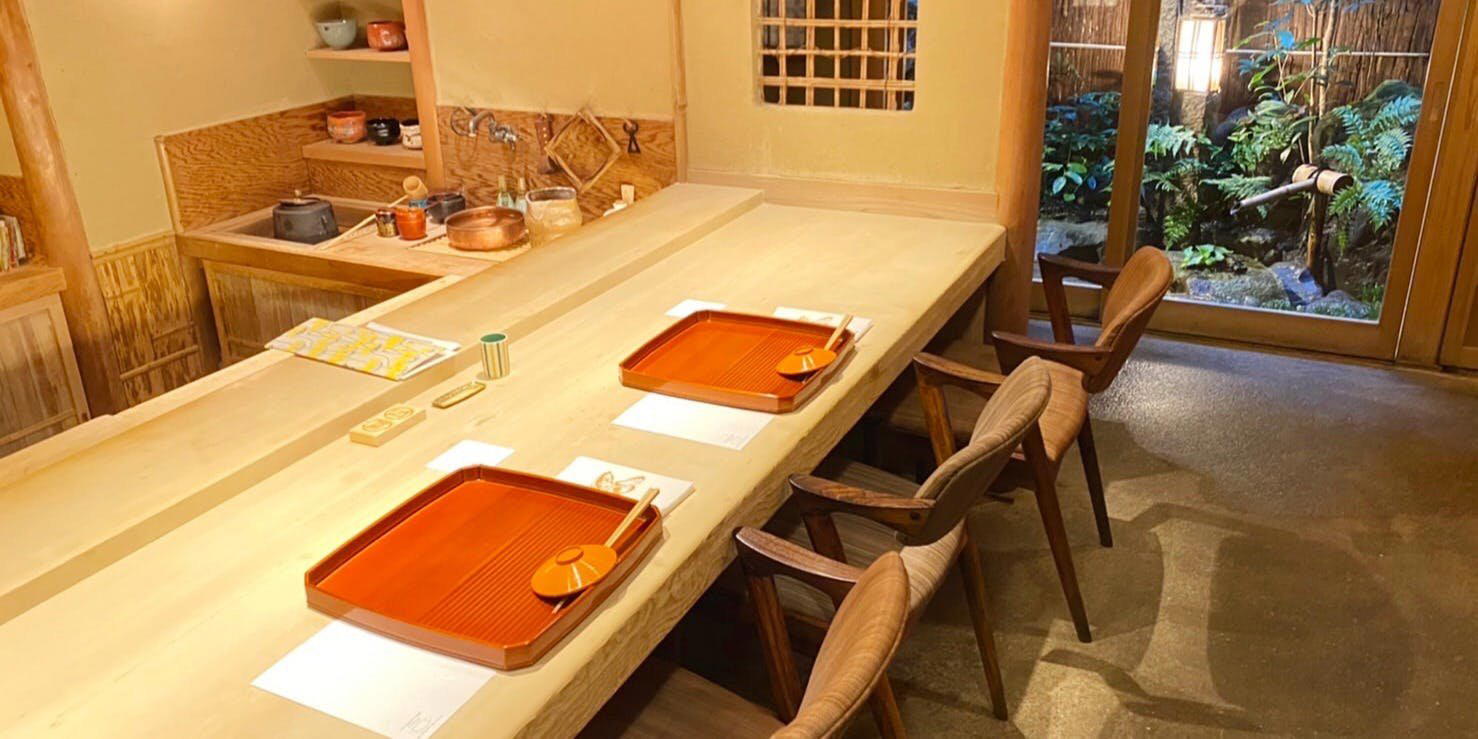
Within Otsu, the price tier also clarifies the decision. Chikasada and Hirasansou (Kaiseki) speak to other parts of Shiga dining, while Miidera Chikara Mochi Honke sits at the low-cost local-sweets end of the city’s food map. Beef at this level is a planned meal, not a casual stop between temple visits. For a broader view of where it fits, Our full Otsu restaurants guide is the better starting point.
Steak, sukiyaki and shabu shabu make the format broader than teppanyaki
Many premium wagyu meals narrow the experience to a counter and a griddle. Otsu’s appeal is that it allows a more domestic Japanese beef vocabulary to remain visible. Sukiyaki and shabu shabu are communal, table-centred formats, rooted as much in family meals and business hosting as in luxury dining. Steak brings the restaurant into the Tabelog Steak / Teppanyaki WEST category, but the hotpot formats are what make the place feel tied to Shiga rather than interchangeable with a metropolitan steakhouse.
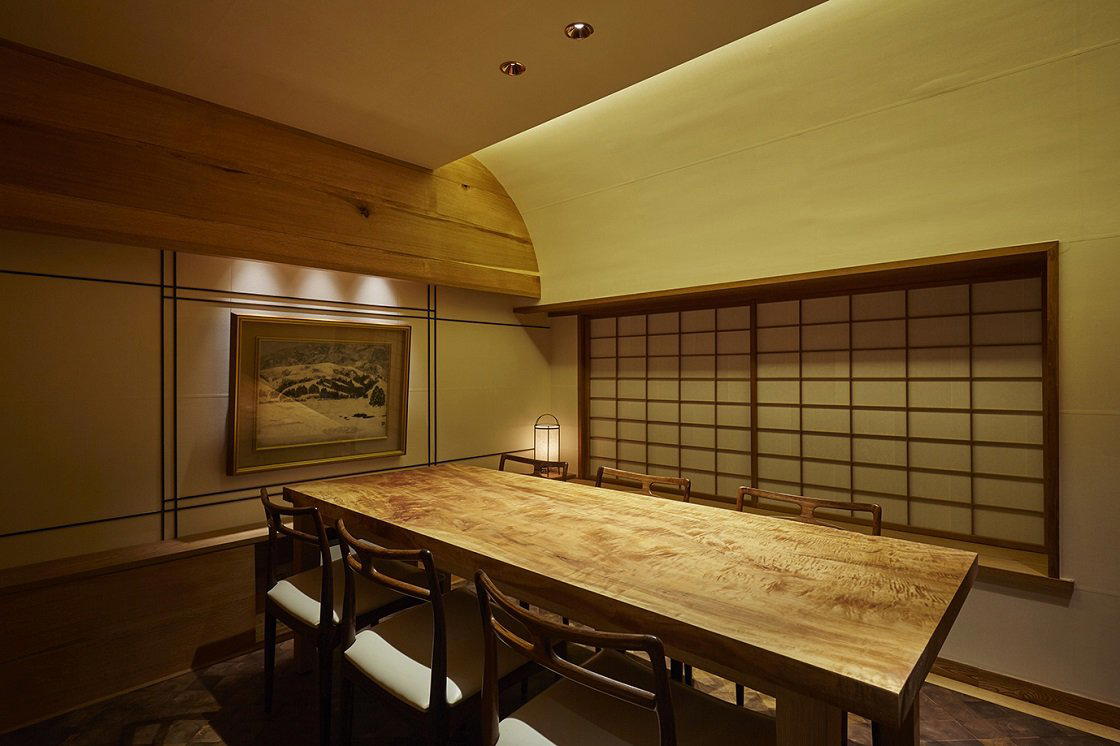
The room supports that broader use case. There are 110 seats, private rooms for small groups, tatami and sunken seating, and private use for larger parties. That scale changes the mood. This is not the hushed eight-seat counter model now common in Tokyo and Osaka luxury dining; it is closer to a regional special-occasion restaurant where business dinners, family gatherings and visitors can all use the same ingredient in different ways. Children are welcome, though the price level makes it better suited to a deliberate family meal than an easy refuelling stop.
There is a practical edge to the setting, too. The restaurant is in central Otsu, with Biwako-Hamaotsu as the nearest station and Otsu Station also within walking distance. Parking is unavailable, so rail access is the cleaner plan. The busiest window is listed as Fridays, Saturdays, Sundays and public holidays, which matches the restaurant’s role as a weekend and celebration address. Closed days fall midweek, so Kyoto-based travellers should not assume it works as a spontaneous detour.
How to read Otsu around the meal
Otsu rewards diners who do not treat it only as Kyoto overflow. The city’s restaurant map runs from long-established sweets to kaiseki, soba, chicken and beef, with Lake Biwa shaping both the tempo and the visitor pattern. Jidoriya Onza, Korakuan and local soba rooms form a lower-key counterpoint to beef dining, while the city’s hospitality options are better planned through Our full Otsu hotels guide. Drinks-led travellers can cross-check Our full Otsu bars guide, and longer regional planning belongs with Our full Otsu experiences guide and Our full Otsu wineries guide.
For comparison outside Shiga, sukiyaki and beef specialists across Japan show how strongly format changes the meaning of wagyu. -Grilled beef Sukiyaki- KAMAKURA TANUKIAN 鎌倉 たぬき庵 in Kamakura frames the dish through a coastal heritage city, while Tokyo’s dining sprawl also absorbs meat and charcoal formats such as. 鮪と炭火焼き うお炭 秋葉原店 in Tokyo. The contrast makes Otsu’s case stronger: eat Omi beef where the name has geographic meaning.
Readers building a wider Japan itinerary can place this meal beside different regional addresses, from.cafe in Osaka and.know in Kumamoto to (Shoku) Vietnam in Kawasaki and [Curry Senmon Ten] Maruyama Kyoju. in Sapporo. Even the overseas Japanese dining references, including Jōdo Saké Bar in Los Angeles and Onigiri Time in Pasadena, underline the same point: Japanese food travels well, but certain ingredients make sharper sense close to home.
Quick Comparison
Comparable venues by cuisine and price in the same metro.
| Venue | Cuisine | Price | Notes |
|---|---|---|---|
| Omi Gyu Senmon Ten Omi Kadoman | Traditional Omi beef steak & hotpot restaurant | $$$$ | Chuo, Otsu |
| Uran | Traditional Unagi (Eel) | $$$$ | Hamaotsu |
| 行楽庵 | Traditional Japanese Kaiseki | $$$ | Otsu |
| 相撲料理神雷 | Sumo Chanko Nabe | $$ | 三井寺 |
| Teuchi Soba Sobaya Sumikura | Handmade soba & tempura | $$ | Otsu |
| Korakuan | Japanese Cuisine | $$$ | Awazu |
Recognition history
Dated appearances from independent guides and award organizations, with the underlying list record or original source where available.
Tabelog 100 #40 · No. 40
Tabelog · Tabelog 100 - Steak / Teppanyaki - WEST - 2025
Continue exploring
More in Otsu
Restaurants in Otsu
Browse all →
Bars in Otsu
Browse all →
Hotels in Otsu
Browse all →

Wineries in Otsu
Browse all →
At a Glance
- Classic
- Elegant
- Intimate
- Cozy
- Special Occasion
- Date Night
- Business Dinner
- Group Dining
- Family
- Standalone
- Historic Building
- Private Dining
- Sake Program
- Local Sourcing
Current opening hours
- Monday
- 5–9 PM
- Tuesday
- Closed
- Wednesday
- Closed
- Thursday
- Closed
- Friday
- 5–9 PM
- Saturday
- 12–3 PM, 5–9 PM
- Sunday
- 12–3 PM, 5–9 PM
Hours can change for holidays and private events. Last verified .
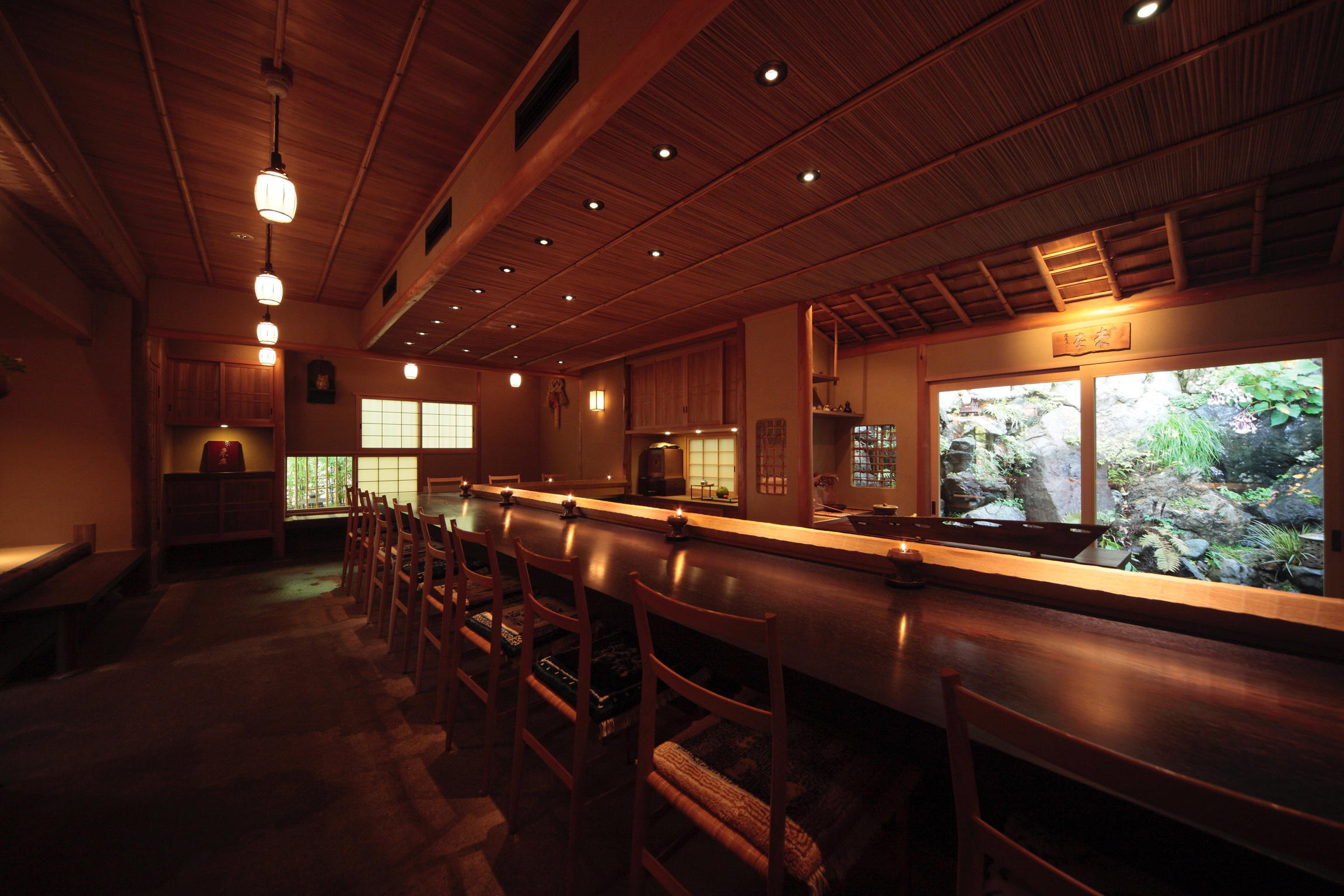
Traditional, quietly elegant Japanese steakhouse atmosphere with private and semi-private rooms, subdued lighting, and a calm, special-occasion feel focused on savoring premium Omi beef.