


毎良山荘 occupies a quiet address in Otsu's Katsuragawabomuracho, placing it at a significant remove from Kyoto's more trafficked dining corridors. The restaurant draws on Shiga Prefecture's produce traditions and proximity to Lake Biwa, situating it within a regional kaiseki lineage that rewards visitors willing to travel beyond the obvious. Reservation logistics and current pricing should be confirmed directly before visiting.
Pearl is the En Primeur Club membership app — saves, bookings, and concierge access live there. Same editors, same standards.
- Address
- 94 Katsuragawabomuracho, Otsu, Shiga 520-0475, Japan
- Phone
- +81775992058
- Website
- hirasansou.com
- Directions
- Get directions
 Saves & bookings on Pearl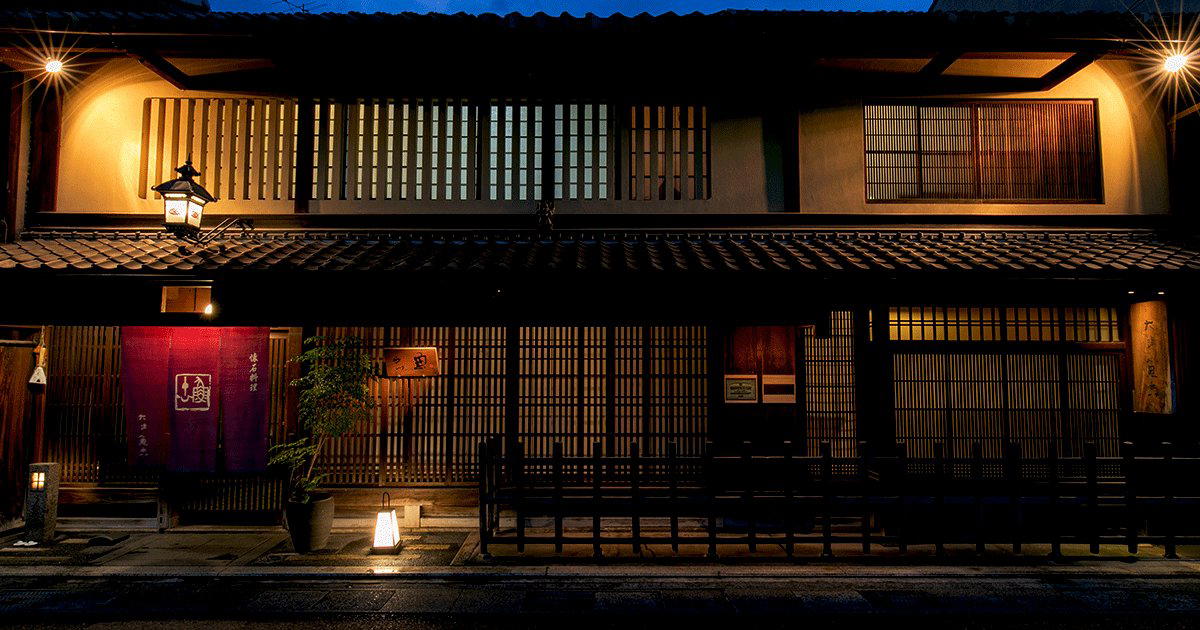
Arriving at the Edge of the Lake Biwa Basin
The address, 94 Katsuragawabomuracho, Otsu, places 毎良山荘 in a part of Shiga Prefecture that most visitors pass through rather than stop in. Otsu sits immediately east of Kyoto, separated by a low ridge, but its dining culture operates on different logic: quieter, more rooted in local agricultural and lacustrine supply chains, and less shaped by the international tourism pressures that have transformed Kyoto's Gion and Higashiyama districts. Approaching the venue through this semi-rural fringe, the shift from urban density to something more deliberate is part of the experience before the meal begins.
That physical remove matters for understanding what kind of restaurant 毎良山荘 is, it is. Shiga Prefecture is not a casual detour for most visitors to the Kansai region. Choosing it implies a specific set of priorities: ingredient access, proximity to Lake Biwa's freshwater ecosystem, and a quieter register of hospitality that the city of Otsu supports more easily than Kyoto or Osaka can at comparable price points. For context on how Otsu's dining scene is structured more broadly,
Shiga's Ingredient Geography and Why It Matters Here
Lake Biwa is the largest freshwater lake in Japan by surface area, and its culinary significance is more than geographic. The lake and its surrounding watershed produce ingredients that appear in kaiseki menus across Kansai, including nigorobuna, the native crucian carp used in funazushi, one of Japan's oldest forms of preserved fish, as well as freshwater clams, ayu (sweetfish), and biwamasu trout. These are not ingredients that travel well or appear in reliable supply far from source. Restaurants in Otsu and the broader Shiga region have structural access to this supply chain that venues in Kyoto or Osaka can only approximate.
This is the defining editorial point about dining in Otsu at this tier: the argument for making the journey is ingredient proximity, not prestige density. Kyoto concentrates more starred restaurants per square kilometre than almost any city outside Tokyo, but it does not concentrate more of Biwa's freshwater catch. A venue like Hirasansou (Kaiseki) in Shiga operates with similar logic, building its identity around what the prefecture's environment specifically provides rather than what broader Japanese fine dining convention demands. The kaiseki tradition, when practiced in this region, is less about demonstrating technique for its own sake and more about making visible a supply chain that most diners elsewhere cannot access.
That framing positions 毎良山荘 within a coherent regional tradition, even where The Shiga approach to this cuisine tier, ingredient-forward, geographically anchored, relatively removed from the certification pressures of Kyoto's starred corridors, is itself a meaningful context for any visit.
Otsu's Place in the Kansai Fine Dining Conversation
Kansai's high-end restaurant culture is routinely discussed through Kyoto and Osaka, with Nara and Wakayama appearing occasionally as secondary references. Otsu is less frequently included, despite its proximity to Kyoto and its distinct ingredient access. That relative absence from the mainstream conversation is less a judgment on quality than a reflection of how culinary reputation is built: through Michelin guides, food media coverage, and the itinerary logic of international visitors who anchor to particularly legible destinations first.
The consequence is that Otsu operates with less competitive pressure on reservations than comparable venues in Kyoto. Gion Sasaki in Kyoto and other highly rated Kyoto counters require advance planning measured in months. Otsu's equivalent tier, while still requiring reservation discipline, does not operate under the same structural scarcity. For a traveller willing to build an itinerary around Shiga rather than treating it as an afterthought to Kyoto, the booking friction is lower and the ingredient specificity is higher.
Peer restaurants in the wider Kansai fine dining tier include HAJIME in Osaka and, at a different register, akordu in Nara, both of which illustrate how Japan's secondary and tertiary cities have developed serious fine dining identities that operate independently of Tokyo's benchmark-setting role. Shiga fits within that pattern.
Other Otsu Venues Worth Considering Alongside This Visit
Otsu supports a range of dining formats. Jidoriya Onza and Onza offer different entry points into the city's restaurant culture, while Korakuan and Uran cover additional positions in Shiga's dining range. Building a visit around multiple meals in the region is more practical than it might appear: Otsu is a 10-minute train ride from Kyoto Station on the JR Biwako Line, making it viable as a day trip anchor or as a base for exploring the lake's western shore.
For travellers mapping fine dining across a broader Japan itinerary, the regional logic extends further. Goh in Fukuoka, Abon in Ashiya, and Harutaka in Tokyo each illustrate how Japan's regional cities sustain high-craft dining with their own ingredient geographies and audience assumptions. Shiga is part of that national pattern, not an outlier from it.
Planning a Visit: What to Confirm Before You Go
Given the address in Katsuragawabomuracho, a quieter residential and semi-rural zone of Otsu, arriving by taxi or rideshare from Otsu Station is one reliable approach; public transport options to this specific address are limited. Seasonal availability of Biwa ingredients means the menu's composition will shift across the year, with ayu season running roughly from late spring through summer and funazushi appearing as a more year-round preparation. Timing a visit to align with a specific ingredient window requires confirming the current menu format with the venue in advance.
At about $25 per person, the venue sits in an accessible price tier for the region. That gap is part of the structural case for including Shiga in a Kansai itinerary rather than treating Kyoto as the sole destination.
At-a-Glance Comparison
Comparable venues nearby, for context on price, style, and recognition.
| Venue | Cuisine | Price | Notes |
|---|---|---|---|
| 比良山荘This venue — the venue you are viewing | Traditional Japanese | $$ | Not listed |
| Sara Soba Nagisa An | Izushi-style sara-soba and Shiga regional cuisine | $$ | Nionohama |
| 相撲料理神雷 | Sumo Chanko Nabe | $$ | 三井寺 |
| Ramen Yoshichi Katata ten | Tonkotsu ramen shop | $ | Katata |
| Omi Gyu Senmon Ten Omi Kadoman | Traditional Omi beef steak & hotpot restaurant | $$$$ | Chuo, Otsu |
| Korakuan | Japanese Cuisine | $$$ | Awazu |
Recognition history
Dated appearances from independent guides and award organizations, with the underlying list record or original source where available.
La Liste Top Restaurants
La Liste
Opinionated About Dining Top Restaurants in Japan Ranked #11
Opinionated About Dining
Tabelog Silver #35
Tabelog
La Liste Top Restaurants
La Liste
Opinionated About Dining Top Restaurants in Japan Ranked #4
Opinionated About Dining
Tabelog 100 #89 · No. 89
Tabelog · Tabelog 100 - Japanese cuisine - WEST - 2025
Tabelog Silver
Tabelog
Opinionated About Dining Top Restaurants in Japan Ranked #5
Opinionated About Dining
Opinionated About Dining Top Restaurants in Japan Ranked #2
Opinionated About Dining
Continue exploring
More in Otsu
Restaurants in Otsu
Browse all →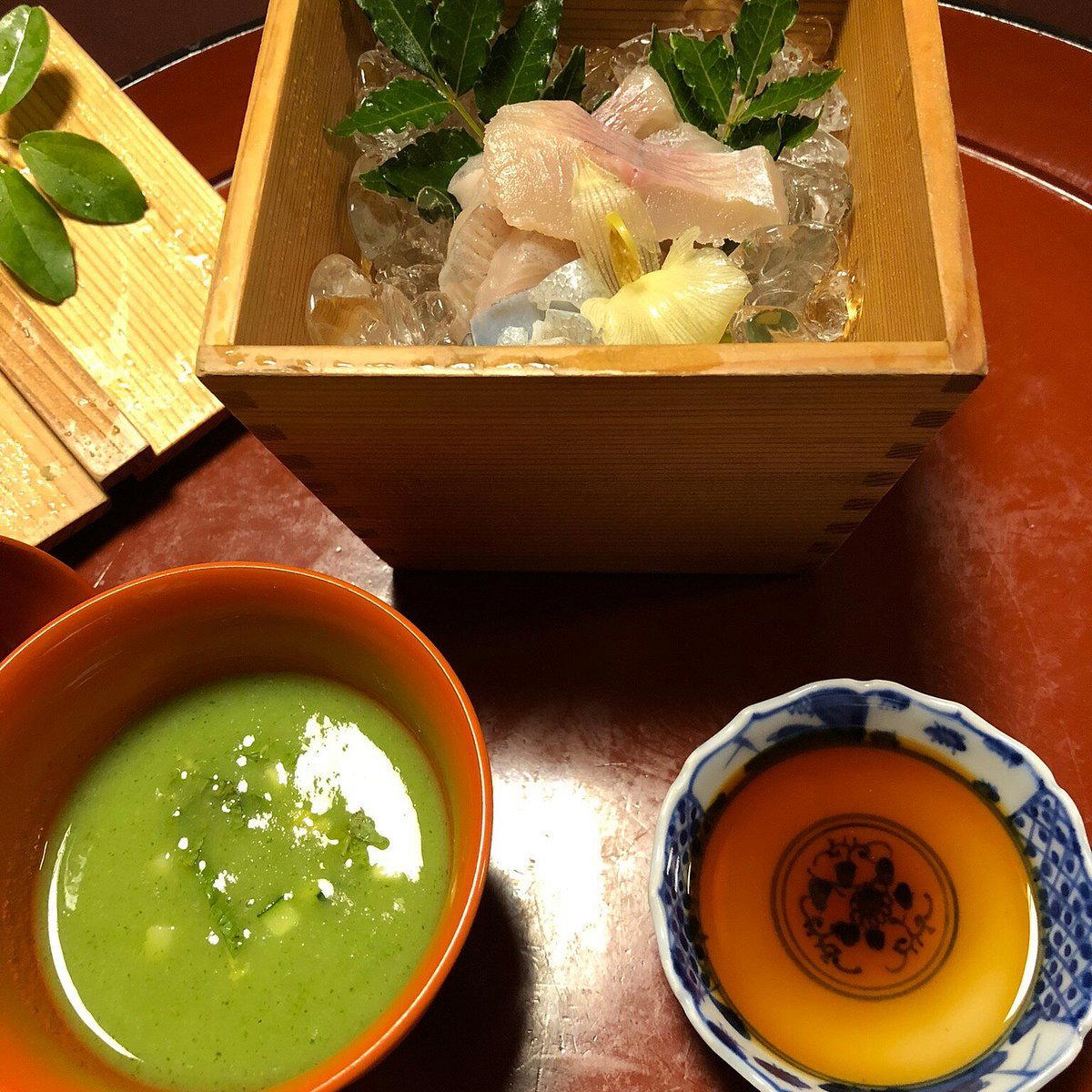
Bars in Otsu
Browse all →
Hotels in Otsu
Browse all →
Wineries in Otsu
Browse all →
At a Glance
- Classic
- Cozy
- Casual Hangout
- Solo
- Local Sourcing
Warm and welcoming atmosphere with traditional Japanese decor and intimate dining spaces.