
Sendagaya’s steak culture has a different rhythm at midday than after dark, and CHACO Amemiya is a useful case study in that split. Its Tabelog Steak・Teppanyaki EAST “Tabelog 100” selection puts it in a serious Tokyo beef conversation, while the room’s compact table-led format keeps the experience closer to a neighbourhood steak house than a ceremonial counter.
Pearl is the En Primeur Club membership app — saves, bookings, and concierge access live there. Same editors, same standards.
- Address
- 1 Chome-7-12 Sendagaya, Shibuya, Tokyo 151-0051, Japan
- Phone
- +81 3-3402-6066
- Website
- chacoamemiya.com
 Saves & bookings on Pearl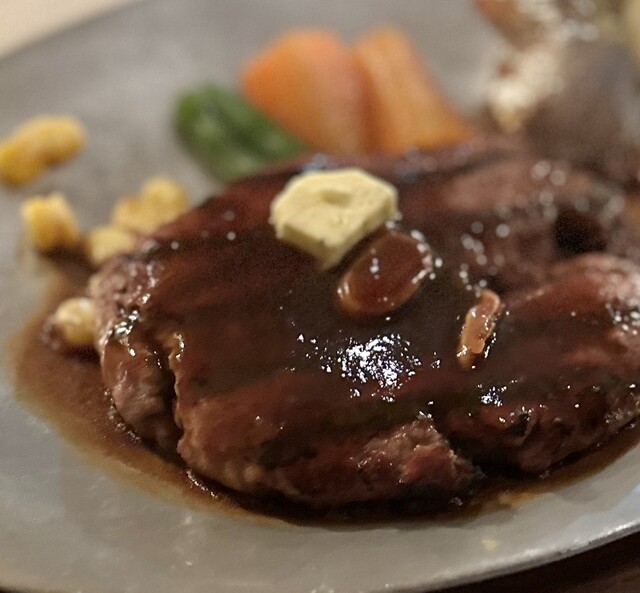
The approach to Sendagaya is quieter than the restaurant corridors of Ginza or Roppongi: stadium edges, residential streets, and the practical pulse of people moving between stations rather than lingering for a long night out. That setting matters. Tokyo steak is often discussed through luxury wagyu counters and polished hotel dining rooms, but the city also has a durable category of basement and side-street steak houses built around regulars, wine, shared tables, and the clear divide between daytime value and evening intent.
CHACO Amemiya belongs to that second tradition. Its selection for Tabelog Steak・Teppanyaki EAST “Tabelog 100” in 2025, with earlier selections in 2024 and 2021, gives it a public marker within a crowded field. The signal is useful because steak in Tokyo is fragmented: teppanyaki counters compete on theatre and luxury ingredients, wagyu specialists compete on sourcing, and old-school steak rooms compete on comfort, portion, and repeatability. This address sits closer to the last camp, a 30-seat room where the format reads as social rather than ceremonial.
Lunch is the value play; dinner is the fuller steak-house argument
The lunch-versus-dinner distinction is not a minor scheduling detail in Tokyo steak dining. Lunch often functions as the access point: shorter, more efficient, and priced for office workers or locals who want the room without committing to a full evening. Dinner changes the calculation. Wine becomes more relevant, table pacing matters more, and steak-house culture has room to behave like a night out rather than a refuelling stop.
That split is especially clear in Sendagaya, where the neighbourhood does not trade on late-night glamour. A daytime meal here fits the district’s working rhythm, while dinner asks a different question: whether the reader wants beef in a room with local gravity instead of the choreography of a luxury counter. The answer depends on appetite for formality. Tokyo has restaurants where beef arrives wrapped in ritual; this is better read as part of the city’s table-based steak tradition, where the pleasure is less about spectacle and more about the confidence of a focused category.
The category also explains why comparisons to unrelated Tokyo dining formats can mislead. A dessert-led address such as LAITIER, a French room such as Convivio, or a high-priced Chinese outlier such as Shaoxiong Hanten answer different dining needs altogether. For a broader read on how those categories sit across the city, use Our full Tokyo restaurants guide, then separate steak-house planning from café, French, and special-occasion dining.
Sendagaya gives the meal a quieter frame than central Tokyo steak districts
Location changes expectation. Sendagaya and the National Stadium area do not carry the same restaurant-density pressure as Shinjuku, Ginza, or Ebisu, and that works in favour of a steak house with a compact room. The neighbourhood creates a narrower audience: people who make a deliberate trip, locals who know the address, and diners pairing the area with nearby cultural or sports plans. The result is less about scene-chasing and more about whether the format suits the occasion.
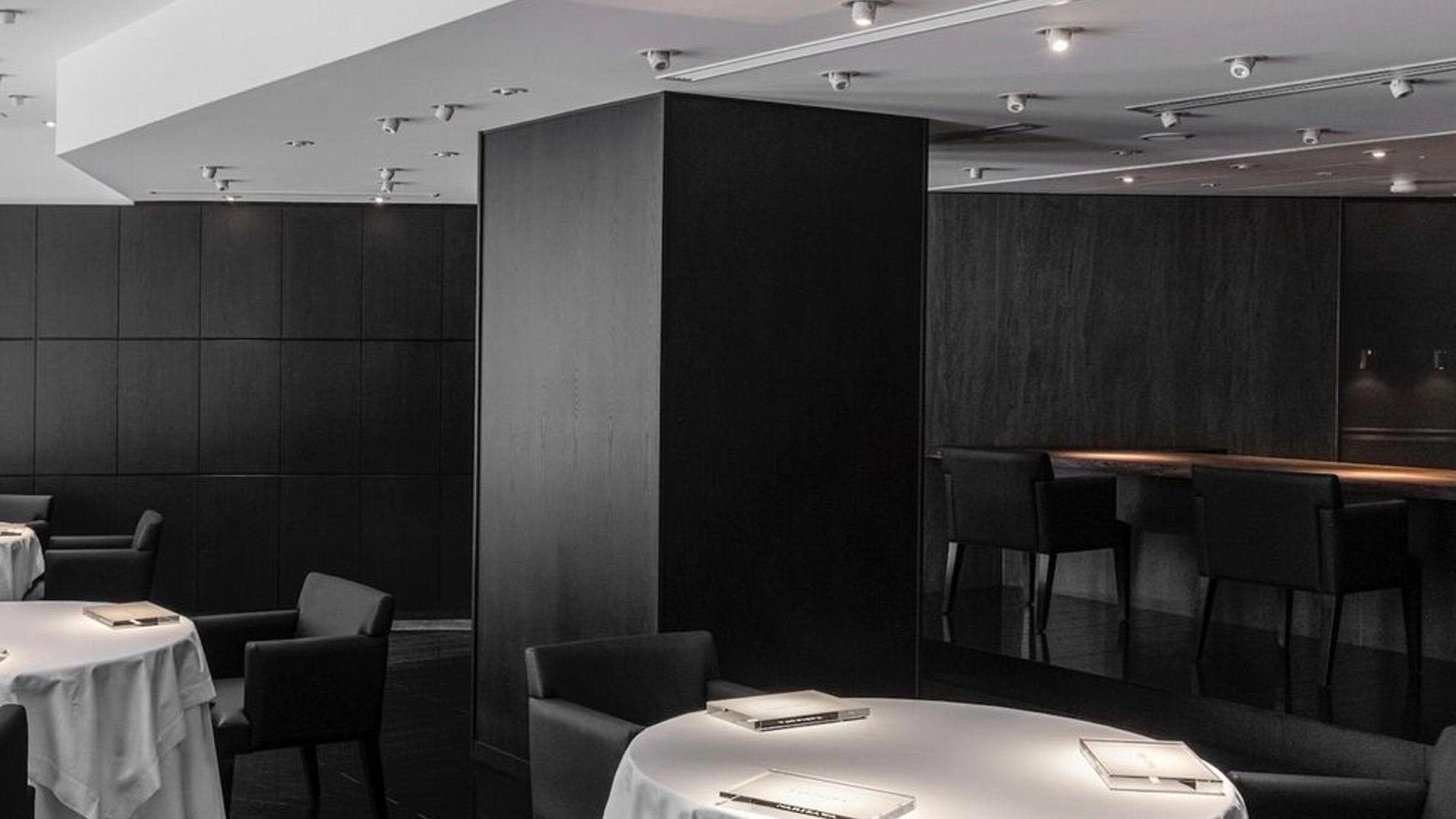
The room’s 30-seat structure also matters editorially. Tokyo’s premium dining conversation is often dominated by counters, where the guest watches craft unfold from a fixed seat. A table-led steak house changes the social contract. It is better for friends, for wine, and for a meal that does not require everyone to face the same direction. Private rooms and private use are not part of the proposition, so the appeal is public-room conviviality rather than enclosure.
Practical friction is part of the read. Reservations are handled by phone, and lunch payment rules differ from dinner. That is not unusual in older Tokyo restaurants, but it rewards planning, especially for visitors used to app-based bookings and cashless assumptions. The lack of an official website also places more weight on current listings and direct confirmation before travel plans are fixed.
How to place it in a Tokyo itinerary
CHACO Amemiya works well for travellers who already understand that Tokyo beef is not a single category. If the goal is a formal wagyu counter, choose elsewhere. If the goal is a recognised steak room with neighbourhood character, a wine-friendly evening mood, and a sharper lunch-versus-dinner decision, this becomes a more interesting booking.
For nearby or category-adjacent planning, EP Club’s Tokyo restaurant coverage spans casual, specialist, and destination formats: . 鮪と炭火焼き うお炭 秋葉原店, 12/10 Shinjuku ten, 124. KAGURAZAKA (Yakitori), 2D Cafe, and 3 Chome no Curry Ya San. To widen the trip beyond restaurants, see Our full Tokyo hotels guide, Our full Tokyo bars guide, Our full Tokyo wineries guide, and Our full Tokyo experiences guide.
Travellers building a broader Japan food route can contrast Tokyo’s steak-house logic with -Grilled beef Sukiyaki- KAMAKURA TANUKIAN 鎌倉 たぬき庵 in Kamakura.cafe in Osaka.know in Kumamoto, (Shoku) Vietnam in Kawasaki, [Curry Senmon Ten] Maruyama Kyoju. in Sapporo, and [ki:] in Kyoto. For a transpacific palate reset, Jōdo Saké Bar in Los Angeles and Onigiri Time in Pasadena sit in a different Japanese-influenced dining conversation entirely.
The editorial call is simple: choose lunch for efficiency and value, choose dinner when wine and a slower table matter. In either case, the restaurant is not trying to imitate Tokyo’s luxury beef theatre. Its relevance comes from holding a recognised place in the city’s steak-house lane while keeping the experience grounded in Sendagaya’s quieter cadence.
Price Lens
Comparable venues in the metro at similar price points.
| Venue | Cuisine | Price | Notes |
|---|---|---|---|
| CHACO AmemiyaThis venue — the venue you are viewing | Not listed | $$$ | Not listed |
| Steak & Wine Jinbo | Not listed | $$ | Chiyoda, Steak & European-style curry with wine |
| Partenope Ebisu | Ebisu, Authentic Neapolitan Pizza | $$$ | Not listed |
| ビオディナミコ | Shibuya, Modern Italian Ristorante | $$$ | Not listed |
| Oni Tei | Not listed | $$$ | Shibuya, Traditional chicken yakiniku / yakitori in Shibuya |
| Halal Wagyu Yakiniku Gyumon Shibuya | Shibuya, Halal Wagyu Yakiniku | $$$ | Not listed |
Recognition history
Dated appearances from independent guides and award organizations, with the underlying list record or original source where available.
Tabelog 100 #64 · No. 64
Tabelog · Tabelog 100 - Steak / Teppanyaki - EAST - 2025











At a Glance
- Cozy
- Classic
- Lively
- Date Night
- Group Dining
- Celebration
- After Work
- Open Kitchen
- Standalone
- Design Destination
Current opening hours
- Monday
- Closed
- Tuesday
- 11:30 AM–2 PM, 5–10 PM
- Wednesday
- 11:30 AM–2 PM, 5–10 PM
- Thursday
- 11:30 AM–2 PM, 5–10 PM
- Friday
- 11:30 AM–2 PM, 5–10 PM
- Saturday
- 5–10 PM
- Sunday
- 5–9 PM
Hours can change for holidays and private events. Last verified .
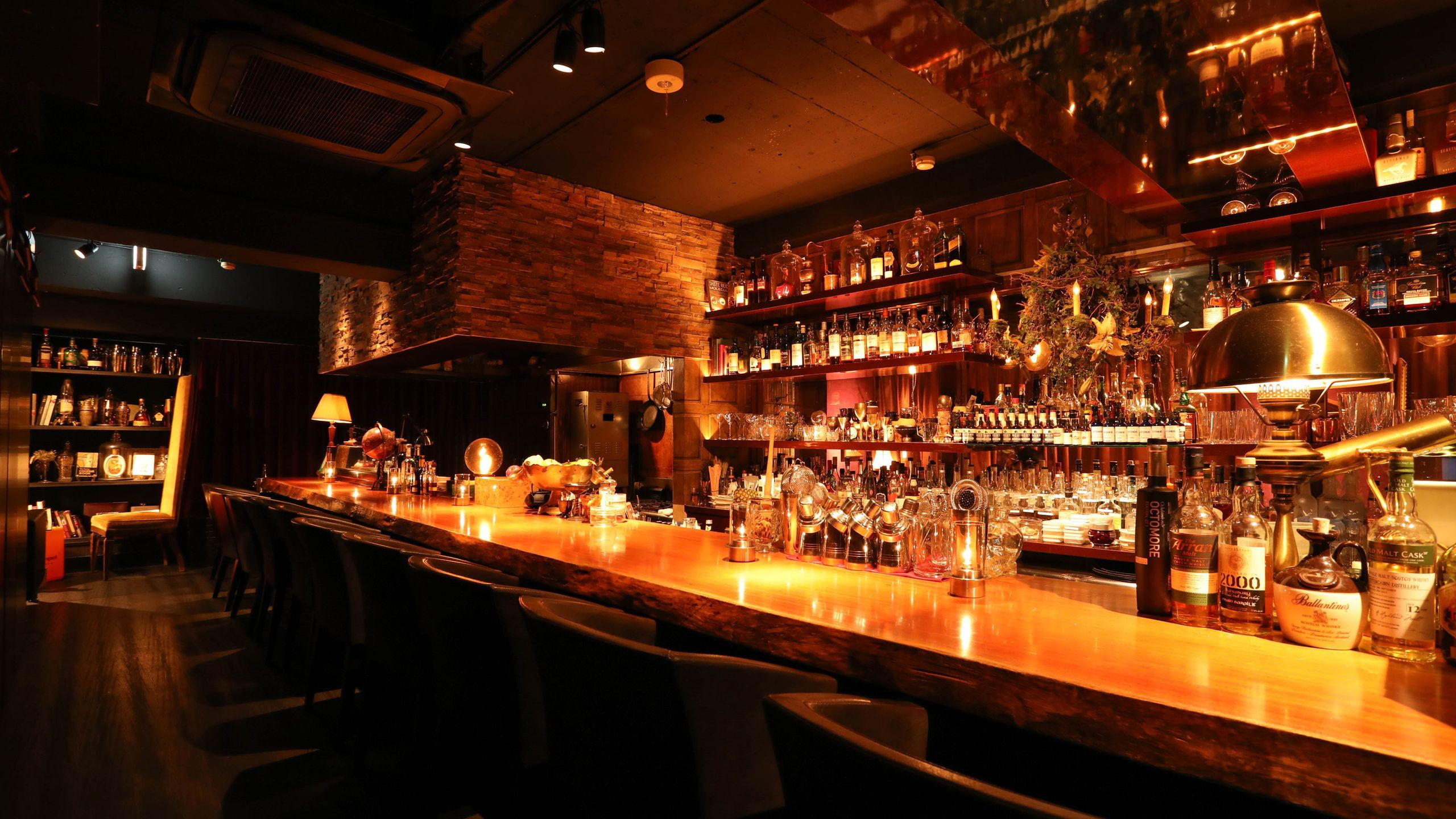
A classic basement steakhouse with a warm, semi-casual atmosphere, close-set tables for small groups, and the cozy feel of a long-time neighborhood favorite rather than a formal fine-dining room.