Cellarius
Our verdict
Cellarius occupies a corner of Carrer Sant Josep de Calassanç in the heart of Granollers, a city better known as a logistics hub than a dining destination. The address alone signals something deliberately local: no tourist orbit, no Barcelona spillover crowd. What draws attention here is a kitchen working within the ingredient traditions of the Vallès Oriental comarca, where market-driven sourcing is less a trend than a baseline expectation.

Pearl is the En Primeur Club membership app, where members save venues, book tables and use the concierge.
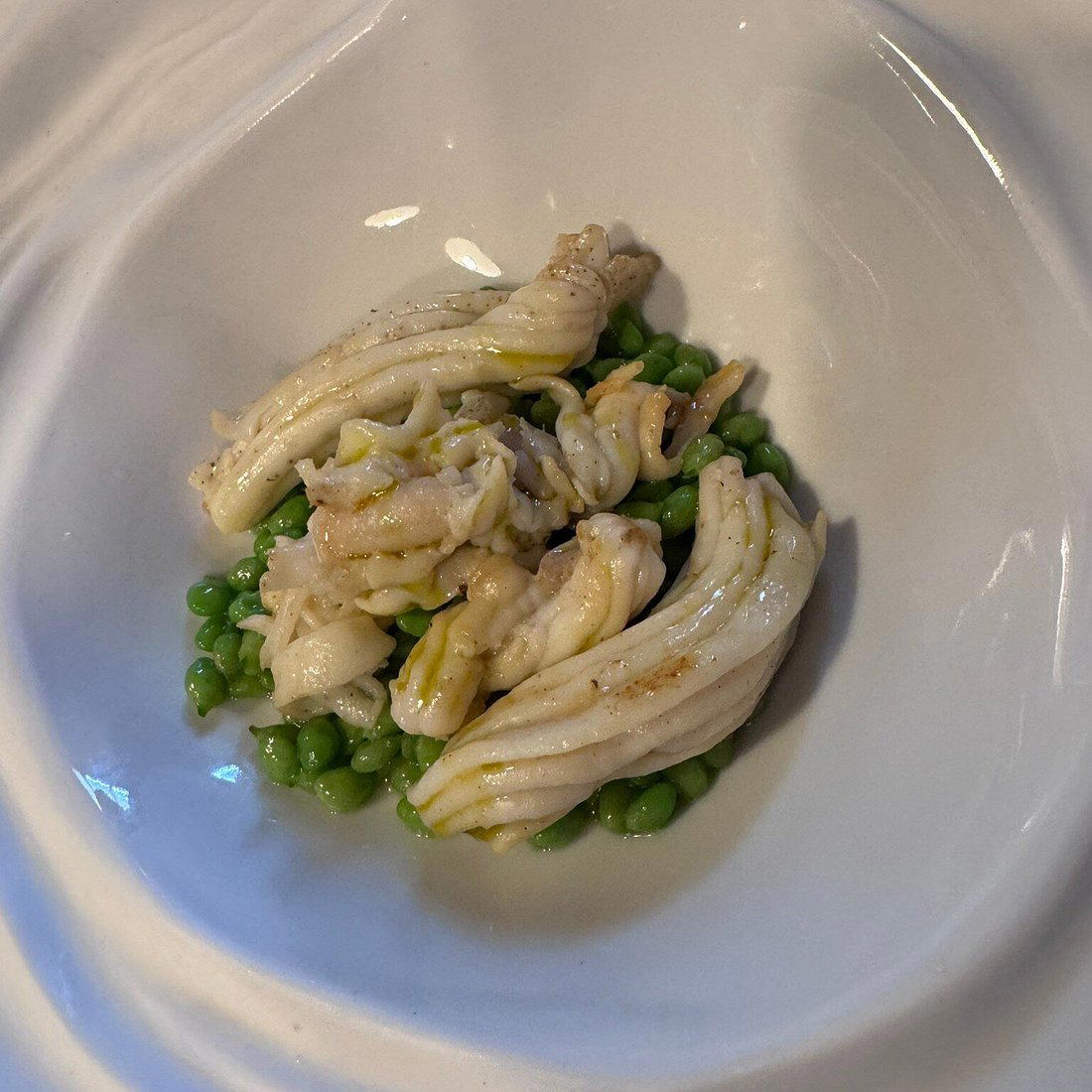
Granollers at the Table: What Drives the City's Dining Character
Granollers sits roughly 30 kilometres north of Barcelona in the Vallès Oriental, a comarca defined by market towns, agricultural flatlands, and a regional food culture that predates any contemporary farm-to-table framing. The city's weekly market, one of the largest in Catalonia, has set the rhythm of local kitchens for centuries. In that context, the expectation that a restaurant sources closely and cooks seasonally is not a positioning choice, it is simply how the local dining tradition operates.
Restaurants that work within this tradition sit in a different competitive frame from Barcelona's tasting-menu circuit. The peer reference is not El Celler de Can Roca in Girona or Cocina Hermanos Torres in Barcelona, where experimentation and formal recognition define the category. The frame is closer to the kind of mid-market regional dining that Spain does well and that visitors from outside the country consistently underestimate: ingredient-led, technically grounded, and priced for the community it feeds.
The Address and What It Signals
Carrer Sant Josep de Calassanç is a residential street in the established grid of central Granollers, away from the city's main commercial axis. A venue choosing this address is not angling for passing trade. It is, implicitly, making a statement about who it expects to come through the door: locals with a reason to return, not tourists in transit. That dynamic shapes everything from the pacing of service to the assumptions a kitchen can make about what its regulars already understand and prefer.
Within Granollers' dining scene, Cellarius occupies this quieter, more neighbourhood-rooted position. For visitors arriving from Barcelona, the Renfe R2 Norte line connects Passeig de Gràcia to Granollers-Centre in under 40 minutes, making a meal here a practical proposition rather than an expedition. Reservations, however, should be treated as mandatory rather than optional for any Friday or Saturday sitting, local demand at address-specific restaurants in smaller Catalan cities tends to move faster than visitors anticipate.
Ingredient Sourcing as the Organising Principle
In Spain's broader fine-dining conversation, sourcing narratives have grown more specific over the past decade. At Quique Dacosta in Dénia, the Mediterranean coastline and its micro-seasonality provide a structural backbone. At Aponiente in El Puerto de Santa María, the sourcing argument is built around tidal ecosystems and species that most kitchens ignore. At Azurmendi in Larrabetzu, the kitchen's relationship with the surrounding Basque landscape is architectural, embedded in how the building itself was designed.
Granollers doesn't operate at that altitude of conceptual ambition, but the Vallès Oriental's agricultural depth gives local kitchens genuine material to work with. The comarca produces quality vegetables year-round, has established relationships with livestock farms to the north, and sits within reach of both the Montseny foothills and the coast. A kitchen in Granollers that takes sourcing seriously has supply chains available that would be the envy of many urban restaurants forced to consolidate through wholesale intermediaries.
In this context, Cellarius represents the kind of restaurant where the menu's shape is dictated by what the season offers rather than by a fixed concept imposed on available ingredients. That is a meaningful distinction in a country where menu del día culture has trained diners to expect variety and responsiveness at mid-market price points.
Granollers has developed a small but coherent group of restaurants working across different registers. Mint occupies the contemporary tier at a €€ price point, applying modern technique to Catalan frameworks. Espai Kodama brings a different cultural reference point to the city's dining mix. La Clandestina and A Vocados Granollers each stake out distinct positions within a scene that, while modest in scale, is not static.
Cellarius' street address and the neighbourhood identity that comes with it position it differently from the above: less concerned with concept-signalling, more embedded in the daily rhythm of a mid-sized Catalan city. That positioning mirrors what you find in comparable towns across the region, where the most durable restaurants succeed on repeat-visitor loyalty rather than destination traffic. The full shape of the Granollers dining scene is mapped in our full Granollers restaurants guide.
Spain's Regional Dining Tradition and Where Granollers Fits
Spain's critical attention concentrates at its peaks: Arzak in San Sebastián, Martin Berasategui in Lasarte-Oria, Mugaritz in Errenteria, DiverXO in Madrid, Atrio in Cáceres, Ricard Camarena in València. These are the addresses that generate international coverage and, with it, a particular idea of what Spanish restaurant cooking looks like at its most serious. The reality beneath that peak is a dense, underreported layer of regional cooking that is technically accomplished, deeply seasonal, and priced at a fraction of what the headline restaurants charge.
Granollers is squarely in that layer. The city's proximity to Barcelona gives it access to a wider dining public than most towns of its size, but it has not been absorbed into Barcelona's satellite orbit the way some closer municipalities have. It retains a distinct local identity, and restaurants like Cellarius are part of what sustains that identity at the table.
For international visitors, the comparison point that most accurately captures the category is not a Spanish one. The neighbourhood anchor restaurant that sources from known local producers, runs a tightly edited menu, and relies on the confidence of repeat custom is a format recognisable across Europe, comparable in spirit, if not in cuisine, to the kind of address that earns quiet loyalty in Lyon's second-tier bouchon circuit or in smaller Venetian bacari. The format works because it is not trying to be anything other than what it is.
Planning a Visit
Cellarius is at Carrer Sant Josep de Calassanç, 47, 08402 Granollers, Barcelona, Spain. The simplest approach from central Barcelona is the Renfe R2 Norte commuter line to Granollers-Centre, with the address reachable on foot or by a short taxi from the station. Lunch is the natural entry point for first-time visitors to this kind of neighbourhood restaurant in Catalonia, where the midday sitting typically offers the leading value and the most relaxed pacing. As with most addresses in smaller Catalan cities, phone or in-person reservation confirmation is advisable ahead of weekend visits.
Frequently asked questions
Does Cellarius work for a family meal?
Granollers is a working market city rather than a tourist destination, and its restaurants are built around local families as a primary demographic. Cellarius, on a residential street in central Granollers, fits that pattern: the address and neighbourhood context suggest a room that expects mixed tables and regular returning groups rather than an exclusively adult fine-dining format.
How would you describe the vibe at Cellarius?
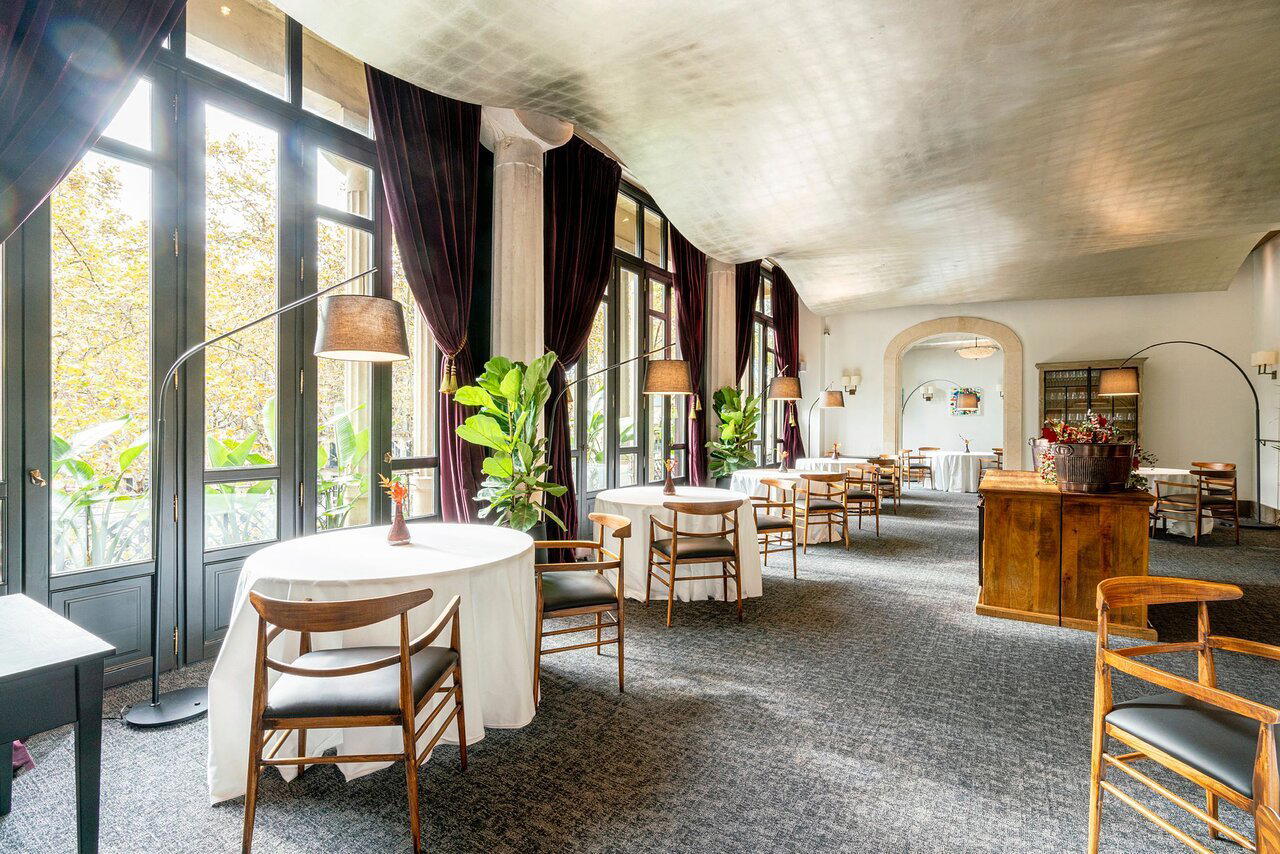
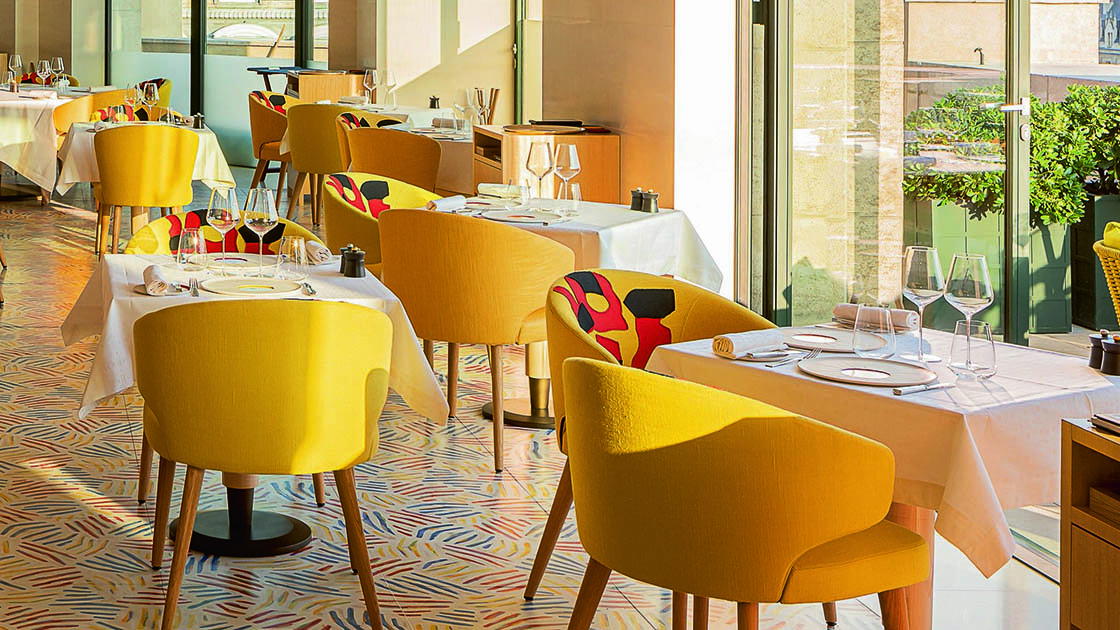
The address on Carrer Sant Josep de Calassanç, away from Granollers' main commercial axis, points toward a neighbourhood register rather than a destination-restaurant atmosphere. Expect a room oriented around local regulars, not the formal intensity of a Barcelona tasting-menu counter.
Is Cellarius worth the trip from Barcelona specifically for the food, or is it better combined with other Granollers stops?
Granollers sits on the Renfe R2 Nord line, roughly 30 kilometres from central Barcelona, making it a practical half-day or full-day proposition rather than a standalone detour. The city has a coherent peer group of restaurants across different price points, so pairing a meal at Cellarius with the Mercat de Granollers or other Vallès Oriental stops gives the trip more grounding. Whether Cellarius alone justifies the journey depends on what no publicly available awards or chef profile can currently confirm; the neighbourhood context suggests a local-quality address rather than a destination restaurant drawing cross-regional visitors.
What dish is Cellarius famous for?
Kitchens working within Catalan seasonal tradition in the Vallès Oriental typically shift their menus in line with the comarca's agricultural calendar, so a fixed calling-card dish is less likely than a menu structured around what the market and local producers are offering at a given time. Confirming current menu focus directly with the restaurant is the most reliable approach.
Where is Cellarius located?
Cellarius is located at Carrer Sant Josep de Calassanç, 47, 08402 Granollers, Barcelona, Spain, Granollers.
In Context: Similar Options
| Venue | Cuisine | Price | Awards | Notes |
|---|---|---|---|---|
| CellariusThis venue (the venue you are viewing) | Modern Mediterranean Fine Dining | $30–50 | Not listed | Not listed |
| Mint | Modern Mediterranean | $20–30 | Michelin Plate | Contemporary |
| Espai Kodama | Modern Japanese Sushi | $30–50 | Not listed | Not listed |
| La Clandestina Restaurant | Modern Spanish with Catalan influences | $20–30 | Not listed | Not listed |
| A Vocados Granollers | Fusion Pizzeria with Flexitarian Focus | $20–30 | Not listed | Not listed |
Continue exploring
More in Granollers
Restaurants in Granollers
All restaurants in Granollers →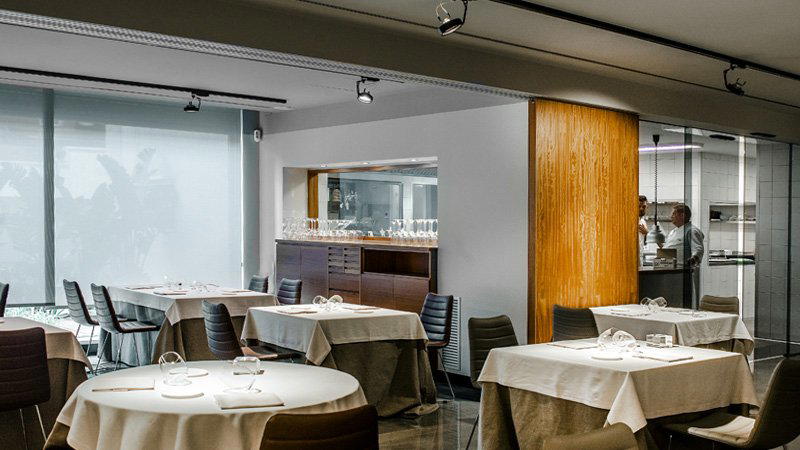
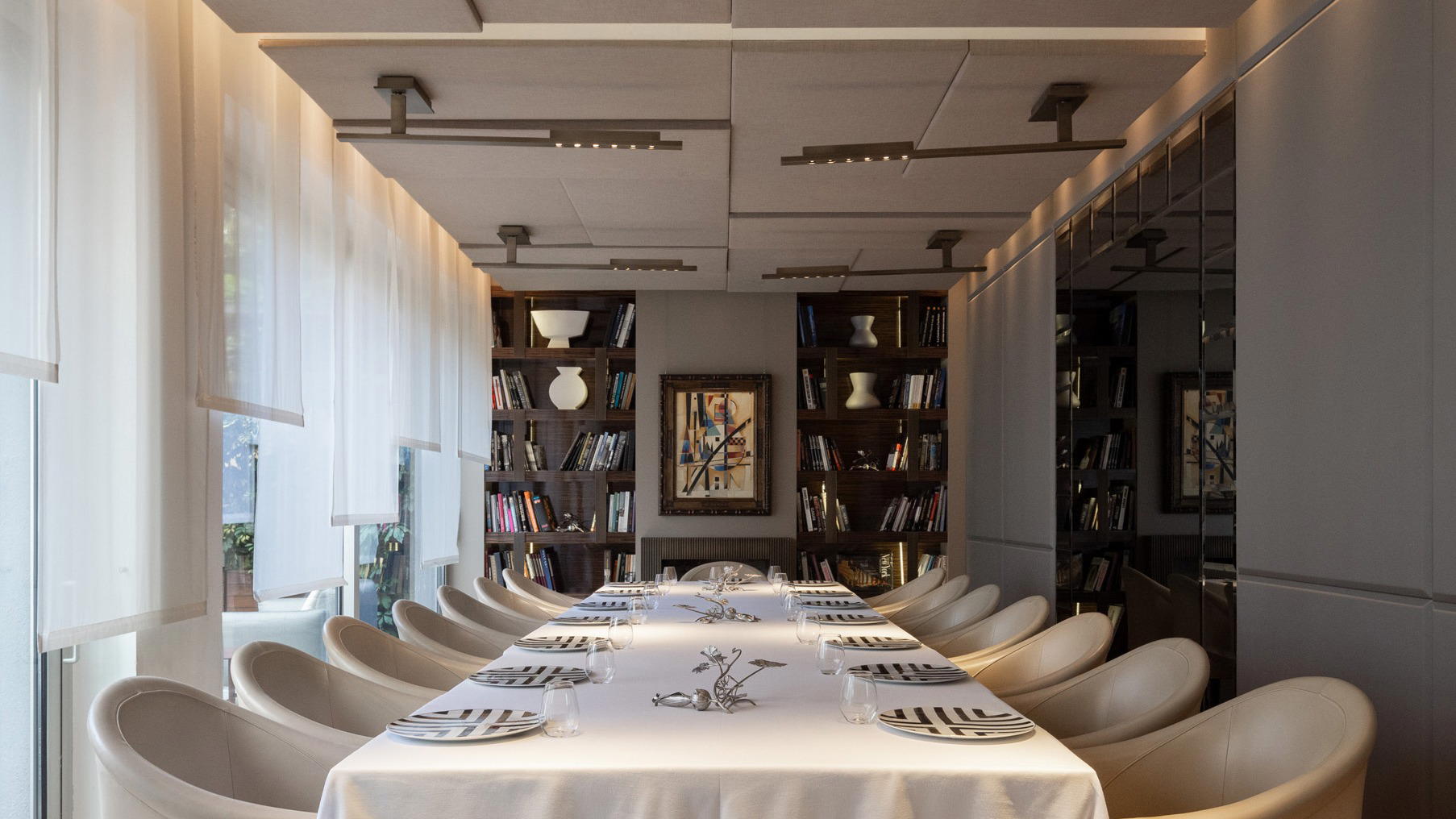
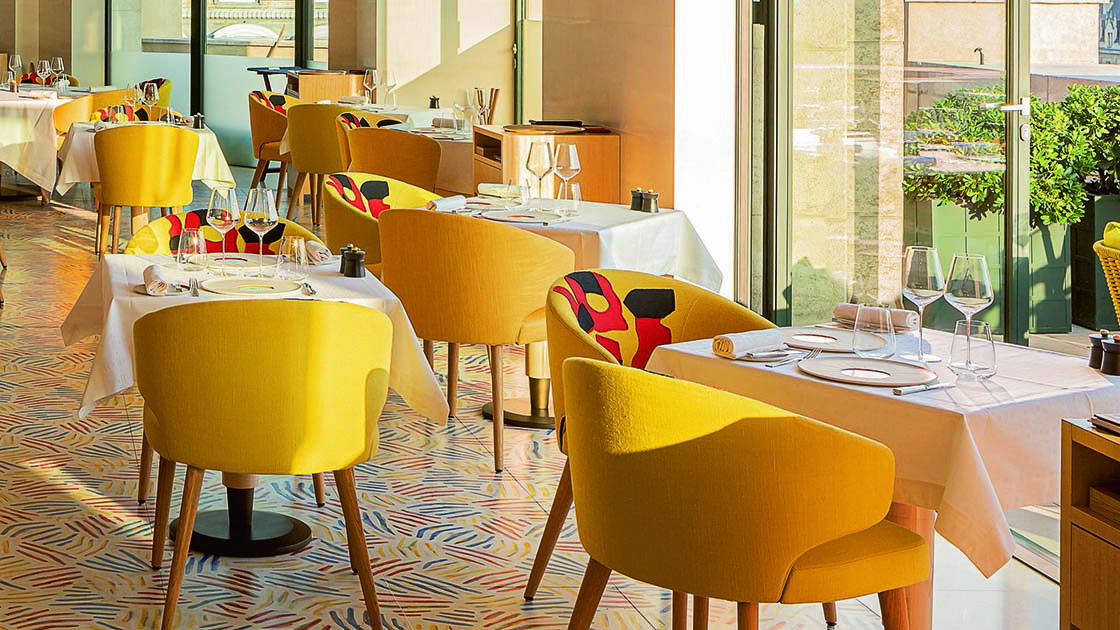
Bars in Granollers
Browse all →


Details
- Elegant
- Sophisticated
- Special Occasion
- Date Night
- Open Kitchen
- Tasting Menu
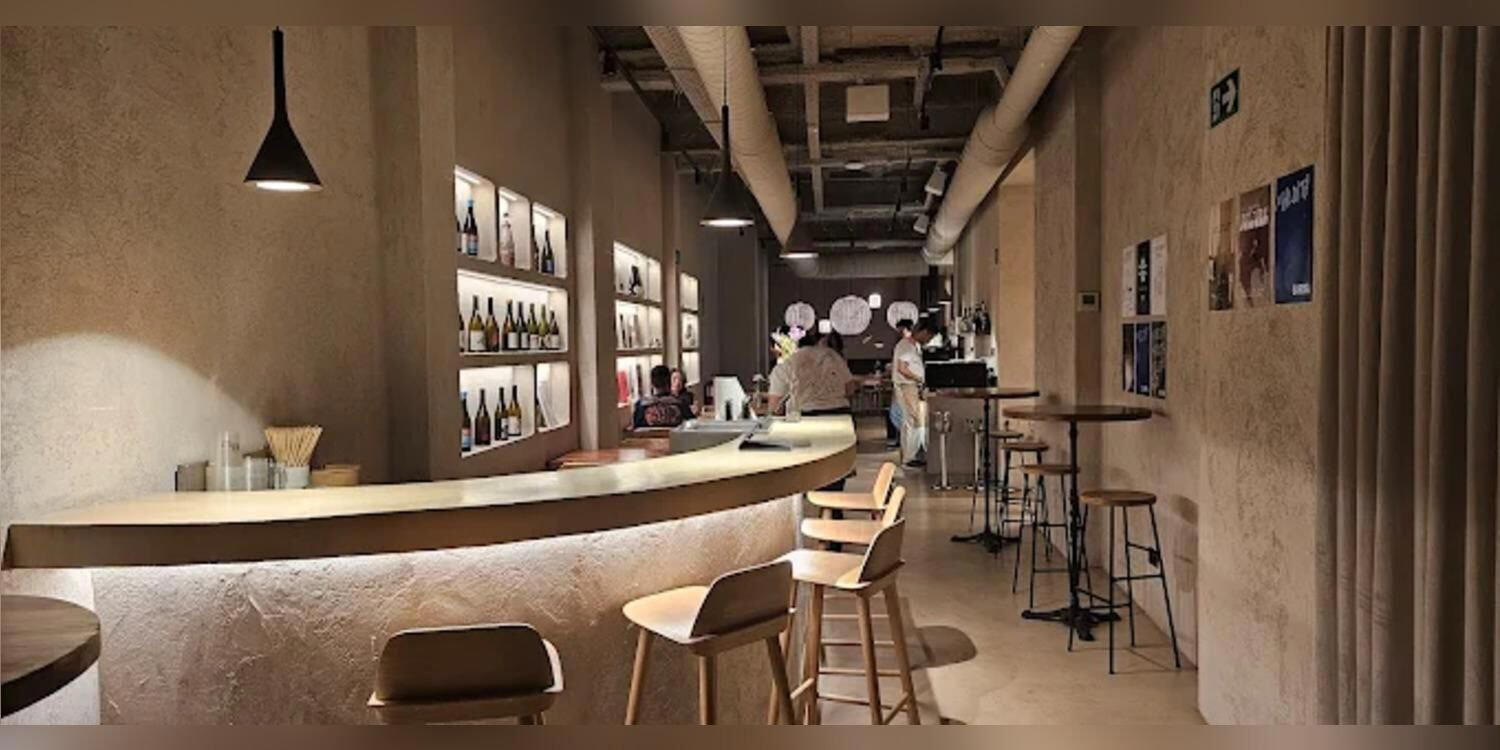
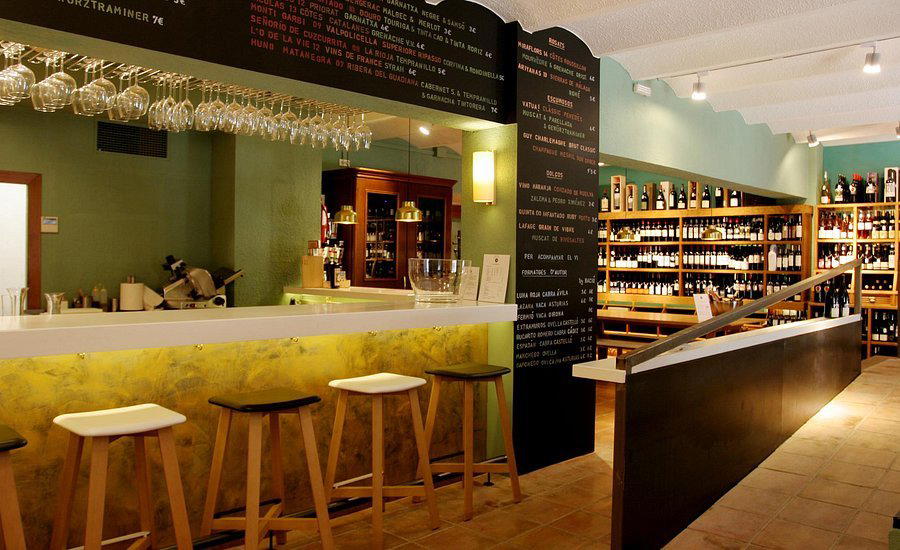
Casual dining with elegant and refined atmosphere.